Are AMD Ryzen processors good for gaming?
AMD Ryzen processors are good for gaming because they combine strong multi-core performance with solid single-core speed. Modern games often depend on high clock speeds and efficient cores, and Ryzen CPUs deliver both, which puts them in direct competition with Intel chips in gaming performance.
Ryzen processors also use the AM4 and AM5 sockets, which support different chipsets and let users pick from a wide range of motherboards with features like PCIe 4.0 or PCIe 5.0, DDR4 or DDR5 memory, and advanced connectivity. This flexibility means you can match a Ryzen CPU with a setup that fits your budget and gaming needs.
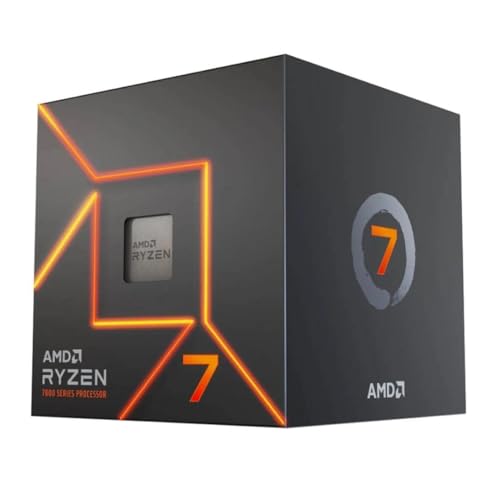
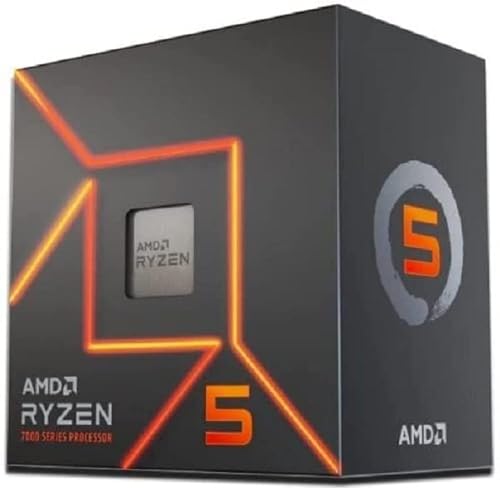
The Ryzen 5000 and 7000 series in particular have gained strong reputations because they reach high frame rates in popular titles while also handling streaming and multitasking without slowdown.
The best AMD Ryzen gaming CPUs are as follows.
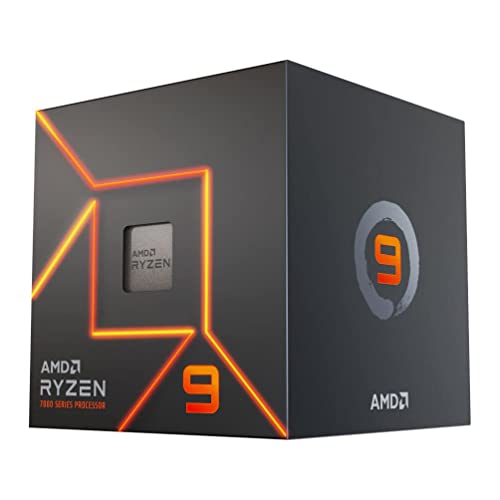
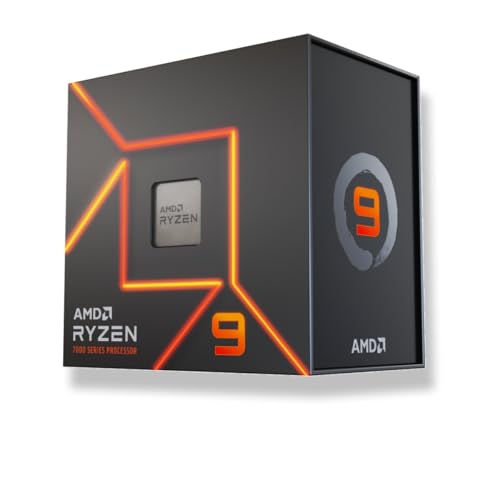
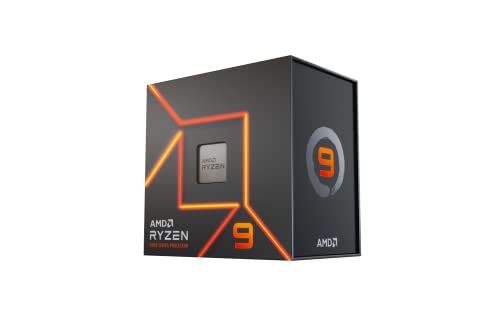
- AMD Ryzen 9 7900 (Overall score: 9.19 points)
- AMD Ryzen Threadripper Pro 7985WX (Overall score: 9.16 points)
- AMD Ryzen Threadripper 7970X (Overall score: 9.1 points)
Do Ryzen CPUs need a dedicated GPU for gaming?
Ryzen CPUs need a dedicated GPU for gaming if they do not include integrated graphics. Most standard Ryzen processors, such as Ryzen 5 and Ryzen 7 desktop chips, do not have built-in graphics cores, so they cannot output a display signal without a discrete graphics card.
Only Ryzen models marked with a “G” in their name (for example, Ryzen 5 5600G or Ryzen 7 5700G) come with integrated Radeon Vega graphics that can handle gaming on their own, though performance stays closer to entry-level levels.
Intel vs Ryzen: Which is better for gaming?
Intel processors excel in single-core performance while AMD Ryzen chips deliver superior multi-core performance and better value for gaming.
Intel's latest 13th and 14th generation CPUs achieve higher clock speeds and better performance in games that rely heavily on single-threaded performance, which includes many competitive titles like CS:2 and Valorant. Intel processors also work seamlessly with high-speed DDR5 memory and maintain consistent frame rates across different gaming scenarios.
AMD Ryzen processors dominate in multi-threaded workloads and cost-effectiveness, with their 7000 series chips built on advanced 5nm architecture that delivers excellent gaming performance per euro spent. Ryzen CPUs handle streaming, content creation, and multitasking better than Intel equivalents due to higher core counts at similar price points. The AM5 platform supports PCIe 5.0 and DDR5 memory while maintaining compatibility with future CPU generations, which extends system longevity.
For pure gaming performance at high refresh rates, Intel currently holds a slight edge in most titles, particularly at 1080p resolution where CPU bottlenecks matter most. However, AMD Ryzen processors close this gap significantly at higher resolutions like 1440p and 4K where GPU limitations become the primary factor.
Which AMD Ryzen processor series is best for gaming?
The best AMD Ryzen processor series for gaming are as follows:
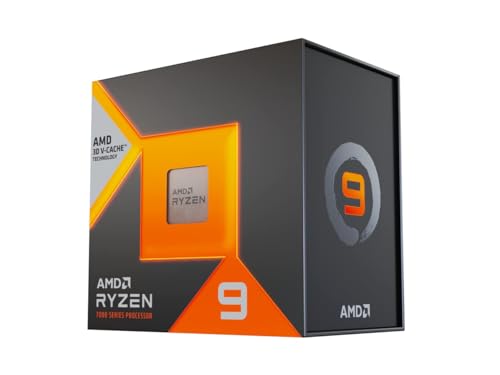
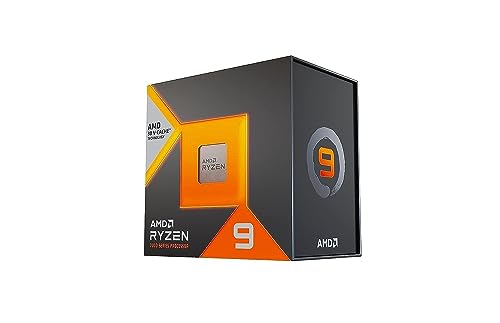
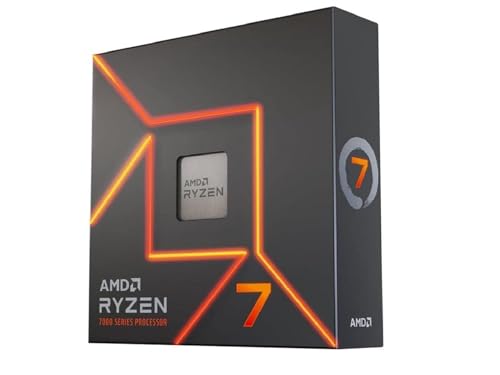
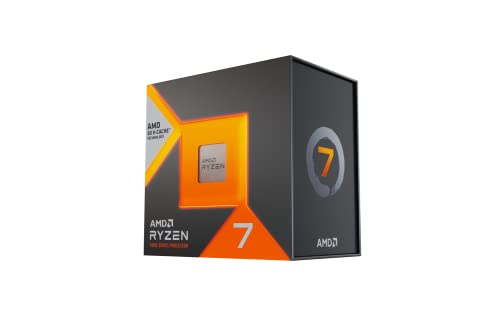
- Ryzen 7000 Series (AM5): The flagship gaming processors deliver top-tier performance with DDR5 memory support and PCIe 5.0 connectivity. These chips feature improved IPC (Instructions Per Clock) performance and higher boost clocks that translate to superior frame rates in modern games. The 7800X3D stands out with its massive 96MB L3 cache, which significantly improves performance in cache-sensitive games.
- Ryzen 5000 Series (AM4): These processors represent excellent value for gaming while maintaining compatibility with existing AM4 motherboards and DDR4 memory. The 5800X3D uses AMD's 3D V-Cache technology to achieve gaming performance that rivals much more expensive processors. Both the 5600X and 5700X deliver solid 1440p gaming performance at competitive price points.
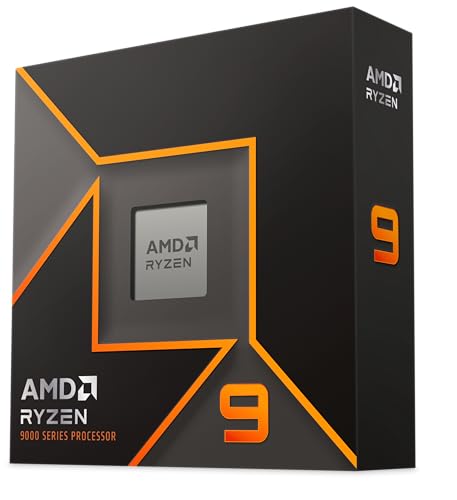
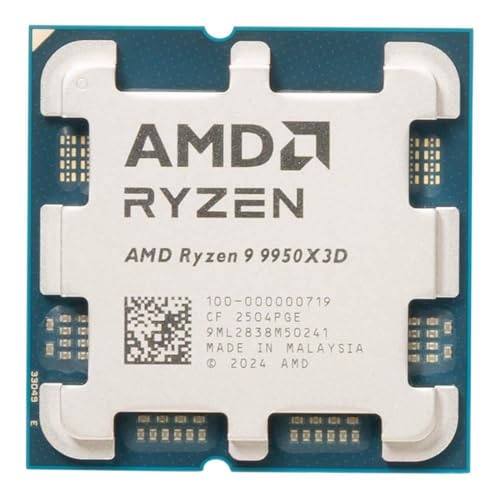
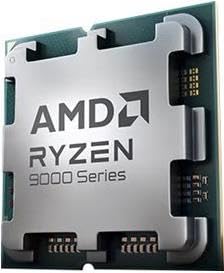
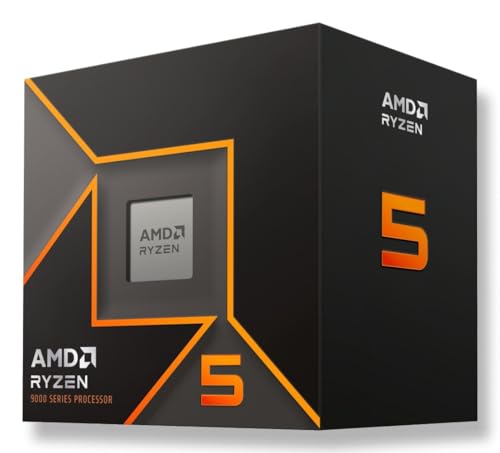
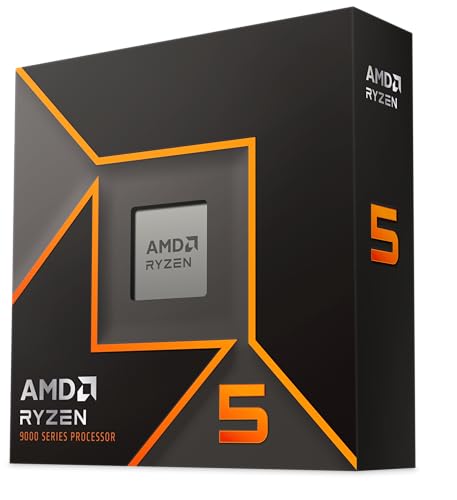
- Ryzen 9000 Series (AM5): The newest generation brings architectural improvements with better power efficiency and enhanced gaming performance over previous generations. These processors feature refined Zen 5 architecture that delivers measurable improvements in both gaming and productivity tasks. The series maintains compatibility with existing AM5 motherboards while supporting the latest memory and storage standards.
- Budget Options (Ryzen 4000/3000 Series): Older generations like the 3600 and 4600G provide capable 1080p gaming performance at budget-friendly prices around £130-£170. These processors work well with mid-range graphics cards and offer good upgrade paths on the AM4 platform. The integrated graphics options serve users who want basic gaming capability without a dedicated GPU.
The following chart compares the number of physical cores in AMD Ryzen gaming CPUs.
[vertical-chart-08805696927798995112072104556449380310683725242191]
How much do the best AMD Ryzen gaming CPUs cost?
The best AMD Ryzen gaming CPUs cost between £260 and £600, depending on the generation and model. High-end options such as the Ryzen 9 series sit near the top of this range, while the Ryzen 7 chips cover the middle segment. Ryzen 5 processors remain cheaper but still perform well for gaming, usually staying under £300.
Prices vary with architecture (Zen 3 or Zen 4), core count, and boost clock speeds. For example, a Ryzen 7 can deliver strong gaming performance at a lower price than a Ryzen 9, but it has fewer cores and threads, which matters for heavy multitasking or mixed workloads.
The chart below shows the price distribution of AMD Ryzen gaming CPUs.
[vertical-chart-15617079055034150490167172793610773374850305948829]
What should you consider while choosing the best AMD Ryzen CPU for gaming?
When choosing the best AMD Ryzen CPU for gaming, you should consider the following factors:
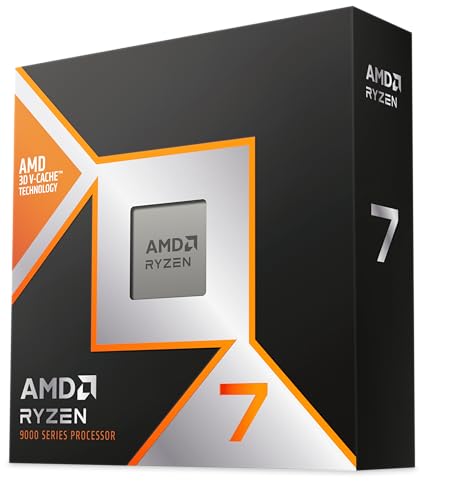
- Core architecture and cache technology: The Zen architecture generation directly impacts gaming performance, with newer architectures like Zen 4 in the 9000 series delivering up to 31% better single-core performance compared to older Zen 3 processors. The 3D V-Cache technology stands out as the most significant advancement for gaming, with X3D models like the Ryzen 7 9800X3D providing 96MB of L3 cache that reduces memory latency and boosts frame rates by up to 72% compared to standard models. For example, the Ryzen 7 9800X3D with 3D V-Cache dominates gaming benchmarks and outperforms Intel's flagship chips by 37% on average.
- Series performance comparison: The Ryzen 9000 series represents the latest generation with Zen 4 architecture, which delivers 25-30% better performance than the 5000 series while supporting DDR5 and PCIe 5.0 for future-proofing. The 7000 series sits between them, providing significant improvements over 5000 series but consuming roughly double the power to achieve higher clock speeds and better performance. The 5000 series remains competitive for budget-conscious gamers, particularly the 5700G with integrated graphics that can handle 1080p gaming without a dedicated graphics card.
- Core count and thread configuration: Most gaming scenarios benefit from 8 cores and 16 threads, which Ryzen 7 processors provide at an optimal balance of performance and value. Ryzen 9 processors offer 12-16 cores with up to 32 threads but primarily benefit productivity tasks rather than gaming, where single-core performance matters more than additional cores. The extra cores in Ryzen 9 models rarely translate to better gaming performance since most games cannot utilize more than 8 cores effectively.
- Platform compatibility and memory support: Newer Ryzen 7000 and 9000 series require AM5 motherboards with DDR5 memory support, which increases total system cost but provides better future upgrade paths. The 5000 series uses the mature AM4 platform with DDR4 memory, which reduces system cost but limits upgrade options since AM4 has reached its end of life. DDR5 memory provides higher bandwidth that benefits gaming performance, particularly at higher resolutions and with faster graphics cards.
- Power efficiency and thermal management: The 5000 series consumes up to 105W maximum, while 7000 and 9000 series can reach 170W with boost clocks pushing up to 230W under heavy loads. The newer processors run hotter and require better cooling solutions, but they also deliver proportionally higher performance per watt in most scenarios. AMD's new boosting algorithm in 7000/9000 series pushes processors to thermal limits to extract maximum performance, which requires adequate cooling to maintain optimal gaming performance.