Are Shark portable vacuum cleaners good?
Shark portable vacuum cleaners have an average overall score of 6.8, ranking #9 among comparable portable-vacuum brands.
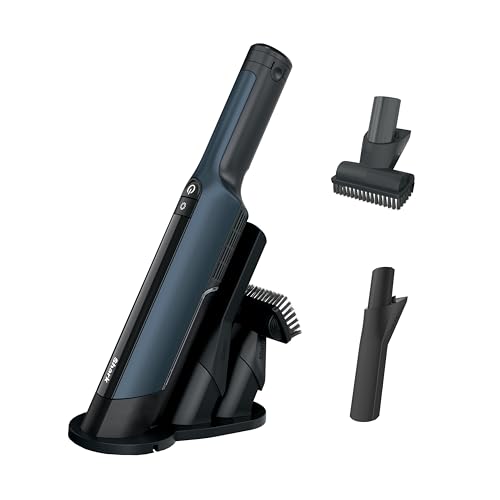
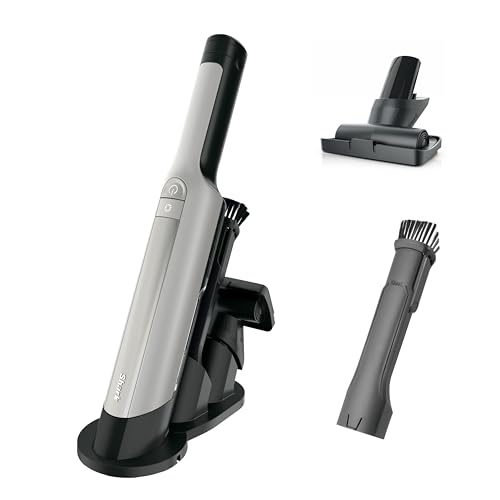
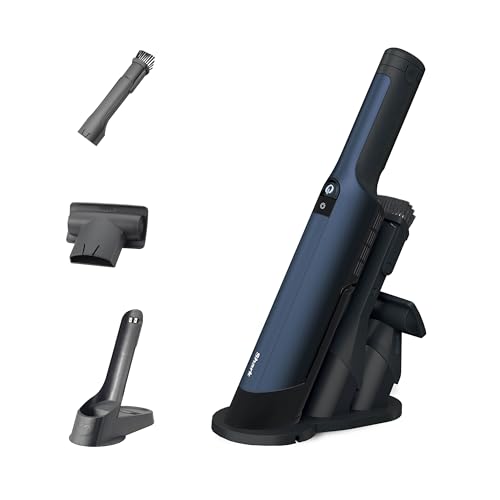
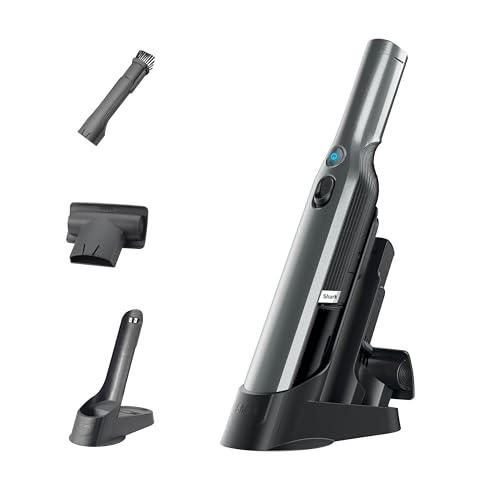
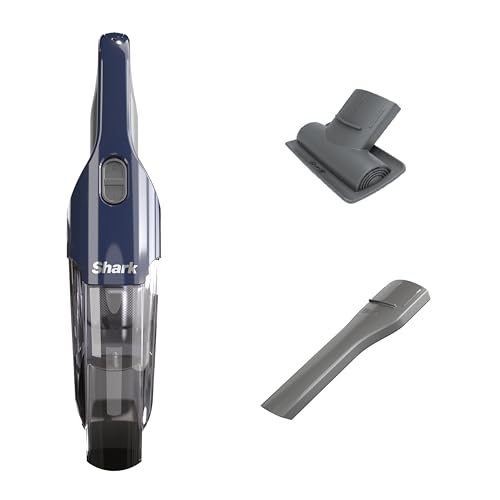
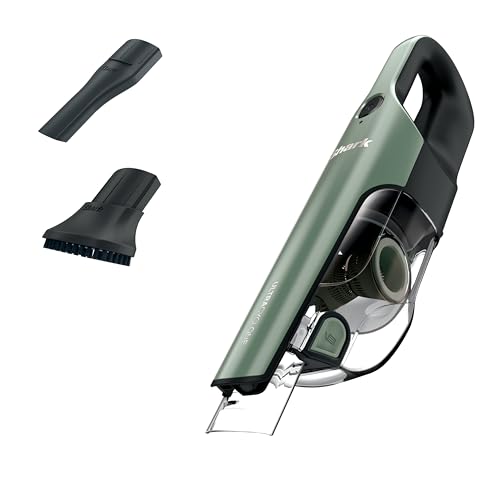
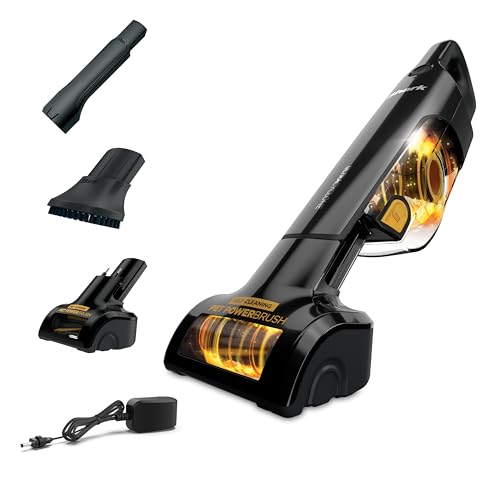
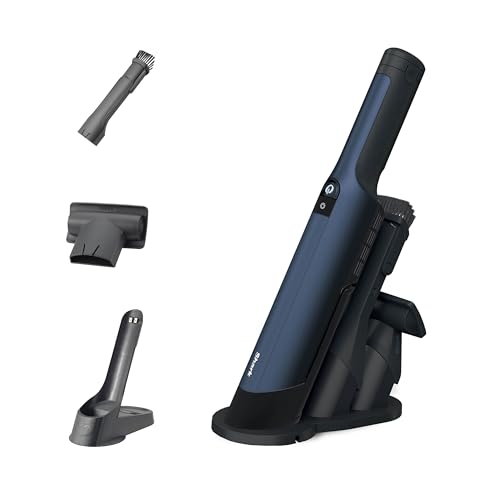
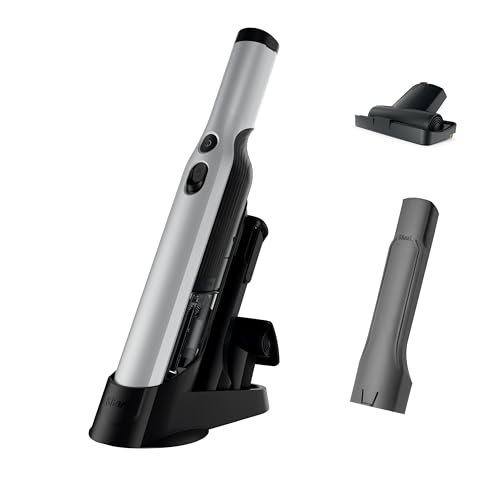
Shark portable vacuum cleaners suit quick car, stair and kitchen cleaning because the range offers light docked models and larger pet-focused handhelds. WANDVAC WV270 and WV410 variants improve on early WV200 units, while CH950-type packages add a 0.45 L bin and motorized pet tool.
Shark portable vacuum cleaners are less convincing when a buyer expects a large bin and long boost runtime together. Small WANDVAC bins fill quickly, most batteries are not designed for rapid swapping, and similar suffixes can hide different tools or chargers, so compare the exact regional package.
The chart below compares the best portable vacuum cleaner brands by average overall score.
[horizontal-chart-16835835057538659423094908061222112127591971504161]
What are the main advantages of Shark portable vacuum cleaners?
The main advantages of Shark portable vacuum cleaners are the following:
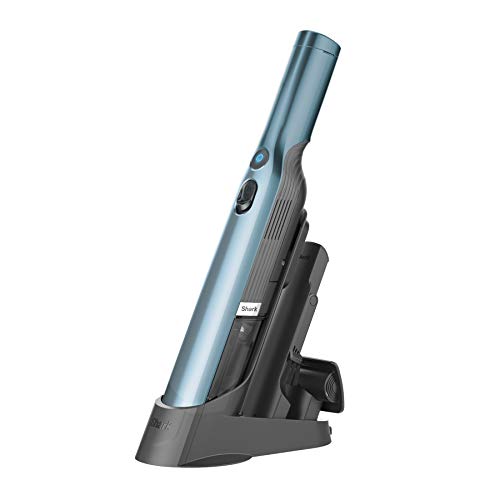
- Choice of two useful formats: Slim WANDVAC models prioritize low weight, upright dock storage and fast access for crumbs. CH models provide a much larger bin and a conventional grip for longer car or upholstery jobs.
- Stronger recent WANDVAC models: WV270 and WV410 variants improve substantially on early eight-to-ten-minute handhelds. Depending on the exact model and mode, they can provide about 15–35 minutes of normal cleaning and roughly 75–115 AW of claimed maximum output.
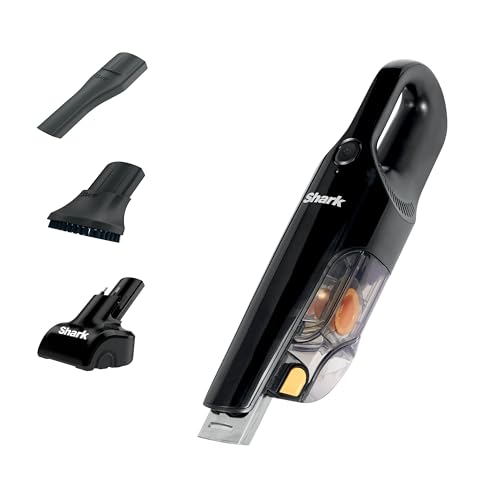
- Effective pet-tool options: CH950 Pet packages include a motorized brush that agitates hair from seats, stairs and soft furnishings. This is more useful on embedded fibres than a suction-only upholstery nozzle.
- Convenient charging storage: Many WV versions stand in a compact charging dock, keeping the cleaner visible and ready. The narrow footprint suits a kitchen counter or utility-room shelf better than a loose body and cable.
- Washable filtration and simple emptying: Reusable filters help control consumable cost, and transparent bins make the fill level obvious. Both features work best when the filter is dried fully and the bin is emptied before debris compacts around the separator.
What are the main disadvantages of Shark portable vacuum cleaners?
The main disadvantages of Shark portable vacuum cleaners are the following:
- Very small WANDVAC bins: Most slim WV bodies hold only about 0.08–0.1 L. Fine dust, pet hair and cereal can fill that space quickly, so the elegant body requires more emptying than a conventional handheld.
- Short high-power sessions: Boost mode on stronger models commonly lasts only about nine minutes, and early WV models provide roughly eight to ten minutes in total. Headline normal-mode runtime should not be mistaken for continuous maximum output.
- Model-code complexity: WV201, WV270, WV410 and CH950 packages differ in voltage, tools, dock and regional suffix. A photo or family name is insufficient evidence that a motorized pet tool or desired charger is included.
- Limited battery flexibility: The battery is generally integrated rather than designed for instant swapping. Once it is depleted, the cleaner must return to its charger instead of continuing with a spare pack.
- Trade-off between weight and capacity: The lightest WV models are easy on the wrist but have the smallest bins and usually lack a motorized brush. Larger CH Pet models solve those problems but can approach 1.4 kg and need more storage space.
Who makes Shark portable vacuum cleaners?
Shark portable vacuum cleaners are made under the Shark brand by SharkNinja, a product-design and technology company whose appliance portfolio also includes floor-care, kitchen and home products. The business began as Euro-Pro in Montreal in 1994, introduced the Shark trademark in 2000 and adopted the SharkNinja corporate name in 2015.
SharkNinja has its global headquarters in Needham, Massachusetts, and develops products through an international engineering, design and commercial organization. Manufacturing is handled through a global supply chain, so the country printed on a particular handheld or charger can differ from the location of the company that designed and markets it.
Shark portable vacuum cleaners belong to a wider floor-care platform rather than an anonymous private-label range. That supports model-specific filters, chargers and tools, but compatibility is still tied to the full WV or CH model code and sales region; buyers should use that reference when ordering parts or requesting service.
How do Shark CH and WV portable vacuum cleaners differ?
The main Shark CH and WV portable vacuum ranges differ as follows:
- Shark WV and WANDVAC: WV models use a narrow, lightweight body that typically weighs about 0.6–0.7 kg and holds roughly 0.08–0.1 L. They suit crumbs, desk dust and quick car touch-ups, while later WV270 and WV410 versions add stronger output and longer normal-mode runtime than early WV200 models.
- Shark CH handhelds: CH models use a larger conventional body with approximately 0.43–0.45 L capacity and around ten minutes of runtime in common versions. Pet packages such as CH950UKT add a motorized tool for hair on upholstery, trading the WV line's slim docked storage for greater capacity and more effective fabric agitation.
How much do Shark portable vacuum cleaners cost?
Shark portable vacuum cleaners generally cost about £70-£130, with many models clustered near £80-£110. Around £70-£90, buyers usually find an early WANDVAC or a CH handheld with a larger bin; the better value depends on whether low weight or capacity matters more.
At roughly £90-£130, later WV270 and WV410 versions can add stronger suction, longer normal-mode runtime, improved filtration or a better dock and tool set. The premium is worthwhile when those changes solve a real need, but not for occasional crumbs.
Compare the exact suffix before treating two prices as equivalent. A Pet package with a motorized brush, a regional charging dock or an extra surface tool can justify a difference, whereas colour alone cannot. Also check filter and battery-service availability because they affect long-term cost after the purchase price.
The chart below shows the price distribution of Shark portable vacuum cleaners.
[vertical-chart-09062089719411084205017076498213923778411311799283]
How do Shark portable vacuum cleaners compare with Dyson models?
Shark portable vacuum cleaners are generally lighter, cheaper and easier to keep ready for brief jobs, while Dyson's V8-based handheld provides greater sustained cleaning depth, a larger bin and a strong powered tool. The choice is mainly between everyday convenience and more demanding upholstery or car-cleaning performance.
Shark WANDVAC models can weigh around 0.6–0.7 kg, stand in a compact dock and cost about £70-£130, but their roughly 0.1 L bins and short boost sessions create frequent interruptions. A CH950-type Shark increases capacity to about 0.45 L and adds a motorized pet tool without reaching Dyson pricing.
Dyson's handheld V8 platform offers roughly 115 AW at maximum, a 0.54 L bin and up to about 50 minutes in its least demanding configuration, but it weighs near 1.9 kg, charges for roughly five hours and costs much more. Choose Shark for quick repeated pickups and lighter handling; choose Dyson when embedded pet hair, sand and larger fabric areas justify the weight and premium.
What should you check before buying a Shark portable vacuum cleaner?
Before buying a Shark portable vacuum cleaner, check the following factors:
- WV or CH body style: Choose a slim WV model for low weight and docked storage, or a CH model for a substantially larger bin. The two formats solve different problems even when their prices overlap.
- Exact model suffix: Confirm the complete WV201, WV270, WV410 or CH950 reference and sales region. Suffixes can change the colour, charger, dock and included tools.
- Runtime by power mode: Treat normal and boost figures separately. A model advertised for 15–35 minutes may provide only about nine minutes at maximum output.
- Bin capacity: A 0.08–0.1 L WANDVAC is convenient for crumbs but needs frequent emptying with hair or bulky debris. Choose a roughly 0.45 L CH model if interruptions matter more than slimness.
- Pet-hair tool: Verify that a motorized brush is actually included when cleaning seats, stairs or pet beds. A standard multi-surface or crevice tool does not agitate embedded hair in the same way.
- Weight and balance: Test the grip with the intended nozzle because a light specification does not describe wrist angle inside a car. CH Pet models are more capable on fabric but noticeably heavier than WV bodies.
- Charging, filters and service parts: Check whether the package includes a dock, how long a full charge takes and whether the local charger matches your socket. Price replacement filters and confirm battery-service options using the exact model number.