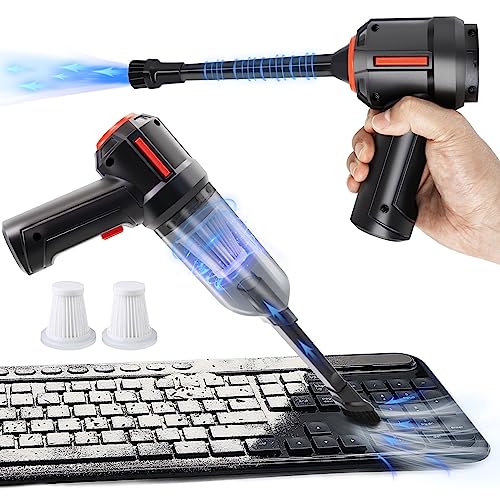
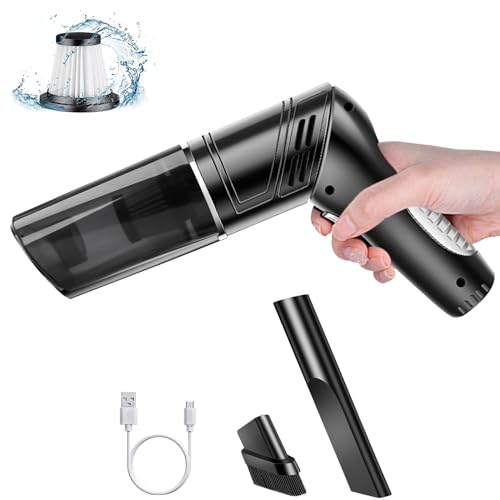
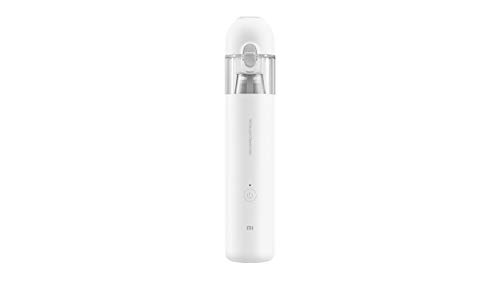
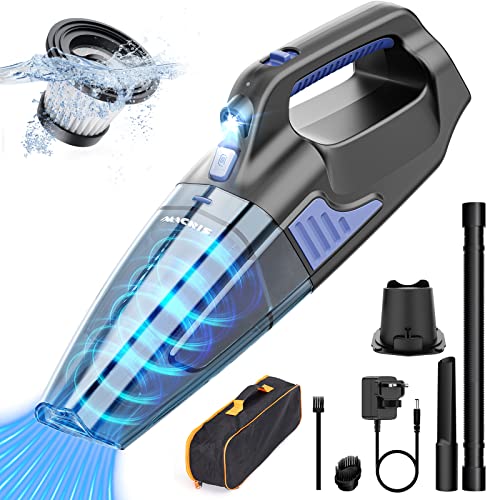
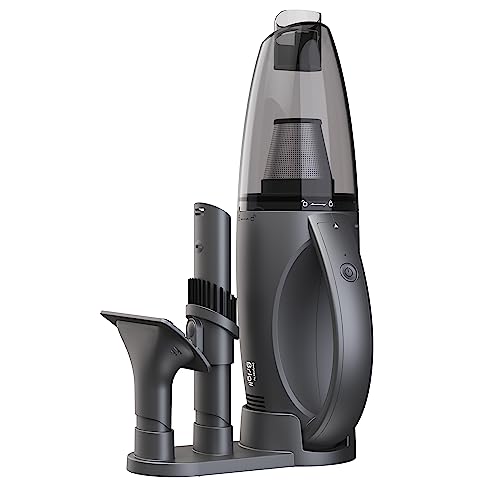
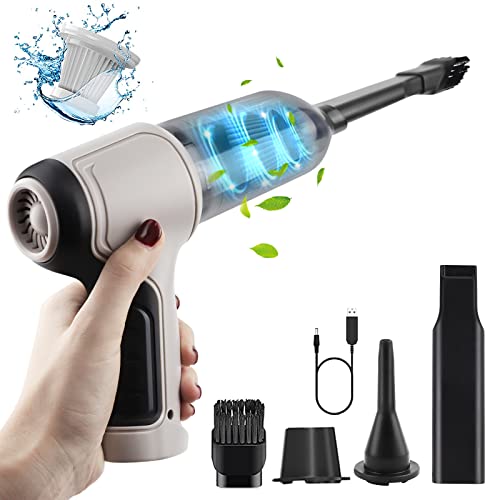
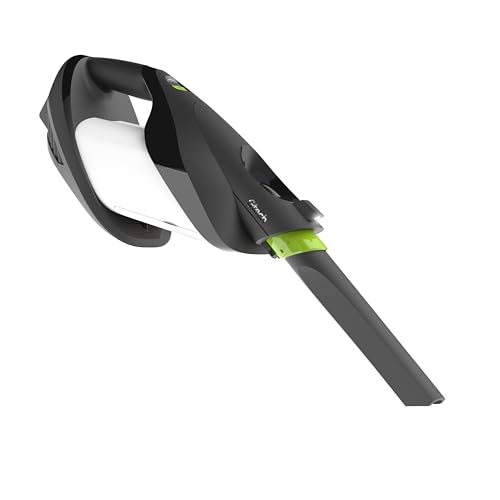
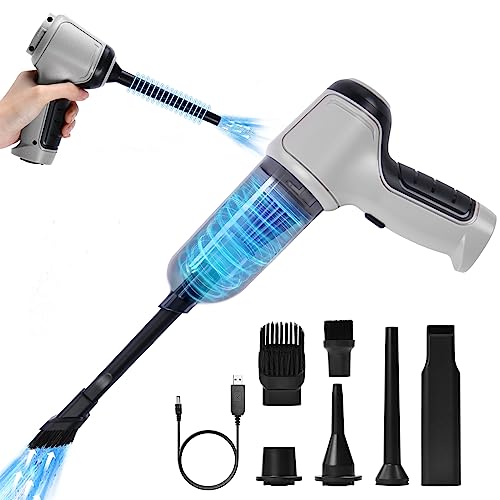
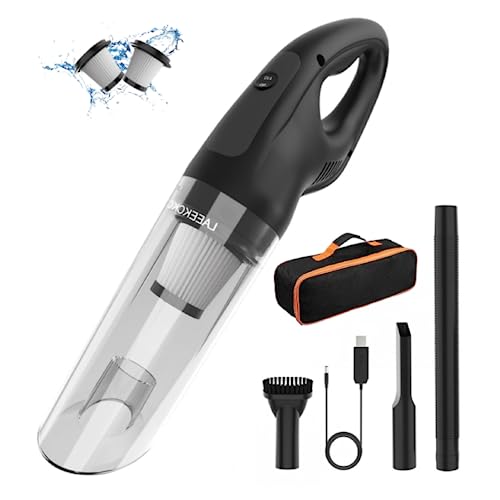
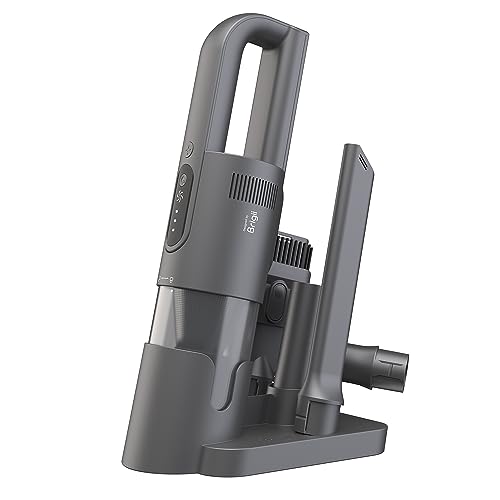
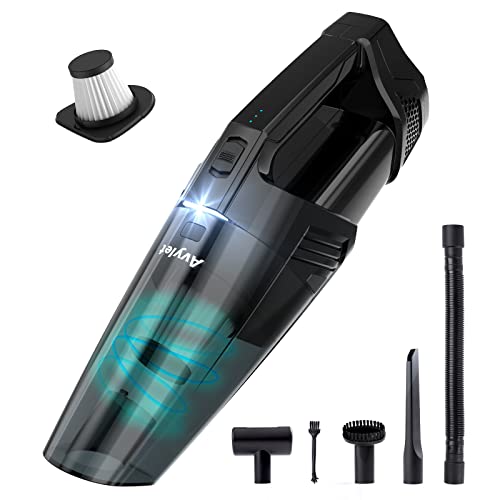
Which brands make the best car vacuum cleaners?
The best car vacuum cleaner brands by average overall score are as follows:
- URAQT (Average overall score: 7.8)
- Brigii (Average overall score: 7.5)
- Cecotec (Average overall score: 7.4)
The chart below compares the best car vacuum cleaner brands by average overall score.
[horizontal-chart-16835835057538659423094908061222112127591971504161]
How much suction does a good car vacuum cleaner need?
A good car vacuum cleaner needs about 12–15 kPa for routine dust, crumbs and light grit, while 15–20 kPa is a better target for sand and debris trapped in carpeted mats. Compare claims only when the unit and power mode are the same.
Pressure is only one part of pickup. Adequate airflow carries loosened debris through the nozzle, and the motor-input wattage states electricity use rather than suction, so a 150 W motor is not automatically stronger than a lower-wattage design.
The nozzle and seals decide how much performance reaches the surface. A narrow crevice tool concentrates suction along seat rails, whereas a wider upholstery head needs steady airflow; blocked filters, leaks and an overfilled bin weaken both.
The chart below shows the suction-pressure distribution of portable car vacuum cleaners.
[vertical-chart-17043621029575486850123033890858522226161609476863]
What makes a car vacuum cleaner easy to use in tight interiors?
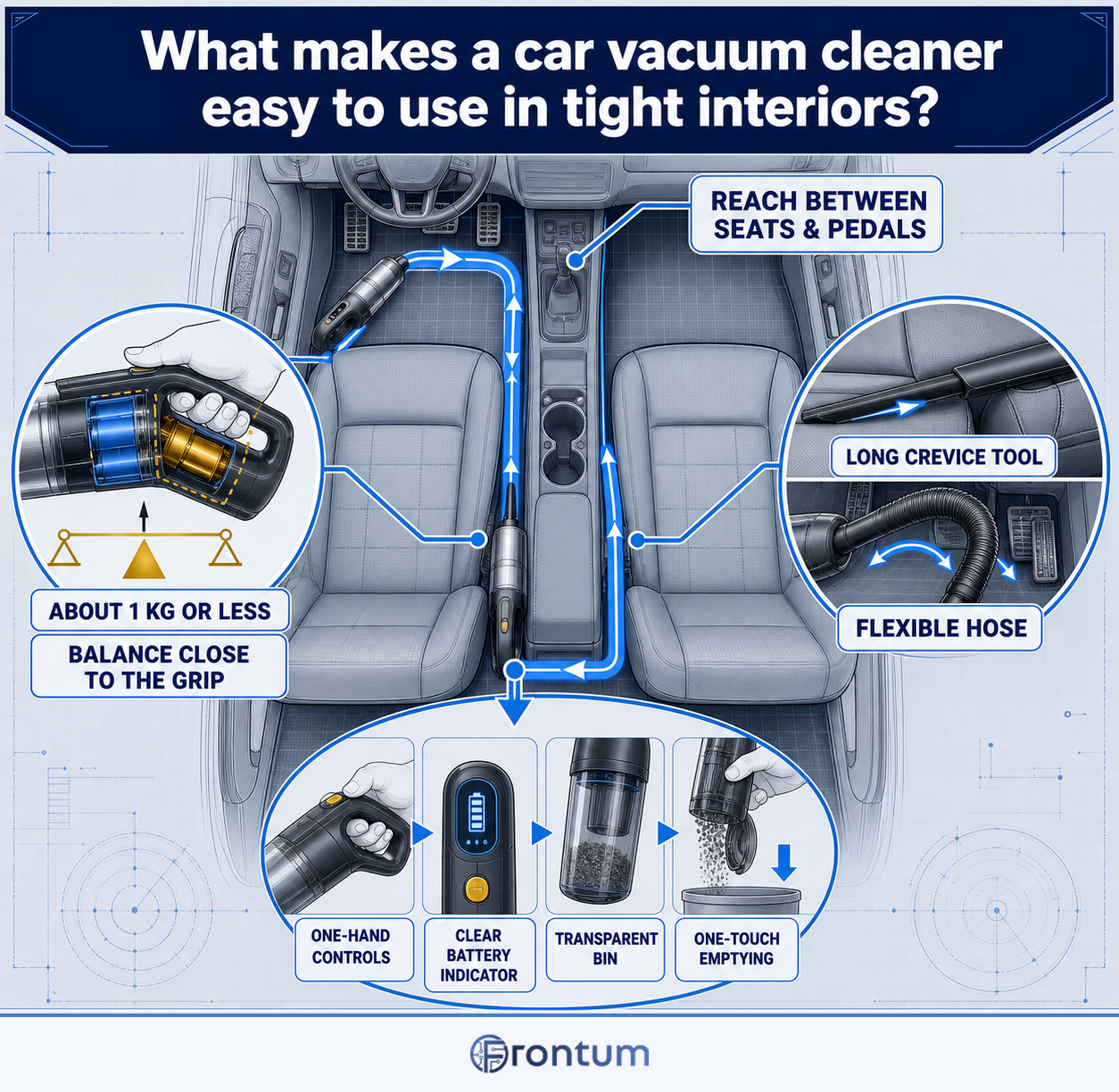
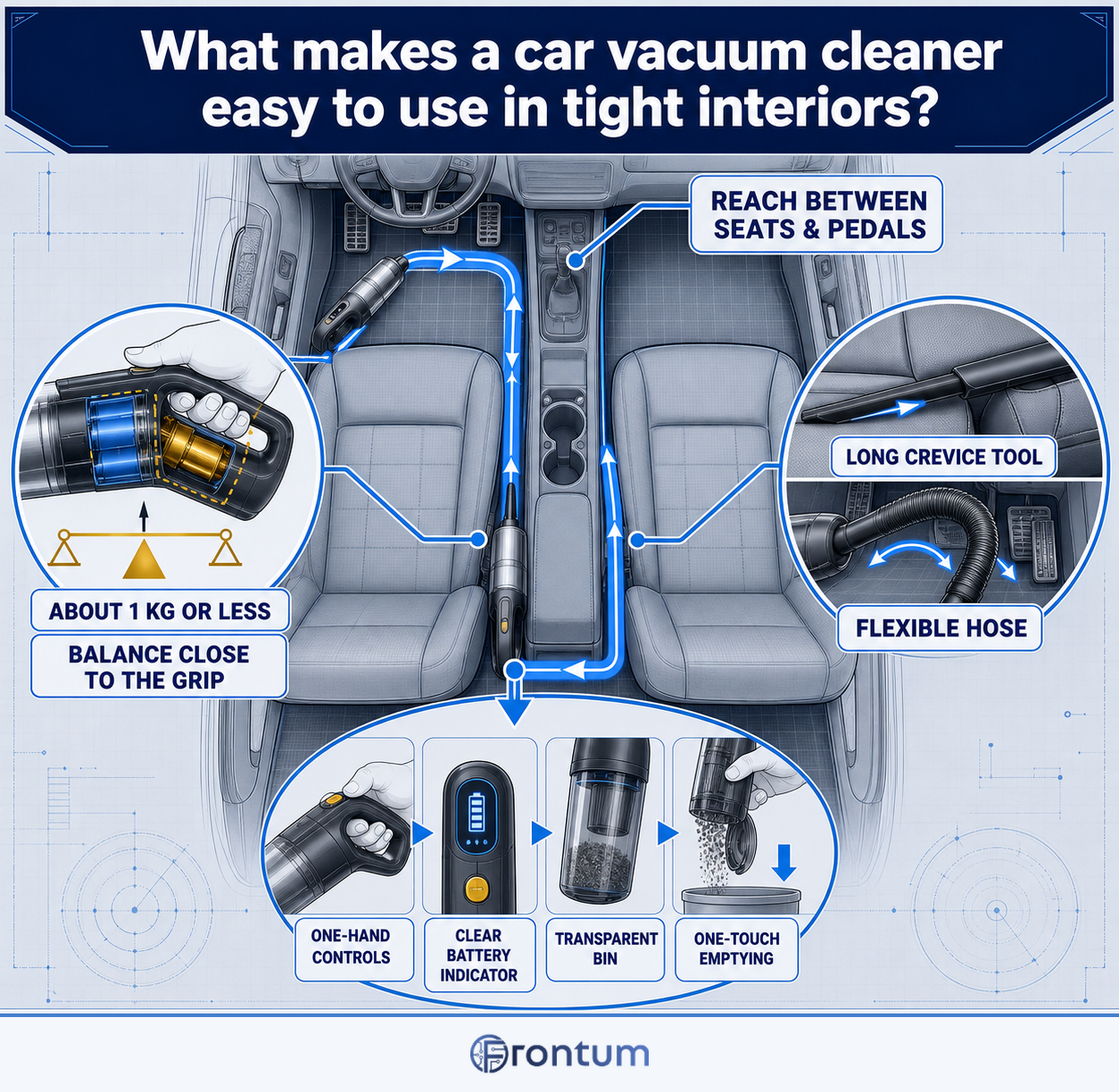
A car vacuum is easy to use in tight interiors when it is light, well balanced and narrow enough to enter footwells without forcing the wrist into awkward angles. A useful target is about 1 kg or less, with the motor and battery close to the handle rather than projecting ahead of it.
Reach matters as much as weight. A long crevice tool or flexible hose should pass between seats and around pedals while the controls remain accessible with one hand; a transparent bin, one-touch emptying and a clear battery indicator reduce interruptions once cleaning starts.
Which attachments matter most for cleaning car interiors?
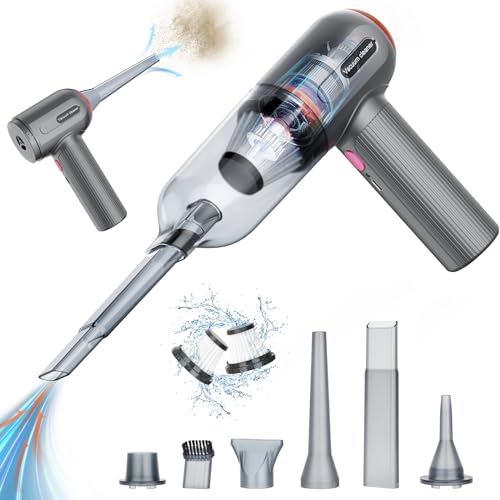
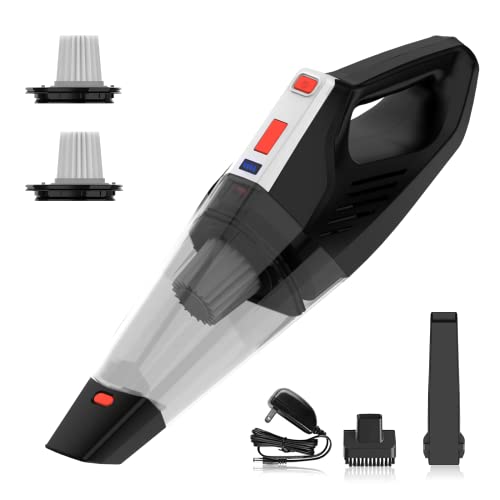
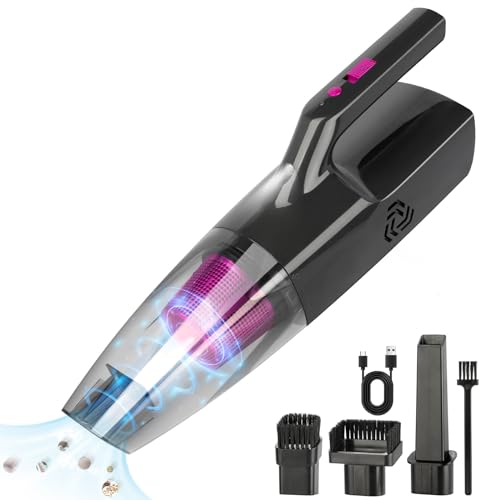
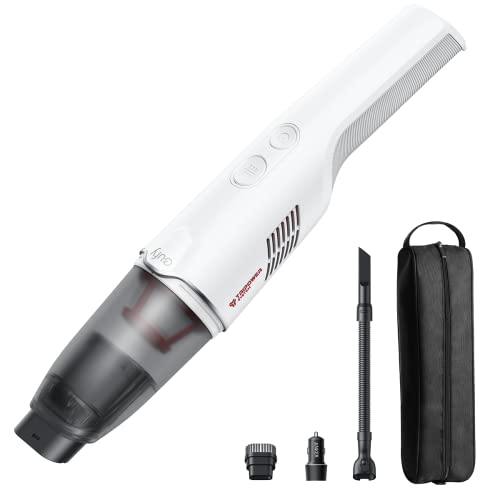
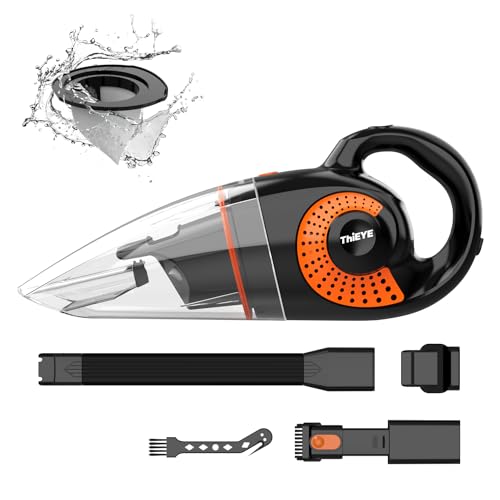
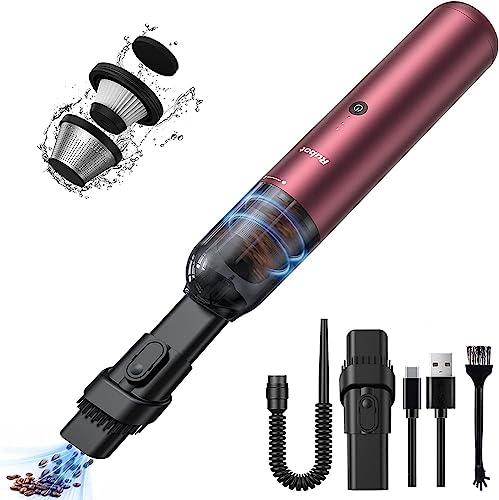
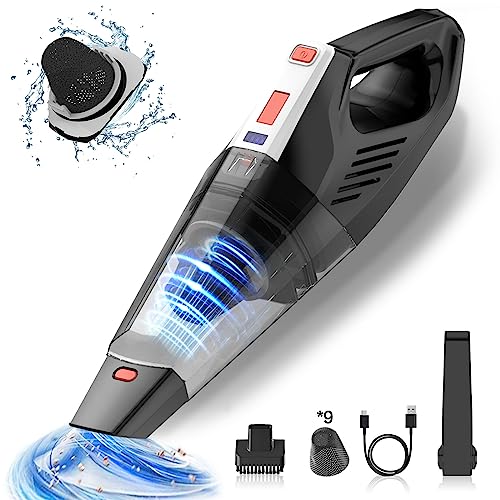
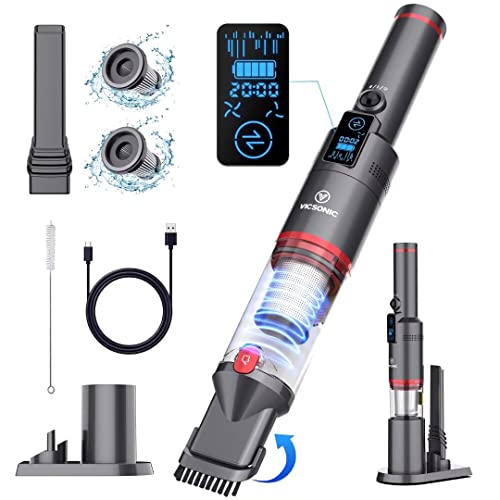
The following attachments matter most for cleaning car interiors:
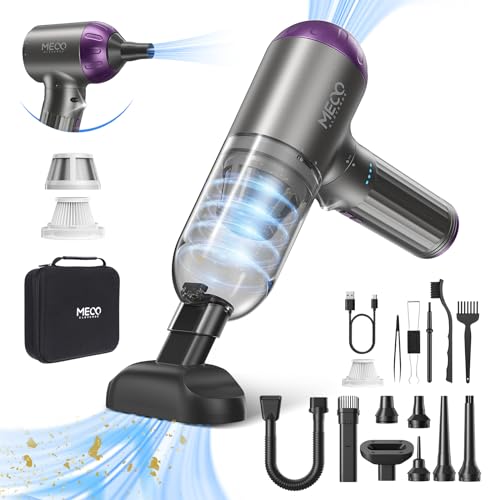
- Long crevice nozzle: This reaches seat rails, door pockets and the gaps around a centre console. A tapered rigid tip gives precise control, while a flexible extension handles curved or obstructed spaces.
- Upholstery tool: A wider fabric head covers seats and boot liners faster than a narrow nozzle. Lint strips help lift hair, but the edges should be smooth enough for delicate material.
- Soft dusting brush: Fine bristles loosen dust from vents, dashboards and control surfaces without concentrating hard plastic against the trim. Confirm that the brush remains attached under suction.
- Mini motorized brush: A powered roller is the strongest choice for embedded pet hair on fabric seats and mats. It draws more battery power and needs accessible end caps for removing wrapped fibres.
- Flexible hose: A hose lets the vacuum body rest outside the deepest footwell while the tool moves around pedals and beneath seats. It should resist collapsing and connect without an air leak.
How much do car vacuum cleaners cost?
Car vacuum cleaners generally cost about £30-£150, with the strongest choice for occasional interior cleaning often lying between roughly £30 and £90. Cheaper models can handle loose crumbs, but battery quality, filter sealing and replacement-part support vary widely.
From about £50 upward, expect better sustained suction, cleaner bin release and a more useful crevice-and-brush set. A price above roughly £100 should bring a clear benefit such as a motorized upholstery tool, replaceable battery or markedly stronger pickup rather than decorative accessories.
The chart below shows the price distribution of portable car vacuum cleaners.
[vertical-chart-10077634214053197810024181269002024211350466231655]
What should you consider while choosing a car vacuum cleaner?
Before buying a car vacuum cleaner, consider the following factors:
- Suction pressure and airflow: Aim for around 12–15 kPa for routine debris or 15–20 kPa for sand and carpeted mats when test methods are comparable. Do not substitute motor-input watts for suction, and check whether the claim applies only to boost mode.
- Runtime and charging: A practical cordless target is at least 20 minutes in normal use, with roughly four hours or less to recharge. Boost mode may last only 5–15 minutes, so confirm the figure with the tools you expect to use.
- Weight and balance: Prefer about 1 kg or less for extended one-handed work. A heavier vacuum may remain comfortable if the battery and bin sit close to the grip rather than pulling the wrist forward.
- Bin capacity and emptying: Around 0.2–0.5 L balances useful capacity with access beneath seats. A transparent bin and one-touch release help, but the filter should stay secure and the maximum-fill line must remain visible.
- Interior tools: Require a long crevice nozzle and soft brush; choose an upholstery head for fabric seats or a mini motorized brush for embedded pet hair. Confirm that the exact package includes them rather than listing them as optional.
- Filtration and maintenance: A washable pre-filter reduces running cost, while sealed HEPA-grade filtration is preferable for fine dust. The filter, airway and bin should be accessible without tools, and replacements must be obtainable locally.
- Power source and storage: Cordless models are easiest to move around a vehicle, while a corded or 12 V design avoids battery limits but depends on cable reach. Check whether the vacuum and its attachments fit securely in the boot, garage or charging location.