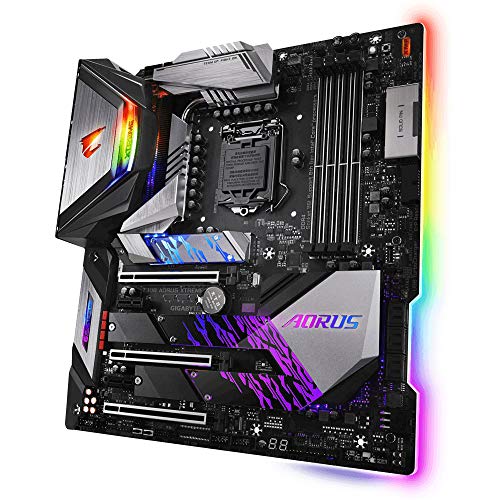

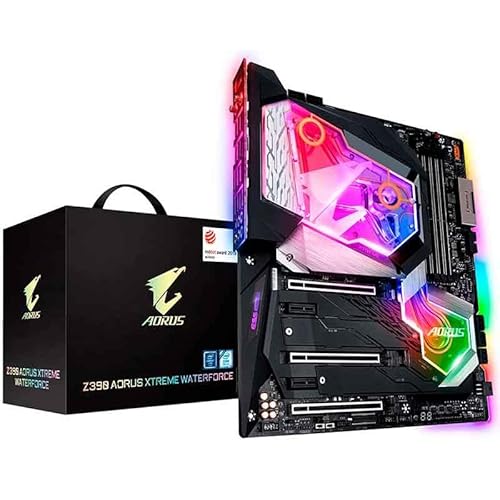
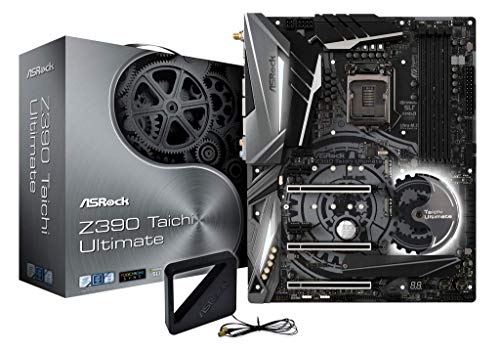
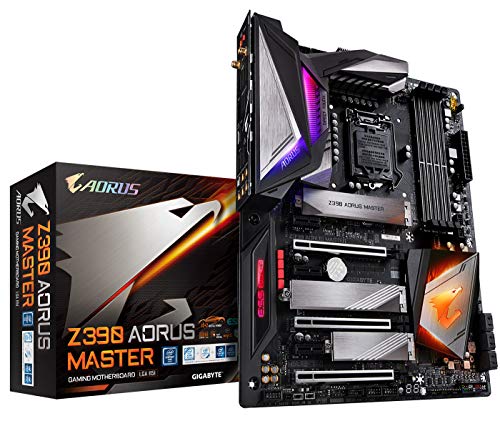
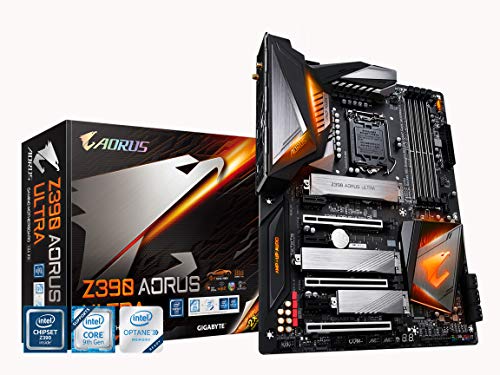
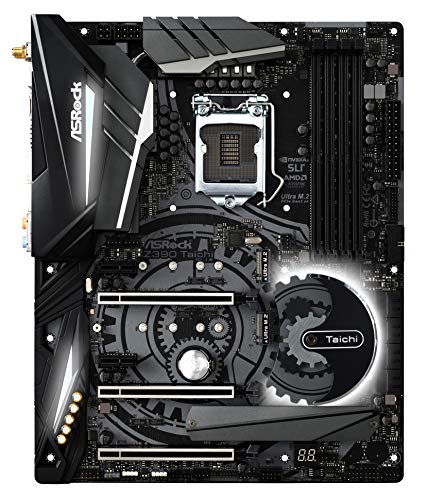
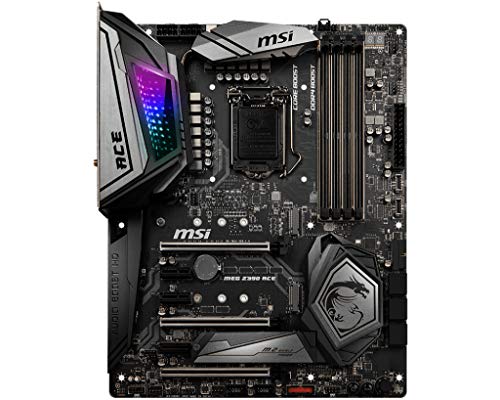
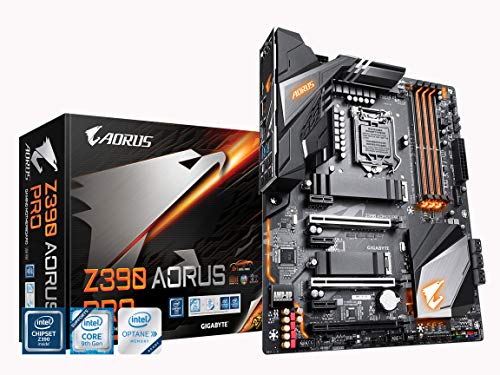
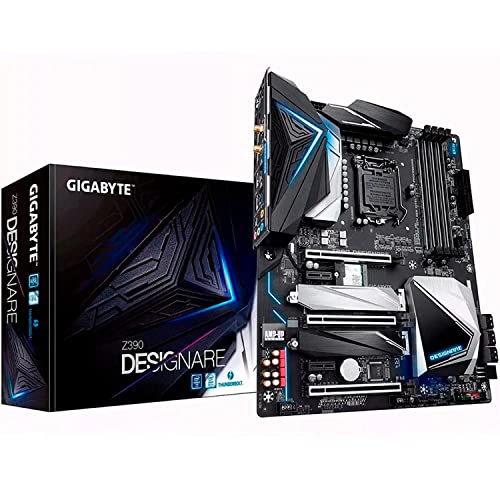
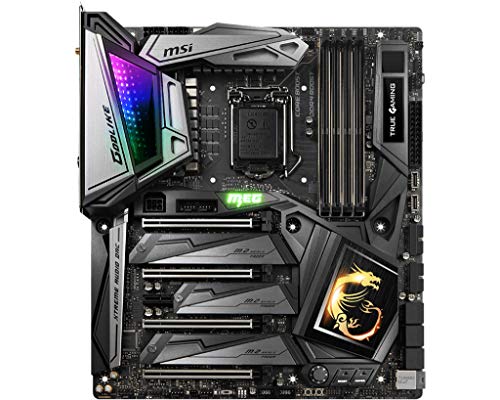
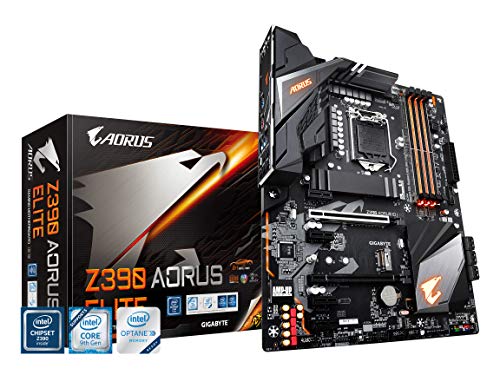
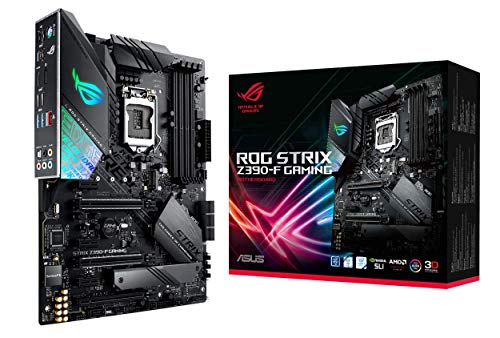
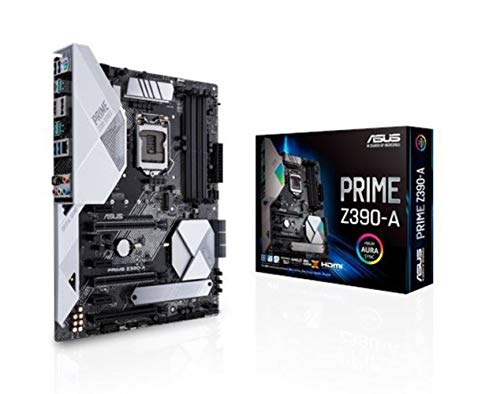
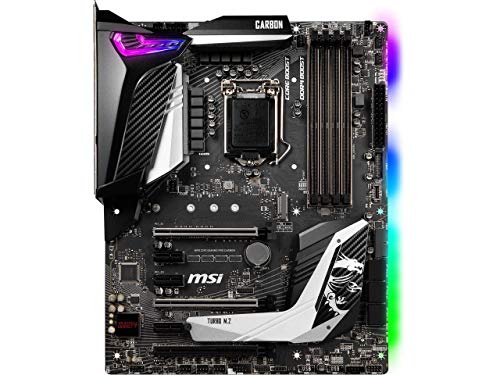
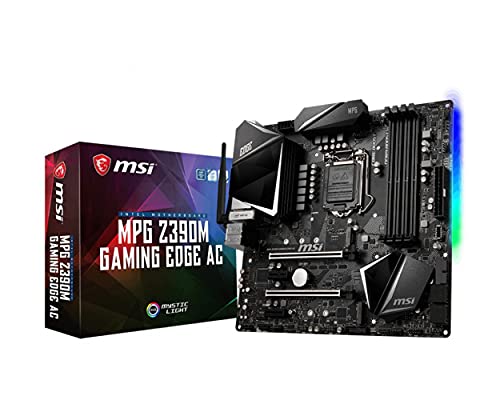
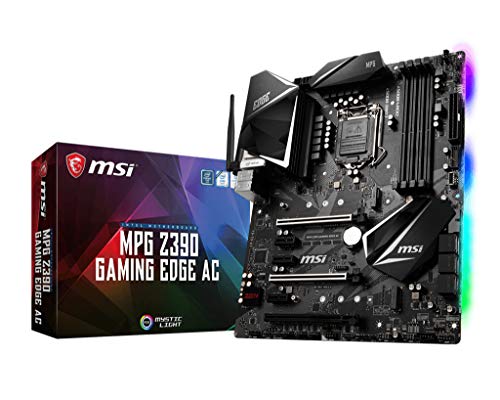
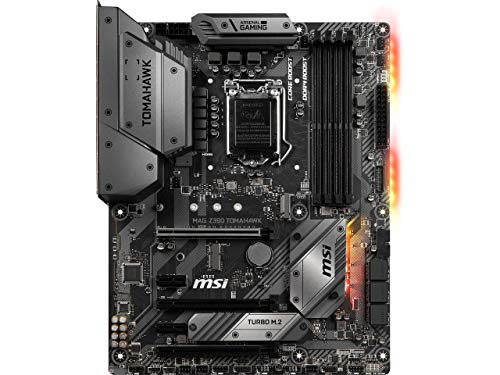
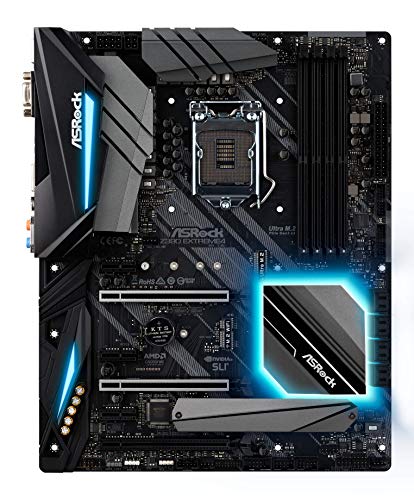
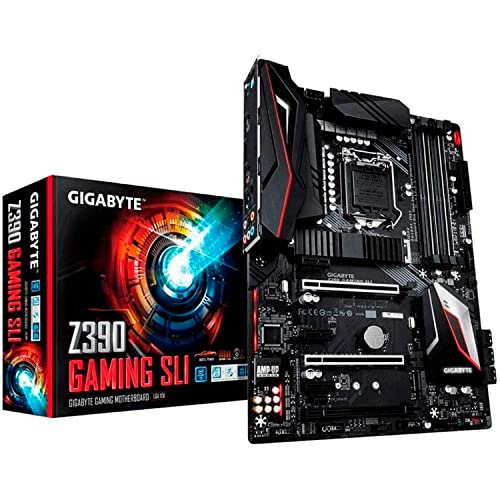
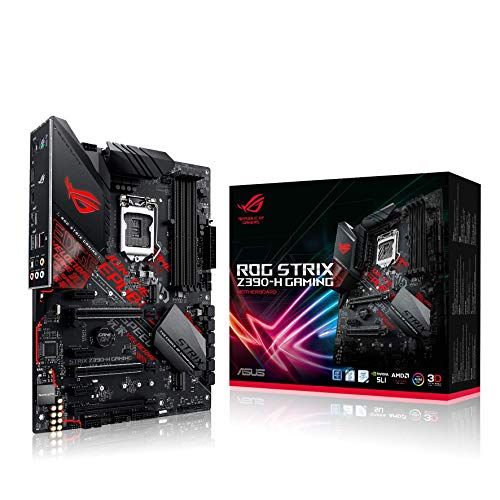
What is an Z390 motherboard?
A Z390 motherboard is a chipset platform from Intel designed for 8th and 9th generation Core processors, using the LGA 1151 socket.
It serves as an update to the earlier Z370, adding native USB 3.1 Gen 2 support and integrated wireless networking capabilities, while keeping compatibility with existing CPUs. Like other Z-series chipsets, it is aimed at enthusiasts and power users who want access to overclocking, high-speed memory configurations, and multiple graphics card support.
Z390 motherboards typically come with robust power delivery systems, expanded connectivity, and advanced BIOS options that cater to gamers and PC builders looking for performance tuning. They provide features such as high-speed M.2 storage slots, PCIe lane flexibility, and support for faster DDR4 memory speeds.
Which brands make the best Z390 motherboards?
The best Z390 motherboard brands are as follows.
- GIGABYTE (Overall score: 6.7 points)
- MSI (Overall score: 6.6 points)
- ASUS (Overall score: 6.2 points)
The chart below ranks Z390 motherboard brands by average overall score.
[horizontal-chart-17697453906284329699140923514943703260492798078199]
How much do Z390 motherboards cost?
Z390 motherboards cost between £90 and £430 depending on brand, chipset features, and build quality.
Entry-level models sit around £90 to £130, while mid-range boards from ASUS, MSI, or Gigabyte often range from £160 to £220. High-end variants with extended connectivity, premium VRM cooling, and multi-GPU support can reach £340 or more.
The following chart shows the price distribution of Z390 motherboards.
[vertical-chart-16508938233863570101056096351602424255810189545533]
What should you consider while choosing the best Z390 motherboard?
When choosing the best Z390 motherboard, you need to consider the following factors:
- VRM quality and power delivery: Z390 motherboards feature different power delivery designs ranging from 4+2 phase systems to more robust 10+2 or 18-phase configurations. Quality VRM systems with proper heatsinks prevent throttling during CPU overclocking and maintain stable power delivery under high loads.
- Form factor and expansion slots: Z390 boards come in ATX, Micro-ATX, and Mini-ITX formats with varying numbers of PCIe slots and memory DIMM slots. ATX boards typically offer four DIMM slots supporting up to 128GB RAM and multiple PCIe x16 slots for multi-GPU configurations, while Mini-ITX boards are limited to two DIMM slots and 32GB maximum memory.
- Storage connectivity: Most Z390 motherboards include multiple M.2 slots with PCIe Gen3 x4 interface and thermal guards for NVMe SSDs, plus six SATA III ports for traditional drives. High-end boards feature triple M.2 support with dedicated cooling solutions to prevent thermal throttling during intensive workloads.
- Connectivity and I/O options: Z390 chipset provides native USB 3.1 Gen2 support, WiFi 802.11ac, and Bluetooth capabilities that previous chipsets required separate controllers to achieve. Premium boards include multiple USB Type-C ports, Thunderbolt 3 support, dual Gigabit Ethernet, and comprehensive audio solutions with dedicated DACs.
- BIOS features and overclocking support: Z390 motherboards support CPU and RAM overclocking with advanced BIOS interfaces that include memory profiles, fan controls, and diagnostic features. Quality boards offer Q-Flash utilities for easy BIOS updates, dual BIOS chips for backup protection, and extensive overclocking profiles for enthusiasts.