
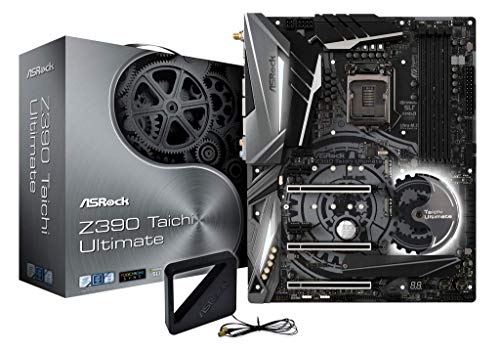
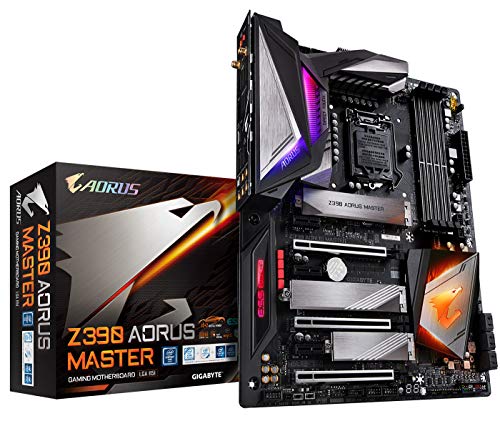
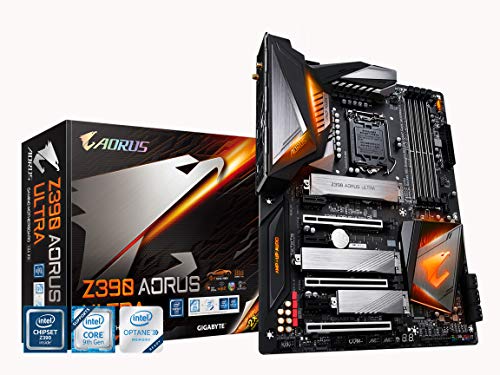
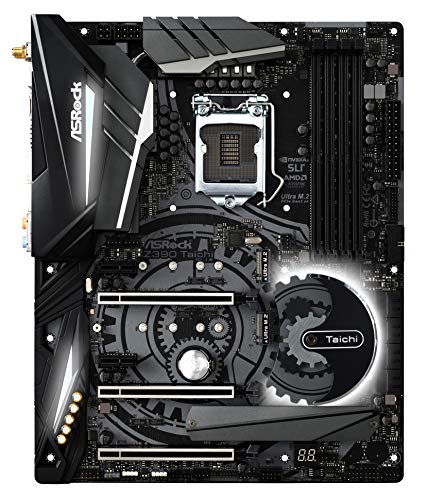
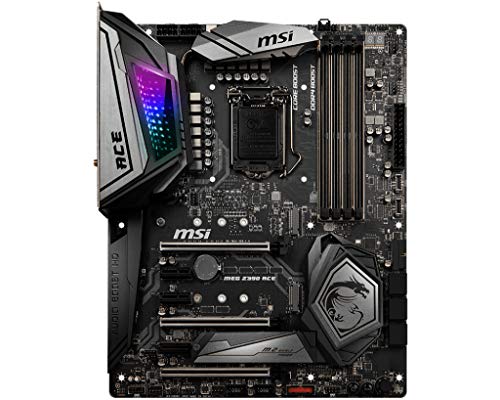
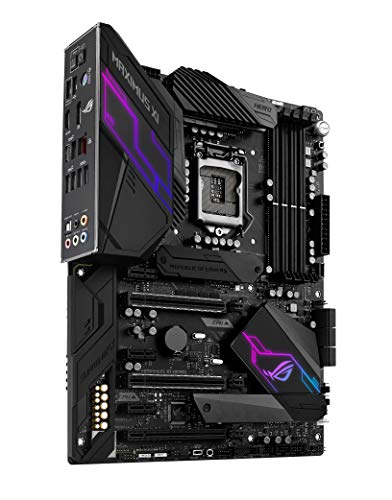
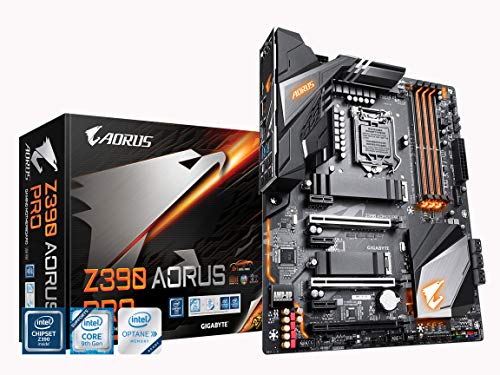
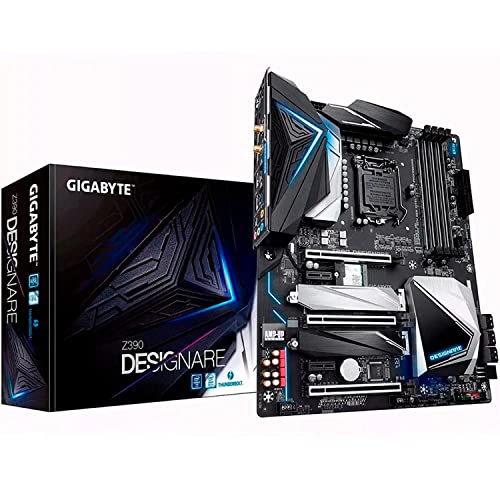
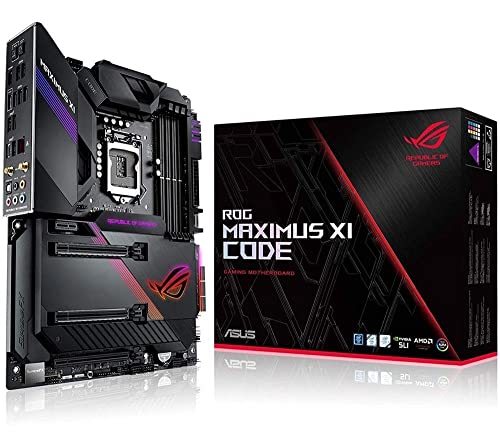
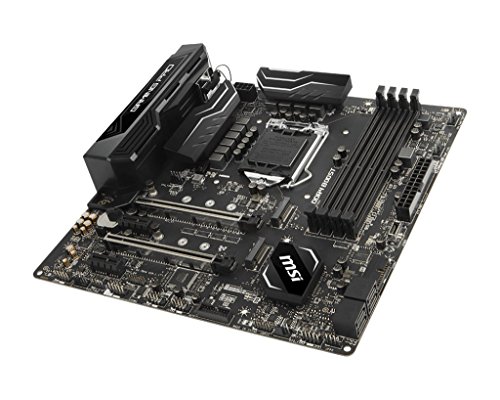
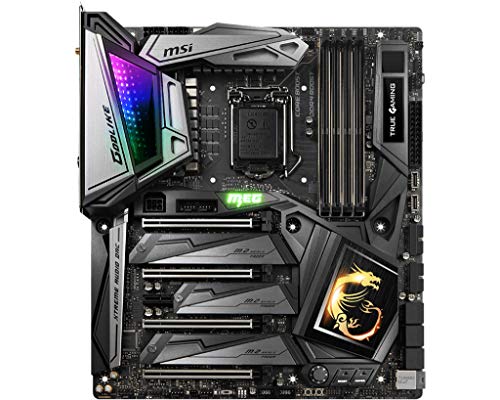
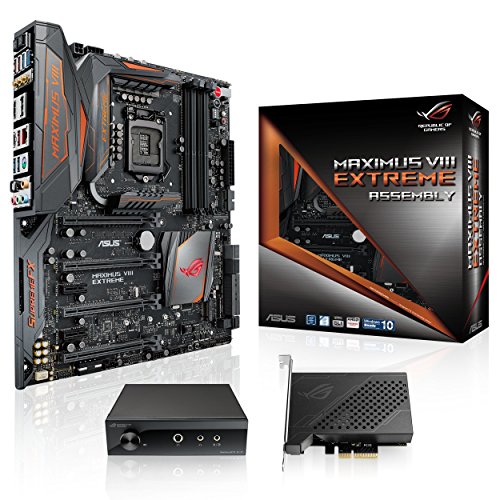
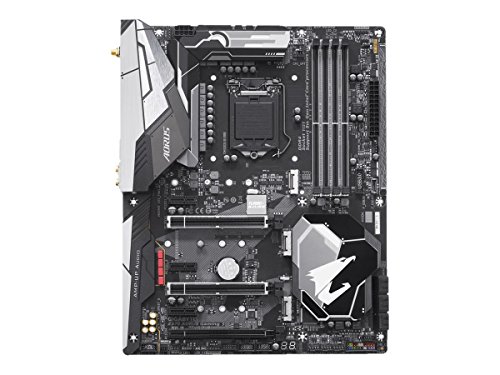
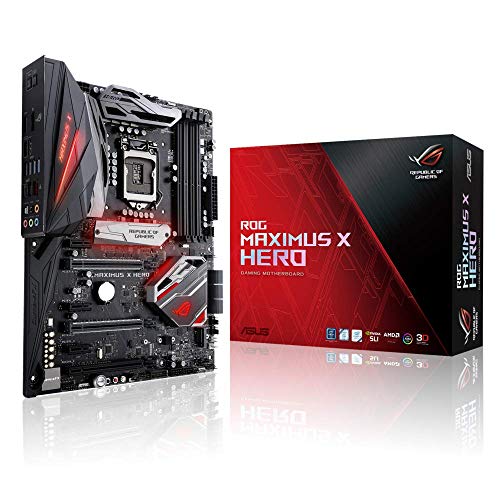
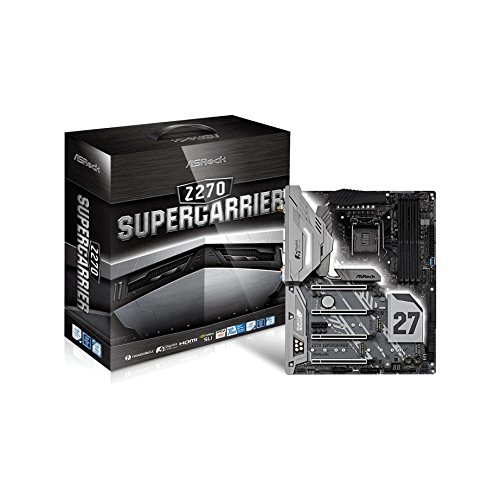
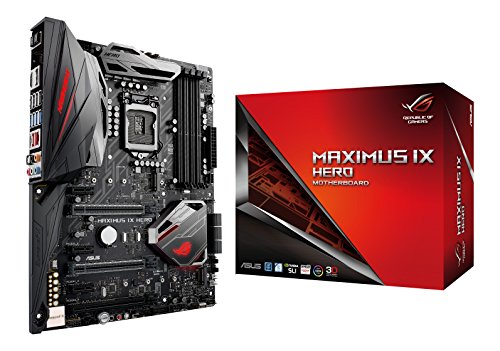
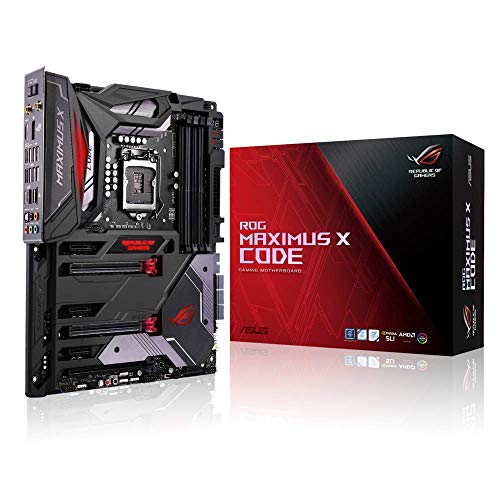
What is an LGA 1151 motherboard?
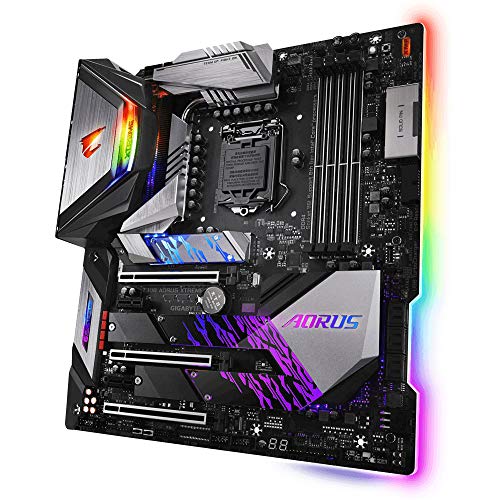
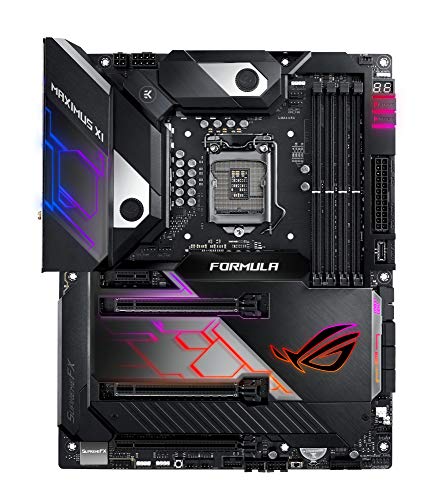
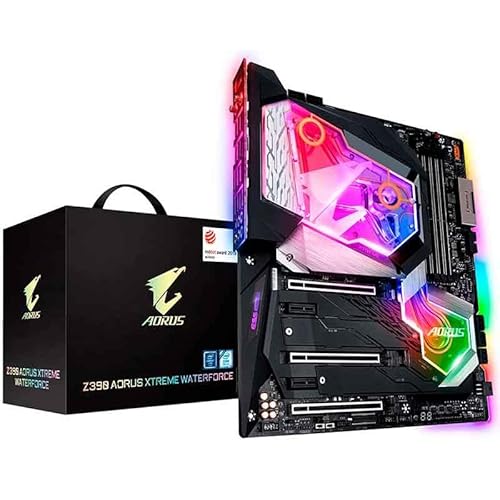
An LGA 1151 motherboard is a type of mainboard that uses Intel’s LGA 1151 socket, designed to support several generations of Intel processors, including the 6th, 7th, 8th, and 9th generation Core CPUs depending on the specific chipset used.
The “1151” designation refers to the number of contact pins in the socket that connect the CPU to the motherboard, allowing data and power transfer between the processor and the rest of the system. These motherboards come in various chipset options, such as H110, B250, Z270, B360, H370, and Z390, each aimed at different performance levels, from entry-level builds to high-end gaming and workstation setups.
The platform supports DDR4 memory (and in some cases DDR3L on early boards), PCIe expansion slots for graphics cards, storage devices, and other peripherals, as well as integrated connectivity features like USB 3.0, SATA ports, and sometimes M.2 slots for NVMe SSDs. Overclocking capabilities are available only on certain chipsets such as the Z-series, making them popular with enthusiasts.
LGA 1151 motherboards were widely used for several years because of their versatility and broad CPU support, becoming one of Intel’s longest-serving desktop platforms before being succeeded by newer sockets like LGA 1200 and LGA 1700.
Which brands make the best LGA 1151 motherboards?
The best LGA 1151 motherboard brands are as follows.
- ASUS (Overall score: 6.8 points)
- GIGABYTE (Overall score: 6.7 points)
- MSI (Overall score: 6.5 points)
The chart below ranks LGA 1151 motherboard brands by average overall score.
[horizontal-chart-03529278585976134123120842884819195620132203706240]
How much do LGA 1151 motherboards cost?
LGA 1151 motherboards cost between £45 and £340, with most models priced in the £70 to £170 range.
Budget H310 and B360 chipset motherboards start at around 50-£60, while mid-range B365 and H370 models typically cost 80-£130. High-end Z370 and Z390 motherboards with advanced features like RGB lighting, Wi-Fi 6, and robust VRM designs can reach 200-£340.
The following chart shows the price distribution of LGA 1151 motherboards.
[vertical-chart-04041947411946702852153708380650185862474137063772]
What should you consider while choosing the best LGA 1151 motherboard?
Choosing the best LGA 1151 motherboard requires evaluation of several technical specifications as follows:
- Chipset compatibility: The chipset determines CPU support and available features. Z-series chipsets support overclocking for K-series processors, while H-series and B-series chipsets target mainstream users without overclocking capabilities. Different chipsets also affect the number of PCIe lanes and USB ports available.
- Form factor: ATX motherboards provide maximum expansion slots and connectivity options, while Micro-ATX boards save space with reduced features. Mini-ITX offers compact builds but limits expansion possibilities. The form factor directly impacts case compatibility and available connection options.
- Expansion slots: PCIe x16 slots accommodate graphics cards, while additional PCIe slots support network cards, sound cards, or storage controllers. Multiple PCIe x16 slots enable multi-GPU configurations, and PCIe x1 slots provide connectivity for various add-in cards.
- Memory support: DDR4 compatibility varies between motherboards, with some supporting higher speeds and capacities. Maximum memory capacity ranges from 32GB to 128GB depending on the board design. Memory slot configuration affects upgrade paths and dual-channel performance.
- Storage connectivity: M.2 slots support high-speed NVMe SSDs for system drives and applications. SATA ports connect traditional hard drives and SATA SSDs. The number and type of storage connections determine system storage flexibility and upgrade options.