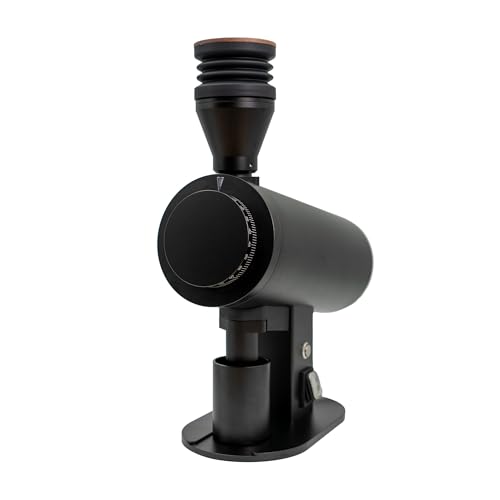
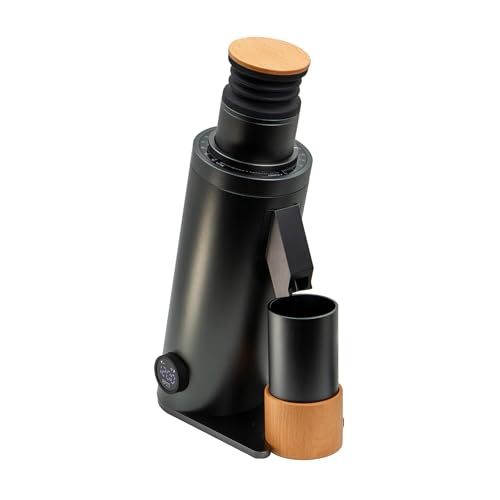
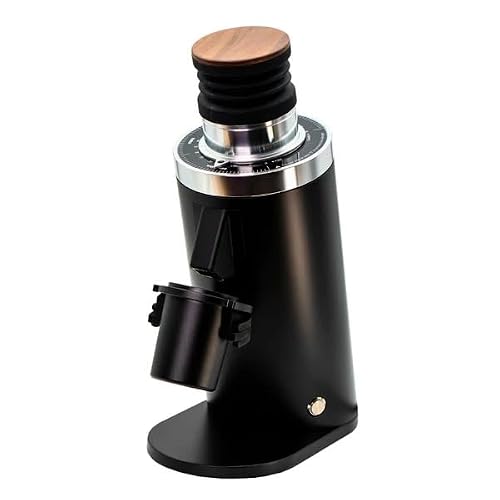
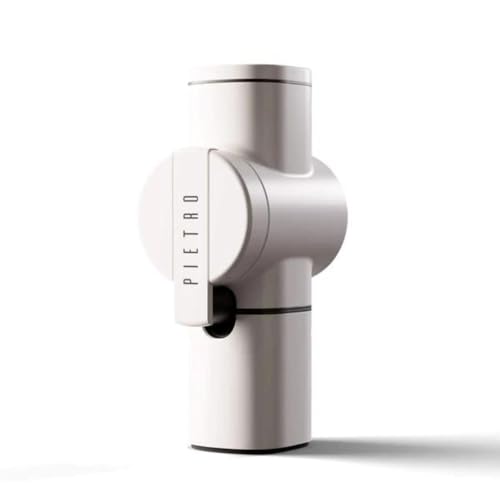
Grind retention is the coffee left inside after a dose, and on a single-dose grinder it decides whether the design works at all. A hopper grinder often keeps 1–3 g in its chute. If you put 18 g in and get 16.5 g out, your shot ratio shifts and part of the next dose is old grounds. Good single-dose models keep retention to a few tenths of a gram, so the weight in matches the weight out.
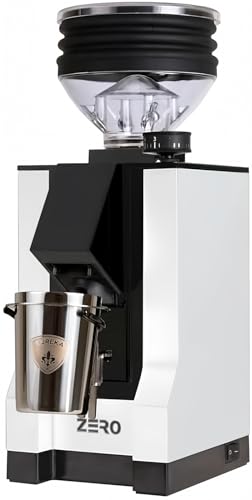
Low retention also keeps the taste clean. Grounds left overnight turn papery and bitter, and after a dark roast you taste the carry-over in a light one. Dry beans and low humidity build static, which makes grounds stick to the chute and pushes retention up. Flat-burr models like the Eureka Mignon Zero 65 All Purpose pair a short exit path with a stepless collar, so a grind change does not leave a mixed batch inside.
Which dosing and anti-static features matter on single-dose coffee grinders?
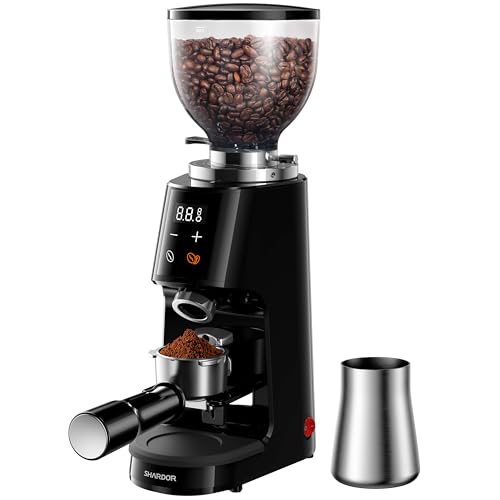
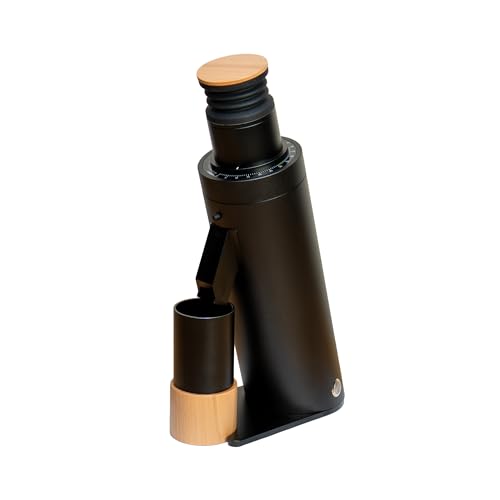
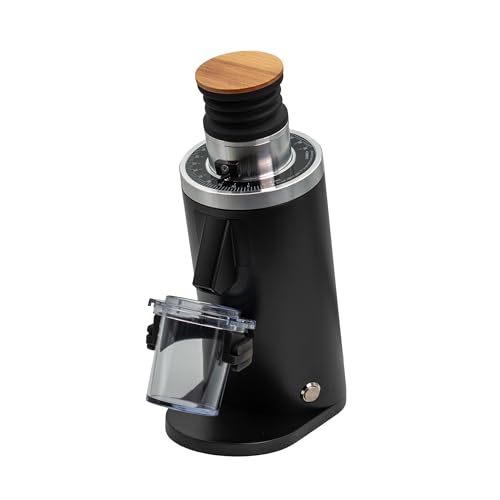
The features that matter most are a bellows, a good dosing cup and some form of static control. A rubber bellows on the bean funnel pushes air through the burrs and clears the last grounds in two or three pumps. A metal dosing cup that fits a 58 mm portafilter lets you tip grounds straight into the basket without spilling.
Static makes fine grounds jump and cling to the spout. Some grinders fight it with an ion generator or a magnet in the chute. The simplest fix costs nothing: one spray of water on the beans, known as RDT, cuts clumping and mess almost completely. A mesh or declumper in the outlet breaks up the clumps that still form at espresso settings.
Speed control is a useful extra. Variable motor speed, often adjustable between about 400 and 1400 rpm on higher-end models, lets you choose more clarity or more body. A lid on the bean funnel also stops beans popcorning out when the burrs start.