


Are Graef coffee grinders good?
Graef coffee grinders have an average overall score of 6.8, ranking #20 among all coffee grinder brands, and an average review score of 8.2, placing them at #14 among brands graded by independent reviewers.
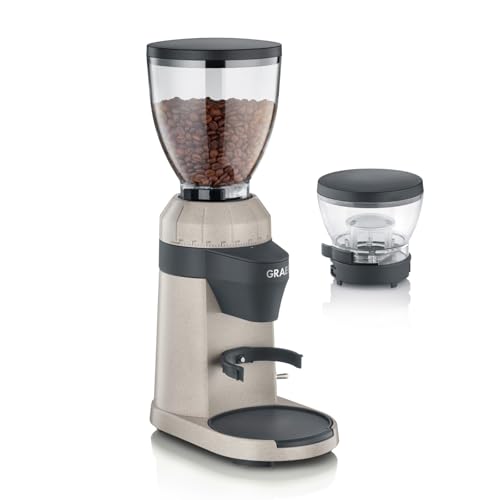
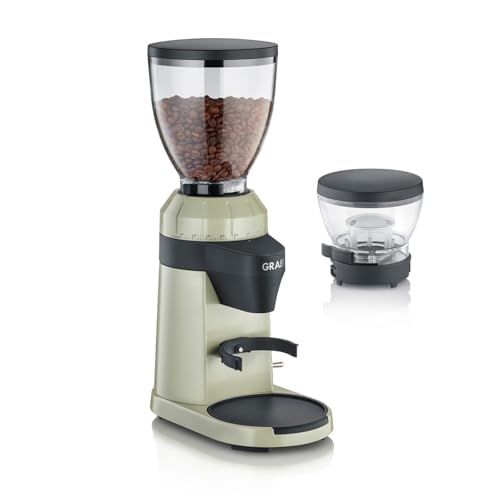
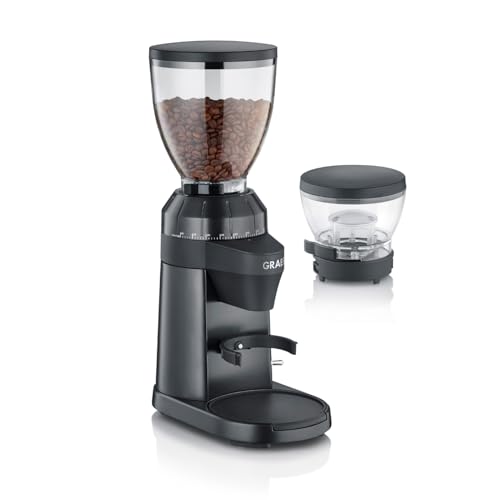
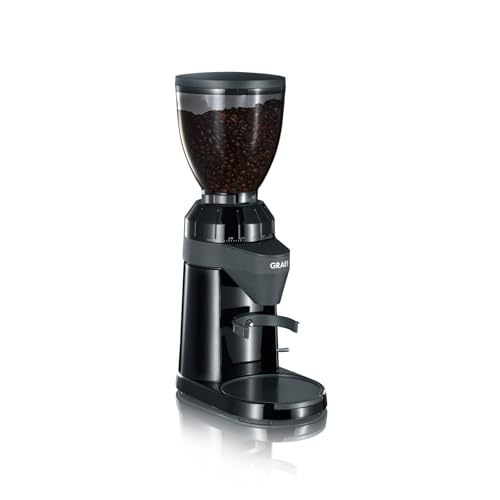
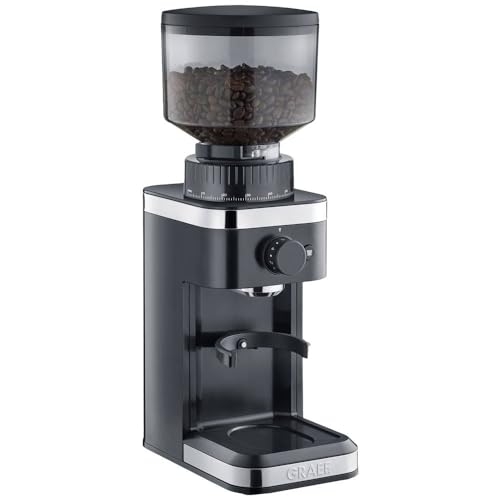
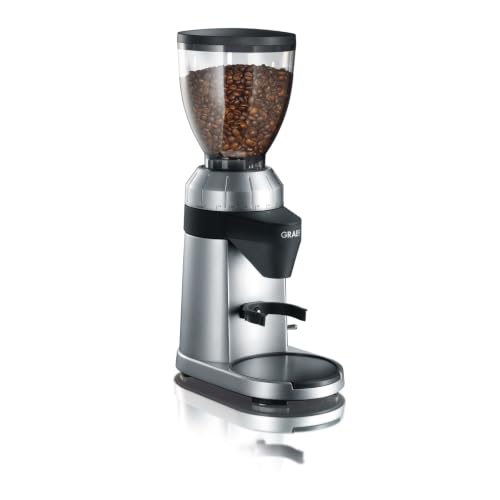
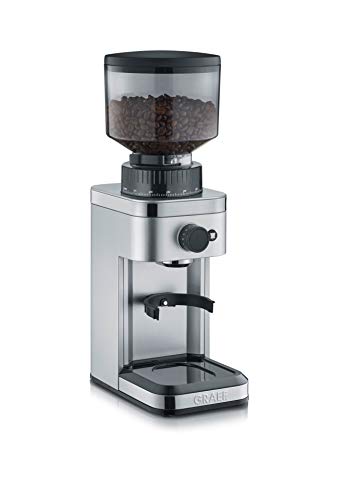
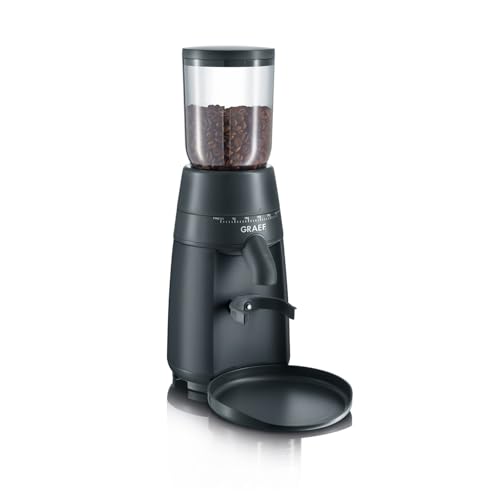
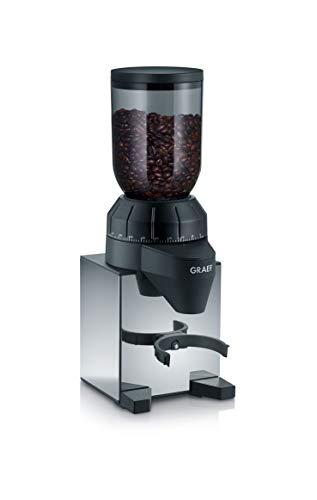
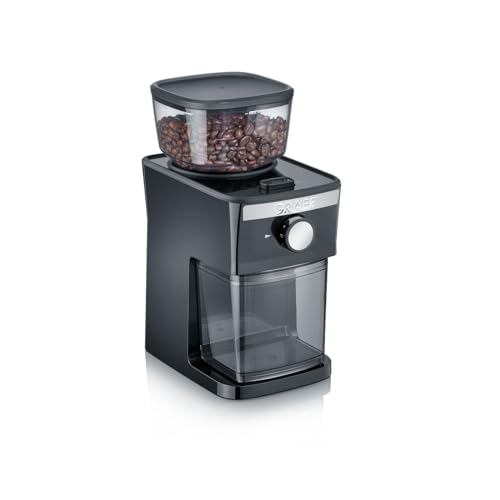
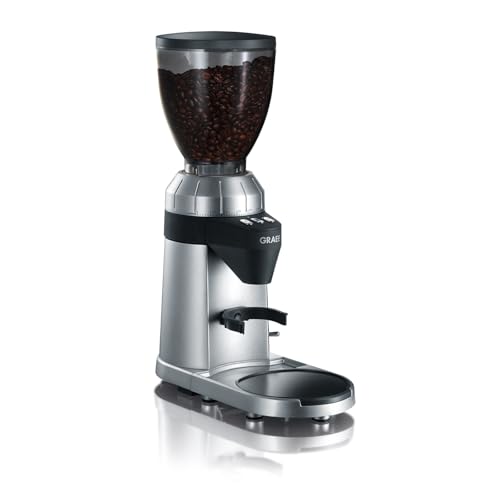
Graef is best known in Germany for food slicers, and its grinders have grown into a solid choice for home espresso. The core model is the CM800, with conical burrs, 40 settings and a fork that holds the portafilter. The CM502 splits its range into 140 steps for about £80, and the CM1012 adds stepless 50 mm burrs for single dosing.
The limitation is precision at the fine end. Most models use fixed steps, and owners often recalibrate the CM800 burrs to reach a fine enough espresso grind. Dosing runs on a timer, so a dose drifts by around 0.5–1 g as the hopper empties.
(Note: A total of 47 brands were evaluated in the comparison in the first paragraph. Only those with at least 3 coffee grinder models in our database were included.)
The chart below ranks coffee grinder brands by average overall score.
[horizontal-chart-07853660896965248824128233381893652503132145496472]What are the main advantages of Graef coffee grinders?
The main advantages of Graef coffee grinders are as follows:
- Espresso-ready mid-range: The CM800 and CM802 grind fine enough for espresso and cost about £130. Many rival grinders at that price stop at filter fineness.
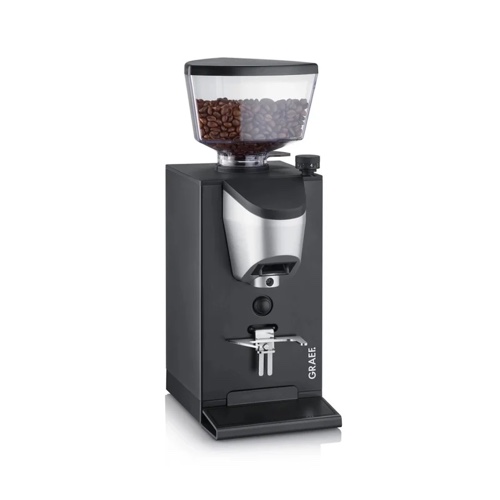
- Portafilter fork: The CM820 holds the portafilter under the spout during grinding. You keep both hands free and skip the transfer container.
- Fine stepping: The CM502 divides its range into 140 settings. That gives you small enough jumps to correct a shot that runs too fast.
- Single dosing option: The CM1012 offers stepless adjustment for weighed single doses. Switching beans every day leaves no old coffee in the way.
- Wide price ladder: The range runs from the CM702 for about £80 to the EliteGrindX CM8011 for about £170. You start small and step up within the same brand.
- Spare parts: Graef sells replacement burrs and hoppers for models such as the CM800 through its German service. A worn burr set does not mean a new grinder.
What are the main disadvantages of Graef coffee grinders?
The main disadvantages of Graef coffee grinders are the following:
- Stepped adjustment: The CM800 moves in fixed steps across its whole range. For light-roast espresso the gap between two clicks is often too big.
- No scale: The CM900 doses by time, not weight. Dense or oily beans change the output, so you still need a separate scale for exact shots.
- Retention and static: The chute of the CM820 holds a little old coffee between doses. Grounds also cling to the spout and fork on dry days.
- Coarse entry models: The CM702 offers 24 settings and suits filter coffee more than espresso. Tuning a shot on it is guesswork.
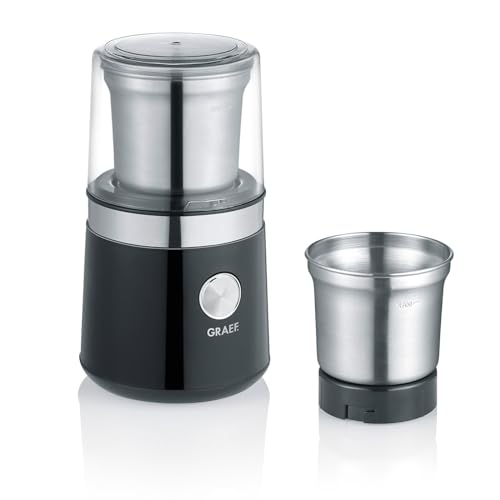
- Blade at the bottom: The CM102 is a blade grinder that chops rather than grinds. It leaves fine dust next to large chunks and works best for spices.
- Pricey top model: The CM1012 costs about £430 and competes with specialist single-dose brands. At that price the Graef name carries less weight than its Italian rivals.