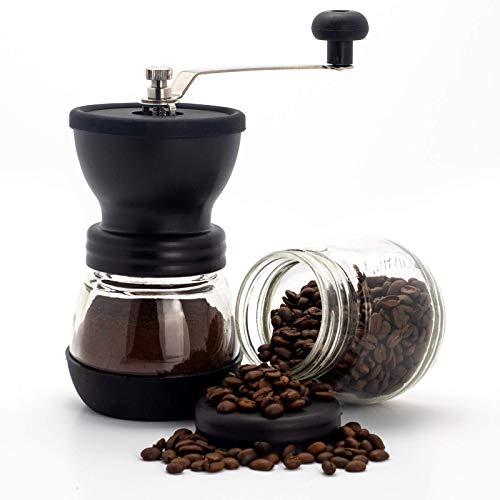
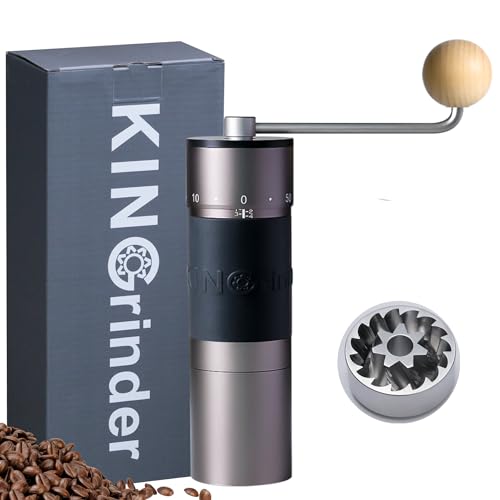
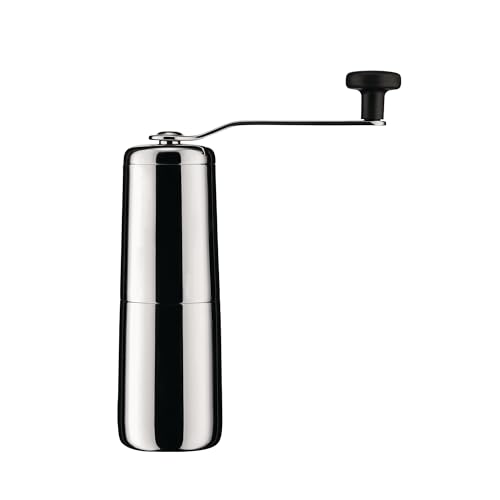
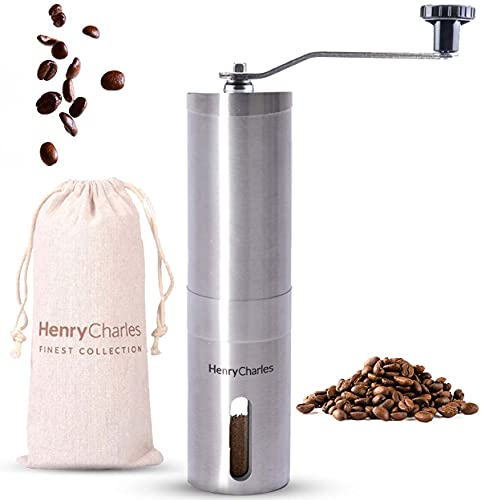
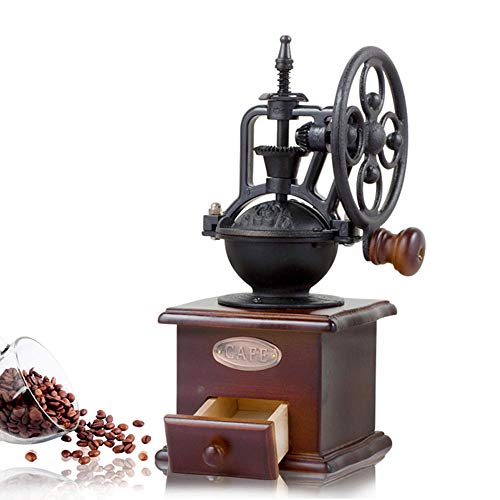
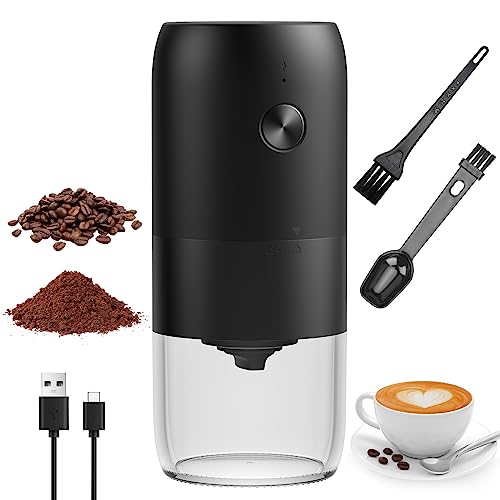
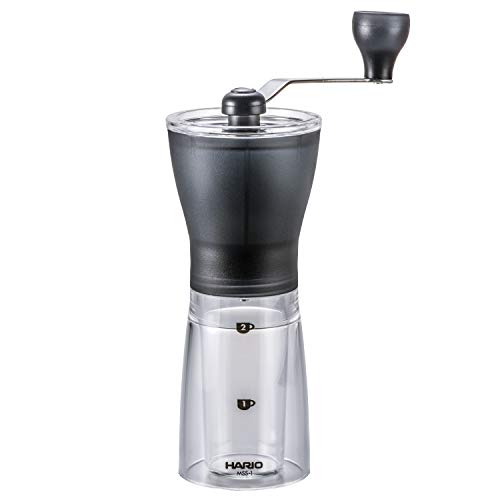
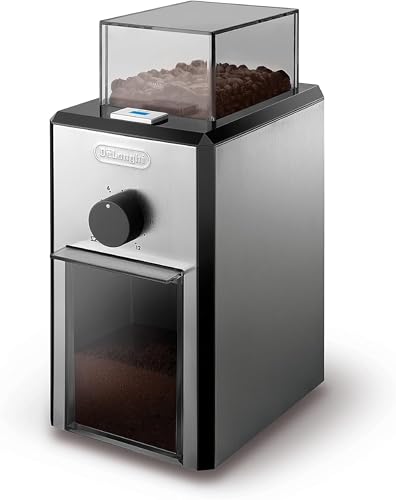
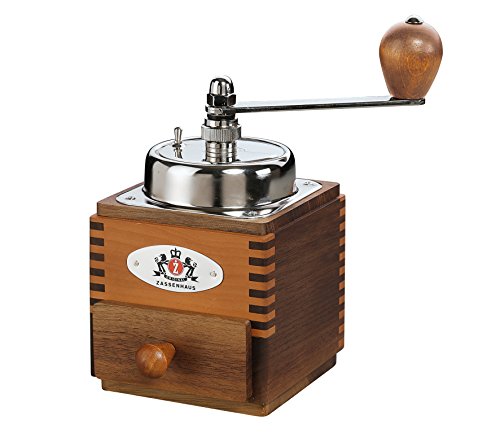
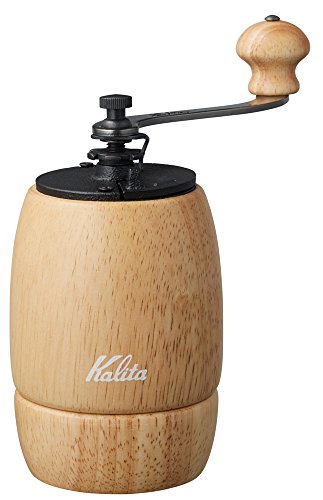
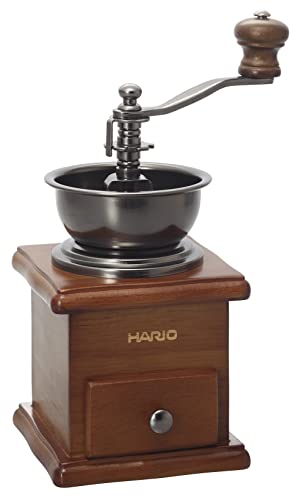
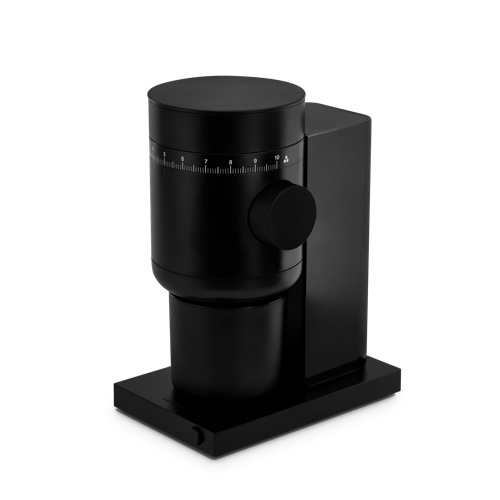
Cheap coffee grinders commonly cost about £30-£50, while anything up to about £90 still counts as cheap. A typical model sits near £30. Below £30 you mostly get blade grinders and very basic hand mills, which are fine for spices but uneven for coffee.
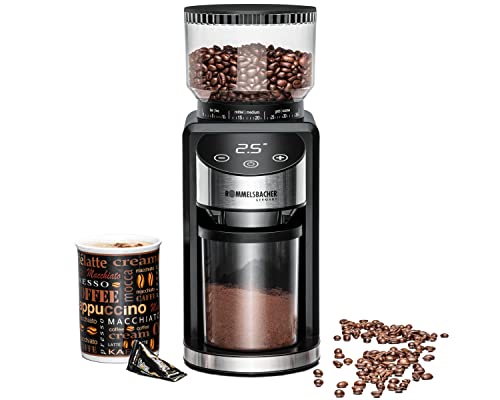
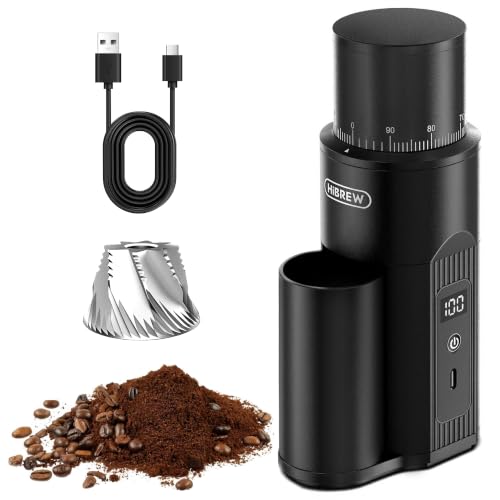
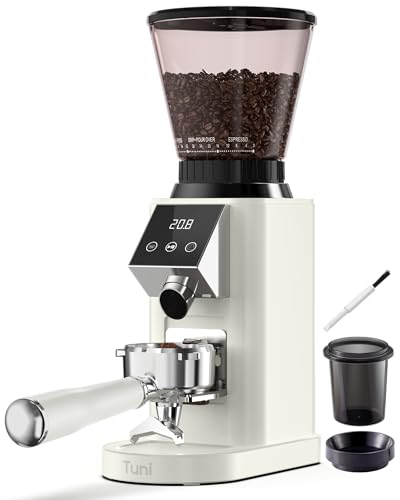
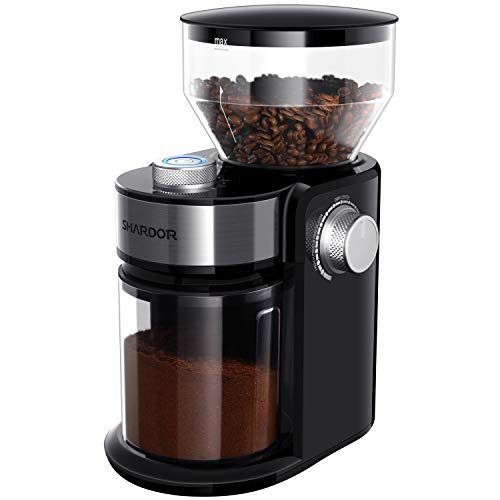
Between 30 and £50, budget electric burr grinders appear. The Caso Barista Crema at about £30 offers 16 settings and an espresso grind. Blade models from Bodum and others sit at the same level for buyers who want speed over precision.
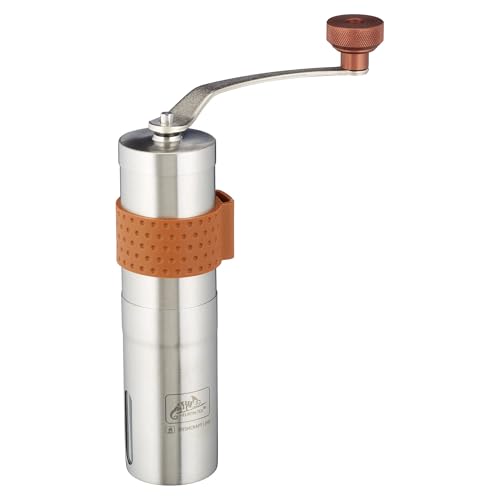
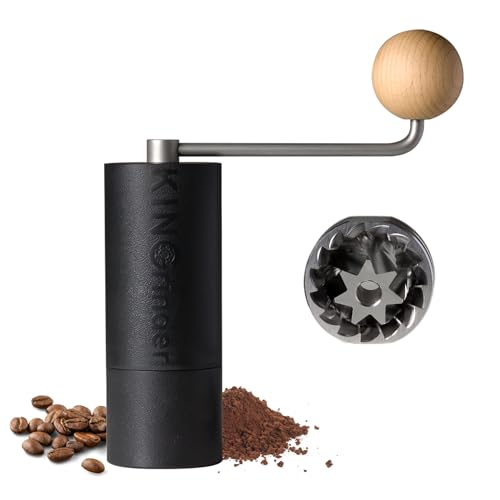
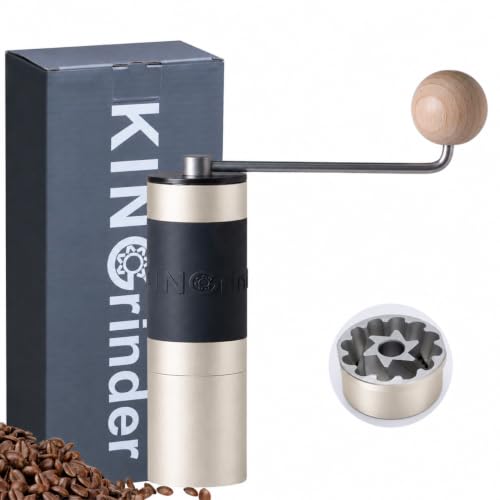
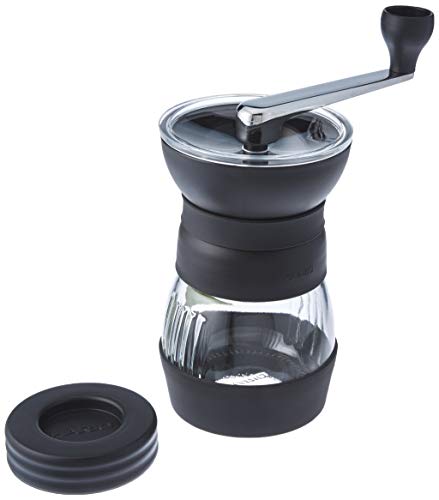
From about 60 to £90, you reach proper hand grinders with steel burrs. The TIMEMORE Chestnut C3S Pro, at about £90, uses 38 mm steel burrs and 26 click settings, and it grinds more evenly than any blade or most cheap electric burrs.
The chart below shows the price distribution of cheap coffee grinders.
[vertical-chart-17336131304867206085049280404414430374873204118064]
Are cheap coffee grinders worth buying?
Cheap coffee grinders are worth buying if you brew filter, pour-over or French press and now use pre-ground coffee. Ground coffee loses much of its aroma within 15–30 minutes of grinding. Fresh grounds from even a basic burr grinder improve the cup more than switching to a more expensive bag of pre-ground.
The best value sits with budget hand grinders and simple electric burr models. Hand grinders with steel burrs and around 25 click settings give even grounds for pour-over and need no socket. Electric burr models are faster and grind a full pot in under a minute, at the cost of 70–80 dB of noise.
Cheap grinders are not worth it for espresso. Steps are too wide, burrs wobble slightly and many budget electric models stay too coarse for a non-pressurised basket. If espresso is your main drink, a cheap grinder leaves you with fast, sour shots and an upgrade within months.