Motor power decides how well an electric coffee grinder holds its speed under load, and grinding speed decides how quickly you get your dose. Blade grinders use about 150–200 W, home burr grinders roughly 150–450 W and café-grade machines 500 W or more. A stronger motor keeps the burrs turning steadily through dense, light-roasted beans and does not stall at espresso settings.
Speed in rpm matters as much as watts. Blade grinders spin at about 20,000 rpm and heat the coffee, while good burr grinders turn at roughly 400–1,400 rpm. Gear-reduced and low-speed motors produce less heat and static, so fewer grounds cling to the chute and the flavour stays cleaner.
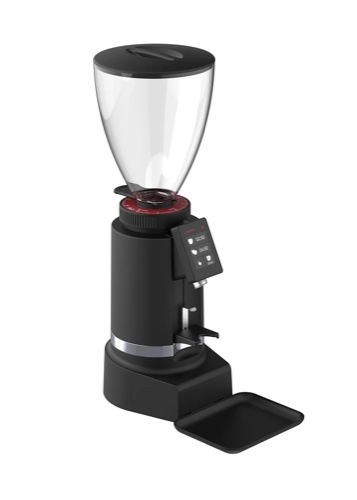
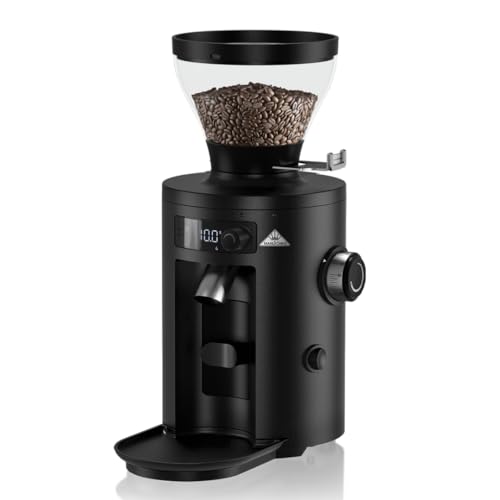
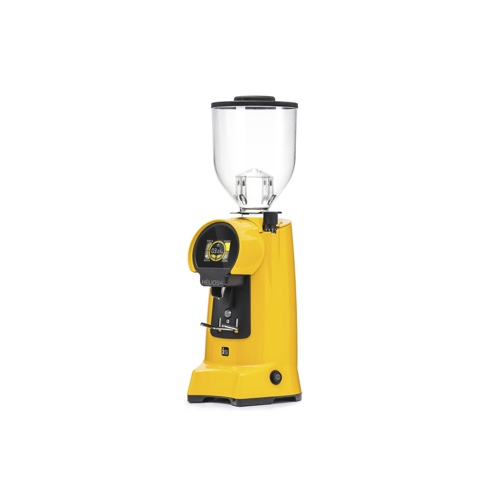
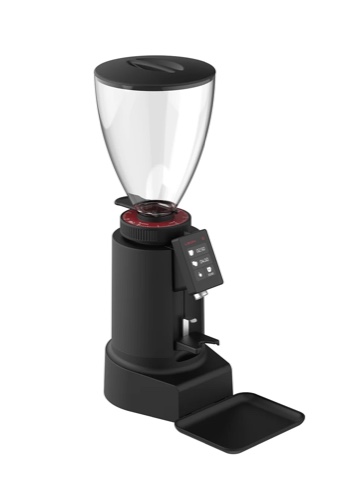
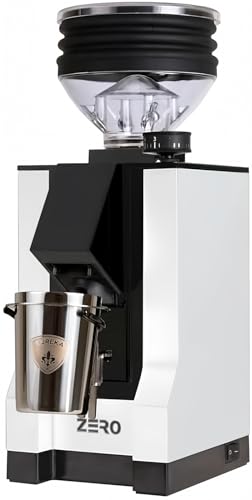
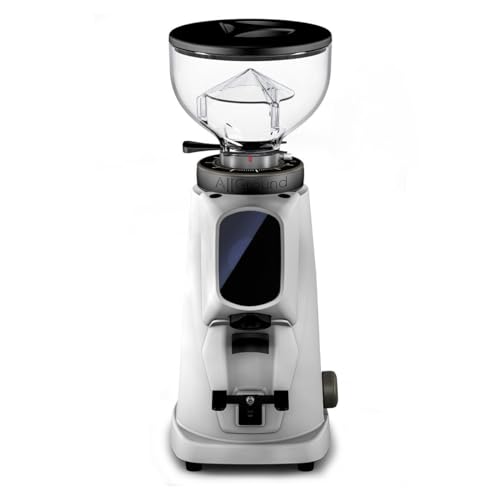
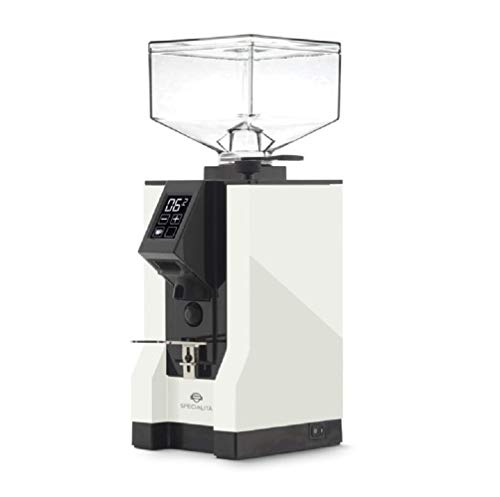
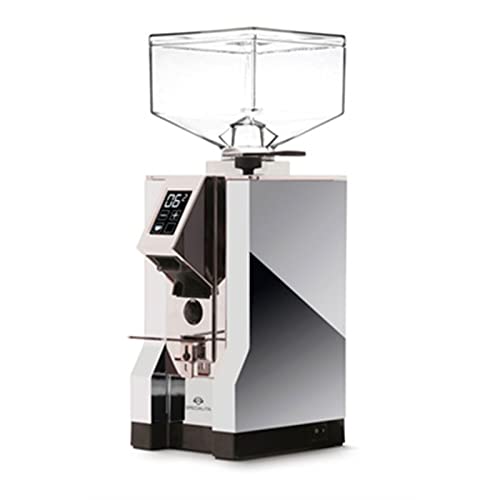
Grinding speed in grams per second follows mostly from burr size. A 50 mm grinder like the Eureka Mignon Perfetto delivers around 1–1.5 g per second, which suits one or two drinks at a time. An 83 mm machine such as the Ceado E37Z-Hero grinds several times faster, which only pays off when you make coffee for a crowd.
How quiet are electric coffee grinders?
Electric coffee grinders typically run at about 60–80 dB. The quietest burr models sit near 60 dB, about as loud as a normal conversation, while noisy ones reach 80 dB, close to a blender on a low setting. Blade grinders are often louder still because their small motors spin very fast.
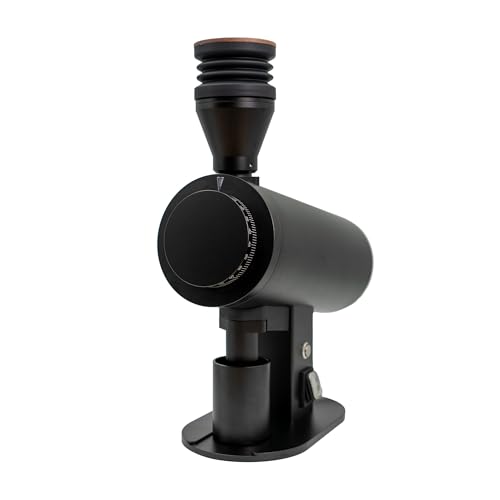
Insulated housings, low-speed motors and rubber feet make the difference. The Eureka Mignon Silenzio 55 and Macap M2D Silent are built around these ideas and suit an open-plan flat or early mornings. Because a dose takes only seconds, pitch matters as much as volume: a deep hum is easier to live with than a high whine at the same decibel level.