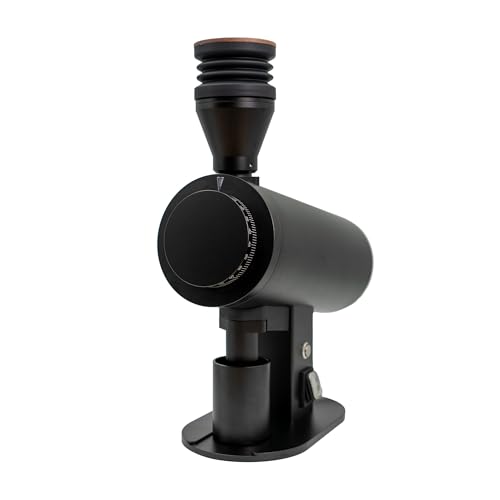
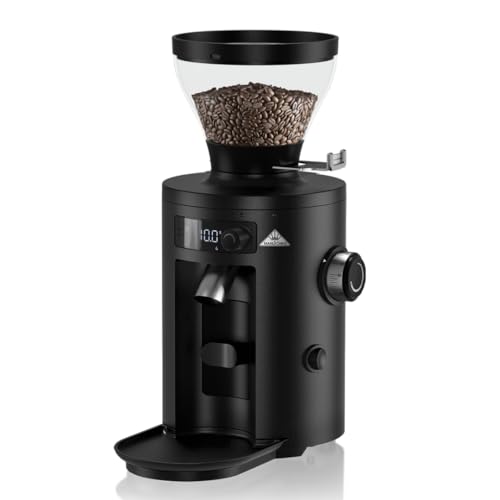
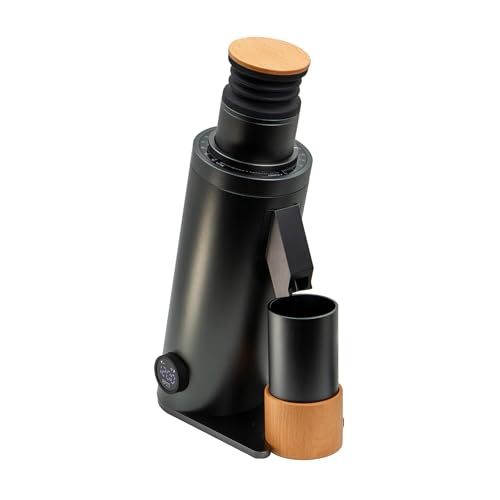
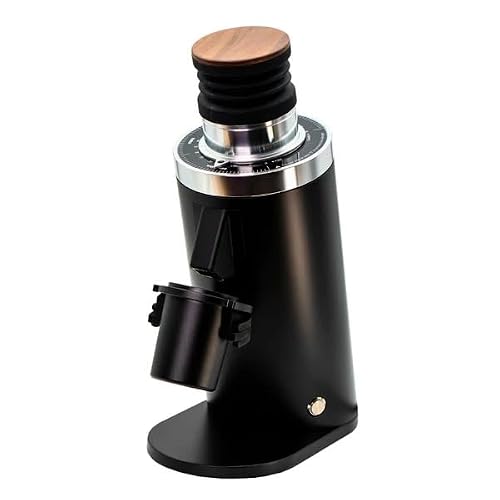
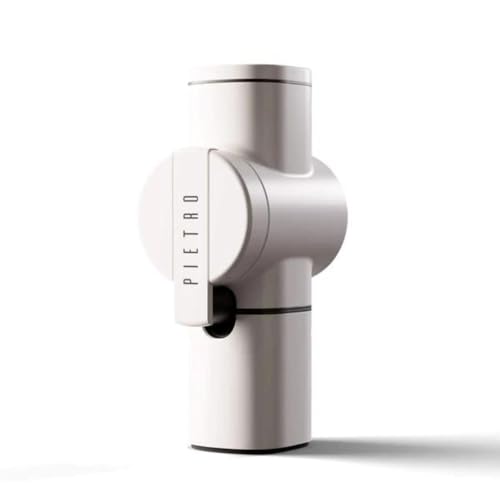
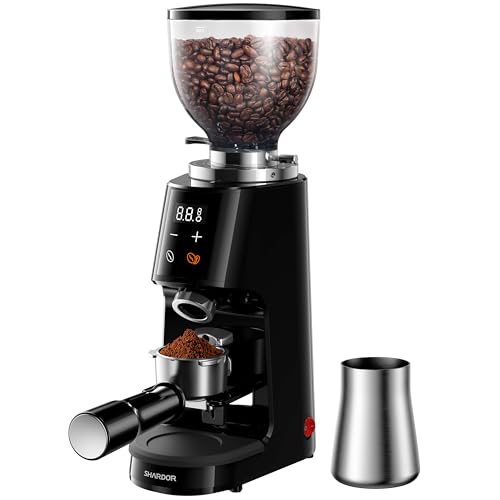
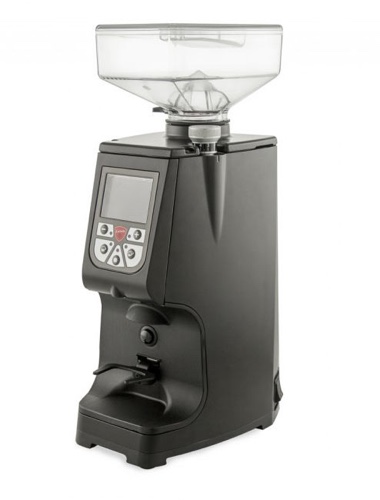
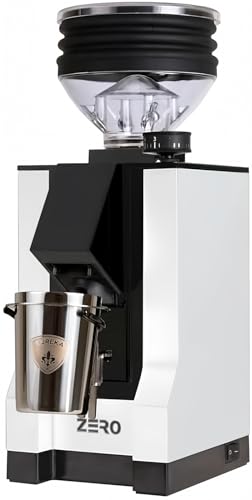
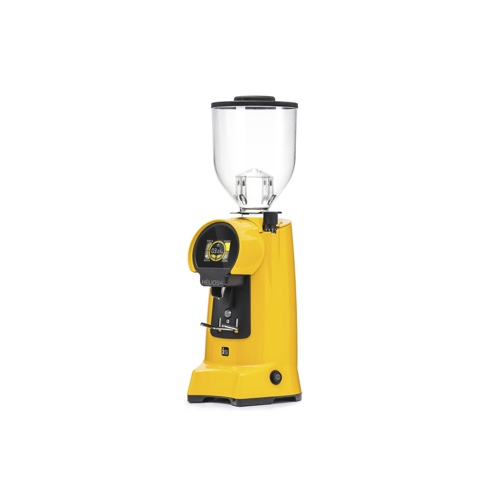
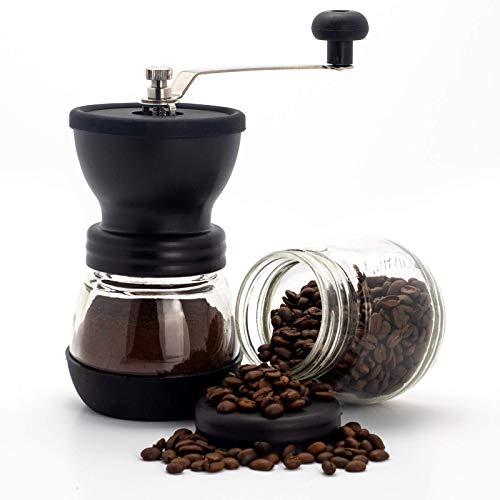
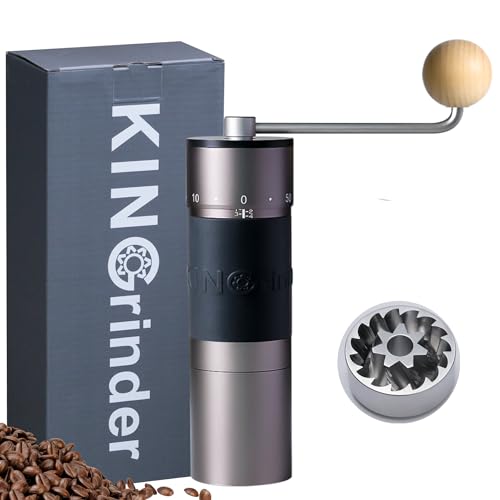
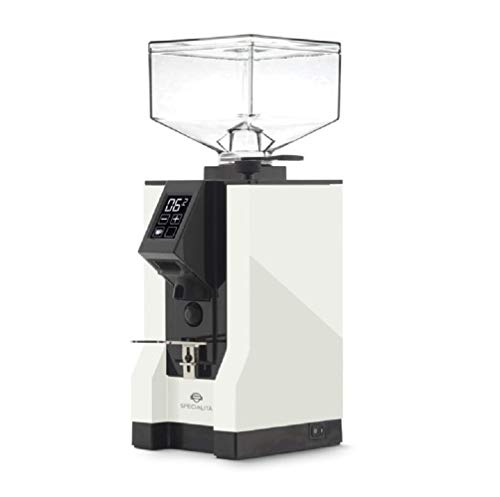
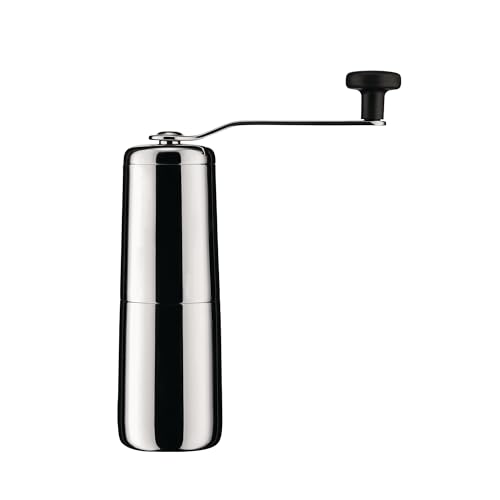
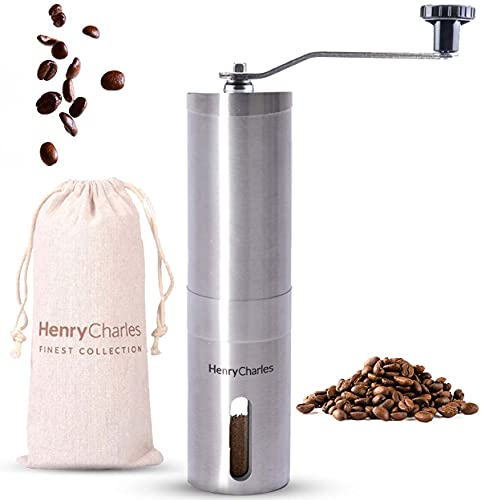
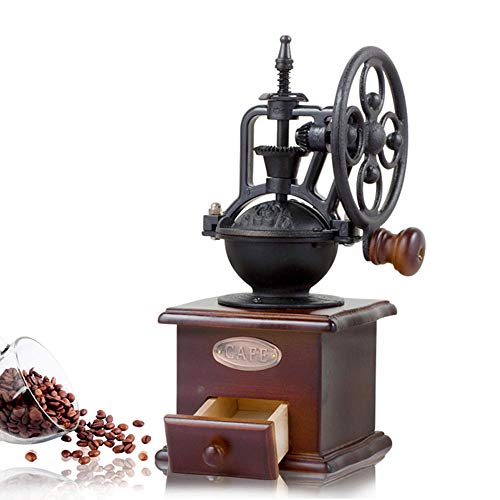
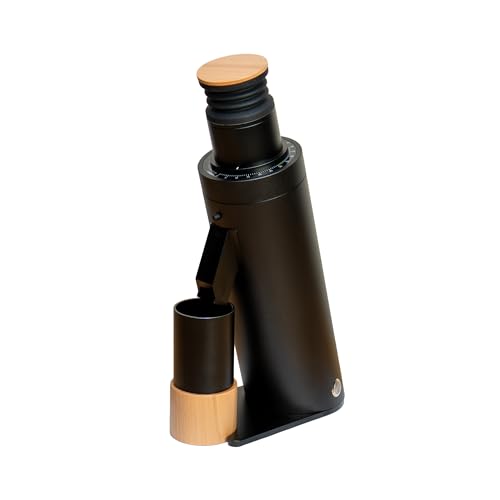
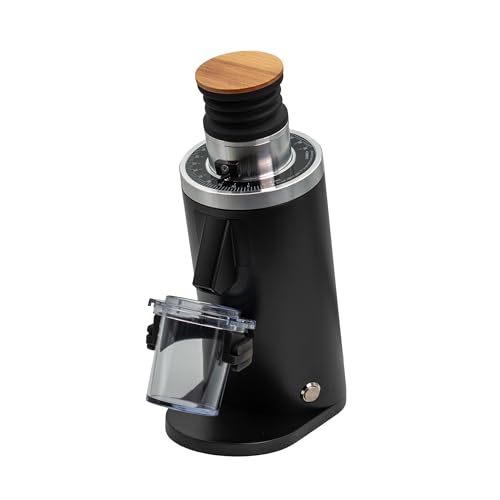
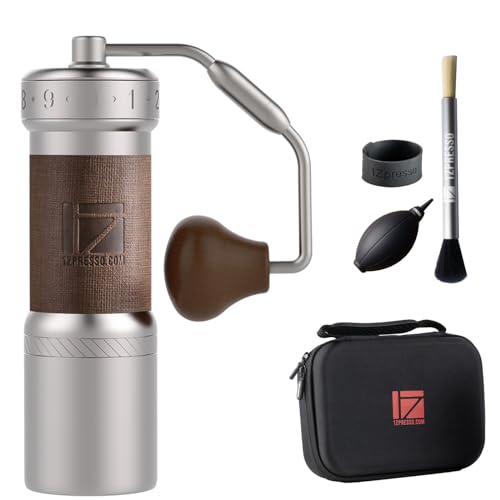
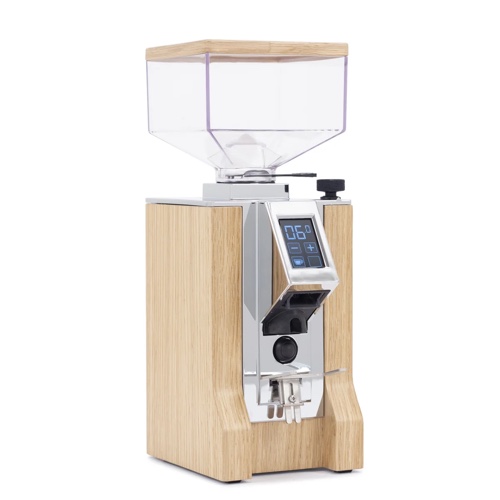
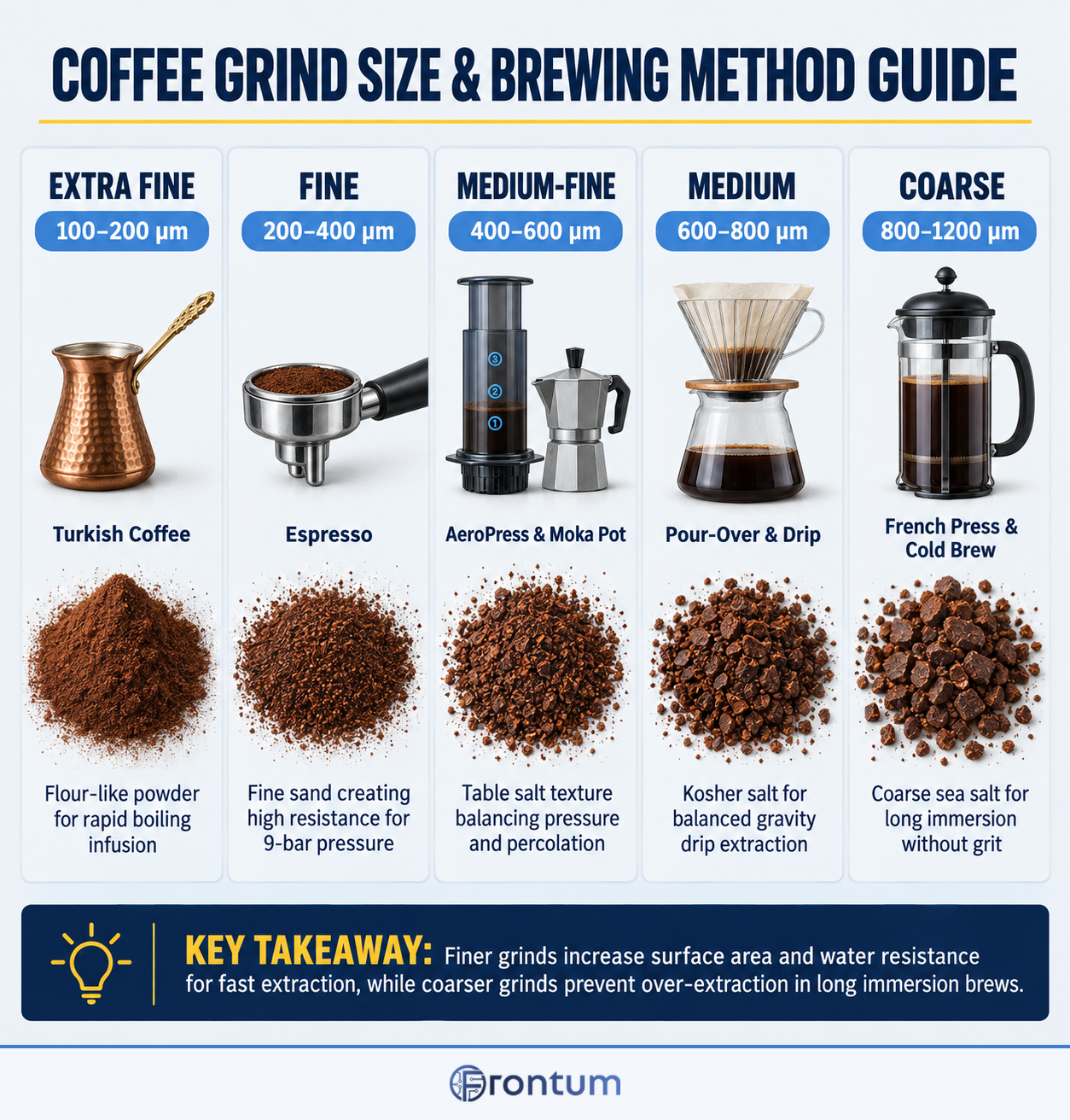
Burr grinders with sturdy steel burrs and a stable axle produce the most consistent coarse grounds for French press. Two burrs crush the beans to a set gap, so particles come out close to the same size. Hand grinders like the TIMEMORE Chestnut C3S use 38 mm steel burrs, while electric models like the Gastroback 42644 Barista run 40 mm burrs at low speed.
Large flat burrs of 64–80 mm give the narrowest spread, which is why high-end grinders produce very clean press coffee. Cheap ceramic burrs and wobbly axles make more fines at coarse settings, because the outer burr moves as you turn the handle. Widely spaced coarse steps help too: you land on the right size instead of between two settings.
Can blade coffee grinders make good French press grounds?
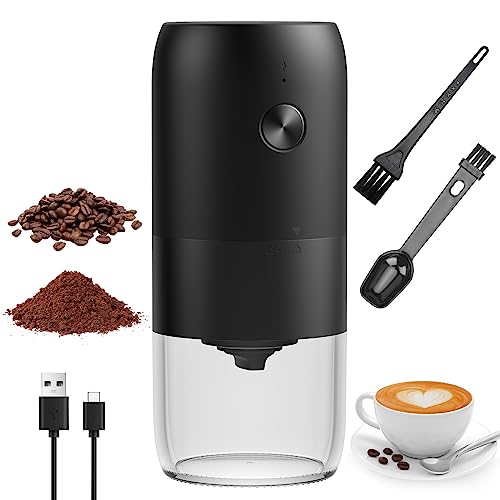
Blade coffee grinders make acceptable French press grounds at best. A blade spinning at around 20,000 rpm chops beans at random, so you get dust and large chunks in the same batch. The dust slips through the mesh as sludge and over-extracts, while the chunks taste sour.
Short pulses help. Grinding in 1–2 second bursts for about 10 seconds in total and shaking the grinder between pulses evens out the result. A cheap blade model like the Bomann KSW 445 CB at around £20 gives reasonable coffee this way, especially if you sieve out the finest dust.
For daily French press, a burr grinder is a clear step up. Even a basic hand grinder with 38–40 mm steel burrs gives you more uniform grounds, less silt in the cup and the same result every morning.