
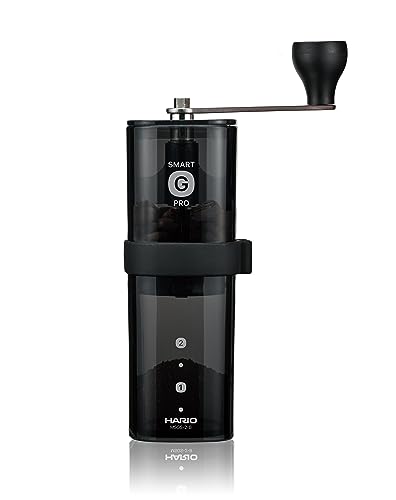


Are Hario coffee grinders good?
Hario coffee grinders have an average overall score of 6.6, ranking #27 among all coffee grinder brands, and an average review score of 7.2, placing them at #21 among brands graded by independent reviewers.
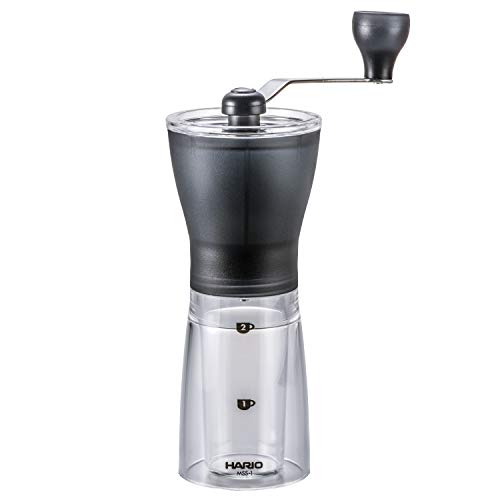
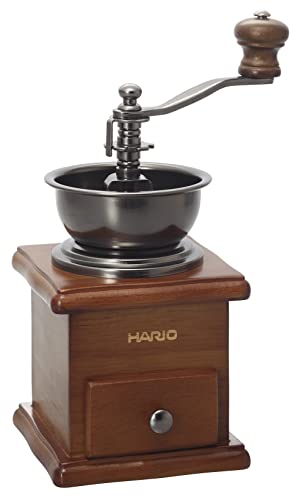
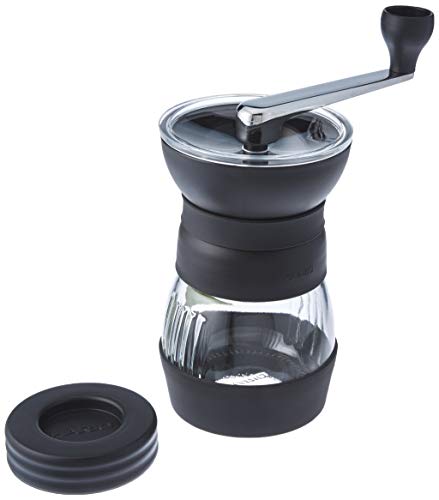
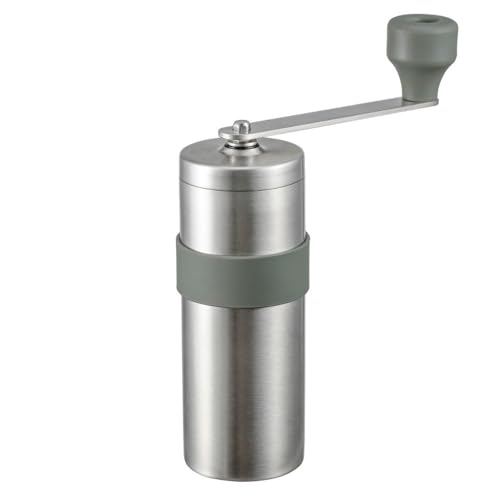
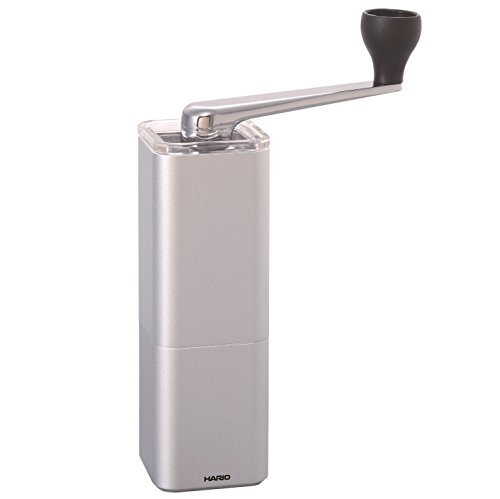
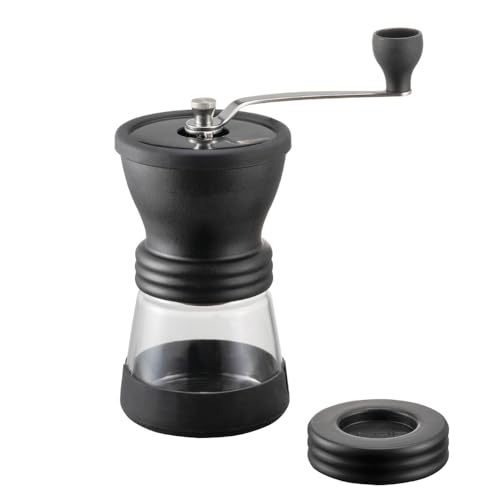
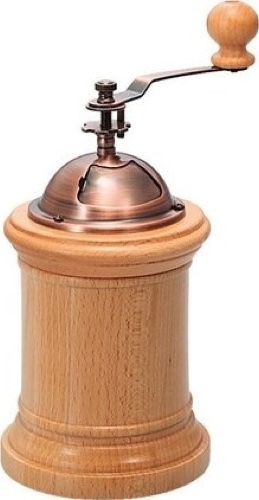
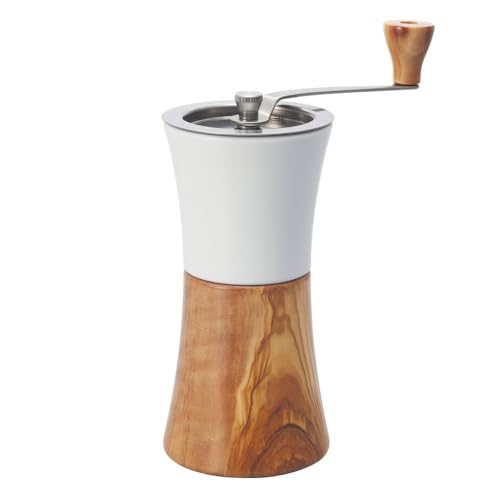
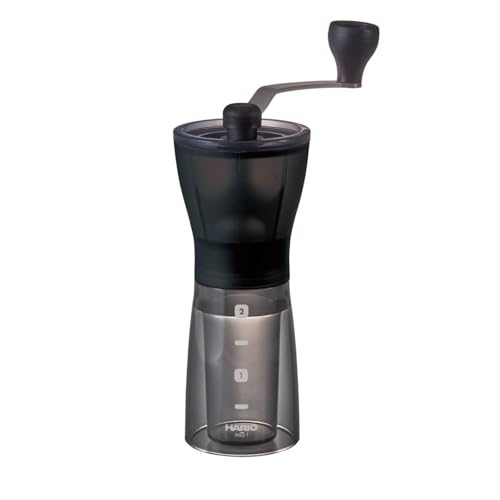
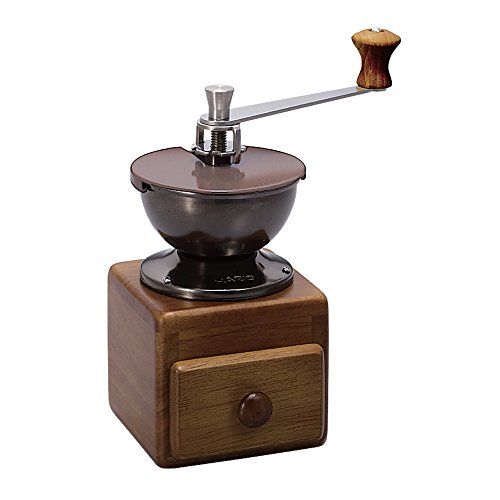
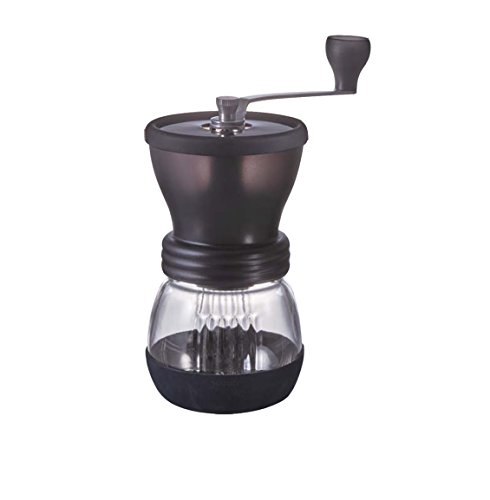
Hario is best known for the V60 dripper and heat-resistant glass, and its grinders follow the same pour-over logic. Nearly all are hand mills with conical ceramic burrs. The range runs from the slim MSS-1B to the Skerton Plus with its glass jar and the MCWN-2-OV Olive Wood for a wooden countertop look. They handle medium to medium-coarse filter grinds well and cost far less than most steel-burr hand grinders.
The weak point is consistency at the extremes. Budget mills like the MSS-1B wobble slightly on the shaft and produce more fines and boulders at French press settings. Espresso works on some models but takes 3–5 minutes of cranking per shot, so daily espresso drinkers get more from a steel-burr grinder with a fixed bearing.
(Note: A total of 47 brands were evaluated in the comparison in the first paragraph. Only those with at least 3 coffee grinder models in our database were included.)
The chart below ranks coffee grinder brands by average overall score.
[horizontal-chart-07853660896965248824128233381893652503132145496472]What are the main advantages of Hario coffee grinders?
The main advantages of Hario coffee grinders are as follows:
- Low entry price: The MSS-1B and MSS-1DTB are among the cheapest burr grinders you can buy. They are an easy step up from pre-ground coffee or a blade mill.
- Rust-free ceramic burrs: The ceramic burrs in the Skerton Plus and MM-2 do not corrode and keep their edge for years. You rinse them under the tap without worrying about rust spots.
- Travel-friendly size: The MSS-1B is a narrow tube about the size of a pepper mill. It fits in a backpack next to a dripper and needs no socket.
- Made for pour-over: The V60 Metal grinder comes from the same brand as the V60 dripper. It targets the medium grind that pour-over and AeroPress recipes call for.
- Easy cleaning: The grounds container on the MSCSN-2-B and Prism lifts off for emptying. The burr assembly unscrews by hand for a quick brush clean.
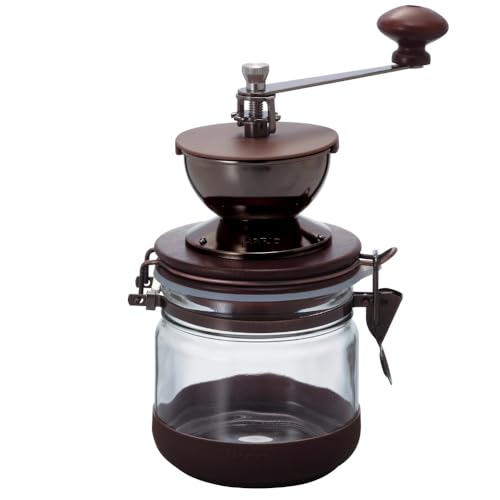
- Design choice: The MCWN-2-OV Olive Wood suits a wooden kitchen, while the CMHN-4 Canister doubles as storage on the counter. Few budget brands offer this much variety in looks.
What are the main disadvantages of Hario coffee grinders?
The main disadvantages of Hario coffee grinders are the following:
- Slow by hand: An 18 g espresso dose on the Skerton Plus takes around 3–5 minutes of cranking. Grinding for several cups every morning turns into a workout.
- Wobble at coarse settings: Budget mills like the MSS-1B let the inner burr move slightly on the shaft. French press grounds come out with more dust and big chunks than on a stabilised grinder.
- Coarse adjustment steps: The MSCSN-2-B offers only 9 grind settings. The jumps between them are large, so fine-tuning a recipe is rough.
- Limited espresso range: The MSGS-2-B Smart G Pro does not grind fine enough for espresso. It stays a filter and French press tool.
- Fragile parts: The Skerton Plus collects grounds in a glass jar that breaks if it falls on a tiled floor. Plastic hoppers on the cheaper mills also scratch and cloud over time.