


Are Zassenhaus coffee grinders good?
Zassenhaus coffee grinders have an average overall score of 6.7, ranking #26 among all coffee grinder brands.
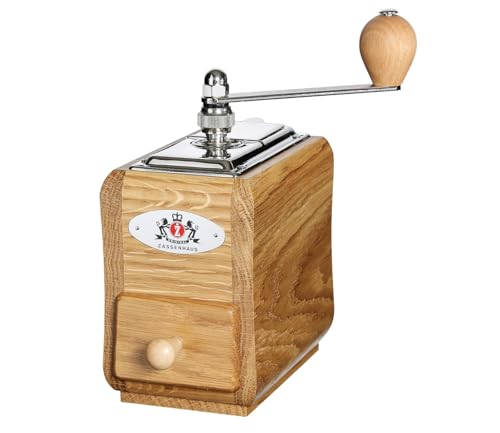
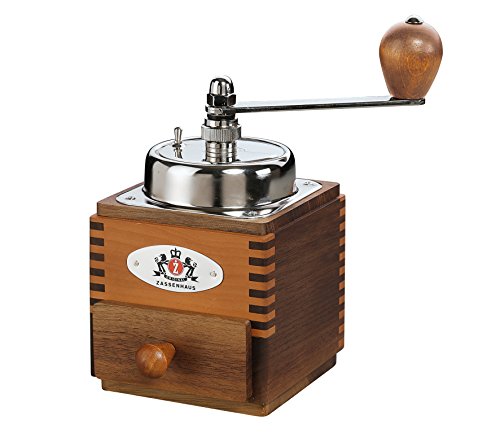
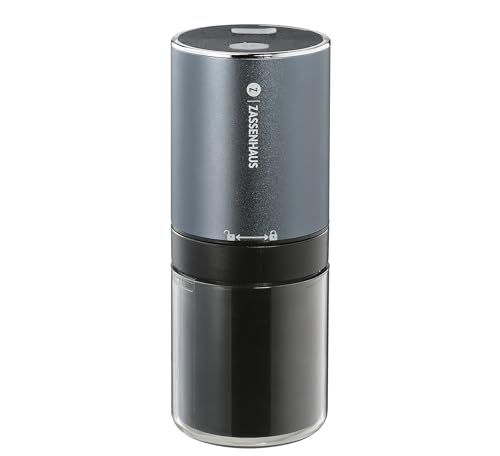
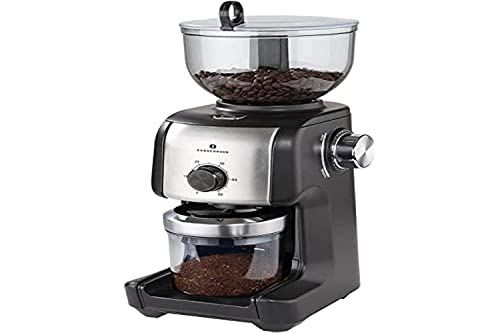
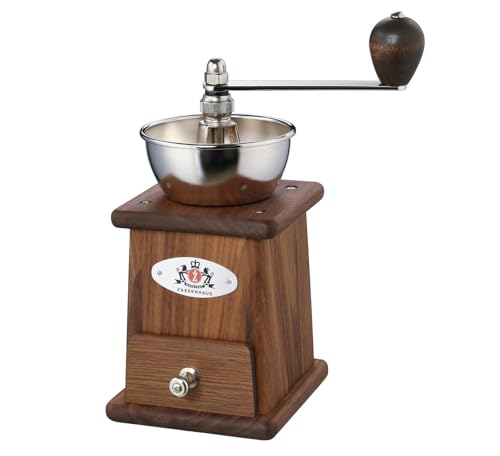
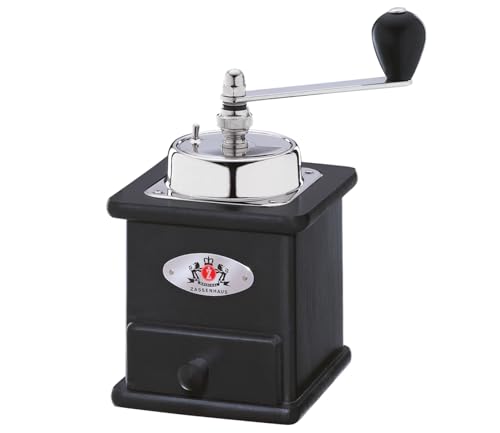
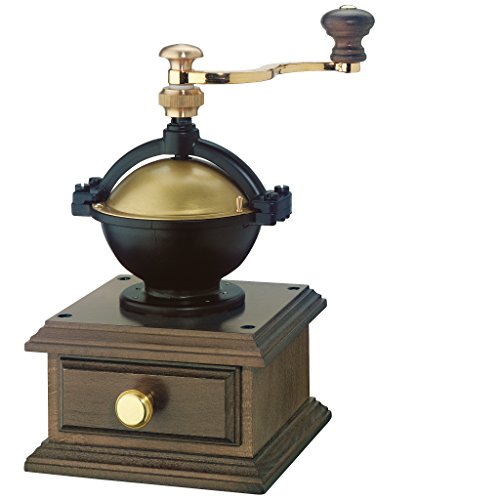
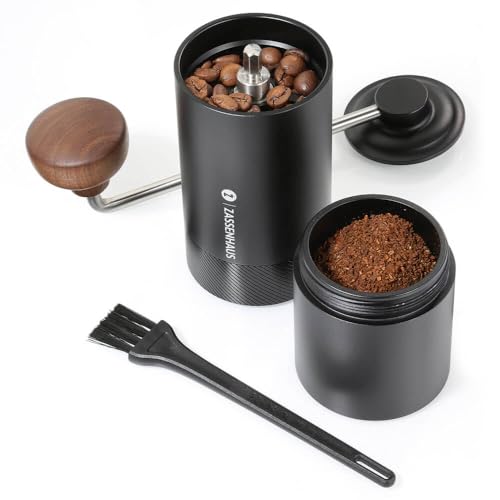
Zassenhaus is known for German hand mills with conical steel burrs and a traditional look. Box mills such as the Santiago hide the burrs in a solid body with a drawer for grounds, while the Montevideo uses stepless adjustment for anything from espresso to French press. The Mini Master USB adds a compact option for small kitchens and desks.
The real limitation is workflow. A hand mill needs about a minute of steady cranking for an espresso dose, and a box mill has to be held between your knees or pressed onto the table. Stepless models also lack numbered marks, so you return to a favourite setting by feel. Modern specialty hand grinders with numbered clicks make recipe changes faster and more repeatable.
(Note: A total of 47 brands were evaluated in the comparison in the first paragraph. Only those with at least 3 coffee grinder models in our database were included.)
The chart below ranks coffee grinder brands by average overall score.
[horizontal-chart-07853660896965248824128233381893652503132145496472]What are the main advantages of Zassenhaus coffee grinders?
Zassenhaus coffee grinders offer the following advantages:
- Steel conical burrs: Models such as the Santiago and Expert 48S are listed as capable of espresso grind. Hardened steel cuts cleanly and resists the chipping that ceramic burrs suffer when a stone hides in the beans.
- Stepless adjustment: The Montevideo 040234 and Santos set fineness with a threaded nut instead of fixed clicks. You make tiny changes between steps and dial in espresso or AeroPress precisely.
- Classic design: The Brasilia and Santiago follow the look of traditional German box mills and sit well on an open shelf. Many buyers choose them as much for the wood and metal craft as for the coffee.
- Silent grinding: A hand mill like the Kingston Steel has no motor, so grinding stays well below the 70–80 dB of budget electric grinders. You grind at 6 am without waking anyone.
- Compact option: The Mini Master USB is the smallest way into the brand at about £80. It suits a small kitchen or an office desk.
- Removable grounds cup: Detachable containers on models like the Santos let you tip grounds straight into a filter or portafilter. Nothing sticks in a hidden chamber, so cleanup takes seconds.
What are the main disadvantages of Zassenhaus coffee grinders?
The main disadvantages of Zassenhaus coffee grinders are the following:
- Slow by hand: A mill like the Montevideo 040234 needs steady cranking for around a minute per espresso dose. Grinding for four cups of filter coffee each morning gets tiring.
- No reference marks: Stepless models such as the Brasilia have no numbers on the adjuster. Returning to yesterday's setting takes counting turns or trial grinds.
- Wide fixed steps: The Kingston Steel offers 17 steps and the Arabica 16, with no stepless option. The gaps are too wide for precise espresso tuning.
- High top prices: The Arabica and La Paz cost about £170. That money also buys a modern hand grinder with larger burrs and numbered clicks.
- Awkward handling: Box mills like the Santiago have no grip for one-handed use. You hold them between your knees or press them onto the table while you crank.
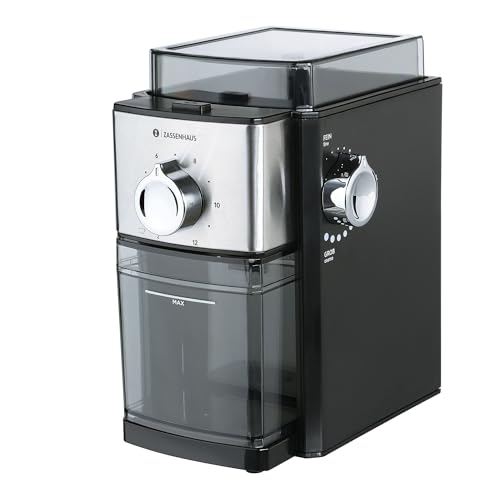
- Few espresso extras: The Arabica is the model with a portafilter holder, and no model has a display or timer. If you pull espresso daily, the workflow is slower than with a modern electric grinder.