Fujifilm GFX 50S II review. Compare 108 technical specifications and user reviews to see how it ranks among cameras and if it is worth buying.
Overall score
What it is: An overall evaluation of the camera's quality, based on technical analyses and user reviews.
When it matters: When you need a quick reference to identify the best cameras on the market.
Score components:
90.0%
Technical Score
10.0%
User score
Technical Score
What it is: An assessment of the camera's technical performance, covering eight key areas: image quality, autofocus, video features, stabilization, lens compatibility, connectivity, battery, and design.
When it matters: When you want to compare cameras based on technical performance and available features.
Score components:
28.0%
Sensor & Image
25.0%
Photo Features
18.0%
Video & Audio
14.0%
Display & Design
8.0%
Battery & Power
7.0%
Connectivity & Storage
User score
What it is: A rating that combines user reviews and the total number of reviews received by the camera.
When it matters: When real-world owner satisfaction and review volume matter to your decision.
Score components:
70.0%
User reviews
30.0%
Popularity
Score components:
25.0%
Sensor size
20.0%
Main camera megapixels
20.0%
Dual card slots
15.0%
N. of focus points
10.0%
RAW photo capture
10.0%
Phase-detection autofocus (photos)
Score components:
35.0%
Weight
30.0%
Battery life (CIPA)
20.0%
Sensor-shift stabilization
15.0%
GPS
Score components:
30.0%
Price
20.0%
Weight
20.0%
AF tracking
20.0%
Battery life (CIPA)
10.0%
Touchscreen
Score components:
30.0%
Main camera megapixels
25.0%
Sensor size
20.0%
Main camera pixel size
15.0%
Sensor-shift stabilization
10.0%
RAW photo capture
Score components:
30.0%
Weight
25.0%
Thickness
20.0%
AF low-light sensitivity
15.0%
Sensor-shift stabilization
10.0%
Eye detection AF (human)
Score components:
30.0%
Sensor size
25.0%
Main camera pixel size
20.0%
Eye detection AF (human)
15.0%
Main camera megapixels
10.0%
Sensor-shift stabilization
Score components:
30.0%
Weight
25.0%
Battery life (CIPA)
20.0%
Min operating temperature
15.0%
Sensor-shift stabilization
10.0%
GPS
Available: ranking among products currently available (including other versions of this product).
All: ranking among all products in the database.
#18 in Best Fujifilm Cameras
#90 in Best Mirrorless Cameras
#98 in Best Cameras for Portraits
#99 in Best Cameras
#99 in Best Digital Cameras
#652 in Best Cameras for Hiking
#697 in Best Travel Cameras
What it is: An assessment of the camera's technical performance, covering eight key areas: image quality, autofocus, video features, stabilization, lens compatibility, connectivity, battery, and design.
When it matters: When you want to compare cameras based on technical performance and available features.
Score components:
28.0%
Sensor & Image
25.0%
Photo Features
18.0%
Video & Audio
14.0%
Display & Design
8.0%
Battery & Power
7.0%
Connectivity & Storage
What it is: A rating that combines user reviews and the total number of reviews received by the camera.
When it matters: When real-world owner satisfaction and review volume matter to your decision.
Score components:
70.0%
User reviews
30.0%
Popularity
What it is: An indicator that combines the camera's overall rating with its cost.
When it matters: When you want to know how much overall quality you get for the price.
Score components:
60.0%
Overall score
40.0%
Price
Importance: HIGH
Good value: Full frame or larger
Importance: HIGH
Good value: At least 20 MP
Importance: HIGH
Good value: At least 3.5 µm
Importance: LOW
Importance: MEDIUM
Good value: At least ISO 25,600
Importance: MEDIUM
Importance: MEDIUM
Good value: At least 14-bit
Importance: LOW
Importance: LOW
Importance: LOW
Importance: LOW
Importance: LOW
Importance: LOW
Importance: LOW
Importance: LOW
Importance: MEDIUM
Importance: LOW
Importance: LOW
Importance: LOW
Importance: LOW
Importance: LOW
Importance: HIGH
Good value: At least 200 points
Importance: HIGH
Importance: MEDIUM
Importance: LOW
Importance: LOW
Importance: MEDIUM
Importance: MEDIUM
Importance: HIGH
Good value: At least 5 stops
Importance: LOW
Importance: MEDIUM
Good value: At least 10 fps
Importance: LOW
Importance: LOW
Importance: LOW
Importance: LOW
Importance: LOW
Importance: LOW
Importance: LOW
Importance: LOW
Importance: LOW
Importance: LOW
Importance: LOW
Importance: LOW
Importance: LOW
Importance: LOW
Importance: LOW
Importance: LOW
Good value: At least 200,000 actuations
Importance: LOW
Good value: At least 10x
Importance: HIGH
Good value: At least 3840 px
Importance: MEDIUM
Good value: At least 200 Mbps
Importance: MEDIUM
Good value: At least 10-bit
Importance: LOW
Importance: LOW
Importance: LOW
Importance: LOW
Importance: LOW
Importance: LOW
Importance: LOW
Good value: At least 30 min
Importance: LOW
Importance: LOW
Importance: LOW
Importance: LOW
Importance: LOW
Good value: At least 2 microphones
Importance: LOW
Importance: LOW
Importance: LOW
Importance: LOW
Importance: MEDIUM
Good value: 500 g or less
Importance: LOW
Importance: LOW
Importance: LOW
Importance: MEDIUM
Importance: MEDIUM
Good value: At least 2.36 million dots
Importance: LOW
Good value: 100%
Importance: LOW
Importance: LOW
Good value: At least 120 Hz
Importance: MEDIUM
Good value: At least 3 in
Importance: LOW
Importance: LOW
Importance: LOW
Importance: LOW
Importance: LOW
Importance: LOW
Importance: LOW
Good value: At least 10 m
Importance: LOW
Importance: LOW
Importance: LOW
Importance: LOW
Importance: MEDIUM
Good value: At least 400 shots
Importance: LOW
Good value: At least 1,500 mAh
Importance: LOW
Importance: LOW
Importance: LOW
Importance: LOW
Importance: LOW
Importance: LOW
Importance: LOW
Importance: LOW
Importance: LOW
Importance: LOW
Importance: LOW
Importance: LOW
Importance: LOW
Importance: LOW
Importance: LOW
Importance: LOW
Importance: LOW
Importance: LOW
Importance: HIGH
Good value: At least 200 points
Importance: MEDIUM
Importance: HIGH
Good value: At least 20 MP
Importance: HIGH
Good value: Full frame or larger
Importance: HIGH
Good value: At least 5 stops
Importance: LOW
Importance: HIGH
Good value: At least 3.5 µm
Importance: MEDIUM
Importance: MEDIUM
Good value: 500 g or less
Importance: MEDIUM
Good value: At least 10 fps
Importance: LOW
Importance: LOW
Importance: LOW
Importance: LOW
The Fujifilm GFX 50S II, reviewed by DPReview, is presented as an affordable, stabilized entry point into medium-format photography, utilizing a 51.4MP sensor in a robust, IBIS-equipped body. Its core strengths include exceptional image quality, high dynamic range, and improved handling, making it a powerful tool for studio and landscape photography. However, the review highlights significant drawbacks, including a slow contrast-detect-only autofocus system that struggles with action and a maximum 3 fps burst rate. Furthermore, the camera lacks 4K video capability, limiting its use for modern hybrid shooters.
The Fujifilm GFX50S II is a budget-friendly entry point into medium-format photography, featuring a 50.4-megapixel sensor, effective in-body image stabilization (IBIS), and a robust, weather-sealed design. It offers exceptional, high-resolution image quality suitable for studio and landscape work, enhanced by a 200MP multi-shot mode and versatile in-camera raw processing. However, the camera is limited by a slow, contrast-detect autofocus system that frequently hunts and a maximum 3fps continuous shooting speed, making it unsuitable for fast-paced action. Additionally, it lacks 4K video capabilities, offering only 1080p recording, and relies on a system of large, expensive lenses.
The Fujifilm GFX 50S II is a 51.4MP medium format mirrorless camera designed for methodical photographers who prioritize ultimate image quality and dynamic range over raw speed. Built around the same Bayer CMOS sensor as its predecessor but upgraded with the ergonomic body of the GFX 100S, it brings the distinct medium format "look" to a more accessible price point. Key highlights include an impressive 6.5-stop In-Body Image Stabilization (IBIS) system, dual UHS-II SD card slots, and a customizable 1.8-inch top LCD screen. The camera also introduces a 200MP Pixel Shift Multi-Shot mode and features 19 Film Simulation presets, including Nostalgic Neg, making it an exceptional tool for studio, portrait, landscape, and still-life photography. However, the review highlights several compromises made to keep the system affordable. The main pros of the GFX 50S II are its impeccable image quality with extensive highlight and shadow recovery, its highly ergonomic and customizable body, and its relatively affordable entry point into medium format photography. On the downside, the cons include a sluggish contrast-detect autofocus system compared to modern full-frame mirrorless alternatives, a slow...
The Fujifilm GFX 50S II is an affordable, entry-level, medium-format camera that repackages a 51.4-megapixel CMOS sensor into the robust, highly ergonomic body of the GFX 100S. It is highly praised for its excellent build quality, deep grip, customizable button layouts, and the vital addition of an in-body image stabilization (IBIS) system providing up to 6.5 stops of stabilization. The camera produces an organic, rich, film-like image quality with exceptional dynamic range that landscape and architecture photographers will appreciate, further enhanced by the inclusion of the "Nostalgic Neg." film simulation. Additionally, when purchased as a bundle with the lightweight Fujinon GF 35-70mm f/4.5-5.6 WR lens, it offers an exceptionally high-value starter kit for those transitioning into larger-than-full-frame photography. However, the camera has notable limitations, particularly regarding speed and versatility. The primary drawback is its 117-point contrast-detection autofocus system, which struggles significantly in dim lighting conditions and lacks tracking capabilities, making it a poor choice for action, sports, or wildlife photography. Its video capabilities are similarly subpar, topping out at a basic 1080p resolution rather than modern 4K standards. Other minor...
The Fujifilm GFX 50S II is a compact, DSLR-styled medium format camera built on the same weather-resistant magnesium alloy chassis as the GFX 100S, weighing a relatively lightweight 900g. It features a 51.4-megapixel conventional sensor (not back-side illuminated) and stands out for its price point as Fujifilm's most affordable medium format body at launch ($6,499 AUD). Key advantages highlighted in the review include its exceptional image quality with incredible sharpness, extensive dynamic range for post-processing flexibility, and impressive low-light performance up to ISO 3200. Additionally, it features an upgraded 5-axis in-body image stabilisation (IBIS) system offering 6.5 stops of stabilization, dual SD card slots, USB-C charging, and highly ergonomic physical handling. However, the camera falls short in performance and modern feature standards for its price bracket. The autofocus system relies on contrast-detection rather than the distance-aware phase-detection found in the GFX 100S, resulting in slower performance and underwhelming eye-tracking capabilities that struggle in continuous shooting mode. This drawback makes it less suitable for fast-paced environments like weddings or documentary work. Furthermore, its video capabilities remain entirely unchanged from its five-year-old...
In his review on DON CRAIG photography, photographer Don Craig strongly praises the Fujifilm GFX50S II, concluding that upgrading from the original GFX50S was highly worthwhile for his art and portrait photography workflow. The standout feature of this model is its excellent In-Body Image Stabilization (IBIS), which allowed him to successfully shoot sharp, handheld commercial images at slow shutter speeds like 1/60s using heavy lenses. Furthermore, he highlights the incredible image quality—which remains identical to its predecessor—alongside impressive high ISO performance that produces virtually noise-free files at ISO 3200 and highly usable results at ISO 6400. He also finds the redesigned, smaller body much nicer to handle, and notes that the autofocus tracking, face detection, and back-button focusing are major speed and accuracy improvements over the original 50S model. On the downside, Craig points out that the camera lacks phase detection autofocus, making it a slower choice compared to the GFX100S, which features a newer sensor and much faster autofocus capabilities. He also mentions a slight learning curve with the physical ergonomics, noting that he initially missed the original dedicated...
The Fujifilm GFX50S II is a budget-friendly medium format camera that repurposes the GFX100S body, utilizing its advanced 5-axis In-Body Image Stabilization (IBIS) system with 6.5 stops of correction, alongside an efficient battery layout and a fully weather-sealed professional build,. While it carries over the older 51.4MP contrast-detect sensor from previous generations, its performance is enhanced by the newer X Processor 4, which boosts autofocus accuracy and speed while refining face and eye detection,. The primary advantages of this system lie in its large sensor area, which is 1.7 times greater than a full-frame sensor. This larger footprint yields cleaner images at high ISOs, an expanded dynamic range, and exceptional image sharpness that allows for handheld exposures as slow as half a second,. However, the camera suffers from notable ergonomic and design drawbacks. The reviewer highly criticizes the removal of the traditional physical D-Pad and multiple dedicated dials, which have been replaced by a less intuitive, laggy virtual screen interface and a rigid PSAM layout,. Furthermore, the updated multi-directional focus joystick has an uncomfortable, sandpaper-like texture and tends to get...
summary of the Fujifilm GFX 50S II review: The Fujifilm GFX 50S II is a digital large-format mirrorless camera designed for professionals and enthusiasts who want high-quality images at a semi-affordable price point. A major standout feature is its highly reliable photography in-body image stabilization (IBIS) system, which delivers up to 6.5 stops of stabilization for secure handheld shooting even at low shutter speeds. It shares the identical, well-balanced footprint of the GFX 100S, utilizing a traditional three-way tilting back LCD and a top-plate settings display that makes studio work and low-angle shooting highly intuitive. Photographers will also benefit from its 51.4-megapixel sensor that produces robust, detailed 14-bit RAW files, dual UHS-II SD card slots, a battery life yielding over 400 shots per charge, and a library of 19 built-in Film Simulation modes.
The Photo Review of the Fujifilm GFX 50S Mark II highlights the camera as a competitively priced, 50.1-megapixel, medium-format option offering outstanding image quality and a refined, built-in viewfinder design. It features enhanced, robust buffer memory and delivers clean, detailed images at low-to-mid sensitivities, making it an excellent choice for stills photographers. Key limitations, however, include severely restricted, entry-level 1080p video recording capabilities and a slow 3 frames-per-second maximum continuous shooting speed. Furthermore, default JPEG images tend to exhibit subdued color saturation, and the device is intended primarily for specialized photography rather than fast-paced, hybrid action.
The Fujifilm GFX 50S II is highlighted as an affordable entry point into medium-format photography, utilising a 51-megapixel sensor packed into a professional, robust body identical to the GFX 100S. The reviewer praises its exceptional image quality, noting smooth bokeh fall-off, rich dynamic range, and vast cropping flexibility. Key physical advantages include a deep, comfortable handgrip, an satisfyingly quiet mechanical shutter, a preferred 3-way tilting LCD screen, and a powerful In-Body Image Stabilization (IBIS) system that achieves a 1-second handheld shot. Performance is also vastly improved over the original 50S due to the X-Processor 4, delivering unexpectedly fast autofocus speeds with standard lenses. However, the camera does feature notable trade-offs to maintain its low price point, such as relying entirely on an older contrast-detection autofocus system while lacking modern phase-detection tech. Autofocus slowdowns and hunting also become noticeable when pairing the body with specific lenses that lack linear motors, like the GF 80mm. Ergonomically, the reviewer dislikes the omission of Fujifilm's signature retro physical dials—which are replaced by a top-panel status LCD—and critiques the exposure compensation interface for requiring a...
The Fujifilm GFX50s II is an evolution of its predecessor, sharing the same 50-megapixel medium format sensor but repackaged into a redesigned body with the same physical dimensions as the GFX100s. It is aimed primarily at photographers upgrading from full-frame or APS-C systems who favor a slower, more deliberate workflow for static subjects like portraits and landscapes. The camera's standout advantages include the highly effective In-Body Image Stabilisation (IBIS), a significantly quieter and smoother shutter, an improved rubber grip, a locking viewfinder dioptre dial, and a smaller, higher-capacity battery. Additionally, its body design allows the use of a rigid L-plate. However, the reviewer notes several significant regressions, such as the loss of the dedicated ISO dial and D-pad, the absence of a removable or tilting viewfinder, a spikey and awkward joystick, and the exclusion of a standalone battery charger. The GF 35-70mm kit lens is highlighted as an ultra-compact, lightweight, and highly affordable "mini marvel" that provides excellent sharpness for a 50MP sensor, making it a great backup or travel option. Its primary drawbacks are the lack of an aperture...
The Fujifilm GFX 50S II is a 51.4MP medium-format camera featuring a redesigned, ergonomic body with a traditional PSAM dial, aimed at simplifying operation for photographers transitioning from DSLRs. The review praises its secure handgrip, robust in-body image stabilization (IBIS), and superior image quality, which provides excellent dynamic range and color reproduction. Key limitations highlighted include a reliance on contrast-detect autofocus, which can hunt, and a slow continuous shooting rate of 3fps, making it less suitable for action photography. Additionally, the camera is capped at 1080p video recording, and the lack of 4K may be a drawback for some users.
The Fujifilm GFX50S IIGo to product viewer dialogue for this item. is presented as an affordable, accessible entry point into medium-format photography, featuring the ergonomic, weather-sealed body of the GFX100S and a 51.4MP sensor offering exceptional dynamic range and high-ISO performance. A significant highlight is the highly effective 6.5-stop In-Body Image Stabilization (IBIS), which improves handheld shooting stability. However, the review notes a dated contrast-detect autofocus system that lacks strong tracking capabilities, along with a slow 3-frames-per-second continuous shooting speed. Furthermore, the camera suffers from sub-par video capabilities, limited to 1080p, which compromises its versatility.
The Fujifilm GFX 50S II is a 51.4-megapixel medium format mirrorless camera built into a modernized, full-frame-sized body design shared with the GFX 100S. It provides excellent, clean image quality with a wide dynamic range, high-performing out-of-camera JPEGs, and up to 6.5 stops of In-Body Image Stabilization (IBIS). Compared to its predecessor, the camera drastically improves ergonomics by introducing robust command dials, removing the bulky extruded back, and adding a large top LCD panel alongside a dual-tilting rear touchscreen. Furthermore, the inclusion of the X-Processor 4 introduces upgraded software capabilities such as pixel-shift high-resolution mode (204MP), focus stacking, and new film simulations like Nostalgic Neg. However, the camera is heavily limited by its older contrast-detection autofocus sensor, which makes autofocus tracking and Eye/Face-AF feel slow and unresponsive compared to modern full-frame peers. Notable cons include the complete absence of Eye/Face-AF in AF-S mode, a sluggish burst rate of only 3 frames per second, and a restrictive 1/125s flash synchronization speed. Physically, the AF-ON button is small and poorly positioned, while its video functions remain rudimentary, capping resolution at 1080p at...
The Fujifilm GFX 50S II is a compact and lightweight 51.4-megapixel medium format camera that offers a highly affordable entry point into the system, priced at an impressive €3,999 for the body alone. A standout feature is its powerful 5-axis In-Body Image Stabilisation (IBIS) system, which significantly aids in capturing sharp images at lower ISOs while shooting handheld. The camera boasts exceptional image quality characterized by superb color accuracy, high dynamic range, and a distinct visual plasticity typical of larger medium format sensors. Reviewers praise its excellent ergonomics—featuring a deep grip and a rear thumb rest that makes it comfortable for hands of all sizes—alongside a smooth mechanical shutter, six customizable custom modes (C1-C6) on the top plate, and a versatile, highly readable top shoulder OLED display.
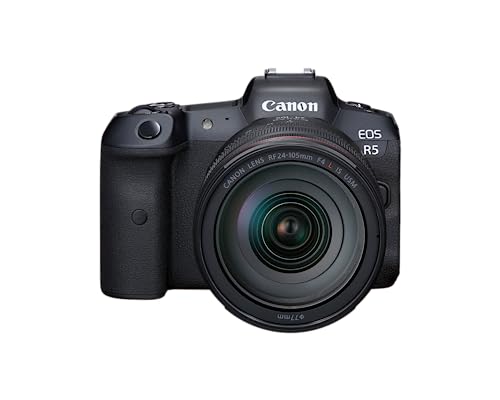
The Fujifilm GFX 50S II is a compact, weather-sealed medium-format mirrorless camera designed for outdoor portrait, landscape, and product photographers looking for exceptional image quality at a relatively affordable entry point of €3,999. It features a large 51.4-megapixel Bayer sensor (43.8 x 32.9 mm) that delivers superb detail and excellent noise control up to ISO 3,200, alongside a highly capable 5-axis in-body image stabilization (IBIS) system providing up to 6.5 stops of compensation. The camera body is identical to the pricier GFX 100S, sharing its high-quality 0.5-inch OLED viewfinder (3.69 million dots), a dual-tilting 3.2-inch touchscreen monitor, a top status display, and a magnesium alloy build weighing roughly 900 grams. It also provides unique shooting functions like 200-megapixel Pixel-Shift Multi-Shot and Fujifilm’s popular Film Simulations. However, the camera falls short in versatility compared to high-resolution full-frame competitors like the Canon EOS R5 or Nikon Z 7II, which scored higher overall in testing due to better feature sets. Major drawbacks include a slow continuous shooting speed of just 3 frames per second and an outdated video capability capped at Full HD...
When compared to the 100-megapixel GFX 100S, the GFX 50S II holds its ground with a larger pixel pitch (5.31 microns vs 3.76 microns), which results in a crisper, subjectively better native rendering at standard sizes. The pros of the system include outstanding overall performance, minimal lens flare in backlit conditions, and low chromatic aberration. However, the cons highlight a strictly contrast-detect autofocus system that is too slow for moving subjects, a modest continuous shooting speed of 3 frames per second, and specific lens drawbacks like an average bokeh profile, a small maximum aperture, and the lack of a physical aperture ring on the kit zoom. Ultimately, downsampling images from the more expensive GFX 100S down to 50 megapixels still yields superior noise reduction and sharpness for high-ISO environments. If you plan to use this setup
The Fujifilm GFX50S II is a compact and lightweight medium-format camera that inherits the robust, weather-sealed magnesium body and modern PASM control scheme of the pricier GFX100S. A standout feature is its 5-axis in-body image stabilization (IBIS) system, which provides up to 6.5 stops of compensation, enabling sharp handheld shots at slow shutter speeds like 1/5 second. At its native ISO 100, the 51-megapixel sensor delivers an exceptional optical efficiency of 96.5% due to the removal of an anti-aliasing filter. Image quality remains strong at high ISOs, maintaining a 73% efficiency at ISO 3200 with very fine-grained noise. Additionally, its large sensor offers massive dynamic range flexibility when processing RAW files. The camera also boasts a versatile 3.2-inch touchscreen that tilts in three directions, a crisp 3.69-million-dot electronic viewfinder, dual UHS-II SD card slots, and an incredibly deep buffer that can capture over 800 compressed RAW files continuously without stuttering. However, the camera has notable limitations, particularly regarding speed and video capability. It relies on a contrast-only autofocus system that is significantly slower than the hybrid systems found in full-frame...
The Fujifilm GFX50S II offers exceptional medium-format image quality at a relatively affordable price point, achieving a "good" test rating of 1.9. Its massive 50-megapixel sensor (32.9x43.8 mm) captures incredibly sharp, highly detailed photos that outperform standard full-frame systems. Borrowing the compact, lightweight body of the more expensive GFX100S, the camera weighs 901 grams (1287 grams with the budget-friendly GF 35-70mm kit lens), making it portable enough for day trips. Key design and usability highlights include a crisp electronic viewfinder, a flexible three-way tilting display that adapts well to vertical portrait shooting, and a highly efficient monochromatic top-shoulder screen that displays settings even when powered down. Additionally, users can access 13 distinct Fujifilm film simulations with a useful bracketing feature, alongside a powerful battery pack that delivers an impressive 137 minutes of continuous recording. However, the camera shows significant limitations when it comes to speed and video capabilities. Because it relies on contrast-detection autofocus rather than phase-detection, the autofocus system is too slow for sports and fast action photography, causing tracking inaccuracies on moving subjects. The continuous shooting speed is...
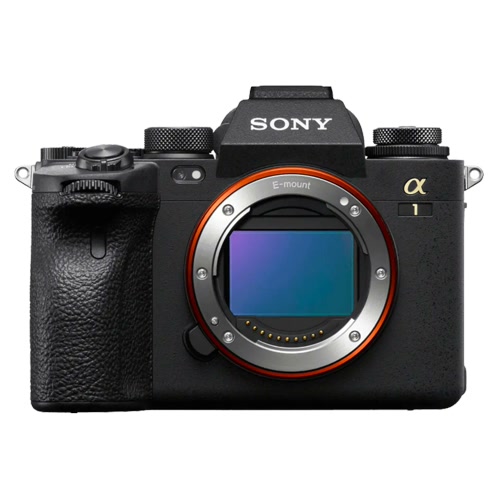
The Fujifilm GFX 50S II review outlines a camera that cleverly integrates an established 50.4-megapixel medium format sensor (43.8 × 32.9 mm) into the modern, robust magnesium-alloy body of the GFX 100S. Priced attractively around 4,000 Euros, it directly competes with high-resolution full-frame cameras like the Sony Alpha 1 and Canon EOS R5. A major engineering highlight is the addition of a sensor-shift mechanism for in-body image stabilization (IBIS), which realistically extends handheld shooting by up to three exposure steps. Furthermore, the inclusion of the powerful X-Processor 4 enhances general performance, allows for precise subject-tracking, and utilizes the larger NP-W235 battery to overcome the power deficiencies of older GFX models. While the sensor is noted to aggressively sharpen JPEG images up to ISO 1600, shooting in RAW mode provides outstanding fine detail precision, clean low-light performance up to ISO 3200, and excellent dynamic range. Despite its superb still-image quality, the camera faces noticeable performance limitations due to its recycled hardware components. The most significant drawback is its reliance on a contrast-only autofocus system, which is a notable disadvantage compared to...
The Fujifilm GFX 50S II stands out as an exceptionally affordable entry-level digital medium format camera packaged in a lightweight, robust magnesium alloy body shared with the higher-tier GFX 100S. Its primary strengths lie in its outstanding 51.4-megapixel image quality, which delivers magnificent dynamic range and accurate Fujifilm JPEG colors straight out of the camera, alongside a highly capable 5-axis in-body image stabilization (IBIS) system offering up to 6.5 stops of compensation for sharp handheld shooting. Ergonomically, the camera features an intuitive layout with a 1.8-inch top sub-LCD screen, a sharp 3.2-inch dual-tilt touchscreen monitor perfect for portrait orientation, dual UHS-II SD card slots, and a 200-megapixel Pixel Shift Multi Shot mode. Conversely, the camera suffers from significant performance bottlenecks due to its outdated 51.4MP contrast-detection autofocus system and slow sensor readout speeds inherited from its predecessor. It struggles heavily in low-light environments and during continuous tracking, yielding a slow burst rate of just 3 frames per second with a restrictive 8-frame RAW buffer capacity. Furthermore, its video capabilities are severely compromised, maxing out at a dated 1080p at 30fps...
The Fujifilm GFX 50S II review highlights it as a groundbreaking mirrorless camera that makes medium-format photography affordable with its €3,999 launch price. It is built inside a lightweight and compact body based on the GFX 100S, making it easy to carry around as an everyday companion. The camera features a large 51-megapixel sensor that is 1.7 times bigger than a standard full-frame sensor, which gives photographers incredible image quality, flexible cropping options, and great depth-of-field control. The review confirms it is quick enough for capturing everyday snapshots, making large-sensor photography much more accessible to everyday users. However, the camera achieves its competitive price point by cutting out a few advanced features. To save on costs, Fujifilm used a slower contrast-detection autofocus system instead of a faster hybrid setup. Additionally, the camera completely lacks 4K video capabilities, which means it is strictly built for photographers rather than people who want a hybrid tool for high-end video. Despite these missing features, the review notes that the camera still includes everything a photographer needs to capture beautiful, high-quality images on the go.
The Fujifilm GFX 50S II is highlighted as a highly capable medium-format camera, delivering professional-grade image quality with a 51.4MP sensor that boasts exceptional dynamic range and low-light performance up to ISO 6,400. Key advantages include effective in-body image stabilization (IBIS) for handheld shots and Fujifilm’s signature Film Simulations. However, the review outlines that the camera is a specialized tool, with slow operational speeds making it unsuitable for action or fast-paced photography. It is recommended as an outstanding, high-quality choice for studio, landscape, and portrait photographers who do not require high-speed performance.
The DigitalPHOTO review of the Fujifilm GFX50S II highlights it as a game-changing, compact medium-format camera that breaks away from the traditionally heavy and expensive nature of its class. Tested by photographer Ferry Knijn on a windy Dutch island, the camera stands out for its exceptional image quality, driven by a massive 51.4-megapixel sensor (43.8 mm × 32.9 mm) that delivers outstanding fine detail, a wide dynamic range, and virtually noise-free images even at high ISO settings. Key pros praised in the review include its aggressive and highly competitive launch price of €3,999 (making medium format accessible to hobbyists), an integrated in-body image stabilization (IBIS) system, a weather-sealed magnesium body weighing just 900 grams, a highly flexible 3.2-inch dual-tilt touchscreen, and time-saving, built-in film simulations like Classic Chrome and Acros. However, the review and broader technical consensus also reveal distinct limitations when transitioning this sensor technology into a modern body. The core cons stem from its focus on pure still photography. Because it relies on an older sensor architecture, it utilizes a slower contrast-detection autofocus system rather than faster phase-detection,...
The Fujifilm GFX 50S II review highlights the camera as an affordable, relatively compact entry point into medium-format photography that delivers exceptional image quality. The reviewer praises the 51.4-megapixel sensor for its outstanding detail resolution, massive dynamic range that handles high-contrast scenes effortlessly, and superb noise performance at high ISO levels. A major positive surprise is the GF 35-70mm f/4.5-5.6 WR kit lens, which provides consistent edge-to-edge sharpness, excellent control over chromatic aberrations, and resolving power capable of handling up to 100-megapixel sensors. This allows photographers to achieve professional results without investing a fortune in extra glass right away. Furthermore, the camera offers high customizability, enabling user-specific adjustments to exposure and color rendering to match different shooting styles. Despite the highly positive feedback, the reviewer notes specific limitations and considerations inherent to the system. On the negative side, the physical size and cost—while lower than historical medium-format systems—still require a deliberate transition compared to standard full-frame systems, and utilizing its full creative potential demands an ongoing learning curve. The reviewer also mentions needing to adjust their shooting habits, such as...
The Fujifilm GFX 50S II serves as an entry point into the medium-format world by pairing a large 51.4-megapixel (44 × 33 mm) sensor with the compact, weather-sealed body of the GFX 100S. The camera delivers exceptional image quality with rich details and impressive low-light performance, producing clean JPEG files up to ISO 3200 or 6400. It also benefits from an in-body sensor stabilization system, a highly customizable dual-axis tilting touchscreen, and the ability to shoot while connected to an external power source. However, the camera suffers from several limitations due to its older sensor technology, which lacks phase-detection autofocus and relies on a slower contrast-detect system that can lose tracking unpredictably. Continuous shooting is very slow, maxing out at just 2 to 3 frames per second. Video capabilities are heavily compromised, as recording is restricted to Full HD (1080p) up to 30 fps with noticeable rolling shutter effects and no 4K support. Additionally, the camera is physically bulky compared to full-frame rivals, struggles with dynamic range in bright highlights (.6 EV causes color shifts), and lacks modern high-speed storage...
The Fujifilm GFX 50S II is an ambitious, weather-sealed medium-format mirrorless camera designed to bring professional-grade image quality to outdoor photographers at a price point comparable to high-end full-frame (24x36) cameras. It features a large 51-megapixel 44x33mm CMOS sensor paired with a X Processor 4, delivering exceptional image quality, outstanding dynamic range capable of handling complex lighting, and superb noise management up to ISO 12,800. A standout strength is its highly effective 5-axis mechanical sensor stabilization, which allows for sharp handheld shots in low-light environments and powers a 200-megapixel "pixel shift" mode for static subjects. Reviewers also praised its surprisingly compact and robust build—resembling a standard pro-level DSLR in hand—along with its high-quality 3.69-million-point OLED viewfinder, dual-axis tilting touchscreen, and a remarkably versatile, retractable 35-70mm kit zoom lens. However, the camera makes noticeable compromises in speed and video functionality to maintain its lower price. Its autofocus relies on older contrast-detection technology rather than phase-detection, which results in slower performance in low light, poor subject tracking at the edges of the frame, and a continuous burst rate limited to just 3...
The Labo Fnac review awards the Fujifilm GFX 50S II a 4 out of 5 stars rating, highlighting a mix of exceptional sensor performance and notable optical flaws from its kit lens. On the positive side, the camera achieves a perfect 10/10 score for definition thanks to its massive 51-megapixel medium-format sensor, which provides extraordinary image details. It also earns a 9.5/10 for low-light performance and a 9/10 for sensitivity, demonstrating an exemplary ability to prevent noise across all shooting scenarios. While the system excels at standard focal lengths (35–70 mm) and is praised by customers for its impressive dynamic range and comfortable handling, customer feedback warns that its autofocus is too slow and irregular for action or reportage photography, and the menu system is highly complex. Conversely, the review identifies significant drawbacks, specifically penalising the kit's optical quality with a low 5.7/10 score. The primary culprit is the bundled GF 35-70mm f/4.5-5.6 WR lens, which suffers from substantial vignetting and distortion, particularly at wider angles where its performance drops to a 6.6/10 rating. Additionally, Labo Fnac's technical testing reveals...
The Camerarace review highlights the Fujifilm GFX 50S II as a high-performing medium format mirrorless camera scoring 75 overall, with standout features including a precise autofocus system, 5-axis IBIS, and robust weather-sealed construction. The 51.4MP sensor delivers exceptional image quality (rated 91), supported by dual card slots and built-in wireless connectivity for professional workflows. Key disadvantages identified include limited battery life, offering only around 440 shots per charge, and a substantial, heavy form factor (900g) that reduces portability. While excellent for studio and landscape work, its size and weight make it less suitable for fast-paced, active photography compared to full-frame alternatives.
The Fujifilm GFX 50S II is reviewed as a ground-breaking medium format mirrorless camera launched in September 2021 that successfully bridges the gap between high-end full-frame systems and large-format photography due to its competitive €3,999 launch price. Built into the rugged, weather-sealed magnesium alloy chassis inherited from the GFX 100S, the camera utilizes a massive 51.4-megapixel sensor (43.8 x 32.9 mm) coupled with an upgraded X-Processor 4 engine. The core highlights of this body include its exceptional image quality characterized by smooth tonal transitions, 6.5 stops of in-body image stabilization (IBIS), a highly customizable dual-axis tilting touchscreen layout, and excellent noise management up to ISO 6400. On the downside, the reviewer notes that the camera sacrifices speed and versatility for pure resolving power, making it entirely unsuitable for action or sports photography. Its biggest drawbacks are a slow contrast-detect-only autofocus system that regularly hunts in low light, an underwhelming burst mode that reaches roughly 2 frames per second in real-world testing, and a highly restrictive 13-frame compressed RAW buffer. Furthermore, its video capabilities are severely dated, maxing out at Full...
In this review, wedding and documentary photographer Pedro Etura evaluates the Fujifilm GFX 50S II, comparing it to his past experiences with the original GFX 50S and his current GFX 50R. He highlights several notable upgrades, highlighting the camera's excellent design and build quality, which inherits the exact compact, weather-sealed external structure of the higher-end GFX 100S. The inclusion of a new, highly effective in-body image stabilization (IBIS) system is praised for providing up to six stops of stabilization, allowing for reliable handheld shooting at slower shutter speeds. Additionally, the inclusion of a new, more powerful processor makes overall camera operation—such as turning the device on and navigating the menu interface—feel significantly faster, more agile, and intuitive compared to older generations. However, the reviewer identifies a few drawbacks depending on shooting styles and preferences. A major con is the camera's contrast-only autofocus system, which makes continuous autofocus tracking notably less powerful and capable than the phase-detection system found in the GFX 100S. Though single-shot autofocus remains snappy and accurate, continuous tracking falls short. Etura also critiques the GF 35-70mm kit...
The Fujifilm GFX 50S II stands out as the most affordable medium-format camera in its segment, launching at 4,000 euros to democratize high-end image quality outside traditional studio settings. Key advantages of this updated generation include a significantly streamlined, less bulky body design that weighs only 900 grams, making it lighter than some flagship full-frame cameras. The most spectacular addition is its highly effective 5-axis in-body image stabilization (IBIS) offering up to 6.5 stops of stabilization, which allowed tester Iker Morán to successfully take sharp, handheld photos with shutter speeds as slow as 1 second. Additionally, the autofocus system has been noticeably improved with eye detection capabilities, and the overall price-to-performance ratio remains competitive against premium high-resolution full-frame alternatives like the Sony A7R IV or Canon EOS R5. However, the camera comes with notable downsides, primarily because it recycles the exact same 51.4-megapixel CMOS sensor from the original generation, meaning image quality remains unchanged. Autofocus speed is restricted because it relies strictly on contrast detection rather than a hybrid phase-detection system like the GFX 100S, making it poorly suited for...
The Fujifilm GFX 50S II is a 51.4-megapixel medium format mirrorless camera designed primarily for studio, portrait, fashion, and product photography. Sharing the exact same ergonomic, weather-sealed body and design layout as the GFX 100S, it offers a robust magnesium alloy build, a deep front grip, and a 1.8-inch top E-Ink display that stays on even when the camera is powered off. The review highlights its exceptional medium format image quality, noting that the larger pixel size delivers a "three-dimensional" depth, outstanding noise management at high ISOs, and incredible dynamic range capable of recovering shadows perfectly from a single RAW file. Key technical pros include its highly effective 6-stop in-body image stabilization (IBIS), a well-organised menu system, dual UHS-II SD card slots, and an improved battery life that reaches up to 450 shots per charge. However, the camera shows significant limitations outside of its specialized studio comfort zone. The reviewer notes that its video capabilities are quite dated, capping out at 1080p at 30fps, making it an unlikely choice for dedicated filmmakers. Additionally, the autofocus system relies strictly on contrast-detection,...
Marco Bisogni identifies the Fujifilm GFX 50S II as a accessible entry into medium format, praising its ergonomic 900g body, effective in-body image stabilization (IBIS), and exceptional, high-dynamic-range image quality. The camera is noted for its comfortable grip and intuitive top LCD screen, making it a capable tool for high-resolution, handheld photography. Marco Bisogni | Conversely, the review notes significant compromises, including the use of an older 51.4-megapixel sensor that results in slow 3 fps shooting and a contrast-detection autofocus system that is slower than modern alternatives. Key cons include susceptibility to moiré effects, a 1-second AF locking time, and noticeable rolling shutter, making it better suited for tripod-based landscape work than fast action. YouTube
The FOTO Cult review describes the Fujifilm GFX 50S II as an affordable, compact medium-format camera featuring a 51.4-megapixel sensor housed in a modern body. Retailing for over 4,000 euros, it serves as a high-utility gateway to professional large-format photography. Key advantages include the integrated in-body image stabilization (IBIS)—a first for this sensor, enabling sharp handheld, high-resolution imagery—and access to a high-quality lens ecosystem. Conversely, the camera's primary limitations include a slower contrast-detection-only autofocus system inherited from older sensors, a low continuous shooting rate, and the lack of 4K video capabilities.
The review on Shoot.be outlines the Fujifilm GFX50S II paired with the GF 35-70mm f/4.5-5.6 WR lens as a thoughtful, accessible powerhouse that brings medium format photography to a broader audience. Key pros of this system include its exceptional 51.4-megapixel image quality, wide 14-stop dynamic range, and the inclusion of up to 6.5 stops of In-Body Image Stabilization (IBIS). This stabilization allows photographers to break away from traditional tripod setups and shoot crisp, detailed fine art, landscapes, and portraits completely handheld. Furthermore, the kit is lauded for using the robust, weather-sealed body design of the higher-end GFX100S, offering a comfortable grip, familiar control dials, and an incredibly sharp rendition of details via the highly compact, retractable kit lens. Conversely, the review highlights several specific limitations that position this camera strictly as a deliberate, methodical tool rather than a fast-paced workhorse. The primary con is its slow, contrast-detection autofocus system, which struggles with tracking fast-moving subjects and is noticeably less responsive than newer phase-detection systems. Performance speed is overall quite modest, offering a maximum continuous shooting rate of just 3 frames...
Overview The Fujifilm GFX50S II is a medium-format mirrorless camera designed for demanding photographers seeking exceptional image quality without paying the higher price tag of its premium sibling, the GFX100S. Equipped with a 51.4-megapixel CMOS sensor and an X Processor 4, it easily outperforms many full-frame 35mm systems. The camera provides a high dynamic range with exceptional shadow and highlight detail, a distinct cinematic bokeh look, and features an internal body image stabilization system (IBIS) capable of up to 6.5 stops of stabilization. Built into a robust, weather-resistant body weighing just 900 grams, it shares its form factor, button layout, dual card slots, and convenient 1.8-inch status display with the GFX100S. Notable new additions include a space-saving Lossless RAW compression format, customizable dynamic range priorities, and film simulations like "Nostalgic Neg" and "Eterna Bleach Bypass". Pros & Cons Pros Superb image clarity: High dynamic range and professional-grade bokeh. Excellent stabilization: Highly effective 6.5-stop IBIS system prevents camera shake. Advanced pixelshift: Captures highly detailed, static 205-megapixel multi-shots. Ergonomic design: Clear 1.8-inch status display, joystick navigation, and a dual-axis tilting screen. Value...
The Fujifilm GFX 50S II is a compact, lightweight, and highly affordable medium format mirrorless camera that features a massive 51.4-megapixel sensor and a powerful X-Processor 4. A standout upgrade over its predecessor is the addition of a 5-axis in-body image stabilisation (IBIS) system offering up to 6.5 stops of compensation, which allows for effortless handheld shooting even in low-light environments. Reviewers highly praise its exceptional image resolution, superb dynamic range, and rich color reproduction backed by 19 built-in film simulations. Additionally, it features a 3.2-inch three-way tilting touchscreen, a sharp 3.69-million-dot OLED electronic viewfinder, a robust weather-sealed magnesium alloy body, and a Pixel Shift Multi-Shot mode capable of creating 200-megapixel images. While the camera delivers stellar image quality ideal for landscape, studio, and portrait photography, it falls short in terms of overall speed and video capabilities. Its primary cons include a relatively slow contrast-detect autofocus system, a sluggish 3 frames-per-second continuous burst rate, and less reliable face and eye detection compared to modern full-frame rivals. Furthermore, video capability is limited to standard Full HD at 30fps, completely lacking 4K...
A Zoom.nl user review evaluates the Fujifilm GFX50S II, GFX100S, and GFX100 II, highlighting the GFX50S II as an affordable, compact, and accessible entry into medium format, though it suffers from slow contrast-based autofocus. The GFX100S is praised as a versatile professional tool featuring a 102-megapixel BSI sensor for exceptional detail, but it has a less intuitive button layout. The GFX100 II is highlighted as the top-tier, faster, and more robust option, boasting AI-driven autofocus, 8-stop stabilization, and 16-bit color processing, though it is heavier and carries a high price tag. Overall, the review shows each camera serving different needs based on resolution, speed, and budget.
Compare