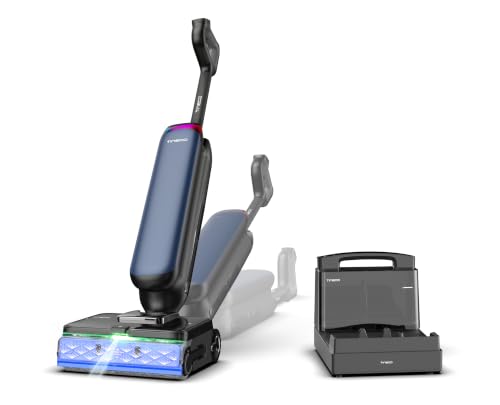
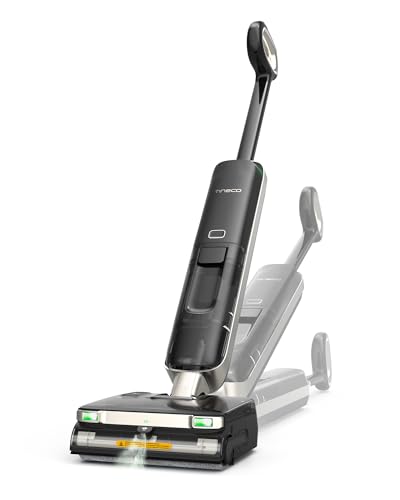
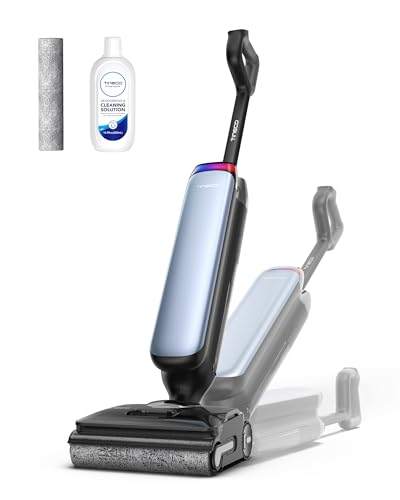
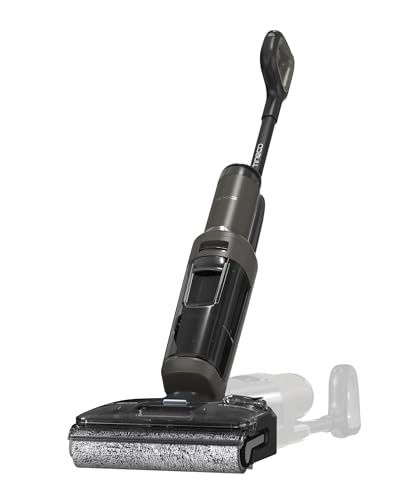
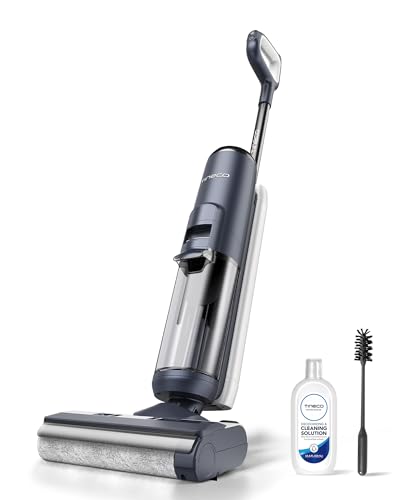
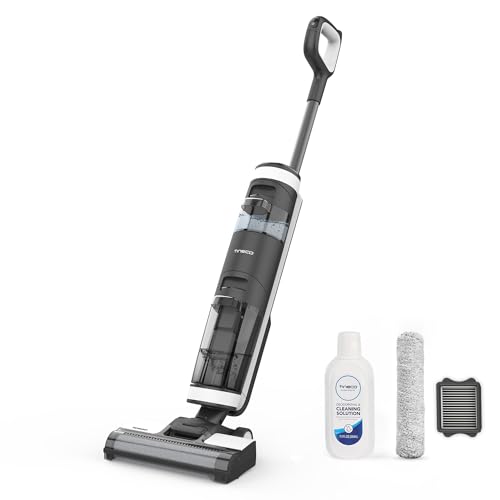
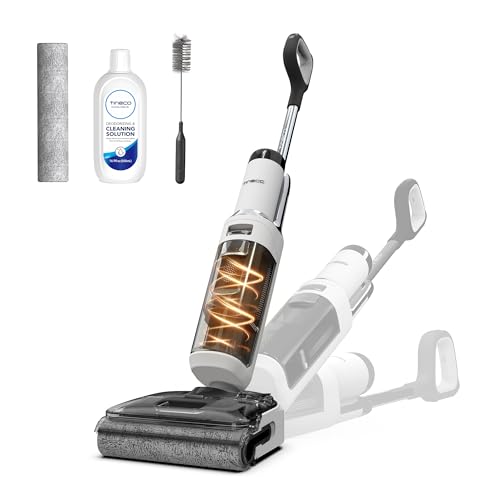
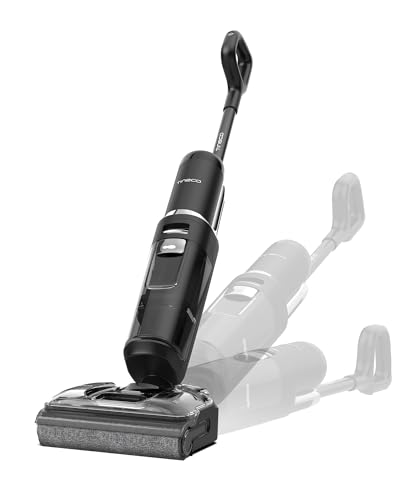
Which brands make the best cordless wet-dry vacuums?
The best cordless wet-dry vacuum brands are ranked below:
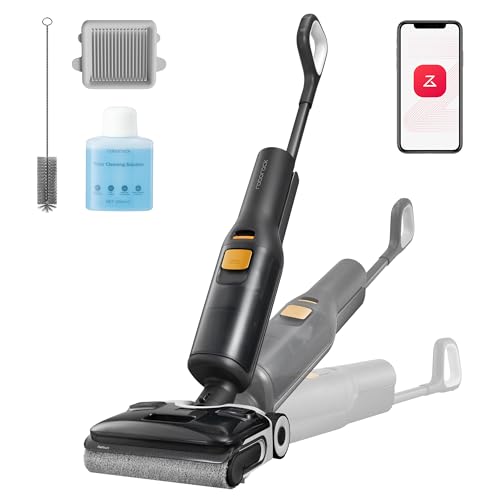
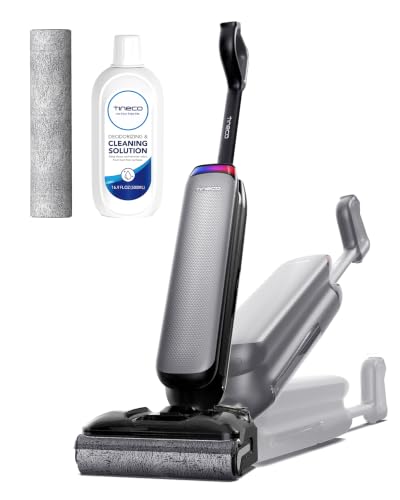
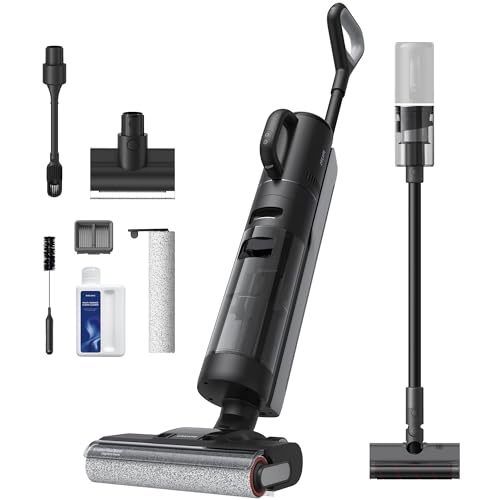
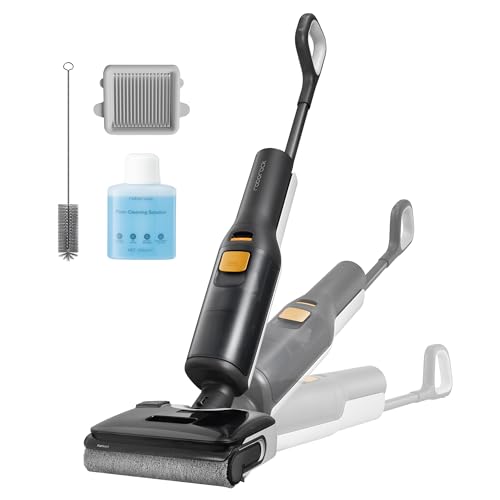
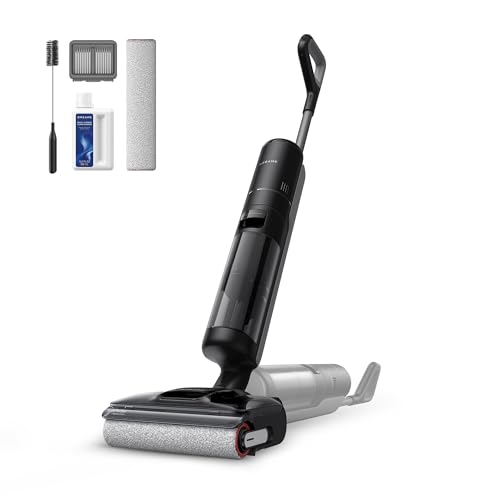
- Roborock (Average overall score: 7.7)
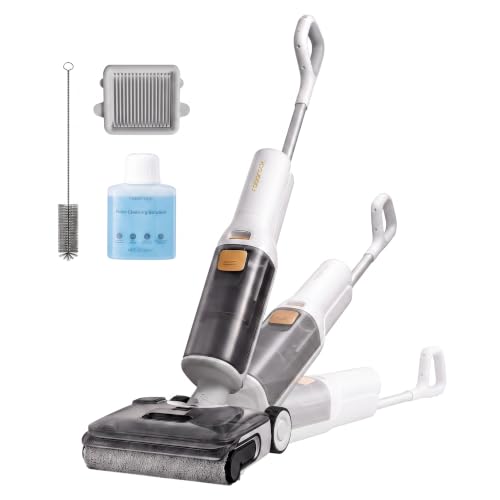
- Tineco (Average overall score: 7.4)
- BISSELL (Average overall score: 7.2)
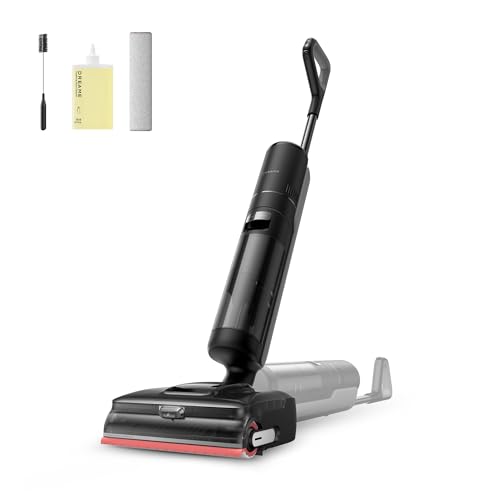
- DREAME (Average overall score: 7.1)
The chart below ranks cordless wet-dry vacuum brands by average overall score.
[horizontal-chart-17296321419731364138128526173436124132002452446090]
Are cordless wet-dry vacuums worth buying?
Cordless wet-dry vacuums are worth buying when quick hard-floor cleaning, small spills, and cable-free movement matter more than a large tank or unlimited runtime. They are especially convenient for kitchens, entrances, pet messes, and multi-room maintenance because one pass can collect debris and recover dirty wash water.
They are less suitable for renovation dust, large flooded areas, wood chips, ash, or long workshop sessions unless the product is explicitly designed as a cordless shop vacuum. Many upright wet-dry cleaners use powered brush rolls and narrow liquid channels that are effective on sealed floors but inappropriate for coarse debris or deep carpet.
A cordless model can replace a mop and a light-duty vacuum in the right home, but it rarely replaces every cleaning machine. Choose one when its normal-mode runtime covers a complete session and you are willing to rinse the dirty-water tank, brush roll, and filter after wet use.
How long do cordless wet-dry vacuum batteries last?
Cordless wet-dry vacuums typically claim about 40–60 minutes of runtime, with roughly 45 minutes a useful reference point for mixed everyday cleaning. The longest figure is normally measured in a lower-power mode, so it should not be treated as guaranteed wet-cleaning time.
Powered rollers, water pumps, self-propulsion, dirt sensors, and maximum suction all increase energy use. Compare runtime in the mode you expect to use and check whether the figure includes active washing rather than dry-only operation.
A practical target is enough normal-mode runtime to clean the intended floor area with at least a 20% reserve. Homes that regularly exceed one charge should prioritize a removable battery, but confirm whether a spare pack can be charged outside the machine and whether the warranty covers normal capacity loss.
Battery indicators with a percentage or remaining-time estimate are more useful than a simple low-battery light because they help prevent a wet cleaning pass from stopping before the dirty water is recovered.
The chart below compares the stated battery runtime of cordless wet-dry vacuums.
[vertical-chart-02250318706952087904017471127976883416640125337999]
How quickly do cordless wet-dry vacuums recharge?
Cordless wet-dry vacuums commonly take about 3–5 hours to recharge, with roughly four hours typical for a full battery. A one-hour charge is unusually fast, while a five-hour recharge can make a second same-day cleaning session impractical unless the battery is removable.
Charging time should be judged alongside the energy restored: batteries around 18–25 V and approximately 2,500–5,000 mAh cover much of the category, but voltage and amp-hours alone do not state runtime. A dock keeps the machine ready between uses, while an external charger and spare pack provide more flexibility when both are actually included or readily available.
How much do cordless wet-dry vacuums cost?
Cordless wet-dry vacuums generally cost about £130-£520, with many capable floor-washing models concentrated around £170-£390. Portable cordless shop vacuums can cost less before a battery and charger are added, while premium self-cleaning systems can approach £730.
Around £130-£220, expect smaller tanks, simpler edge cleaning, shorter accessory lists, or a battery fixed inside the machine. The midrange commonly improves brush-roll cleaning, water control, sensors, and display quality.
Above about £390, pay attention to what the premium actually buys: stronger separation of dry debris and dirty water, better self-cleaning, heated drying, spare rollers, longer warranties, or a removable battery can justify the price. Cosmetic displays and proprietary cleaning solution alone do not.
The chart below shows the price distribution of cordless wet-dry vacuums.
[vertical-chart-13546842322688887819048488088110342417734015931788]
What should you consider when choosing a cordless wet-dry vacuum?
Before choosing a cordless wet-dry vacuum, consider the following factors:
- Cleaning format: Decide whether you need an upright floor washer or a portable cordless shop vacuum. A floor washer should collect loose debris before applying water, while a shop vacuum needs a wet-rated tank, hose, and shut-off system for larger spills.
- Runtime by mode: Aim for about 40–60 minutes only when that figure applies to the cleaning mode and powered head you will use. Size the battery for one normal session with roughly 20% reserve because maximum suction and active washing shorten the advertised result.
- Charging and battery support: A 3–5 hour full charge is normal, while faster charging matters for repeated same-day use. Confirm whether the battery is removable, whether a spare charges separately, and whether replacement packs are likely to remain available.
- Suction and debris path: Compare suction pressure in kPa only with like-for-like figures and do not treat motor-input watts as suction power. Inspect the inlet, hose or floorhead channels for the largest debris you expect to collect, because narrow wet channels can clog on workshop material.
- Tanks and wet safety: Upright floor washers often use clean- and dirty-water tanks around 0.5–1 L, while portable models may be larger. Look for automatic full-tank shut-off, controlled emptying, accessible seals, and parts that can be rinsed without wetting the motor housing.
- Weight and handling: Roughly 4–6 kg is manageable for an upright model when self-propulsion assists on the floor, but carrying it on stairs is different. Check the lift handle, balance, wheel control, and weight with both water tanks partly filled.
- Filtration, tools, and cleaning effort: A washable filter, battery indicator, crevice tool, and suitable floor or upholstery nozzle add practical value. Check how the brush roll, dirty-water path, and filter are dried after use, because self-cleaning does not eliminate manual rinsing and drying.