
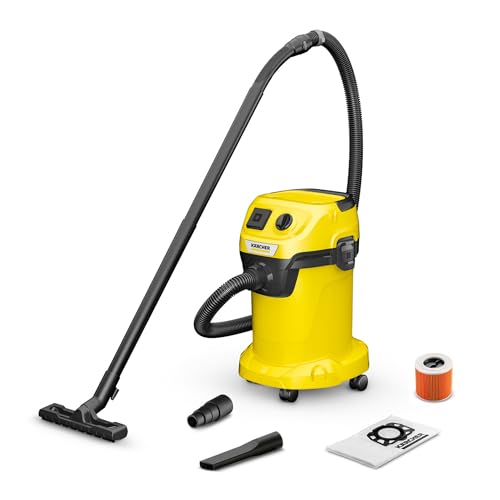
Are Kärcher wet-dry vacuums good?
Kärcher wet-dry vacuums have an average overall score of 7.7, ranking #3 among comparable wet-dry vacuum brands.
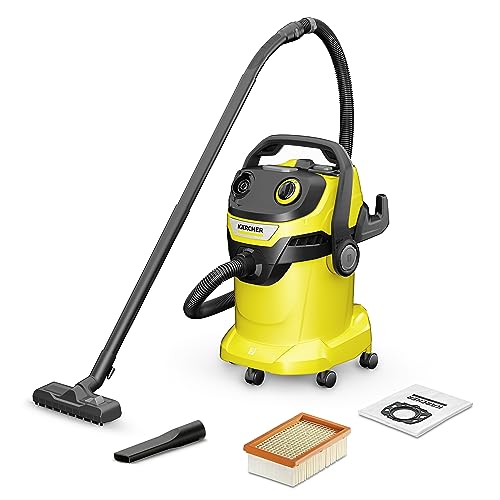
Kärcher wet-dry vacuums are strong for garages, renovation cleanup, vehicle interiors, and tool-connected dust collection. The WD range spans compact household machines through larger stainless-steel P and S versions, while battery models add cable-free mobility and the NT line serves more frequent professional work.
Kärcher wet-dry vacuums require careful family selection because WD canisters, SE spray extractors, and NT professional machines solve different jobs. Buyers should match tank size, filter cleaning, dust classification, tool-socket support, and power source to the intended debris rather than choosing only by capacity or headline suction.
The leading Kärcher wet-dry vacuums by overall score are as follows:
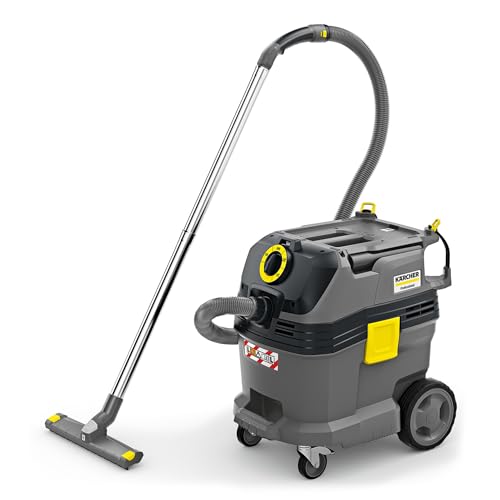
- Kärcher NT 30/1 (Overall score: 8.45)
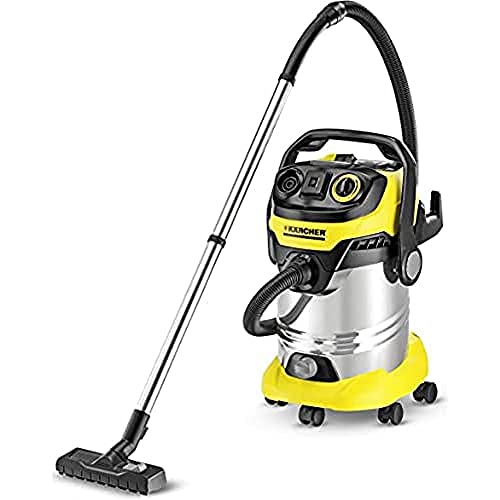
- Kärcher WD 6 P Premium (Overall score: 8.12)
- Kärcher WD 6 P S V-30/6/22/T (Overall score: 8.08)
The chart below ranks wet-dry vacuum brands by average overall score.
[horizontal-chart-11886932346268468034146667223140412694972275145767]

What are the main Kärcher wet-dry vacuum series?
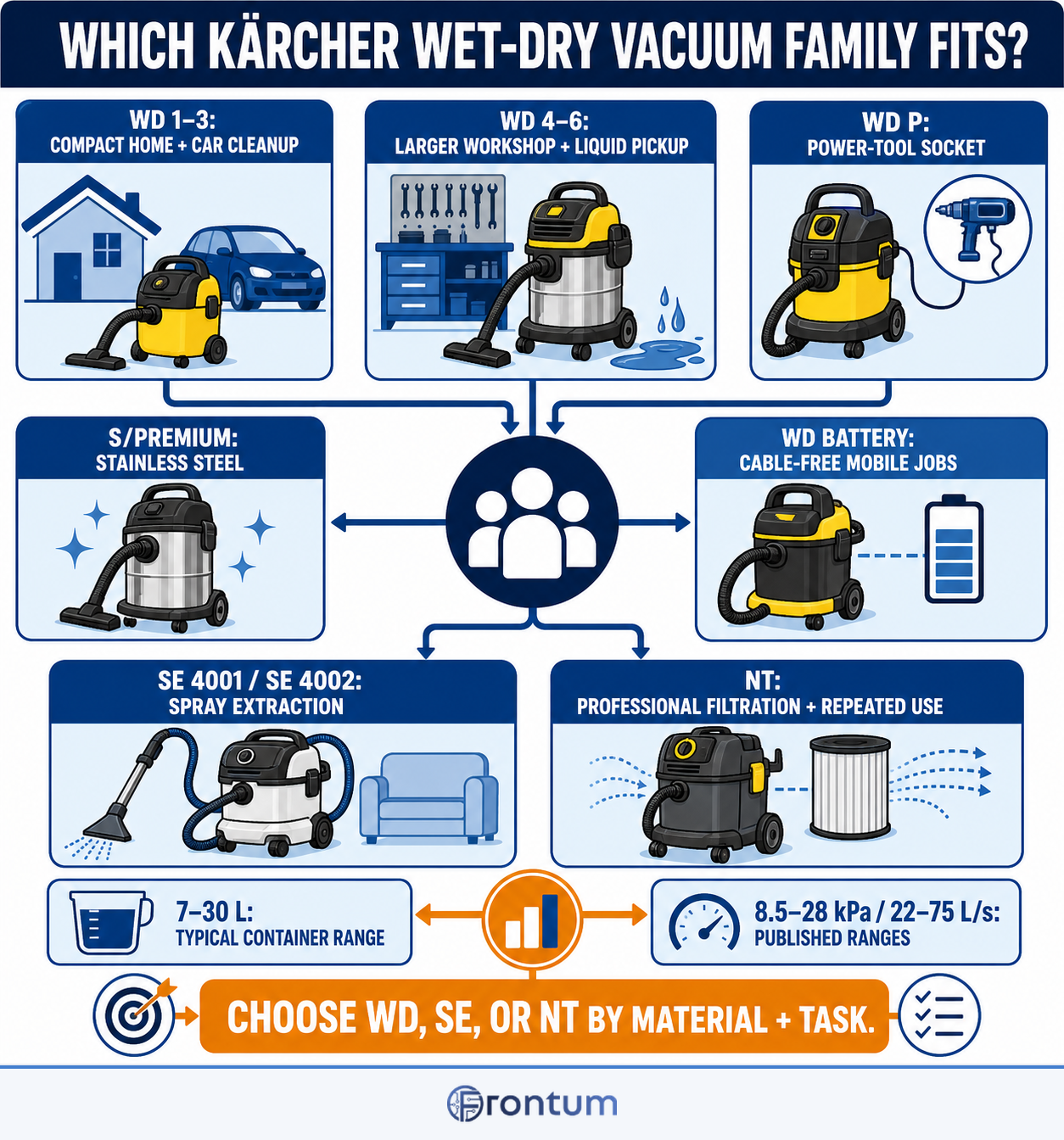
The main Kärcher wet-dry vacuum series are as follows:
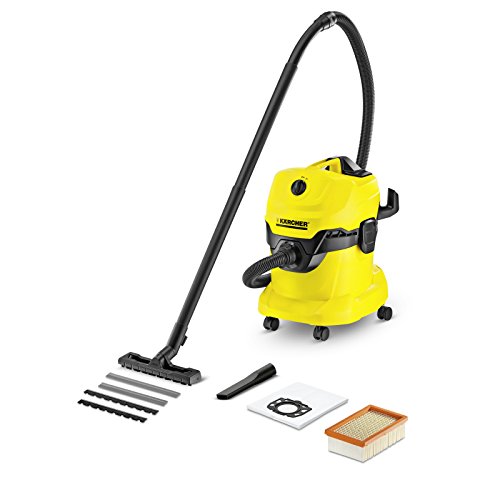
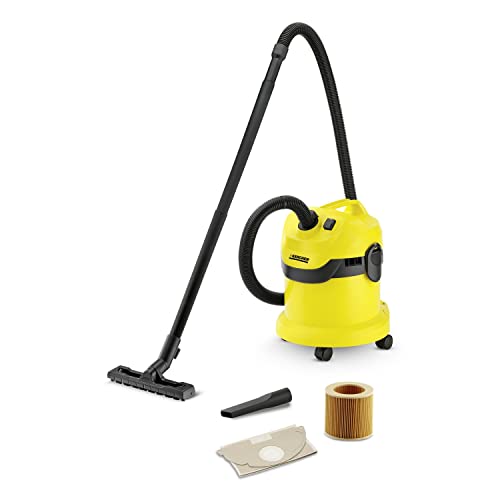
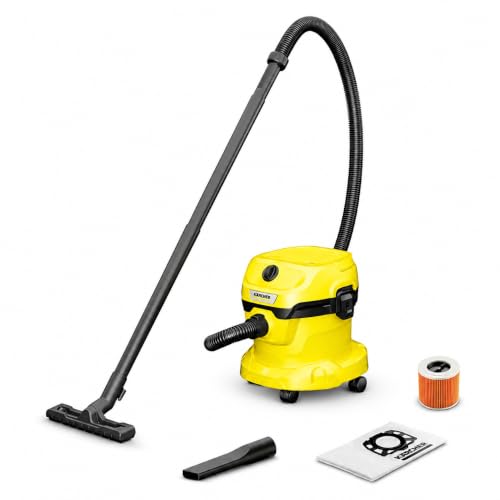
- WD 1–3: These compact and entry-level canisters include the WD 1 Compact, WD 2, WD 2 Plus, WD 3, and related variants. They suit routine household, car, cellar, and light workshop cleanup when low weight and easy storage matter more than maximum tank volume.
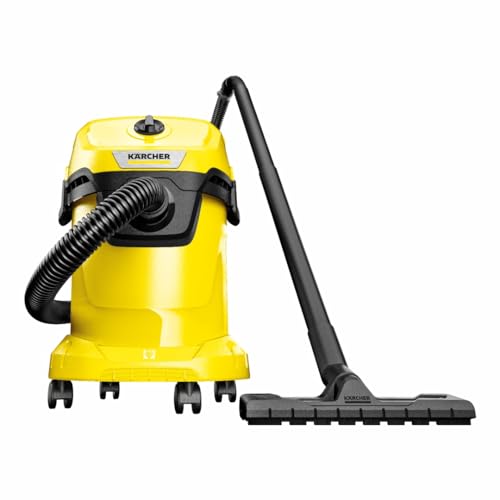
- WD 4–6: The WD 4, WD 5, and WD 6 families step up to larger containers, stronger workshop capability, longer reach, and more developed filter systems. They are the core choice for buyers handling heavier debris or larger liquid pickup without moving to a professional NT machine.
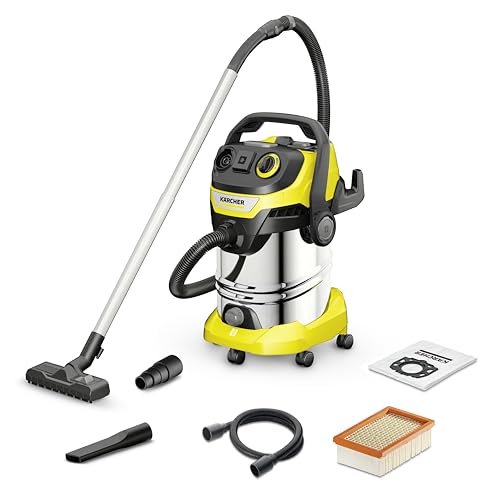
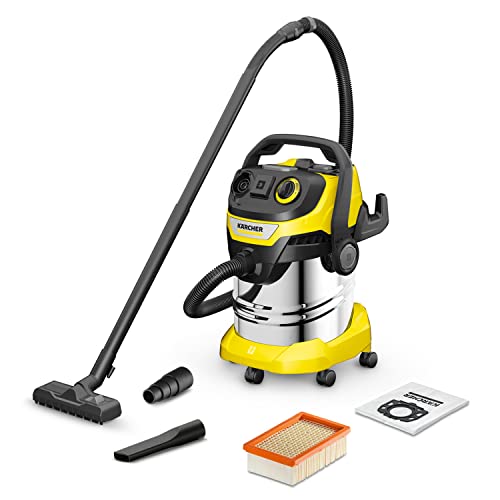
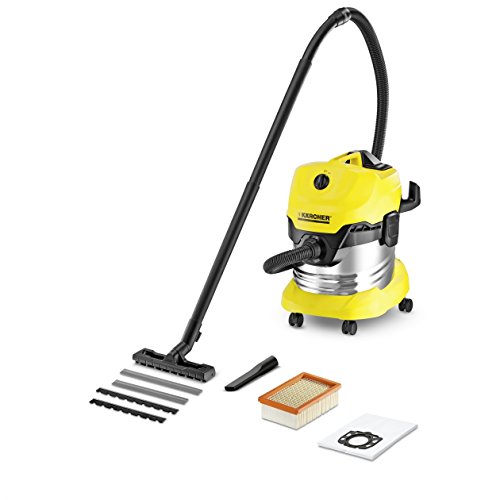
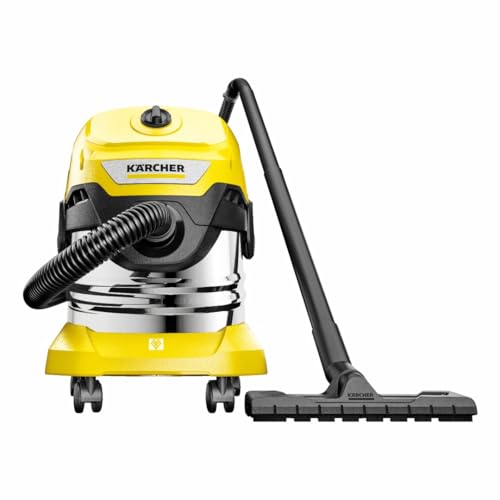
- WD P and S/Premium variants: A P suffix identifies models equipped to work with power tools, while S or Premium commonly indicates a stainless-steel container or upgraded specification. Models such as the WD 3 P, WD 5 P S, and WD 6 P S are aimed at workshops where automatic tool activation, tougher construction, and easier debris handling justify the extra cost.
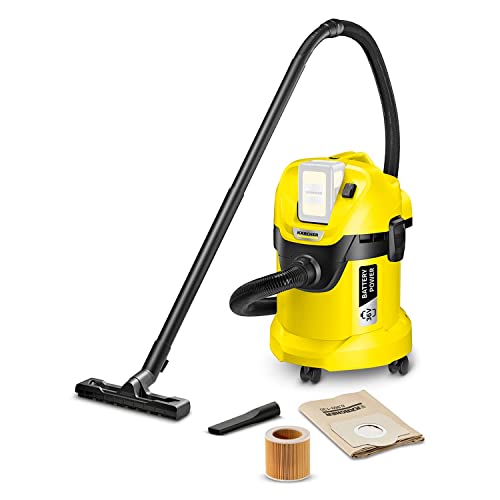
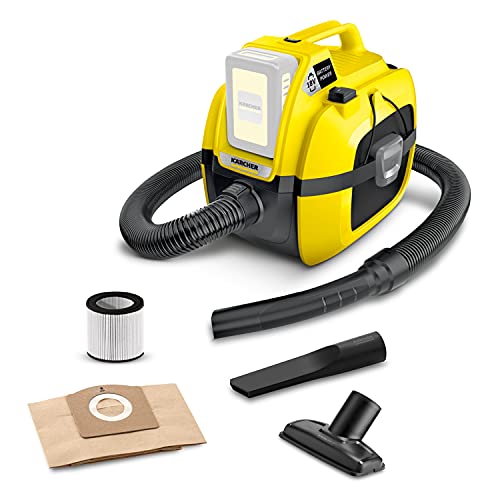
- WD Battery models: Battery versions such as the WD 3 Battery provide cordless mobility for vehicles, outdoor areas, sheds, and locations without a nearby socket. Runtime depends on the selected Kärcher battery and power mode, so they fit short mobile jobs better than long, continuous extraction.
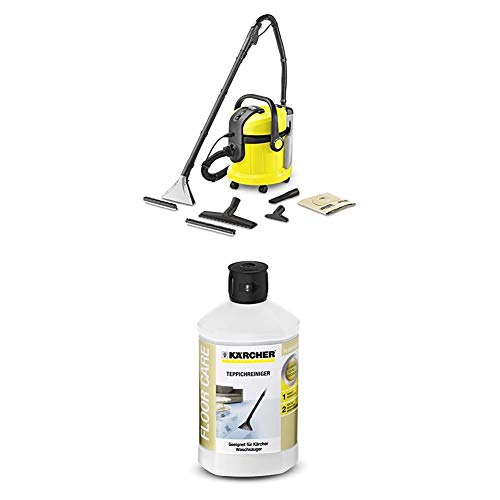
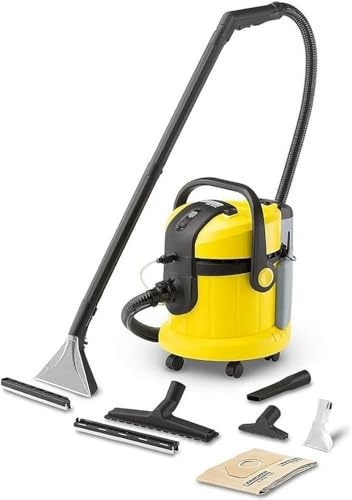
- SE spray-extraction cleaners: The SE 4001 and SE 4002 spray cleaning solution into carpets or upholstery and recover the dirty liquid. They are more suitable for deep fabric cleaning than an ordinary WD canister, but their cleaning method, accessories, and maintenance requirements are also more specialized.
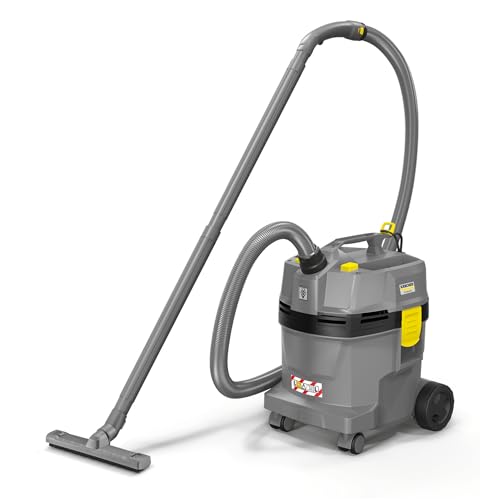
- NT professional vacuums: NT models such as the NT 22/1 and NT 30/1 target trade, facilities, and repeated commercial use. They add more robust construction and professional filtration options, but buyers must match the exact dust class and filter-cleaning system to the material being collected.

How much do Kärcher wet-dry vacuums cost?
Kärcher wet-dry vacuums generally cost about £40-£650. Compact WD 1–3 models commonly sit around £40-£130, while larger WD 4–6 machines, stainless-steel variants, battery models, and power-tool-ready P versions are more often around £130-£260.
Spray-extraction SE cleaners generally move into the £260 range, while professional NT machines can extend from roughly £170 to more than £600 depending on capacity, dust class, and filter cleaning. Check whether the quoted price includes a battery and charger, suitable dust bags or filters, a power-tool adapter, and the required floor or extraction nozzles, because those items can materially change the complete setup cost.
The chart below shows the price distribution of Kärcher wet-dry vacuums.
[vertical-chart-02911221990737697092020819486325235948462257416996]
What should you consider when choosing a Kärcher wet-dry vacuum?
Before choosing a Kärcher wet-dry vacuum, consider the following factors:
- Product family and intended material: Choose WD for general household and workshop pickup, SE for spray extraction from carpets or upholstery, and NT for repeated professional work. Confirm whether the machine is approved for ordinary dust, fine construction dust, liquids, or the specific dust class you handle; a household WD model is not a substitute for certified hazardous-dust extraction.
- Container capacity and liquid handling: Kärcher tanks span roughly 7–30 L, so a practical target is about 12–20 L for mixed home and garage jobs and 25–30 L for larger workshops or repeated liquid pickup. Check usable wet capacity, full-tank shut-off, drain access on larger models, and how easily the container can be lifted and emptied.
- Suction and airflow: Published figures range broadly from about 8.5–28 kPa and 22–75 L/s, but compare values measured under similar conditions. Around 15 kPa and 40 L/s can suit routine cleanup, while heavier debris, long hoses, or tool extraction benefit from figures nearer 20 kPa and 50 L/s or above when the manufacturer supplies comparable ratings.
- Filter system and cleaning: Verify whether wet and dry pickup can be switched without removing the main filter, whether a bag is required for fine dust, and whether manual, semi-automatic, or automatic filter cleaning is provided. Frequent sanding or renovation work needs a system that maintains airflow as the filter loads, not merely a high unused-filter suction figure.
- Power source and tool socket: Corded models suit long sessions, while Battery models are useful away from mains power but require a battery with enough capacity for the intended job. If connecting a saw or sander, choose a P model and check socket wattage, automatic start/stop behavior, hose adapters, and compatibility with the tool outlet.
- Reach, handling, and noise: Cable length is roughly 4–7.5 m, hose length about 1.2–2.5 m, operating radius can reach around 10 m, and weight spans approximately 3.1–9.3 kg. Match reach to the room or workshop and prefer a manageable filled-tank weight; published noise levels around 69–79 dB also matter for long indoor sessions.
- Hoses, nozzles, and storage: Confirm the hose diameter and length, wet/dry floor head, crevice nozzle, brush, tool adapter, and onboard storage supplied with the exact version. Wider hoses handle coarse debris better, while narrower or longer hoses improve access but can reduce airflow and block more easily, so the accessory set should match the dominant job.