
Which brands make the best wet-dry vacuums for upholstery?
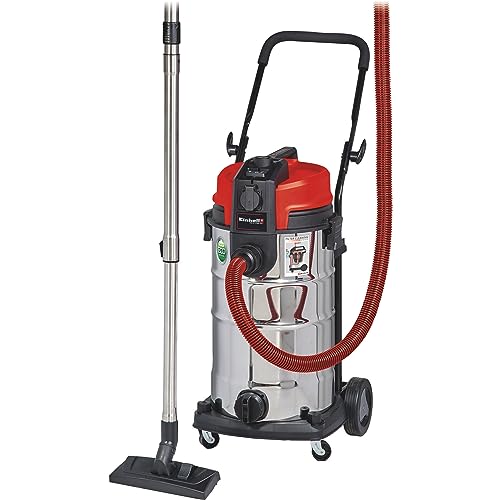
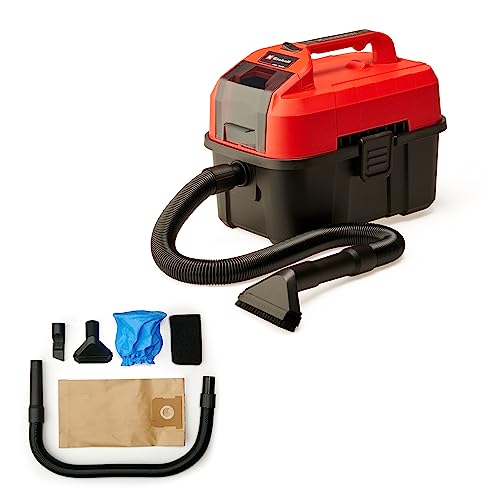
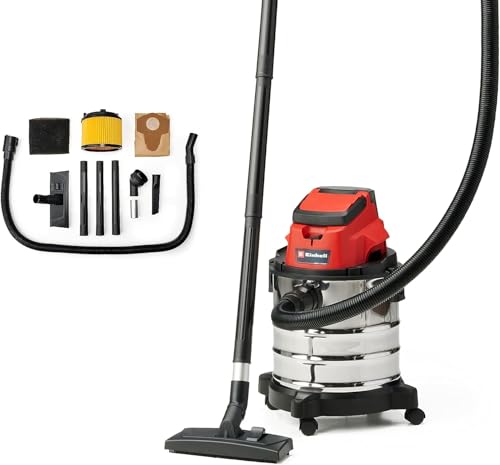
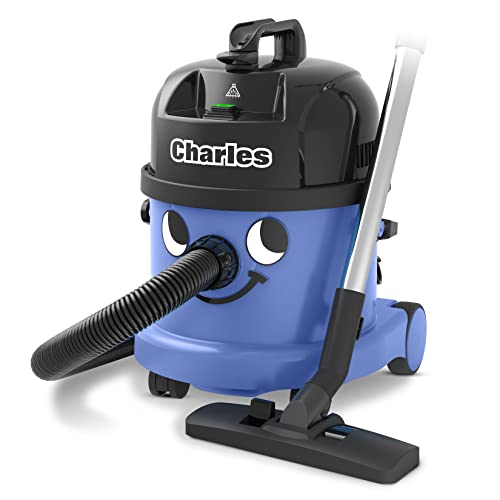
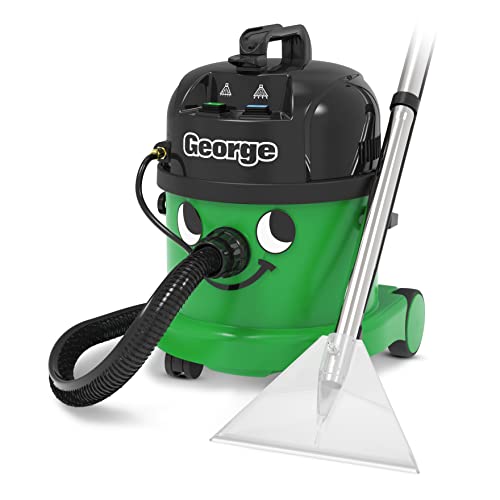
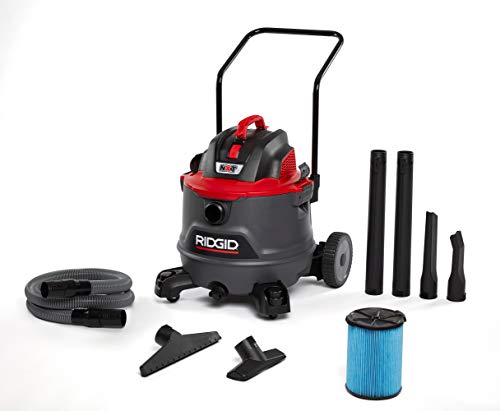
Einhell, Kärcher, RIDGID, and Craftsman make some of the best wet-dry vacuums for upholstery, but the right brand depends on whether you want true spray extraction or a versatile canister.
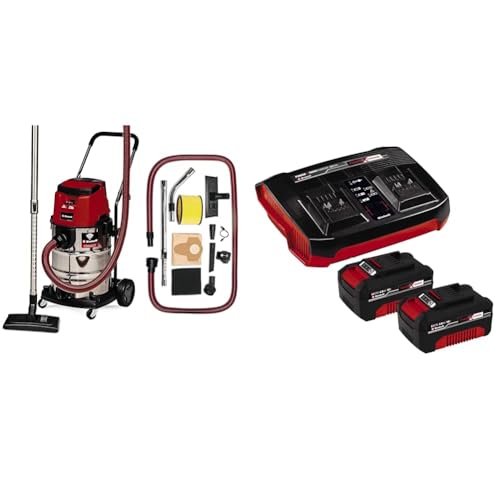
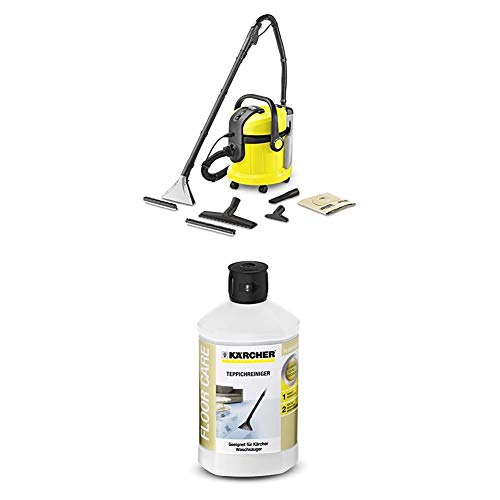
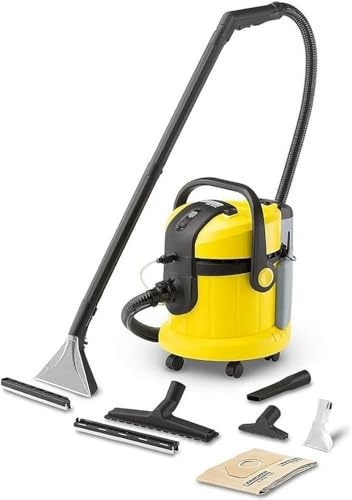
Kärcher is the clearest choice for dedicated fabric washing because its SE extraction machines spray solution and recover dirty water through an upholstery hand tool. Einhell offers both corded and battery canisters with useful capacity and broad accessory compatibility, making it a practical choice for mixed household, car, and workshop cleaning.
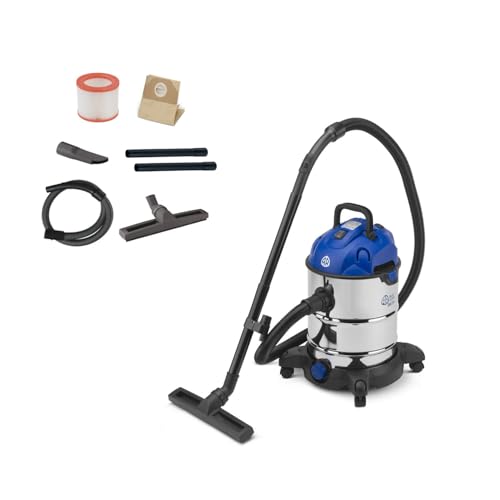
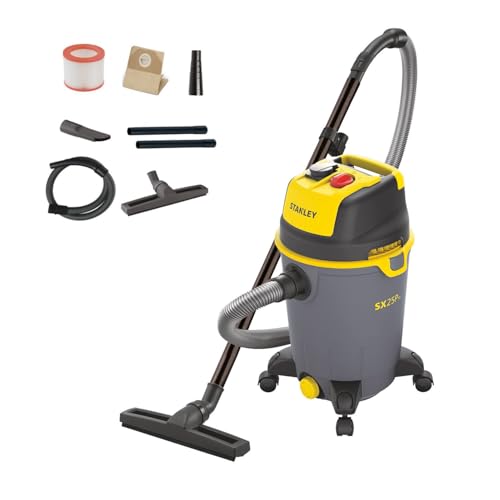
RIDGID and Craftsman focus on robust wet-dry canisters with strong airflow and larger tanks. They work well for dry debris and liquid recovery with the correct upholstery nozzle, but many models require cleaning solution to be applied separately rather than through an integrated spray-extraction system.
Are wet-dry vacuums good for cleaning upholstery?
Wet-dry vacuums are good for cleaning upholstery when they have a fabric-sized extraction nozzle and recover moisture quickly rather than simply vacuuming after the surface has been soaked. They can remove loose dirt, drink spills, pet mess residue, and cleaning solution from many colourfast synthetic fabrics.
They are not automatically safe for velvet, silk, leather, suede, delicate natural fibres, non-colourfast dyes, or fillings that retain water. Check the furniture care label, test an inconspicuous area, use only the permitted solution concentration, and allow the item to dry completely before use.
How do wet-dry vacuums avoid overwetting upholstery?
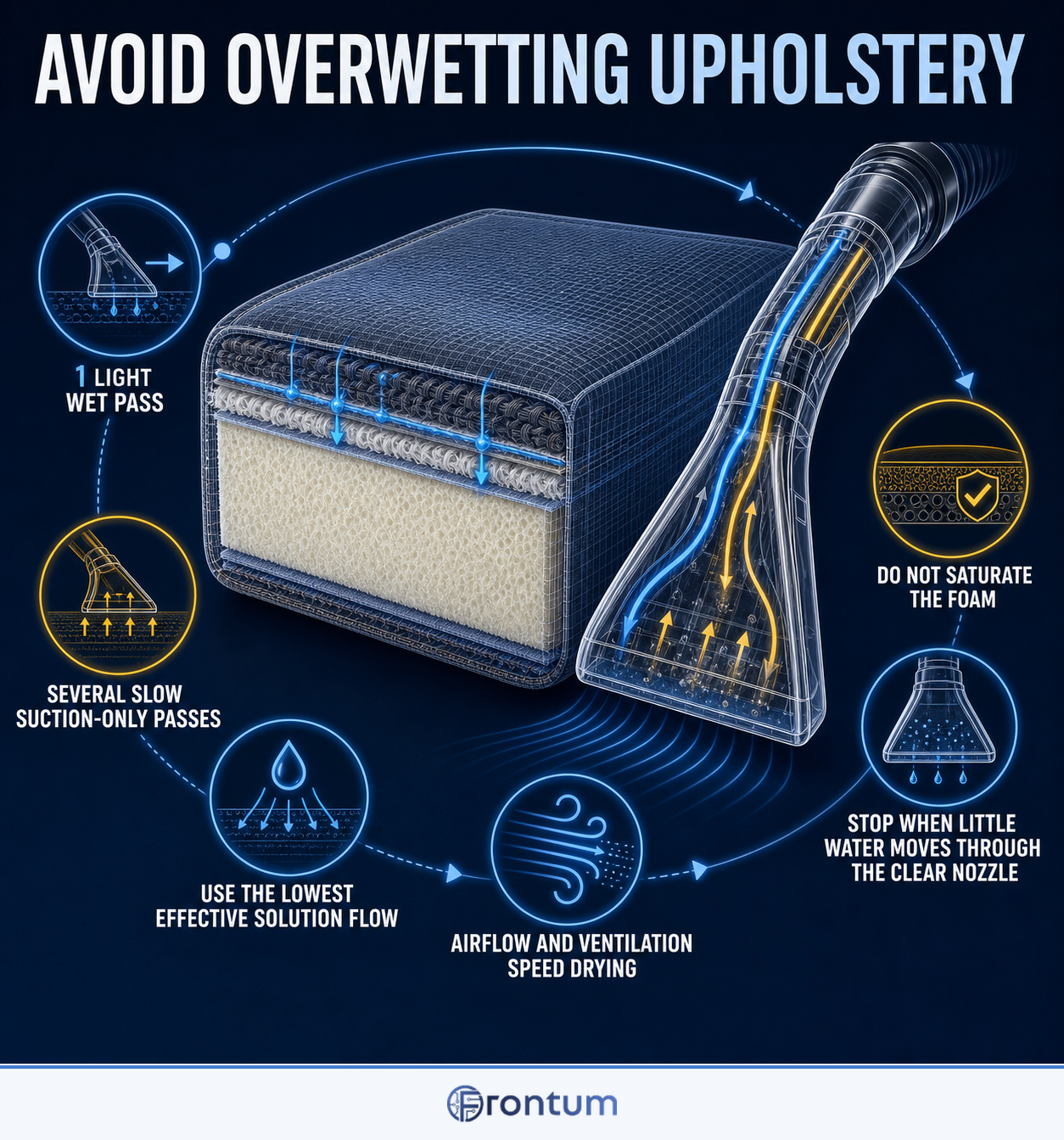
Wet-dry vacuums avoid overwetting upholstery by applying a controlled amount of solution and immediately recovering it through a narrow extraction head. The objective is to clean the fibres without saturating the foam, batting, or timber beneath them.
Work in small overlapping sections and make one light wet pass followed by several slow suction-only passes. A transparent nozzle helps because you can stop when little water is still moving through the extraction channel.
Use the lowest effective solution flow and do not repeatedly spray a stubborn mark. Pre-treating with a fabric-approved product and allowing the stated dwell time is safer than flooding the area, while warm water should be used only within the machine and fabric limits.
Ventilation, moderate room temperature, and air movement shorten drying time. Cushions should be separated and turned where possible, and the fabric should feel dry at the surface and within seams before it is put back into normal use.

Which attachments are useful for cleaning upholstery with a wet-dry vacuum?
Useful attachments for cleaning upholstery with a wet-dry vacuum include the following:
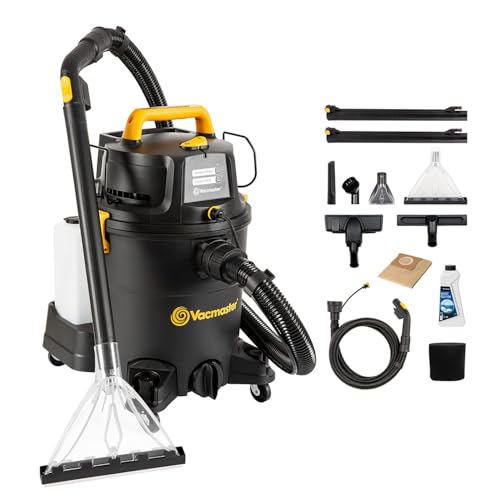
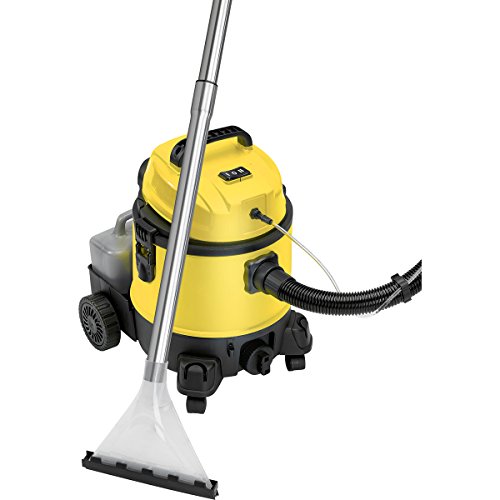
- Transparent extraction nozzle: A clear, narrow head shows how much dirty solution is being recovered and concentrates suction across a manageable strip of fabric. A comfortable trigger or valve should control spray independently from suction.
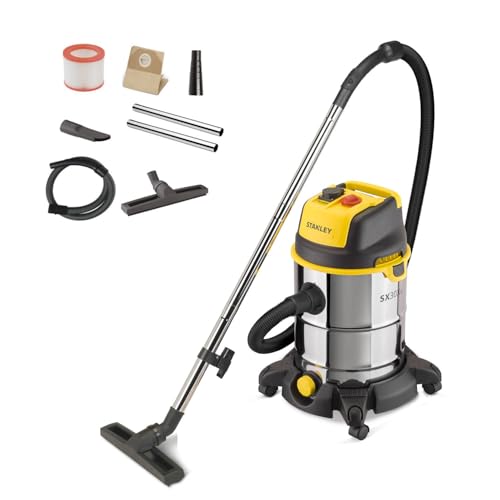
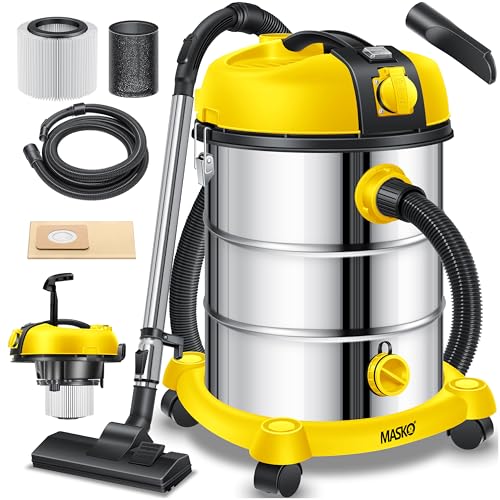
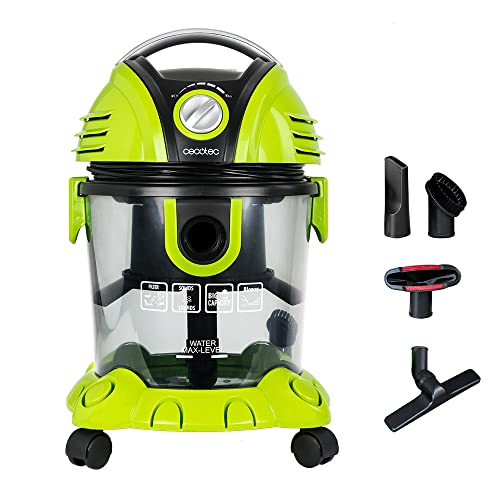
- Upholstery suction tool: A passive wide-mouth tool is useful for dry crumbs, pet hair, and final moisture-recovery passes. Rounded edges reduce the risk of catching seams or marking soft fabric.
- Crevice nozzle: A long flat nozzle reaches seat gaps, piping, folds, and the junction between cushions. It should fit securely without reducing the hose to an impractically narrow opening.
- Soft brush: A soft dusting brush loosens surface debris on dashboards, headboards, and durable woven fabrics before extraction. Avoid stiff bristles on delicate pile or loose threads.
- Flexible hose: Around 2–3 m of reach makes it easier to work around a sofa or vehicle seat without lifting the machine repeatedly. The hose should resist kinking when the nozzle is pulled across fabric.
- Spray hose and solution line: Dedicated extractors need a secure solution tube, tight couplings, and an easy way to flush the line after detergent use. Confirm that replacement clips, seals, and hand tools are available.
How much do wet-dry vacuums for upholstery cost?
Wet-dry vacuums for upholstery generally cost about £100-£300. Basic canisters with an upholstery nozzle can start near £50-£150, while dedicated spray-extraction machines commonly sit around £220-£300. Lower-cost models may require separately applied solution and can lack a transparent extraction head, so compare whether the correct hand tool, solution hose, and detergent system are included.
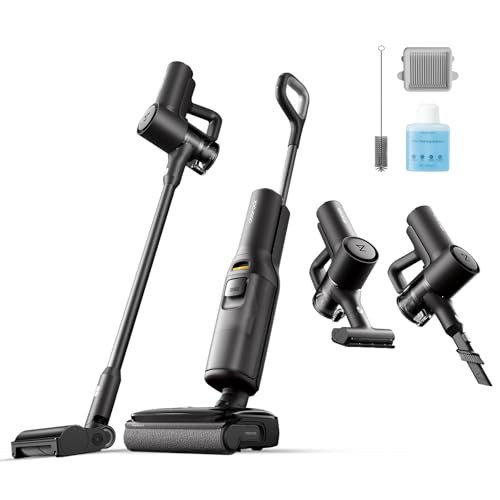
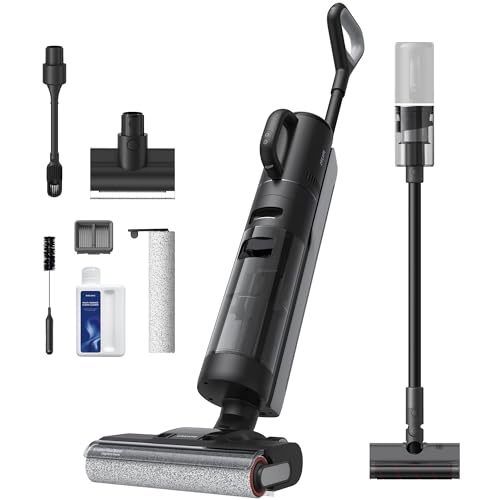
Premium cordless combination cleaners can reach roughly £300-£400, mainly adding powered floor heads, batteries, displays, and self-cleaning functions. Those extras are worthwhile only when the machine also includes a practical fabric hand tool; an upright floor washer alone is not a substitute for an upholstery extractor.
The chart below shows the price distribution of wet-dry vacuums with an upholstery nozzle.
[vertical-chart-03204483157561072939051971672210748406972162306375]
What should you consider when choosing a wet-dry vacuum for upholstery?
Before choosing a wet-dry vacuum for upholstery, consider the following factors:
- Cleaning method: Choose a spray extractor when you want to wash fabric, or a standard wet-dry canister when the priority is dry debris and occasional recovery of separately applied solution. Confirm that spray and suction can be controlled independently.
- Suction control: Roughly 15–23 kPa is a useful reference range for many canister machines, but compare only like-for-like measurements. Adjustable suction or a vented hand tool helps protect delicate fabric and prevents the nozzle from sealing too aggressively.
- Moisture recovery: Look for a narrow transparent head and plan several suction-only passes after each light wet pass. Automatic full-tank shut-off should stop liquid before it reaches the motor, while a clear tank or level mark makes recovery easier to monitor.
- Hose and reach: Around 2–3 m of hose lets you work around a sofa or vehicle seat without dragging the tank against furniture. Check flexibility, kink resistance, coupling security, and whether the solution tube remains supported along the hose.
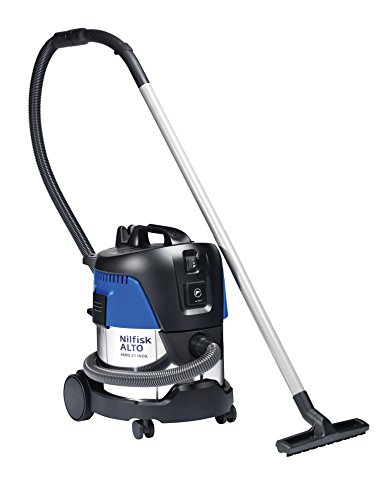
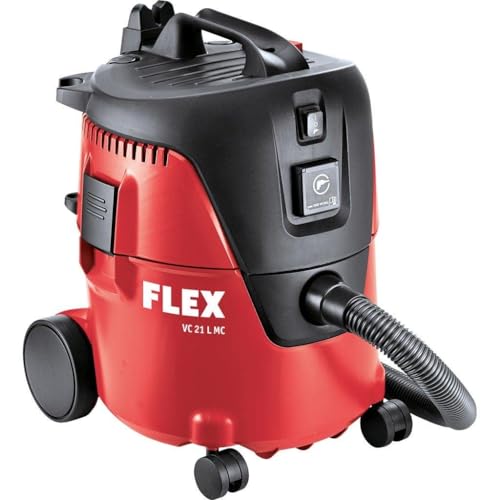
- Tank size and handling: A 10–20 L canister is ample for most furniture jobs, while a larger 20–30 L tank becomes heavy when filled with dirty water. Separate clean- and recovery-water tanks are easier to manage on dedicated extractors.
- Fabric and solution compatibility: Read the upholstery care code and the machine's detergent rules, then test for colour transfer in a hidden area. Avoid hot water, strong alkalines, or repeated soaking unless both the fabric maker and extractor permit them.
- Cleaning and drying: Filters, extraction heads, tanks, seals, and solution lines should be accessible for rinsing. Check replacement-filter availability and allow the upholstery to dry fully with good ventilation before normal use.