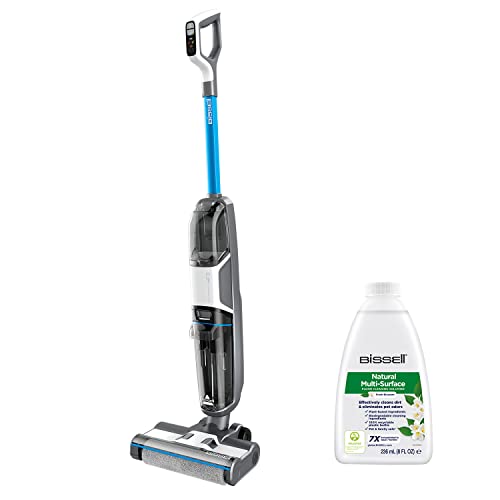

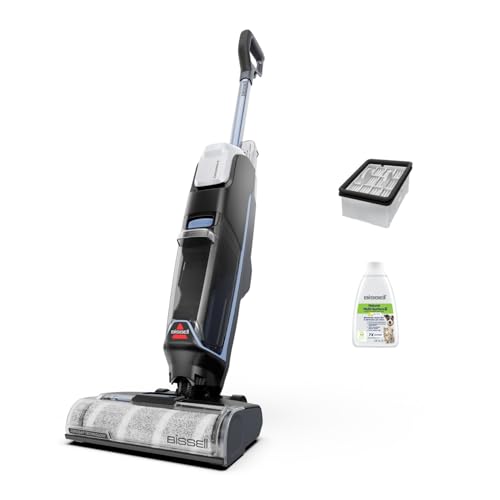
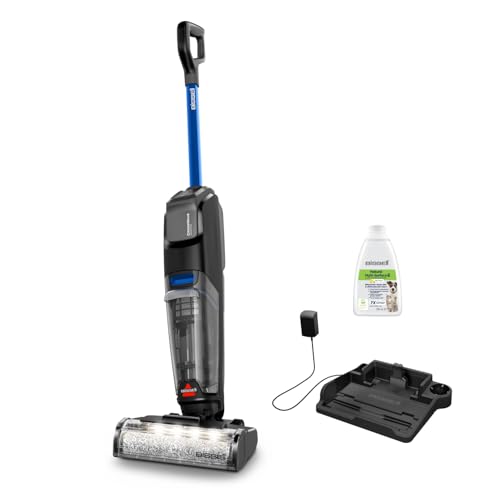
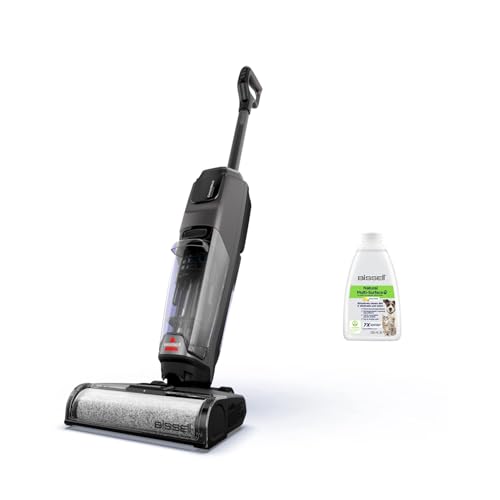
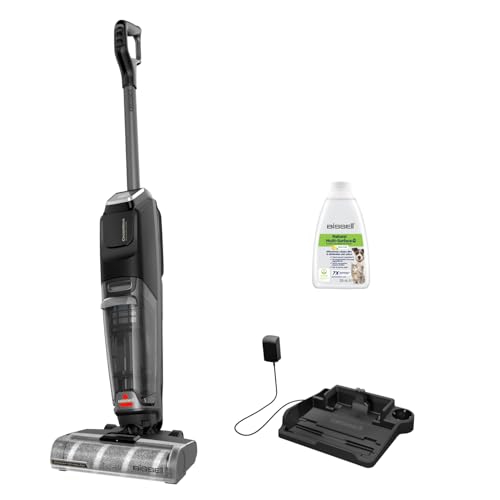
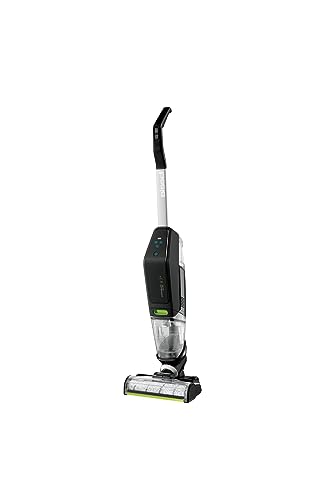
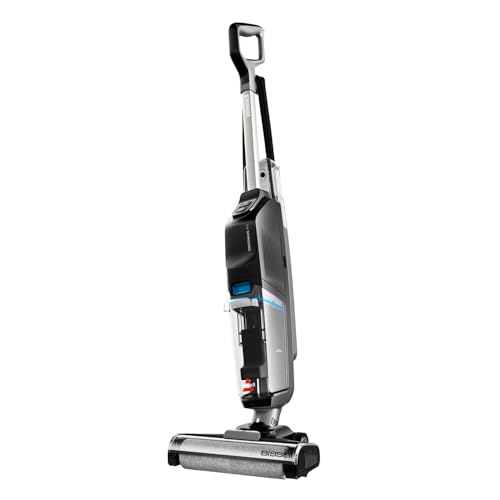
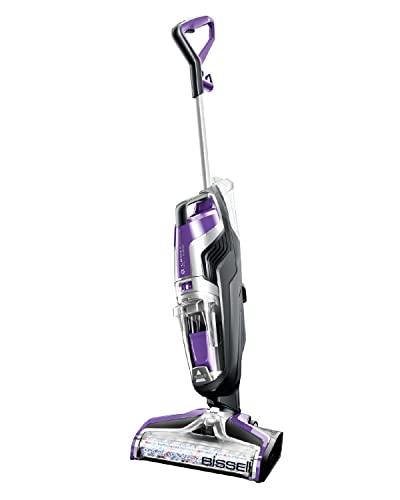
Are BISSELL wet-dry vacuums good?
BISSELL wet-dry vacuums have an average overall score of 7, ranking #10 among comparable wet-dry vacuum brands.
BISSELL wet-dry vacuums are a strong choice for sealed hard floors, pet messes, and routine washing because the CrossWave, Omni, and Hydro families combine debris pickup, solution delivery, and dirty-water recovery in one pass. Corded and cordless options cover both uninterrupted sessions and quick daily cleaning.
BISSELL wet-dry vacuums are less suitable for coarse workshop debris, power-tool extraction, or large floods because most have small upright tanks and narrow floor-washing paths. The 23 L MultiClean is the main traditional canister alternative, so buyers should not assume every BISSELL model performs the same kind of wet-dry work.
The leading BISSELL wet-dry vacuums by overall score are as follows:
- BISSELL CrossWave Edge Cordless (Overall score: 7.28)
- BISSELL CrossWave HF3 (Overall score: 7.26)
- BISSELL CrossWave OmniFind (Overall score: 7.09)
The chart below ranks wet-dry vacuum brands by average overall score.
[horizontal-chart-11886932346268468034146667223140412694972275145767]

What are the main BISSELL wet-dry vacuum series?
The main BISSELL wet-dry vacuum series are as follows:
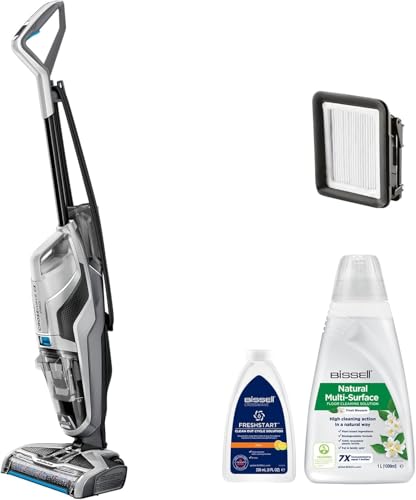
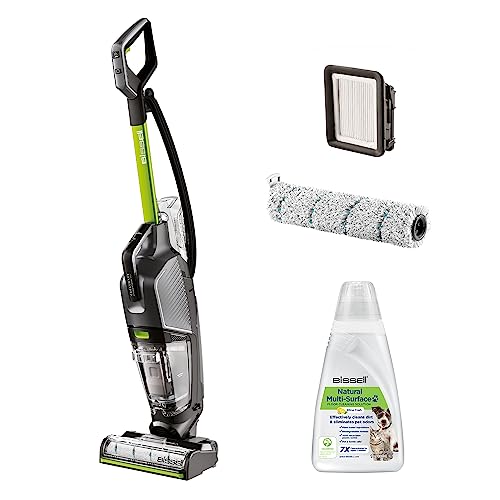
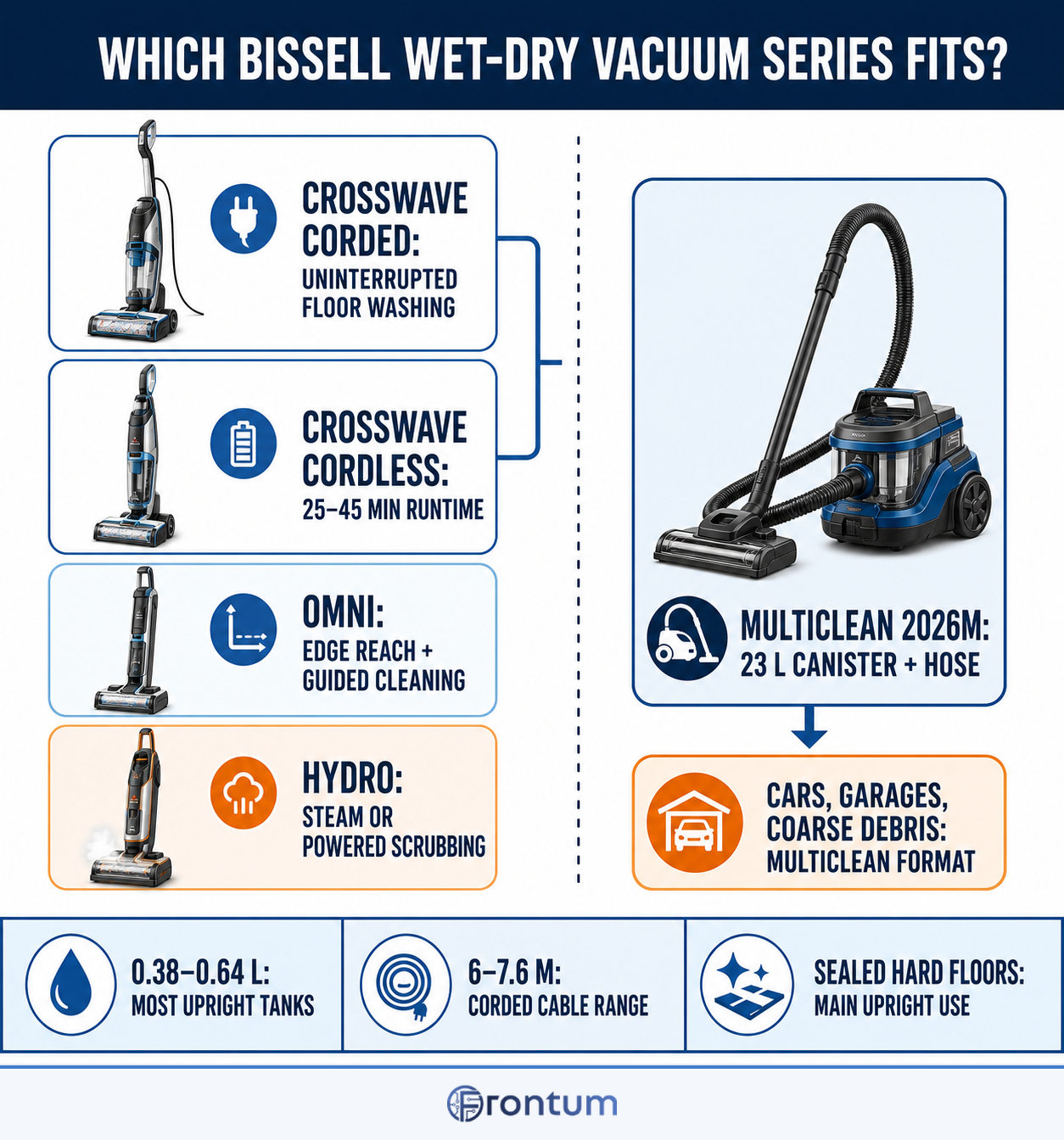
- CrossWave corded floor washers: The CrossWave C3 Pro, HF2, HF3, and Pet Pro combine dry-debris pickup with hard-floor washing in a continuously powered upright format. They suit regular home cleaning when cable reach is acceptable and uninterrupted runtime matters more than cordless freedom.
- CrossWave cordless floor washers: The CrossWave Edge Cordless and X7 Plus Pet target faster, cable-free cleaning around furniture, kitchens, and pet areas. Their battery makes movement easier, but the 25–45 minute runtime range and charging downtime must cover the intended floor area.
- Omni family: OmniFind, OmniForce, OmniForce Edge, and OmniForce EdgeFind focus on versatile upright washing with stronger attention to edge reach, guided cleaning, and debris-and-water management. Compare the exact head design and included functions because the similar names conceal meaningful differences in edge access and automation.
- Hydro family: HydroSteam PET adds steam-assisted cleaning for stubborn sealed-floor messes, while HydroScrub emphasizes powered scrubbing. These models suit buyers who need more stain treatment than a basic maintenance pass, but floor compatibility and required solution remain important.
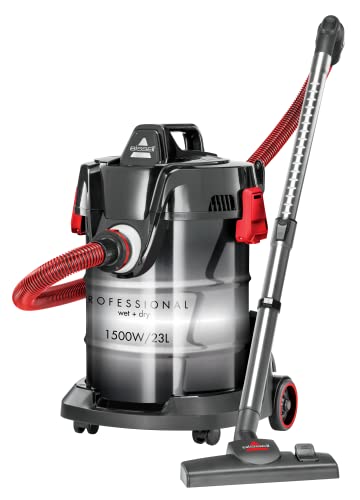
- MultiClean 2026M: MultiClean is a traditional 23 L wet-dry canister with a hose and a much larger collection volume than the upright CrossWave-style machines. It is the better BISSELL format for vehicles, garages, coarse debris, and larger spills, although it does not replace the integrated hard-floor washing action of a CrossWave.

How much do BISSELL wet-dry vacuums cost?
BISSELL wet-dry vacuums generally cost about £130-£340. Entry-level models around £130-£220 cover simpler CrossWave floor washers and the MultiClean canister, while many cordless, pet-focused, or better-equipped upright cleaners sit around £220-£300.
At roughly £300-£340, the premium is usually tied to functions such as steam-assisted cleaning, improved edge reach, more automated brush maintenance, or a more capable cordless system. Compare the supplied brush rolls, filters, cleaning solution, and replacement-part prices because ongoing consumables can matter more than a small difference in purchase price.
The chart below shows the price distribution of BISSELL wet-dry vacuums.
[vertical-chart-16190100860331656797141715685958067770483100612648]
What should you consider when choosing a BISSELL wet-dry vacuum?
Before choosing a BISSELL wet-dry vacuum, consider the following factors:
- Cleaning format: Choose a CrossWave, Omni, or Hydro upright when the main job is washing sealed floors, and choose MultiClean when you need a hose-based canister for cars, garages, coarse debris, or larger spills. These formats solve different jobs, so tank capacity or headline score should not be compared without considering the cleaning method.
- Floor compatibility and debris type: Confirm that every intended floor is approved for wet cleaning and check whether the machine can collect loose debris before applying solution. Upright floor washers are not designed for renovation dust, large chips, ash, or materials that can block a narrow dirty-water path.
- Corded or cordless operation: BISSELL cordless models commonly provide about 25–45 minutes of runtime, while corded machines use roughly 6–7.6 m cables for uninterrupted cleaning. Size cordless runtime for the normal cleaning mode and allow a reserve because powered brushes, water pumps, and intensive modes reduce the longest stated figure.
- Tank size and separation: Most upright models use compact tanks of about 0.38–0.64 L, so they are easy to handle but need frequent emptying and rinsing. MultiClean provides 23 L for bulk pickup; in either format, verify clean- and dirty-water separation, visible fill levels, and reliable full-tank protection.
- Brush, edge, and maintenance design: Compare how closely the head reaches walls, whether hair is easy to remove, and whether the brush roll, cover, filter, and dirty-water channels can be rinsed without tools. A self-cleaning cycle reduces routine work but does not replace manual cleaning and complete drying of removable parts.
- Weight, reach, and noise: BISSELL models weigh roughly 3.9–7.3 kg and published noise values span about 64–85 dB, which can materially affect frequent use. Check carry balance, steering effort, furniture clearance, and the route from the cleaning area to the sink rather than judging weight only on paper.
- Consumables and included accessories: Check which brush rolls, filters, formulas, nozzles, and storage or charging accessories are supplied with the exact model. Prefer readily available washable or replaceable parts and verify whether the warranty requires approved cleaning solution.