Which brands make the best wet-dry vacuums for workshops and garages?
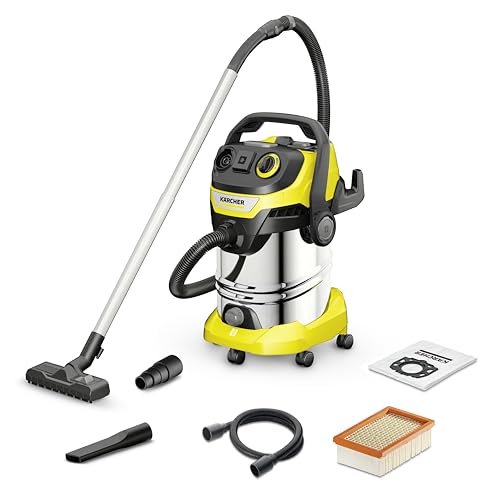
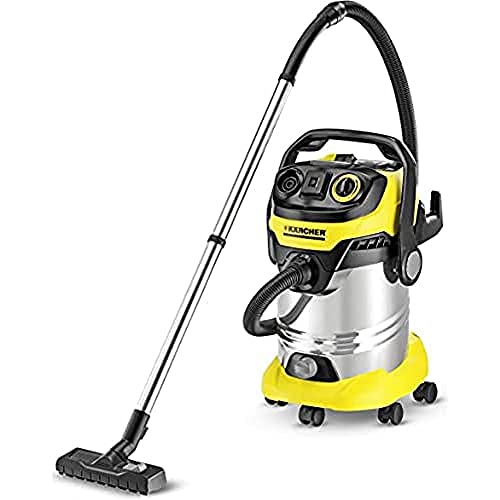
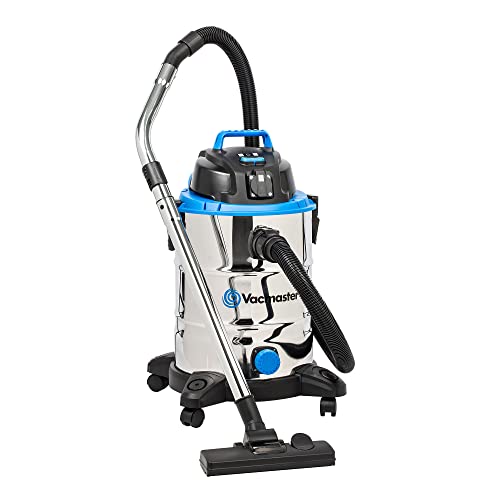
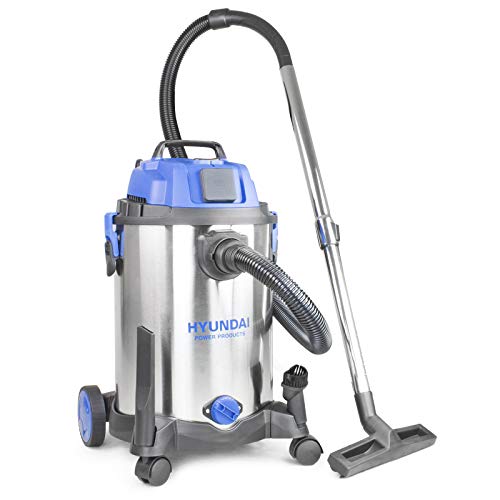
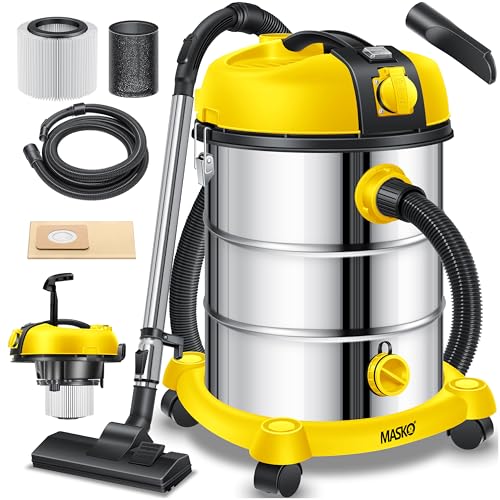
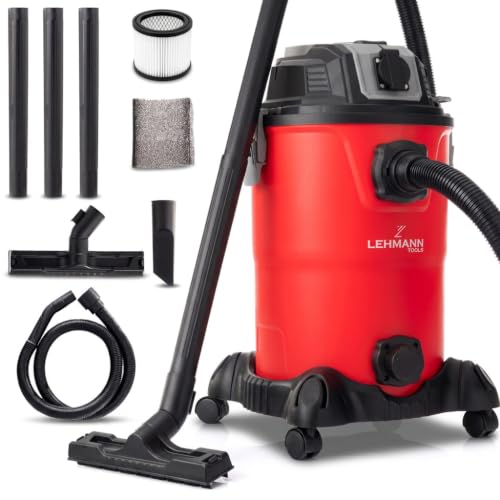
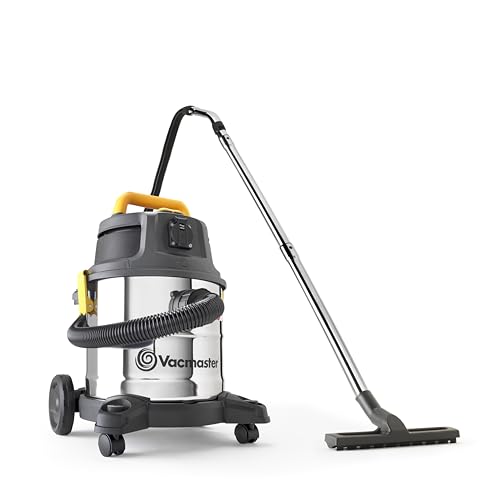
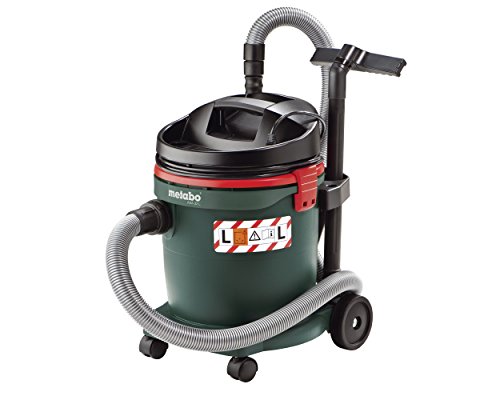
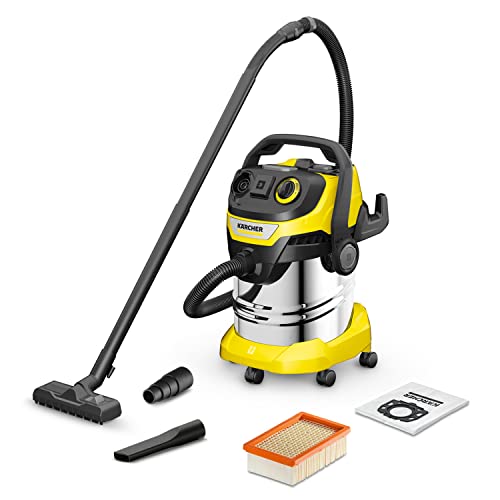
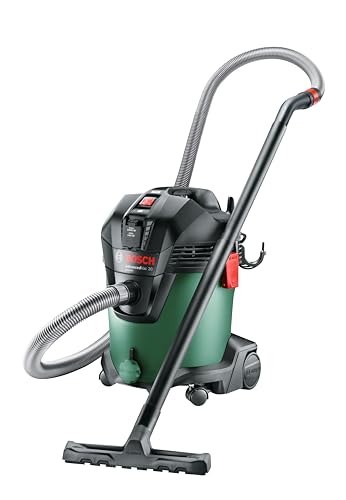
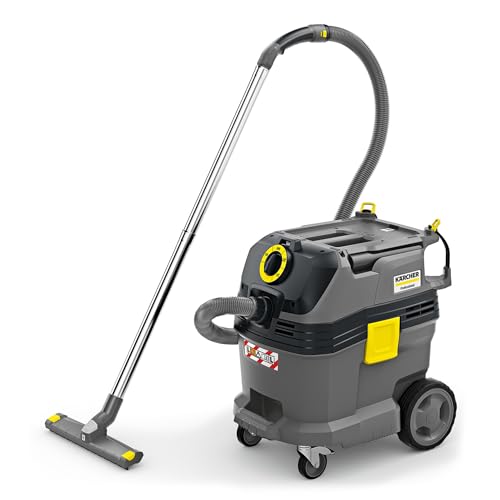
Kärcher, Vacmaster, Bosch, DEWALT, Shop-Vac, and RIDGID make strong workshop and garage wet-dry vacuums, but their ranges emphasise different priorities. Kärcher and Vacmaster offer broad choices from compact cleaners to larger canisters, while Bosch is especially relevant when tool connection and dust control matter.
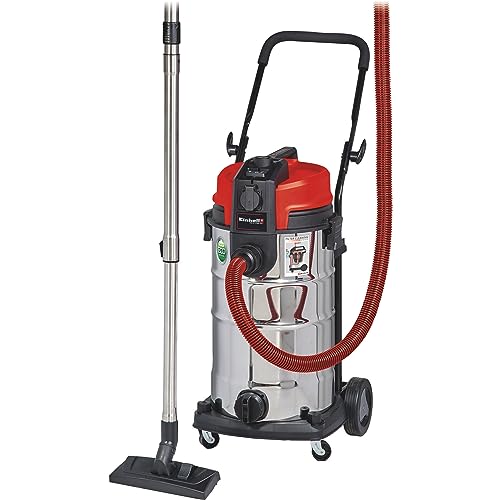
DEWALT and RIDGID are good starting points for rugged construction, large controls, and jobsite-friendly accessories. Shop-Vac remains closely associated with traditional canister designs and a wide variety of hoses and nozzles, although accessory compatibility should be checked by exact inlet size.
Choose the brand after comparing the specific machine rather than the badge alone. Filter availability, hose durability, replacement latches, wheel quality, and local service support often matter more over several years than a small difference in motor input power.
What makes a wet-dry vacuum suitable for workshops and garages?
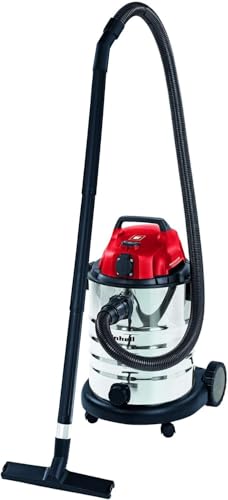
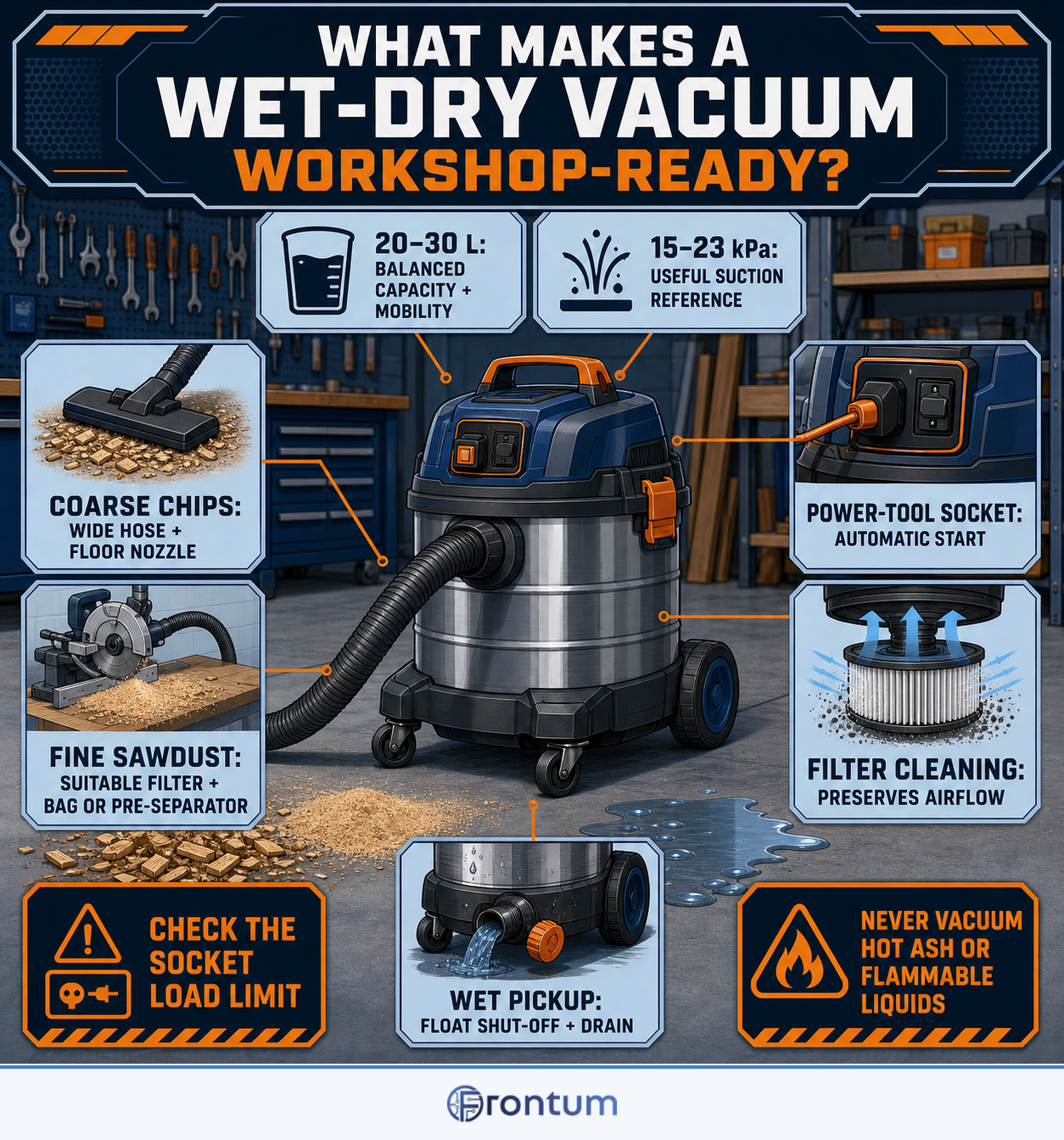
A wet-dry vacuum is suitable for workshops and garages when it can handle coarse debris, fine dust, and liquids without constant blockages or unstable handling. The most useful design combines a tough hose, secure latches, a stable wheeled base, accessible controls, and filters that can be changed or cleaned without releasing a cloud of dust.
Capacity should match the work: roughly 20–30 L balances collection volume and mobility for many garages, while a drain becomes increasingly valuable on larger wet tanks. A power-tool socket with automatic start is worth prioritising for sanding and sawing, but only when the socket rating safely covers the connected tool and the filter is suitable for the dust being produced.
Can wet-dry vacuums collect sawdust, spills, and workshop debris?
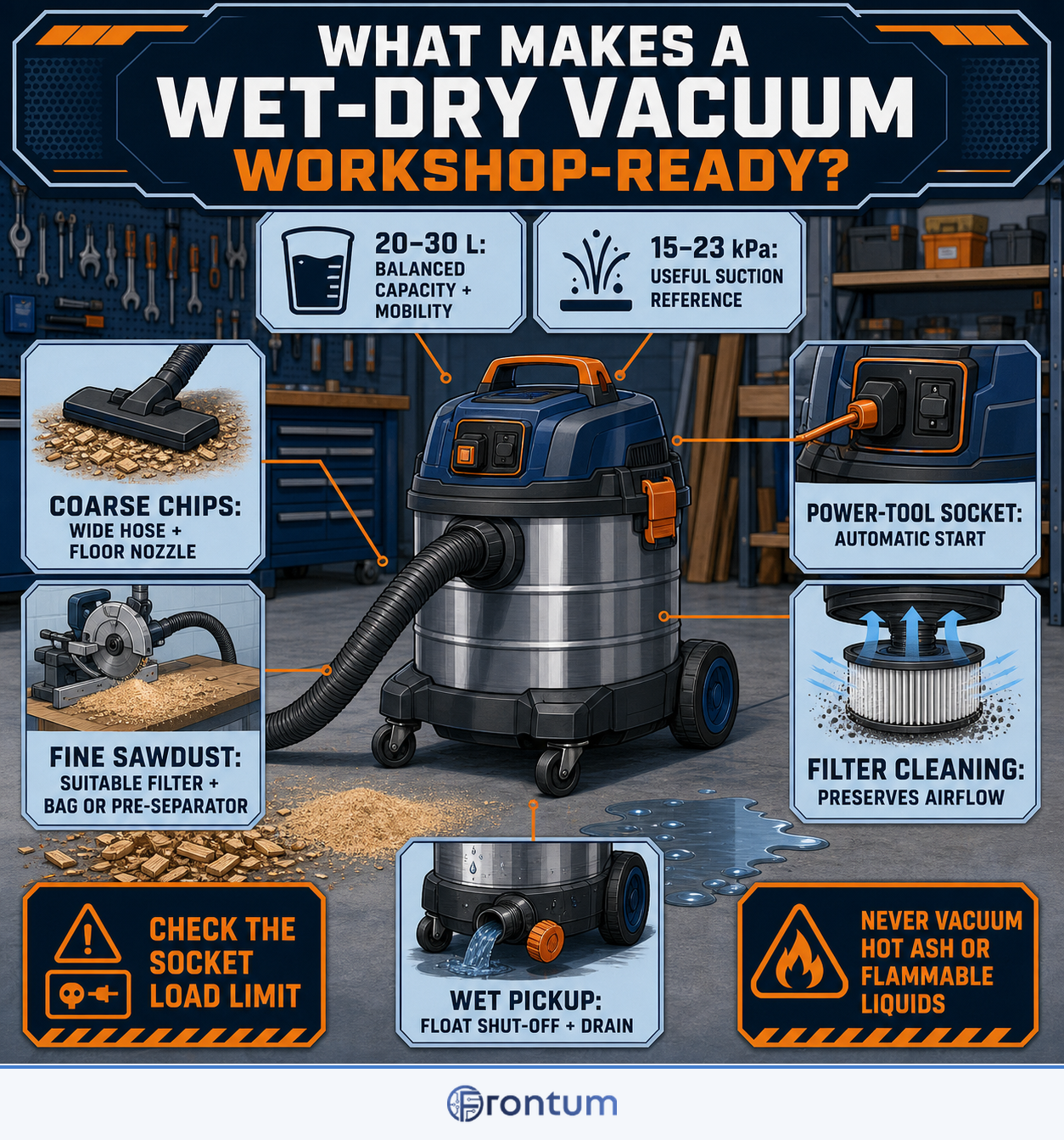
Wet-dry vacuums can collect sawdust, ordinary workshop debris, and non-hazardous liquid spills when the machine, filter, and nozzle are configured for the material. Coarse chips and gravel suit a wider hose and floor nozzle, while fine sawdust needs a suitable cartridge or high-efficiency filter with a bag or pre-separator where recommended.
For power tools, connect the hose at the dust port whenever possible instead of cleaning the floor later. An automatic-start socket improves convenience, but check the socket load limit and use adapters that do not restrict airflow excessively. Fine dust quickly clogs basic filters, so manual or automatic filter cleaning can preserve pickup during longer jobs.
For wet collection, remove or change dry-only bags and filters exactly as the manufacturer specifies. A float shut-off protects the motor when the tank fills, and a drain hose or plug makes large spills easier to empty without lifting a heavy canister.
Never vacuum hot ash, glowing material, flammable liquids, solvents, or combustible dust unless the machine is specifically certified for that hazard. Blower mode is useful for leaves and coarse debris outdoors, but it can aerosolise fine dust and should not replace controlled extraction inside a workshop.
How much power and suction does a workshop wet-dry vacuum need?
A workshop wet-dry vacuum typically needs about 15–23 kPa of suction pressure plus enough sustained airflow to carry chips and dust through the hose without repeated blockages. Test methods differ, so compare kPa and airflow only when manufacturers use similar conditions.
Motor input in watts describes electrical consumption rather than pickup by itself. Hose diameter, nozzle restriction, filter loading, seals, and air-path design determine how much useful suction reaches the floor or power tool; a wider hose passes chips more easily, while a narrower hose is easier to manoeuvre and connect to small tool ports.
For sustained sanding or sawing, stable airflow and effective filter cleaning matter more than a brief peak figure. A corded machine normally suits this duty better than a cordless model, although battery vacuums are convenient for spot cleaning when runtime and battery cost are acceptable.
How much do wet-dry vacuums for workshops and garages cost?
Wet-dry vacuums for workshops and garages generally cost about £100-£300. Compact general-purpose models often fall around £60-£130, capable 20–30 L machines with better hoses and tool sockets commonly sit around £130-£260, and heavy-duty or advanced filter-cleaning models can cost £260 or more.
Below £90, concentrate on a reliable wet shut-off, replaceable filter, secure latches, and the right nozzle set rather than headline capacity. At higher prices, expect the extra cost to buy sustained filtration, stronger fittings, quieter operation, a drain, power-tool integration, or better parts support; a larger tank and higher wattage alone do not justify the premium.
What should you consider when choosing a workshop or garage wet-dry vacuum?
Before choosing a workshop or garage wet-dry vacuum, consider the following factors:
- Collection capacity: Around 20–30 L suits many mixed workshop jobs without making a full tank unnecessarily difficult to move. Choose a larger tank only when reduced emptying frequency outweighs the extra size and wet weight.
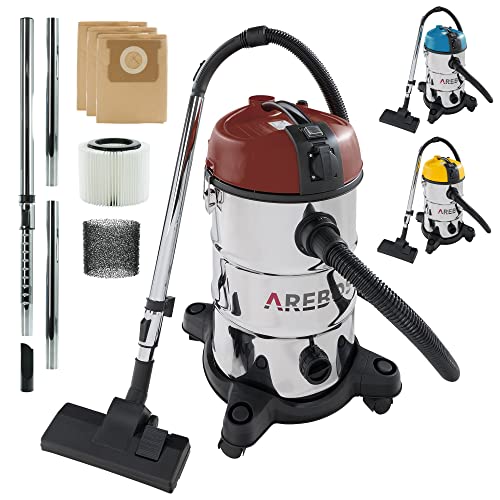
- Filtration: Use a suitable cartridge or high-efficiency filter for fine dust, and check whether bags, pre-separators, or manual or automatic filter cleaning are supported. Hazardous dust requires an appropriately certified extractor rather than a generic wet-dry vacuum.
- Power-tool integration: A switched socket with automatic start captures dust at source. Confirm the socket power limit, hose-adapter fit, and whether the vacuum provides enough airflow for the connected tool.
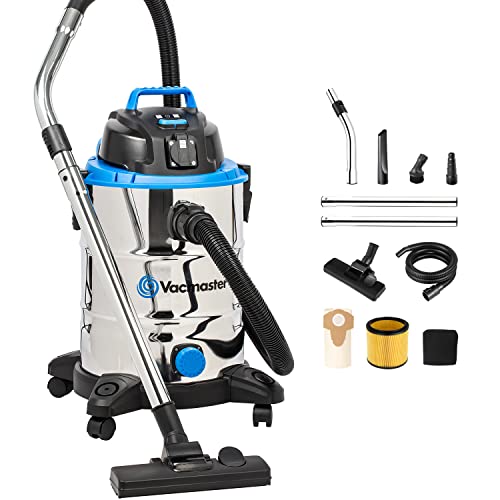
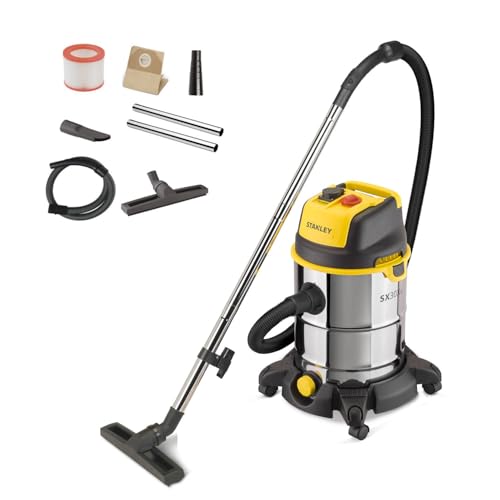
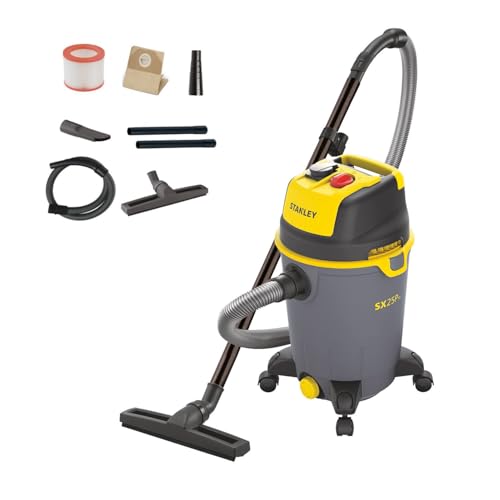
- Hose and nozzles: A wider hose resists blockages from chips and gravel, while a narrower hose is easier to handle. Require a floor tool, crevice nozzle, wet squeegee, and adapters that match the work you actually do.
- Wet pickup and drainage: Look for float shut-off, clear wet-mode instructions, and a drain on larger tanks. Check which bags or filters must be removed before collecting liquids.
- Mobility and storage: Stable casters, a strong carry handle, hose and cable storage, and secure accessory holders keep the machine manageable in a crowded garage. Combine hose length and cable reach rather than judging either figure alone.
- Serviceability and safety: Replacement filters, hoses, seals, and latches should be easy to obtain. Never collect hot ash, flammable liquids, or combustible dust unless the vacuum is explicitly rated for the hazard.