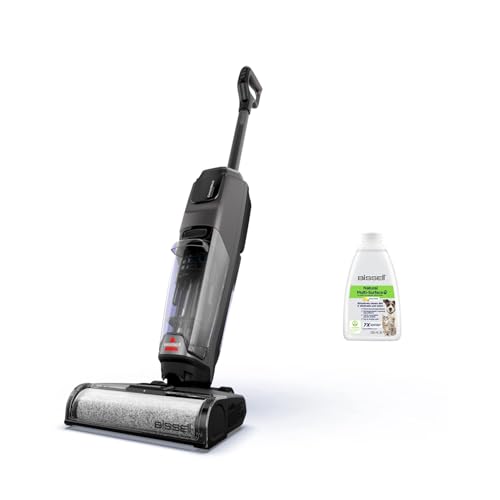
BISSELL CrossWave HF3 Review | 43 Data compared

double-arrow
  • Avg. price in UK: ~£170
  • Avg. price in US: ~$230
  • Suction pressure: 20 kPa
  • Capacity: 0.42 L
  • Power: 150 W
  • Noise level: 70 dB
  • Weight: 4.3 kg

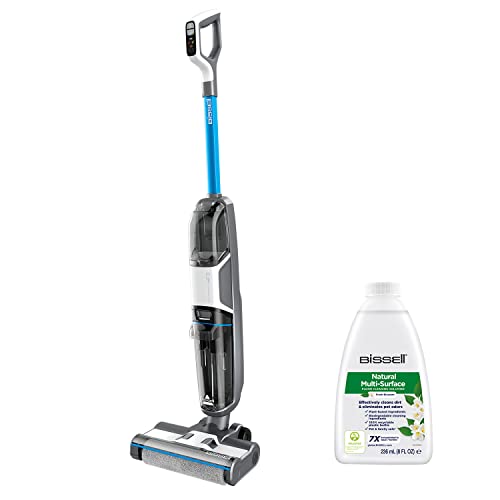
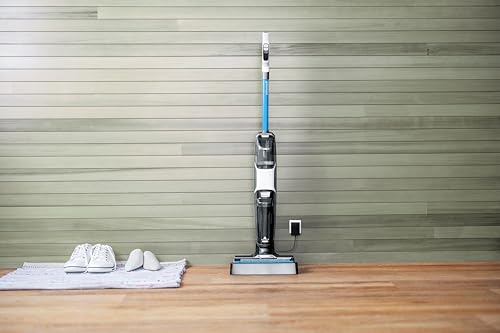
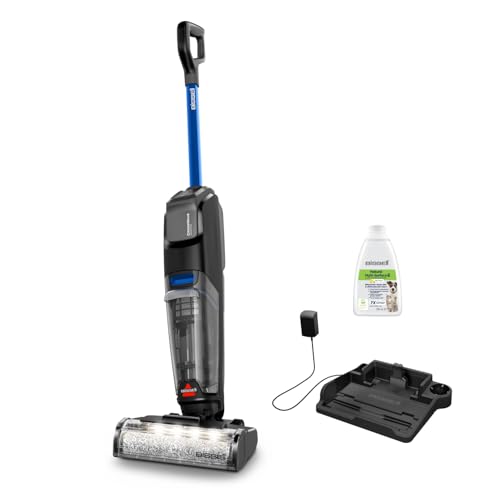
BISSELL CrossWave HF3 review. Compare 43 technical specifications and user reviews to see how this product ranks in the Wet-Dry Vacuums category and whether it is worth buying.

7.3

Overall score

What it is: An overall evaluation of products in the Wet-Dry Vacuums category, based on technical analysis and user reviews.

When it matters: When you need a quick reference for identifying the best products in the Wet-Dry Vacuums category.

Score components:

80.0%

7.0

Technical Score

20.0%

8.5

User score

Very good
7.0

Technical Score

What it is: An assessment of technical performance for products in the Wet-Dry Vacuums category across these key areas: Performance, Battery, Design & Mobility, Filter & Accessories.

When it matters: When you want to compare products in the Wet-Dry Vacuums category by technical performance, specifications, and available features.

Score components:

40.0%

6.4

Performance

22.0%

8.3

Design & Mobility

20.0%

7.2

Filter & Accessories

18.0%

6.2

Battery

Very good
8.5

User score

What it is: A rating that combines user reviews with the total review volume for products in the Wet-Dry Vacuums category.

When it matters: When you want to know how products in the Wet-Dry Vacuums category perform in everyday use and how reliable owners find them over time.

Score components:

70.0%

7.8

User reviews

30.0%

10

Popularity

User score:
United Kingdom
amazon
3.9
(886)
amazon
4.4
(41)

(Reviews last updated: August 2026)

Excellent
  • 9.5
    Car cleaning

    Score components:

    30.0%

    10

    Weight

    25.0%

    10

    Cordless

    25.0%

    8.1

    Suction pressure

    20.0%

    10

    Noise level

  • 3.2
    Workshop & garage

    Score components:

    30.0%

    1.0

    Rated motor power

    25.0%

    1.0

    Capacity

    25.0%

    4.0

    Power tool socket

    20.0%

    8.1

    Suction pressure

  • 4.5
    Professional use

    Score components:

    30.0%

    1.0

    Rated motor power

    30.0%

    8.1

    Suction pressure

    25.0%

    1.0

    Capacity

    15.0%

    10

    Weight

  • bissell-crosswave-hf3
  • bissell-crosswave-hf3
  • bissell-crosswave-hf3
  • bissell-crosswave-hf3
  • bissell-crosswave-hf3
  • bissell-crosswave-hf3
  • bissell-crosswave-hf3
  • bissell-crosswave-hf3
  • bissell-crosswave-hf3
  • bissell-crosswave-hf3
  • bissell-crosswave-hf3
  • bissell-crosswave-hf3
  • bissell-crosswave-hf3
  • bissell-crosswave-hf3
  • bissell-crosswave-hf3
  • bissell-crosswave-hf3
bissell-crosswave-hf3

Best prices in UK

Best rankings

?

Available: ranking among products currently available (including other versions of this product).
All: ranking among all products in the database.

Verdict

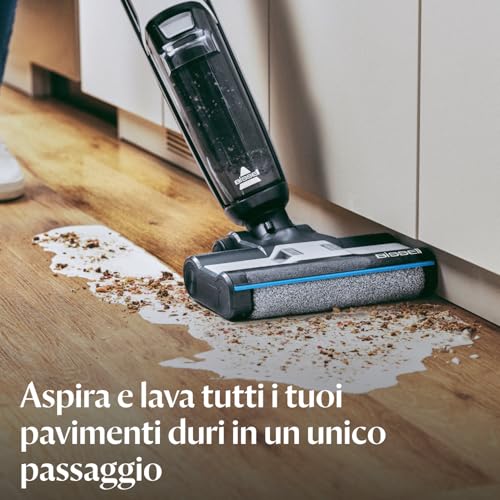
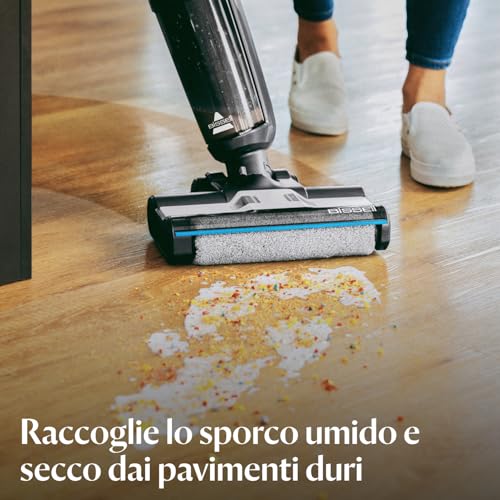
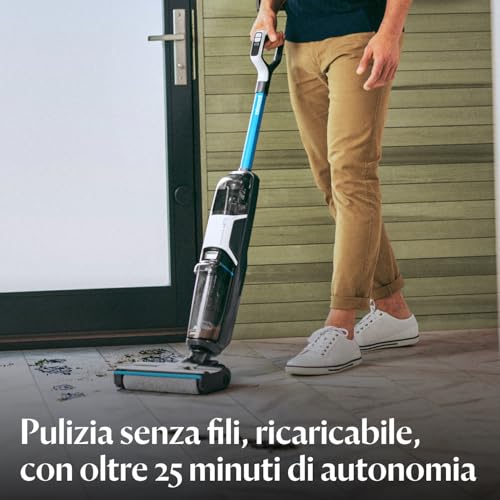
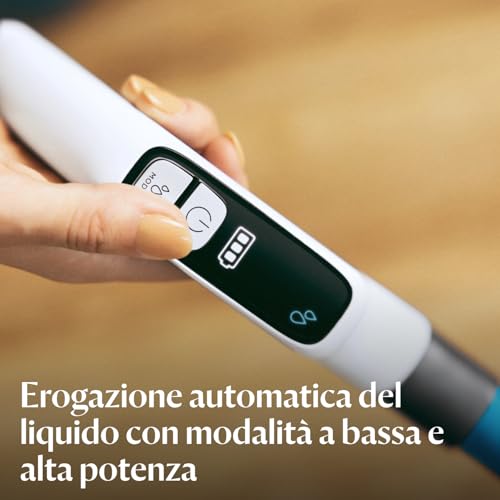
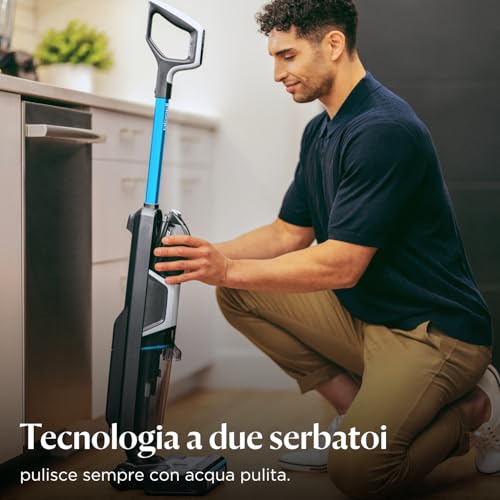
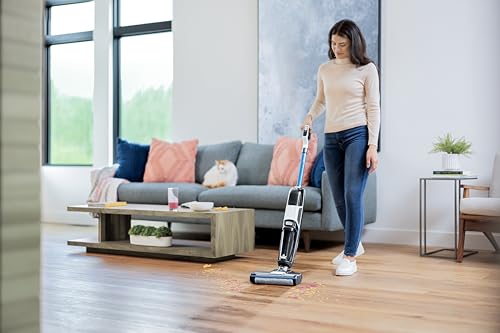
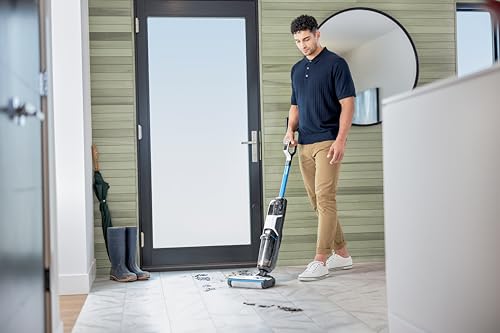
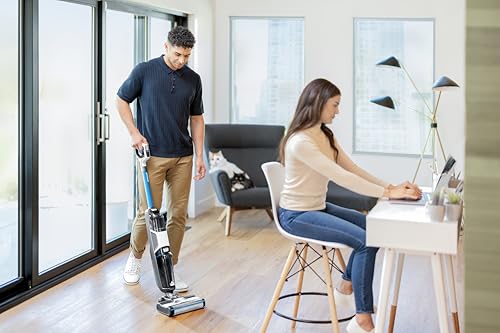
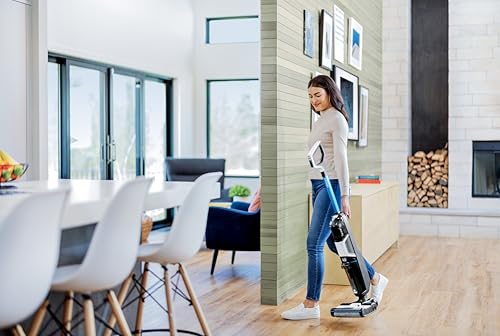
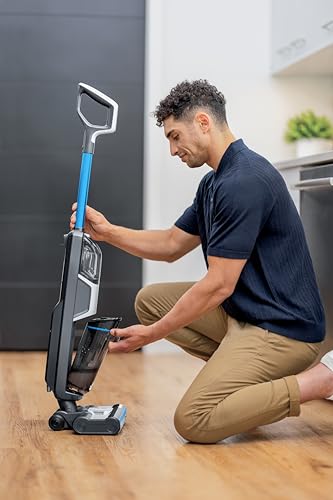
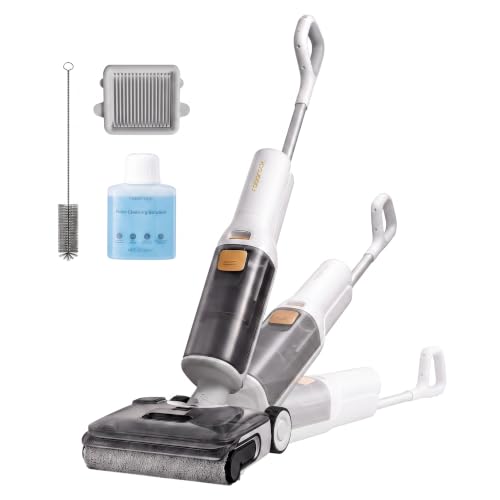
The BISSELL CrossWave HF3 is a lightweight, cordless multi-surface wet-dry vacuum cleaner designed to simultaneously vacuum and wash sealed hard floors like wood, tile, and laminate. Powered by a 22.2V lithium-ion battery, it delivers up to 25 minutes of continuous run time and operates at a quiet noise level of 70 dBA. Key characteristics include a 10.5-inch cleaning path width, self-propelled steering, automatic solution dispensing across high and low modes, a two-tank system separating a 0.53-litre clean tank from a 0.41-litre dirty tank, and a one-touch automatic self-cleaning cycle. Main advantages include its effortless maneuverability, efficient time-saving dual functionality, and quiet operation; however, notable drawbacks include limited water tank capacities that require frequent emptying and refilling, a relatively short battery runtime for larger homes, and the lack of a vacuum-only operation mode.

Technical Specifications of wet-dry vacuum BISSELL CrossWave HF3

Technical Score

What it is: An assessment of technical performance for products in the Wet-Dry Vacuums category across these key areas: Performance, Battery, Design & Mobility, Filter & Accessories.

When it matters: When you want to compare products in the Wet-Dry Vacuums category by technical performance, specifications, and available features.

Score components:

40.0%

6.4

Performance

22.0%

8.3

Design & Mobility

20.0%

7.2

Filter & Accessories

18.0%

6.2

Battery

7.0
BISSELL CrossWave HF3 has a technical score of 6.96 points, which is lower than 54.5% of products in this category.
User score

What it is: A rating that combines user reviews with the total review volume for products in the Wet-Dry Vacuums category.

When it matters: When you want to know how products in the Wet-Dry Vacuums category perform in everyday use and how reliable owners find them over time.

Score components:

70.0%

7.8

User reviews

30.0%

10

Popularity

User score:
United Kingdom
amazon
3.9
(886)
amazon
4.4
(41)

(Reviews last updated: August 2026)

8.5
BISSELL CrossWave HF3 has a user score of 8.49 points, which is higher than 63.9% of products in this category.
Popularity
What it is: An indicator based on the number of reviews received by products in the Wet-Dry Vacuums category.
When it matters: When you prefer products in the Wet-Dry Vacuums category that have been chosen and reviewed by many other buyers.
10
BISSELL CrossWave HF3 has a popularity of 10 points, which is higher than 66.8% of products in this category.
Ratio quality/price

What it is: An indicator that combines the overall score of products in the Wet-Dry Vacuums category with their prices.

When it matters: When you are comparing products in the Wet-Dry Vacuums category and want a good balance between quality and price.

Score components:

60.0%

7.3

Overall score

40.0%

9.6

Price

8.0
BISSELL CrossWave HF3 has a quality-to-price ratio of 8 points, which is higher than 53.5% of products in this category.
Power
What it is: The rated electrical input of the vacuum motor.
When it matters: Higher power can help sustain demanding wet and dry cleaning, although suction design also matters.

Importance: HIGH

150 W
BISSELL CrossWave HF3 has power of 150 W, which is worse than 97.7% of wet-dry vacuums and equal to 2.4% of wet-dry vacuums.
Variable power
What it is: Whether the vacuum lets you adjust motor or suction power.
When it matters: Power adjustment helps match suction to delicate surfaces, heavy debris, and power-tool use.

Importance: MEDIUM

yes
BISSELL CrossWave HF3 has adjustable suction power. This feature is present on 34.2% of wet-dry vacuums.
Capacity
What it is: The amount of liquid or debris the collection tank can hold.
When it matters: A larger tank reduces emptying interruptions during big spills and workshop cleanup.

Importance: HIGH

0.42 L
BISSELL CrossWave HF3 has capacity of 0.42 L, which is worse than 99.5% of wet-dry vacuums.
Noise level
What it is: The sound level produced while the vacuum is running.
When it matters: Lower noise is useful for longer cleaning sessions and work in occupied spaces.

Importance: HIGH

70 dB
BISSELL CrossWave HF3 has noise level of 70 dB, which is better than 89.8% of wet-dry vacuums and equal to 1.1% of wet-dry vacuums.
Suction pressure
What it is: The maximum pressure difference the vacuum can generate for suction.
When it matters: Higher suction pressure helps lift dense debris and extract liquid from difficult areas.

Importance: HIGH

20 kPa
BISSELL CrossWave HF3 has suction pressure of 20 kPa, which is better than 55.6% of wet-dry vacuums and equal to 15.2% of wet-dry vacuums.
Show more
Cordless
What it is: Whether the vacuum can run without a mains power cable.
When it matters: Cordless operation improves mobility in cars, stairs, and areas without a nearby outlet.

Importance: MEDIUM

yes
BISSELL CrossWave HF3 supports cordless operation. This feature is present on 29.6% of wet-dry vacuums.
Battery type
What it is: The battery chemistry used by a cordless vacuum.
When it matters: Battery chemistry affects weight, charging behavior, lifespan, and replacement options.

Importance: LOW

Li-ion
Battery runtime
What it is: How long the cordless vacuum can operate on one charge.
When it matters: Longer runtime lets you finish larger jobs without stopping to recharge.

Importance: MEDIUM

25 minutes
BISSELL CrossWave HF3 has battery runtime of 25 minutes, which is worse than 89.6% of wet-dry vacuums and equal to 8.3% of wet-dry vacuums.
Charging time
What it is: The time required to recharge the battery.
When it matters: Faster charging reduces downtime between cleaning sessions.

Importance: MEDIUM

4 hours
BISSELL CrossWave HF3 has charging time of 4 hours, which is better than 20.4% of wet-dry vacuums and equal to 65.3% of wet-dry vacuums.
Battery voltage
What it is: The nominal voltage of the vacuum battery system.
When it matters: Voltage helps describe the battery platform and its available power class.

Importance: LOW

22.2 V
BISSELL CrossWave HF3 has battery voltage of 22.2 V, which is better than 64.8% of wet-dry vacuums.
Show more
Power cable length
What it is: The length of the vacuum's mains power cable.
When it matters: A longer cable increases reach and reduces how often you change outlets.

Importance: MEDIUM

?
Operating radius
What it is: The total working reach provided by the cable, vacuum body, and hose.
When it matters: A larger radius lets you clean more space without moving the plug or machine.

Importance: MEDIUM

?
Bagless
What it is: Whether debris is collected directly in a reusable tank instead of a disposable bag.
When it matters: A bagless tank avoids replacement-bag costs and is convenient for wet pickup.

Importance: LOW

yes
BISSELL CrossWave HF3 uses a bagless collection system. This feature is present on 66.2% of wet-dry vacuums.
Tank material
What it is: The material used for the vacuum's collection tank.
When it matters: Tank material affects durability, corrosion resistance, weight, and ease of cleaning.

Importance: LOW

plastic
BISSELL CrossWave HF3 uses a less suitable tank material.
Power cable holder
What it is: Whether the vacuum has an integrated holder for the power cable.
When it matters: Onboard storage keeps the cable tidy and makes the vacuum easier to carry and store.

Importance: LOW

?
Show more
N. of filters
What it is: The number of filtration elements supplied or used by the vacuum.
When it matters: Multiple filters can support different pickup modes or provide staged dust capture.

Importance: MEDIUM

1
BISSELL CrossWave HF3 has 1 filters, which is worse than 75.3% of wet-dry vacuums and equal to 24.8% of wet-dry vacuums.
HEPA filter
What it is: Whether the vacuum includes a high-efficiency particulate air filter.
When it matters: HEPA filtration helps capture fine dust and allergens from the exhaust air.

Importance: MEDIUM

yes
BISSELL CrossWave HF3 has HEPA filtration. This feature is present on 53.4% of wet-dry vacuums.
A HEPA filter is explicitly included.
Washable filter
What it is: Whether the filter can be cleaned with water and reused.
When it matters: A washable filter can reduce replacement costs and simplify maintenance.

Importance: MEDIUM

yes
BISSELL CrossWave HF3 has a washable filter. This feature is present on 96.6% of wet-dry vacuums.
A washable filter is explicitly included.
Automatic filter cleaning
What it is: Whether the vacuum cleans its filter automatically during operation.
When it matters: Automatic cleaning helps maintain suction during dusty work and reduces maintenance stops.

Importance: MEDIUM

no
BISSELL CrossWave HF3 requires manual filter cleaning. 0.9% of wet-dry vacuums have automatic filter cleaning.
Automatic filter cleaning is explicitly not supported.
Flexible hose
What it is: Whether a flexible suction hose is included.
When it matters: A flexible hose improves reach and control around furniture, vehicles, and tools.

Importance: LOW

?
Show more

BISSELL CrossWave HF3 vs the average wet-dry vacuum

  • 7 dB less operating noise
    2 dB less operating noise: BISSELL CrossWave HF3 has 70 dB, while the average wet-dry vacuum has 77 dB.
    What it is: The sound level produced while the vacuum is running.
    When it matters: Lower noise is useful for longer cleaning sessions and work in occupied spaces.

    Importance: HIGH

    2 dB less operating noise: BISSELL CrossWave HF3 has 70 dB, while the average wet-dry vacuum has 77 dB.70 dB vs 77 dB
  • Cordless operation
    BISSELL CrossWave HF3 has cordless operation, while the average wet-dry vacuum does not.
    What it is: Whether the vacuum can run without a mains power cable.
    When it matters: Cordless operation improves mobility in cars, stairs, and areas without a nearby outlet.

    Importance: MEDIUM

    BISSELL CrossWave HF3 has cordless operation, while the average wet-dry vacuum does not.
  • Adjustable power
    BISSELL CrossWave HF3 has adjustable suction power, while the average wet-dry vacuum does not.
    What it is: Whether the vacuum lets you adjust motor or suction power.
    When it matters: Power adjustment helps match suction to delicate surfaces, heavy debris, and power-tool use.

    Importance: MEDIUM

    BISSELL CrossWave HF3 has adjustable suction power, while the average wet-dry vacuum does not.
  • 1.37 kg less weight
    2 kg less weight: BISSELL CrossWave HF3 has 4.3 kg, while the average wet-dry vacuum has 5.67 kg.
    What it is: The total mass of the vacuum.
    When it matters: Lower weight makes carrying, stair cleaning, and transport easier.

    Importance: HIGH

    2 kg less weight: BISSELL CrossWave HF3 has 4.3 kg, while the average wet-dry vacuum has 5.67 kg.4.3 kg vs 5.67 kg
  • Battery level indicator
    BISSELL CrossWave HF3 has a battery-level display, while the average wet-dry vacuum does not.
    What it is: Whether the vacuum shows the remaining battery charge.
    When it matters: A charge indicator helps you plan work and avoid an unexpected empty battery.

    Importance: LOW

    BISSELL CrossWave HF3 has a battery-level display, while the average wet-dry vacuum does not.
  • 97 mm less depth
    2 mm less depth: BISSELL CrossWave HF3 has 250 mm, while the average wet-dry vacuum has 347 mm.
    What it is: The front-to-back depth of the vacuum body.
    When it matters: Less depth can make the vacuum easier to store on shelving or in a small workshop.

    Importance: LOW

    2 mm less depth: BISSELL CrossWave HF3 has 250 mm, while the average wet-dry vacuum has 347 mm.250 mm vs 347 mm
  • 2 kPa more suction pressure
    2 kPa more suction pressure: BISSELL CrossWave HF3 has 20 kPa, while the average wet-dry vacuum has 18 kPa.
    What it is: The maximum pressure difference the vacuum can generate for suction.
    When it matters: Higher suction pressure helps lift dense debris and extract liquid from difficult areas.

    Importance: HIGH

    2 kPa more suction pressure: BISSELL CrossWave HF3 has 20 kPa, while the average wet-dry vacuum has 18 kPa.20 kPa vs 18 kPa
  • 70 mm less width
    2 mm less width: BISSELL CrossWave HF3 has 280 mm, while the average wet-dry vacuum has 350 mm.
    What it is: The side-to-side width of the vacuum body.
    When it matters: A narrower vacuum is easier to store and maneuver through tight spaces.

    Importance: LOW

    2 mm less width: BISSELL CrossWave HF3 has 280 mm, while the average wet-dry vacuum has 350 mm.280 mm vs 350 mm
  • 7 dB less operating noise
    2 dB less operating noise: BISSELL CrossWave HF3 has 70 dB, while the average wet-dry vacuum has 77 dB.
  • Adjustable power
    BISSELL CrossWave HF3 has adjustable suction power, while the average wet-dry vacuum does not.
  • 2 kPa more suction pressure
    2 kPa more suction pressure: BISSELL CrossWave HF3 has 20 kPa, while the average wet-dry vacuum has 18 kPa.
  • Cordless operation
    BISSELL CrossWave HF3 has cordless operation, while the average wet-dry vacuum does not.
  • Battery level indicator
    BISSELL CrossWave HF3 has a battery-level display, while the average wet-dry vacuum does not.
  • 0.6 V more battery voltage
    2 V more battery voltage: BISSELL CrossWave HF3 has 22.2 V, while the average wet-dry vacuum has 21.6 V.
  • 1.37 kg less weight
    2 kg less weight: BISSELL CrossWave HF3 has 4.3 kg, while the average wet-dry vacuum has 5.67 kg.
  • 97 mm less depth
    2 mm less depth: BISSELL CrossWave HF3 has 250 mm, while the average wet-dry vacuum has 347 mm.
  • 70 mm less width
    2 mm less width: BISSELL CrossWave HF3 has 280 mm, while the average wet-dry vacuum has 350 mm.
  • 1050 W less motor power
    2 W less motor power: BISSELL CrossWave HF3 has 150 W, while the average wet-dry vacuum has 1200 W.
  • 14.58 L less tank capacity
    2 L less tank capacity: BISSELL CrossWave HF3 has 0.4 L, while the average wet-dry vacuum has 15 L.
  • 1500 mAh less battery capacity
    2 mAh less battery capacity: BISSELL CrossWave HF3 has 2500 mAh, while the average wet-dry vacuum has 4000 mAh.
  • 15 minutes less battery runtime
    2 minutes less battery runtime: BISSELL CrossWave HF3 has 25 minutes, while the average wet-dry vacuum has 40 minutes.
  • 528 mm more height
    2 mm more height: BISSELL CrossWave HF3 has 1113 mm, while the average wet-dry vacuum has 585 mm.
  • 4175.8 cm³ more external volume
    2 cm³ more external volume: BISSELL CrossWave HF3 has 77900 cm³, while the average wet-dry vacuum has 73724.2 cm³.
  • No rigid extension tubes
    BISSELL CrossWave HF3 does not include rigid extension tubes, while the average wet-dry vacuum includes rigid extension tubes.
    Rigid extension tubes or wands are explicitly not included.
  • 1 fewer filters
    2 fewer filters: BISSELL CrossWave HF3 has 1, while the average wet-dry vacuum has 2.
  • 1050 W less motor power
    2 W less motor power: BISSELL CrossWave HF3 has 150 W, while the average wet-dry vacuum has 1200 W.
    What it is: The rated electrical input of the vacuum motor.
    When it matters: Higher power can help sustain demanding wet and dry cleaning, although suction design also matters.

    Importance: HIGH

    2 W less motor power: BISSELL CrossWave HF3 has 150 W, while the average wet-dry vacuum has 1200 W.150 W vs 1200 W
  • 14.58 L less tank capacity
    2 L less tank capacity: BISSELL CrossWave HF3 has 0.4 L, while the average wet-dry vacuum has 15 L.
    What it is: The amount of liquid or debris the collection tank can hold.
    When it matters: A larger tank reduces emptying interruptions during big spills and workshop cleanup.

    Importance: HIGH

    2 L less tank capacity: BISSELL CrossWave HF3 has 0.4 L, while the average wet-dry vacuum has 15 L.0.42 L vs 15 L
  • 1500 mAh less battery capacity
    2 mAh less battery capacity: BISSELL CrossWave HF3 has 2500 mAh, while the average wet-dry vacuum has 4000 mAh.
    What it is: The amount of electrical charge the battery can store.
    When it matters: Greater capacity usually supports longer runtime under comparable loads.

    Importance: LOW

    2 mAh less battery capacity: BISSELL CrossWave HF3 has 2500 mAh, while the average wet-dry vacuum has 4000 mAh.2500 mAh vs 4000 mAh
  • 15 minutes less battery runtime
    2 minutes less battery runtime: BISSELL CrossWave HF3 has 25 minutes, while the average wet-dry vacuum has 40 minutes.
    What it is: How long the cordless vacuum can operate on one charge.
    When it matters: Longer runtime lets you finish larger jobs without stopping to recharge.

    Importance: MEDIUM

    2 minutes less battery runtime: BISSELL CrossWave HF3 has 25 minutes, while the average wet-dry vacuum has 40 minutes.25 minutes vs 40 minutes
  • No rigid extension tubes
    BISSELL CrossWave HF3 does not include rigid extension tubes, while the average wet-dry vacuum includes rigid extension tubes.
    Rigid extension tubes or wands are explicitly not included.
    What it is: Whether rigid tubes are included to extend the floor-cleaning reach.
    When it matters: Extension tubes allow upright floor cleaning without bending down.

    Importance: LOW

    BISSELL CrossWave HF3 does not include rigid extension tubes, while the average wet-dry vacuum includes rigid extension tubes.
  • 528 mm more height
    2 mm more height: BISSELL CrossWave HF3 has 1113 mm, while the average wet-dry vacuum has 585 mm.
    What it is: The overall height of the vacuum.
    When it matters: A lower body may fit under shelves and be easier to store or transport.

    Importance: LOW

    2 mm more height: BISSELL CrossWave HF3 has 1113 mm, while the average wet-dry vacuum has 585 mm.1113 mm vs 585 mm
  • 1 fewer filters
    2 fewer filters: BISSELL CrossWave HF3 has 1, while the average wet-dry vacuum has 2.
    What it is: The number of filtration elements supplied or used by the vacuum.
    When it matters: Multiple filters can support different pickup modes or provide staged dust capture.

    Importance: MEDIUM

    2 fewer filters: BISSELL CrossWave HF3 has 1, while the average wet-dry vacuum has 2.1 vs 2
  • 4175.8 cm³ more external volume
    2 cm³ more external volume: BISSELL CrossWave HF3 has 77900 cm³, while the average wet-dry vacuum has 73724.2 cm³.
    What it is: The approximate external volume of the vacuum body.
    When it matters: A more compact machine takes up less storage and vehicle space.

    Importance: LOW

    2 cm³ more external volume: BISSELL CrossWave HF3 has 77900 cm³, while the average wet-dry vacuum has 73724.2 cm³.77900 cm³ vs 73724.2 cm³

Graphic comparison of BISSELL CrossWave HF3 and other products in the Wet-Dry Vacuums category

Attribute category
Attribute
No results found

Third-party reviews

(Reviews last updated: August 2026)

What customers like about BISSELL CrossWave HF3?

  • Lightweight and compact design makes it easy to carry and push around
  • Saves time by vacuuming, washing, and sanitizing hard floors simultaneously
  • Cordless convenience provides freedom of movement without outlet restrictions
  • Self-propelled steering and low profile allow for effortless maneuverability around furniture
  • Two-tank technology keeps clean and dirty water completely separate
  • One-touch automated self-cleaning cycle simplifies maintenance of the brush roll
  • Quieter operation compared to older, corded CrossWave models

What customers dislike about BISSELL CrossWave HF3?

  • Small water tank capacities require frequent refilling and emptying during larger jobs
  • Limited battery runtime of around 25 minutes may not cover large homes on a single charge
  • Not suitable for thick carpets or deep-cleaning area rugs
  • Lacks a dedicated dry vacuum-only mode
  • Struggles with large or bulky dry debris, which can cause narrow internal pathways to clog
  • Requires thorough manual teardown and cleaning after use to prevent odors and residue buildup
  • Occasional user reports of water streaking or leaking if the brush roll gets overly saturated

Expert reviews

V
vacuumwars.com
04/03/2025
Summary of the review
T
t3.com
04/11/2024
Summary of the review
V
vacuumboss.com.au
15/06/2023
Summary of the review
Q
quechoisir.org
14/03/2025
Summary of the review
Q
quel-aspirateurs.fr
01/08/2025
Summary of the review
M
maison-et-bricolage.fr
03/12/2025
Summary of the review
Q
qualescegliere.it
16/02/2023
Summary of the review

Video reviews

Compare BISSELL CrossWave HF3 with other products in the Wet-Dry Vacuums category

VS
VS

Compare