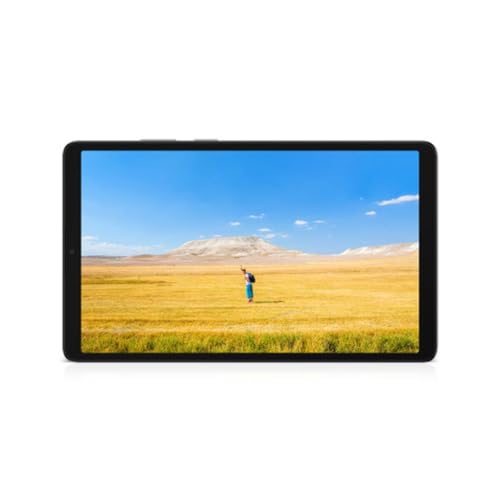
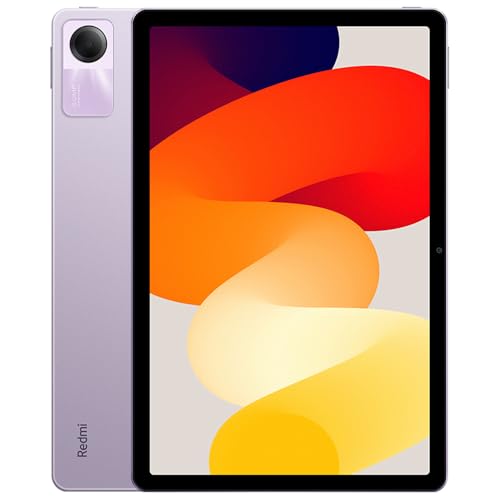
Samsung Galaxy Tab S 8 4 WiFi (3GB + 16GB) review. Compare 168 technical specifications and user reviews to see how this product ranks in the Tablets category and whether it is worth buying.
Overall score
What it is: An overall evaluation of the smartphone's quality, based on technical analyses and user reviews.
When it matters: When you need a quick reference to identify the best Tablets on the market.
Score components:
90.0%
Technical Score
10.0%
User score
Technical Score
What it is: An assessment of the smartphone's technical performance, covering eight key areas: performance & hardware, software, camera, connectivity, display, battery, audio, and design.
When it matters: When you want to compare Tablets based on technical performance and available features.
Score components:
22.0%
Performance
20.0%
Display
16.0%
Camera
14.0%
Battery
12.0%
Connectivity
8.0%
Software & Features
5.0%
Design
3.0%
Audio & Multimedia
User score
What it is: A rating that combines user reviews and the total number of reviews received by the smartphone
When it matters: When you want to know how a smartphone handles daily tasks and how reliable it remains over time according to user feedback.
Score components:
70.0%
User reviews
30.0%
Popularity
Score components:
25.0%
RAM capacity
20.0%
Refresh rate
20.0%
GPU frequency
20.0%
Chipset
15.0%
Battery capacity
Score components:
20.0%
Chipset
20.0%
Battery life
20.0%
RAM capacity
10.0%
Weight
10.0%
Internal storage
10.0%
Keyboard accessory
10.0%
Screen size
Score components:
30.0%
RAM capacity
25.0%
Chipset
20.0%
Internal storage
15.0%
Screen size
5.0%
Keyboard accessory
5.0%
Stylus included
Score components:
20.0%
Screen size
20.0%
Battery life
20.0%
Weight
20.0%
RAM capacity
20.0%
Chipset
Score components:
25.0%
Battery capacity
25.0%
RAM capacity
15.0%
Weight
15.0%
Internal storage
10.0%
Screen size
10.0%
Price
Score components:
20.0%
RAM capacity
20.0%
Battery life
15.0%
Chipset
15.0%
Weight
10.0%
Cellular module
10.0%
5G connectivity
5.0%
GPS
5.0%
Internal storage
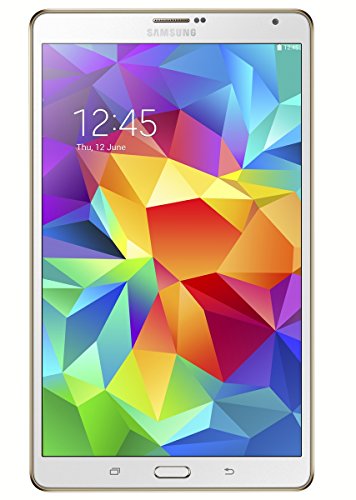
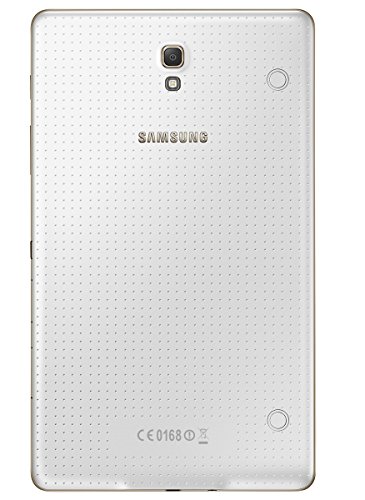
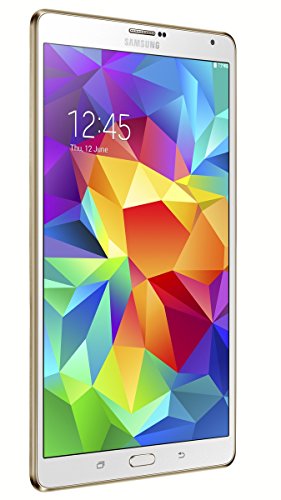


Available: ranking among products currently available (including other versions of this product).
All: ranking among all products in the database.
#39 in Best 8-inch Tablets
#89 in Best Samsung Tablets
#214 in Best Tablets For Seniors
#256 in Best Tablets Under £300
#324 in Best Tablets With SIM Card
#351 in Best Android Tablets
#481 in Best Tablets
What it is: An assessment of the smartphone's technical performance, covering eight key areas: performance & hardware, software, camera, connectivity, display, battery, audio, and design.
When it matters: When you want to compare Tablets based on technical performance and available features.
Score components:
22.0%
Performance
20.0%
Display
16.0%
Camera
14.0%
Battery
12.0%
Connectivity
8.0%
Software & Features
5.0%
Design
3.0%
Audio & Multimedia
What it is: A rating that combines user reviews and the total number of reviews received by the smartphone
When it matters: When you want to know how a smartphone handles daily tasks and how reliable it remains over time according to user feedback.
Score components:
70.0%
User reviews
30.0%
Popularity
What it is: An indicator that combines the smartphone's overall rating with its cost.
When it matters: When you are looking for a smartphone with a good balance between quality and price.
Score components:
60.0%
Overall score
40.0%
Price
Importance: MEDIUM
Good value: >=8 GB
Importance: LOW
Good value: <7 nm
Importance: MEDIUM
Good value: >=128 GB
Importance: MEDIUM
Good value: >1300
Importance: MEDIUM
Importance: MEDIUM
Importance: MEDIUM
Importance: MEDIUM
Good value: >3500
Importance: LOW
Good value: >=8 GB
Importance: LOW
Good value: 5
Importance: LOW
Good value: >20 GB/s
Importance: LOW
Importance: LOW
Good value: >7 W
Importance: LOW
Good value: >2500
Importance: LOW
Good value: >800
Importance: LOW
Good value: >8
Importance: LOW
Good value: >900 MHz
Importance: LOW
Importance: LOW
Good value: >3000
Importance: LOW
Good value: >1200
Importance: LOW
Good value: >3200 MHz
Importance: LOW
Good value: >400
Importance: LOW
Importance: LOW
Good value: 8+
Importance: LOW
Importance: LOW
Good value: >800 MHz
Importance: MEDIUM
Importance: LOW
Importance: LOW
Good value: >10000 million
Importance: LOW
Good value: >=4 MB
Importance: LOW
Good value: >64 KB
Importance: LOW
Good value: >=1 MB
Importance: LOW
Importance: LOW
Good value: 4
Importance: LOW
Good value: >=512 GB
Importance: LOW
Good value: 2.0/3.0
Importance: LOW
Good value: 3.2
Importance: LOW
Good value: 3.3
Importance: LOW
Importance: MEDIUM
Importance: MEDIUM
Good value: >=120 Hz
Importance: HIGH
Importance: MEDIUM
Good value: >250 ppi
Importance: LOW
Importance: MEDIUM
Good value: >500 nits
Importance: MEDIUM
Good value: >=11 inches
Importance: LOW
Importance: LOW
Good value: >120 Hz
Importance: LOW
Importance: LOW
Importance: LOW
Importance: LOW
Good value: >200 Hz
Importance: LOW
Good value: >250 ppi
Importance: MEDIUM
Good value: >400 nits
Importance: LOW
Importance: LOW
Importance: LOW
Importance: LOW
Importance: LOW
Importance: MEDIUM
Importance: HIGH
Good value: >=8 MP
Importance: LOW
Importance: LOW
Importance: MEDIUM
Importance: MEDIUM
Importance: LOW
Importance: LOW
Importance: LOW
Importance: LOW
Importance: LOW
Importance: LOW
Importance: LOW
Importance: LOW
Importance: LOW
Importance: LOW
Importance: LOW
Importance: LOW
Importance: LOW
Importance: LOW
Importance: LOW
Importance: LOW
Importance: LOW
Importance: LOW
Importance: LOW
Importance: LOW
Importance: LOW
Importance: LOW
Importance: LOW
Importance: LOW
Importance: LOW
Importance: MEDIUM
Good value: >8000 mAh
Importance: MEDIUM
Good value: >30 W
Importance: HIGH
Good value: >10 hours
Importance: LOW
Importance: LOW
Importance: LOW
Importance: LOW
Importance: LOW
Importance: MEDIUM
Importance: LOW
Importance: LOW
Importance: LOW
Importance: LOW
Importance: LOW
Importance: LOW
Importance: LOW
Importance: LOW
Importance: LOW
Importance: LOW
Importance: LOW
Importance: LOW
Good value: >5.2
Importance: LOW
Importance: LOW
Importance: LOW
Good value: 3.1/3.2
Importance: LOW
Importance: LOW
Importance: LOW
Importance: LOW
Importance: LOW
Importance: LOW
Importance: LOW
Importance: LOW
Importance: LOW
Importance: MEDIUM
Importance: MEDIUM
Importance: LOW
Importance: LOW
Importance: LOW
Importance: LOW
Importance: LOW
Importance: LOW
Importance: LOW
Importance: LOW
Importance: LOW
Importance: LOW
Importance: LOW
Importance: LOW
Importance: LOW
Importance: LOW
Importance: LOW
Importance: LOW
Importance: LOW
Importance: LOW
Importance: LOW
Importance: LOW
Importance: LOW
Good value: <500 g
Importance: LOW
Importance: LOW
Importance: LOW
Good value: <10 ms
Importance: LOW
Good value: >7
Importance: LOW
Importance: LOW
Importance: LOW
Good value: <7 mm
Importance: LOW
Importance: LOW
Importance: LOW
Importance: LOW
Importance: LOW
Importance: LOW
Good value: >=2
Importance: LOW
Importance: LOW
Importance: LOW
Good value: >=4
Importance: LOW
Importance: LOW
Importance: LOW
Importance: LOW
Importance: LOW
Importance: LOW
Importance: HIGH
Importance: LOW
Importance: MEDIUM
Good value: >250 ppi
Importance: MEDIUM
Importance: LOW
Importance: MEDIUM
Importance: LOW
Good value: <500 g
Importance: LOW
Good value: >250 ppi
Importance: LOW
Importance: MEDIUM
Importance: MEDIUM
Importance: LOW
Importance: LOW
Importance: LOW
Good value: >5.2
Importance: MEDIUM
Good value: >8000 mAh
Importance: MEDIUM
Good value: >=128 GB
(Reviews last updated: May 2026)
The Samsung Galaxy Tab S 8.4 features an exceptional 8.4-inch Super AMOLED display with a 2560x1600 resolution, offering sharp visuals and a thin, lightweight, and portable design. Performance is characterized as highly responsive, driven by an Exynos 5 Octa processor and 3GB of RAM, making it capable of handling multitasking and demanding apps with ease. Key practical pros include consistent battery life, a MicroSD card slot for expansion, and reliable cameras. Real Otaku GamerHowever, the primary drawback is the significant likelihood of minimal future Android updates, with the review noting a slim chance for long-term software support from the manufacturer. Despite this limitation, the tablet is praised for its performance, and the outstanding display quality alone is considered a major highlight. Real Otaku Gamer
The Silicon Republic review highlights the Samsung Galaxy Tab S 8.4-inch and 10.5-inch tablets as premium, ultra-thin (6.6mm) devices featuring stunning Super AMOLED displays with vivid 10,000:1 contrast ratios, making them excellent, highly portable entertainment hubs. Performance is driven by 3GB of RAM and Octa-core processors, while Adaptive Display technology and MicroSD support add further functional advantages. However, the tablets come at a high price point (starting at €399/€499) and suffer from a hit-and-miss fingerprint scanner, a frustrating on-screen keyboard layout, and poor S Voice recognition.
The Samsung Galaxy Tab S 8.4 is a flagship Android tablet featuring a high-resolution 8.4-inch Super AMOLED display (2560x1600, 359 ppi) that delivers excellent contrast and color, all in a 6.6mm thin, lightweight design. Key performance strengths include a robust Exynos 5 Octa processor, 3GB of RAM, and superior battery life during video playback due to the efficient display technology. Additional pros include 128GB microSD expandability, an IR blaster, and a capable 8-megapixel rear camera with LED flash. However, the tablet features a plastic "band-aid" style back panel that feels less premium than competitors, along with a cluttered TouchWiz interface that includes significant bloatware. Performance limitations were noted in the form of web page scrolling lag and lower benchmark scores for high-end gaming. Furthermore, the screen is highly reflective with low peak brightness, making it difficult to use in direct sunlight. Despite its age, the display quality remains a major highlight, making it a strong, albeit sometimes sluggish, device for media consumption, as noted in the source review. Reviewed
The Samsung Galaxy Tab S 8.4 is characterized by IT Pro as a top-tier Android tablet, distinguished by its 8.4-inch Super AMOLED display (2560 x 1600 resolution), which provides superior, vivid visuals compared to competitors. Its design is exceptionally portable at just 6.6mm thick and weighing 294g, featuring a plastic build that, while light, does not feel as premium as metal rivals. The device boasts strong performance via an eight-core Exynos processor and 3GB of RAM, plus an impressive 13.5-hour video playback battery life. Practical features include microSD expansion, Multi Window support, and a responsive screen, although the fingerprint scanner is noted to be inconsistent. However, the tablet lacks USB 3.0, and the thin bezels can cause issues with accidental touch inputs.
The Samsung Galaxy Tab S 8.4 is characterized by its exceptionally light, 6.6 mm thin design and a vibrant 8.4-inch Super AMOLED screen with 2,560 x 1,600 resolution, making it highly portable for media consumption. A key, albeit minor, drawback is the lack of edge touch rejection on the narrow bezels, leading to accidental inputs. Performance-wise, the device offers strong, over-9-hour battery life for video streaming and useful software integration, such as SideSync 3.0 for controlling a Galaxy S5, plus a convenient fingerprint scanner for user switching. However, user experience is tempered by an Android app ecosystem that trails Apple in quality, and occasional performance lags in the Exynos processor. While praised for its display and hardware-to-weight ratio, the tablet's plastic construction may not feel as premium as metal competitors, notes New Atlas. Ultimately, it is positioned as a top-tier Android option of its time, balancing impressive, bright visuals against minor usability and material considerations.
The Samsung Galaxy Tab S 8.4 is characterized by its superior 8.4-inch Super AMOLED display (2560×1600 pixels) and a highly portable, slim 10-ounce design. Powered by an octa-core Exynos processor and 3 GB of RAM, it delivers strong performance with useful software additions like SideSync 3.0 and Multi Window, though it may struggle with high-end gaming compared to competitors. Key downsides noted include a sub-par 7-hour and 56-minute battery life, an unreliable fingerprint scanner, and a plastic-heavy build.
The Gizmodo review highlights the Samsung Galaxy Tab S as a top-tier media tablet, primarily for its industry-leading, "jaw-dropping" Super AMOLED display available in 8.4-inch and 10.5-inch models. While praising the incredibly thin 6.6mm design, the review criticizes the "bland" aesthetic and the "tacky" dimpled plastic back. GizmodoPerformance is generally strong, though hampered by frustrating TouchWiz software bloatware, occasional navigation stutter, and mediocre speakers. Positive features include the intuitive Milk Music service, though the fingerprint scanner is noted as less responsive than competitors. Ultimately, the Tab S is considered the best full-sized Android tablet for video, but it is a tough recommendation for general users due to its high price point compared to cheaper alternatives like the Nexus 7. Despite its superior screen, the high cost and software issues prevent it from definitively beating the iPad.
The Android Central review of the original Samsung Galaxy Tab S (8.4 and 10.5-inch models) highlights a premium, ultra-thin design (6.6mm) featuring a superior Super AMOLED display with deep blacks and vibrant colors. The hardware, inspired by the Galaxy S5, is praised for being lightweight and comfortable to hold, offering a significant, refined upgrade over the preceding Tab Pro series. While the display and form factor are standout features, the review notes drawbacks, including occasional lag in the TouchWiz software overlay and a finicky, unreliable swiping fingerprint sensor. Additionally, while efficient for daily use, the Exynos processor can show performance limitations during intensive GPU tasks compared to Snapdragon variants. Pros include the stunning, high-resolution screen, expandable storage, and long battery life, while cons focus on software optimization issues and the less refined biometric sensor. Overall, the review positions these tablets as top-tier Android options, provided users are accustomed to Samsung's specific UI implementation.
The Ubergizmo review of the 2014 Samsung Galaxy Tab S 8.4 highlights it as a premium, ultra-portable tablet defined by a stunning 8.4-inch Super-AMOLED display and a lightweight, 6.6mm thin chassis. Key advantages include exceptional contrast ratios for media consumption, capable performance with 3 GB of RAM, and useful software features like Multi-window and SideSync 3.0. Additionally, the inclusion of a microSD slot for storage expansion is noted as a significant benefit, though the plastic construction feels less premium than metal alternatives. Despite the high-end display, the review notes drawbacks such as occasional user interface lag and a finicky fingerprint scanner requiring precise swipes. The device remains a strong contender for users prioritizing display quality and portability over a metal build.
The Samsung Galaxy Tab S 8.4-inch is a high-end Android tablet featuring a 2,560x1,600-pixel Super AMOLED display, offering vibrant, high-contrast visuals ideal for media consumption. The device boasts an extremely thin and lightweight design, coupled with powerful performance from an octa-core processor, 3GB of RAM, and useful features like a microSD slot, fingerprint scanner, and IR blaster. Despite its strengths, the tablet is hindered by bloatware, occasional touchscreen lag, and frustrating capacitive button placement that is easily triggered in landscape mode.
The PCMag review highlights the Samsung Galaxy Tab S 8.4 as an "Editors' Choice" for small-screen tablets, largely due to its exceptional 2560x1600 Super AMOLED display and slim, lightweight design. The device offers strong performance for media tasks, excellent battery life, and the advantage of expandable storage via a microSD slot. However, it faces criticism for having a weaker GPU compared to competitors, along with a cluttered software interface that includes the Magazine UX.
The Samsung Galaxy Tab S 8.4 features a stunning 8.4-inch Super AMOLED display with 2,560 x 1,600 resolution, perfect black levels, and vibrant colors, though it has a lower peak brightness of 297cd/m² compared to LCD alternatives. Physically, the device is praised for its thin, 6.6mm, 294g design, despite featuring a plastic, dimpled polycarbonate back that feels less premium than competitors. Performance is generally smooth thanks to an Exynos octa-core processor, although the review noted occasional scrolling judder and gaming performance that lags behind the Sony Xperia Z3 Tablet Compact. Expert ReviewsBattery life is a major strength, with the tablet lasting nearly 14 hours in video playback tests, outlasting many competitors. Useful features include a microSD card slot for storage expansion and an LED flash for the 8-megapixel camera. Conversely, the fingerprint scanner is described as unreliable, and the thin bezels can lead to accidental touch input. While the screen and battery are excellent, newer, faster alternatives may offer better value.
The Samsung Galaxy Tab S 8.4 is characterized by its industry-leading Super AMOLED display, offering a 1600×2560 resolution, and a highly portable design that is 6.6mm thin and weighs 298g. Powered by an octa-core Exynos 5 processor and 3GB of RAM, the device delivers responsive performance, along with practical features including a 4900 mAh battery, an 8-megapixel camera with flash, a fingerprint scanner, and an infrared blaster. However, the review notes drawbacks such as a plastic-heavy build, a cluttered software experience via "Magazine UX," and slightly underwhelming GPU performance in high-end gaming compared to competitors.
The Tech Advisor review highlights the Samsung Galaxy Tab S 8.4 for its exceptional 8.4-inch Super AMOLED display, offering 2560 x 1600 resolution and a slim, lightweight, 6.6mm thick design. Performance is driven by an Exynos 5 Octa processor and 3GB of RAM, with functionality expanded by a microSD card slot and solid, all-day battery life. Conversely, the tablet features a predominantly plastic build and experiences occasional software lag due to Samsung's interface, along with an inconsistent swipe-based fingerprint sensor. Tech Advisor
The Samsung Galaxy Tab S 8.4 (2014) is recognized as a top-tier Android device, highlighted by a 2,560-by-1,600 Super AMOLED display that outmatches competitors in color and sharpness. Its lightweight (294g) and slim (6.6mm) design, along with expandable microSD storage, are key advantages, although it shares the dimpled aesthetic of the Galaxy S5. While featuring a fast octo-core processor, the device faces cons including lower Wi-Fi speeds compared to the iPad and mediocre GPU performance for high-end gaming. Despite software stability issues with Chrome, the tablet offers valuable features like multi-window multitasking and varied media subscription trials. The review notes that while Android tablet apps still lack the refinement of Apple’s ecosystem, the hardware quality is unmatched for the platform at the time. Awarded an Editors' Choice for 2014, the device is considered the premier "lean-back" tablet for media consumption.
The Samsung Galaxy Tab S (8.4-inch) is lauded by What Hi-Fi? as a top-tier Android tablet featuring a vibrant 8.4-inch Super AMOLED display with 2560 x 1600 resolution, offering superior contrast and deep blacks. Despite its 6.6mm slim design, the tablet utilizes a plastic-heavy construction that lacks a premium feel, and the fingerprint scanner is noted as awkward compared to competitors. Key advantages include expandable storage via microSD and high-res audio support, though audio output is considered somewhat lean, and the display's color balance can sometimes appear oversaturated. While highly capable, the review concludes it falls slightly short of the iPad mini due to the latter's superior, more natural display and audio balance. What Hi-Fi?
The Samsung Galaxy Tab S, according to T3, features a "jaw-droppingly good" Super AMOLED display that offers superior resolution, vivid colors, and sharp details compared to the iPad Air. While the tablet excels in media consumption with smooth performance, the stereo speakers are inconveniently placed on the shorter edges, making them prone to being muffled. Designed for portability, the 8.4-inch model is exceptionally slim and light with a secure, grippy back, and it introduces unique features like a fingerprint scanner and the "Simple Clicker" cover system. The review highlights the tablet as a top-tier Android option for media consumption, boasting a superior screen and lightweight design, but notes drawbacks including awkward audio placement and sometimes inconsistent software execution.
The Samsung Galaxy Tab S 8.4 features a standout 2560 x 1600 Super AMOLED display with 359 PPI, offering vibrant visuals in a highly portable 6.6mm, 294g chassis. Performance is robust via an octa-core Exynos 5 chipset and 3GB of RAM, complemented by microSD expansion, long battery life, and Multi-Window functionality. However, drawbacks include a lack of edge-touch rejection, a finicky fingerprint sensor, occasional TouchWiz interface lag, and a limited selection of tablet-optimized Android apps.
The ZDNET review praises the Samsung Galaxy Tab S 8.4 and 10.5 for their stunning high-resolution Super AMOLED displays and ultra-thin, premium 6.6mm design, positioning them as top-tier Android tablets. Key advantages include robust performance, 3GB of RAM, expandable storage, long battery life, and excellent home entertainment control via an infrared port. Conversely, the review notes drawbacks, including a subpar fingerprint scanner, limited SideSync functionality, a lack of extensive tablet-optimized apps, and a high price point compared to competitors.
The Samsung Galaxy Tab S 8.4 is characterized as a "visual treat" for media consumption, headlined by an 8.4-inch Super AMOLED display offering 1600 x 2560 resolution, high color accuracy, and exceptional brightness. Its primary pros include this industry-leading display, an incredibly thin 6.6mm profile, and a lightweight 294g construction, though the plastic chassis lacks a premium feel. Performance, driven by an Exynos 5 Octa 5420 and 3GB of RAM, is generally solid but prone to occasional stuttering and, despite a more refined TouchWiz, the interface is described as underwhelming. Software features are highlighted by SideSync 3.0 for controlling connected Samsung phones, while the 8-megapixel rear camera performs well outdoors, with only moderate low-light limitations. The 4,900 mAh battery delivers average longevity, supporting a full day of typical use but requiring charging for heavy users. Ultimately, while lacking premium materials and NFC, the device is considered a top-tier media tablet. For more details, visit PhoneArena.
The Samsung Galaxy Tab S 8.4 is praised by PCMag UK for its exceptional 8.4-inch Super AMOLED display (2,560-by-1,600 resolution), which delivers vibrant, high-definition visuals in a, light 6.6mm frame. Pros include excellent performance from the octa-core processor, a microSD card slot for storage expansion, and impressive 8-megapixel camera quality. However, the tablet suffers from lower GPU performance compared to rivals and a sometimes cluttered TouchWiz interface, alongside a finicky fingerprint scanner.
The Samsung Galaxy Tab S 8.4, reviewed by Android Authority, features a high-resolution, 2560 x 1600 Super AMOLED display and a notably slim 6.6mm chassis. While the device excels with vibrant colors, excellent portability, and functional features like Multi-Window, it suffers from occasional software stutters and a lack of edge touch rejection, causing accidental inputs. The tablet also suffers from a slow-charging battery and an inconsistent, swipe-based fingerprint scanner.
The Samsung Galaxy Tab S 8.4 and 10.5 are premium, ultra-thin tablets (6.6mm) featuring high-resolution Super AMOLED displays (2560x1600) with exceptional color contrast, notes Connect.de. Pros include the brilliant screen, robust performance via the Exynos 5 Octa processor, a useful 8MP rear camera, and a microSD slot. Conversely, cons include the plastic-heavy, perforated design, a potentially cluttered TouchWiz interface, a finicky fingerprint scanner, and very limited available storage on the 16GB model.
The Samsung Galaxy Tab S 8.4 features a brilliant 8.4-inch Super AMOLED display (2560x1600 pixels) that offers high contrast, vibrant colors, and deep blacks for media consumption. Its 6.6mm slim, 294-gram design makes it exceptionally portable and comfortable to hold, though the plastic casing lacks a premium feel compared to competitors. The tablet features robust performance for daily tasks, an 8MP camera, microSD card support, and reliable battery life. Key drawbacks include occasional UI lag, a finicky fingerprint scanner, and a lack of edge-touch rejection, causing accidental inputs.
The Hardwareluxx review highlights the Samsung Galaxy Tab S 8.4 LTE as a high-end, compact competitor to the iPad mini, featuring an 8.4-inch Super AMOLED display with excellent contrast, vibrant colours, and a slim, lightweight design. Performance is driven by an octa-core Exynos 5420 SoC, while functionality includes 4G LTE, a fingerprint scanner, and a capable 8-megapixel rear camera with LED flash. However, the device utilizes a plastic build rather than premium materials, and the over-saturated screen and TouchWiz software may be considered drawbacks by some users.
The Samsung Galaxy Tab S 8.4 is a high-end Android tablet defined by its exceptionally slim 6.6 mm profile and light weight of 294 grams. While utilizing a plastic chassis with a "dimpled" texture, the design offers a secure grip and resists fingerprints effectively. A standout feature is the 8.4-inch Super AMOLED screen, providing superior 2560x1600 resolution, vibrant colors, and 419-nits brightness, though thin bezels can cause accidental touch inputs. Equipped with an Exynos 5 Octa processor and 3 GB of RAM, the device delivers strong overall performance for daily tasks and media consumption. However, some reviewers noted occasional lag in the TouchWiz interface and potential, inconsistent performance from the fingerprint scanner. Despite limited, non-expandable storage, the tablet offers impressive longevity with over 13 hours of video playback. Overall, the Tab S 8.4 is praised for its display quality and portability, marking it a strong competitor in the premium tablet market, as outlined in the Notebookcheck review.
The 2014 Stiftung Warentest review highlights the Samsung Galaxy Tab S 8.4 and 10.5, praising their high-resolution Super AMOLED displays, slim 6.6mm profile, and vibrant color reproduction. Key advantages include long battery life, micro-SD expansion, and a convenient fingerprint scanner. However, the plastic casing lacks a premium feel, the user interface occasionally stutters, and the tablet app ecosystem lags behind competitors.
In a 2014 review of the Samsung Galaxy Tab S, Der Spiegel identifies the device as a top-tier iPad competitor, highlighted by its standout, vibrant Super AMOLED display. The tablet is lauded for being exceptionally thin and lightweight, though the dimpled plastic back design is considered less premium than metal alternatives. Performance is driven by an Exynos octa-core processor and 3GB of RAM, making it a strong choice for media consumption, supplemented by convenient microSD storage expansion. Cons mentioned in the review include potential color over-saturation on the screen, a cluttered software experience, and battery drain under heavy, high-brightness usage. Despite these issues, the device excels in functionality with features like a fingerprint scanner and SideSync, according to industry coverage. Concluding the assessment, Der Spiegel frames the Tab S as a top Android, albeit one held back by a lack of tailored tablet applications compared to Apple's ecosystem. It is considered a premier choice for those prioritizing display quality and expandable storage.
The Samsung Galaxy Tab S 8.4 is a high-end Android tablet designed as a direct competitor to the iPad mini, featuring an ultra-slim 6.6mm profile and a lightweight 298g build. Its standout feature is the 8.4-inch Super AMOLED display (2560x1600 resolution), offering exceptional contrast and vibrant color reproduction that excels for media consumption. While the device provides strong performance via an Exynos octa-core processor, a microSD slot, and long battery life exceeding 10 hours, it faces criticism for its plastic, non-premium construction and inconsistent fingerprint scanner. Additionally, the GPU can struggle with high-end gaming, and the Android ecosystem suffers from fewer tablet-optimized apps compared to its rival. 4
The Samsung Galaxy Tab S 8.4 and 10.5 feature premium 2560 x 1600 Super AMOLED displays in a remarkably thin 6.6mm chassis, offering vibrant colors and deep blacks. Despite a plastic build, the tablets feel solid and include microSD card expansion, making them highly portable, high-quality media devices. Pros include the stunning display and long battery life, while cons focus on the cluttered TouchWiz software, potential for minor performance stutter, and a finicky fingerprint sensor. Copy
The Samsung Galaxy Tab S 8.4 is characterized by its superior 8.4-inch Super AMOLED display, offering a 2560 x 1600 resolution and 359 PPI for exceptional, vibrant picture quality. Its design is a major selling point, featuring a remarkably thin 6.6mm profile and 294g weight, making it highly portable and comfortable for long-term use. The tablet is lauded as a top-tier media consumption device. 4 Performance is driven by an octa-core Exynos 5 processor and 3GB of RAM, ensuring a smooth, responsive experience for daily tasks, along with practical inclusions like a microSD card slot and an infrared blaster. It also features an 8MP rear camera and, while running Android, it is enhanced by software tools like Multi-Window for enhanced productivity. 4 However, the tablet's plastic construction feels less premium compared to competitors, such as the iPad Mini. Other identified drawbacks include an unreliable, inconsistent fingerprint scanner and a heavily customized, sometimes cluttered user interface, alongside GPU performance that can falter during high-end gaming. 4
The Samsung Galaxy Tab S 8.4 is characterized as a premium, compact tablet featuring a stunning 8.4-inch Super AMOLED display (2560 x 1600 resolution) that offers exceptional contrast and vibrant, punchy colors. Its ultra-slim (6.6mm) and lightweight (298g) design makes it highly portable, while the Exynos 5 Octa processor ensures smooth performance for media and multitasking, including unique software features like SideSync 3.0. However, the tablet’s plastic-heavy build and dimpled back-plate are noted as less premium compared to metal competitors, and its 4900 mAh battery offers only average longevity, particularly for heavy users. Additionally, the 8-megapixel rear camera provides decent, though occasionally noisy, images, and the lack of proper palm rejection on the narrow bezels can cause accidental input issues. Pros include the high-resolution display, excellent performance, and ergonomic, lightweight design. Cons are centered on the plastic construction, average battery life, and potential for accidental screen touches.
The Samsung Galaxy Tab S 8.4 features a 2560 x 1600 Super AMOLED display, offering vibrant colors and deep blacks. The tablet is noted for its lightweight 6.6mm design, Exynos 5 octa-core performance, 3GB RAM, and long-lasting battery. While offering high-end features like a fingerprint sensor, the device is criticized for its plastic build, pre-installed bloatware, and inconsistent fingerprint scanner performance. For more details, visit IT Pro. 4
The Samsung Galaxy Tab S 8.4 features an exceptional 8.4-inch Super AMOLED display with 2560x1600 resolution and a slim, lightweight 294g design. It boasts near-perfect color accuracy and excellent contrast, though it suffers from occasional TouchWiz interface lag and an unreliable fingerprint scanner. The device offers solid, but not exceptional, battery life, alongside decent cameras that struggle in low-light conditions.
The Samsung Galaxy Tab S 8.4 is acclaimed for its superior 8.4-inch Super AMOLED display (2560x1600), offering exceptional brightness, contrast, and sharpness compared to rivals, making it ideal for media. Its slim 6.6mm profile and light 294g weight are key design pros, complemented by robust performance from an Exynos 5 octa-core processor, 3GB of RAM, and long battery life exceeding 13 hours. However, the tablet has notable cons, including a plastic-heavy build that feels less premium and an unreliable fingerprint scanner requiring precise, slow swipes. Furthermore, the 16GB base storage is quickly consumed by the operating system, and the TouchWiz interface with "Magazine UX" is viewed as cluttered, despite useful multitasking features. 4 Performance, while generally strong, can occasionally show lag in demanding games or complex web browsing due to GPU limitations. Overall, the device represents a high-end multimedia experience hampered slightly by build material and software bloat. Read more from the sources at 4G.co.uk, CNET, and PCMag UK.
The Samsung Galaxy Tab S is a premium tablet featuring a 2560 x 1600 Super AMOLED display, widely praised for vivid colors and high contrast, making it an excellent device for media consumption. Its thin, lightweight design is powered by an octa-core processor and 3GB of RAM, ensuring smooth performance. Additionally, the tablet offers practical features like a MicroSD card slot, SideSync for controlling Samsung phones, and a specialized adaptive display mode. However, the tablet's plastic, dimpled back design feels less premium than competitors, and the integrated fingerprint scanner is often cited as inaccurate and finicky. Furthermore, the TouchWiz software interface is considered overly cluttered with pre-installed applications, and the side-firing speakers are easily covered by hands. Overall, it remains a top-tier Android option despite these ergonomic and design flaws. For more details, visit Phonandroid.
The Samsung Galaxy Tab S is positioned as a premium Android tablet featuring a superior Super AMOLED display (8.4 or 10.5 inches) with 2560x1600 resolution, offering exceptional contrast and color accuracy. Its ultra-thin 6.6mm design, weighing 465 grams for the larger model, makes it highly portable, despite the plastic, faux-leather build. Performance is driven by a powerful Exynos 5 Octa or Snapdragon 800 processor with 3GB of RAM. Key advantages include the microSD storage expansion, a functional fingerprint sensor, and a "Samsung Gifts" software package, alongside smooth high-definition content playback. The screen, considered best-in-class at the time, offers vibrant, deep blacks that define the viewing experience. Conversely, the device suffers from mediocre battery life, lasting only 7 to 8 hours, and notably slow charging speeds. The TouchWiz interface can occasionally experience performance stutters, and the tablet app ecosystem remains underdeveloped compared to iOS, according to the Xataka analysis.
The ENTER.CO review positions the Samsung Galaxy Tab S as a high-end, 6.6mm thin tablet, focusing on significant software improvements and a lightweight design despite a plastic build. Key pros include the stunning Super AMOLED display, solid performance from its octa-core processor, and features like microSD storage, though the plastic construction feels less premium to some. Conversely, cons include an unreliable fingerprint scanner, occasional software stuttering, and flat-sounding speakers.
The Samsung Galaxy Tab S 8.4 features a 2560 x 1600 Super AMOLED display, offering exceptional, high-contrast visuals alongside a highly portable 6.6mm thin, 294g design. Performance is driven by an Exynos 5 Octa processor and 3GB of RAM, enabling efficient multitasking and long-lasting battery life of up to 12 hours of video playback. Key advantages include a microSD slot for expandable storage and an IR blaster, though the device's plastic rear design and inconsistent, swipe-based fingerprint sensor are notable drawbacks. For a detailed look at this, visit the SmartWorld review 4
The Samsung Galaxy Tab S is lauded for its superior Super AMOLED display (2560x1600) and an exceptionally thin, lightweight 6.6mm design, making it a top-tier media consumption device. Powered by an octa-core processor and 3GB of RAM, the tablet offers strong performance alongside practical features like an IR blaster, fingerprint scanner, and expandable microSD storage. However, the experience is hindered by Samsung’s heavy, pre-installed software, which can lead to occasional interface lag despite the powerful hardware. While the screen is a major highlight, the plastic construction feels less premium than competitors, and the stereo speaker placement makes them prone to being covered by the user’s hands. Pros include the best-in-class display and high portability, while cons focus on bloatware and minor, consistent performance stutters under heavy use.
The Samsung Galaxy Tab S 8.4 and 10.5 feature WQXGA Super AMOLED displays, offering exceptional contrast and image quality, housed in a thin, lightweight 6.6mm plastic chassis. While the Exynos 5 Octa processor and 3GB of RAM provide decent performance, the devices suffer from occasional software lag and an unreliable, swipe-based fingerprint scanner. Despite the plastic build lacking a premium feel, the tablets excel with features like microSD storage expansion, superior media consumption capabilities, and good battery life.
The Samsung Galaxy Tab S (8.4 and 10.5-inch) review on Tweakers highlights the Super AMOLED displays as a major advancement, offering exceptional 2560x1600 resolution, vibrant colors, and infinite contrast. These tablets are exceptionally thin (6.6mm), lightweight, and feature a microSD slot for expandable storage, making them highly portable and versatile. However, the plastic, dimpled design feels less premium than aluminum competitors, and the Exynos 5 processor can experience stuttering under heavy load.
This 2014 NRC guide highlights top gadgets for the holiday season, praising the Apple iPhone 6 and 6 Plus for design and performance despite high prices, while favoring the HTC One M8 for build quality and Samsung Galaxy S5 for screen quality. The review recommends the Samsung Galaxy Note 4 for its display and the LG G3 for sharpness, while advising on the GoPro Hero4 for 4K action, despite requiring smartphone controls. Productivity options include the MacBook Air for portability and Toshiba Chromebook 2 for budget web use, alongside comparisons of the feature-rich Fitbit Charge and the uncomfortable but advanced Microsoft Band. NRC
The Samsung Galaxy Tab S 8.4-inch (Bronze) features a standout Super AMOLED display described as vibrant and immersive, complemented by an exceptionally thin, lightweight, and ergonomic design. While hardware performance is generally high-end, the software experience is hampered by Samsung's TouchWiz interface, which occasionally causes stuttering, and the plastic "dimpled" back is deemed less premium than metal competitors. Notable pros include excellent, multi-day battery life for media playback and the inclusion of a microSD slot to expand the limited user-accessible storage. Overall, the device is considered a top-tier Android tablet in its size category despite minor software optimization issues.
The Samsung Galaxy Tab S 8.4 features an 8.4-inch Super AMOLED display with a 2560 x 1600 resolution and 359 PPI, offering vibrant colors and deep blacks. The device is highly portable, measuring just 6.6mm thin and weighing 294g, although its plastic, "stippled" back design feels less premium than metal competitors. 4 Powered by an octa-core Exynos 5 chip and 3GB of RAM, the tablet delivers smooth performance for media, boasting 10–12 hours of video battery life, though it can experience minor lag in the TouchWiz interface. Notable, yet sometimes finicky, features include a fingerprint scanner and SideSync 3.0, along with a functional 8-megapixel rear camera with an LED flash. 4 The tablet supports microSD expansion up to 128GB, which is a significant pro for media storage, but it suffers from occasional accidental touches due to thin bezels. While it is a top-tier choice for screen quality, users may find the plastic construction and the broader Android tablet app ecosystem to be drawbacks. For more details, visit 4G.co.uk. 4
The Samsung Galaxy Tab S 8.4 is a high-end, ultra-portable Android tablet, notable for its exceptionally thin 6.6 mm profile and light 294-gram weight. Its primary strength is the 8.4-inch Super AMOLED display, offering 2560x1600 resolution with vibrant colors and perfect contrast, making it ideal for media consumption. Performance is driven by an Exynos 5 Octa processor and 3 GB of RAM, ensuring smooth operation for daily tasks, though the Mali-T628 MP6 GPU can struggle with demanding, high-detail gaming. Connectivity features are a highlight, including LTE, a microSD card slot for storage expansion, and an infrared blaster, which are significant pros for productivity. The tablet's drawbacks include a primarily plastic construction that lacks a premium feel compared to metal competitors, along with the lack of NFC connectivity. Additionally, the integrated swipe-based fingerprint scanner is often unreliable, and the 16 GB internal storage is quite limited, making the microSD slot essential. For more details, visit the Samsung Galaxy Tab S 8.4 review on Notebookcheck.
The Samsung Galaxy Tab S 8.4 and 10.5, reviewed on AndroidWorld.nl, are positioned as premium tablets challenging Apple's market dominance, highlighted by an exceptional 2560 x 1600 Super AMOLED display. Key advantages include a remarkably thin (6.6mm) and lightweight design, along with an Exynos 5 Octa processor that ensures fast performance and efficient multitasking. Further benefits feature expandable storage via microSD and a decent 8MP rear camera. However, the devices suffer from a plastic, dimpled design that feels less premium than metal alternatives, alongside a frequently unreliable fingerprint scanner. While the display is top-tier, the software occasionally exhibits minor lag, and the Android tablet ecosystem is cited for having fewer optimized apps than iOS. Despite these minor drawbacks, the combination of hardware, display quality, and battery life makes them strong contenders in the high-end market.
The Samsung Galaxy Tab S 8.4, reviewed by Android Planet, is a high-end tablet offering a premier multimedia experience defined by its 8.4-inch Super AMOLED display (2560 x 1600 pixels). The device boasts exceptional portability with a 6.6mm, 298g design, alongside solid performance from its Exynos octa-core processor and 3GB of RAM. Key features include a reliable 8-megapixel rear camera, a fingerprint scanner, and a battery lasting nearly 12 hours of video playback. Despite its high-end performance, the tablet's construction relies on a dimpled plastic design, which some users may perceive as less premium than metal competitors. The software, while functional, occasionally exhibits minor performance hiccups associated with the TouchWiz interface. Additionally, the fingerprint scanner requires a specific, sometimes unreliable, swipe gesture. 4 The high launch price position the tablet as a significant investment compared to budget alternatives. However, the brilliant display, impressive thinness, and expandability through microSD storage make it a strong contender in its class.

Compare