Scored using Tablets Methodology v1.0
Tablets Methodology v1.0
Mathematical & Unbiased Scoring
Products in this category are scored under Frontum Tablets Methodology v1.0: technical specifications plus authentic consumer ratings, with 0% commercial bias.
Explore Tablets Methodology v1.0

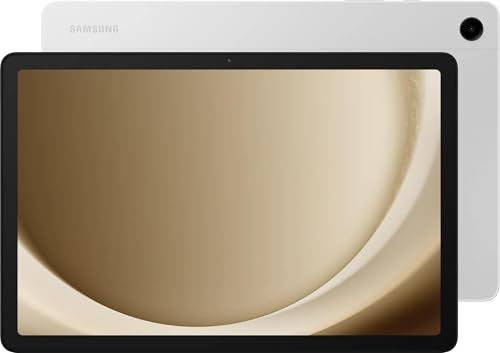
Samsung Galaxy Tab A9 Plus Cellular (4GB + 64GB) Review | 168 Data compared

Avg. price:~£260RAM capacity:4 GBInternal storage:64 GBScreen size:11 inchesChipset:Qualcomm Snapdragon 695

Samsung Galaxy Tab A9 Plus Cellular (4GB + 64GB) Review: Compare 168 technical specifications and user reviews to see how this product ranks in the Tablets category and whether it is worth buying.

Samsung Galaxy Tab A9 Plus Cellular (4GB + 64GB)
7.4/10

Overall score

Score
7.4/ 10
✕
What it is
An overall evaluation of the smartphone's quality, based on technical analyses and user reviews.
When it matters
When you need a quick reference to identify the best Tablets on the market.
Score distribution
â–¼
<55-66-77-88-99-10
Score components

90%

7.2

Technical score

10%

9.2

User score

â–²Better than 75% of tablets
7.9

Value for money

Value for money
7.9/ 10
✕
What it is
An indicator that combines the smartphone's overall rating with its cost.
When it matters
When you are looking for a smartphone with a good balance between quality and price.
Score distribution
â–¼
<55-66-77-88-99-10
Score components

70%

7.4

Overall score

30%

9.2

Price

â–²Better than 80%
7.2

Technical score

Technical score
7.2/ 10
✕
What it is
An assessment of the smartphone's technical performance, covering eight key areas: performance & hardware, software, camera, connectivity, display, battery, audio, and design.
When it matters
When you want to compare Tablets based on technical performance and available features.
Score distribution
â–¼
<55-66-77-88-99-10
Score components

22%

6.8

Performance

20%

6.7

Display

16%

7.5

Camera

14%

5.9

Battery

12%

8.1

Connectivity

8%

9.0

Software & Features

5%

6.4

Design

3%

9.1

Audio & Multimedia

â–²Better than 73%
9.2

User score

User score
9.2/ 10
✕
What it is
A rating that combines user reviews and the total number of reviews received by the smartphone
When it matters
When you want to know how a smartphone handles daily tasks and how reliable it remains over time according to user feedback.
Score distribution
â–¼
<55-66-77-88-99-10
Score components

70%

8.8

User ratings

30%

10

Number of reviews

Based on ratings from across the web.
★Better than 93%
  • samsung-galaxy-tab-a9-plus-4gb-64gb-cellular
  • samsung-galaxy-tab-a9-plus-4gb-64gb-cellular
  • samsung-galaxy-tab-a9-plus-4gb-64gb-cellular
  • samsung-galaxy-tab-a9-plus-4gb-64gb-cellular
  • samsung-galaxy-tab-a9-plus-4gb-64gb-cellular
  • samsung-galaxy-tab-a9-plus-4gb-64gb-cellular
  • samsung-galaxy-tab-a9-plus-4gb-64gb-cellular
  • samsung-galaxy-tab-a9-plus-4gb-64gb-cellular
samsung-galaxy-tab-a9-plus-4gb-64gb-cellular
Where to buy
*As an Amazon Associate, we earn from qualifying purchases.
Available versions:
Loading...
Loading category ranking...

Technical Specifications of tablet Samsung Galaxy Tab A9 Plus Cellular (4GB + 64GB)

Technical score
Technical score
7.2/ 10
✕
What it is
An assessment of the smartphone's technical performance, covering eight key areas: performance & hardware, software, camera, connectivity, display, battery, audio, and design.
When it matters
When you want to compare Tablets based on technical performance and available features.
Score distribution
â–¼
<55-66-77-88-99-10
Score components:

22%

6.8

Performance

20%

6.7

Display

16%

7.5

Camera

14%

5.9

Battery

12%

8.1

Connectivity

8%

9.0

Software & Features

5%

6.4

Design

3%

9.1

Audio & Multimedia

7.2
User score
User score
9.2/ 10
✕
What it is
A rating that combines user reviews and the total number of reviews received by the smartphone
When it matters
When you want to know how a smartphone handles daily tasks and how reliable it remains over time according to user feedback.
Score distribution
â–¼
<55-66-77-88-99-10
Score components

70%

8.8

User ratings

30%

10

Number of reviews

Based on ratings from across the web.
9.2
Popularity
Popularity
10/ 10
✕
What it is
An indicator based on the number of reviews received by the smartphone.
When it matters
When you prefer to purchase a product chosen and reviewed by many other consumers.
Score distribution
â–¼
<55-66-77-88-99-10
Popularity:
Samsung Galaxy Tab A9 Plus Cellular (4GB + 64GB) has a user popularity of 10 points, which is lower than 91.8% of Tablets.
10
Value for money
Value for money
7.9/ 10
✕
What it is
An indicator that combines the smartphone's overall rating with its cost.
When it matters
When you are looking for a smartphone with a good balance between quality and price.
Score distribution
â–¼
<55-66-77-88-99-10
Score components:

70%

7.4

Overall score

30%

9.2

Price

7.9
RAM capacity
4 GB
This tablet has a RAM capacity of 4 GB which is larger than the RAM capacity of 47.6% of tablets and equal to that of 17.6% of tablets.
Process node
6 nm
This tablet is built on a 6 nm process node, which is smaller than the node size used in 76.4% of tablets and equal to the node used in 8.2% of tablets.
Internal storage
64 GB
This tablet has an internal storage capacity of 64 GB which is larger than the storage of 39.5% of tablets and equal to that of 17.1% of tablets.
Geekbench 6 single-core benchmark score
918 points
This tablet scored 918 points in Geekbench 6 (single-core) which is higher than the score of 56.2% of tablets.
Chipset
Qualcomm Snapdragon 695
This tablet uses the Qualcomm Snapdragon 695 chipset, which is more advanced than the chipsets in 61.5% of tablets and equal to those in 0.3% of tablets.
Show more
Screen resolution
1920×1200
This tablet has a screen resolution of 1920×1200 which is higher than that of 39.2% of tablets and equal to that of 18.8% of tablets.
Refresh rate
90 Hz
This tablet supports a refresh rate of 90 Hz which is higher than in 73.8% of tablets and equal to that in 6.5% of tablets.
Display type
LCD
This tablet uses a LCD display type. 83% of tablets use this display technology.
Pixel density
206 ppi
This tablet has a pixel density of 206 ppi which is lower than that of 60.8% of tablets and equal to that of 1.1% of tablets.
Display glass type
?
Show more
Optical image stabilization
no
This tablet does not support optical image stabilization. 0.4% of tablets include OIS.
Main camera megapixels
8 MP
This tablet has a main camera resolution of 8 MP which is higher than that of 36.5% of tablets and equal to that of 31.8% of tablets.
Front camera megapixels
5 MP
This tablet has a front camera resolution of 5 MP which is higher than in 48.8% of tablets and equal to that in 19.6% of tablets.
Main camera aperture
f/2.0
This tablet has a main camera aperture of f/2.0 which is wider than that of 57.5% of tablets and equal to that of 24.5% of tablets.
Optical zoom
N/A
Show more
Battery capacity
7,040 mAh
This tablet has a battery capacity of 7,040 mAh which is larger than the batteries in 57.9% of tablets and equal to those in 2% of tablets.
Charging speed
15 W
This tablet supports charging speeds of 15 W which is slower than in 52.2% of tablets and equal to speeds in 6.3% of tablets.
Battery life
10 hours
This tablet has a battery life of 10 hours, which is longer than that of 39.1% of tablets and equal to that of 20.5% of tablets.
web browsing
Wireless charging
no
This tablet does not support wireless charging. 1.5% of tablets support wireless charging.
Fast charging
yes
This tablet supports fast charging. 50.4% of tablets support fast charging.
Show more
LTE support
yes
This tablet supports LTE. 36.8% of tablets include LTE connectivity.
Wi-Fi connectivity
yes
This tablet supports Wi-Fi connectivity. 0.2% of tablets offer Wi-Fi support.
GPS
yes
This tablet supports GPS. 17.3% of tablets include GPS functionality.
5G connectivity
yes
This tablet supports 5G connectivity. 89% of tablets support 5G.
NFC
no
This tablet does not support NFC. 10.9% of tablets support NFC.
Show more
Operating system
Android
This tablet uses the Android operating system, which is more advanced than the one used by 23.3%.
Update support duration
medium
This tablet offers medium update support, which is longer than the support period of 47.3% of tablets and equal to that of 32.6% of tablets.
Direct OS updates
yes
This tablet receives direct OS updates. 20.3% of tablets receive direct updates.
On-device AI
?
App tracking protection
yes
This tablet includes app tracking protection. 71.8% of tablets include app tracking protection.
Show more
IP rating
not rated
This tablet has an IP rating of not rated which is lower than that of 16.3% of tablets and equal to that of 83.7% of tablets.
Weight
491 g
This tablet weighs 491 g which is heavier than 50.7% of tablets and equal to the weight of 0.1% of tablets.
Backlit keyboard
no
This tablet does not support a backlit keyboard. 9.8% of tablets support backlit keyboards.
Keyboard accessory
yes
This tablet supports a keyboard accessory. 15.8% of tablets support this option.
Pen latency
N/A
Show more
Number of microphones
2
This tablet includes 2 microphones, which is more than in 55.1% of tablets and equal to the number in 32.7% of tablets.
aptX Adaptive
no
This tablet does not support aptX Adaptive. 6.9% of tablets offer this codec.
Dolby Atmos support
yes
This tablet supports Dolby Atmos. 68.6% of tablets support Dolby Atmos.
N. of speakers
4
This tablet includes 4 speakers, which is more than in 70.9% of tablets and equal to the number in 22.7% of tablets.
FM radio
no
This tablet does not include an FM radio. 19% of tablets offer FM radio functionality.
Show more

Samsung Galaxy Tab A9 Plus Cellular (4GB + 64GB) vs the average tablet

246810TotalPerformanceDisplayCameraBatteryConnectivitySoftware & FeaturesDesignAudio & Multimedia
  • More capable chipset
    This tablet uses the Qualcomm Snapdragon 695 chipset, while the average tablet uses MediaTek MT8169A.
    Qualcomm Snapdragon 695 vs MediaTek MT8169A
  • 50% higher refresh rate
    This tablet has a higher refresh rate than the average tablet (90 Hz vs 60 Hz). The average tablet has refresh rate of 60 Hz.
    90 Hz vs 60 Hz
  • Better GPU
    This tablet uses the Adreno 619 GPU, while the average tablet uses Mali-G51. GPU choice is one of the main performance differences between tablets.
    Adreno 619 vs Mali-G51
  • Supports 5G connectivity
    This tablet supports 5G connectivity, the average tablet does not. 11.1% of tablets are 5G compatible.
  • Supports adaptive refresh rate
    This tablet has adaptive refresh rate, the average tablet does not. 17.6% of tablets support adaptive refresh rate.
  • 149 nits higher peak brightness
    This tablet has a higher peak brightness than the average tablet (550 nits vs 401 nits). The average tablet reaches 401 nits peak brightness.
    550 nits vs 401 nits
  • Supports PDAF
    This tablet supports PDAF, the average tablet does not. 28.1% of tablets support PDAF.
  • Supports fast charging
    This tablet supports fast charging, the average tablet does not. 49.7% of tablets feature fast charging.
  • 14.6% higher user score
    User score
    9.2/ 10
    ✕
    What it is
    A rating that combines user reviews and the total number of reviews received by the smartphone
    When it matters
    When you want to know how a smartphone handles daily tasks and how reliable it remains over time according to user feedback.
    Score distribution
    â–¼
    â–¼
    <55-66-77-88-99-10
    Samsung Galaxy Tab A9 Plus Cellular
    the average tablet
    Samsung Galaxy Tab A9 Plus Cellular (4GB + 64GB) has a higher user score than the average tablet (9.17 vs 8.000).
    9.17 vs 8
  • 2.08x more popular
    Samsung Galaxy Tab A9 Plus Cellular (4GB + 64GB) is more popular than the average tablet (10 vs 4.8).
    10 vs 4.81
  • 11.2% better value for money
    Samsung Galaxy Tab A9 Plus Cellular (4GB + 64GB) has better value for money than the average tablet (7.9 vs 7.1).
    7.9 vs 7.1
  • More capable chipset
    This tablet uses the Qualcomm Snapdragon 695 chipset, while the average tablet uses MediaTek MT8169A.
    Qualcomm Snapdragon 695 vs MediaTek MT8169A
  • Better GPU
    This tablet uses the Adreno 619 GPU, while the average tablet uses Mali-G51. GPU choice is one of the main performance differences between tablets.
    Adreno 619 vs Mali-G51
  • 57.1% smaller process node
    This tablet uses a smaller process node than the average tablet (6 nm vs 14 nm). The average tablet uses a process node of 14 nm.
    6 nm vs 14 nm
  • Newer DDR memory version
    This tablet supports a newer DDR version than the average tablet (LPDDR4X vs LPDDR3). The average DDR version is LPDDR3.
    LPDDR4X vs LPDDR3
  • 2 more CPU threads
    This tablet has more CPU threads than the average tablet (8 vs 6). The average tablet has 6 CPU threads.
    8 vs 6
  • Includes neural engine
    This tablet includes a neural engine, the average tablet does not. 25.7% of tablets include a neural engine.
  • 10% higher CPU speed
    This tablet has a higher CPU speed than the average tablet (2.2 GHz vs 2 GHz). The average tablet has CPU speed of 2 GHz.
    2.2 GHz vs 2 GHz
  • 29.2% faster GPU clock
    This tablet has a higher GPU frequency than the average tablet (840 MHz vs 650 MHz). The average tablet has GPU frequency of 650 MHz.
    840 MHz vs 650 MHz
  • 50% higher refresh rate
    This tablet has a higher refresh rate than the average tablet (90 Hz vs 60 Hz). The average tablet has refresh rate of 60 Hz.
    90 Hz vs 60 Hz
  • Supports adaptive refresh rate
    This tablet has adaptive refresh rate, the average tablet does not. 17.6% of tablets support adaptive refresh rate.
  • 149 nits higher peak brightness
    This tablet has a higher peak brightness than the average tablet (550 nits vs 401 nits). The average tablet reaches 401 nits peak brightness.
    550 nits vs 401 nits
  • 80 nits higher typical brightness
    This tablet has a higher typical brightness than the average tablet (480 nits vs 400 nits). The average tablet reaches 400 nits typical brightness.
    480 nits vs 400 nits
  • 0.9 inches larger screen size
    This tablet has a higher screen size than the average tablet (11 inches vs 10.1 inches). The average tablet has screen size of 10.1 inches.
    11 inches vs 10.1 inches
  • Supports PDAF
    This tablet supports PDAF, the average tablet does not. 28.1% of tablets support PDAF.
  • Allows manual focus
    This tablet allows manual focus control, the average tablet does not. 37.2% of tablets include manual focus.
  • Allows manual ISO
    This tablet allows manual ISO adjustment, the average tablet does not. 46% of tablets feature manual ISO.
  • Wider main camera aperture
    This tablet has a better main camera aperture than the average tablet (f/2 vs f/2.2). The average tablet uses f/2.2 main camera aperture.
    f/2.0 vs f/2.2
  • Supports slow-motion recording
    This tablet supports slow-motion recording, the average tablet does not. 37.5% of tablets offer slow-mo.
  • Supports fast charging
    This tablet supports fast charging, the average tablet does not. 49.7% of tablets feature fast charging.
  • Includes battery health monitoring
    This tablet features battery health monitoring, the average tablet does not. 37% of tablets include battery health tools.
  • 7% larger battery capacity
    This tablet has a higher battery capacity than the average tablet (7,040 mAh vs 6,580 mAh). The average tablet battery has capacity of 6,580 mAh.
    7,040 mAh vs 6,580 mAh
  • Supports 5G connectivity
    This tablet supports 5G connectivity, the average tablet does not. 11.1% of tablets are 5G compatible.
  • Supports eSIM
    This tablet supports eSIM, the average tablet does not. 11.5% of tablets support eSIM.
  • Newer Bluetooth version
    This tablet supports a newer Bluetooth version than the average tablet (5.1 vs 5). The average tablet uses Bluetooth 5.0.
    5.1 vs 5.0
  • Supports live text recognition
    This tablet supports live text recognition, the average tablet does not. 34.9% of tablets can recognize text from images.
  • Includes app tracking protection
    This tablet includes app tracking protection, the average tablet does not. 28.3% of tablets offer app tracking protection.
  • Supports dynamic theme
    This tablet features dynamic themes, the average tablet does not. 29% of tablets offer dynamic theming.
  • Supports extra dim mode
    This tablet features extra dim mode, the average tablet does not. 35.4% of tablets support extra diming.
  • Includes clipboard warnings
    This tablet has clipboard warnings, the average tablet does not. 39.9% of tablets include clipboard warnings.
  • 1.1 mm thinner
    This tablet is thinner than the average tablet (6.9 mm vs 8 mm). The average tablet is 8.0 mm thick.
    6.9 mm vs 8.0 mm
  • Designed for kids
    This tablet is suitable for kids, the average tablet is not. 23.7% of tablets are suitable for kids.
  • 4 newer release date
    This tablet has a newer release date than the average tablet (2023 vs 2019).
    October 2023
    2023 vs 2019
  • 2 more speakers
    This tablet has more speakers than the average tablet (4 vs 2). The average tablet has 2 speakers.
    4 vs 2
  • Supports Dolby Atmos
    This tablet supports Dolby Atmos, the average tablet does not. 31.5% of tablets support Dolby Atmos.
  • 1 more microphone/s
    This tablet has more microphones than the average tablet (2 vs 1). The average tablet has 1 microphones.
    2 vs 1
  • Supports LDAC
    This tablet supports LDAC, the average tablet does not. 25.2% of tablets support LDAC.
  • Inferior display type
    This tablet has an inferior display type compared to the average tablet (LCD vs IPS LCD). 0.00% of tablets use the superior display type.
    LCD vs IPS LCD
  • No manual white balance
    This tablet does not allow manual white balance adjustments, the average tablet does. 51.6% of tablets include white balance controls.
  • 8% lower pixel density
    This tablet has a lower pixel density than the average tablet (206 ppi vs 224 ppi). The average tablet has pixel density of 224 ppi.
    206 ppi vs 224 ppi
  • No HDMI output
    This tablet does not have an HDMI output, the average tablet does. 50.1% of tablets support HDMI output.
  • 16.7% slower charging speed
    This tablet supports slower charging than the average tablet (15 W vs 18 W). The average tablet supports charging speed of 18 W.
    15 W vs 18 W
  • 15 ppi lower screen sharpness
    This tablet has a lower screen sharpness than the average tablet (206 ppi vs 221 ppi). The average tablet has screen sharpness of 221 ppi.
    206 ppi vs 221 ppi
  • Inferior display type
    This tablet has an inferior display type compared to the average tablet (LCD vs IPS LCD). 0.00% of tablets use the superior display type.
    LCD vs IPS LCD
  • 8% lower pixel density
    This tablet has a lower pixel density than the average tablet (206 ppi vs 224 ppi). The average tablet has pixel density of 224 ppi.
    206 ppi vs 224 ppi
  • 15 ppi lower screen sharpness
    This tablet has a lower screen sharpness than the average tablet (206 ppi vs 221 ppi). The average tablet has screen sharpness of 221 ppi.
    206 ppi vs 221 ppi
  • No manual white balance
    This tablet does not allow manual white balance adjustments, the average tablet does. 51.6% of tablets include white balance controls.
  • 16.7% slower charging speed
    This tablet supports slower charging than the average tablet (15 W vs 18 W). The average tablet supports charging speed of 18 W.
    15 W vs 18 W
  • No HDMI output
    This tablet does not have an HDMI output, the average tablet does. 50.1% of tablets support HDMI output.

Video reviews

Hands-on testing, unboxing, and real-world video evaluations

9.0
the german tech girl
≈ estimated
21/04/2024
Hands-on review · performance, battery and comparison with other models
Verdict
Samsung Galaxy Tab A9 Plus Cellular is a handy, well-performing tablet at a low price, but it lacks an S Pen and a fingerprint sensor.
Hands-on video, no verdict
Not graded yet
Not graded yet

Expert reviews

In-depth analysis and verdict from leading tech publications

P
pcmag.com
28/03/2024
Summary of the review
A
androidauthority.com
13/02/2025
Summary of the review
D
digitalcitizen.life
13/08/2025
Summary of the review
M
mobilesyrup.com
20/03/2024
Summary of the review
U
uk.pcmag.com
28/03/2024
Summary of the review
A
androidpolice.com
27/03/2024
Summary of the review
T
techadvisor.com
13/12/2023
Summary of the review
B
bgr.com
05/05/2024
Summary of the review
P
pocket-lint.com
25/04/2024
Summary of the review
M
me.pcmag.com
28/03/2024
Summary of the review
N
notebookcheck.net
20/02/2024
Summary of the review
C
computerbild.de
13/01/2026
Summary of the review
C
chip.de
09/04/2025
Summary of the review
H
heise.de
24/04/2024
Summary of the review
L
lesnumeriques.com
20/12/2023
Summary of the review
0
01net.com
04/01/2024
Summary of the review
N
notebookcheck.biz
19/02/2024
Summary of the review
F
francoischarron.com
09/07/2025
Summary of the review
T
test-aankoop.be
07/03/2024
Summary of the review
A
androidplanet.nl
11/01/2024
Summary of the review

Third-party reviews

Based on ratings from across the web.
Reviews last updated: November 2026 · How we calculate this

What customers like about Samsung Galaxy Tab A9 Plus Cellular (4GB + 64GB)

  • Affordable price point offering great value for a 11-inch tablet
  • Smooth 90Hz refresh rate display that enhances scrolling and media viewing
  • Impressive quad-speaker system with Dolby Atmos for rich audio quality
  • Strong battery life that can last several days with light to moderate use
  • Sleek and sturdy design that feels more premium than its budget category
  • Support for Samsung DeX and multi-window features for enhanced productivity
  • Expandable storage via microSD card slot up to 1TB

What customers don't like about Samsung Galaxy Tab A9 Plus Cellular (4GB + 64GB)

  • Painfully slow 15W charging that can take over 3 hours for a full charge
  • Performance lag and stuttering on the base 4GB RAM model; many users recommend the 8GB version
  • Low base internal storage of 64GB on the standard model
  • TFT LCD screen lacks the deep blacks and contrast of OLED panels
  • Lack of a fingerprint sensor, relying instead on less secure face unlock or PINs
  • Underwhelming camera quality and lack of a rear flash
  • No IP rating for dust or water resistance

Verdict

The Samsung Galaxy Tab A9+ Cellular (4GB + 64GB) is a versatile budget tablet featuring an 11-inch TFT LCD display with a smooth 90Hz adaptive refresh rate and 1920 x 1200 resolution. Powered by a Qualcomm Snapdragon 695 5G chipset, it supports 5G connectivity for on-the-go data and includes a 7,040mAh battery with 15W charging support. Its main characteristics include a slim 6.9mm metal unibody design, quad speakers with Dolby Atmos for immersive audio, and a productivity-focused software suite that supports Samsung DeX and three-way split-screen multitasking. Key pros are its large vibrant screen, loud quad-speaker array, and the inclusion of a 3.5mm headphone jack and expandable storage via microSD up to 1TB. Notable cons include the lack of a fingerprint sensor, relatively slow 15W charging speeds, and a limited 4GB of RAM which can impact heavy multitasking.

Compare Samsung Galaxy Tab A9 Plus Cellular (4GB + 64GB) with other tablets

1Product to compare no. 1
VS
2Product to compare no. 2
VS
3Product to compare no. 3 (optional)

Graphic comparison of Samsung Galaxy Tab A9 Plus Cellular (4GB + 64GB) and other tablets

No results found