Scored using Tablets Methodology v3.0
Tablets Methodology v3.0
Mathematical & Unbiased Scoring
Products in this category are scored under Frontum Tablets Methodology v3.0: the technical score from the specifications is the base, and independent expert and video reviews (up to ±0.5 points), owner opinions (up to ±0.3) and best-of lists (up to +0.3) move it up or down.
Explore Tablets Methodology v3.0

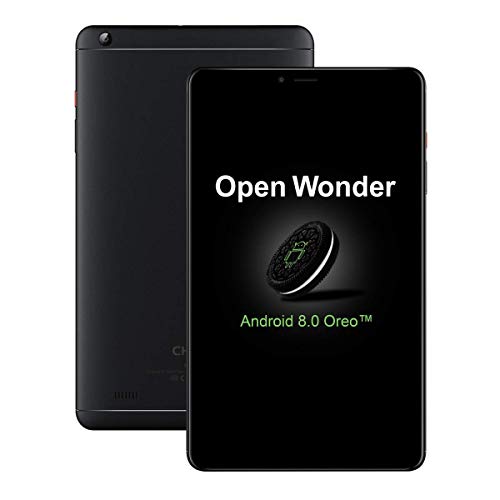
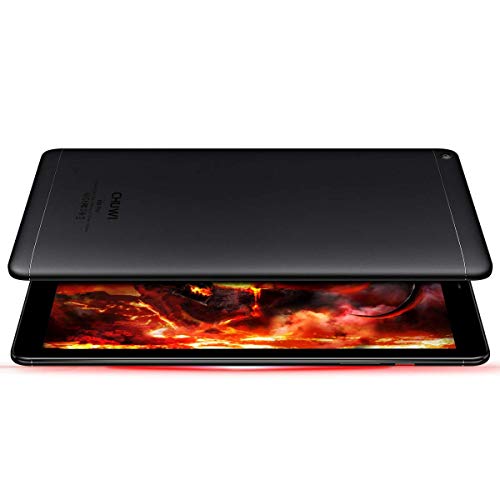
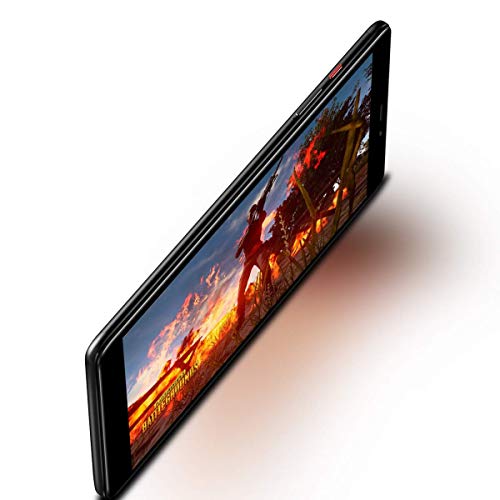
Chuwi Hi9 Pro 4G (3GB + 32GB) review: 168 specs compared

Avg. price:~£130RAM capacity:3 GBInternal storage:32 GBScreen size:8.4 inchesChipset:MediaTek Helio X20

Chuwi Hi9 Pro 4G (3GB + 32GB) Review: Compare 168 technical specifications and 17 expert and video reviews to see how this product ranks in the Tablets category and whether it is worth buying.
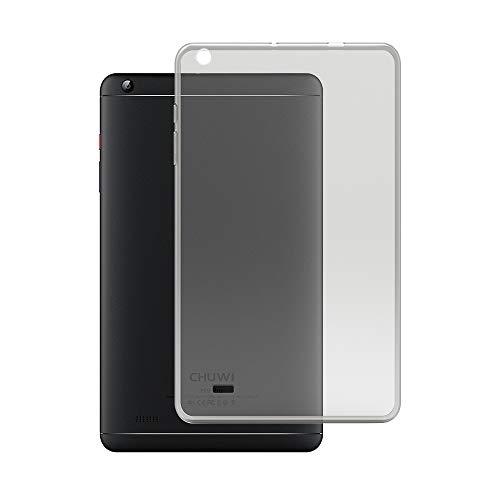
Chuwi Hi9 Pro 4G (3GB + 32GB)
6.9/10

Overall score

Score
6.9/ 10
✕
What it is
Our main score for this model, 1–10. It combines specs, best-of lists, expert reviews and owners.
How we count it
Parts: Technical score 35%, List score 30%, Reviews score 25%, Sentiment score 10%
Marks: Each part gets a mark out of 10. For reviews, lists and owners, a typical model in this category gets about 8 and the best one gets 10.
No data yet: A part with no data shows "?". It counts as the mark of a weaker model in this category (4 in 5 models with data score higher). This way, models with reviews, lists and owners usually come out ahead.
Score distribution
â–¼
<55-66-77-88-99-10
Score components

35%

5.9

Technical score

30%

?

List scoreNot enough data yet, so we use 7.5, the mark of a weaker model in this category

25%

7.9

Reviews score

10%

5.9

Sentiment score

â–¼Worse than 54% of tablets
7.8

Value for money

Value for money
7.8/ 10
✕
What it is
An indicator that combines the tablet's overall rating with its cost.
When it matters
When you are looking for a tablet with a good balance between quality and price.
Score distribution
â–¼
<55-66-77-88-99-10
Score components

70%

6.9

Overall score

30%

9.8

Price

â–²Better than 64%
5.9

Technical score

Technical score
5.9/ 10
✕
What it is
How good the specs are compared with the other models in this category, 1–10.
How we count it
Areas: We rate the specs in each area against the other models in this category.
Weighting: The areas that matter most to buyers count more. The shares are shown under Score components.
Share: The technical score is 35% of the overall score.
Score distribution
â–¼
<55-66-77-88-99-10
Score components

22%

5.7

Performance

20%

6.6

Display

16%

6.9

Camera

14%

2.4

Battery

12%

7.3

Connectivity

8%

7.0

Software

5%

6.6

Design

3%

5.1

Audio

â–¼Worse than 56%
7.9

Reviews score

Reviews score
7.9/ 10
✕
What it is
Average grade from independent test sites, magazines and video reviewers, 1–10.
How we count it
Grades: Each review's own score is converted to 1–10; without one, we grade the review ourselves. Big test sites count more, short reviews half as much as full tests. A video review counts half.
Score: The average grade is 80% of the review mark; the number of reviews is the other 20% (1 review = 5, the typical number in this category = 8, the most-reviewed model = 10).
Enough data: With few reviews, the average grade is pulled toward the typical grade of this category. No reviews yet: 7.4 for now.
Share: Reviews count 25% of the overall score.
Score distribution
â–¼
<55-66-77-88-99-10

80%

7.9

Average grade

20%

8.2

Popularity

Grades by review (17)
5 reviews: 3 with a printed score, 2 estimated from the review. 12 video reviews, each counting half as much as a written test. Reviews count 25% of the overall score.
User ratings collected online are not part of this score.
â–²Better than 52%
?

List score

List score
7.5/ 10
✕
What it is
How often independent test sites, magazines and video reviewers put this model in their best-of lists for this category.
How we count it
Points: The model in the most lists of this category gets 10; the others get 8 to 10 in proportion. In no list yet: 7.5. Lists count 30% of the overall score.
Enough data: Every list counts, even a single one. With fewer than 5 best-of lists in the category, this part is left out.
Lists with this model (0)
Not in any best-of list yet, so this part counts as 7.5. Models in a list get 8 to 10.
Not in any best-of list yet

What reviewers say about the Chuwi Hi9 Pro 4G (3GB + 32GB)

Based on 5 · 15

Reviewers love the display and reliable connectivity, but complain about short battery life, weak speakers and poor gaming performance.
Praised
Mixed views
Criticised
Pick a topic to see who said what
Loading...
Loading category ranking...

Technical Specifications of tablet Chuwi Hi9 Pro 4G (3GB + 32GB)

Technical score
Technical score
5.9/ 10
✕
What it is
How good the specs are compared with the other models in this category, 1–10.
How we count it
Areas: We rate the specs in each area against the other models in this category.
Weighting: The areas that matter most to buyers count more. The shares are shown under Score components.
Share: The technical score is 35% of the overall score.
Score distribution
â–¼
<55-66-77-88-99-10
Score components:

22%

5.7

Performance

20%

6.6

Display

16%

6.9

Camera

14%

2.4

Battery

12%

7.3

Connectivity

8%

7.0

Software

5%

6.6

Design

3%

5.1

Audio

5.9
Reviews score
7.9
List score
?
Value for money
Value for money
7.8/ 10
✕
What it is
An indicator that combines the tablet's overall rating with its cost.
When it matters
When you are looking for a tablet with a good balance between quality and price.
Score distribution
â–¼
<55-66-77-88-99-10
Score components:

70%

6.9

Overall score

30%

9.8

Price

7.8
RAM capacity
3 GB
This tablet has 3 GB of RAM, which is less than 52.9% of tablets and equal to 8.4% of tablets.
Process node
20 nm
This tablet is built on a 20 nm process, which is larger than 56.5% of tablets and equal to 1.4% of tablets.
Internal storage
32 GB
This tablet has 32 GB of internal storage, which is less than 60.9% of tablets and equal to 17.9% of tablets.
Geekbench 6 single-core score
?
Chipset
MediaTek Helio X20
This tablet runs on MediaTek Helio X20, which is less advanced than 56.5% of tablets and equal to 0.1% of tablets.
Show more
What reviewers say
Screen resolution
2560×1600
This tablet has a 2560×1600 screen, which is sharper than 77.5% of tablets and equal to 10% of tablets.
Refresh rate
?
Display type
IPS LCD
This tablet uses a IPS LCD display type. 17% of tablets use this display technology.
Pixel density
359 ppi
This tablet has a pixel density of 359 ppi, which is higher than 98.5% of tablets and equal to 1% of tablets.
Display glass type
?
Show more
What reviewers say
Optical image stabilization
no
This tablet does not support optical stabilisation. 0.4% of tablets offer this.
Main camera megapixels
8 MP
This tablet has a rear camera with 8 MP resolution, which is higher than 36.4% of tablets and equal to 31.9% of tablets.
Front camera megapixels
5 MP
This tablet has a front camera with 5 MP resolution, which is higher than 48.6% of tablets and equal to 19.7% of tablets.
Main camera aperture
f/2.0
This tablet has a main camera aperture of f/2.0, which is wider than 57.4% of tablets and equal to 24.7% of tablets.
Optical zoom
1xxx
This tablet has 1xx optical zoom, which is stronger than 18.2% of tablets and equal to 80.9% of tablets.
Show more
Battery capacity
5,000 mAh
This tablet has 5,000 mAh battery capacity, which is smaller than 70% of tablets and equal to 2% of tablets.
Charging speed
10 W
This tablet charges at 10 W, which is slower than 60.9% of tablets and equal to 33.3% of tablets.
Battery life
4 hours
This tablet has a battery life of 4 hours, which is shorter than that of 98% of tablets and equal to that of 1% of tablets.
gaming
Wireless charging
no
This tablet does not support wireless charging. 1.5% of tablets offer this.
Fast charging
no
This tablet does not support fast charging. 56.9% of tablets offer this.
Show more
What reviewers say
LTE support
yes
This tablet has built-in LTE. 57.1% of tablets offer this.
Wi-Fi connectivity
yes
This tablet connects to Wi-Fi. 0.2% of tablets offer this.
GPS
yes
This tablet has built-in GPS. 17.1% of tablets offer this.
5G connectivity
no
This tablet does not support 5G. 8.1% of tablets offer this.
NFC
no
This tablet does not include NFC. 10.8% of tablets offer this.
Show more
What reviewers say
Operating system
Android
This tablet uses the Android operating system, which is more advanced than the one used by 23.2%.
Update support duration
short
This tablet offers short update support, which is shorter than the support period of 52.4% of tablets and equal to that of 47.6% of tablets.
Direct OS updates
no
This tablet does not support direct OS updates. 79.8% of tablets offer this.
On-device AI
no
This tablet does not support on-device AI. 28.3% of tablets support this capability.
App tracking protection
yes
This tablet supports app tracking protection. 71.6% of tablets offer this.
Show more
What reviewers say
IP rating
not rated
This tablet's IP rating is not rated, which is less protected than 16.5% of tablets and the same as 83.6% of tablets.
Weight
384 g
This tablet weighs 384 g, which is lighter than 76.5% of tablets and equal to 0.3% of tablets.
Backlit keyboard
no
This tablet does not support a backlit keyboard. 9.7% of tablets support backlit keyboards.
Keyboard accessory
yes
This tablet supports a keyboard accessory. 15.8% of tablets support this option.
Pen latency
N/A
Show more
What reviewers say
Number of microphones
1
This tablet has a microphone array of 1, which is more than 0.2% of tablets and equal to 54.8% of tablets.
aptX Adaptive
no
This tablet does not support aptX Adaptive. 6.9% of tablets offer this.
Dolby Atmos support
?
N. of speakers
1
This tablet includes 1 speakers, which is fewer than in 90.3% of tablets and equal to the number in 9.6% of tablets.
FM radio
yes
This tablet includes an FM radio. 81.1% of tablets offer this.
Show more
What reviewers say

Chuwi Hi9 Pro 4G (3GB + 32GB) vs the average tablet

246810TotalPerformanceDisplayCameraBatteryConnectivitySoftwareDesignAudio
  • 62.4% sharper screen detail
    This tablet has sharper screen detail than the average tablet (359 ppi vs 221 ppi). The average tablet has a pixel density of 221 ppi.
    359 ppi vs 221 ppi
  • Sharper display
    This tablet has a sharper screen than the average tablet (2560×1600 vs 1920×1200).
    2,560×1,600 vs 1,920×1,200
  • Supports LTE
    This tablet supports LTE, while the average tablet does not. 42.9% of tablets support LTE.
  • More advanced chipset
    This tablet has a more advanced chipset than the average tablet (MediaTek Helio X20 vs MediaTek MT8169A).
    MediaTek Helio X20 vs MediaTek MT8169A
  • Manual focus control
    This tablet supports manual focus, while the average tablet does not. 36.9% of tablets support manual focus.
  • 99 nits brighter screen
    This tablet is brighter than the average tablet (500 nits vs 401 nits). The average tablet reaches 401 nits.
    500 nits vs 401 nits
  • 2 more CPU threads
    This tablet has more CPU threads than the average tablet (10 vs 8). The average tablet has 8 CPU threads.
    10 vs 8
  • 15% higher CPU speed
    This tablet has a higher CPU speed than the average tablet (2.3 GHz vs 2 GHz). The average tablet has CPU speed of 2 GHz.
    2.3 GHz vs 2 GHz
  • 12.9% higher review score
    Reviews score
    7.9/ 10
    ✕
    What it is
    Average grade from independent test sites, magazines and video reviewers, 1–10.
    How we count it
    Grades: Each review's own score is converted to 1–10; without one, we grade the review ourselves. Big test sites count more, short reviews half as much as full tests. A video review counts half.
    Score: The average grade is 80% of the review mark; the number of reviews is the other 20% (1 review = 5, the typical number in this category = 8, the most-reviewed model = 10).
    Enough data: With few reviews, the average grade is pulled toward the typical grade of this category. No reviews yet: 7.4 for now.
    Share: Reviews count 25% of the overall score.
    Score distribution
    â–¼
    <55-66-77-88-99-10

    80%

    7.9

    Average grade

    20%

    8.2

    Popularity

    Grades by review (17)
    5 reviews: 3 with a printed score, 2 estimated from the review. 12 video reviews, each counting half as much as a written test. Reviews count 25% of the overall score.
    User ratings collected online are not part of this score.
    7.9 vs 7.0
  • 2x cheaper
    Chuwi Hi9 Pro 4G (3GB + 32GB) is cheaper than the average tablet (£130 vs £260).
    £130 vs £260
  • More advanced chipset
    This tablet has a more advanced chipset than the average tablet (MediaTek Helio X20 vs MediaTek MT8169A).
    MediaTek Helio X20 vs MediaTek MT8169A
  • 2 more CPU threads
    This tablet has more CPU threads than the average tablet (10 vs 8). The average tablet has 8 CPU threads.
    10 vs 8
  • 15% higher CPU speed
    This tablet has a higher CPU speed than the average tablet (2.3 GHz vs 2 GHz). The average tablet has CPU speed of 2 GHz.
    2.3 GHz vs 2 GHz
  • 62.4% sharper screen detail
    This tablet has sharper screen detail than the average tablet (359 ppi vs 221 ppi). The average tablet has a pixel density of 221 ppi.
    359 ppi vs 221 ppi
  • Sharper display
    This tablet has a sharper screen than the average tablet (2560×1600 vs 1920×1200).
    2,560×1,600 vs 1,920×1,200
  • 99 nits brighter screen
    This tablet is brighter than the average tablet (500 nits vs 401 nits). The average tablet reaches 401 nits.
    500 nits vs 401 nits
  • Supports HDR10
    This tablet supports HDR10, while the average tablet does not. 21.7% of tablets support HDR10.
  • Manual focus control
    This tablet supports manual focus, while the average tablet does not. 36.9% of tablets support manual focus.
  • Wider main camera aperture
    This tablet has a wider main camera aperture than the average tablet (f/2 vs f/2.2). The average tablet's main camera aperture is f/2.2.
    f/2.0 vs f/2.2
  • Built-in camera flash
    This tablet has a camera flash, while the average tablet does not. 45.5% of tablets have one.
  • Supports LTE
    This tablet supports LTE, while the average tablet does not. 42.9% of tablets support LTE.
  • Supports cellular data
    This tablet supports cellular data, while the average tablet does not. 47.4% of tablets offer this.
  • Supports app tracking protection
    This tablet supports app tracking protection, while the average tablet does not. 28.4% of tablets offer this.
  • 21.6% lighter
    This tablet is lighter than the average tablet (384 g vs 490 g). The average tablet weighs 490 g.
    384 g vs 490 g
  • 46.4 mm narrower
    This tablet is narrower than the average tablet (128.9 mm vs 175.3 mm). The average tablet is 175.3 mm wide.
    128.9 mm vs 175.3 mm
  • Supports LDAC
    This tablet supports LDAC, the average tablet does not. 25.3% of tablets support LDAC.
  • 6 hours shorter battery life
    This tablet offers shorter battery life than the average tablet (4 hours vs 10 hours). The average tablet offers 10 hours of battery life.
    gaming
    4 hours vs 10 hours
  • Shorter update support
    This tablet offers shorter update support than the average tablet (short vs medium). The average tablet gets medium of update support.
    short vs medium
  • No fast charging
    This tablet does not support fast charging, while the average tablet does. 56.8% of tablets support fast charging.
  • No direct OS updates
    This tablet does not support direct OS updates, while the average tablet does. 79.7% of tablets offer this.
  • 150 nits lower typical brightness
    This tablet has a lower typical brightness than the average tablet (250 nits vs 400 nits). The average tablet reaches 400 nits typical brightness.
    250 nits vs 400 nits
  • More basic graphics
    This tablet has less advanced graphics than the average tablet (Mali-T880 MP4 vs Mali-G51).
    Mali-T880 MP4 vs Mali-G51
  • No manual exposure control
    This tablet does not support manual exposure, while the average tablet does. 63.6% of tablets support manual exposure.
  • No manual white balance
    This tablet does not support manual white balance, while the average tablet does. 51.5% of tablets support manual white balance.
  • 21.3% lower sentiment score
    5.9 vs 7.5
  • More basic graphics
    This tablet has less advanced graphics than the average tablet (Mali-T880 MP4 vs Mali-G51).
    Mali-T880 MP4 vs Mali-G51
  • 1,066 MHz slower RAM speed
    This tablet has a lower RAM speed than the average tablet (800 MHz vs 1,866 MHz). The average tablet has RAM speed of 1,866 MHz.
    800 MHz vs 1,866 MHz
  • 50% less internal storage
    This tablet has less internal storage than the average tablet (32 GB vs 64 GB). The average tablet has 64 GB of internal storage.
    32 GB vs 64 GB
  • 1 GB less RAM
    This tablet has less RAM than the average tablet (3 GB vs 4 GB). The average tablet has 4 GB of RAM.
    3 GB vs 4 GB
  • 14.1% less memory bandwidth
    This tablet has less memory bandwidth than the average tablet (12.8 GB/s vs 14.9 GB/s). The average tablet has 14.9 GB/s of memory bandwidth.
    12.8 GB/s vs 14.9 GB/s
  • 42.9% larger process node
    This tablet has a larger process node than the average tablet (20 nm vs 14 nm). The average tablet is built on 14 nm.
    20 nm vs 14 nm
  • 150 nits lower typical brightness
    This tablet has a lower typical brightness than the average tablet (250 nits vs 400 nits). The average tablet reaches 400 nits typical brightness.
    250 nits vs 400 nits
  • 1.7 inches smaller screen
    This tablet has a smaller screen than the average tablet (8.4 inches vs 10.1 inches). The average tablet measures 10.1 inches.
    8.4 inches vs 10.1 inches
  • No manual exposure control
    This tablet does not support manual exposure, while the average tablet does. 63.6% of tablets support manual exposure.
  • No manual white balance
    This tablet does not support manual white balance, while the average tablet does. 51.5% of tablets support manual white balance.
  • No backside-illuminated sensor
    This tablet does not have a BSI sensor, while the average tablet does. 52.6% of tablets have a BSI sensor.
  • No timelapse video
    This tablet does not support timelapse video, while the average tablet does. 57.5% of tablets support timelapse video.
  • 6 hours shorter battery life
    This tablet offers shorter battery life than the average tablet (4 hours vs 10 hours). The average tablet offers 10 hours of battery life.
    gaming
    4 hours vs 10 hours
  • No fast charging
    This tablet does not support fast charging, while the average tablet does. 56.8% of tablets support fast charging.
  • 24.2% smaller battery capacity
    This tablet has a smaller battery capacity than the average tablet (5,000 mAh vs 6,600 mAh). The average tablet offers 6,600 mAh of battery capacity.
    5,000 mAh vs 6,600 mAh
  • 44.4% slower charging
    This tablet charges slower than the average tablet (10 W vs 18 W). The average tablet charges at 18 W.
    10 W vs 18 W
  • No face recognition
    This tablet does not have face recognition, the average tablet does. 56.4% of tablets support face recognition.
  • Older Bluetooth version
    This tablet has an older Bluetooth version than the average tablet (4.1 vs 5).
    4.1 vs 5
  • Shorter update support
    This tablet offers shorter update support than the average tablet (short vs medium). The average tablet gets medium of update support.
    short vs medium
  • No direct OS updates
    This tablet does not support direct OS updates, while the average tablet does. 79.7% of tablets offer this.
  • No dark mode
    This tablet does not support dark mode, while the average tablet does. 57.7% of tablets offer this.
  • 1 fewer speakers
    This tablet has less speakers than the average tablet (1 vs 2). The average tablet has 2 speakers.
    1 vs 2

Video reviews

Hands-on testing, unboxing, and real-world video evaluations

8.0
C Butler
≈ estimated
26/10/2019
Long-term test · 6 months of use
Verdict
Chuwi Hi9 Pro 4G looks good and is well built, but weak battery life and some performance lag hold it back.
9.0
Michael Reed
≈ estimated
31/03/2019
Hands-on review · charging issues and daily use
Verdict
Chuwi Hi9 Pro 4G is worth it as a big-screen phone-tablet, and highly recommended once the early charging problem has settled.
8.0
C Butler
≈ estimated
20/02/2019
Gaming review · Asphalt 9 and PUBG tests
Verdict
Chuwi Hi9 Pro 4G held up well in gaming, though as a budget tablet it needs lower graphics settings.
9.0
OSReviews
≈ estimated
25/09/2018
Hands-on review · performance, screen and media tests
Verdict
Chuwi Hi9 Pro 4G is a strong low-cost option, especially for media thanks to its sharp high-resolution screen.
8.0
My Next Tablet
≈ estimated
08/09/2018
Full review · battery test and gaming checks
Verdict
Chuwi Hi9 Pro 4G is good value for the money if you don't need strong gaming or long battery life.
7.0
ben's gadget reviews
≈ estimated
17/08/2018
Hands-on review · benchmarks, battery test and writing use
Verdict
Chuwi Hi9 Pro 4G is a pretty good tablet, especially for portable writing or media, but battery life and speaker let it down.
7.0
TechTablets
≈ estimated
14/08/2018
Hands-on review · performance, battery and calls tests
Verdict
Chuwi Hi9 Pro 4G is great value for the money, but gaming and sluggish performance disappoint.
7.0
My Next Tablet
≈ estimated
27/08/2018
Gaming and benchmark test · several games and benchmarks
Verdict
Chuwi Hi9 Pro 4G is a good everyday tablet with strong benchmarks, but it is not a perfect gaming tablet.
Overview video
Hands-on video, no verdict
Not graded
Not graded

Expert reviews

In-depth analysis and verdict from leading tech publications

4.0
heise.de
✓ explicit
16/10/2018
Benchmark test · Budget tablet
Verdict
The Chuwi Hi9 Pro is a compact, well-made 8.4-inch tablet, but sluggish performance, short battery life and a dim, sometimes unresponsive screen hold it back.
8.0
hartware.de
≈ estimated
15/10/2018
Benchmark test · Compact LTE tablet
Verdict
The Chuwi Hi9 Pro is a compact 8.4-inch LTE tablet with a sharp screen that works outdoors, though its 32GB storage feels outdated.
8.7
tablette-chinoise.net
✓ explicit
23/11/2018
Hands-on test · Budget Android tablet
Verdict
The Chuwi Hi9 Pro 4G is a very affordable, 6mm-thin tablet with a sharp 8.4-inch screen and smooth everyday use, but lacks auto-brightness and fast charging.
8.0
turbolab.it
≈ estimated
Not Dated
Hands-on review · Budget tablet
Verdict
The Chuwi Hi9 Pro 4G suits reading, web browsing and light gaming, but at 350g it feels heavy and its screen is unreadable in direct sunlight.
7.8
techgaming.nl
✓ explicit
18/09/2018
Hands-on test · Budget tablet
Verdict
The Chuwi Hi9 Pro is a decent tablet for the money, with a colorful screen and clean Android, but it struggles with high-end games.

Third-party reviews

What customers like about Chuwi Hi9 Pro 4G (3GB + 32GB)

  • High-resolution 2.5K (2560 x 1600) JDI display provides excellent sharpness and color saturation for media consumption.
  • Solid build quality featuring a partial metal unibody that feels premium for its price point.
  • Ships with an almost pure version of Android 8.0 Oreo with very little pre-installed bloatware.
  • Compact 8.4-inch form factor makes it portable and easy to hold with one hand.
  • Includes a 3.5mm headphone jack and a USB Type-C port for modern connectivity.

What customers don't like about Chuwi Hi9 Pro 4G (3GB + 32GB)

  • Dated MediaTek Helio X20 chipset often struggles to power the high-resolution screen, leading to UI lag and stuttering.
  • Poor gaming performance in demanding titles like PUBG or Fortnite, which typically require the lowest settings to remain playable.
  • Low maximum screen brightness makes it difficult to use in direct outdoor sunlight.
  • Inadequate camera quality with images from both front and rear sensors appearing washed out, blurry, and lacking detail.
  • Mediocre battery life (roughly 4-7 hours depending on use) which is further reduced when using LTE data.
  • Lack of Widevine L1 support limits popular streaming services like Netflix to standard definition (SD) content.
  • Slow charging speeds with the included adapter, taking several hours to reach full capacity.

Verdict

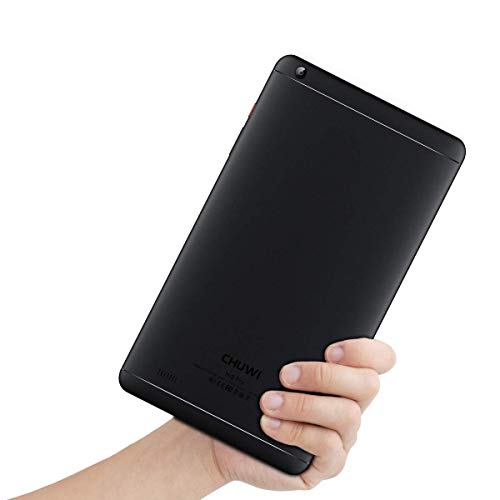
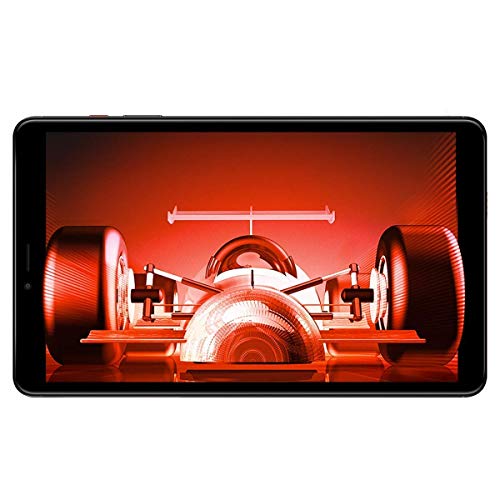
The Chuwi Hi9 Pro 4G is a compact 8.4-inch Android 8.0 tablet featuring a high-resolution 2560 x 1600 JDI IPS fully laminated display, powered by a MediaTek Helio X20 deca-core processor with 3GB of RAM and 32GB of internal eMMC storage. Its main characteristics include 4G LTE connectivity with dual SIM support, a 5000mAh battery, and a sleek metal unibody design. Major pros are its sharp, vibrant 2K display that rivals more expensive devices, the inclusion of a USB Type-C port, and a clean, near-stock Android experience without bloatware. However, notable cons include average battery life that struggles to exceed 7-8 hours, a weak single rear speaker, and performance bottlenecks where the chipset occasionally stutters when driving the high-resolution screen during demanding gaming.

Compare Chuwi Hi9 Pro 4G (3GB + 32GB) with other tablets

1Product to compare no. 1
VS
2Product to compare no. 2
VS
3Product to compare no. 3 (optional)

Graphic comparison of Chuwi Hi9 Pro 4G (3GB + 32GB) and other tablets

No results found