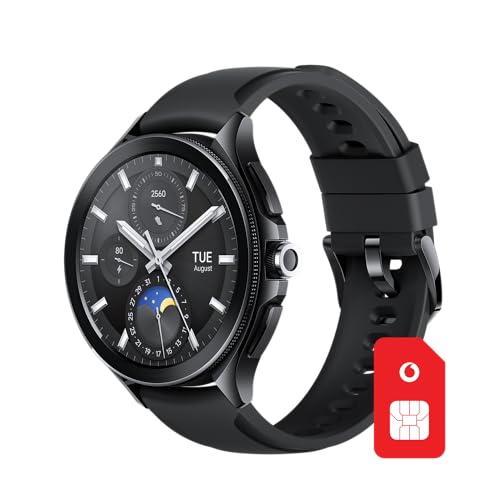
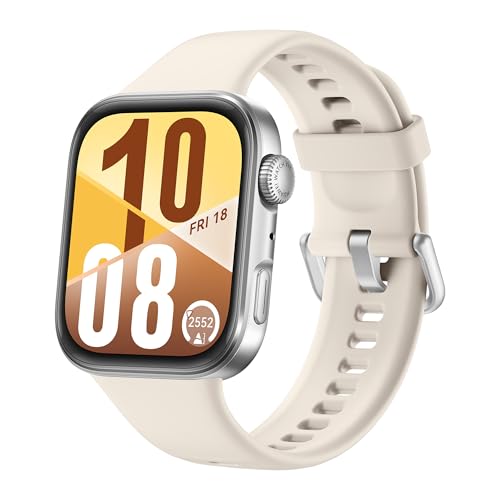
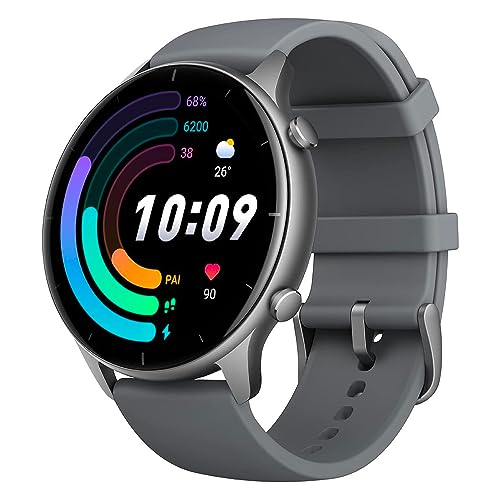
The Huawei Watch Fit 3 has a higher overall score than the Xiaomi Watch 2 Pro with us (8.4 vs 8.1). No reviewer has compared these two side by side yet. The Huawei Watch Fit 3 is also in more best-of lists (11 against 4).
Reviews worth watching before you buy. A video loads only when you press play.
Huawei Watch Fit 3 is a solid, well-priced watch for heart rate tracking, but its sleep tracking is not reliable enough.
Huawei Watch Fit 3 is nearly perfect and ticks almost every box, with only missing eSIM support as a real drawback.
Huawei Watch Fit 3 is a strong recommendation for sports and fitness buyers, with excellent value and very good battery life.
Huawei Watch Fit 3 is a fantastic smartwatch for the price, with a great build, bright screen and standout battery life, though some features are limited.
Huawei Watch Fit 3 has very accurate heart rate and mostly reliable GPS, good value for the money, though urban GPS can drift.
Huawei Watch Fit 3 is a hard-to-beat smartwatch choice, with excellent battery life, a high-quality build and easy iPhone pairing.
Huawei Watch Fit 3 is highly recommended for its build and value, though the crown feels rough and replies need Android.
Huawei Watch Fit 3 is a good all-round choice for Android and iPhone users, with good value for its price.
Xiaomi Watch 2 Pro is one of the best Wear OS watches available, with strong features, smooth performance and good value.
Xiaomi Watch 2 Pro feels premium for a Wear OS watch at a lower price, with a few compromises.
Xiaomi Watch 2 Pro is a very solid package and the most affordable 2023 LTE smartwatch, though nothing about it is especially unique.
Xiaomi Watch 2 Pro offers fast performance and strong fitness tracking, but it requires the Mi Fitness app.
Xiaomi Watch 2 Pro is the best Xiaomi watch so far thanks to Wear OS, with decent GPS and useful app support.
Xiaomi Watch 2 Pro is a very good watch with software issues, and a recommended buy only once Xiaomi fixes them.
Xiaomi Watch 2 Pro gets mixed marks: its sensors are good, but heavy battery drain and always-on heart rate hold it back.
Xiaomi Watch 2 Pro is a good smartwatch but not a true sports watch, since heart rate is off during strength training and its training tools are limited.
Tests of each product by expert websites, with what they liked and missed.
The radar shows each spec group. Next to it: only the specs that differ, the better value ticked. Open a row for the explanation.
Ranks in independent best-of lists from test sites, magazines and YouTube. Click a list to open it.

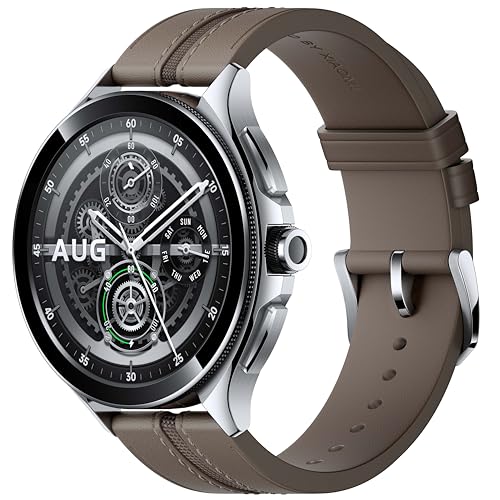
Topics that expert and video reviewers praise or criticise. Open a topic to read what they wrote.
Reviewers praise the long battery life and light, comfortable fit, but the companion app is a common source of frustration.
Solid build, rich apps and LTE calling impress, but health tracking and battery life split opinion, and it's bulky with fiddly controls.
Green = reviewers praise it, red = they criticise it. Counts are reviews that mention the topic.
From owners' comments under review videos. Open a topic to read what owners report.
Owners praise the long battery and value, while tracking accuracy and missing features are frequent frustrations.
Owners praise the polished design, smart features, and quick charging, while short battery life and software problems dominate complaints.
| Winner | ||
|---|---|---|
Price | ||
Overall score | 8.4 | 8.1 |
Technical score | 7.8 | 8.1 Xiaomi Watch 2 Pro has the highest technical score. |
Popularity | 10 Huawei Watch Fit 3 has the highest popularity. | 7.3 |
Reviews score | 8.7 Huawei Watch Fit 3: Reviews score | 7.7 |
Value for money | 8.8 Huawei Watch Fit 3 has the highest value-for-money score. | 8.6 |
Running | 8.2 | 10 |
Swimming | 9.7 | 9.9 |
Health monitoring | 4.6 | 6.0 |
Sleep tracking | 9.0 | 8.4 |
Hiking | 6.8 | 8.6 |
Seniors | 8.4 | 6.8 |
Health | 7.3 | 7.7 |
Heart rate monitor | yes What it is A built-in sensor that measures your pulse directly from the wrist. When it matters When you want health data from your wrist during the day or night. Huawei Watch Fit 3 includes a heart rate monitor. 9.5% of smartwatches include a heart rate monitor. Priority: MEDIUM | yes What it is A built-in sensor that measures your pulse directly from the wrist. When it matters When you want health data from your wrist during the day or night. Xiaomi Watch 2 Pro includes a heart rate monitor. 9.5% of smartwatches include a heart rate monitor. Priority: MEDIUM |
Blood oxygen monitoring | yes What it is A wrist-based feature that estimates blood oxygen saturation over time. When it matters When you want health data from your wrist during the day or night. Huawei Watch Fit 3 supports blood oxygen monitoring. 30.4% of smartwatches support blood oxygen monitoring. Priority: MEDIUM | yes What it is A wrist-based feature that estimates blood oxygen saturation over time. When it matters When you want health data from your wrist during the day or night. Xiaomi Watch 2 Pro supports blood oxygen monitoring. 30.4% of smartwatches support blood oxygen monitoring. Priority: MEDIUM |
ECG | no What it is The ability to record a single-lead electrocardiogram from the wrist. When it matters When you want health data from your wrist during the day or night. Huawei Watch Fit 3 does not support ECG. 18.2% of smartwatches support ECG. Priority: MEDIUM | no What it is The ability to record a single-lead electrocardiogram from the wrist. When it matters When you want health data from your wrist during the day or night. Xiaomi Watch 2 Pro does not support ECG. 18.2% of smartwatches support ECG. Priority: MEDIUM |
Irregular heart rate warnings | yes What it is Notifications that flag heart-rate patterns which appear unusually irregular. When it matters When you want health data from your wrist during the day or night. Huawei Watch Fit 3 supports irregular heart rate warnings. 49.5% of smartwatches support irregular heart rate warnings. Priority: LOW | yes What it is Notifications that flag heart-rate patterns which appear unusually irregular. When it matters When you want health data from your wrist during the day or night. Xiaomi Watch 2 Pro supports irregular heart rate warnings. 49.5% of smartwatches support irregular heart rate warnings. Priority: LOW Supports abnormal high/low heart-rate alerts (typically after inactivity). |
HRV tracking | yes What it is Measurement of heart-rate variability, the change in timing between heartbeats. When it matters When you want health data from your wrist during the day or night. Huawei Watch Fit 3 supports HRV tracking. 54.9% of smartwatches support HRV tracking. Priority: MEDIUM | yes What it is Measurement of heart-rate variability, the change in timing between heartbeats. When it matters When you want health data from your wrist during the day or night. Xiaomi Watch 2 Pro supports HRV tracking. 54.9% of smartwatches support HRV tracking. Priority: MEDIUM |
Blood pressure monitoring | no What it is Blood pressure measurement or estimation features available through the watch ecosystem. When it matters When you want health data from your wrist during the day or night. Huawei Watch Fit 3 does not support blood pressure monitoring. 21.9% of smartwatches support blood pressure monitoring. Priority: MEDIUM | no What it is Blood pressure measurement or estimation features available through the watch ecosystem. When it matters When you want health data from your wrist during the day or night. Xiaomi Watch 2 Pro does not support blood pressure monitoring. 21.9% of smartwatches support blood pressure monitoring. Priority: MEDIUM |
Temperature sensor | no What it is A sensor that records skin or wrist temperature changes and longer-term trends. When it matters When you want health data from your wrist during the day or night. Huawei Watch Fit 3 does not include a temperature sensor. 32% of smartwatches include a temperature sensor. Priority: MEDIUM | yes What it is A sensor that records skin or wrist temperature changes and longer-term trends. When it matters When you want health data from your wrist during the day or night. Xiaomi Watch 2 Pro includes a temperature sensor. 68.2% of smartwatches include a temperature sensor. Priority: MEDIUM Xiaomi Watch 2 Pro has a temperature sensor. |
Fingertip sensor | no What it is Whether the smartwatch includes a dedicated fingertip-contact health sensor. When it matters When you want faster spot checks or more precise fingertip-based health measurements on the watch itself. Huawei Watch Fit 3 does not include a fingertip sensor. 0.8% of smartwatches include a fingertip sensor. Good value: 🎯 yes Priority: LOW | no What it is Whether the smartwatch includes a dedicated fingertip-contact health sensor. When it matters When you want faster spot checks or more precise fingertip-based health measurements on the watch itself. Xiaomi Watch 2 Pro does not include a fingertip sensor. 0.8% of smartwatches include a fingertip sensor. Good value: 🎯 yes Priority: LOW |
Stress monitoring | yes What it is Stress estimates derived from heart rate, HRV, or similar body signals. When it matters When you want health data from your wrist during the day or night. Huawei Watch Fit 3 supports stress monitoring. 31.3% of smartwatches support stress monitoring. Priority: LOW | yes What it is Stress estimates derived from heart rate, HRV, or similar body signals. When it matters When you want health data from your wrist during the day or night. Xiaomi Watch 2 Pro supports stress monitoring. 31.3% of smartwatches support stress monitoring. Priority: LOW |
Sleep tracking | yes What it is Automatic recording of sleep duration, stages, or sleep quality from overnight wear. When it matters When you want health data from your wrist during the day or night. Huawei Watch Fit 3 supports sleep tracking. 6.2% of smartwatches support sleep tracking. Priority: MEDIUM | yes What it is Automatic recording of sleep duration, stages, or sleep quality from overnight wear. When it matters When you want health data from your wrist during the day or night. Xiaomi Watch 2 Pro supports sleep tracking. 6.2% of smartwatches support sleep tracking. Priority: MEDIUM |
Perspiration monitoring | no What it is Support for sweat-related sensing or estimates tied to perspiration during wear or training. When it matters When you want health data from your wrist during the day or night. Huawei Watch Fit 3 does not track perspiration. 15.2% of smartwatches track perspiration. Priority: LOW | no What it is Support for sweat-related sensing or estimates tied to perspiration during wear or training. When it matters When you want health data from your wrist during the day or night. Xiaomi Watch 2 Pro does not track perspiration. 15.2% of smartwatches track perspiration. Priority: LOW |
Calorie intake tracking | yes What it is Estimated calorie burn based on movement, heart data, and user profile inputs. When it matters When you track workouts and want better training data. Huawei Watch Fit 3 supports calorie tracking. 51.4% of smartwatches support calorie tracking. Priority: LOW Huawei Watch Fit 3 tracks calories burned. | no What it is Estimated calorie burn based on movement, heart data, and user profile inputs. When it matters When you track workouts and want better training data. Xiaomi Watch 2 Pro does not support calorie tracking. 48.8% of smartwatches support calorie tracking. Priority: LOW |
VO2 max measurement | yes What it is Estimated VO2 max, a fitness metric linked to aerobic capacity and endurance. When it matters When you track workouts and want better training data. Huawei Watch Fit 3 measures VO2 max. 48.8% of smartwatches measure VO2 max. Priority: MEDIUM | yes What it is Estimated VO2 max, a fitness metric linked to aerobic capacity and endurance. When it matters When you track workouts and want better training data. Xiaomi Watch 2 Pro measures VO2 max. 48.8% of smartwatches measure VO2 max. Priority: MEDIUM |
Readiness score | yes What it is A recovery-style score that combines recent activity, sleep, and body data into one summary. When it matters When you want health data from your wrist during the day or night. Huawei Watch Fit 3 supports readiness scores. 80.3% of smartwatches support readiness scores. Priority: LOW | yes What it is A recovery-style score that combines recent activity, sleep, and body data into one summary. When it matters When you want health data from your wrist during the day or night. Xiaomi Watch 2 Pro supports readiness scores. 80.3% of smartwatches support readiness scores. Priority: LOW |
Weight tracking | yes What it is Logging or syncing of body-weight records over time. When it matters When you want health data from your wrist during the day or night. Huawei Watch Fit 3 supports weight tracking. 58.1% of smartwatches support weight tracking. Priority: LOW | ? |
Water intake tracking | no What it is Logging tools for recording daily water consumption. When it matters When you want health data from your wrist during the day or night. Huawei Watch Fit 3 does not track water intake. 44.2% of smartwatches track water intake. Priority: LOW | no What it is Logging tools for recording daily water consumption. When it matters When you want health data from your wrist during the day or night. Xiaomi Watch 2 Pro does not track water intake. 44.2% of smartwatches track water intake. Priority: LOW |
Menstrual cycle tracking | yes What it is Cycle logging and related predictions available through the watch and its health tools. When it matters When you want health data from your wrist during the day or night. Huawei Watch Fit 3 supports menstrual cycle tracking. 33.2% of smartwatches support menstrual cycle tracking. Priority: LOW | yes What it is Cycle logging and related predictions available through the watch and its health tools. When it matters When you want health data from your wrist during the day or night. Xiaomi Watch 2 Pro supports menstrual cycle tracking. 33.2% of smartwatches support menstrual cycle tracking. Priority: LOW |
Inactivity alerts | yes What it is Reminders that prompt you to move after long periods of inactivity. When it matters When you want quick everyday tools on your wrist. Huawei Watch Fit 3 supports inactivity alerts. 7.4% of smartwatches support inactivity alerts. Priority: LOW | yes What it is Reminders that prompt you to move after long periods of inactivity. When it matters When you want quick everyday tools on your wrist. Xiaomi Watch 2 Pro supports inactivity alerts. 7.4% of smartwatches support inactivity alerts. Priority: LOW |
Smart scale compatibility | no What it is Compatibility with smart scales for syncing weight and body-composition data. When it matters When you want the watch to work with fitness gear and other accessories. Huawei Watch Fit 3 does not support smart scale compatibility. 57.1% of smartwatches support smart scale compatibility. Priority: LOW | yes What it is Compatibility with smart scales for syncing weight and body-composition data. When it matters When you want the watch to work with fitness gear and other accessories. Xiaomi Watch 2 Pro supports smart scale compatibility. 43% of smartwatches support smart scale compatibility. Priority: LOW Xiaomi Watch 2 Pro works with smart scales. |
Release date | 2024 What it is The year the watch model was first released, which hints at how modern its chipset, sensors and operating system are. When it matters Matters most when buying a discounted or second-hand model, since older releases tend to lose software and app updates sooner. Huawei Watch Fit 3 was released in 2024, which is more recent than 83.3% of Smartwatches and the same as 7.4% of Smartwatches. Good value: 🎯 2023 or newer Priority: LOW May 2024 Huawei Watch Fit 3 is the most recently released model. | 2023 What it is The year the watch model was first released, which hints at how modern its chipset, sensors and operating system are. When it matters Matters most when buying a discounted or second-hand model, since older releases tend to lose software and app updates sooner. Xiaomi Watch 2 Pro was released in 2023, which is more recent than 65.6% of Smartwatches and the same as 17.6% of Smartwatches. Good value: 🎯 2023 or newer Priority: LOW October 2023 |
Brand name | Huawei | Xiaomi |
Fitness | 9.6 | 8.9 |
Accelerometer | yes What it is A motion sensor that measures acceleration, steps, gestures, and general movement. When it matters When you track workouts and want better training data. Huawei Watch Fit 3 includes an accelerometer. 0.5% of smartwatches include an accelerometer. Priority: LOW | yes What it is A motion sensor that measures acceleration, steps, gestures, and general movement. When it matters When you track workouts and want better training data. Xiaomi Watch 2 Pro includes an accelerometer. 0.5% of smartwatches include an accelerometer. Priority: LOW |
Barometer | no What it is A pressure sensor used for altitude changes, elevation estimates, and weather-related context. When it matters When you run, ride, hike, or navigate without relying on your phone. Huawei Watch Fit 3 does not include a barometer. 53.6% of smartwatches include a barometer. Priority: LOW | yes What it is A pressure sensor used for altitude changes, elevation estimates, and weather-related context. When it matters When you run, ride, hike, or navigate without relying on your phone. Xiaomi Watch 2 Pro includes a barometer. 46.5% of smartwatches include a barometer. Priority: LOW Xiaomi Watch 2 Pro has a barometer. |
Gyroscope | yes What it is A motion sensor that measures rotation and helps interpret wrist movement more accurately. When it matters When you track workouts and want better training data. Huawei Watch Fit 3 includes a gyroscope. 28.9% of smartwatches include a gyroscope. Priority: LOW | yes What it is A motion sensor that measures rotation and helps interpret wrist movement more accurately. When it matters When you track workouts and want better training data. Xiaomi Watch 2 Pro includes a gyroscope. 28.9% of smartwatches include a gyroscope. Priority: LOW |
Cadence sensor | yes What it is A sensor input used to measure step or pedal rhythm during training. When it matters When you track workouts and want better training data. Huawei Watch Fit 3 includes a cadence sensor. 67.2% of smartwatches include a cadence sensor. Priority: LOW Cadence may require external sensor/app pairing on some models. | yes What it is A sensor input used to measure step or pedal rhythm during training. When it matters When you track workouts and want better training data. Xiaomi Watch 2 Pro includes a cadence sensor. 67.2% of smartwatches include a cadence sensor. Priority: LOW |
Distance tracking | yes What it is The ability to measure how far you move during walks, runs, rides, or other activities. When it matters When you track workouts and want better training data. Huawei Watch Fit 3 supports distance tracking. 3.7% of smartwatches support distance tracking. Priority: MEDIUM | yes What it is The ability to measure how far you move during walks, runs, rides, or other activities. When it matters When you track workouts and want better training data. Xiaomi Watch 2 Pro supports distance tracking. 3.7% of smartwatches support distance tracking. Priority: MEDIUM |
Step tracking | yes What it is Automatic counting of daily steps and similar walking movement. When it matters When you track workouts and want better training data. Huawei Watch Fit 3 supports step tracking. 0.8% of smartwatches support step tracking. Priority: MEDIUM | yes What it is Automatic counting of daily steps and similar walking movement. When it matters When you track workouts and want better training data. Xiaomi Watch 2 Pro supports step tracking. 0.8% of smartwatches support step tracking. Priority: MEDIUM |
Pace tracking | yes What it is Tracking of current or average pace during activities such as running or cycling. When it matters When you track workouts and want better training data. Huawei Watch Fit 3 supports pace tracking. 19.5% of smartwatches support pace tracking. Priority: LOW | yes What it is Tracking of current or average pace during activities such as running or cycling. When it matters When you track workouts and want better training data. Xiaomi Watch 2 Pro supports pace tracking. 19.5% of smartwatches support pace tracking. Priority: LOW |
Elevation tracking | yes What it is Tracking of climbed, descended, or current elevation during activities. When it matters When you run, ride, hike, or navigate without relying on your phone. Huawei Watch Fit 3 supports elevation tracking. 32.4% of smartwatches support elevation tracking. Priority: LOW | yes What it is Tracking of climbed, descended, or current elevation during activities. When it matters When you run, ride, hike, or navigate without relying on your phone. Xiaomi Watch 2 Pro supports elevation tracking. 32.4% of smartwatches support elevation tracking. Priority: LOW |
Route tracker | yes What it is Route recording that stores the path taken during an outdoor session. When it matters When you run, ride, hike, or navigate without relying on your phone. Huawei Watch Fit 3 supports route tracking. 23% of smartwatches support route tracking. Priority: LOW | yes What it is Route recording that stores the path taken during an outdoor session. When it matters When you run, ride, hike, or navigate without relying on your phone. Xiaomi Watch 2 Pro supports route tracking. 23% of smartwatches support route tracking. Priority: LOW |
Live tracking | yes What it is Real-time sharing of your route or location with other people during an activity. When it matters When you run, ride, hike, or navigate without relying on your phone. Huawei Watch Fit 3 supports live tracking. 10.5% of smartwatches support live tracking. Priority: LOW | yes What it is Real-time sharing of your route or location with other people during an activity. When it matters When you run, ride, hike, or navigate without relying on your phone. Xiaomi Watch 2 Pro supports live tracking. 10.5% of smartwatches support live tracking. Priority: LOW |
Maximum altitude | ? | 10,000 m What it is The highest elevation above sea level, in metres, at which the watch is rated to operate and record accurate readings. When it matters Matters for hikers, climbers and skiers who go above a few thousand metres, where a low rating could leave the altimeter unreliable. Xiaomi Watch 2 Pro is rated to 10,000 m, which is higher than 100% of Smartwatches. Good value: 🎯 >=8900 m Priority: LOW |
Multi-sport mode | yes What it is A training mode designed to handle multiple sports within a single session. When it matters When you track workouts and want better training data. Huawei Watch Fit 3 includes a multi-sport mode. 28.4% of smartwatches include a multi-sport mode. Priority: LOW Huawei Watch Fit 3 supports multi-sport mode. | no What it is A training mode designed to handle multiple sports within a single session. When it matters When you track workouts and want better training data. Xiaomi Watch 2 Pro does not include a multi-sport mode. 71.8% of smartwatches include a multi-sport mode. Priority: LOW |
Swim sport mode | yes What it is A dedicated workout mode tuned for pool or open-water swimming. When it matters When you track workouts and want better training data. Huawei Watch Fit 3 includes a swim sport mode. 23.1% of smartwatches include a swim sport mode. Priority: LOW | yes What it is A dedicated workout mode tuned for pool or open-water swimming. When it matters When you track workouts and want better training data. Xiaomi Watch 2 Pro includes a swim sport mode. 23.1% of smartwatches include a swim sport mode. Priority: LOW |
Exercise tagging | yes What it is The ability to label or classify workouts by exercise type. When it matters When you track workouts and want better training data. Huawei Watch Fit 3 supports exercise tagging. 5.8% of smartwatches support exercise tagging. Priority: LOW | yes What it is The ability to label or classify workouts by exercise type. When it matters When you track workouts and want better training data. Xiaomi Watch 2 Pro supports exercise tagging. 5.8% of smartwatches support exercise tagging. Priority: LOW |
Number of exercises | 100 What it is How many preset workout types are built in, such as running, cycling, yoga or rowing, each with tailored metrics. When it matters Useful if you switch between several sports, like gym sessions, swimming and cycling, and want each tracked without creating custom workouts. Huawei Watch Fit 3 includes 100 exercise types, which is more than 56.2% of Smartwatches and the same as 23.1% of Smartwatches. Good value: 🎯 >=100 Priority: LOW Reported as at least 100 exercise modes. | 150 What it is How many preset workout types are built in, such as running, cycling, yoga or rowing, each with tailored metrics. When it matters Useful if you switch between several sports, like gym sessions, swimming and cycling, and want each tracked without creating custom workouts. Xiaomi Watch 2 Pro includes 150 exercise types, which is more than 91.6% of Smartwatches and the same as 4.4% of Smartwatches. Good value: 🎯 >=100 Priority: LOW Reported as at least 150 exercise modes. Xiaomi Watch 2 Pro includes the most exercise types. |
Automatic activity detection | yes What it is The ability to recognize certain workouts automatically without manual start. When it matters When you track workouts and want better training data. Huawei Watch Fit 3 supports automatic activity detection. 18.3% of smartwatches support automatic activity detection. Priority: MEDIUM | yes What it is The ability to recognize certain workouts automatically without manual start. When it matters When you track workouts and want better training data. Xiaomi Watch 2 Pro supports automatic activity detection. 18.3% of smartwatches support automatic activity detection. Priority: MEDIUM |
Auto pause | yes What it is Automatic pausing of workout recording when movement stops. When it matters When you track workouts and want better training data. Huawei Watch Fit 3 supports auto pause. 37.5% of smartwatches support auto pause. Priority: LOW | yes What it is Automatic pausing of workout recording when movement stops. When it matters When you track workouts and want better training data. Xiaomi Watch 2 Pro supports auto pause. 37.5% of smartwatches support auto pause. Priority: LOW |
Goal setting | yes What it is Tools for setting activity, health, or routine targets through the watch ecosystem. When it matters When you want extra help staying active or hitting your goals. Huawei Watch Fit 3 supports goal setting. 1.9% of smartwatches support goal setting. Priority: LOW | yes What it is Tools for setting activity, health, or routine targets through the watch ecosystem. When it matters When you want extra help staying active or hitting your goals. Xiaomi Watch 2 Pro supports goal setting. 1.9% of smartwatches support goal setting. Priority: LOW |
Coaching | yes What it is Guided training or wellness suggestions based on your data and habits. When it matters When you track workouts and want better training data. Huawei Watch Fit 3 supports coaching. 41.3% of smartwatches support coaching. Priority: LOW Huawei Watch Fit 3 offers coaching features. | no What it is Guided training or wellness suggestions based on your data and habits. When it matters When you track workouts and want better training data. Xiaomi Watch 2 Pro does not support coaching. 58.8% of smartwatches support coaching. Priority: LOW |
Achievements | yes What it is Badges or progress milestones awarded for activity and usage goals. When it matters When you want extra help staying active or hitting your goals. Huawei Watch Fit 3 supports achievements. 13% of smartwatches support achievements. Priority: LOW | yes What it is Badges or progress milestones awarded for activity and usage goals. When it matters When you want extra help staying active or hitting your goals. Xiaomi Watch 2 Pro supports achievements. 13% of smartwatches support achievements. Priority: LOW |
Route support | yes What it is Support for following saved routes, courses, or turn guidance during activities. When it matters When you run, ride, hike, or navigate without relying on your phone. Huawei Watch Fit 3 supports route support. 45.6% of smartwatches support route support. Priority: LOW | yes What it is Support for following saved routes, courses, or turn guidance during activities. When it matters When you run, ride, hike, or navigate without relying on your phone. Xiaomi Watch 2 Pro supports route support. 45.6% of smartwatches support route support. Priority: LOW |
Voice feedback | yes What it is Spoken prompts that report pace, laps, instructions, or other activity updates. When it matters When you want to control the watch or reply without typing. Huawei Watch Fit 3 supports voice feedback. 36.6% of smartwatches support voice feedback. Priority: LOW | yes What it is Spoken prompts that report pace, laps, instructions, or other activity updates. When it matters When you want to control the watch or reply without typing. Xiaomi Watch 2 Pro supports voice feedback. 36.6% of smartwatches support voice feedback. Priority: LOW |
Heart rate strap support | yes What it is Compatibility with external chest straps or other heart-rate transmitters. When it matters When you want the watch to work with fitness gear and other accessories. Huawei Watch Fit 3 supports external heart rate monitor compatibility. 53.5% of smartwatches support external heart rate monitor compatibility. Priority: LOW | ? |
Battery | 5.1 | 5.8 |
Battery life | 7.0 days What it is How many days the watch keeps running on one full charge with typical everyday use, including notifications and background heart-rate tracking. When it matters Important for travellers and campers who cannot charge daily, and for anyone who wears sleep tracking and dislikes charging at night. Huawei Watch Fit 3 lasts 7 days on a charge, which is longer than 36.1% of Smartwatches and the same as 15.9% of Smartwatches. Good value: 🎯 >=7 days Priority: HIGH 7 (or 10 days max, 4 days with AOD. Huawei Watch Fit 3 has the longest battery life. | 2.5 days What it is How many days the watch keeps running on one full charge with typical everyday use, including notifications and background heart-rate tracking. When it matters Important for travellers and campers who cannot charge daily, and for anyone who wears sleep tracking and dislikes charging at night. Xiaomi Watch 2 Pro lasts 2.5 days on a charge, which is shorter than 80.5% of Smartwatches and the same as 0.4% of Smartwatches. Good value: 🎯 >=7 days Priority: HIGH |
Battery life in training mode | 11 h What it is The number of hours the watch can keep recording a workout with GPS and heart-rate sensors fully active on one charge. When it matters Matters for runners, cyclists and hikers who do long sessions of several hours and need the watch to keep recording until the finish. Huawei Watch Fit 3 records workouts for 11 h on a charge, which is shorter than 68.1% of Smartwatches and the same as 0.7% of Smartwatches. Good value: 🎯 >=36.8 h Priority: MEDIUM | 11 h What it is The number of hours the watch can keep recording a workout with GPS and heart-rate sensors fully active on one charge. When it matters Matters for runners, cyclists and hikers who do long sessions of several hours and need the watch to keep recording until the finish. Xiaomi Watch 2 Pro records workouts for 11 h on a charge, which is shorter than 68.1% of Smartwatches and the same as 0.7% of Smartwatches. Good value: 🎯 >=36.8 h Priority: MEDIUM |
Battery life with GPS on | 12 h What it is How many hours the watch runs with GPS switched on, the biggest drain on battery during outdoor activities. When it matters Matters for people who record long routes outdoors, such as trail runs or bike rides, and want to know the watch will last the whole ride. Huawei Watch Fit 3 lasts 12 h with GPS on, which is shorter than 72.3% of Smartwatches and the same as 2.6% of Smartwatches. Good value: 🎯 >=35 h Priority: MEDIUM | 50 h What it is How many hours the watch runs with GPS switched on, the biggest drain on battery during outdoor activities. When it matters Matters for people who record long routes outdoors, such as trail runs or bike rides, and want to know the watch will last the whole ride. Xiaomi Watch 2 Pro lasts 50 h with GPS on, which is longer than 92.4% of Smartwatches and the same as 2.1% of Smartwatches. Good value: 🎯 >=35 h Priority: MEDIUM Xiaomi Watch 2 Pro has the longest battery life with GPS on. |
Battery power | 346 mAh What it is The capacity of the internal battery, measured in milliamp hours, which sets how much energy the watch can store. When it matters Relevant to people who wear the watch around the clock with an always-on display, where a larger cell can mean fewer evening charges, though it adds weight. Huawei Watch Fit 3 has a 346 mAh battery, which is larger than 60.3% of Smartwatches and the same as 0.1% of Smartwatches. Good value: 🎯 >=397 mAh Priority: LOW | 495 mAh What it is The capacity of the internal battery, measured in milliamp hours, which sets how much energy the watch can store. When it matters Relevant to people who wear the watch around the clock with an always-on display, where a larger cell can mean fewer evening charges, though it adds weight. Xiaomi Watch 2 Pro has a 495 mAh battery, which is larger than 89.1% of Smartwatches and the same as 0.3% of Smartwatches. Good value: 🎯 >=397 mAh Priority: LOW Xiaomi Watch 2 Pro has the largest battery capacity. |
Charge time | 60 min What it is How long the watch takes to charge from empty to full using its supplied charger. When it matters Useful if you often forget to charge overnight and need a quick top-up before a workout or a day out. Huawei Watch Fit 3 charges from empty in 60 min, which is quicker than 83.8% of Smartwatches and the same as 12% of Smartwatches. Good value: 🎯 <=102 min Priority: MEDIUM | ? |
Wireless charging | no What it is Support for recharging the watch through a charging pad, puck, or other cable-free method. When it matters When you want to top up the battery quickly. Huawei Watch Fit 3 does not support wireless charging. 23.5% of smartwatches support wireless charging. Priority: LOW | no What it is Support for recharging the watch through a charging pad, puck, or other cable-free method. When it matters When you want to top up the battery quickly. Xiaomi Watch 2 Pro does not support wireless charging. 23.5% of smartwatches support wireless charging. Priority: LOW |
Low power mode | yes What it is A power-saving mode that reduces features or performance to stretch battery life. When it matters When you do not want to charge the watch too often. Huawei Watch Fit 3 includes a low power mode. 6.9% of smartwatches include a low power mode. Priority: LOW | yes What it is A power-saving mode that reduces features or performance to stretch battery life. When it matters When you do not want to charge the watch too often. Xiaomi Watch 2 Pro includes a low power mode. 6.9% of smartwatches include a low power mode. Priority: LOW |
Solar power battery | no What it is Solar-assisted charging that tops up the battery from light exposure. When it matters When you do not want to charge the watch too often. Huawei Watch Fit 3 does not support solar charging. 2.4% of smartwatches support solar charging. Priority: LOW | no What it is Solar-assisted charging that tops up the battery from light exposure. When it matters When you do not want to charge the watch too often. Xiaomi Watch 2 Pro does not support solar charging. 2.4% of smartwatches support solar charging. Priority: LOW |
Battery level indicator | yes What it is A readout that shows remaining battery charge on the watch or in its app. When it matters When you do not want to charge the watch too often. Huawei Watch Fit 3 includes a battery level indicator. 2.2% of smartwatches include a battery level indicator. Priority: LOW | yes What it is A readout that shows remaining battery charge on the watch or in its app. When it matters When you do not want to charge the watch too often. Xiaomi Watch 2 Pro includes a battery level indicator. 2.2% of smartwatches include a battery level indicator. Priority: LOW |
Battery type | Li-Po What it is The battery chemistry or construction used inside the watch. When it matters When battery lifespan or charging habits matter to you. Huawei Watch Fit 3 uses a Li-Po battery type which is more advanced than that of 49.7% of smartwatches and the same as that of 50.3% of smartwatches. Priority: LOW | Li-Po What it is The battery chemistry or construction used inside the watch. When it matters When battery lifespan or charging habits matter to you. Xiaomi Watch 2 Pro uses a Li-Po battery type which is more advanced than that of 49.7% of smartwatches and the same as that of 50.3% of smartwatches. Priority: LOW |
Smart features | 8.8 | 9.7 |
Operating system | HarmonyOS What it is The software platform the watch runs, which decides which apps, watch faces and phone pairing options you get. When it matters When you want third-party apps, a wide range of watch faces, or a watch that pairs with both iPhone and Android. Huawei Watch Fit 3 runs HarmonyOS, which is more advanced than the system in 66% of Smartwatches and equal to 4.6% of Smartwatches. Priority: MEDIUM OS detail: HarmonyOS (5). | Wear OS What it is The software platform the watch runs, which decides which apps, watch faces and phone pairing options you get. When it matters When you want third-party apps, a wide range of watch faces, or a watch that pairs with both iPhone and Android. Xiaomi Watch 2 Pro runs Wear OS, which is more advanced than the system in 80.1% of Smartwatches and equal to 15.8% of Smartwatches. Priority: MEDIUM OS detail: Wear OS (4). Xiaomi Watch 2 Pro runs the most advanced operating system. |
Software update frequency | occasional What it is Shows how actively the watch is still updated: regular means ongoing updates throughout active support, occasional means updates every few months or only from time to time, and ended means active software support has mostly stopped. When it matters When you care how actively the watch is still supported with fixes, patches, and new features. Huawei Watch Fit 3 has occasional software update support which is more active than that of 54% of smartwatches and equal to that of 40.2% of smartwatches. Priority: MEDIUM Updates are typically released about every 3 months. | occasional What it is Shows how actively the watch is still updated: regular means ongoing updates throughout active support, occasional means updates every few months or only from time to time, and ended means active software support has mostly stopped. When it matters When you care how actively the watch is still supported with fixes, patches, and new features. Xiaomi Watch 2 Pro has occasional software update support which is more active than that of 54% of smartwatches and equal to that of 40.2% of smartwatches. Priority: MEDIUM Updates are typically released about every 3 months. |
Third-party app support | yes What it is Support for installing or using apps from developers beyond the watch maker. When it matters When you care about apps, features, and long-term support. Huawei Watch Fit 3 supports third-party apps. 48.5% of smartwatches support third-party apps. Priority: LOW Support is limited to official app stores/approved app selection. | yes What it is Support for installing or using apps from developers beyond the watch maker. When it matters When you care about apps, features, and long-term support. Xiaomi Watch 2 Pro supports third-party apps. 48.5% of smartwatches support third-party apps. Priority: LOW |
Notifications | yes What it is Mirroring of calls, messages, apps, or other alerts on the watch. When it matters When you want to check alerts without taking out your phone. Huawei Watch Fit 3 supports notifications. 0.3% of smartwatches support notifications. Priority: LOW | yes What it is Mirroring of calls, messages, apps, or other alerts on the watch. When it matters When you want to check alerts without taking out your phone. Xiaomi Watch 2 Pro supports notifications. 0.3% of smartwatches support notifications. Priority: LOW |
Voice assistant support | yes What it is Support for a voice assistant that can answer queries or trigger actions from the wrist. When it matters When you want to control the watch or reply without typing. Huawei Watch Fit 3 supports voice assistants. 30.8% of smartwatches support voice assistants. Priority: LOW | yes What it is Support for a voice assistant that can answer queries or trigger actions from the wrist. When it matters When you want to control the watch or reply without typing. Xiaomi Watch 2 Pro supports voice assistants. 30.8% of smartwatches support voice assistants. Priority: LOW |
Voice commands | yes What it is The ability to control functions or start actions using spoken commands. When it matters When you want to control the watch or reply without typing. Huawei Watch Fit 3 supports voice commands. 31.9% of smartwatches support voice commands. Priority: LOW Voice commands depend on paired-phone/region configuration. | yes What it is The ability to control functions or start actions using spoken commands. When it matters When you want to control the watch or reply without typing. Xiaomi Watch 2 Pro supports voice commands. 31.9% of smartwatches support voice commands. Priority: LOW Works via built-in or connected-phone voice assistant. |
Call control | yes What it is The ability to mute, reject, or otherwise manage calls from the watch interface. When it matters When you want to handle calls or alerts without taking out your phone. Huawei Watch Fit 3 offers call control. 8.8% of smartwatches offer call control. Priority: LOW | yes What it is The ability to mute, reject, or otherwise manage calls from the watch interface. When it matters When you want to handle calls or alerts without taking out your phone. Xiaomi Watch 2 Pro offers call control. 8.8% of smartwatches offer call control. Priority: LOW |
Call answering | yes What it is The ability to answer an incoming call directly from the watch. When it matters When you want to handle calls or alerts without taking out your phone. Huawei Watch Fit 3 supports call answering. 40% of smartwatches support call answering. Priority: LOW | yes What it is The ability to answer an incoming call directly from the watch. When it matters When you want to handle calls or alerts without taking out your phone. Xiaomi Watch 2 Pro supports call answering. 40% of smartwatches support call answering. Priority: LOW |
Music playback | yes What it is Playback of music or audio directly from the watch, with or without a phone nearby. When it matters When you want audio, calls, or voice features on the watch itself. Huawei Watch Fit 3 supports music playback. 42.9% of smartwatches support music playback. Priority: LOW | yes What it is Playback of music or audio directly from the watch, with or without a phone nearby. When it matters When you want audio, calls, or voice features on the watch itself. Xiaomi Watch 2 Pro supports music playback. 42.9% of smartwatches support music playback. Priority: LOW |
Camera remote control | yes What it is Remote shutter control that lets the watch trigger a paired camera or phone camera. When it matters When you want to control your phone camera from the watch. Huawei Watch Fit 3 includes built-in camera remote control. 14.5% of smartwatches that are equipped with a camera include built-in camera remote control. Priority: LOW Remote shutter works with compatible paired phones. | yes What it is Remote shutter control that lets the watch trigger a paired camera or phone camera. When it matters When you want to control your phone camera from the watch. Xiaomi Watch 2 Pro includes built-in camera remote control. 14.5% of smartwatches that are equipped with a camera include built-in camera remote control. Priority: LOW |
Calendar sync | yes What it is Synchronization of calendar events and schedules between the watch and connected services. When it matters When you want quick everyday tools on your wrist. Huawei Watch Fit 3 supports calendar sync. 4.7% of smartwatches support calendar sync. Priority: LOW | yes What it is Synchronization of calendar events and schedules between the watch and connected services. When it matters When you want quick everyday tools on your wrist. Xiaomi Watch 2 Pro supports calendar sync. 4.7% of smartwatches support calendar sync. Priority: LOW Calendar sync depends on Mi Fitness app support and phone compatibility. |
Widget support | yes What it is Support for small glanceable panels that show live information or quick actions. When it matters When you want quick everyday tools on your wrist. Huawei Watch Fit 3 supports widgets. 15.6% of smartwatches support widgets. Priority: LOW | yes What it is Support for small glanceable panels that show live information or quick actions. When it matters When you want quick everyday tools on your wrist. Xiaomi Watch 2 Pro supports widgets. 15.6% of smartwatches support widgets. Priority: LOW |
Personalization | yes What it is Options for customizing watch faces, layouts, shortcuts, or interface style. When it matters When you want quick everyday tools on your wrist. Huawei Watch Fit 3 supports personalization. 1% of smartwatches support personalization. Priority: LOW | yes What it is Options for customizing watch faces, layouts, shortcuts, or interface style. When it matters When you want quick everyday tools on your wrist. Xiaomi Watch 2 Pro supports personalization. 1% of smartwatches support personalization. Priority: LOW |
Phone finder | yes What it is A feature that helps locate your phone from the watch by triggering alerts or pings. When it matters When you want quick everyday tools on your wrist. Huawei Watch Fit 3 includes phone finder. 3.6% of smartwatches include phone finder. Priority: LOW | yes What it is A feature that helps locate your phone from the watch by triggering alerts or pings. When it matters When you want quick everyday tools on your wrist. Xiaomi Watch 2 Pro includes phone finder. 3.6% of smartwatches include phone finder. Priority: LOW |
Passcode | yes What it is A lock code or PIN that protects access to the watch and its data. When it matters When you want the watch to fit your needs more closely. Huawei Watch Fit 3 includes passcode protection. 29.6% of smartwatches include passcode protection. Priority: LOW | yes What it is A lock code or PIN that protects access to the watch and its data. When it matters When you want the watch to fit your needs more closely. Xiaomi Watch 2 Pro includes passcode protection. 29.6% of smartwatches include passcode protection. Priority: LOW |
Gesture control | yes What it is Control of watch functions through wrist movements, taps, or hand gestures. When it matters When you want quick everyday tools on your wrist. Huawei Watch Fit 3 supports gesture control. 20.4% of smartwatches support gesture control. Priority: LOW | yes What it is Control of watch functions through wrist movements, taps, or hand gestures. When it matters When you want quick everyday tools on your wrist. Xiaomi Watch 2 Pro supports gesture control. 20.4% of smartwatches support gesture control. Priority: LOW |
Stopwatch | yes What it is A timer tool for measuring elapsed time directly from the watch. When it matters When you want quick everyday tools on your wrist. Huawei Watch Fit 3 includes a stopwatch. 1% of smartwatches include a stopwatch. Priority: LOW | yes What it is A timer tool for measuring elapsed time directly from the watch. When it matters When you want quick everyday tools on your wrist. Xiaomi Watch 2 Pro includes a stopwatch. 1% of smartwatches include a stopwatch. Priority: LOW |
Smart alarm | yes What it is A smart alarm tries to wake you during a lighter sleep phase within a chosen time window instead of at one fixed minute. When it matters It matters if you wear your smartwatch overnight and want a gentler wake-up based on your sleep pattern rather than a standard fixed alarm. Huawei Watch Fit 3 supports a smart alarm. 49.5% of smartwatches support this feature. Priority: LOW Huawei Watch Fit 3 has a smart alarm. | no What it is A smart alarm tries to wake you during a lighter sleep phase within a chosen time window instead of at one fixed minute. When it matters It matters if you wear your smartwatch overnight and want a gentler wake-up based on your sleep pattern rather than a standard fixed alarm. Xiaomi Watch 2 Pro does not support a smart alarm. 50.7% of smartwatches support this feature. Priority: LOW |
Silent alarm | yes What it is Alarm functionality that wakes or alerts you through vibration instead of sound. When it matters When you want alerts that stay discreet. Huawei Watch Fit 3 supports silent alarms. 0.6% of smartwatches support silent alarms. Priority: LOW | yes What it is Alarm functionality that wakes or alerts you through vibration instead of sound. When it matters When you want alerts that stay discreet. Xiaomi Watch 2 Pro supports silent alarms. 0.6% of smartwatches support silent alarms. Priority: LOW |
Vibrating alerts | yes What it is Haptic alerts for notifications, calls, timers, and other on-wrist prompts. When it matters When you want alerts that stay discreet. Huawei Watch Fit 3 supports vibrating alerts. 0.5% of smartwatches support vibrating alerts. Priority: LOW | yes What it is Haptic alerts for notifications, calls, timers, and other on-wrist prompts. When it matters When you want alerts that stay discreet. Xiaomi Watch 2 Pro supports vibrating alerts. 0.5% of smartwatches support vibrating alerts. Priority: LOW |
Emergency SOS | yes What it is An emergency feature that can contact help or alert trusted people from the watch. When it matters When you want extra help in an emergency. Huawei Watch Fit 3 includes Emergency SOS. 55.3% of smartwatches include Emergency SOS. Priority: LOW SOS feature has implementation limits (phone/app/subscription/activity dependent). | yes What it is An emergency feature that can contact help or alert trusted people from the watch. When it matters When you want extra help in an emergency. Xiaomi Watch 2 Pro includes Emergency SOS. 55.3% of smartwatches include Emergency SOS. Priority: LOW |
Fall detection | yes What it is Automatic detection of hard falls that can trigger checks or emergency actions. When it matters When you want extra help in an emergency. Huawei Watch Fit 3 supports fall detection. 77.1% of smartwatches support fall detection. Priority: LOW | yes What it is Automatic detection of hard falls that can trigger checks or emergency actions. When it matters When you want extra help in an emergency. Xiaomi Watch 2 Pro supports fall detection. 77.1% of smartwatches support fall detection. Priority: LOW |
Crash detection | no What it is Detection of severe impacts or crashes that can trigger emergency workflows. When it matters When you want extra help in an emergency. Huawei Watch Fit 3 does not support crash detection. 14.1% of smartwatches support crash detection. Priority: LOW | yes What it is Detection of severe impacts or crashes that can trigger emergency workflows. When it matters When you want extra help in an emergency. Xiaomi Watch 2 Pro supports crash detection. 86.1% of smartwatches support crash detection. Priority: LOW Xiaomi Watch 2 Pro features crash detection. |
Connectivity | 7.9 | 8.7 |
Cellular module | no What it is Built-in mobile connectivity that can keep the watch online away from the phone. When it matters When you want calls, messages, or data without your phone nearby. Huawei Watch Fit 3 does not include a cellular module. 16.7% of smartwatches include a cellular module. Priority: LOW | yes What it is Built-in mobile connectivity that can keep the watch online away from the phone. When it matters When you want calls, messages, or data without your phone nearby. Xiaomi Watch 2 Pro includes a cellular module. 83.5% of smartwatches include a cellular module. Priority: LOW Cellular support may depend on LTE/GPS+Cellular variant selection. Xiaomi Watch 2 Pro has a cellular module. |
SIM cards | 0 What it is The number or type of SIM options the watch accepts for cellular service. When it matters When you want calls, messages, or data without your phone nearby. Huawei Watch Fit 3 offers the best cellular support. Good value: 🎯 eSIM support Priority: LOW Huawei Watch Fit 3 offers the best cellular support. | 1 What it is The number or type of SIM options the watch accepts for cellular service. When it matters When you want calls, messages, or data without your phone nearby. Xiaomi Watch 2 Pro uses 1 for cellular connectivity which is more advanced than that of 2% of smartwatches and the same as that of 98% of smartwatches. Good value: 🎯 eSIM support Priority: LOW eSIM on LTE version only. |
GPS | yes What it is Built-in satellite positioning that lets the watch record location during outdoor activity. When it matters When you run, ride, hike, or navigate without relying on your phone. Huawei Watch Fit 3 supports GPS. 40.3% of smartwatches support GPS. Priority: MEDIUM | yes What it is Built-in satellite positioning that lets the watch record location during outdoor activity. When it matters When you run, ride, hike, or navigate without relying on your phone. Xiaomi Watch 2 Pro supports GPS. 40.3% of smartwatches support GPS. Priority: MEDIUM |
Galileo support | yes What it is Support for Galileo satellites alongside other positioning systems. When it matters When you run, ride, hike, or navigate without relying on your phone. Huawei Watch Fit 3 supports Galileo navigation. 56.5% of smartwatches support Galileo navigation. Priority: LOW | yes What it is Support for Galileo satellites alongside other positioning systems. When it matters When you run, ride, hike, or navigate without relying on your phone. Xiaomi Watch 2 Pro supports Galileo navigation. 56.5% of smartwatches support Galileo navigation. Priority: LOW |
Dual-frequency GPS | no What it is Whether the watch receives two satellite frequency bands at once, which improves location accuracy near tall buildings and under tree cover. When it matters Matters for runners and hikers who record routes in cities or forests, where single-band signals often drift or lose the track. Huawei Watch Fit 3 does not support dual-frequency GPS. 15.1% of Smartwatches offer this. Priority: LOW | ? |
Compass | yes What it is A directional sensor that helps the watch determine heading and orientation. When it matters When you run, ride, hike, or navigate without relying on your phone. Huawei Watch Fit 3 includes a compass. 43.4% of smartwatches include a compass. Priority: LOW | yes What it is A directional sensor that helps the watch determine heading and orientation. When it matters When you run, ride, hike, or navigate without relying on your phone. Xiaomi Watch 2 Pro includes a compass. 43.4% of smartwatches include a compass. Priority: LOW |
Maps support | yes What it is The ability to view maps, navigation guidance, or route layouts on the watch. When it matters When you run, ride, hike, or navigate without relying on your phone. Huawei Watch Fit 3 supports maps. 65.7% of smartwatches support maps. Priority: LOW | yes What it is The ability to view maps, navigation guidance, or route layouts on the watch. When it matters When you run, ride, hike, or navigate without relying on your phone. Xiaomi Watch 2 Pro supports maps. 65.7% of smartwatches support maps. Priority: LOW |
NFC | yes What it is Near-field communication hardware used for payments, pairing, or quick tap-based actions. When it matters When you want to pay quickly or pair devices with a tap. Huawei Watch Fit 3 supports NFC. 54.9% of smartwatches support NFC. Priority: LOW | yes What it is Near-field communication hardware used for payments, pairing, or quick tap-based actions. When it matters When you want to pay quickly or pair devices with a tap. Xiaomi Watch 2 Pro supports NFC. 54.9% of smartwatches support NFC. Priority: LOW |
UWB chip | no What it is UWB is an ultra-wideband radio chip used for precise nearby device location and secure short-range interactions. When it matters When you want precise finding features, nearby device awareness, or advanced ecosystem features such as directional locating. Huawei Watch Fit 3 does not include a UWB chip. 2.3% of smartwatches include UWB. Good value: 🎯 yes Priority: LOW | no What it is UWB is an ultra-wideband radio chip used for precise nearby device location and secure short-range interactions. When it matters When you want precise finding features, nearby device awareness, or advanced ecosystem features such as directional locating. Xiaomi Watch 2 Pro does not include a UWB chip. 2.3% of smartwatches include UWB. Good value: 🎯 yes Priority: LOW |
Bluetooth version | 5.2 What it is The Bluetooth standard the watch uses to pair with your phone, earbuds and sensors, with newer versions generally offering better range and efficiency. When it matters Matters if you pair wireless earbuds, heart-rate straps or cycling sensors, since older versions may connect less reliably with newer accessories. Huawei Watch Fit 3 uses Bluetooth 5.2, which is more current than 69% of Smartwatches and the same as 15.2% of Smartwatches. Good value: 🎯 >=5.1 Priority: LOW | 5.2 What it is The Bluetooth standard the watch uses to pair with your phone, earbuds and sensors, with newer versions generally offering better range and efficiency. When it matters Matters if you pair wireless earbuds, heart-rate straps or cycling sensors, since older versions may connect less reliably with newer accessories. Xiaomi Watch 2 Pro uses Bluetooth 5.2, which is more current than 69% of Smartwatches and the same as 15.2% of Smartwatches. Good value: 🎯 >=5.1 Priority: LOW |
Wi-Fi support | yes What it is Built-in Wi-Fi that lets the watch connect to wireless networks directly. When it matters When you want the watch to work smoothly with your phone and accessories. Huawei Watch Fit 3 supports Wi-Fi. 56.6% of smartwatches support Wi-Fi. Priority: LOW | yes What it is Built-in Wi-Fi that lets the watch connect to wireless networks directly. When it matters When you want the watch to work smoothly with your phone and accessories. Xiaomi Watch 2 Pro supports Wi-Fi. 56.6% of smartwatches support Wi-Fi. Priority: LOW |
Wi-Fi version | N/A | Wi-Fi 4 (802.11 b/g/n) What it is The Wi-Fi standard the watch supports for connecting directly to a home network, if it has Wi-Fi at all. When it matters Helpful when you want music downloads, app updates or watch-face syncing without your phone nearby, as long as your home router supports the same standard. Xiaomi Watch 2 Pro uses Wi-Fi 4 (802.11 b/g/n), which is more advanced than 60.2% of Smartwatches and the same as 34.7% of Smartwatches. Priority: LOW |
ANT+ support | no What it is Support for ANT+ accessories such as heart-rate straps, bike sensors, and gym equipment. When it matters When you want the watch to work with fitness gear and other accessories. Huawei Watch Fit 3 does not support ANT+. 13% of smartwatches support ANT+. Priority: LOW | no What it is Support for ANT+ accessories such as heart-rate straps, bike sensors, and gym equipment. When it matters When you want the watch to work with fitness gear and other accessories. Xiaomi Watch 2 Pro does not support ANT+. 13% of smartwatches support ANT+. Priority: LOW |
iOS compatibility | yes What it is Whether the watch can pair with and receive notifications from an iPhone running Apple's iOS. When it matters Essential for iPhone owners, since a watch that cannot pair will not show calls, messages or fitness data on the phone. Huawei Watch Fit 3 works with iOS devices. 5.4% of Smartwatches offer this. Priority: LOW Huawei Watch Fit 3 works with iOS devices. | no What it is Whether the watch can pair with and receive notifications from an iPhone running Apple's iOS. When it matters Essential for iPhone owners, since a watch that cannot pair will not show calls, messages or fitness data on the phone. Xiaomi Watch 2 Pro does not work with iOS devices. 94.7% of Smartwatches offer this. Priority: LOW |
Android compatibility | yes What it is Shows how well the smartwatch works with Android pairing, syncing, and core features. When it matters When you use an Android phone and want the watch to pair, sync, and keep its main features working properly. Huawei Watch Fit 3 is compatible with Android. 4.3% of smartwatches are compatible with Android. Priority: LOW | yes What it is Shows how well the smartwatch works with Android pairing, syncing, and core features. When it matters When you use an Android phone and want the watch to pair, sync, and keep its main features working properly. Xiaomi Watch 2 Pro is compatible with Android. 4.3% of smartwatches are compatible with Android. Priority: LOW |
Display & Design | 8.4 | 7.9 |
Screen size | 1.82 inch What it is The diagonal size of the display in inches, measured across the active screen area. When it matters Matters if you read long messages, follow maps or check detailed workout graphs often, though bigger screens add bulk on small wrists. Huawei Watch Fit 3 has a 1.82 inch screen, which is larger than 88.8% of Smartwatches and the same as 0.6% of Smartwatches. Good value: 🎯 >=1.5 inch Priority: LOW Huawei Watch Fit 3 has the largest screen. | 1.43 inch What it is The diagonal size of the display in inches, measured across the active screen area. When it matters Matters if you read long messages, follow maps or check detailed workout graphs often, though bigger screens add bulk on small wrists. Xiaomi Watch 2 Pro has a 1.43 inch screen, which is larger than 56.3% of Smartwatches and the same as 8.6% of Smartwatches. Good value: 🎯 >=1.5 inch Priority: LOW |
Display type | AMOLED What it is The screen technology used, which affects colour richness, contrast, outdoor readability and battery use. When it matters When you check the watch face in bright sunlight outdoors or want a dark, always-on display at night. Huawei Watch Fit 3 uses AMOLED, which is more advanced than the screen in 46.9% of Smartwatches and equal to 53.1% of Smartwatches. Priority: LOW | AMOLED What it is The screen technology used, which affects colour richness, contrast, outdoor readability and battery use. When it matters When you check the watch face in bright sunlight outdoors or want a dark, always-on display at night. Xiaomi Watch 2 Pro uses AMOLED, which is more advanced than the screen in 46.9% of Smartwatches and equal to 53.1% of Smartwatches. Priority: LOW |
Resolution | 408x 480 What it is The total number of pixels available on the watch display. When it matters When you want the screen to be easy to read at a glance. Huawei Watch Fit 3 has a display resolution of 408x480 which is higher than that of 68.4% of smartwatches and equal to that of 0.4% of smartwatches. Good value: 🎯 >=416 x 416 Priority: LOW | 466x 466 What it is The total number of pixels available on the watch display. When it matters When you want the screen to be easy to read at a glance. Xiaomi Watch 2 Pro has a display resolution of 466x466 which is higher than that of 84.3% of smartwatches and equal to that of 13.2% of smartwatches. Good value: 🎯 >=416 x 416 Priority: LOW Xiaomi Watch 2 Pro has the highest screen resolution. |
Pixel density | 346 ppi What it is How many pixels are packed into each inch of the screen, which determines how crisp text and icons look. When it matters When you read short messages, map directions or small fitness figures at a glance. Huawei Watch Fit 3 has a pixel density of 346 ppi, which is higher than 61.3% of Smartwatches and equal to 0.6% of Smartwatches. Good value: 🎯 >=326 ppi Priority: LOW | 461 ppi What it is How many pixels are packed into each inch of the screen, which determines how crisp text and icons look. When it matters When you read short messages, map directions or small fitness figures at a glance. Xiaomi Watch 2 Pro has a pixel density of 461 ppi, which is higher than 85% of Smartwatches and equal to 6.6% of Smartwatches. Good value: 🎯 >=326 ppi Priority: LOW Xiaomi Watch 2 Pro has the sharpest screen. |
Display brightness | 1,500 nits What it is The peak brightness of the screen, measured in nits, which determines how easily it can be read in direct sunlight. When it matters When you run or cycle outdoors on sunny days and need the screen readable without shading it with your hand. Huawei Watch Fit 3 has a screen brightness of 1,500 nits, which is higher than 82.6% of Smartwatches and equal to 2% of Smartwatches. Good value: 🎯 >=1000 nits Priority: LOW Huawei Watch Fit 3 has the brightest screen. | 600 nits What it is The peak brightness of the screen, measured in nits, which determines how easily it can be read in direct sunlight. When it matters When you run or cycle outdoors on sunny days and need the screen readable without shading it with your hand. Xiaomi Watch 2 Pro has a screen brightness of 600 nits, which is lower than 52.5% of Smartwatches and equal to 13.1% of Smartwatches. Good value: 🎯 >=1000 nits Priority: LOW |
Always-On Display | yes What it is A display mode that keeps key information visible even when the watch is idle. When it matters When you want the screen to be easy to read at a glance. Huawei Watch Fit 3 has an always-on display. 29.7% of smartwatches have an always-on display. Priority: LOW | yes What it is A display mode that keeps key information visible even when the watch is idle. When it matters When you want the screen to be easy to read at a glance. Xiaomi Watch 2 Pro has an always-on display. 29.7% of smartwatches have an always-on display. Priority: LOW |
Touch screen | yes What it is Direct touch input on the display for navigating menus, apps, and quick controls. When it matters When you want the screen to be easy to read at a glance. Huawei Watch Fit 3 has a touch screen. 8.5% of smartwatches have a touch screen. Priority: LOW | yes What it is Direct touch input on the display for navigating menus, apps, and quick controls. When it matters When you want the screen to be easy to read at a glance. Xiaomi Watch 2 Pro has a touch screen. 8.5% of smartwatches have a touch screen. Priority: LOW |
Ambient light sensor | yes What it is A sensor that detects surrounding light to adjust screen behavior or brightness. When it matters When you want the screen to be easy to read at a glance. Huawei Watch Fit 3 includes an ambient light sensor. 36.6% of smartwatches include an ambient light sensor. Priority: LOW | yes What it is A sensor that detects surrounding light to adjust screen behavior or brightness. When it matters When you want the screen to be easy to read at a glance. Xiaomi Watch 2 Pro includes an ambient light sensor. 36.6% of smartwatches include an ambient light sensor. Priority: LOW |
Display glass type | Corning Gorilla Glass What it is The glass material or protective cover used over the display. When it matters When you want the screen to be easy to read at a glance. Huawei Watch Fit 3 uses Corning Gorilla Glass display glass which is more durable than that of 43.1% of smartwatches and the same as that of 11.6% of smartwatches. Good value: 🎯 Sapphire or Gorilla Glass Priority: LOW | Corning Gorilla Glass What it is The glass material or protective cover used over the display. When it matters When you want the screen to be easy to read at a glance. Xiaomi Watch 2 Pro uses Corning Gorilla Glass display glass which is more durable than that of 43.1% of smartwatches and the same as that of 11.6% of smartwatches. Good value: 🎯 Sapphire or Gorilla Glass Priority: LOW |
IP rating | ? | IP68 What it is The ingress protection code that shows how well the case keeps out dust and water. When it matters When you swim, shower with the watch on, or train in heavy rain and sweat, where water can get past seals. Xiaomi Watch 2 Pro is rated IP68, which is better sealed than 33.8% of Smartwatches and equal to 61.9% of Smartwatches. Good value: 🎯 IP68 or better Priority: LOW Also reported with 5 ATM water-resistance rating. |
Waterproof depth rating | 50 m What it is The maximum depth in metres the watch is rated to be submerged in still water without leaking. When it matters When you swim in a pool or open water, or dive or snorkel with the watch on your wrist. Huawei Watch Fit 3 is rated to 50 m, which is deeper than 43.4% of Smartwatches and equal to 48.1% of Smartwatches. Good value: 🎯 >=50 m Priority: LOW 5 ATM class (ISO 22,810 shallow-water rating, not diving certification). | 50 m What it is The maximum depth in metres the watch is rated to be submerged in still water without leaking. When it matters When you swim in a pool or open water, or dive or snorkel with the watch on your wrist. Xiaomi Watch 2 Pro is rated to 50 m, which is deeper than 43.4% of Smartwatches and equal to 48.1% of Smartwatches. Good value: 🎯 >=50 m Priority: LOW 5 ATM class (ISO 22,810 shallow-water rating, not diving certification). |
Rugged design | no What it is A build style aimed at tougher environments, impacts, and harsher outdoor use. When it matters When you wear the watch in rain, sweat, or water. Huawei Watch Fit 3 does not have a rugged design. 41.3% of smartwatches have a rugged design. Priority: LOW | yes What it is A build style aimed at tougher environments, impacts, and harsher outdoor use. When it matters When you wear the watch in rain, sweat, or water. Xiaomi Watch 2 Pro has a rugged design. 58.9% of smartwatches have a rugged design. Priority: LOW Rugged design supported by MIL-STD/military-grade durability claim. Xiaomi Watch 2 Pro features a rugged design. |
Weight | 26.0 g What it is The mass of the complete watch including case, strap and battery, measured in grams. When it matters When you wear it to bed for sleep tracking or all day, since extra grams add up on a smaller wrist. Huawei Watch Fit 3 weighs 26 g, which is lighter than 93.2% of Smartwatches and equal to 0.8% of Smartwatches. Good value: 🎯 <=37 g Priority: LOW Huawei Watch Fit 3 is the lightest. | 54.5 g What it is The mass of the complete watch including case, strap and battery, measured in grams. When it matters When you wear it to bed for sleep tracking or all day, since extra grams add up on a smaller wrist. Xiaomi Watch 2 Pro weighs 54.5 g, which is heavier than 68.6% of Smartwatches. Good value: 🎯 <=37 g Priority: LOW Weight refers to watch case without strap/band. |
Thickness | 9.9 mm What it is The depth of the case from the back to the top of the glass, which determines how much it protrudes from the wrist. When it matters When you wear it under a shirt cuff or a jacket sleeve, where a thick case snags and sits awkwardly. Huawei Watch Fit 3 is 9.9 mm thick, which is slimmer than 87.9% of Smartwatches and equal to 0.9% of Smartwatches. Good value: 🎯 <=10.9 mm Priority: LOW Huawei Watch Fit 3 has the slimmest case. | 11.8 mm What it is The depth of the case from the back to the top of the glass, which determines how much it protrudes from the wrist. When it matters When you wear it under a shirt cuff or a jacket sleeve, where a thick case snags and sits awkwardly. Xiaomi Watch 2 Pro is 11.8 mm thick, which is thicker than 51.4% of Smartwatches and equal to 1.2% of Smartwatches. Good value: 🎯 <=10.9 mm Priority: LOW |
Height | 43.2 mm What it is The vertical size of the case from top to bottom, which sets how much of the wrist the watch covers. When it matters When you have a narrow wrist or wear the watch under a sleeve, where a tall case can feel bulky. Huawei Watch Fit 3 is 43.2 mm tall, which is shorter than 66.4% of Smartwatches and equal to 0.9% of Smartwatches. Good value: 🎯 <=12.6 mm Priority: LOW Huawei Watch Fit 3 has the shortest case. | 47.6 mm What it is The vertical size of the case from top to bottom, which sets how much of the wrist the watch covers. When it matters When you have a narrow wrist or wear the watch under a sleeve, where a tall case can feel bulky. Xiaomi Watch 2 Pro is 47.6 mm tall, which is taller than 78.9% of Smartwatches and equal to 0.5% of Smartwatches. Good value: 🎯 <=12.6 mm Priority: LOW |
Width | 36.3 mm What it is The side-to-side size of the case, measured across the widest part of the watch face. When it matters When you have a small wrist or want a watch that does not overhang the edges of the wrist. Huawei Watch Fit 3 measures 36.3 mm, which is narrower than 81.9% of Smartwatches and equal to 0.4% of Smartwatches. Good value: 🎯 <=39 mm Priority: LOW Huawei Watch Fit 3 has the narrowest case. | 45.9 mm What it is The side-to-side size of the case, measured across the widest part of the watch face. When it matters When you have a small wrist or want a watch that does not overhang the edges of the wrist. Xiaomi Watch 2 Pro measures 45.9 mm, which is wider than 73.7% of Smartwatches and equal to 1.7% of Smartwatches. Good value: 🎯 <=39 mm Priority: LOW |
Width of band | 20 mm What it is The width of the strap where it meets the case, which changes both the look and how the strap feels on the wrist. When it matters When you choose a replacement strap, since band width decides which aftermarket straps and quick-release pins will fit. Huawei Watch Fit 3 has a 20 mm strap, which is narrower than 66.8% of Smartwatches and equal to 25.7% of Smartwatches. Good value: 🎯 18-22 mm Priority: LOW Uses proprietary/non-standard band connector. Huawei Watch Fit 3 has the slimmest strap. | 22 mm What it is The width of the strap where it meets the case, which changes both the look and how the strap feels on the wrist. When it matters When you choose a replacement strap, since band width decides which aftermarket straps and quick-release pins will fit. Xiaomi Watch 2 Pro has a 22 mm strap, which is narrower than 8.4% of Smartwatches and equal to 57.4% of Smartwatches. Good value: 🎯 18-22 mm Priority: LOW |
Case material | aluminum What it is The main material used for the watch case. When it matters When you wear the watch all day or sleep with it on. Huawei Watch Fit 3 uses aluminum for the case material which is less premium than that of 53.6% of smartwatches and the same as that of 12.9% of smartwatches. Good value: 🎯 Aluminium, stainless steel, or titanium Priority: LOW | stainless steel What it is The main material used for the watch case. When it matters When you wear the watch all day or sleep with it on. Xiaomi Watch 2 Pro uses stainless steel for the case material which is more premium than that of 58.5% of smartwatches and the same as that of 23.2% of smartwatches. Good value: 🎯 Aluminium, stainless steel, or titanium Priority: LOW Xiaomi Watch 2 Pro uses premium watch case materials. |
Band material | silicone, leather, nylon What it is The main material used for the watch strap or band. When it matters When you wear the watch all day or sleep with it on. Huawei Watch Fit 3 uses silicone, leather, nylon for the band material which is more premium than that of 67.5% of smartwatches and the same as that of 0.9% of smartwatches. Priority: LOW | silicone, rubber, leather What it is The main material used for the watch strap or band. When it matters When you wear the watch all day or sleep with it on. Xiaomi Watch 2 Pro uses silicone, rubber, leather for the band material which is more premium than that of 68.7% of smartwatches and the same as that of 0.9% of smartwatches. Priority: LOW Xiaomi Watch 2 Pro uses premium watch band materials. |
Replaceable band | yes What it is A strap system that can be detached and swapped for a different compatible band. When it matters When you wear the watch all day or sleep with it on. Huawei Watch Fit 3 includes a replaceable band. 1.2% of smartwatches include a replaceable band. Priority: LOW | yes What it is A strap system that can be detached and swapped for a different compatible band. When it matters When you wear the watch all day or sleep with it on. Xiaomi Watch 2 Pro includes a replaceable band. 1.2% of smartwatches include a replaceable band. Priority: LOW |
Form | square What it is The overall design form, such as round, square, or another case shape. When it matters When you wear the watch all day or sleep with it on. Huawei Watch Fit 3 uses a square watch form which is less practical than that of 62.9% of smartwatches and the same as that of 11.4% of smartwatches. Priority: LOW | round What it is The overall design form, such as round, square, or another case shape. When it matters When you wear the watch all day or sleep with it on. Xiaomi Watch 2 Pro uses a round watch form which is more practical than that of 37.3% of smartwatches and the same as that of 62.7% of smartwatches. Priority: LOW Xiaomi Watch 2 Pro offers the best watch form factor. |
Hybrid design | no What it is A watch design that mixes smart features with traditional analog or low-power elements. When it matters When you wear the watch all day or sleep with it on. Huawei Watch Fit 3 does not have a hybrid design. 8.6% of smartwatches have a hybrid design. Priority: LOW | no What it is A watch design that mixes smart features with traditional analog or low-power elements. When it matters When you wear the watch all day or sleep with it on. Xiaomi Watch 2 Pro does not have a hybrid design. 8.6% of smartwatches have a hybrid design. Priority: LOW |
Kid-friendly design | no What it is A child-oriented design focused on smaller wrists, simpler controls, or safer materials. When it matters When the watch is for a child and daily comfort matters. Huawei Watch Fit 3 does not have a kid-friendly design. 1.5% of smartwatches have a kid-friendly design. Priority: LOW | no What it is A child-oriented design focused on smaller wrists, simpler controls, or safer materials. When it matters When the watch is for a child and daily comfort matters. Xiaomi Watch 2 Pro does not have a kid-friendly design. 1.5% of smartwatches have a kid-friendly design. Priority: LOW |
Maximum operating temperature | 45 °C What it is The highest ambient temperature the watch is rated to work in without its battery or screen being damaged. When it matters When you leave the watch in a hot car, use it in a sauna, or wear it in a hot climate in full sun. Huawei Watch Fit 3 is rated up to 45 °C, which is higher than 26% of Smartwatches and equal to 41.8% of Smartwatches. Good value: 🎯 >=45 °C Priority: LOW Huawei Watch Fit 3 handles the highest temperatures. | 35 °C What it is The highest ambient temperature the watch is rated to work in without its battery or screen being damaged. When it matters When you leave the watch in a hot car, use it in a sauna, or wear it in a hot climate in full sun. Xiaomi Watch 2 Pro is rated up to 35 °C, which is lower than 83.3% of Smartwatches and equal to 16.7% of Smartwatches. Good value: 🎯 >=45 °C Priority: LOW |
Minimum operating temperature | -20 °C What it is The coldest ambient temperature the watch is rated to work in, which matters for winter and mountain use. When it matters When you run or walk outdoors in winter, ski, or hike at altitude where temperatures drop below freezing. Huawei Watch Fit 3 is rated down to -20 °C, which is lower than 61.2% of Smartwatches and equal to 37.4% of Smartwatches. Good value: 🎯 <=-20 °C Priority: LOW Huawei Watch Fit 3 works in the coldest conditions. | 0 °C What it is The coldest ambient temperature the watch is rated to work in, which matters for winter and mountain use. When it matters When you run or walk outdoors in winter, ski, or hike at altitude where temperatures drop below freezing. Xiaomi Watch 2 Pro is rated down to 0 °C, which is higher than 59.2% of Smartwatches and equal to 38.7% of Smartwatches. Good value: 🎯 <=-20 °C Priority: LOW |
Hardware | 6.0 | 8.4 |
CPU speed | ? | 4x 1.2 GHz What it is The clock speed of the watch processor, usually expressed in GHz or MHz. When it matters When you want apps and menus to feel smooth. Xiaomi Watch 2 Pro uses a CPU configuration of 4x1.2 GHz which is faster than that in 85.3% of smartwatches and equal to that in 3.1% of smartwatches. Good value: 🎯 Modern standard Priority: LOW Derived from core-count and per-core clock notation |
Processor model | ? | Snapdragon W5+ Gen 1 What it is The processor model is the chipset or SoC that powers the watch's performance, connectivity, and efficiency. When it matters When you care about app responsiveness, platform generation, and long-term feature support. Xiaomi Watch 2 Pro uses the Snapdragon W5+ Gen 1 processor model. Good value: 🎯 modern smartwatch chipset Priority: LOW |
RAM | ? | 2 GB What it is The working memory the watch uses to run apps, watch faces and background tasks at the same time. When it matters When you want to run several third-party apps, store offline music, or keep the watch responsive after months of software updates. Xiaomi Watch 2 Pro has 2 GB of RAM, which is more than 76.4% of Smartwatches and equal to 22.3% of Smartwatches. Good value: 🎯 >=1 GB Priority: LOW |
Internal storage | 4 GB What it is The built-in flash memory where the watch keeps apps, music, photos and watch faces. When it matters When you want to load offline playlists for a run or keep maps and several apps on the watch so you can leave the phone at home. Huawei Watch Fit 3 has 4 GB of internal storage, which is more than 39.8% of Smartwatches and equal to 25.5% of Smartwatches. Good value: 🎯 >=8 GB Priority: LOW | 32 GB What it is The built-in flash memory where the watch keeps apps, music, photos and watch faces. When it matters When you want to load offline playlists for a run or keep maps and several apps on the watch so you can leave the phone at home. Xiaomi Watch 2 Pro has 32 GB of internal storage, which is more than 81.3% of Smartwatches and equal to 15% of Smartwatches. Good value: 🎯 >=8 GB Priority: LOW Xiaomi Watch 2 Pro has the most internal storage. |
External memory slot | no What it is A slot for expandable storage such as a memory card, if the watch provides one. When it matters When you want more room for apps, music, or offline data. Huawei Watch Fit 3 does not include an external memory slot. 0.3% of smartwatches include an external memory slot. Priority: LOW | no What it is A slot for expandable storage such as a memory card, if the watch provides one. When it matters When you want more room for apps, music, or offline data. Xiaomi Watch 2 Pro does not include an external memory slot. 0.3% of smartwatches include an external memory slot. Priority: LOW |
Camera | no What it is Whether the watch includes a camera for photos, video, or calling. When it matters When you want to take photos or video calls from the watch itself. Huawei Watch Fit 3 does not include a camera. 1.8% of smartwatches include a camera. Priority: LOW | no What it is Whether the watch includes a camera for photos, video, or calling. When it matters When you want to take photos or video calls from the watch itself. Xiaomi Watch 2 Pro does not include a camera. 1.8% of smartwatches include a camera. Priority: LOW |
Camera megapixels | N/A | N/A |
Built-in speaker | yes What it is An onboard speaker for calls, prompts, alarms, or media playback. When it matters When you want audio, calls, or voice features on the watch itself. Huawei Watch Fit 3 includes a built-in speaker. 43.4% of smartwatches include a built-in speaker. Priority: LOW | yes What it is An onboard speaker for calls, prompts, alarms, or media playback. When it matters When you want audio, calls, or voice features on the watch itself. Xiaomi Watch 2 Pro includes a built-in speaker. 43.4% of smartwatches include a built-in speaker. Priority: LOW |
Number of microphones | 1 What it is How many microphones the watch uses to pick up your voice for calls, dictation and voice commands. When it matters When you take calls on the watch on a noisy street or dictate messages while running, where extra microphones help filter out wind and traffic. Huawei Watch Fit 3 has a microphone count of 1, which is more than 27.1% of Smartwatches and equal to 67.5% of Smartwatches. Good value: 🎯 >=2 Priority: LOW | 1 What it is How many microphones the watch uses to pick up your voice for calls, dictation and voice commands. When it matters When you take calls on the watch on a noisy street or dictate messages while running, where extra microphones help filter out wind and traffic. Xiaomi Watch 2 Pro has a microphone count of 1, which is more than 27.1% of Smartwatches and equal to 67.5% of Smartwatches. Good value: 🎯 >=2 Priority: LOW |
3.5 mm audio jack | no What it is A standard headphone jack for wired audio accessories. When it matters When you want audio, calls, or voice features on the watch itself. Huawei Watch Fit 3 does not include a 3.5 mm audio jack. 0.5% of smartwatches include a 3.5 mm audio jack. Priority: LOW | no What it is A standard headphone jack for wired audio accessories. When it matters When you want audio, calls, or voice features on the watch itself. Xiaomi Watch 2 Pro does not include a 3.5 mm audio jack. 0.5% of smartwatches include a 3.5 mm audio jack. Priority: LOW |
Other models worth a look, with one reason each against the Huawei Watch Fit 3 and Xiaomi Watch 2 Pro.
The Huawei Watch Fit 3 scores 8.4 overall against 8.1 for the Xiaomi Watch 2 Pro.
The Xiaomi Watch 2 Pro: £110 against £140 for the Huawei Watch Fit 3.
The Xiaomi Watch 2 Pro: 10.0 against 8.2 out of 10 on our running score.