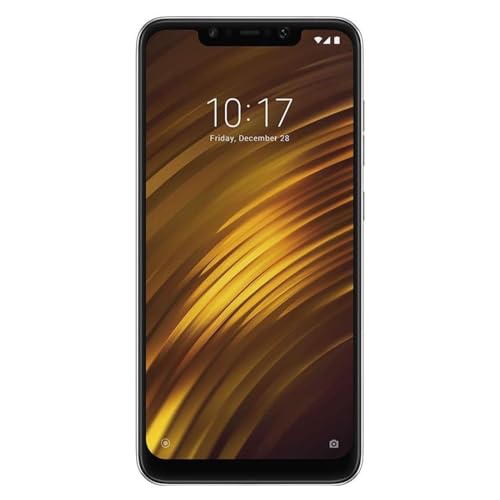
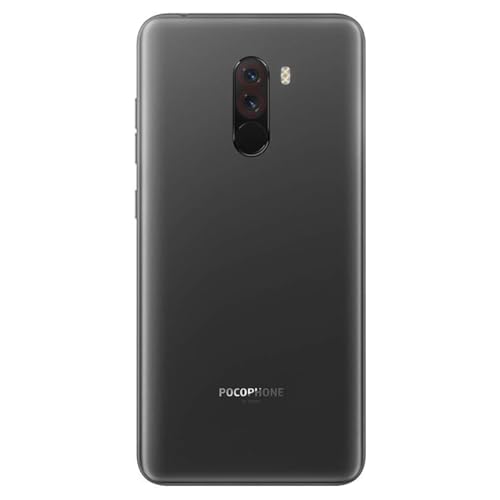
Poco Pocophone F1 (6GB + 128GB) review. Compare 197 technical specifications and user reviews to see how it ranks among smartphones and if it's worth buying.
Overall score
What it is: An overall evaluation of the smartphone's quality, based on technical analyses and user reviews.
When it matters: When you need a quick reference to identify the best smartphones on the market.
Score components:
90.0%
Technical Score
10.0%
User score
Technical Score
What it is: An assessment of the smartphone's technical performance, covering eight key areas: performance & hardware, software, camera, connectivity, display, battery, audio, and design.
When it matters: When you want to compare smartphones based on technical performance and available features.
Score components:
25.0%
Performance & Hardware
18.0%
Camera
15.0%
Display
15.0%
Battery
10.0%
Software
10.0%
Connectivity
4.0%
Audio
3.0%
Design
User score
What it is: A rating that combines user reviews and the total number of reviews received by the smartphone
When it matters: When you want to know how a smartphone handles daily tasks and how reliable it remains over time according to user feedback.
Score components:
70.0%
User reviews
30.0%
Popularity
Available: ranking among products currently available (including other versions of this product).
All: ranking among all products in the database.
#41 in Best Poco Smartphones
#83 in Best 6-Inch Smartphones
#305 in Best Mid-Range Smartphones
#799 in Best Chinese Smartphones
#869 in Best Smartphones Under £400
#944 in Best Smartphones Under £500
#1136 in Best Battery Life Smartphones
#1145 in Best Android Smartphones
#1195 in Best AI Smartphones
#1200 in Best Value Smartphones
#1202 in Best Smartphones
What it is: An assessment of the smartphone's technical performance, covering eight key areas: performance & hardware, software, camera, connectivity, display, battery, audio, and design.
When it matters: When you want to compare smartphones based on technical performance and available features.
Score components:
25.0%
Performance & Hardware
18.0%
Camera
15.0%
Display
15.0%
Battery
10.0%
Software
10.0%
Connectivity
4.0%
Audio
3.0%
Design
What it is: A rating that combines user reviews and the total number of reviews received by the smartphone
When it matters: When you want to know how a smartphone handles daily tasks and how reliable it remains over time according to user feedback.
Score components:
70.0%
User reviews
30.0%
Popularity
What it is: An indicator that combines the smartphone's overall rating with its cost.
When it matters: When you are looking for a smartphone with a good balance between quality and price.
Score components:
60.0%
Overall score
40.0%
Price
Importance: MEDIUM
Importance: HIGH
Importance: HIGH
Good value: >12 GB
Importance: HIGH
Good value: >256 GB
Importance: MEDIUM
Good value: >3.2 GHz
Importance: MEDIUM
Importance: HIGH
Good value: >1500
Importance: MEDIUM
Good value: >4000
Importance: MEDIUM
Good value: 8+
Importance: MEDIUM
Importance: MEDIUM
Good value: >950 MHz
Importance: MEDIUM
Good value: >700
Importance: MEDIUM
Good value: >1000
Importance: MEDIUM
Good value: >2500
Importance: MEDIUM
Good value: >6000
Importance: MEDIUM
Good value: >8000
Importance: HIGH
Good value: >12000
Importance: MEDIUM
Good value: >5000
Importance: MEDIUM
Good value: >1800
Importance: MEDIUM
Good value: >3200 MHz
Importance: MEDIUM
Good value: 5
Importance: MEDIUM
Good value: > 50 GB/s
Importance: LOW
Good value: 4
Importance: MEDIUM
Good value: >16 GB
Importance: HIGH
Good value: <6 nm
Importance: MEDIUM
Good value: >9 W
Importance: MEDIUM
Importance: LOW
Good value: >8192 KB
Importance: LOW
Good value: >2048 KB
Importance: LOW
Good value: >512 KB
Importance: MEDIUM
Good value: >100000 million
Importance: LOW
Good value: 3.3
Importance: LOW
Good value: 3.2
Importance: LOW
Good value: 2.0/3.0
Importance: LOW
Importance: MEDIUM
Importance: LOW
Importance: HIGH
Importance: LOW
Importance: HIGH
Importance: LOW
Importance: LOW
Importance: LOW
Importance: LOW
Importance: LOW
Importance: MEDIUM
Importance: LOW
Importance: LOW
Importance: LOW
Importance: LOW
Importance: LOW
Importance: MEDIUM
Importance: MEDIUM
Importance: MEDIUM
Importance: MEDIUM
Importance: MEDIUM
Importance: LOW
Importance: LOW
Importance: MEDIUM
Importance: MEDIUM
Importance: MEDIUM
Importance: MEDIUM
Importance: LOW
Importance: LOW
Importance: LOW
Importance: LOW
Importance: LOW
Importance: LOW
Importance: LOW
Importance: LOW
Importance: MEDIUM
Importance: HIGH
Good value: >50 MP
Importance: HIGH
Importance: HIGH
Good value: >60
Importance: MEDIUM
Good value: ≥1.2 µm
Importance: HIGH
Good value: >2.5x
Importance: HIGH
Importance: LOW
Importance: LOW
Importance: LOW
Importance: LOW
Good value: ≥2
Importance: LOW
Importance: LOW
Importance: HIGH
Importance: HIGH
Good value: >16 MP
Importance: MEDIUM
Importance: LOW
Importance: LOW
Importance: LOW
Importance: MEDIUM
Importance: MEDIUM
Importance: LOW
Importance: LOW
Importance: LOW
Importance: MEDIUM
Importance: LOW
Importance: MEDIUM
Importance: MEDIUM
Importance: MEDIUM
Importance: LOW
Importance: LOW
Importance: LOW
Importance: LOW
Importance: MEDIUM
Importance: LOW
Importance: LOW
Importance: LOW
Importance: LOW
Importance: LOW
Importance: LOW
Importance: MEDIUM
Good value: >130
Importance: MEDIUM
Good value: >120
Importance: MEDIUM
Good value: ≥2
Importance: LOW
Importance: MEDIUM
Importance: HIGH
Importance: HIGH
Importance: MEDIUM
Importance: LOW
Good value: >5.2
Importance: MEDIUM
Importance: LOW
Importance: MEDIUM
Importance: LOW
Good value: 3.1/3.2
Importance: LOW
Importance: LOW
Importance: LOW
Good value: ≥2
Importance: LOW
Importance: MEDIUM
Importance: LOW
Importance: HIGH
Importance: LOW
Importance: LOW
Importance: LOW
Importance: LOW
Importance: LOW
Importance: LOW
Importance: LOW
Importance: LOW
Importance: LOW
Importance: LOW
Importance: LOW
Importance: MEDIUM
Good value: ≥6.6 inches
Importance: HIGH
Importance: HIGH
Good value: >400 ppi
Importance: HIGH
Importance: HIGH
Good value: ≥120 Hz
Importance: HIGH
Importance: MEDIUM
Good value: >300 Hz
Importance: MEDIUM
Good value: >800 nits
Importance: MEDIUM
Good value: >1300 nits
Importance: MEDIUM
Good value: >1000 nits
Importance: MEDIUM
Importance: MEDIUM
Importance: LOW
Importance: LOW
Importance: MEDIUM
Importance: LOW
Importance: LOW
Importance: HIGH
Importance: HIGH
Good value: >5000 mAh
Importance: HIGH
Good value: >60 W
Importance: MEDIUM
Importance: MEDIUM
Good value: <45 min
Importance: MEDIUM
Importance: LOW
Good value: >40 W
Importance: LOW
Importance: LOW
Good value: >10 W
Importance: LOW
Importance: HIGH
Importance: MEDIUM
Importance: MEDIUM
Good value: >800
Importance: LOW
Importance: LOW
Importance: MEDIUM
Importance: LOW
Importance: MEDIUM
Good value: ≥3
Importance: LOW
Importance: LOW
Importance: MEDIUM
Importance: LOW
Importance: MEDIUM
Importance: LOW
Importance: LOW
Good value: <162 mm
Importance: LOW
Good value: <75 mm
Importance: LOW
Good value: <8 mm
Importance: MEDIUM
Good value: <190 g
Importance: LOW
Good value: <98cm³
Importance: LOW
Importance: LOW
Importance: LOW
Importance: LOW
Importance: MEDIUM
Importance: LOW
Good value: ≥1.5 m
Importance: LOW
Importance: MEDIUM
Good value: >8
Importance: LOW
Importance: LOW
Importance: MEDIUM
Importance: LOW
Importance: MEDIUM
Good value: ≥1.2 µm
Importance: LOW
Importance: LOW
Importance: MEDIUM
Good value: >9 W
Importance: LOW
Good value: 4
Importance: LOW
Importance: HIGH
Importance: MEDIUM
Importance: HIGH
Good value: ≥120 Hz
Importance: HIGH
Importance: HIGH
Good value: >50 MP
Importance: HIGH
Good value: >256 GB
Importance: HIGH
Good value: >5000 mAh
Importance: MEDIUM
Good value: >16 GB
(Reviews last updated: August 2026)
In a 2020 retrospective, Android Central found the POCO F1 remained a "great product" due to its over-engineered Snapdragon 845 chipset and reliable 4,000mAh battery, which continued to offer significant performance and longevity. The device featured a durable polycarbonate chassis, which resisted the damage seen on glass-backed competitors, while MIUI 11 provided a polished, optimized software experience. Despite excellent value, the phone's wide notch and thick bezels felt dated, and it lacked long-term software support beyond Android 10, with cameras missing modern features like OIS.
The Tech Advisor review highlights the Pocophone F1 as an outstanding device offering flagship-level performance via its Snapdragon 845 processor and 8GB of RAM at a disruptive price point. Its 4,000mAh battery provides exceptional longevity, making it a strong contender for power users. Key drawbacks, or cons, include a plastic (polycarbonate) build that lacks a premium feel, a large display notch, and the absence of optical image stabilization on the camera, which can lead to blurry shots. The device also misses out on an IP rating for water resistance and lacks wireless charging to keep costs down. While the software (MIUI) is generally smooth, it is noted for containing bloatware. Despite these compromises, the F1 is recommended as an excellent budget option for those prioritizing raw speed and battery life.
The SlashGear review describes the Pocophone F1 as a "speed demon" that delivers flagship-level performance via a Snapdragon 845 chipset, 4,000mAh battery, and "LiquidCool" technology. While offering top-tier processing power, the device compromises on aesthetics with a plastic body and lacks features like NFC, wireless charging, and IP-rated water resistance. The camera performs well in daylight but lacks Optical Image Stabilization (OIS), resulting in sub-par low-light performance. The review concludes that the F1 is a "mid-range master" ideal for performance-focused users who can overlook its utilitarian design.
The Xiaomi Pocophone F1, reviewed in 2018, was positioned as a high-performance, budget-friendly "flagship killer," featuring a top-tier Snapdragon 845 processor and liquid cooling system to deliver speed comparable to more expensive phones of the time. This focus on internal power resulted in design compromises, including a plastic chassis and a large display notch. The device's strengths included a large 4000 mAh battery offering significant usage time, the retention of a 3.5mm headphone jack, and camera performance deemed respectable for its price point. However, notable drawbacks were the absence of an NFC chip, which prevented contactless payments, an LCD screen that lacked the vibrancy of OLED displays, and the potentially polarizing MIUI software interface. Ultimately, despite its design limitations, the Pocophone F1 was seen as a strong option for performance-focused users on a budget due to its value proposition.
Mashable's review describes the Pocophone F1 as offering flagship performance at a lower cost, powered by a Snapdragon 845 chip and featuring a long-lasting 4,000mAh battery. However, the device sacrifices premium design elements like water resistance, wireless charging, and NFC, and its camera performance and display quality are noted as merely "alright" compared to more expensive phones. Despite these compromises, the F1 is considered a strong value proposition for users prioritizing speed and battery life.
The Xiaomi Poco F1, reviewed in 2018, was presented as a high-value Android smartphone offering flagship performance with a Qualcomm Snapdragon 845 processor and 6GB of RAM, supported by a 4,000mAh battery. It utilized a polycarbonate chassis, lacking the premium feel and features like NFC, wireless charging, and an IP rating found in competitors. The device's dual rear cameras excelled in daylight but struggled in low light, and its customized MIUI 9.6 software included a Poco Launcher with an app drawer but was hindered by bloatware and notification display issues due to its wide notch.
NextPit reviewed the Xiaomi Pocophone F1, calling it a "flagship killer-killer" due to its focus on performance. The phone features a Snapdragon 845 chipset with LiquidCool technology for high speed and efficient cooling during gaming, along with a 4,000 mAh battery offering up to two days of use. It utilizes a plastic build for durability, though it lacks a premium feel and can scuff easily. The 6.18-inch IPS LCD display provides sharpness and natural colors but has uneven lighting, lower brightness, and a large notch that limits notification space. Biometric features include fast infrared face recognition and a responsive fingerprint sensor. However, the device lacks NFC for contactless payments and official water or dust resistance. The camera performs well in good lighting but struggles in low-light conditions.
The XDA-Developers review highlights the Xiaomi Poco F1 as delivering flagship performance at a mid-range price, using a polycarbonate build for affordability. The 6.18-inch FHD+ IPS LCD display offers good color accuracy but has a large notch and bottom chin that can interfere with UI elements. Performance is a strong suit, with the Snapdragon 845 chipset and LiquidCool technology enabling consistent high frame rates in demanding games like PUBG Mobile. While UI smoothness may not match top-tier flagships, it excels in benchmarks and real-world speed compared to many more expensive rivals.
Trusted Reviews describes the Xiaomi Pocophone F1 as a performance-focused device featuring a Snapdragon 845 processor and LiquidCool system, offering high-end speed comparable to more expensive phones. Pros include strong battery life, reliable IR face unlock, a decent dual camera in daylight, a 3.5mm headphone jack, and stereo speakers. Cons noted are its plastic build, an IPS LCD display with a large notch, lack of NFC and water resistance, and poor low-light camera performance.
The Xiaomi Pocophone F1 is highlighted by connect as a high-performance "powerhouse" offering flagship-tier speed with its Qualcomm Snapdragon 845 processor and a long-lasting 4,000 mAh battery at an aggressive price point. However, to achieve this, significant compromises were made, including a basic plastic (polycarbonate) chassis, the lack of NFC for contactless payments, and no IP rating for water or dust resistance. While the 6.18-inch LCD display offers good brightness, the camera system struggles in low light due to a lack of optical image stabilization (OIS). Ultimately, connect awarded the device a "Good" rating (422/500 points), concluding that its internal performance vastly outweighs its budget design.
The Xiaomi Pocophone F1 disrupts the market by offering a high-end Snapdragon 845 processor, LiquidCool technology, and a 4,000 mAh battery for roughly 350 Swiss Francs. The device features a bright Full HD+ display, but compromises include a plastic build, lack of NFC, no water resistance, and no wireless charging. Despite a "child-like" MIUI skin, the F1 remains a top-value choice for power users due to its performance, headphone jack, and IR face unlock.
According to the PC-Welt review of the Xiaomi Pocophone F1, the device acts as a "flagship killer" by offering high-end hardware, specifically the Snapdragon 845 processor and 8GB RAM, at a mid-range price. The performance is optimized for gaming with a "LiquidCool" system, while a 4,000mAh battery supports long-lasting, heavy daily usage. The design uses durable polycarbonate plastic to keep costs down, rather than premium materials, resulting in a less luxurious feel. While the 6.18-inch IPS display offers good brightness and accuracy, it features a wide notch and prominent chin. Key pros include excellent value, a fast rear-mounted fingerprint sensor, infrared face unlock, and a 3.5mm headphone jack. Notable cons are the lack of NFC for contactless payments, no official IP water resistance, and limited video streaming quality due to lack of Widevine L1.
The Pocophone F1 offers flagship-grade performance with its Snapdragon 845 processor, 6GB of RAM, and 4,000 mAh battery, making it an excellent, fast device for gamers and power users. Notable pros include effective LiquidCool technology, a reliable infrared face unlock, and a 3.5mm headphone jack. However, the device features a plain polycarbonate plastic body that feels less premium and lacks NFC, IP certification, and wireless charging. The IPS LCD display suffers from poor sunlight legibility, and the camera, lacking OIS, produces mediocre low-light photos. Ultimately, it is considered a budget-focused device that prioritizes speed over the premium materials and features of traditional flagships.
The GIGA.de review highlights the Xiaomi Poco F1 as a budget-friendly device offering top-tier performance, driven by a Snapdragon 845 processor that excels in speed, gaming, and multitasking. Key pros include an exceptional price-to-performance ratio, a long-lasting 4,000 mAh battery, a surprisingly capable dual-camera system, a 3.5mm headphone jack, and reliable infrared face unlock. The primary trade-offs for this low price point are a plastic polycarbonate build, lack of NFC, initially limited HD Netflix streaming, and a large display notch.
The Xiaomi Pocophone F1 delivers top-tier performance with a Snapdragon 845 processor and a long-lasting 4000mAh battery at a low price point, making it a strong contender despite not being a true "flagship killer". Key pros include exceptional speed, lag-free performance, and a robust battery life. However, compromises include a matte plastic build, lack of waterproofing, absence of NFC, and an IPS screen that struggles in bright light. The dual-camera system lacks Optical Image Stabilisation (OIS), resulting in poor low-light photos, and initial, now resolved, issues with Widevine L1 certification limited HD streaming.
The Xiaomi Pocophone F1, as reviewed by Smartzone, is a "flagship killer" prioritizing raw power, featuring a Snapdragon 845 processor with LiquidCool technology and a 4,000mAh battery for, long-lasting performance. The 6.18-inch IPS display offers high brightness, while the 12MP main and 20MP front cameras provide solid, daylight, performance. However, the device utilizes a plastic build, lacks NFC and official IP rating, and the camera misses optical image stabilization.
The Xiaomi Pocophone F1 redefines budget smartphones by offering top-tier Snapdragon 845 performance and a durable, albeit plastic, design. A key strength is its LiquidCool technology, ensuring consistent high performance during intense gaming sessions. The 6.18-inch screen delivers good color accuracy, though it falls short of premium OLED displays in brightness. While the 12MP/5MP camera setup captures decent daylight shots, it lacks Optical Image Stabilisation (OIS), resulting in noisy low-light images. The 4,000mAh battery is a major plus, lasting over two days, but the phone lacks NFC and water resistance.
The Maison et Domotique review of the Xiaomi Pocophone F1 highlights a device focused on extreme performance-per-dollar, featuring a top-tier Snapdragon 845 processor paired with a LiquidCool system for sustained gaming performance. While packing a large 4,000 mAh battery with fast charging, the device compromises on aesthetics with a utilitarian polycarbonate back rather than premium materials. Pros include exceptional speed and value, while cons feature the lack of NFC, no official IP water-resistance rating, and a 6.18-inch IPS display with a significant notch. The camera system is considered decent for the price, utilizing a 12MP main sensor that excels in daylight but suffers in low-light conditions due to a lack of Optical Image Stabilisation (OIS). Software runs on a modified MIUI for Poco, which offers snappy performance but may contain pre-installed bloatware. Overall, the device is marketed as a "performance king" that sacrifices design and certain features for raw power.
The Pocophone F1, analyzed by CNET France, is defined by its, high-end Snapdragon 845 processor and 6GB of RAM, offering flagship performance at a mid-range price, making it a compelling option for power users. To achieve this, the device features a plastic polycarbonate build, a functional 6.18-inch LCD screen, a wide notch, and lacks NFC and IP water resistance ratings. While the 4,000 mAh battery provides excellent two-day,moderate-use endurance, the camera, which performs well in daylight, struggles in low-light conditions.
The Numerama review identifies the Pocophone F1 as a budget-friendly "speed master" featuring a top-tier Snapdragon 845 processor, 6GB of RAM, and a functional, durable polycarbonate design. While offering exceptional gaming performance and a long-lasting 4,000 mAh battery, the device sacrifices premium aesthetics and features, lacking NFC and official water resistance. The screen is criticized for its low brightness and poor direct sunlight visibility, and the, at the time, lack of Widevine L1 certification limited HD streaming. Ultimately, the review finds the F1 to be a high-performance device with a mediocre, often slow camera and a heavily skinned software, prioritizing raw power over premium features.
The Xiaomi Pocophone F1 is identified as a "flagship killer" offering top-tier performance with its Snapdragon 845 processor and 6GB of RAM, specifically geared towards gaming. While utilizing a "LiquidCool" system to manage heat, the device cuts costs by using a plastic, polycarbonate body instead of premium materials. Despite the lack of NFC and wireless charging, the 4,000 mAh battery provides excellent longevity.
The Leclaireur Fnac lab test defines the Xiaomi Pocophone F1 as a high-performance, affordable "racer" featuring a Snapdragon 845 processor, 6GB of RAM, and a LiquidCool system for sustained, heavy gaming. The 6.18-inch Full HD+ display is bright despite a large notch, and the 4,000 mAh battery offers excellent endurance with Quick Charge 3.0 support. While the dual camera system provides detailed images, it lacks Optical Image Stabilisation (OIS), which is noted as a drawback for video stability. L'É To maintain an aggressive price point, the F1 utilizes a polycarbonate plastic build rather than premium materials, and it lacks NFC for contactless payments and formal water resistance. Additionally, the software experience is marked by the heavily customized MIUI for Poco, which may not appeal to all users. L'É
The Xiaomi Pocophone F1 is identified as a "flagship killer" focusing on raw power, featuring a top-tier Snapdragon 845 processor and a functional, durable polycarbonate build. Key advantages include a long-lasting 4,000 mAh battery, highly reliable infrared face unlock, and the inclusion of a 3.5mm headphone jack. Conversely, the device's weaknesses are highlighted as a relatively low-brightness 6.18-inch IPS LCD display, the absence of NFC, and average camera performance in low-light conditions.
The Xiaomi Pocophone F1, as reviewed by Presse-Citron, is a "disruptive" device offering high-end, flagship performance at a mid-range price point. Key advantages include the powerful Snapdragon 845 processor with a liquid cooling system, exceptional 4,000 mAh battery life, a 3.5mm headphone jack, and efficient IR-assisted face unlock. To achieve this, the device features a functional but less premium polycarbonate plastic body and an LCD screen that lacks the deep blacks of OLED, while omitting features like NFC, wireless charging, and official water resistance. Additionally, the camera system struggles in low-light due to a lack of Optical Image Stabilisation (OIS), and the MIUI for Poco software may be considered quirky. Despite these trade-offs, the Pocophone F1 is lauded as an unbeatable "flagship killer" for users prioritizing raw performance and gaming capabilities over premium aesthetics.
The Pocophone F1 is identified as a premier "flagship killer" that prioritizes raw performance, featuring a high-end Snapdragon 845 processor, a large 4,000 mAh battery, and effective LiquidCool technology for sustained gaming. Despite these strengths, the device compromises with a plastic, polycarbonate build and lacks features like NFC, IP certification, and wireless charging to maintain its budget price point. While the camera performs well in daylight, it lacks Optical Image Stabilization (OIS) and underperforms in low light, according to the review.
The 01net review highlights the Pocophone F1 as a market-disrupting device, offering flagship Snapdragon 845 performance and 6GB of RAM at an unprecedented €359 price point. Key pros include this top-tier speed, a "LiquidCool" system, and a 4000mAh battery offering exceptional To achieve this price, the F1 compromises on design, featuring a plastic polycarbonate body, lacking NFC for payments, having no IP rating, and using an LCD screen with a wide notch rather than OLED. While the dual-camera system performs well in daylight, it struggles with noise in low-light, and the MIUI software is criticized for its aesthetic despite being fast. Overall, 01net concludes it is an unbeatable choice for users prioritizing power over premium build materials.
The Xiaomi Pocophone F1 is identified as a "high-end killer" prioritizing raw power over premium aesthetics, featuring a functional polycarbonate body, a fast-reacting fingerprint sensor, but lacking NFC and an IP rating. Driven by a Snapdragon 845 processor and LiquidCool technology, the device delivers flagship performance paired with a massive 4,000mAh battery, although the 6.18-inch IPS screen includes a large notch. While photo results are respectable in good light, the camera struggles in low-light scenarios due to a lack of Optical Image Stabilisation (OIS).
According to Frandroid, the Pocophone F1 is a "Master of Speed" that redefines the budget market by offering top-tier performance, featuring a Snapdragon 845 processor and liquid cooling for exceptional gaming. The device compromises on build quality with a utilitarian polycarbonate plastic body, a large notch, and lacks features like NFC and official IP rating. Despite these limitations, the 4,000mAh battery delivers long-lasting power, while the camera provides great daylight photos but struggles in low light.
The Xataka review highlights the Pocophone F1 as a "flagship killer" that prioritizes raw performance, featuring a Snapdragon 845 chipset and LiquidCool system for top-tier gaming. Key pros include a massive 4,000 mAh battery with Quick Charge 3.0 and high-quality daylight photography from the 20MP front camera, despite lacking low-light optical image stabilization. Conversely, cons focus on a utilitarian, polycarbonate build rather than premium materials, along with the omission of NFC, water resistance, and wireless charging. The 6.18-inch IPS LCD, while bright, is noted for its large notch and lack of deep OLED blacks.
The NextPit review labels the Xiaomi Pocophone F1 a "flagship killer-killer," highlighting its exceptional performance driven by a Snapdragon 845 processor, LiquidCool system, and a 4,000 mAh battery as major pros. However, the device compromises on build quality, utilizing a plastic polycarbonate body that lacks premium feel and water resistance, along with an IPS display that struggles with brightness. Despite fast face unlock, the phone features a polarizing MIUI for Poco skin, lacks NFC, and provides an underwhelming camera experience in low-light conditions.
The Pocophone F1 is positioned as a "flagship killer," delivering top-tier performance with a Snapdragon 845 processor and 6GB of RAM at a mid-range price point, complemented by a long-lasting 4000mAh battery. Strategic cost-cutting measures resulted in a durable polycarbonate body, a functional 6.18-inch IPS display with a large notch, and the omission of features like NFC and water resistance. While the dual-camera system performs well in daylight and the infrared face unlock is fast, low-light photography is subpar, making the device an excellent value for performance-focused users.
Following 30 days of use, the Xataka review concludes that the Pocophone F1 is a performance-first device that sacrifices premium materials for a high-end Snapdragon 845 processor and efficient liquid cooling. While the plastic, bulky design and lack of NFC are notable drawbacks, the device delivers an exceptional 4,000 mAh battery, fast biometrics, and unparalleled speed for its price point. Ultimately, the analysis positions the F1 as a top value-for-money option for users prioritizing performance over aesthetics.
The Xiaomi Pocophone F1 disrupts the market by offering flagship Snapdragon 845 performance and 6GB of RAM at a mid-range price, highlighted by a 4,000 mAh battery and effective cooling. To achieve this cost, the device sacrifices premium materials for a polycarbonate chassis and utilizes an IPS LCD panel rather than AMOLED, while also featuring a prominent notch. Despite solid daytime photography, the camera struggles in low light, and the lack of Widevine L1 certification restricts HD streaming on platforms like Netflix.
After one month, the Pocophone F1 is confirmed as a performance leader for its price, featuring a high-end Snapdragon 845 processor, 6GB of RAM, and a robust 4,000 mAh battery that offers excellent, long-lasting battery life. However, significant compromises are present, including a plastic polycarbonate build, lack of NFC, no Widevine L1 for high-def streaming at launch, and software-driven notification issues. Camera performance is reliable in good lighting, but low-light photography suffers from high noise, rounding out a device that sacrifices premium features for sheer speed and efficiency.
After a month of daily use, the Pocophone F1 is lauded as a performance powerhouse, driven by its Snapdragon 845 processor and 6GB of RAM, making it a top contender for value-for-money, though it sacrifices premium build quality for a plastic chassis. The 4,000mAh battery provides excellent endurance, and the infrared face unlock is notably fast, though the device lacks NFC and water resistance. While the camera performs well in daylight, low-light, and the software experience with MIUI for POCO, are cited as notable compromises.
The DDay.it review highlights the Pocophone F1 as a budget-friendly "speed monster" featuring a high-end Snapdragon 845 processor, an effective LiquidCool system, and a durable 4,000 mAh battery, delivering top-tier performance at a low price point. While the phone boasts excellent raw performance and practical, fast biometric security, it makes compromises in design with a plastic polycarbonate body, lacks NFC, and does not have official water resistance. Although the camera performs well in good lighting, it lacks Optical Image Stabilisation (OIS) and suffers in low-light conditions, with the initial lack of Widevine L1 hindering high-definition streaming.
The Hardware Upgrade review of the Pocophone F1 highlights it as a "concrete" smartphone delivering flagship-level speed, featuring a Snapdragon 845 processor and LiquidCool technology. Key advantages include an exceptional performance-to-price ratio, a 4,000 mAh battery offering two-day autonomy, and effective IR-assisted face unlock. Despite these, the device utilizes a polycarbonate body, lacks NFC, lacks optical image stabilization, and features a wide display notch.
Il Pocophone F1 di Xiaomi è descritto come uno smartphone focalizzato sulla sostanza, sacrificando l'estetica e i materiali premium per offrire prestazioni elevate a un prezzo competitivo. Presenta un corpo in policarbonato, un display IPS da 6,18 pollici con notch visibile e sblocco facciale a infrarossi rapido. Al suo interno, monta un processore Snapdragon 845 con 6GB di RAM per prestazioni fluide e una batteria da 4000 mAh per un'ottima autonomia. Mancano però la ricarica wireless, l'impermeabilità e l'NFC. Il comparto fotografico funziona bene con buona luce ma fatica in condizioni di scarsa illuminazione. La recensione completa è disponibile su Techprincess.it.
The Xiaomi Pocophone F1 is identified as a budget-friendly device delivering top-tier performance through its Qualcomm Snapdragon 845 processor and LiquidCool technology, directly competing with higher-end models. While it features a durable polycarbonate build and a 4,000mAh battery, it sacrifices premium materials and features like NFC for affordability. Key advantages include exceptional value and rapid infrared face unlocking, though performance is limited by a large display notch and mediocre low-light camera results.
The XiaomiToday.it review defines the Pocophone F1 as a performance-driven "flagship killer" that sacrifices premium build materials for top-tier internal specs like the Snapdragon 845 processor, 6GB of RAM, and a liquid cooling system. Key pros include the exceptional speed for gaming, excellent 4000 mAh battery life, and a highly responsive infrared face unlock system, alongside a functional IPS display. However, the device is criticized for its plastic, "cheap" feeling back, a large display notch that restricts UI elements, and a lack of NFC for contactless payments. While the camera performs well in bright conditions with effective AI, it struggles in low light, and audio recording quality is sub-par. The review concludes that the F1 is an unbeatable, concrete, and functional device for those prioritizing speed and battery over aesthetics, offering tremendous value despite the notable trade-offs.
The Xiaomi Pocophone F1, reviewed by Il Fatto Quotidiano, is characterized as a performance-driven "top-tier" device priced at a disruptive €329, featuring the high-end Snapdragon 845 processor, LiquidCool technology, and a durable 4,000 mAh battery. To achieve this cost, the smartphone compromises on build quality with a polycarbonate body and uses an older Gorilla Glass 3 display with a large notch, representing its main drawbacks. While the camera offers strong daylight performance, it lacks Optical Image Stabilization (OIS) and NFC, making it a "powerpack" aimed at performance over premium aesthetics.
The TuttoAndroid review of the Pocophone F1 highlights a device that prioritizes raw power over premium aesthetics, featuring a Snapdragon 845 chipset that delivers exceptional performance and fluidity for its price point. It features a LiquidCool system for sustained performance, a long-lasting 4,000 mAh battery, and fast infrared face unlocking, making it a strong contender for gaming. However, the device compromises with a polycarbonate build, lacks NFC for payments, and faces screen-related limitations like Widevine L1 issues and a large notch.
Andrea Galeazzi describes the Poco F1 as a high-performance device featuring a Snapdragon 845 chipset and a robust 4,000 mAh battery, which he considers its major strengths. The phone is noted for having a 3.5mm headphone jack, stereo speakers, and an FM radio, though the build quality is criticized for using a cheap-feeling polycarbonate body. A significant con identified in the review is the 6.18-inch IPS LCD display, which suffers from low maximum brightness, making it hard to read in direct sunlight. Furthermore, while the camera hardware is acceptable, the autofocus performance is described as unreliable, resulting in out-of-focus photos during tests. Concluding that the Poco F1 is a powerful, budget-friendly device that sacrifices premium materials and screen quality, Galeazzi finds it suitable for performance-focused users. The initial software, MIUI 9.6, was found to have minor bugs, such as improper notch notifications and issues with the face unlock feature.
The Xiaomi Pocophone F1 is identified as a "flagship killer" that prioritizes raw performance, featuring a Snapdragon 845 processor and LiquidCool technology for sustained high performance. It boasts a long-lasting 4,000mAh battery and a bright 6.18-inch display, offering exceptional value for its price point, though it lacks a premium build, using a polycarbonate body instead. Limitations include the lack of NFC, wireless charging, and Widevine L1 for high-definition streaming, while the camera struggles in low light due to no OIS. Androidworld.nl
The Xiaomi Pocophone F1 review from AndroidPlanet highlights a device that delivers top-tier performance at a budget price by prioritizing a high-speed Snapdragon 845 processor and a 4000mAh battery over premium materials, using a polycarbonate build instead. The phone excels in value-for-money, featuring excellent battery life, efficient liquid cooling for intensive gaming, and practical additions like a 3.5mm headphone jack. Key compromises include a standard LCD display, lackluster low-light camera performance without OIS, and a heavily customized MIUI software experience.
Compare