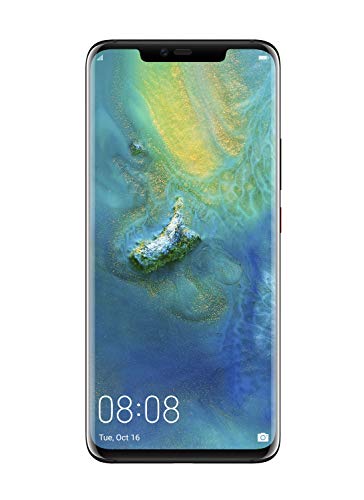
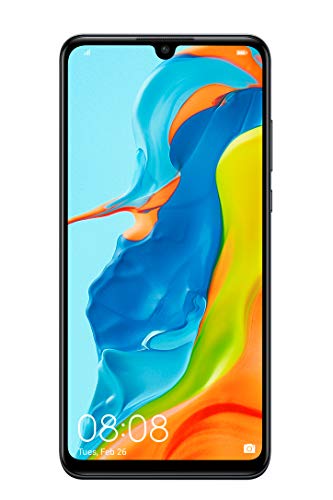
Huawei P30 Lite (4GB + 128GB) review. Compare 197 technical specifications and user reviews to see how this product ranks in the Smartphones category and whether it is worth buying.
Overall score
What it is: An overall evaluation of the smartphone's quality, based on technical analyses and user reviews.
When it matters: When you need a quick reference to identify the best smartphones on the market.
Score components:
90.0%
Technical Score
10.0%
User score
Technical Score
What it is: An assessment of the smartphone's technical performance, covering eight key areas: performance & hardware, software, camera, connectivity, display, battery, audio, and design.
When it matters: When you want to compare smartphones based on technical performance and available features.
Score components:
25.0%
Performance & Hardware
18.0%
Camera
15.0%
Display
15.0%
Battery
10.0%
Software
10.0%
Connectivity
4.0%
Audio
3.0%
Design
User score
What it is: A rating that combines user reviews and the total number of reviews received by the smartphone
When it matters: When you want to know how a smartphone handles daily tasks and how reliable it remains over time according to user feedback.
Score components:
70.0%
User reviews
30.0%
Popularity
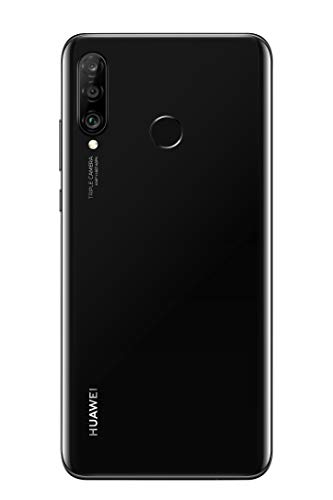
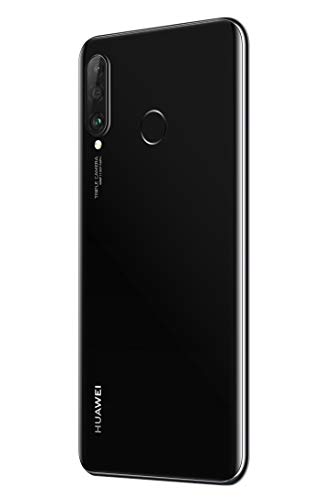
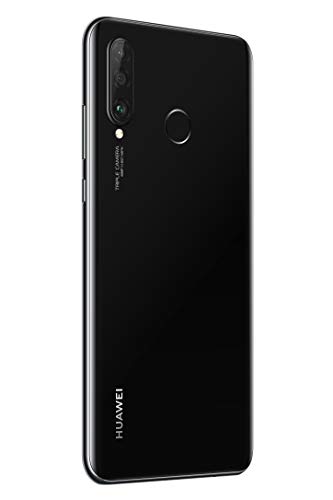
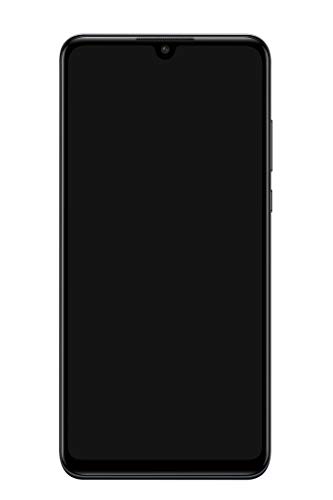
Available: ranking among products currently available (including other versions of this product).
All: ranking among all products in the database.
#47 in Best Huawei Phones
#96 in Best 6-Inch Smartphones
#518 in Best Smartphones Under £200
#675 in Best Smartphones Under £250
#785 in Best Smartphones Under £300
#842 in Best Chinese Smartphones
#934 in Best Smartphones Under £400
#1010 in Best Smartphones Under £500
#1068 in Best NFC Smartphones
#1206 in Best Android Smartphones
#1244 in Best AI Smartphones
#1258 in Best Smartphones
What it is: An assessment of the smartphone's technical performance, covering eight key areas: performance & hardware, software, camera, connectivity, display, battery, audio, and design.
When it matters: When you want to compare smartphones based on technical performance and available features.
Score components:
25.0%
Performance & Hardware
18.0%
Camera
15.0%
Display
15.0%
Battery
10.0%
Software
10.0%
Connectivity
4.0%
Audio
3.0%
Design
What it is: A rating that combines user reviews and the total number of reviews received by the smartphone
When it matters: When you want to know how a smartphone handles daily tasks and how reliable it remains over time according to user feedback.
Score components:
70.0%
User reviews
30.0%
Popularity
What it is: An indicator that combines the smartphone's overall rating with its cost.
When it matters: When you are looking for a smartphone with a good balance between quality and price.
Score components:
60.0%
Overall score
40.0%
Price
Importance: LOW
Importance: HIGH
Importance: HIGH
Good value: >12 GB
Importance: MEDIUM
Good value: >256 GB
Importance: MEDIUM
Good value: >3.2 GHz
Importance: LOW
Importance: MEDIUM
Good value: >1500
Importance: LOW
Good value: >4000
Importance: LOW
Good value: 8+
Importance: LOW
Importance: LOW
Good value: >950 MHz
Importance: LOW
Good value: >700
Importance: LOW
Good value: >1000
Importance: LOW
Good value: >2500
Importance: MEDIUM
Good value: >6000
Importance: LOW
Good value: >8000
Importance: MEDIUM
Good value: >12000
Importance: LOW
Good value: >5000
Importance: LOW
Good value: >1800
Importance: LOW
Good value: >3200 MHz
Importance: LOW
Good value: 5
Importance: LOW
Good value: > 50 GB/s
Importance: LOW
Good value: 4
Importance: LOW
Good value: >16 GB
Importance: MEDIUM
Good value: <6 nm
Importance: MEDIUM
Good value: >9 W
Importance: LOW
Importance: LOW
Good value: >8192 KB
Importance: LOW
Good value: >2048 KB
Importance: LOW
Good value: >512 KB
Importance: LOW
Good value: >100000 million
Importance: LOW
Good value: 3.3
Importance: LOW
Good value: 3.2
Importance: LOW
Good value: 2.0/3.0
Importance: LOW
Importance: LOW
Importance: LOW
Importance: MEDIUM
Importance: LOW
Importance: LOW
Importance: LOW
Importance: LOW
Importance: LOW
Importance: LOW
Importance: LOW
Importance: LOW
Importance: LOW
Importance: LOW
Importance: LOW
Importance: LOW
Importance: LOW
Importance: LOW
Importance: LOW
Importance: LOW
Importance: LOW
Importance: LOW
Importance: LOW
Importance: LOW
Importance: LOW
Importance: LOW
Importance: LOW
Importance: LOW
Importance: LOW
Importance: LOW
Importance: LOW
Importance: LOW
Importance: LOW
Importance: LOW
Importance: LOW
Importance: LOW
Importance: LOW
Importance: MEDIUM
Good value: >50 MP
Importance: MEDIUM
Importance: HIGH
Good value: >60
Importance: LOW
Good value: ≥1.2 µm
Importance: MEDIUM
Good value: >2.5x
Importance: MEDIUM
Importance: LOW
Importance: LOW
Importance: LOW
Importance: LOW
Good value: ≥2
Importance: LOW
Importance: LOW
Importance: LOW
Importance: LOW
Good value: >16 MP
Importance: LOW
Importance: LOW
Importance: LOW
Importance: LOW
Importance: MEDIUM
Importance: LOW
Importance: LOW
Importance: LOW
Importance: LOW
Importance: LOW
Importance: LOW
Importance: LOW
Importance: LOW
Importance: LOW
Importance: LOW
Importance: LOW
Importance: LOW
Importance: LOW
Importance: LOW
Importance: LOW
Importance: LOW
Importance: LOW
Importance: LOW
Importance: LOW
Importance: LOW
Importance: LOW
Good value: >130
Importance: LOW
Good value: >120
Importance: LOW
Good value: ≥2
Importance: LOW
Importance: LOW
Importance: LOW
Importance: LOW
Importance: LOW
Importance: LOW
Good value: >5.2
Importance: LOW
Importance: LOW
Importance: LOW
Importance: LOW
Good value: 3.1/3.2
Importance: LOW
Importance: LOW
Importance: LOW
Good value: ≥2
Importance: LOW
Importance: LOW
Importance: LOW
Importance: LOW
Importance: LOW
Importance: LOW
Importance: LOW
Importance: LOW
Importance: LOW
Importance: LOW
Importance: LOW
Importance: LOW
Importance: LOW
Importance: LOW
Importance: LOW
Importance: LOW
Good value: ≥6.6 inches
Importance: MEDIUM
Importance: LOW
Good value: >400 ppi
Importance: MEDIUM
Importance: MEDIUM
Good value: ≥120 Hz
Importance: LOW
Importance: LOW
Good value: >300 Hz
Importance: LOW
Good value: >800 nits
Importance: LOW
Good value: >1300 nits
Importance: LOW
Good value: >1000 nits
Importance: LOW
Importance: LOW
Importance: LOW
Importance: LOW
Importance: LOW
Importance: LOW
Importance: LOW
Importance: LOW
Importance: HIGH
Good value: >5000 mAh
Importance: MEDIUM
Good value: >60 W
Importance: LOW
Importance: LOW
Good value: <45 min
Importance: LOW
Importance: LOW
Good value: >40 W
Importance: LOW
Importance: LOW
Good value: >10 W
Importance: LOW
Importance: LOW
Importance: MEDIUM
Importance: LOW
Good value: >800
Importance: LOW
Importance: LOW
Importance: LOW
Importance: LOW
Importance: LOW
Good value: ≥3
Importance: LOW
Importance: LOW
Importance: LOW
Importance: LOW
Importance: LOW
Importance: LOW
Importance: LOW
Good value: <162 mm
Importance: LOW
Good value: <75 mm
Importance: LOW
Good value: <8 mm
Importance: LOW
Good value: <190 g
Importance: LOW
Good value: <98cm³
Importance: LOW
Importance: LOW
Importance: LOW
Importance: LOW
Importance: LOW
Importance: LOW
Good value: ≥1.5 m
Importance: LOW
Importance: LOW
Good value: >8
Importance: LOW
Importance: LOW
Importance: LOW
Importance: LOW
Good value: >400 ppi
Importance: LOW
Good value: <190 g
Importance: LOW
Good value: >16 MP
Importance: LOW
Importance: LOW
Good value: <162 mm
Importance: LOW
Good value: <8 mm
Importance: LOW
Good value: <75 mm
Importance: HIGH
Importance: MEDIUM
Importance: MEDIUM
Good value: ≥120 Hz
Importance: LOW
Importance: MEDIUM
Good value: <6 nm
Importance: HIGH
Good value: >5000 mAh
Importance: MEDIUM
Good value: >12000
Importance: LOW
Good value: >950 MHz
(Reviews last updated: August 2026)
The Huawei P30 Lite mimics its flagship counterparts with a premium 6.15-inch Full HD+ design, offering a stylish, ergonomic feel, yet it lacks gorilla glass and IP-rated water resistance. While the triple-camera system provides versatile shooting and the selfie camera is strong, it struggles with 4K recording and lacks the top-tier night mode of more expensive models. Performance, driven by the Kirin 710 chipset, is sufficient for daily use but falters in gaming, and the 3,340mAh battery often requires recharging before the day ends.
The Huawei P30 Lite, reviewed by MobileSyrup, is a visually appealing mid-range device featuring a 6.15-inch LCD display that mimics the P30 Pro's premium aesthetic. Pros include its lightweight, ergonomic design and a triple-camera system with a 48-megapixel main sensor, while cons include a fingerprint-prone finish and a plastic frame. The device, powered by a Kirin 710 processor and 4GB of RAM, performs well in daily tasks but struggles with intensive gaming and multitasking. The 3,340mAh battery provides solid, all-day life and supports 18W fast charging, although it lacks wireless charging. Ultimately, the P30 Lite is a strong option for users prioritizing camera capabilities and design, offering high value despite facing stiff competition in the mid-range market, such as from the Google Pixel 3a.
The Huawei P30 Lite, reviewed by ZDNET, is an affordable mid-range smartphone highlighting a premium, slim design and a versatile 48MP triple-camera system. While it mimics the aesthetics of its flagship counterparts, it makes compromises by using a lower-resolution IPS display, lacking an IP rating for water resistance, and offering only average performance via the Kirin 710 chipset. The device also suffers from below-average battery stamina, though it retains practical features like a 3.5mm headphone jack and expandable storage.
The Huawei P30 Lite features a premium, slim design with a 6.15-inch LCD screen and a "dewdrop" notch, offering high-end aesthetics at a mid-range price point. It boasts a versatile triple-lens camera system with a 48MP main sensor and a 24MP front camera, enhanced by AI scene recognition. While the camera and design are strong points, the device is limited by an average Kirin 710 chipset, a relatively small 3,340mAh battery, and a lack of water resistance.
The Huawei P30 Lite is a stylish mid-range phone with a premium aesthetic, featuring a 3D curved glass body and compact design. It boasts a versatile triple camera system with a 48MP main sensor and 8MP ultra-wide lens, along with a high-quality 32MP front camera for selfies. However, the review notes weaknesses in low-light camera performance and the absence of 4K video recording. Performance is adequate for daily tasks but struggles with intensive 3D gaming due to the Kirin 710 chipset. The 3340mAh battery provides day-long power for moderate users but may require charging after heavy use, distinguishing it from rivals with better stamina. Key pros include its premium design, strong camera setup, 128GB storage with microSD support, and a headphone jack, while cons include average battery life, limited gaming performance, lack of 4K video, an LCD screen instead of OLED, and no official water resistance rating.
The Root-Nation review describes the Huawei P30 Lite as a balanced mid-range phone with a premium design similar to flagships, featuring an ergonomic feel and a quality IPS LCD display. While its Kirin 710 chipset handles daily tasks smoothly, it struggles with demanding games, and its triple-camera excels in daylight but performs poorly in low light and lacks 4K video recording. Pros include its glass design, display, headphone jack, and NFC, while cons include a plastic frame, lack of water resistance, and a small battery prone to overheating.
The Huawei P30 Lite is presented as a mid-range phone prioritizing design and photography, featuring a premium glass and metal build, a 6.15-inch Full HD+ LCD screen, a 3.5mm headphone jack, and 128GB of storage. However, it lacks official water resistance and Gorilla Glass protection. Its triple-lens camera setup (48MP main, 8MP ultra-wide, 2MP depth) and 24MP selfie camera are pros in good lighting but struggle in low light conditions, with the auto mode tending to overexpose images. Performance is adequate for daily tasks but insufficient for demanding games due to the Kirin 710 processor, and the 3,340mAh battery capacity is considered a con for heavy use.
According to NextPit, Lite ( ) is a mid-range smartphone with a stylish design that mimics its flagship counterparts. It features a good display and essential hardware like a headphone jack and microSD support, though it uses plastic instead of premium materials. The phone offers adequate performance for daily use and boasts a versatile triple-camera setup, including an impressive ultra-wide lens, but its sharpness limits become apparent when zooming. Its battery life is sufficient for a day but its capacity is modest, and the phone has a noticeable camera bump and a rear fingerprint sensor.
According to Tech Advisor, the Huawei P30 Lite presents as a mid-range phone with appealing aesthetics but notable performance issues. It offers a high-end design, a versatile triple camera system, and ample storage, along with features like a headphone jack and fast charging. However, the review highlights drawbacks including poor battery life, laggy performance from its processor, and a less vibrant LCD screen compared to competitors. The device also lacks waterproofing and 4K video recording, leading Tech Advisor to suggest it is difficult to recommend over more capable rivals unless found at a significant discount and design is the top priority.
TechRadar describes the Huawei P30 Lite as a mid-range phone with an appealing design and versatile camera system, though its value is often diminished by rivals and its average performance and battery life are drawbacks. Key strengths include its premium feel, sharp 6.15-inch display, a headphone jack, and 128GB storage, while weaknesses include the lack of an AMOLED screen, no official water resistance, middling processing power for gaming, and adequate rather than exceptional battery life. Although its triple-lens camera is a pro, the lack of 4K video recording is a con.
The GIGA review identifies Lite as a stylish, compact mid-range smartphone featuring a premium glass back -inch display. It MP triple-lens camera GB storage, making it a strong all-rounder in terms of daily performance. However, the review highlights significant drawbacks, including underwhelming battery life, the lack of water resistance, and limited gaming performance due to the weaker GPU.
The Huawei P30 Lite is a visually striking mid-range smartphone that mimics the premium design of its flagship siblings with a 6.15-inch LCD display and a high-quality glass-plastic hybrid build. Pros include 128GB of internal storage, a 3.5mm headphone jack, and a triple-camera system that captures detailed photos in daylight. Performance and camera quality are mixed, with the Kirin 710 chipset prone to lag during gaming and the cameras struggling in low-light conditions. The device is also limited by the lack of 4K video recording. The 3,340 mAh battery is relatively small, requiring frequent charging during heavy use, though 18W fast charging is supported. Lacking features like wireless charging and IP-rated water resistance, it is best suited for users prioritizing design over raw power.
The Huawei P30 Lite is highlighted as a high-quality mid-range smartphone featuring a premium design, a 6.15-inch LTPS IPS display with over 500 cd/m² brightness, and an 83% screen-to-body ratio. Powered by the Kirin 710 chipset and 4GB of RAM, the device delivers solid daily performance and includes practical features like a 3.5mm headphone jack, 128GB storage, and a reliable rear-mounted fingerprint sensor. While the 3,340 mAh battery provides roughly 8 hours and 18 minutes of runtime, intensive 3D gaming can push the processor to its limits. www.connect.deThe camera system, featuring a 48MP main sensor, 8MP ultra-wide lens, and a 2MP depth sensor, is noted for its "lossless" 2x zoom functionality, although the ultra-wide lens is considered average. Pros include the bright display, solid camera performance for the price, and overall design, while cons focus on the lack of 4K video recording, limited water resistance, and moderate processing power for high-end gaming.
The Huawei P30 Lite, styled as a budget-friendly version of the flagship P30, features a sleek 7.4mm design and a 6.15-inch 1080p LCD display. Its triple-camera setup, featuring a 48MP main sensor, provides impressive detail, though it lacks 4K video recording and optical zoom. Performance is driven by the Kirin 710 chipset, which is adequate for daily tasks but underperforms in intense gaming, while the 3340mAh battery may not last through heavy usage. Despite lacking water resistance, the device includes 128GB of expandable storage, a 3.5mm headphone jack, and 18W fast charging.
The Huawei P30 Lite, reviewed by curved.de, is a budget-friendly alternative to the flagship P30, featuring a premium glass-and-plastic design and a 6.15-inch LCD display. Key pros include an versatile AI-supported triple-camera system, comfortable ergonomic handling, and fast charging. However, the device is limited by an average Kirin 710 processor, lackluster battery life for heavy users, and the lack of high-end features like waterproofing. For more details, visit curved.de.
The Huawei P30 Lite is a mid-range device offering a premium, compact design with a 6.15-inch Full HD+ LCD display and 128GB of storage. Key pros include its aesthetic, the inclusion of a 3.5mm headphone jack, and overall ergonomics, although it lacks OLED technology. The triple-camera system features a 48MP main sensor that captures detailed images in good lighting, alongside an 8MP ultra-wide lens and high-res selfie camera. However, cons include limited low-light performance, no optical zoom, and a restriction to 1080p Performance is driven by the Kirin 710 chipset and 4GB of RAM, which handles basic tasks but struggles with intensive gaming and may exhibit lag. The 3,340mAh battery often fails to last a full day, and the lack of water resistance highlights the compromises made to maintain its price point. Read more about this review at TechRadar.
The Heise review for the Huawei P30 Lite describes a mid-range smartphone with a premium glass-backed design and a vibrant 6.15-inch LCD, although the plastic frame and lack of water resistance reveal its budget nature. The 48MP main camera is praised for high detail in daylight, yet the AI software often overprocesses images, and the lack of 4K video is a limitation. Powered by the Kirin 710, the device suffers from significant software-induced lag and weak gaming performance, leading the reviewer to prefer alternatives. heise online
The Journal du Geek review characterizes the Huawei P30 Lite as a balanced mid-range smartphone, highlighting its premium build with a 3D curved glass back, 90% screen-to-body ratio, and vibrant IPS display. While the design is a pro, the 6.15-inch screen lacks the deep blacks of OLED, and the Kirin 710 processor offers only sufficient, not top-tier, performance for daily tasks. The triple-lens camera system (24MP main, 8MP ultra-wide) is a strong performer, producing detailed, colorful photos in good lighting. A significant con is the inconsistent low-light performance, which often results in noise despite a dedicated night mode. Battery life is another drawback, with the 3,340 mAh capacity struggling to last through heavy use, though it is supported by 18W fast charging. The device retains the 3.5mm headphone jack, a practical feature often missing from flagship models.
The NextPit review characterizes Lite as a stylish, well-built mid-range -inch p mm headphone jack. While praised for its premium, compact design, the review notes a plastic frame, a prominent camera bump, and a lack of water resistance. Pros include a sharp, bright display, while cons center on average performance and build materials. www.nextpit.com +2The camera system is a primary, albeit mixed, MP main sensor and a versatile ultra-wide lens, though images can lack sharpness when MP front camera exhibits overblown HDR. Performance, driven GB RAM, is sufficient for daily tasks but struggles with intense gaming., mAh battery is described as average, lasting a day, W charging, but lacks faster alternatives. www.nextpit.com +3
The CNET France review characterizes the Huawei P30 Lite as having an elegant, high-end design with a sleek glass back and a sharp 6.15-inch LCD screen, despite not being a true premium device. It offers a versatile triple-lens camera setup with a 48MP main sensor that performs well in daylight, coupled with a generous 128GB of storage. However, the phone suffers from significant performance issues, described as "laggy" due to an outdated Kirin 710 chipset, alongside weak battery life and poor low-light camera performance. Due to these drawbacks, the review concludes that the device is hard to recommend over better-equipped competitors.
The Huawei P30 Lite, as reviewed by Android MT, mimics the high-end design of its flagship counterparts with a premium glass back and a 6.15-inch LCD screen featuring a "teardrop" notch. While visually impressive, cost-cutting measures are evident in the plastic frame and lack of water resistance. Photography is a highlight, with a versatile triple-lens setup—including a 48MP main sensor and a 24MP selfie camera—performing well in good light. However, the device falls short with inconsistent low-light performance, no optical zoom, and a cap on 1080p video recording. Performance is deemed sluggish due to an aging Kirin 710 chipset, and the 3,340 mAh battery struggles to last a full day, leading to the conclusion that it is a "light" version that might be too weak against, competitors. Android MT
The Huawei P30 Lite features a premium design with a 6.15-inch Full HD+ LCD screen, offering a high screen-to-body ratio and TÜV Rheinland Eye Comfort certification. A standout triple-lens rear camera system includes a 48MP main sensor, providing versatile, high-quality photography, particularly for social media. However, the device lacks a true optical zoom, and the camera software can sometimes oversaturate colors or overexpose images in Powered by the Kirin 710 chipset, the phone handles daily tasks well, supported by a 3,340mAh battery. Despite these capabilities, the device faces limitations in gaming performance, and the battery life may not last all day for heavy users. Additionally, the absence of 4K video recording and water resistance are notable drawbacks at this price point.
According to Phonandroid, the Huawei P30 Lite offers a premium aesthetic similar to the flagship series, featuring a "Twilight" gradient design and a high screen-to-body ratio. However, it compromises with a plastic build that is prone to scratches and lacks the waterproofing found on higher-end models. The device features a 48MP triple-camera system that produces strong, AI-enhanced images for its price range, though it uses an LCD screen rather than AMOLED, which limits contrast compared to competitors. Performance is adequate for daily tasks, but the Kirin 710 chipset struggles with intensive gaming, and the 3,340mAh battery often requires recharging before the end of the day.
The Huawei P30 Lite, as reviewed by Bouygues Telecom, is a mid-range, stylish smartphone featuring a 6.15-inch Full HD+ "dewdrop" display and 3D curved glass, offering a premium feel despite lacking OLED technology and using a rear-mounted fingerprint sensor. Its primary strength lies in its 48MP triple-lens camera system, producing detailed daylight photos and 32MP selfies, complemented by a generous 128GB expandable storage. However, video recording is limited to 1080p, and performance from the Kirin 710 chipset, while fine for daily use, may struggle with Other noted cons include a relatively small 3,340mAh battery requiring frequent charging and a lack of official IP-rated water resistance. Despite these drawbacks, it retains a 3.5mm headphone jack. For a full, in-depth breakdown, read the review at
The Huawei P30 Lite, as reviewed by Les Numériques, is a stylish mid-range device featuring a premium glass back, a sharp 6.15-inch LCD, and a 3.5mm headphone jack. However, the Kirin 710 processor delivers underwhelming performance, failing to match competitors in gaming and multitasking. Furthermore, the triple-camera system suffers from inconsistent, oversaturated images, and the battery life often falls short of a full day's use.
The Huawei P30 Lite, as reviewed by Frandroid, is a stylish mid-range device featuring a premium glass back, a slim 7.4mm profile, and a 6.15-inch LCD screen. Pros include its elegant design and 3.5mm headphone jack, while cons are limited to the lack of official water resistance. The triple-lens camera, featuring a 48MP main sensor and 120-degree ultra-wide lens, offers great daylight shots, but falls short with no 4K video. Performance is sufficient for daily tasks via the Kirin 710 chipset and 128GB storage, though gaming is underwhelming. Battery life is only moderate, requiring a daily charge, despite 18W fast charging.
The Huawei P30 Lite is described by Root-Nation.com as a well-balanced mid-ranger featuring a premium, sturdy design with a 6.15-inch Full HD+ display. Powered by the Kirin 710 chipset, 4GB of RAM, and 128GB of storage, it offers smooth daily performance and gaming capability via GPU Turbo 2.0, though the 3340 mAh battery offers merely average endurance. The triple-camera system provides strong daylight performance, while noted drawbacks include a plastic frame, lack of water protection, and 1080p-only video recording.
The Huawei P30 Lite, reviewed by Gadgerss, is a 2019 mid-range smartphone featuring a 6.15-inch Full HD+ display, a premium glass design, 128GB of storage, and a 3.5mm headphone jack. Powered by a Kirin 710 processor, it delivers smooth performance for daily tasks but is hindered by an average 3,340 mAh battery and a lack of high-end gaming capabilities. The 48MP triple-camera system performs well in daylight but lacks 4K video recording, with the device overall offering a balanced,, albeit non-flagship, experience.
The Huawei P30 Lite is characterized by Tecnophone.it as a stylish mid-range device featuring a 6.15-inch display with a dewdrop notch and a premium, iridescent glass design. It is powered by the Kirin 710 processor, 4GB of RAM, and 128GB of expandable storage, providing smooth daily performance, though it faces limitations in intensive gaming. Key pros include a versatile 48MP triple camera system for excellent daylight photography, a compact, modern design, and the inclusion of a 3.5mm headphone jack. The primary cons are a 3,340 mAh battery that struggles to last a full day under heavy use and the lack of 4K video recording, alongside a weak single speaker.
The Tom's Hardware Italy review highlights the Huawei P30 Lite as a premium-looking mid-range device featuring a 3D curved glass back, slim bezels, and a sharp 6.15-inch IPS LCD display. Powered by the Kirin 710, it offers smooth daily performance and surprises with excellent battery life despite a 3,340 mAh capacity. Key advantages include its sophisticated design, the inclusion of a headphone jack, and a triple camera setup that performs well Conversely, the review notes significant limitations, specifically weak low-light photography that produces noisy images, the absence of water resistance, and a plastic frame construction. Other drawbacks mentioned include the lack of 4K video recording and reliance on the older Bluetooth 4.2 standard.
The Huawei P30 Lite, as reviewed by TuttoAndroid, is a refined mid-range device featuring a premium, ergonomic 3D curved glass design and a sharp 6.15-inch Full HD+ display. Key pros include a fast rear-mounted fingerprint sensor and the inclusion of a 3.5mm headphone jack. The triple-lens camera system delivers high-quality daylight photos and detailed selfies, though it struggles in low-light conditions. Cons identified in the review include significant edge distortion on the ultra-wide lens and lack of advanced processing. Performance is adequate for daily tasks, but the Kirin 710 processor can cause lag during heavy gaming or multitasking. The 3,340mAh battery capacity is a limitation, and the lack of an IP rating and 4K video recording are notable drawbacks for the price point.
Andrea Galeazzi's review highlights the Huawei P30 Lite's premium, lightweight design and excellent ergonomics, noting that its aesthetics compare well with higher-end models despite a plastic frame. The device features a 6.15-inch display and a versatile triple-camera system, though the screen requires manual color calibration for a natural look. Performance, however, is a weak point, with the Kirin 710 processor causing random lags and the 3,340 mAh battery offering only average longevity. Furthermore, the review notes an unreliable Bluetooth 4.2 connection and a lack of the advanced zoom features found on the P30 Pro. Ultimately, the €369 launch price was deemed too high for the provided hardware, leading to a conclusion that the phone is technically underwhelming despite its attractive design.
The Huawei P30 Lite is a well-designed, compact mid-range smartphone featuring a premium glass-and-metal construction, a bright 6.15-inch display, and a generous 128 GB of internal storage. While the Kirin 710 processor offers stable daily performance, it lacks the speed of higher-end models, and the 3,340 mAh battery provides solid, though not exceptional, daily endurance. Camera performance is a highlight with a versatile 48 MP triple-lens system, although low-light results and wide-angle quality show limitations compared to premium alternatives.

Compare