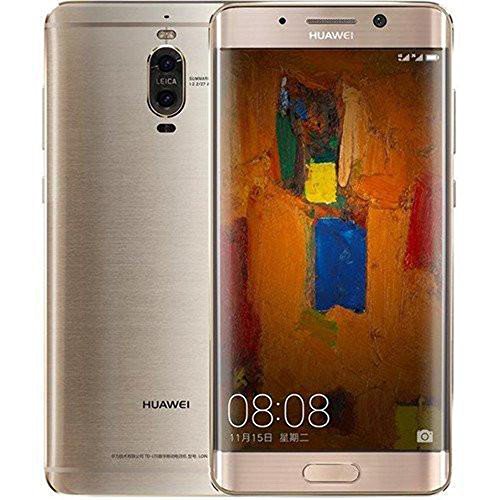
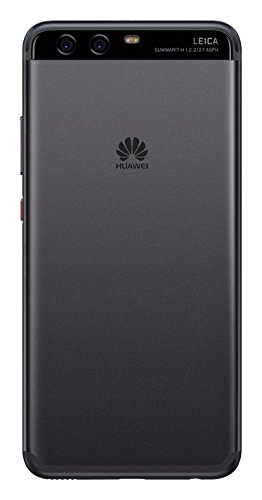
Huawei P10 (4GB + 32GB) review. Compare 197 technical specifications and user reviews to see how this product ranks in the Smartphones category and whether it is worth buying.
Overall score
What it is: An overall evaluation of the smartphone's quality, based on technical analyses and user reviews.
When it matters: When you need a quick reference to identify the best smartphones on the market.
Score components:
90.0%
Technical Score
10.0%
User score
Technical Score
What it is: An assessment of the smartphone's technical performance, covering eight key areas: performance & hardware, software, camera, connectivity, display, battery, audio, and design.
When it matters: When you want to compare smartphones based on technical performance and available features.
Score components:
25.0%
Performance & Hardware
18.0%
Camera
15.0%
Display
15.0%
Battery
10.0%
Software
10.0%
Connectivity
4.0%
Audio
3.0%
Design
User score
What it is: A rating that combines user reviews and the total number of reviews received by the smartphone
When it matters: When you want to know how a smartphone handles daily tasks and how reliable it remains over time according to user feedback.
Score components:
70.0%
User reviews
30.0%
Popularity



Available: ranking among products currently available (including other versions of this product).
All: ranking among all products in the database.
#11 in Best 5-Inch Smartphones
#36 in Best Huawei Phones
#119 in Best Compact Smartphones
#203 in Best Camera Smartphones
#301 in Best Mid-Range Smartphones
#797 in Best Chinese Smartphones
#1028 in Best NFC Smartphones
#1134 in Best Android Smartphones
#1179 in Best AI Smartphones
#1186 in Best Smartphones
What it is: An assessment of the smartphone's technical performance, covering eight key areas: performance & hardware, software, camera, connectivity, display, battery, audio, and design.
When it matters: When you want to compare smartphones based on technical performance and available features.
Score components:
25.0%
Performance & Hardware
18.0%
Camera
15.0%
Display
15.0%
Battery
10.0%
Software
10.0%
Connectivity
4.0%
Audio
3.0%
Design
What it is: A rating that combines user reviews and the total number of reviews received by the smartphone
When it matters: When you want to know how a smartphone handles daily tasks and how reliable it remains over time according to user feedback.
Score components:
70.0%
User reviews
30.0%
Popularity
What it is: An indicator that combines the smartphone's overall rating with its cost.
When it matters: When you are looking for a smartphone with a good balance between quality and price.
Score components:
60.0%
Overall score
40.0%
Price
Importance: LOW
Importance: HIGH
Importance: HIGH
Good value: >12 GB
Importance: MEDIUM
Good value: >256 GB
Importance: MEDIUM
Good value: >3.2 GHz
Importance: LOW
Importance: MEDIUM
Good value: >1500
Importance: LOW
Good value: >4000
Importance: LOW
Good value: 8+
Importance: LOW
Importance: LOW
Good value: >950 MHz
Importance: LOW
Good value: >700
Importance: LOW
Good value: >1000
Importance: LOW
Good value: >2500
Importance: MEDIUM
Good value: >6000
Importance: LOW
Good value: >8000
Importance: MEDIUM
Good value: >12000
Importance: LOW
Good value: >5000
Importance: LOW
Good value: >1800
Importance: LOW
Good value: >3200 MHz
Importance: LOW
Good value: 5
Importance: LOW
Good value: > 50 GB/s
Importance: LOW
Good value: 4
Importance: LOW
Good value: >16 GB
Importance: MEDIUM
Good value: <6 nm
Importance: MEDIUM
Good value: >9 W
Importance: LOW
Importance: LOW
Good value: >8192 KB
Importance: LOW
Good value: >2048 KB
Importance: LOW
Good value: >512 KB
Importance: LOW
Good value: >100000 million
Importance: LOW
Good value: 3.3
Importance: LOW
Good value: 3.2
Importance: LOW
Good value: 2.0/3.0
Importance: LOW
Importance: LOW
Importance: LOW
Importance: MEDIUM
Importance: LOW
Importance: LOW
Importance: LOW
Importance: LOW
Importance: LOW
Importance: LOW
Importance: LOW
Importance: LOW
Importance: LOW
Importance: LOW
Importance: LOW
Importance: LOW
Importance: LOW
Importance: LOW
Importance: LOW
Importance: LOW
Importance: LOW
Importance: LOW
Importance: LOW
Importance: LOW
Importance: LOW
Importance: LOW
Importance: LOW
Importance: LOW
Importance: LOW
Importance: LOW
Importance: LOW
Importance: LOW
Importance: LOW
Importance: LOW
Importance: LOW
Importance: LOW
Importance: LOW
Importance: MEDIUM
Good value: >50 MP
Importance: MEDIUM
Importance: HIGH
Good value: >60
Importance: LOW
Good value: ≥1.2 µm
Importance: MEDIUM
Good value: >2.5x
Importance: MEDIUM
Importance: LOW
Importance: LOW
Importance: LOW
Importance: LOW
Good value: ≥2
Importance: LOW
Importance: LOW
Importance: LOW
Importance: LOW
Good value: >16 MP
Importance: LOW
Importance: LOW
Importance: LOW
Importance: LOW
Importance: MEDIUM
Importance: LOW
Importance: LOW
Importance: LOW
Importance: LOW
Importance: LOW
Importance: LOW
Importance: LOW
Importance: LOW
Importance: LOW
Importance: LOW
Importance: LOW
Importance: LOW
Importance: LOW
Importance: LOW
Importance: LOW
Importance: LOW
Importance: LOW
Importance: LOW
Importance: LOW
Importance: LOW
Importance: LOW
Good value: >130
Importance: LOW
Good value: >120
Importance: LOW
Good value: ≥2
Importance: LOW
Importance: LOW
Importance: LOW
Importance: LOW
Importance: LOW
Importance: LOW
Good value: >5.2
Importance: LOW
Importance: LOW
Importance: LOW
Importance: LOW
Good value: 3.1/3.2
Importance: LOW
Importance: LOW
Importance: LOW
Good value: ≥2
Importance: LOW
Importance: LOW
Importance: LOW
Importance: LOW
Importance: LOW
Importance: LOW
Importance: LOW
Importance: LOW
Importance: LOW
Importance: LOW
Importance: LOW
Importance: LOW
Importance: LOW
Importance: LOW
Importance: LOW
Importance: LOW
Good value: ≥6.6 inches
Importance: MEDIUM
Importance: LOW
Good value: >400 ppi
Importance: MEDIUM
Importance: MEDIUM
Good value: ≥120 Hz
Importance: LOW
Importance: LOW
Good value: >300 Hz
Importance: LOW
Good value: >800 nits
Importance: LOW
Good value: >1300 nits
Importance: LOW
Good value: >1000 nits
Importance: LOW
Importance: LOW
Importance: LOW
Importance: LOW
Importance: LOW
Importance: LOW
Importance: LOW
Importance: LOW
Importance: HIGH
Good value: >5000 mAh
Importance: MEDIUM
Good value: >60 W
Importance: LOW
Importance: LOW
Good value: <45 min
Importance: LOW
Importance: LOW
Good value: >40 W
Importance: LOW
Importance: LOW
Good value: >10 W
Importance: LOW
Importance: LOW
Importance: MEDIUM
Importance: LOW
Good value: >800
Importance: LOW
Importance: LOW
Importance: LOW
Importance: LOW
Importance: LOW
Good value: ≥3
Importance: LOW
Importance: LOW
Importance: LOW
Importance: LOW
Importance: LOW
Importance: LOW
Importance: LOW
Good value: <162 mm
Importance: LOW
Good value: <75 mm
Importance: LOW
Good value: <8 mm
Importance: LOW
Good value: <190 g
Importance: LOW
Good value: <98cm³
Importance: LOW
Importance: LOW
Importance: LOW
Importance: LOW
Importance: LOW
Importance: LOW
Good value: ≥1.5 m
Importance: LOW
Importance: LOW
Good value: >8
Importance: LOW
Importance: LOW
Importance: MEDIUM
Importance: MEDIUM
Good value: >2.5x
Importance: LOW
Good value: ≥1.2 µm
Importance: LOW
Importance: LOW
Importance: LOW
Importance: LOW
Good value: >400 ppi
Importance: LOW
Importance: HIGH
Importance: MEDIUM
Importance: MEDIUM
Good value: ≥120 Hz
Importance: MEDIUM
Good value: >256 GB
Importance: LOW
Importance: MEDIUM
Good value: <6 nm
Importance: MEDIUM
Importance: HIGH
Good value: >5000 mAh
(Reviews last updated: August 2026)
(Reviews last updated: August 2026)
The Huawei P10 is described by What Hi-Fi? as a well-built, compact device that ultimately misses the top tier due to a stiff price increase and lack of waterproofing. While the design is praised, the performance is hindered by a dated user interface and average battery life. Despite featuring Leica-engineered cameras that excel in daylight, the phone struggles with low-light noise and offers only average display, audio, and battery performance. For more details, visit What Hi-Fi?. What Hi-Fi? +2
The GSMArena review characterizes the Huawei P10 as a refined, compact flagship featuring a premium design with a unique "hyper-diamond cut" finish, powered by the high-performance Kirin 960 chipset. The device features an upgraded Leica Dual Camera 2.0 system with 4K video capability and a versatile, front-mounted fingerprint sensor that supports gesture navigation. Key strengths include a bright 5.1-inch IPS-NEO LCD, solid battery life with fast SuperCharge technology, and an excellent, compact form factor. However, the review notes the device lacks water/dust resistance, lacks an oleophobic coating on the glass, and features a disappointing, inconsistent Portrait Mode. Additionally, the camera uses an older f/2.2 aperture, unlike the P10 Plus, and lacks stereo speakers.
The Huawei P10 is presented as a solid yet iterative flagship that refines the groundwork laid by its predecessor, the P9, without introducing revolutionary changes. It features a 5.1-inch Full HD display and a premium all-metal unibody design that many users have noted bears a striking resemblance to the iPhone 6S. A major design shift is the relocation of the fingerprint scanner to the front, which now serves as a multi-functional navigation tool through various gestures, replacing traditional on-screen or capacitive keys. The device's standout feature is its Leica-branded dual camera system, combining a 20MP monochrome sensor with a 12MP color sensor to enhance detail and color accuracy. This setup includes a new Portrait mode with improved facial tracking and beautification features. Under the hood, it is powered by the HiSilicon Kirin 960 CPU and 4GB of RAM, running Android 7.0 Nougat, providing a performance level that keeps pace with other major flagships of its era. The review highlights several key strengths and weaknesses. The primary pros include an improved, more comfortable design, a clever and fast fingerprint scanner once...
The Huawei P10 is a compact, high-quality smartphone featuring a sharp 5.1-inch display, a durable "Hyper-diamond cut" finish, and the fast Kirin 960 processor, notes Tech Advisor. Its Leica-branded dual camera is a standout feature, offering impressive portrait and monochrome modes alongside a multifunctional front fingerprint scanner. While the device excels in performance and camera quality, it lacks modern essentials like waterproofing, and its battery often fails to last a full day, according to the review.
Luke Kehoe calls the Huawei P10 a near-flawless device, praising its premium, chamfered aluminum build and superior "butter smooth" performance. The Leica-co-engineered dual-camera system is highlighted for its excellent, sharp photography and effective, dedicated monochrome sensor. Key strengths of the P10 include an incredibly fast front-facing fingerprint sensor, reliable Wi-Fi, and quick, consistent charging capabilities. However, the camera struggles with noise and focus in low-light conditions compared to competitors. Significant drawbacks mentioned in the review include the lack of a proper oleophobic screen coating, the absence of waterproofing, and an unpolished EMUI software experience. Despite its impressive hardware, the review suggests the high launch price made it less competitive than alternatives.
The Huawei P10 is a premium, compact flagship smartphone featuring a 5.1-inch 1080p display and a front-mounted fingerprint scanner. It runs on a Kirin 960 chipset with 4GB RAM, offering smooth performance, and has a 3,200mAh battery with fast charging. Its dual-camera system, co-engineered with Leica, captures sharp images and 4K video but has limitations with landscape photo saturation and image sharpness. The phone lacks waterproofing and has a screen that easily smudges. More information is available on RichardTech.net.
According to a 2017 review, the Huawei P10 is a solid but unexceptional flagship phone with a premium design, compact 5.1-inch display, and a front-mounted fingerprint sensor that offers gesture navigation. Its dual Leica camera excels in good light and provides a strong monochrome mode and 2x lossless zoom, though its software-driven bokeh and low-light performance lag behind competitors. The device features a Kirin 960 processor and 4GB RAM, delivering smooth performance, along with solid battery life and fast charging.
CNET describes the Huawei P10 as a "portable powerhouse" with a compact design and powerful Kirin 960 processor. It features a standout dual-lens Leica camera system praised for producing rich, vibrant photos, and offers solid battery life. However, the review notes drawbacks including a high price, lack of waterproofing, and a "clunky" front fingerprint sensor.
The BlackBerry KEYone aims to blend classic BlackBerry elements with Android functionality, targeting business users with its focus on security and a physical QWERTY keyboard. The device is noted for its durable build and innovative keyboard design, which doubles as a touch trackpad and supports customizable shortcuts. The device's standout feature is its exceptional two-day battery life, aided by a power-efficient processor and fast-charging "Boost Mode". While the 4.5-inch display is sharp, its 3:2 aspect ratio can hinder widescreen video viewing. Pros include the tactile keyboard with integrated fingerprint sensor, clear voice quality, the efficient BlackBerry Hub, reliable GPS, and a 3.5mm headphone jack. Cons include a risk of damage from mistaking a microphone hole for a SIM slot, average performance due to a mid-range processor and RAM, a bulky rear camera, and lack of waterproofing.
The Huawei P10 is characterized by Mashable as a solid, compact, and high-performing device that, while well-built with a Kirin 960 chip and 4GB of RAM, feels like an evolutionary rather than revolutionary update. The Leica-engineered dual-lens camera is a key feature, excelling in monochrome and daytime shots with a new portrait mode, but it falls short in low-light scenarios due to a narrower f/2.2 aperture. Pros include fast performance, premium build, and superior photo options, while cons include a, higher price point, a polarizing front-mounted fingerprint sensor, and the lack of modern features like waterproofing compared to 2017 rivals.
is a well-crafted, -inch smartphone featuring a premium metal design, processor, GB of RAM. Key pros include a fast front-mounted fingerprint sensor, solid battery life with fast charging, and a capable dual-camera system. However, the device lacks water resistance and is prone to fingerprints due to the lack of an oleophobic coating. PCMag UK +3While offering excellent performance, is considered an iterative, safe design that falls behind competitors offering more modern, bezel-less screens. The single bottom-firing speaker is merely decent and the device can get warm under intense gaming, according to the PCMag review. software is praised for its efficiency, but the navigation gesture controls can feel clunky. PCMag UK +2Ultimately, is a robust, premium-feeling device that functions well, but lacks the innovation to make it a top contender in its class. It is recommended for those seeking a smaller flagship with excellent photo capabilities and high-end performance without the high-end price tag of competitors. PCMag UK
The Gear Diary review characterizes the Huawei P10 as a fast and elegant 5.1-inch flagship, highlighting improved ergonomics and a front-mounted fingerprint scanner that supports gesture navigation. Key performance strengths include the Kirin 960 processor, 4GB of RAM, and proactive machine learning in EMUI 5.1 that ensures a lag-free experience. The device features a highly regarded Leica-engineered dual-camera system (20MP monochrome/12MP RGB) and reliable, all-day battery life supported by advanced power management. While the review praises the overall, the P10 is noted for lacking superior, high-quality speakers, though 3.5mm audio remains excellent. Ultimately, the Huawei P10 is recommended as a top-tier, reliable daily driver that succeeds the P9 with significant hardware refinements.
The Huawei P10 is a solidly built 5.1-inch flagship featuring a premium 7mm-thin design and a highly capable Leica-developed dual-lens camera that excels in good lighting. The device features a fast, front-mounted fingerprint sensor and a sharp 1080p display, providing a refined user experience. New AtlasHowever, the phone suffers from poor low-light photography performance, often producing noisy images compared to competitors like the iPhone or Pixel. Additionally, it lacks key modern features such as waterproofing and Google Assistant support. Ultimately, the P10 is deemed an "average-to-excellent" device that falls behind top-tier rivals due to its lack of innovation and a somewhat uninspired software interface. It remains a strong, conventional option rather than a market-leading device. New Atlas
The TechSpot review describes the Huawei P10 as a refined yet iterative update to the P9, featuring a compact, high-quality aluminum design that feels comfortable in hand, though its 16:9 aspect ratio felt dated in 2017. A major drawback noted is the lack of an oleophobic coating, resulting in excessive smudging. Performance is a highlight, with the Kirin 960 chipset providing top-tier, fast operation, alongside reliable battery life and fast charging, despite some overheating during intense usage. While the Leica-engineered dual cameras produce excellent, detailed, and vibrant images, particularly in monochrome mode, they fall short of competitors in low-light scenarios. The software, EMUI 5.1, is considered bloated, and the high launch price makes it a tough sell compared to the P9 or other alternatives.
The Huawei P10 features a premium metal and glass design with a fast Kirin 960 processor, offering a fluid experience for gaming and multitasking. Key pros include the retained 3.5mm headphone jack, a reliable front-mounted fingerprint sensor, and excellent photography performance from the Leica dual-lens camera system. The device, powered by a 3,200 mAh battery with SuperCharge technology, provides solid all-day longevity, while the software enables versatile shooting modes including dedicated monochrome. Despite these strengths, the review notes the EMUI 5.1 skin can be finicky and the device lacks water resistance. TheCanadianTechieAdditionally, the P10's build quality, though good, falls slightly short of top-tier 2017 competitors, and the user interface experienced some inconsistencies.
The Pocketnow review characterizes the Huawei P10 as a refined, compact "roadster" that brings the Mate 9’s power into a smaller, one-handed form factor featuring a new, fingerprint-resistant "dazzling blue" texture. Performance is a standout, with the Kirin 960 chipset driving excellent gaming, while the dual Leica camera system, complete with OIS and a new Portrait Mode, delivers top-tier still photos. However, the shift to a front-mounted fingerprint sensor with gesture navigation proved difficult to master, and the software, while improved via EMUI 5.1, still suffers from poor Bluetooth handoff and lacks official water resistance. Despite being an iterative update, the P10 is highlighted for its rapid SuperCharge technology and excellent Wi-Fi performance. Conversely, significant drawbacks include weak speaker output, the omission of an oleophobic coating, and lack of Google Daydream support. Overall, the device is considered a compelling, compact flagship choice from its era.
The Stern.de review positions the Huawei P10 as a premium, compact flagship focusing on a Leica-engineered dual-camera system. Equipped with the Kirin 960 chipset and 4GB of RAM, the device is praised for its high-quality aluminum construction and fast "SuperCharge" technology. However, key drawbacks include the lack of water resistance, mediocre battery life under heavy use, and the absence of a standard oleophobic screen coating. The Leica cameras are highlighted for high-detail, 12MP/20MP photos, although the high launch price at the time made it less competitive against rivals.
The Netzwelt review highlights the Huawei P10 as a compact, premium Android smartphone featuring a 5.1-inch display and a refined metal unibody with a front-mounted fingerprint sensor. Powered by the Kirin 960 chipset, the device delivers high-end performance, complemented by a Leica-engineered dual-camera system that excels in both color and monochrome photography. Key advantages include its fast processing, excellent camera quality, and unique design, while notable drawbacks are the lack of an oleophobic coating on the screen, absence of water resistance, and a polarizing, cluttered software interface. For more details, visit Netzwelt.
The Huawei P10, reviewed as a "great camera that is also a smartphone," features a refined 5.1-inch design with a durable "hyperdiamond cut" finish and powerful Kirin 960 performance. Key advantages include the Leica dual-camera system (20MP monochrome + 12MP RGB), exceptional Portrait Mode with 3D facial mapping, and an upgraded, wide-angle front camera. However, the device lacks modern water resistance, sports a dated design with large bezels, and utilizes the polarizing EMUI skin.
The Huawei P10 is a compact 5.1-inch flagship praised for its excellent build quality, ergonomic design, and snappy performance driven by the Kirin 960 processor. Key advantages include a Leica-branded dual-camera system with a 20MP monochrome sensor, along with highly effective Portrait Mode and fast SuperCharge technology. However, the device is criticized for sub-par battery life under heavy use, a cluttered EMUI interface, and a lack of waterproofing.
The Huawei P10 and P10 Plus feature a refined aluminum design with rounded edges, marking a significant aesthetic evolution over the P9. Both devices boast a Leica-engineered dual-camera system pairing a 20MP monochrome sensor with a 12MP RGB sensor, though the P10 Plus offers superior performance with its brighter f/1.8 Summilux-H lens compared to the P10's f/2.2, say Fotografia.it. Key strengths include exceptional, specialized portrait photography with 3D facial mapping and high performance from the Kirin 960 chip. Lab testing highlights the P10 Plus's QHD display as superior to the standard P10, though the metal body is noted as slippery for one-handed use. While camera quality is high, the battery life is considered average, relying on SuperCharge for longevity, and the devices offer limited water resistance. Overall, the P10 Plus is presented as the more advanced, photography-focused model.
The Huawei P10 is a refined, compact 5.1-inch smartphone featuring a premium aluminum build, a fast front-mounted fingerprint sensor with gesture navigation, and a Leica-branded dual-camera system that excels in portrait and monochrome modes. While performance is consistently described as "butter smooth" due to the Kirin 960 processor and 4GB of RAM, the device lacks water resistance and is prone to smudges due to a missing oleophobic coating. Despite decent battery life enhanced by fast "SuperCharge" technology, its high launch price made it competitive with rivals like the Galaxy S8, causing some to favor the P10 Plus variant. For more details, visit Panorama at Panorama.it.
The DDay.it review highlights the Huawei P10 as a refined, ergonomic evolution of the P9 featuring a durable metal unibody and a unique "Hyper Diamond-Cut" finish on certain models. Key pros include the fast, front-mounted fingerprint sensor that acts as a navigation key, and a solid, fast-charging 3,200 mAh battery. However, a significant drawback is the lack of an oleophobic coating on the screen, causing, smudges, alongside a lack of water resistance. Performance is described as top-notch, with the Kirin 960 chipset and 4GB of RAM providing a smooth, lag-free experience. The camera, a co-engineered Leica dual-lens system, remains a major highlight for its portrait mode and artistic bokeh effects. Despite these strengths, the camera can struggle with noise in low-light conditions compared to competitors.
The Huawei P10 is characterized as a solid, iterative update rather than a groundbreaking device, featuring a 5.1-inch Full HD display, a premium metal body, and the Kirin 960 processor with 4GB of RAM. Key strengths include an excellent Leica-engineered dual-camera system, a fast front-facing fingerprint sensor with navigation gestures, and fast-charging 3,200mAh battery. Conversely, the device lacks modern flagship features like waterproofing, suffers from large bezels, and has an inconsistent oleophobic coating.
The Tom’s Hardware review presents the Huawei P10 and P10 Plus as refined flagships featuring high-quality craftsmanship, specifically highlighting the "Hyper Diamond-Cut" finish that resists fingerprints and the front-mounted, multifunctional fingerprint sensor. Powered by the Kirin 960 chipset with up to 6GB of RAM, these devices offer strong performance, with the P10 Plus boasting a 5.5-inch QHD display and a Leica-branded dual-camera system that excels in detail and portraiture. A critical drawback highlighted is the lack of an oleophobic coating, which causes the screen to become a grease magnet, along with the absence of water resistance and a high launch price relative to competitors.
The Huawei P10 is a compact flagship featuring a refined design with a front-mounted fingerprint sensor and a high-quality 5.1-inch IPS-NEO display. Pros include the unique "Hyper Diamond-Cut" finish on specific models, while a notable con is the lack of a proper oleophobic coating on the screen. Powered by the Kirin 960 and 4GB of RAM, the device delivers excellent performance, although it lacks water resistance and can get warm under heavy load. The Leica-partnered dual-camera setup provides standout portrait and monochrome shots, but the f/2.2 aperture limits low-light performance compared to competitors. The 3,200mAh battery offers average life but benefits from rapid "SuperCharge" technology.
The 2017 Huawei P10 is characterized as a refined, compact 5.1-inch flagship offering a premium aluminum design, though it was criticized for large bezels and a lack of waterproofing. Powered by the Kirin 960 chipset and EMUI 5.1, the device delivered strong performance and fast charging, despite polarizing software and mediocre battery life. While the Leica-engineered camera excelled in daylight and portrait photography, it suffered from weak low-light performance due to a narrow aperture. Pros: Premium build, fast performance, excellent portrait/monochrome camera, and fast charging. Cons: Dated design, no waterproofing, poor low-light camera, and heavy software skin.
The Huawei P10 is a compact, high-performing flagship that refines its predecessor's formula with a Kirin 960 processor and a relocated front-facing fingerprint sensor that supports gesture navigation. Its co-engineered Leica dual-camera system brings significant improvements, including a 20-megapixel monochrome sensor, enhanced Portrait Mode, and 4K video capabilities, though it struggles in low-light compared to higher-end rivals. Key strengths include a premium, comfortable design, fast charging, and strong performance, while drawbacks consist of average battery life, a higher price point, the lack of waterproofing, and a Full HD display.
Andrea Galeazzi defines the Huawei P10 as a high-quality, solid device with a premium unibody metal construction, although the design lacks a unique identity and resembles an iPhone. Key improvements include a fast, front-mounted fingerprint sensor that functions as a navigation key, along with excellent reception and call quality. Performance is a major strength, with the Kirin 960 processor and 4GB of RAM delivering a fluid user experience. The Leica-engineered camera system produces stunning black-and-white photos and impressive daylight images, although video performance and low-light capabilities are noted as less impressive compared to the Plus model. Conversely, battery life is identified as a weakness, described as mediocre and failing to excel in stress tests. Further cons include a lack of waterproof certification, the presence of only a mono speaker, and a high launch price of €679.90, which the overall package struggles to justify.
The Huawei P10 is characterized by its compact 5.1-inch design, premium metal build, and a fast, versatile front-mounted fingerprint scanner. Key advantages include the powerful Kirin 960 chipset, a bright display, and the Leica-engineered dual-camera system, which excels in specialized monochrome mode. However, the device falls short with a narrow f/2.2 aperture leading to noisy low-light photos and a lack of waterproofing. Furthermore, the screen lacks an oleophobic coating and is highly susceptible to smudges, while the camera's bokeh effect can lack precision.
The Tweakers review characterizes the Huawei P10 as a compact, premium "iPhone lookalike" featuring an all-metal body, a 5.1-inch display, and a front-mounted fingerprint scanner that doubles as a navigation tool. While praised for its comfortable one-handed use, the device faces criticism for its lack of water resistance, questionable omission of an oleophobic screen coating, and a 3200mAh battery that only offers average performance. The standout, Leica-branded dual-camera system (20MP monochrome + 12MP RGB) delivers exceptional detail and improved Portrait Mode bokeh, though the review notes it is an iterative, rather than revolutionary, upgrade over the P9. The Kirin 960 chipset provides excellent, snappy performance paired with a refined EMUI 5.1 interface. Ultimately, the P10 is deemed a highly capable device, but its high launch price and minor updates make it a difficult recommendation against more innovative competitors. The review concludes that while it is a solid premium option, it lacks the groundbreaking features of other 2017 flagships.
The Huawei P10 is a refined, compact 5.1-inch flagship with excellent build quality and a fingerprint-resistant design, though its design was considered conservative compared to 2017 rivals. Key pros include high-performance, expandable storage, and a standout Leica-engineered dual-camera system, particularly the specialized monochrome sensor. However, cons include a "boring" aesthetic, an unreliable bokeh effect, average battery life, and lack of water resistance. The front-mounted fingerprint sensor is fast, yet the new gesture navigation is less intuitive.
The Huawei P10 is a compact, premium-designed smartphone featuring a Kirin 960 processor, Leica dual-camera system, and a versatile, gesture-enabled fingerprint scanner. The device is highly praised for its photography capabilities, specifically its detailed monochrome mode, and its fast-charging capabilities. However, notable drawbacks include average battery life, lack of water resistance, a 1080p screen instead of QHD, and limited low-light performance due to a f/2.2 aperture. While the Android 7.0/EMUI 5.1 software includes machine learning for better performance, it is criticized for featuring duplicate apps and an interface that deviates significantly from stock Android. The phone's, and design is considered an iterative, compact upgrade rather than a revolutionary change compared to contemporary, bezel-less rivals.
The Techzine review positions the Huawei P10 as a high-quality, matured device in the premium market, highlighted by a durable aluminum unibody design with a unique finish. Performance is a standout, driven by the Kirin 960 chipset for fast, lag-free operation, alongside a versatile dual-lens Leica camera that excels in portrait photography. However, the device is criticized for a lack of official waterproofing, a screen that lacks an oleophobic coating, and a tendency to overheat during intensive tasks.
The Huawei P10 is a compact, premium Android smartphone featuring a 5.1-inch display, the powerful Kirin 960 chipset, and a fast, front-mounted fingerprint sensor. Its design is noted for being refined and similar to the iPhone 7, with the added benefit of a "hyperdiamond-cut" finish that reduces fingerprints. Key pros include an exceptional Leica-developed dual-camera system capable of high-detail photography and a versatile Portrait Mode. The device also boasts speedy, reliable performance for gaming and rapid, efficient charging via the proprietary "SuperCharge" technology. Cons primarily involve sub-par battery endurance, with the 3,200mAh capacity struggling to last through a full day of heavy use. Additionally, the device lacks water resistance, suffers from a lack of oleophobic coating on the screen, and tends to run warm during intensive tasks.
The Huawei P10 is a refined, compact flagship featuring a 5.1-inch 1080p screen, a premium metal body, and a front-facing fingerprint scanner. Key highlights include the Leica-engineered dual-camera system with a dedicated Portrait Mode and the fast Kirin 960 chipset. While offering strong, "iPhone-inspired" design and quick charging, the device is criticized for its cluttered EMUI software and lack of water resistance.

Compare