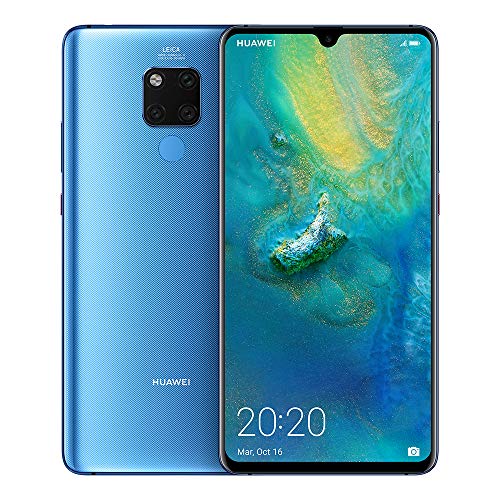
Huawei Mate 20 X (6GB + 128GB) review. Compare 197 technical specifications and user reviews to see how this product ranks in the Smartphones category and whether it is worth buying.
Overall score
What it is: An overall evaluation of the smartphone's quality, based on technical analyses and user reviews.
When it matters: When you need a quick reference to identify the best smartphones on the market.
Score components:
90.0%
Technical Score
10.0%
User score
Technical Score
What it is: An assessment of the smartphone's technical performance, covering eight key areas: performance & hardware, software, camera, connectivity, display, battery, audio, and design.
When it matters: When you want to compare smartphones based on technical performance and available features.
Score components:
25.0%
Performance & Hardware
18.0%
Camera
15.0%
Display
15.0%
Battery
10.0%
Software
10.0%
Connectivity
4.0%
Audio
3.0%
Design
User score
What it is: A rating that combines user reviews and the total number of reviews received by the smartphone
When it matters: When you want to know how a smartphone handles daily tasks and how reliable it remains over time according to user feedback.
Score components:
70.0%
User reviews
30.0%
Popularity
Available: ranking among products currently available (including other versions of this product).
All: ranking among all products in the database.
#15 in Best Huawei Phones
#74 in Best 7-Inch Smartphones
#123 in Best Camera Smartphones
#315 in Best Chinese Smartphones
#453 in Best Large-Screen Smartphones
#481 in Best Android Smartphones
#493 in Best NFC Smartphones
#516 in Best AI Smartphones
#517 in Best Smartphones
#761 in Best Battery Life Smartphones
#1141 in Best Value Smartphones
What it is: An assessment of the smartphone's technical performance, covering eight key areas: performance & hardware, software, camera, connectivity, display, battery, audio, and design.
When it matters: When you want to compare smartphones based on technical performance and available features.
Score components:
25.0%
Performance & Hardware
18.0%
Camera
15.0%
Display
15.0%
Battery
10.0%
Software
10.0%
Connectivity
4.0%
Audio
3.0%
Design
What it is: A rating that combines user reviews and the total number of reviews received by the smartphone
When it matters: When you want to know how a smartphone handles daily tasks and how reliable it remains over time according to user feedback.
Score components:
70.0%
User reviews
30.0%
Popularity
What it is: An indicator that combines the smartphone's overall rating with its cost.
When it matters: When you are looking for a smartphone with a good balance between quality and price.
Score components:
60.0%
Overall score
40.0%
Price
Importance: LOW
Importance: HIGH
Importance: HIGH
Good value: >12 GB
Importance: MEDIUM
Good value: >256 GB
Importance: MEDIUM
Good value: >3.2 GHz
Importance: LOW
Importance: MEDIUM
Good value: >1500
Importance: LOW
Good value: >4000
Importance: LOW
Good value: 8+
Importance: LOW
Importance: LOW
Good value: >950 MHz
Importance: LOW
Good value: >700
Importance: LOW
Good value: >1000
Importance: LOW
Good value: >2500
Importance: MEDIUM
Good value: >6000
Importance: LOW
Good value: >8000
Importance: MEDIUM
Good value: >12000
Importance: LOW
Good value: >5000
Importance: LOW
Good value: >1800
Importance: LOW
Good value: >3200 MHz
Importance: LOW
Good value: 5
Importance: LOW
Good value: > 50 GB/s
Importance: LOW
Good value: 4
Importance: LOW
Good value: >16 GB
Importance: MEDIUM
Good value: <6 nm
Importance: MEDIUM
Good value: >9 W
Importance: LOW
Importance: LOW
Good value: >8192 KB
Importance: LOW
Good value: >2048 KB
Importance: LOW
Good value: >512 KB
Importance: LOW
Good value: >100000 million
Importance: LOW
Good value: 3.3
Importance: LOW
Good value: 3.2
Importance: LOW
Good value: 2.0/3.0
Importance: LOW
Importance: LOW
Importance: LOW
Importance: MEDIUM
Importance: LOW
Importance: LOW
Importance: LOW
Importance: LOW
Importance: LOW
Importance: LOW
Importance: LOW
Importance: LOW
Importance: LOW
Importance: LOW
Importance: LOW
Importance: LOW
Importance: LOW
Importance: LOW
Importance: LOW
Importance: LOW
Importance: LOW
Importance: LOW
Importance: LOW
Importance: LOW
Importance: LOW
Importance: LOW
Importance: LOW
Importance: LOW
Importance: LOW
Importance: LOW
Importance: LOW
Importance: LOW
Importance: LOW
Importance: LOW
Importance: LOW
Importance: LOW
Importance: LOW
Importance: MEDIUM
Good value: >50 MP
Importance: MEDIUM
Importance: HIGH
Good value: >60
Importance: LOW
Good value: ≥1.2 µm
Importance: MEDIUM
Good value: >2.5x
Importance: MEDIUM
Importance: LOW
Importance: LOW
Importance: LOW
Importance: LOW
Good value: ≥2
Importance: LOW
Importance: LOW
Importance: LOW
Importance: LOW
Good value: >16 MP
Importance: LOW
Importance: LOW
Importance: LOW
Importance: LOW
Importance: MEDIUM
Importance: LOW
Importance: LOW
Importance: LOW
Importance: LOW
Importance: LOW
Importance: LOW
Importance: LOW
Importance: LOW
Importance: LOW
Importance: LOW
Importance: LOW
Importance: LOW
Importance: LOW
Importance: LOW
Importance: LOW
Importance: LOW
Importance: LOW
Importance: LOW
Importance: LOW
Importance: LOW
Importance: LOW
Good value: >130
Importance: LOW
Good value: >120
Importance: LOW
Good value: ≥2
Importance: LOW
Importance: LOW
Importance: LOW
Importance: LOW
Importance: LOW
Importance: LOW
Good value: >5.2
Importance: LOW
Importance: LOW
Importance: LOW
Importance: LOW
Good value: 3.1/3.2
Importance: LOW
Importance: LOW
Importance: LOW
Good value: ≥2
Importance: LOW
Importance: LOW
Importance: LOW
Importance: LOW
Importance: LOW
Importance: LOW
Importance: LOW
Importance: LOW
Importance: LOW
Importance: LOW
Importance: LOW
Importance: LOW
Importance: LOW
Importance: LOW
Importance: LOW
Importance: LOW
Good value: ≥6.6 inches
Importance: MEDIUM
Importance: LOW
Good value: >400 ppi
Importance: MEDIUM
Importance: MEDIUM
Good value: ≥120 Hz
Importance: LOW
Importance: LOW
Good value: >300 Hz
Importance: LOW
Good value: >800 nits
Importance: LOW
Good value: >1300 nits
Importance: LOW
Good value: >1000 nits
Importance: LOW
Importance: LOW
Importance: LOW
Importance: LOW
Importance: LOW
Importance: LOW
Importance: LOW
Importance: LOW
Importance: HIGH
Good value: >5000 mAh
Importance: MEDIUM
Good value: >60 W
Importance: LOW
Importance: LOW
Good value: <45 min
Importance: LOW
Importance: LOW
Good value: >40 W
Importance: LOW
Importance: LOW
Good value: >10 W
Importance: LOW
Importance: LOW
Importance: MEDIUM
Importance: LOW
Good value: >800
Importance: LOW
Importance: LOW
Importance: LOW
Importance: LOW
Importance: LOW
Good value: ≥3
Importance: LOW
Importance: LOW
Importance: LOW
Importance: LOW
Importance: LOW
Importance: LOW
Importance: LOW
Good value: <162 mm
Importance: LOW
Good value: <75 mm
Importance: LOW
Good value: <8 mm
Importance: LOW
Good value: <190 g
Importance: LOW
Good value: <98cm³
Importance: LOW
Importance: LOW
Importance: LOW
Importance: LOW
Importance: LOW
Importance: LOW
Good value: ≥1.5 m
Importance: LOW
Importance: LOW
Good value: >8
Importance: LOW
Importance: LOW
Importance: MEDIUM
Good value: >2.5x
Importance: MEDIUM
Importance: LOW
Good value: ≥6.6 inches
Importance: LOW
Importance: LOW
Importance: LOW
Importance: LOW
Importance: LOW
Good value: ≥3
Importance: MEDIUM
Good value: ≥120 Hz
Importance: LOW
Importance: MEDIUM
Good value: >256 GB
Importance: LOW
Importance: LOW
Good value: >950 MHz
Importance: MEDIUM
Good value: >50 MP
Importance: LOW
Importance: LOW
Good value: >16 GB
(Reviews last updated: August 2026)
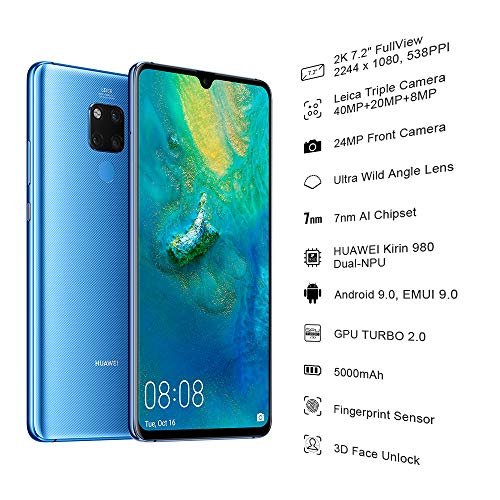
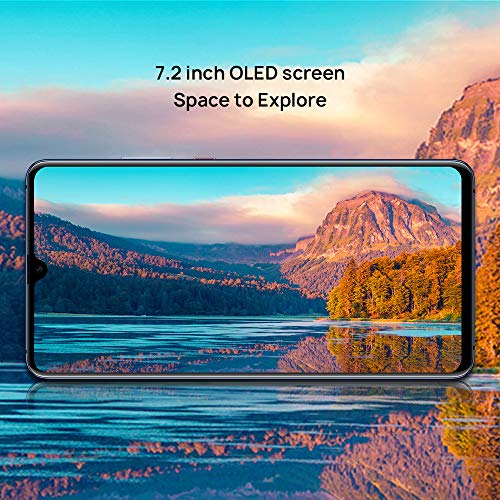
The Huawei Mate 20 X 5G is a 7.2-inch "phablet" featuring a massive OLED screen, powered by the Kirin 980 chipset and the Balong 5000 5G modem. Key benefits include top-tier 5G speeds, a versatile Leica triple-camera system, 40W fast charging, and M-Pen stylus support. However, the 5G version sacrifices battery capacity, reducing it to 4,200mAh, and removes the 3.5mm headphone jack. Its large, unwieldy size and high price point at launch are notable drawbacks compared to its 4G predecessor.
Digital Camera World characterizes the Huawei Mate 20 X 5G as a "brilliant beast" featuring a massive 7.2-inch OLED display that acts as an excellent, expansive viewfinder for photographers. While the camera system is highly capable—offering a 40MP main sensor and impressive Night Mode—the device lacks 4K/60fps recording and the periscope zoom found in newer models. To accommodate 5G, the battery capacity was reduced to 4,200mAh and the headphone jack removed, leading to significantly shorter battery life compared to the 4G version.
The Huawei Mate 20 X 5G is characterized by a massive 7.2-inch OLED display, 5G connectivity, and powerful performance driven by the Kirin 980 processor and 8GB of RAM. While offering a versatile Leica triple-camera system, the device sacrifices battery capacity, shrinking to 4,200mAh, and removes the 3.5mm headphone jack to accommodate the 5G modem. Despite fast 40W charging and a capable, large-screen experience, the high price point and limited 5G coverage at launch make it a tougher sell compared to its 4G predecessor. www.stuff.tv
The Huawei Mate 20 X is described by Android Authority as a "media monster" bridging the gap between phone and tablet, featuring a massive 7.2-inch AMOLED display and a 5,000mAh battery that delivers 1.5 to 2 days of heavy use. Powered by the Kirin 980 chipset with graphene cooling, it offers top-tier performance, a versatile Leica triple-camera system, and a 3.5mm headphone jack. However, its immense size makes it unwieldy, lacking wireless charging and IP68 water resistance, while the EMUI 9 software is noted for being bloated.
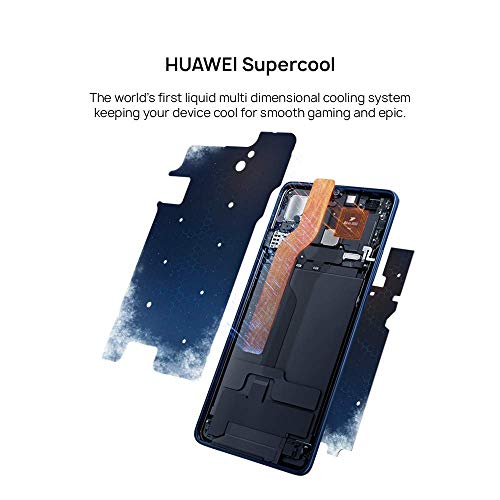
The Huawei Mate 20 X is presented as a large 7.2-inch phablet designed to function between a smartphone and a portable gaming console. It features a large OLED display and, despite its size, is described as surprisingly light and comfortable. A key advantage is its top-tier Leica triple-camera system, shared with the Mate 20 Pro, offering strong camera performance unlike many gaming phones. The device is powered by the Kirin 980 chipset and uses a graphene cooling system to manage heat during intense use. The primary disadvantage is its extreme size, which limits one-handed use and pocketability. It also lacks 3D face recognition and an in-display fingerprint sensor found on the Pro model, using a rear-mounted sensor instead. The optional M-Pen stylus is not stored within the phone, making it less convenient than competing devices.
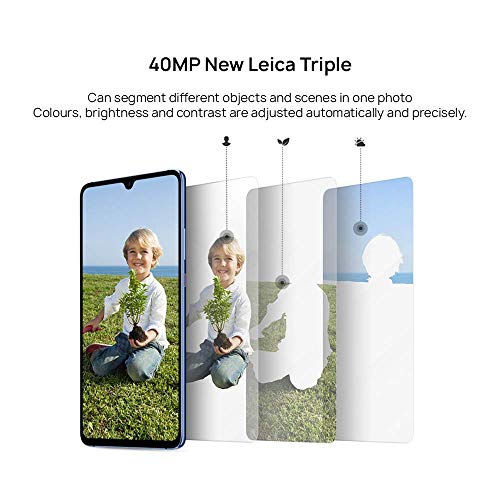
The DXOMARK review of the Huawei Mate 20 X camera system awarded it an overall score of 111, noting its strong performance across various lighting conditions, particularly praising accurate exposure, wide dynamic range, and fast autofocus. The device's triple-camera setup, developed with Leica, includes a 40MP primary sensor, a 20MP ultra-wide lens, and an 8MP telephoto lens with 3x optical zoom, which maintained high detail. Drawbacks identified include a loss of fine details, limited dynamic range in high-contrast scenes, and chroma noise in indoor zoom shots. Video performance scored 97, featuring excellent autofocus tracking and effective stabilization for static shots. However, video stabilization struggled with high-frequency motion, and testers observed a consistent loss of fine textures and visible noise at the frame edges.
The Huawei Mate 20 X is described as a "massive achievement" targeting gamers and entertainment consumers, primarily due to its 7.2-inch AMOLED display and a 5,000mAh battery offering "truly impressive" two-day life. Pros include its powerful Kirin 980 chipset, 6GB RAM, and a "brilliant" Leica triple camera system with a potent night mode. However, cons highlighted are its unwieldy size and weight, the 1080p display lacking QHD sharpness, a "bloated, clunky, and aesthetically dated" EMUI 9 software, and the absence of premium features like an in-display fingerprint sensor.
The Huawei Mate 20 X is a large phone designed for media consumption, featuring a 7.2-inch AMOLED display, a 5,000mAh battery offering up to two days of use, and a Leica triple-camera system. Pros include its build quality, headphone jack, efficient Kirin 980 chipset, and exceptional battery life. Cons cited are its unwieldy size, lower screen sharpness compared to QHD competitors, lack of wireless charging and full IP68 water resistance, and Huawei's EMUI software.
The Expert Reviews assessment of the Huawei Mate 20 X highlights a 7.2-inch AMOLED display that, despite a lower 1080p resolution (346ppi) compared to the Mate 20 Pro, offers excellent contrast and 98.7% sRGB color gamut coverage. A major pro is the 5,000mAh battery, which lasted over 21 hours in video testing. However, the device's 85mm width makes it unwieldy for one-handed use, a significant con. Powered by the Kirin 980, the device delivers strong performance, supported by a versatile Leica-branded triple camera system (40MP main, 20MP ultra-wide, 8MP telephoto) that excels in low light. Notable cons include the lack of optical image stabilization (OIS) on the main sensor and the inability to shoot 4K at 60fps. The inclusion of a 3.5mm headphone jack is a pro, yet it lacks premium features like wireless charging, an in-display fingerprint sensor, and high-level IP68 water resistance.
According to TechRadar, the Huawei Mate 20 X features a large 7.2-inch AMOLED display and a 5,000mAh battery offering up to two days of moderate use, while lacking features like 3D face recognition or wireless charging. It includes a Kirin 980 chipset and 6GB RAM for fast performance in gaming and productivity, supported by a cooling system and a Leica triple-lens camera. However, the device is criticized for its significant size and weight, an IP53 splash resistance rating rather than full waterproofing, and the use of proprietary Nano Memory cards instead of standard microSD.
The Huawei Mate 20 X is a "titan-sized" flagship featuring a 7.2-inch OLED display, Kirin 980 chipset, and M-Pen support, positioning it as a media-focused bridge between phones and tablets. Key advantages include exceptional battery life from the 5,000 mAh cell and a high-performing Leica triple-camera system. However, the device's massive size limits portability and one-handed use, while lacking premium features like in-screen fingerprint sensors and full IP68 waterproofing. Read a detailed review at 3G.co.uk.
The Huawei Mate 20 X is a "titan-sized" flagship designed for power users, featuring a massive 7.2-inch OLED display that offers an immersive experience for gaming and media, despite having a lower Full HD+ resolution. Its 5,000 mAh battery provides exceptional endurance, lasting up to two days with moderate use. Powered by the Kirin 980 chipset, the device maintains high performance through a specialized liquid The device excels with its Leica triple-camera system (40MP main, 20MP ultra-wide, 8MP telephoto) and offers practical features like a 3.5mm headphone jack, stereo speakers, and M-Pen support. However, the extreme 174.6mm height makes it unwieldy, and it lacks the wireless charging and high IP68 waterproofing found in the Mate 20 Pro.
The Heise.de review describes the Huawei Mate 20 X as a "giant phone for big hands," centering on a 7.2-inch OLED display, a Kirin 980 processor, and a specialized cooling system for gaming and media. Key advantages include exceptional battery life from a 5,000 mAh cell, a high-quality Leica triple-camera system, and a 3.5mm headphone jack. However, the device's immense size makes it unwieldy for one-handed use, and the Full HD+ resolution results in lower pixel density compared to the Mate 20 Pro. Furthermore, the phone lacks premium features like wireless charging and is limited to an IP53 water-resistance rating. Ultimately, the review defines the Mate 20 X as a specialized, high-performance, but exceptionally large, device. heise online
The Huawei Mate 20 X is a "monster" smartphone defined by its massive 7.2-inch OLED display, 5,000mAh battery, and a rear-mounted fingerprint sensor. While it shares the Kirin 980 chipset and top-tier Leica camera system with the Mate 20 Pro, its 1080p resolution and lack of wireless charging are notable trade-offs. The device is highly regarded for its "SuperCool" liquid cooling system, 3.5mm headphone jack, and excellent battery life, making it a powerful choice Despite its strengths, the phone’s 232g weight and large size hinder portability, and it only offers IP53 splash resistance rather than full waterproofing.
X is described by NextPit as a "smartphone monster" with a massive, -inch OLED display that is ideal for media consumption and gaming. Performance is top-tier, chipset, an effective "SuperCool" system,, mAh battery that provides two-day endurance, alongside a highly versatile Leica triple-camera system. Significant drawbacks, however, include the device's unwieldy, non-ergonomic size, lower screen resolution, and, for some, less ideal placement of the rear fingerprint sensor. www.nextpit.com
The Huawei Mate 20 X is characterized as a "giant" blending smartphone and tablet features, featuring a massive 7.2-inch OLED display, a Kirin 980 processor, and a specialized graphene liquid cooling system. Positive aspects highlighted include an extraordinary 5,000 mAh battery lasting up to two days, a high-end Leica triple camera system, a 3.5mm headphone jack, and loud stereo speakers. Conversely, the device's main drawbacks are its enormous, unwieldy size, lack of wireless charging, only IP53 splash protection, and the use of proprietary Nano Memory cards.
The Huawei Mate 20 X stands out with its massive 7.2-inch OLED display, offering an immersive experience for gaming and media, though it poses significant,2 portability challenges. Performance is driven by the powerful Kirin 980 processor, complemented by a liquid cooling system that ensures stable, long-term gaming sessions. With a 5,000 mAh battery, the device delivers exceptional, multi-day endurance, making it a strong, albeit large, contender in the high-end market. Key advantages include the versatile Leica triple-camera setup, a headphone jack, and stylus support for added productivity.
The Huawei Mate 20X 5G is a 7.2-inch device offering a tablet-like, immersive OLED display (1080x2244) and powerful Kirin 980 performance. While the screen is excellent for media, its massive size makes it difficult to handle, and the lower pixel density is a drawback. The Leica triple-camera system (40MP main, 20MP ultra-wide, 8MP telephoto) delivers impressive, versatile photo quality, particularly in low-light scenarios. However, the main sensor lacks optical image stabilization (OIS), and video capabilities are capped at 4K/30fps, limiting its professional video potential. Integrating a Balong 5000 modem for 5G, this model features a reduced 4,200 mAh battery and removes the 3.5mm headphone jack compared to the 4G version. The device supports fast 40W charging and requires the proprietary NM card format for expandable storage.
The Huawei Mate 20 X 5G is characterized as a "beast" of a smartphone, defined by its massive 7.2-inch OLED display and the addition of the Balong 5000 5G modem, which enables top-tier performance for gaming and media consumption. Key pros include a versatile Leica-branded triple camera system, fast 40W SuperCharge technology, and 8GB RAM/256GB storage, alongside an immersive, high-quality screen. However, notable cons are the reduced 4,200mAh battery capacity, leading to shorter endurance compared to the 4G model, and the removal of the 3.5mm headphone jack.
The Huawei Mate 20 X review from NextPit describes the device as a "smartphone monster" balancing high-end performance with a massive 7.2-inch OLED display, featuring the Kirin 980 chipset and specialized Graphene SuperCool system for gaming. It boasts a 5,000mAh battery offering up to two days of use and a versatile Leica triple camera setup, though the 232g weight and 85.4mm width render one-handed operation nearly impossible. Despite excellent stereo sound, the speakers are easily blocked in landscape mode, and the device lacks full IP68 waterproofing.
The Huawei Mate 20 X, as reviewed on the Frandroid forum, is a "titan-sized" 7.2-inch OLED smartphone designed for multimedia and gaming, offering an immersive experience with high brightness for outdoor use. Key pros include the powerful Kirin 980 processor ensuring fluid performance, exemplary two-day battery life from the 5,000mAh cell, and a highly capable Leica-branded triple camera system.
The DXOMARK review awards the Huawei Mate 20 X an overall camera score of 111, noting excellent still performance (118) driven by fast autofocus, accurate exposure, and low-light noise control. Despite these strengths, the device exhibits drawbacks, including noticeable loss of fine detail, image softness in portrait mode, and significant chromatic noise in zoomed, low-light shots. In video, the device achieved a 97 score, praised for effective stabilization and tracking, though it suffers from consistent fine-detail loss and edge noise in various lighting conditions.
The Huawei Mate 20 X, reviewed by ComputerHoy, is characterized as a "titan" bridging the gap between the standard Mate 20 and the Pro model, primarily targeting media and gaming enthusiasts with its 7.2-inch Full HD+ OLED panel. While marketed for gaming, it lacks specialized high-refresh-rate hardware but excels via the Kirin 980 processor and an effective graphene cooling system. Pros highlight the impressive Leica triple camera system ( MP) and a massive 5,000 mAh battery offering two-day endurance, alongside rare features like a 3.5mm headphone jack and IR blaster. The device is praised for its performance, although it lacks wireless charging and features only IP53 Cons focus on the device's unwieldy 232g size, making one-handed use difficult, and an inconvenient, high-placed rear fingerprint sensor. Additionally, the EMUI 9 software is noted as feeling cluttered, and the screen resolution is lower than the Pro model.
The Huawei Mate 20 X 5G is reviewed as a massive 7.2-inch OLED powerhouse, combining the Kirin 980 processor with a Balong 5000 5G modem. Key advantages include a top-tier Leica triple-camera system, 8GB RAM with 256GB storage, and fast 40W SuperCharge capabilities. However, the 5G integration forced a reduced 4,200 mAh battery (down from 5,000 mAh), leading to shorter battery life. Additional drawbacks noted are the removal of the 3.5mm headphone jack, lack of wireless charging, IP53 resistance, and a heavy 233g design. Positioned as a niche device for early adopters and gamers, the €1,099 smartphone excels in media consumption but faces challenges from limited 5G coverage and high cost. It is considered a specialized, "future-proof" media device rather than a balanced daily driver.
The Huawei Mate 20 X 5G features a massive 7.2-inch OLED display and adds next-gen connectivity to a premium design, though the 1080p resolution and substantial 233g weight make it a niche device for media consumption. Powered by the Kirin 980, the device offers strong performance, featuring a versatile Leica triple-camera system and M-Pen stylus support, notes Digital Trends. However, the 5G model introduces trade-offs, reducing battery capacity to 4,200mAh, removing the headphone jack, and demanding a high price point. Key pros include the expansive screen, excellent cameras, and fast 40W charging, while cons include reduced battery life compared to the 4G version and unwieldy, heavy dimensions.
The Huawei Mate 20 X 5G is a 7.2-inch OLED phablet offering an immersive, HDR10-supported display, the powerful Kirin 980 processor, and a 40MP triple Leica camera system. Key advantages include fast 40W SuperCharge capabilities and the integration of the Balong 5000 5G modem, enhancing its multimedia and gaming potential. Significant compromises were made to accommodate 5G, resulting in a reduced 4,200mAh battery compared to the 4G version, the removal of the 3.5mm headphone jack, and lack of wireless charging. Furthermore, the massive device size limits one-handed usability, and its IP53 rating offers only basic water resistance. Despite being a technological powerhouse with excellent build quality, the device's high cost and the 2019 status of 5G infrastructure made it hard to recommend over the 4G model. It serves as a niche, future-proof productivity tool, particularly for users with available 5G coverage, but suffers from minor, early-stage network and hardware limitations.
The Everyeye.it review describes the Huawei Mate 20 X 5G as a "giant" bridging phone and tablet, featuring a 7.2-inch OLED display, Kirin 980 chipset, and graphene cooling for high-end gaming. Key pros include the Leica triple camera system, fast 40W charging, and 5G connectivity. However, the device is criticized for a reduced 4,200mAh battery, the removal of the 3.5mm jack, and a high €1,049 launch price.
Andrea Galeazzi's review highlights the Huawei Mate 20 X 5G as a massive 7.2-inch OLED "phablet" optimized for early 5G, featuring solid build quality and a textured back, although its immense size makes one-handed operation difficult. While the display is bright, the Full HD+ resolution is considered low for its size, and the device is powered by a capable Kirin 980 chip, but suffers from significant heating when using 5G. The camera system delivers high-quality, bright photos that, while good, slightly trail the P30 Pro, and the battery life is just sufficient due to the 4200 mAh capacity and power-hungry 5G connection. Pros include 40W fast charging and great stereo audio, but the high €1,099 launch price and lack of wireless charging make it a less balanced choice compared to the P30 Pro.
The Huawei Mate 20 X 5G is a large-screen, 7.2-inch OLED "media monster" offering 5G connectivity via the Kirin 980 processor, featuring a premium glass back. While providing top-tier performance, it faces drawbacks including a lower Full HD+ resolution for its size and a reduced 4,200 mAh battery capacity compared to its 4G counterpart. Pros include excellent Leica triple-lens camera performance and upgraded 40W fast charging. Conversely, significant cons are the removal of the 3.5mm headphone jack, lack of IP68 waterproofing, and no wireless charging. Ultimately, it is a powerful niche device, but the standard 4G model may be more practical.
The Huawei Mate 20 X 5G is a 7.2-inch multimedia phablet featuring a high-performance Kirin 980 processor and 5G connectivity. It boasts a premium, fingerprint-resistant design and a versatile Leica triple camera system with excellent night mode performance. Key advantages include rapid 40W charging and an included IR blaster, making it a strong contender for gaming and productivity. However, the device's extreme size makes one-handed use difficult, and the 1080p resolution offers lower pixel density than some rivals. Significant compromises compared to the 4G model include a smaller 4,200 mAh battery and the removal of the 3.5mm headphone jack. Despite these drawbacks, it remains a powerful, future-proof option. For more details, visit Consumentenbond.

Compare