Huawei Mate 10 (6GB + 128GB) review. Compare 197 technical specifications and user reviews to see how this product ranks in the Smartphones category and whether it is worth buying.
Overall score
What it is: An overall evaluation of the smartphone's quality, based on technical analyses and user reviews.
When it matters: When you need a quick reference to identify the best smartphones on the market.
Score components:
90.0%
Technical Score
10.0%
User score
Technical Score
What it is: An assessment of the smartphone's technical performance, covering eight key areas: performance & hardware, software, camera, connectivity, display, battery, audio, and design.
When it matters: When you want to compare smartphones based on technical performance and available features.
Score components:
25.0%
Performance & Hardware
18.0%
Camera
15.0%
Display
15.0%
Battery
10.0%
Software
10.0%
Connectivity
4.0%
Audio
3.0%
Design
User score
What it is: A rating that combines user reviews and the total number of reviews received by the smartphone
When it matters: When you want to know how a smartphone handles daily tasks and how reliable it remains over time according to user feedback.
Score components:
70.0%
User reviews
30.0%
Popularity
No reviews for this version.
Check reviews from other versions.
Available: ranking among products currently available (including other versions of this product).
All: ranking among all products in the database.
#33 in Best Huawei Phones
#74 in Best 6-Inch Smartphones
#88 in Best Compact Smartphones
#740 in Best Chinese Smartphones
#972 in Best NFC Smartphones
#1045 in Best Battery Life Smartphones
#1052 in Best Android Smartphones
#1098 in Best AI Smartphones
#1103 in Best Smartphones
What it is: An assessment of the smartphone's technical performance, covering eight key areas: performance & hardware, software, camera, connectivity, display, battery, audio, and design.
When it matters: When you want to compare smartphones based on technical performance and available features.
Score components:
25.0%
Performance & Hardware
18.0%
Camera
15.0%
Display
15.0%
Battery
10.0%
Software
10.0%
Connectivity
4.0%
Audio
3.0%
Design
What it is: A rating that combines user reviews and the total number of reviews received by the smartphone
When it matters: When you want to know how a smartphone handles daily tasks and how reliable it remains over time according to user feedback.
Score components:
70.0%
User reviews
30.0%
Popularity
No reviews for this version.
Check reviews from other versions.
What it is: An indicator that combines the smartphone's overall rating with its cost.
When it matters: When you are looking for a smartphone with a good balance between quality and price.
Score components:
60.0%
Overall score
40.0%
Price
Importance: LOW
Importance: HIGH
Importance: HIGH
Good value: >12 GB
Importance: MEDIUM
Good value: >256 GB
Importance: MEDIUM
Good value: >3.2 GHz
Importance: LOW
Importance: MEDIUM
Good value: >1500
Importance: LOW
Good value: >4000
Importance: LOW
Good value: 8+
Importance: LOW
Importance: LOW
Good value: >950 MHz
Importance: LOW
Good value: >700
Importance: LOW
Good value: >1000
Importance: LOW
Good value: >2500
Importance: MEDIUM
Good value: >6000
Importance: LOW
Good value: >8000
Importance: MEDIUM
Good value: >12000
Importance: LOW
Good value: >5000
Importance: LOW
Good value: >1800
Importance: LOW
Good value: >3200 MHz
Importance: LOW
Good value: 5
Importance: LOW
Good value: > 50 GB/s
Importance: LOW
Good value: 4
Importance: LOW
Good value: >16 GB
Importance: MEDIUM
Good value: <6 nm
Importance: MEDIUM
Good value: >9 W
Importance: LOW
Importance: LOW
Good value: >8192 KB
Importance: LOW
Good value: >2048 KB
Importance: LOW
Good value: >512 KB
Importance: LOW
Good value: >100000 million
Importance: LOW
Good value: 3.3
Importance: LOW
Good value: 3.2
Importance: LOW
Good value: 2.0/3.0
Importance: LOW
Importance: LOW
Importance: LOW
Importance: MEDIUM
Importance: LOW
Importance: LOW
Importance: LOW
Importance: LOW
Importance: LOW
Importance: LOW
Importance: LOW
Importance: LOW
Importance: LOW
Importance: LOW
Importance: LOW
Importance: LOW
Importance: LOW
Importance: LOW
Importance: LOW
Importance: LOW
Importance: LOW
Importance: LOW
Importance: LOW
Importance: LOW
Importance: LOW
Importance: LOW
Importance: LOW
Importance: LOW
Importance: LOW
Importance: LOW
Importance: LOW
Importance: LOW
Importance: LOW
Importance: LOW
Importance: LOW
Importance: LOW
Importance: LOW
Importance: MEDIUM
Good value: >50 MP
Importance: MEDIUM
Importance: HIGH
Good value: >60
Importance: LOW
Good value: ≥1.2 µm
Importance: MEDIUM
Good value: >2.5x
Importance: MEDIUM
Importance: LOW
Importance: LOW
Importance: LOW
Importance: LOW
Good value: ≥2
Importance: LOW
Importance: LOW
Importance: LOW
Importance: LOW
Good value: >16 MP
Importance: LOW
Importance: LOW
Importance: LOW
Importance: LOW
Importance: MEDIUM
Importance: LOW
Importance: LOW
Importance: LOW
Importance: LOW
Importance: LOW
Importance: LOW
Importance: LOW
Importance: LOW
Importance: LOW
Importance: LOW
Importance: LOW
Importance: LOW
Importance: LOW
Importance: LOW
Importance: LOW
Importance: LOW
Importance: LOW
Importance: LOW
Importance: LOW
Importance: LOW
Importance: LOW
Good value: >130
Importance: LOW
Good value: >120
Importance: LOW
Good value: ≥2
Importance: LOW
Importance: LOW
Importance: LOW
Importance: LOW
Importance: LOW
Importance: LOW
Good value: >5.2
Importance: LOW
Importance: LOW
Importance: LOW
Importance: LOW
Good value: 3.1/3.2
Importance: LOW
Importance: LOW
Importance: LOW
Good value: ≥2
Importance: LOW
Importance: LOW
Importance: LOW
Importance: LOW
Importance: LOW
Importance: LOW
Importance: LOW
Importance: LOW
Importance: LOW
Importance: LOW
Importance: LOW
Importance: LOW
Importance: LOW
Importance: LOW
Importance: LOW
Importance: LOW
Good value: ≥6.6 inches
Importance: MEDIUM
Importance: LOW
Good value: >400 ppi
Importance: MEDIUM
Importance: MEDIUM
Good value: ≥120 Hz
Importance: LOW
Importance: LOW
Good value: >300 Hz
Importance: LOW
Good value: >800 nits
Importance: LOW
Good value: >1300 nits
Importance: LOW
Good value: >1000 nits
Importance: LOW
Importance: LOW
Importance: LOW
Importance: LOW
Importance: LOW
Importance: LOW
Importance: LOW
Importance: LOW
Importance: HIGH
Good value: >5000 mAh
Importance: MEDIUM
Good value: >60 W
Importance: LOW
Importance: LOW
Good value: <45 min
Importance: LOW
Importance: LOW
Good value: >40 W
Importance: LOW
Importance: LOW
Good value: >10 W
Importance: LOW
Importance: LOW
Importance: MEDIUM
Importance: LOW
Good value: >800
Importance: LOW
Importance: LOW
Importance: LOW
Importance: LOW
Importance: LOW
Good value: ≥3
Importance: LOW
Importance: LOW
Importance: LOW
Importance: LOW
Importance: LOW
Importance: LOW
Importance: LOW
Good value: <162 mm
Importance: LOW
Good value: <75 mm
Importance: LOW
Good value: <8 mm
Importance: LOW
Good value: <190 g
Importance: LOW
Good value: <98cm³
Importance: LOW
Importance: LOW
Importance: LOW
Importance: LOW
Importance: LOW
Importance: LOW
Good value: ≥1.5 m
Importance: LOW
Importance: LOW
Good value: >8
Importance: LOW
Importance: LOW
Importance: MEDIUM
Importance: LOW
Good value: ≥1.2 µm
Importance: MEDIUM
Importance: LOW
Good value: >400 ppi
Importance: MEDIUM
Good value: >9 W
Importance: LOW
Importance: LOW
Importance: LOW
Importance: MEDIUM
Importance: HIGH
Importance: MEDIUM
Good value: ≥120 Hz
Importance: LOW
Importance: LOW
Good value: ≥6.6 inches
Importance: MEDIUM
Good value: >256 GB
Importance: HIGH
Good value: >5000 mAh
Importance: LOW
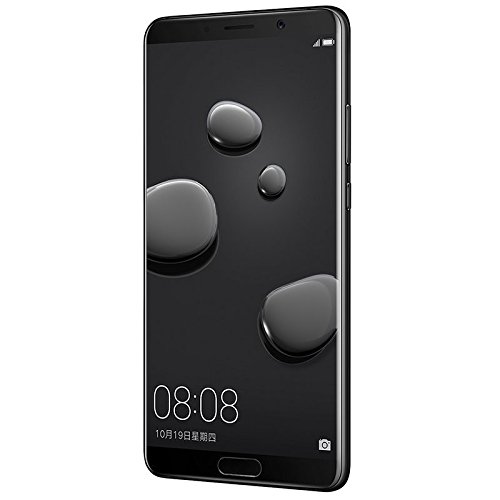
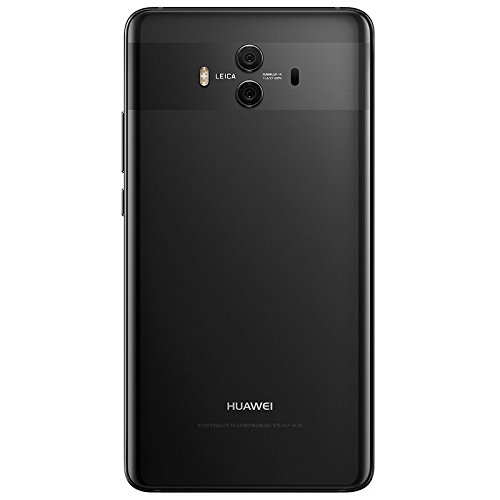
The Vulcan Post review identifies the Huawei Mate 10 as a high-performance, cost-effective flagship powered by the Kirin 970 processor and AI capabilities. Key pros include the 5.9-inch QHD display, retention of the 3.5mm headphone jack and microSD slot, and the Leica-branded dual camera system with intelligent scene recognition. Additionally, the 4,000 mAh battery with SuperCharge technology ensures long-lasting usability. However, the review notes significant cons, such as the lack of official IP67/68 water resistance and a slippery, fingerprint-prone glass back. The camera, while strong in daylight, shows limitations in low-light scenarios, and the EMUI 8.0 software is criticized for bloatware. Despite these issues, it is presented as a strong alternative to the Pro model.
The Huawei Mate 10 is praised as a high-performance, cost-effective alternative to the "Pro" model, featuring the Kirin 970 chipset with a dedicated Neural Processing Unit for AI-driven performance. Key hardware strengths include a sharp 5.9-inch Quad HD LCD display, a robust Leica-branded dual-camera system, and a 4,000mAh battery. While offering excellent value, limitations include its restricted UK availability as a SIM-free only device, a single speaker that distorts at high volumes, and a fingerprint-prone glass design.
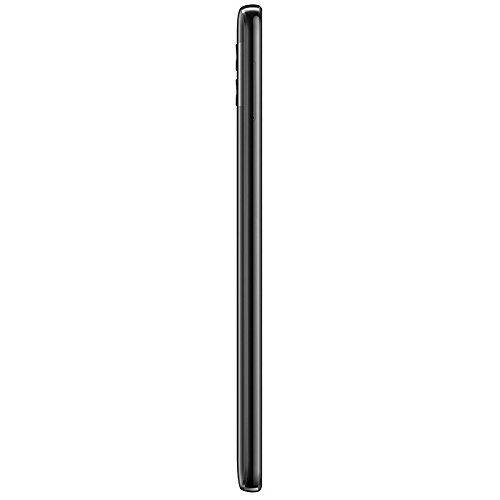
The Huawei Mate 10 is a high-performance flagship featuring a 5.9-inch LCD display with a traditional 16:9 aspect ratio and ultra-slim bezels. It is powered by the Kirin 970 chipset, which includes a dedicated neural processing unit for AI tasks like real-time language translation and intelligent scene detection for the camera. While it shares much of its hardware with the Mate 10 Pro, it distinguishes itself by retaining a 3.5mm headphone jack and supporting microSD expansion, though it lacks the Pro's OLED screen and IP67 water resistance. The device’s standout strengths include its exceptional battery life from a 4000mAh cell, which comfortably lasts a day and a half, and its fast charging capabilities that reach over 50% in 30 minutes. Its Leica-branded dual camera system, featuring wide f/1.6 apertures and rapid four-in-one autofocus, delivers very good results and quick performance. Additionally, the build quality is premium, utilizing curved glass and aluminium that feels comfortable in the hand, albeit prone to attracting fingerprints. However, the Mate 10 faces stiff competition from its "Pro" sibling and other 2017 flagships. The camera’s aggressive...
The Expert Reviews assessment awards the Huawei Mate 10 Pro a "Best Buy" designation, citing its competitive performance and positioning it favorably against the Google Pixel 2, though not surpassing top Samsung models. Noteworthy advantages include an exceptional two-day battery life, a generally effective camera, and expandable storage on the standard Mate 10, while the Pro model's drawbacks include the absence of a headphone jack and a screen with slightly lower resolution than some competitors. Both the Mate 10 and Mate 10 Pro feature a premium design with a distinct glass back and are powered by the Kirin 970 processor, which delivers fluid performance; the camera system, co-developed with Leica, performs well in optimal lighting conditions but lacks detail and reliability compared to the Pixel 2 in all situations.
According to an M2 Magazine review, the Huawei Mate 10 is presented as a powerful, AI-focused flagship smartphone. Key advantages include its Kirin 970 chipset with a dedicated NPU, world-first dual f/1.6 aperture Leica lenses for enhanced low-light photography, super-fast connectivity, and a long-lasting 4,000mAh battery with SuperCharge capability. Potential drawbacks highlighted are a display that lacks the vibrancy of OLED, a glass body prone to fingerprints, no official water resistance rating (unlike the Pro model), and no wireless charging support.
According to Ubergizmo, the Huawei Mate 10 features a premium glass design and a FullView near bezel-less display supporting HDR10. It retains a front-facing fingerprint sensor and a 3.5mm headphone jack. The device is powered by the Kirin 970 chip with a Neural Processing Unit, which enhances camera performance through AI-driven Real-Time Scene and Object Recognition. The phone also supports a Desktop Mode via a simple USB-C to HDMI cable. Key pros highlighted include a large 4000 mAh battery with fast charging, strong AI-assisted photography, and a high-resolution 2K display. Cons mentioned are the fragile glass back, lack of wireless charging, and the inability to disable AI scene recognition.
The Huawei Mate 10 is reviewed as a premium phablet offering strong hardware value with a 5.9-inch QHD display and a Kirin 970 chipset with a dedicated NPU. Pros include dual Leica cameras with a wide f/1.6 aperture for excellent low-light photos and a 4,000mAh battery with Super Charge technology that lasts over a day. Cons include a lack of full water resistance and wireless charging, an LCD screen that lacks the contrast of OLED panels, and a divisive EMUI software interface.
The TechSpot review of the Huawei Mate 10 praises its 5.9-inch 1440p LCD display, exceptional 4,000 mAh battery life, and inclusion of legacy features like a 3.5mm jack and microSD slot. While the Kirin 970 processor offers fast daily performance and the Leica-branded cameras excel in low light, the device suffers from a slippery design, heavy performance throttling during gaming, and inconsistent dynamic range. Ultimately, despite its high-value hardware, the "overbearing" EMUI software experience and thermal management issues prevent the Mate 10 from top-tier status.
CNET reviewed the Huawei Mate 10, describing it as a "fabulous phablet" offering flagship features like a Leica dual-camera system and a sharp 5.9-inch display at a lower price point than competitors. The review highlighted pros such as its value, camera capabilities with AI scene detection, and the inclusion of a headphone jack, but noted cons including limited official US availability, less polished EMUI software, and disappointing battery life compared to the Mate 10 Pro.
The Digitec review highlights the Huawei Mate 10 Pro as a robust, premium-designed flagship featuring a 6-inch OLED screen, IP67 water resistance, and an exceptional 4000 mAh battery with fast 20-minute, 50% charging capabilities. Key pros include the powerful Kirin 970 chipset and excellent stereo speakers, while notable cons involve the missing 3.5mm headphone jack, a fingerprint-prone glossy back, and the absence of wireless charging. A primary focus is the NPU-driven artificial intelligence, which enhances the Leica dual-camera system through automatic scene recognition for food, text, or landscapes. Furthermore, the AI optimizes daily usage, such as improving call quality in noisy environments, although some features can feel like a "black box" to the user.
The Heise review presents the Huawei Mate 10 Pro as a strong competitor to top-tier smartphones, highlighting its premium glass-metal design and the Kirin 970 processor’s AI capabilities. Key strengths include exceptional two-day battery life, a versatile Leica-branded dual-camera system, and a vibrant 6-inch OLED display. Notable drawbacks identified include the omission of a 3.5mm headphone jack, lack of microSD support, a Full HD+ resolution display, and a divisive software experience.
The FAZ.net review positions the Huawei Mate 10 as a high-performance contender challenging market leaders through integrated AI, specifically leveraging the Kirin 970 processor and a dedicated Neural Processing Unit. It features a 5.9-inch LCD screen, a robust 4,000mAh battery with fast charging, and a, high-quality Leica dual-camera system that uses AI for real-time scene adjustment. Pros include the inclusion of a 3.5mm headphone jack, microSD storage, and an infrared blaster, though cons focus on the heavily skinned EMUI 8.0 software, lack of full IP67 water resistance, and the absence of wireless charging.
The Huawei Mate 10 Pro features a 6-inch AMOLED display, a robust 4,000mAh battery offering two-day usage, and a premium glass-and-metal design with IP67 water resistance. Its Leica-branded dual camera is powered by the Kirin 970's Neural Processing Unit (NPU) for real-time AI scene recognition, resulting in excellent photo quality and high-performance, fluid multitasking. Notable downsides include the absence of a 3.5mm headphone jack and microSD slot, along with the heavily customized EMUI 8.0 interface and less effective 4K video stabilization.
The Huawei Mate 10 features a premium glass-and-metal design powered by the Kirin 970 chipset with a dedicated Neural Processing Unit (NPU) for AI tasks. Key pros include an exceptional 4,000mAh battery, a 5.9-inch 2K LCD screen, and a high-quality Leica dual-camera (12MP RGB + 20MP monochrome) with an f/1.6 aperture for superior low-light performance. Furthermore, this model distinguishes itself with a 3.5mm headphone jack and microSD However, the device lacks IP67 water resistance and wireless charging. Critics noted that the EMUI 8.0 software is heavily skinned and aggressive with battery management, while the 4K video recording lacks optical image stabilisation. Overall, the Mate 10 is a powerful, well-regarded flagship offering great value, highlighted by SuperCharge technology that reaches 58% in 30 minutes. Despite not quite matching top-tier rivals in every category, its strong battery life and, AI-enhanced photography make it a solid choice. For more details, visit PCMag UK.
The NextPit review highlights the Huawei Mate 10 as a well-balanced, premium flagship featuring a 5.9-inch QHD IPS LCD display, a robust Kirin 970 processor, and a Leica dual-camera system that delivers detailed photos with an f/1.6 aperture. Notably, this standard model retains a 3.5mm headphone jack and microSD card slot, differentiating it from the "Pro" version. Performance is driven by AI capabilities, offering fast charging and solid daily operation, though the AI features were considered subtle at the time. Despite the large 4,000 mAh battery, the high-resolution display results in shorter battery life compared to the Mate 10 Pro. Additionally, the device lacks the official IP67 water resistance found on the Pro model. Key advantages include the excellent, high-brightness screen, superior camera, and expandable storage. However, the software (EMUI 8.0) can feel less fluid to some users, and the lack of wireless charging is noted as a drawback.
The Huawei Mate 10, featured on top-for-phone.fr, is praised for its high-end design, featuring a 5.9-inch 2K IPS display, 3.5mm headphone jack, and microSD expansion, though it lacks an official IP rating for water resistance. The Kirin 970 chipset delivers solid performance, supported by a Leica-engineered dual-camera system that produces high-quality images with excellent low-light performance. While the device boasts a massive, long-lasting 4000 mAh battery with fast charging, it misses out on wireless charging, and the EMUI software can feel cluttered to some users.
The Xataka México review highlights the Huawei Mate 10 as a competitive, premium-performing flagship at a competitive price point, featuring a 5.9-inch 16:9 QHD display, a front fingerprint sensor, and a 3.5mm headphone jack. It boasts strong performance from the Kirin 970 processor with an NPU, a capable Leica-branded camera with f/1.6 aperture, and a robust 4,000mAh battery supporting fast charging. However, the device features a slippery, thick design and runs the polarizing EMUI 8.0, lacking the full IP67 rating and wireless charging found on the Pro model. Xataka Mé
The Revista Gadget review highlights the Huawei Mate 10 as a pioneer in hardware-integrated AI, featuring a Kirin 970 chipset and a 5.9-inch high-brightness LCD screen. Pros include a 4,000mAh battery with fast SuperCharge technology, a versatile Leica dual-camera system, and the retention of a 3.5mm headphone jack and microSD slot. Cons include an AI experience that can feel subtle in daily use, a single speaker that distorts at high volume, and the lack of full IP67 water resistance compared to the Pro model.
The Huawei Mate 10 is a powerful 2017 flagship featuring a 5.9-inch QHD LCD screen, a Kirin 970 processor with a dedicated AI neural engine, and a 4,000mAh battery. Key pros include the Leica-engineered dual-camera system (20MP/12MP) with f/1.6 aperture for excellent low-light, very fast SuperCharge technology, and the inclusion of a 3.5mm headphone jack and microSD slot. Cons include limited IP53 splash-proof resistance compared to competition, an LCD panel instead of OLED, lack of wireless charging, and the heavily skinned EMUI software.
The Huawei Mate 10 Pro is a high-end, solidly built device featuring a 6-inch OLED screen and, most notably, a 4,000 mAh battery capable of lasting up to two days. Pros include this superior battery life, a stunning design with IP67 resistance, and a fast Kirin 970 processor, though the Full HD+ display resolution is a noted downgrade from some competitors. The Leica dual-camera system performs exceptionally well in low light, benefiting from AI-powered processing. However, the user experience is hindered by a polarizing, cluttered EMUI 8 software interface. Furthermore, the device lacks a 3.5mm headphone jack, wireless charging, and microSD card expansion, which may disappoint power users. Ultimately, the review concludes the Mate 10 Pro is a competitive, powerful, and attractive option for users prioritizing battery and camera performance. For more details, visit Androidworld.nl.
The Huawei Mate 10 is a powerful, large-screen flagship that offers high-end performance with a competitive price point, featuring a 5.9-inch IPS LCD display with a 16:9 aspect ratio and 730-nits peak brightness. Key strengths include the Kirin 970 chipset with a dedicated Neural Processing Unit (NPU) for AI tasks, a Leica-branded dual-camera system with wide f/1.6 apertures, and a 4,000mAh battery that frequently lasts two days. However, the device lacks the IP67 water/dust resistance and wireless charging found on the Pro model, and its EMUI 8.0 skin is considered cluttered by some users. While it retains a 3.5mm headphone jack, the glass-heavy design is slippery and prone to fingerprints.
The Huawei Mate 10 Pro is a high-end smartphone featuring a 6-inch OLED display, a robust metal-and-glass design, and a powerful Kirin 970 processor with AI capabilities. Key advantages include exceptional two-day battery life from its 4,000mAh cell and a highly capable Leica dual-camera system that uses AI to optimize image scenes. While the cameras perform well, the software-driven image sharpening can sometimes appear artificial, and the device lacks a 3.5mm headphone jack and microSD card slot. The device runs EMUI 8.0, which offers a useful "Desktop Mode" for PC-like functionality, although the interface is considered heavily skinned and cluttered by some. Ultimately, the Mate 10 Pro is recommended for its endurance and performance, despite lacking wireless charging. The device offers a strong, premium alternative to competitors, balancing high-end specs with a competitive price point.

Compare