Google Pixel 4 XL (64GB) review. Compare 197 technical specifications and user reviews to see how this product ranks in the Smartphones category and whether it is worth buying.
Overall score
What it is: An overall evaluation of the smartphone's quality, based on technical analyses and user reviews.
When it matters: When you need a quick reference to identify the best smartphones on the market.
Score components:
90.0%
Technical Score
10.0%
User score
Technical Score
What it is: An assessment of the smartphone's technical performance, covering eight key areas: performance & hardware, software, camera, connectivity, display, battery, audio, and design.
When it matters: When you want to compare smartphones based on technical performance and available features.
Score components:
25.0%
Performance & Hardware
18.0%
Camera
15.0%
Display
15.0%
Battery
10.0%
Software
10.0%
Connectivity
4.0%
Audio
3.0%
Design
User score
What it is: A rating that combines user reviews and the total number of reviews received by the smartphone
When it matters: When you want to know how a smartphone handles daily tasks and how reliable it remains over time according to user feedback.
Score components:
70.0%
User reviews
30.0%
Popularity
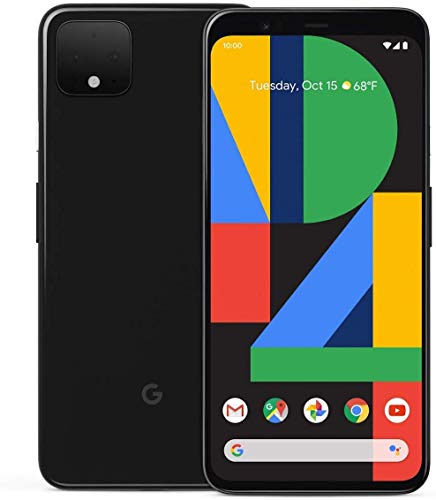
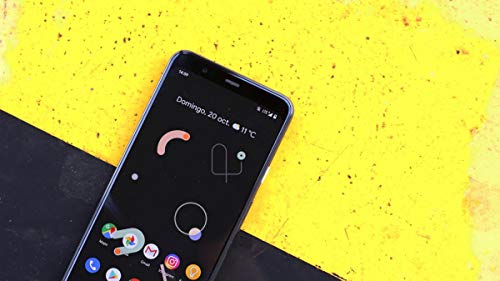
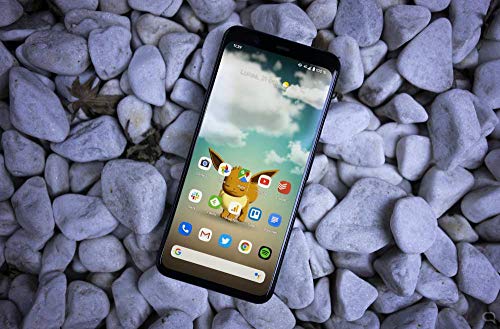
Available: ranking among products currently available (including other versions of this product).
All: ranking among all products in the database.
#21 in Best Google Phones
#179 in Best Camera Smartphones
#519 in Best Android Smartphones
#526 in Best NFC Smartphones
#554 in Best AI Smartphones
#555 in Best Smartphones
#1155 in Best Value Smartphones
What it is: An assessment of the smartphone's technical performance, covering eight key areas: performance & hardware, software, camera, connectivity, display, battery, audio, and design.
When it matters: When you want to compare smartphones based on technical performance and available features.
Score components:
25.0%
Performance & Hardware
18.0%
Camera
15.0%
Display
15.0%
Battery
10.0%
Software
10.0%
Connectivity
4.0%
Audio
3.0%
Design
What it is: A rating that combines user reviews and the total number of reviews received by the smartphone
When it matters: When you want to know how a smartphone handles daily tasks and how reliable it remains over time according to user feedback.
Score components:
70.0%
User reviews
30.0%
Popularity
What it is: An indicator that combines the smartphone's overall rating with its cost.
When it matters: When you are looking for a smartphone with a good balance between quality and price.
Score components:
60.0%
Overall score
40.0%
Price
Importance: LOW
Importance: HIGH
Importance: HIGH
Good value: >12 GB
Importance: MEDIUM
Good value: >256 GB
Importance: MEDIUM
Good value: >3.2 GHz
Importance: LOW
Importance: MEDIUM
Good value: >1500
Importance: LOW
Good value: >4000
Importance: LOW
Good value: 8+
Importance: LOW
Importance: LOW
Good value: >950 MHz
Importance: LOW
Good value: >700
Importance: LOW
Good value: >1000
Importance: LOW
Good value: >2500
Importance: MEDIUM
Good value: >6000
Importance: LOW
Good value: >8000
Importance: MEDIUM
Good value: >12000
Importance: LOW
Good value: >5000
Importance: LOW
Good value: >1800
Importance: LOW
Good value: >3200 MHz
Importance: LOW
Good value: 5
Importance: LOW
Good value: > 50 GB/s
Importance: LOW
Good value: 4
Importance: LOW
Good value: >16 GB
Importance: MEDIUM
Good value: <6 nm
Importance: MEDIUM
Good value: >9 W
Importance: LOW
Importance: LOW
Good value: >8192 KB
Importance: LOW
Good value: >2048 KB
Importance: LOW
Good value: >512 KB
Importance: LOW
Good value: >100000 million
Importance: LOW
Good value: 3.3
Importance: LOW
Good value: 3.2
Importance: LOW
Good value: 2.0/3.0
Importance: LOW
Importance: LOW
Importance: LOW
Importance: MEDIUM
Importance: LOW
Importance: LOW
Importance: LOW
Importance: LOW
Importance: LOW
Importance: LOW
Importance: LOW
Importance: LOW
Importance: LOW
Importance: LOW
Importance: LOW
Importance: LOW
Importance: LOW
Importance: LOW
Importance: LOW
Importance: LOW
Importance: LOW
Importance: LOW
Importance: LOW
Importance: LOW
Importance: LOW
Importance: LOW
Importance: LOW
Importance: LOW
Importance: LOW
Importance: LOW
Importance: LOW
Importance: LOW
Importance: LOW
Importance: LOW
Importance: LOW
Importance: LOW
Importance: LOW
Importance: MEDIUM
Good value: >50 MP
Importance: MEDIUM
Importance: HIGH
Good value: >60
Importance: LOW
Good value: ≥1.2 µm
Importance: MEDIUM
Good value: >2.5x
Importance: MEDIUM
Importance: LOW
Importance: LOW
Importance: LOW
Importance: LOW
Good value: ≥2
Importance: LOW
Importance: LOW
Importance: LOW
Importance: LOW
Good value: >16 MP
Importance: LOW
Importance: LOW
Importance: LOW
Importance: LOW
Importance: MEDIUM
Importance: LOW
Importance: LOW
Importance: LOW
Importance: LOW
Importance: LOW
Importance: LOW
Importance: LOW
Importance: LOW
Importance: LOW
Importance: LOW
Importance: LOW
Importance: LOW
Importance: LOW
Importance: LOW
Importance: LOW
Importance: LOW
Importance: LOW
Importance: LOW
Importance: LOW
Importance: LOW
Importance: LOW
Good value: >130
Importance: LOW
Good value: >120
Importance: LOW
Good value: ≥2
Importance: LOW
Importance: LOW
Importance: LOW
Importance: LOW
Importance: LOW
Importance: LOW
Good value: >5.2
Importance: LOW
Importance: LOW
Importance: LOW
Importance: LOW
Good value: 3.1/3.2
Importance: LOW
Importance: LOW
Importance: LOW
Good value: ≥2
Importance: LOW
Importance: LOW
Importance: LOW
Importance: LOW
Importance: LOW
Importance: LOW
Importance: LOW
Importance: LOW
Importance: LOW
Importance: LOW
Importance: LOW
Importance: LOW
Importance: LOW
Importance: LOW
Importance: LOW
Importance: LOW
Good value: ≥6.6 inches
Importance: MEDIUM
Importance: LOW
Good value: >400 ppi
Importance: MEDIUM
Importance: MEDIUM
Good value: ≥120 Hz
Importance: LOW
Importance: LOW
Good value: >300 Hz
Importance: LOW
Good value: >800 nits
Importance: LOW
Good value: >1300 nits
Importance: LOW
Good value: >1000 nits
Importance: LOW
Importance: LOW
Importance: LOW
Importance: LOW
Importance: LOW
Importance: LOW
Importance: LOW
Importance: LOW
Importance: HIGH
Good value: >5000 mAh
Importance: MEDIUM
Good value: >60 W
Importance: LOW
Importance: LOW
Good value: <45 min
Importance: LOW
Importance: LOW
Good value: >40 W
Importance: LOW
Importance: LOW
Good value: >10 W
Importance: LOW
Importance: LOW
Importance: MEDIUM
Importance: LOW
Good value: >800
Importance: LOW
Importance: LOW
Importance: LOW
Importance: LOW
Importance: LOW
Good value: ≥3
Importance: LOW
Importance: LOW
Importance: LOW
Importance: LOW
Importance: LOW
Importance: LOW
Importance: LOW
Good value: <162 mm
Importance: LOW
Good value: <75 mm
Importance: LOW
Good value: <8 mm
Importance: LOW
Good value: <190 g
Importance: LOW
Good value: <98cm³
Importance: LOW
Importance: LOW
Importance: LOW
Importance: LOW
Importance: LOW
Importance: LOW
Good value: ≥1.5 m
Importance: LOW
Importance: LOW
Good value: >8
Importance: LOW
Importance: LOW
Importance: MEDIUM
Importance: LOW
Importance: MEDIUM
Importance: LOW
Importance: MEDIUM
Good value: >2.5x
Importance: LOW
Good value: ≥1.2 µm
Importance: LOW
Good value: >400 ppi
Importance: LOW
Importance: MEDIUM
Good value: >256 GB
Importance: LOW
Importance: LOW
Good value: >950 MHz
Importance: MEDIUM
Importance: MEDIUM
Good value: ≥120 Hz
Importance: HIGH
Good value: >5000 mAh
Importance: LOW
Importance: MEDIUM
Good value: >50 MP
(Reviews last updated: August 2026)
The Google Pixel 4 XL is praised by Tom's Guide as a software-forward device featuring a 90Hz "Smooth Display" and advanced Motion Sense radar for secure 3D face unlocking. Its standout capabilities include exceptional computational photography, featuring a new telephoto lens and enhanced Night Sight. However, the device is hindered by a $899 starting price that is hard to justify given its significant hardware drawbacks. Key weaknesses identified include poor battery life, lasting just under 10 hours in testing, and a display with low peak brightness of 418 nits, making it difficult to view in direct sunlight. Furthermore, the lack of an ultra-wide camera lens, now standard on many 2019 flagships, is noted as a significant omission. Despite these flaws, the device is considered the better option over the smaller Pixel 4 for those prioritizing a larger screen and improved endurance. Tom' Ultimately, the review suggests that while the Pixel 4 XL delivers an excellent Android experience and superior camera performance, its fundamental issues with battery and display brightness limit its appeal.
The Google Pixel 4 XL is characterized by a high-end, matte glass design and a vibrant 90Hz QHD+ OLED display, marking a shift toward premium hardware with smooth software integration. The camera system is lauded for excellent photo quality and the addition of a 16MP telephoto lens, alongside specialized features like Night Sight. However, the device notably lacks an ultra-wide lens, and video is limited to 4K 30fps. A major drawback is the poor battery life from the 3700mAh cell, coupled with gimmicky Motion Sense gestures and limited base storage.
The Google Pixel 4 and 4 XL, earning an 8/10 rating in the WIRED review, are highlighted for their 90Hz OLED display, fast Snapdragon 855 processor, and innovative software features like the Recorder app and Live Caption. The camera system is lauded for its telephoto lens with 8x zoom, advanced Night Sight, and Astrophotography mode. However, the lack of an ultra-wide lens and the unreliable, "gimmicky" Motion Sense radar gestures are noted as significant drawbacks. Critical hardware issues include inconsistent battery life, particularly on the smaller model, which often fails to last a full day. The removal of the fingerprint sensor, coupled with a face-unlock system that initially allowed access with eyes closed, presents security concerns, while the absence of expandable storage and a headphone jack limits utility. Ultimately, the review suggests that despite their "Googley" charm, the devices may not be the best value compared to alternatives.
After one month, the Google Pixel 4 XL is characterized as a "love-hate" device, offering a 90Hz OLED display, excellent camera, and fast 6GB RAM performance. Significant drawbacks include poor battery life, low 64GB base storage, and limited utility of Motion Sense. While delivering top-tier software, its hardware limitations make it hard to recommend at launch price.
In his review for Zone of Tech, Daniel Sin provides a critical assessment of the Pixel 4 XL, concluding that while it has flashes of brilliance, it fails to keep up with the competition. The pros include a 90Hz OLED display, exceptionally fast Face Unlock, and a high-quality matte finish. However, the device is criticized for using an outdated Snapdragon 855 processor with 6GB of RAM, a stagnant camera sensor, and a Soli Radar feature that is deemed a "party trick". Furthermore, the 3700mAh battery struggles to last a full day, and the removal of free full-resolution photo storage makes the £830/$900 price point difficult to justify against superior, lower-cost competitors.
smartphone" leveraging Google's software, hardware like the Soli radar chip for features such as Motion Sense and fast facial recognition, and a "supreme color accuracy" 90Hz OLED display. Pros include a dual-camera system with "superb" computational photography, especially Night Sight and Astrophotography, and smooth performance powered by a clean Android 10 OS. However, the review notes several cons, including the lack of an ultra-wide angle lens, merely "average" battery life under heavy use, the absence of a fingerprint sensor, and a bug allowing unlock with closed eyes.
In a review, the Google Pixel 4 XL is described as a lopsided flagship praised for its camera, 90Hz display, and clean Android experience, but criticized for hardware compromises like a large bezel and inconsistent Face Unlock. Despite unique features like live transcription, the device is considered too expensive at launch given its design flaws and competition.
According to TechRadar, the Google Pixel 4 XL is a flagship device focusing on a clean software experience and photographic capabilities rather than gimmicks, featuring a refined frosted glass design and a substantial forehead bezel housing new sensors. Its pros include a "phenomenal" camera system with Astrophotography mode and a fluid 90Hz "Smooth Display," while cons highlight "disappointing" battery life and "insultingly low" 64GB base storage without expansion.
The Google Pixel 4 XL is praised for its "cohesive" user experience, driven by a 90Hz "Smooth Display" and a highly convenient, rapid face unlock system powered by Motion Sense radar. Camera capabilities are a highlight, featuring a new telephoto lens, improved Portrait Mode, and Live HDR+ for real-time,,, adjustments, though it lacks an ultra-wide lens. Significant drawbacks include middling battery life, limited base storage, and inconsistent, gimmicky motion gestures.
The Google Pixel 4 XL is a high-performing "point-and-shoot" smartphone featuring a 6.3-inch 90Hz OLED display and a matte-glass design, though it struggles against 2019 rivals due to high launch prices for low storage. Camera capabilities are highlighted by exceptional Night Sight and astrophotography modes, alongside a 2x telephoto lens, but the device notably lacks an ultra-wide lens and fails to support 4K/60fps video recording. While offering fast face unlock and a clean software experience, the phone is hampered by below-average battery life and niche features like Motion Sense, making it feel somewhat unrefined. Key pros include the display and camera, while cons are centered on battery, lack of wide-angle, and limited storage.
The Google Pixel 4 XL is characterized as a device of "untapped potential" that offers a mix of innovative technology and frustrating compromises. While the review praises the phone's excellent 90Hz OLED display, which is noted as one of the best available, and its fluid software experience powered by Android 10 and 6GB of RAM, it highlights significant "misfires" at its high price point. The design is described as bold and well-built, featuring a matte aluminum frame for better grip, though the large top bezel and square camera bump remain divisive. The device's strongest asset remains its incredible camera system, specifically the new astrophotography mode and improved HDR+ capabilities that allow for real-time exposure adjustments. However, the reviewer criticizes Google’s decision to include a 2x telephoto lens instead of a more versatile wide-angle lens and notes a distinct lack of progress in video recording, which is limited to 4K at 30fps. Other highlights include the faster, on-device Google Assistant and a highly efficient face unlock system that outperforms the iPhone 11 in speed, though its lack of an "eyes open"...
The Google Pixel 4 XL is presented as a top-tier choice for Android enthusiasts and photography lovers, offering a fluid user experience powered by the Snapdragon 855 processor and 6GB of RAM. The device features a 6.3-inch QHD+ OLED screen with a new 90Hz refresh rate, which provides excellent video performance characterized by deep blacks and impressive contrast. Notable hardware changes include the removal of the notch in favour of a bezel containing Soli radar technology for fast face unlocking and gesture controls, though the traditional fingerprint sensor has been removed. The smartphone excels in photography, maintaining its reputation for class-leading camera performance by adding a 16MP telephoto lens to its 12.2MP main sensor. Key pros highlighted include the "optimum Android experience," high-quality video playback, and the excellent, punchy still-camera results. While the battery has been boosted to 3700mAh to support "all day" use, the review notes that the ambient sensors and high refresh rate screen can take a significant toll on its longevity. Despite its strengths, the Pixel 4 XL suffers from cons regarding its audio quality and certain...
The MobileSyrup review describes the Google Pixel 4 XL as a device heavily reliant on software, featuring a 6.3-inch 90Hz OLED display and a durable, matte-finish glass design. Key strengths include its outstanding camera performance with a new 16MP telephoto lens and innovative AI-driven features like on-device transcription. However, the phone is hindered by poor battery life, a high base price with low 64GB storage, and inconsistent performance from the Face Unlock and Soli Motion Sense features.
The BILD review of the Google Pixel 4 XL, authored by Martin Eisenlauer, highlights a device focused on innovative, software-driven capabilities such as a 90Hz "Smooth Display" and Soli radar-powered "Motion Sense" gestures. Key pros include an advanced camera system with improved Night Sight and a fast Face Unlock feature. However, the analysis identifies significant cons, most notably weak battery life and the lack of an ultra-wide-angle lens, which is common in competing devices. Additionally, the review notes limited utility for Motion Sense and a high price point for the base storage model. Ultimately, the review presents the Pixel 4 XL as a strong contender in photography and display technology, while compromising on daily endurance and certain hardware standards. You can view the original video review at BILD.
The Google Pixel 4 XL features a high-performance, 90 Hz "Smooth Display" and advanced "radar eye" technology (Soli) for swift face unlocking. While the camera excels in point-and-shoot scenarios and includes a 2x telephoto lens, the device lacks an ultra-wide lens and has limited, sometimes gimmicky, Motion Sense gestures. Significant drawbacks include poor battery life, low base storage, and a display that struggles with brightness compared to competitors.
The ComputerBase review of the Pixel 4 XL highlights a sophisticated flagship featuring a brilliant 90Hz display, top-tier computational photography via a 2x telephoto lens, and fast 3D Face Unlock. However, critical downsides include disappointing battery life, a lack of an ultra-wide camera, and limited 64GB base storage. The device is ultimately characterized as a high-performing "pure" Android experience with a premium, grippy design, yet it is hampered by 18W slow charging and high-price, enthusiast-driven, yet inconsistent hardware choices.
Der Standard identifies the Google Pixel 4 XL as a software-focused device featuring a fluid 90Hz display and advanced Soli radar-based gestures for fast face unlock. While praised for its superior camera capabilities—including a new telephoto lens and impressive astrophotography mode—the device lacks an ultra-wide-angle lens. Major drawbacks include poor battery life and minimal, non-expandable storage. Read the original review at derstandard.at.
The Spiegel Netzwelt review characterizes XL as ambitious, inconsistent devices excelling in software and photography while faltering on basic hardware. Hz "Smooth Display" for fluid interaction and a top-tier camera featuring dual-exposure controls and improved Night Sight. However, the display lacks peak brightness, and the omission of an ultra-wide lens, K/ fps video, are notable cons. Expert Reviews +5The Soli radar chip powers innovative, rapid Face Unlock and Motion Sense gestures, though the latter are often perceived as gimmicky. The most critical drawback highlighted is the poor battery life, particularly on the smaller model, alongside GB base storage and the removal of free full-resolution cloud backups. YouTube +3Overall, the review series relies heavily on camera and software prowess to compensate for hardware limitations. It is recommended primarily for photography enthusiasts despite the significant battery and storage value concerns. The Guardian +4
The Labo Fnac review characterizes the Google Pixel 4 XL as a high-performing device with excellent camera capabilities but notable functional drawbacks, particularly in battery life. Technical testing highlighted the 6.3-inch QHD+ OLED display's superior color accuracy and the device's fluid performance, supported by a 90Hz refresh rate and 6GB of RAM. While the camera is lauded for its "gifted" low-light performance and efficient stabilization, the review notes the absence of an ultra-wide lens and limited 4K recording options. L'É Key drawbacks include poor battery performance—lasting under 8 hours in tests—and a base storage capacity deemed insufficient for heavy users. Despite these limitations, the Pixel 4 XL is recognized for its robust build quality, featuring IP68 water resistance, and high-end display. L'É
The Phototrend review characterizes the Google Pixel 4 XL as a "photophone" driven by superior software algorithms and a high-quality 6.3-inch 90Hz OLED display. Key photographic advantages include Live HDR+ for real-time processing visualization and advanced Dual Exposure controls. However, the analysis highlights significant drawbacks, notably the absence of an ultra-wide-angle lens, lackluster video performance, and poor battery life. The device features a matte glass design with good ergonomics and a rapid, though sometimes overly sensitive, Face Unlock system. While Night Sight and Astrophotography modes deliver impressive results, the omission of a wide-angle lens in favor of a telephoto is criticized. Ultimately, the review portrays the phone as a powerful tool for still photography hampered by hardware limitations in other areas.
According to the 01net review, the Google Pixel 4 XL is a high-performing flagship that corrects several flaws found in its smaller sibling, specifically featuring an exceptional camera system with a new telephoto lens and a smooth 90 Hz OLED display. While it offers a superior 6.3-inch screen and solid performance, the device is hindered by an average battery life that lags behind 2019 competitors, alongside the notable absence of an ultra-wide-angle lens. Despite these compromises, the Pixel 4 XL provides a premium, clean Android 10 experience with unique, albeit sometimes gimmicky, Motion Sense radar and fast Face Unlock, making it a strong choice for photography enthusiasts despite its high €899 launch price.
The Google Pixel 4 XL is hailed by Les Numériques as an exceptional "photophone" featuring a superior 6.3-inch 90 Hz OLED display and, for its time, high-tier performance, yet it is marred by significant design and hardware omissions. While the 12.2 MP main sensor and software processing deliver outstanding image quality, the lack of an ultra-wide-angle lens and underwhelming battery life, which fails to last a full day for heavy users, are notable weaknesses. Despite offering a smooth, stock Android experience and reliable facial recognition, the device's high price, large bezels, and lack of versatile hardware features, such as a headphone jack or microSD slot, make it a flawed flagship. Les Numé
Frandroid’s review describes the Google Pixel 4 XL as a refined flagship highlighting software and photography, featuring a 6.3-inch QHD+ 90Hz display, Soli radar-based Motion Sense, and fast face unlock. The camera is praised for its 16MP telephoto lens, astrophotography mode, and Live HDR+, though it lacks an ultra-wide sensor and caps video at 4K 30fps. While performance is strong with the Snapdragon 855 and 6GB of RAM, the 3,700mAh battery is deemed a major weakness, resulting in a "flawed genius" device.
The TF1info review characterizes the Google Pixel 4 XL as a moderate, "timid" update focusing heavily on elevating its status as a top-tier photophone, rather than overhauling the design. Key strengths highlighted include a superior 90Hz QHD+ OLED display and an improved dual-sensor camera system that, combined with advanced software, delivers exceptional clarity, enhanced Night Sight, and a new astrophotography mode. Additionally, the phone features a highly responsive, radar-powered face unlock system and a clean, fluid user experience. However, the analysis notes significant downsides, particularly regarding battery life, which often fails to last a full day under heavy usage. Critics also point to the high price-to-spec ratio, citing limited base storage, the absence of an ultra-wide lens, and the lack of a fingerprint sensor. Finally, the signature Soli radar "Motion Sense" gestures are described as largely gimmicky, struggling to justify the prominent, outdated top bezel design.
Phonandroid’s review of the Google Pixel 4 XL highlights a device with a top-tier camera, featuring superior software processing and a 2x telephoto lens. However, it notes the absence of an ultra-wide-angle lens and points to disappointing battery life from the 3,700mAh capacity, which struggles to last a full day. The 6.3-inch OLED screen is praised for its 90Hz refresh rate, though it lacks the maximum brightness found in competing flagships. Technologically, the review highlights advanced features like Motion Sense radar and Face Unlock, yet questions their practical, daily utility. The phone is criticized for its high price point relative to a low 64GB starting storage capacity. Ultimately, the review concludes the device is excellent for photography purists but fails to stand out as a well-rounded, premium flagship.
Eminence's review of the Google Pixel 4 highlights a device defined by a 90Hz P-OLED "Smooth Display" and superior camera capabilities, specifically boasting an Astrophotography mode and advanced Motion Sense radar gestures. However, the experience is severely hampered by a very small 2,800mAh battery that struggles with daily usage and a dated, thick top bezel.
The Google Pixel 4 excels with a 90Hz display, clean Android 10 experience, and superior camera performance featuring advanced Night Sight and astrophotography. The device also showcases the AI-driven Recorder app for real-time transcription. However, the 2,800mAh battery proves insufficient, with the high-refresh-screen often draining it before the day ends. Additional critiques include the Face Unlock security oversight, lack of an ultra-wide lens, and no microSD card slot. While the "playful premium" matte design and Motion Sense radar are notable, the large top bezel and 18W charging speed fall behind competitors. Consequently, despite strong performance from the Snapdragon 855, the battery flaws make it hard to recommend over rivals.
The ZDNet France review of the Google Pixel 4 and 4 XL highlights a clean, high-performance Android experience powered by the Snapdragon 855 processor and 90Hz "Smooth Display". Key pros include exceptional camera performance with a new telephoto lens for better zoom, alongside innovative software like Motion Sense gestures. However, major drawbacks are noted, particularly the poor battery life on both models, the lack of a headphone jack and expandable storage, and early security concerns regarding the face unlock system. While the smaller Pixel 4 offers a more ergonomic design, the 4 XL is generally recommended for its larger QHD+ display and superior battery capacity, despite still trailing competitors in endurance.
The CNET France review highlights the Google Pixel 4 XL as a device featuring a superior 6.3-inch, 90Hz OLED display, a revamped, notch-free design, and rapid radar-based facial recognition. Its standout camera system boasts improved portrait mode, astrophotography capabilities in Night Sight, and, as noted in CNET's in-depth analysis, precise dual exposure sliders for enhanced photo control. Despite these strengths, the review notes drawbacks including a high $899 starting price, the omission of free original-quality cloud storage, and a battery life that trails top competitors.
The NextPit review identifies the Google Pixel 4 as a top-tier compact Android phone featuring a 90Hz OLED display, clean software with exclusive Pixel features, and a high-quality camera with advanced Night Sight. Despite these strengths, the device is criticized for replacing an ultra-wide camera with a telephoto lens and lacking expandable storage. The primary drawback is its poor 2,800 mAh battery life and the underwhelming, often intrusive Motion Sense gesture technology.
Presse-Citron's review of the Google Pixel 4 XL highlights a device that excels in software and photography while faltering on fundamental hardware expectations. The reviewer praises the smooth 90Hz OLED display, fast Face Unlock, and AI-driven features like Live Caption, though notes significant disappointment regarding poor battery life and the omission of an ultra-wide-angle lens. Ultimately, while the software experience is deemed "excellent," these hardware compromises—including limited 64GB base storage and high price—leave the phone feeling like a brilliant but unfinished product.
The Pisapapeles review of the Google Pixel 4 XL highlights a premium experience driven by a 90Hz "Smooth Display," clean Android 10, and an industry-leading camera system featuring improved Night Sight, astrophotography, and fast Face Unlock. Key pros include exceptional haptics, high-quality stereo speakers, and a comfortable matte glass design. However, significant cons include poor battery life that fails to last a full day and the limited, often gimmicky, utility of Motion Sense radar gestures. The device also lacks an ultra-wide-angle lens, which is common among competitors, and initially suffered from an "ecosystem gap" due to the removal of the fingerprint sensor. Ultimately, the Pixel 4 XL is described as a cohesive but flawed flagship, targeting users who prioritize software intelligence and camera performance over hardware versatility. The high launch price and lack of included accessories, such as a 3.5mm adapter, make it difficult to recommend over 2019 rivals, rendering it a device primarily for Google purists.
The TechRadar review describes the Google Pixel 4 XL as a "pragmatist’s flagship" focusing on a clean user experience and superior photography, highlighted by a 6.3-inch 90Hz OLED display. Its camera capabilities are lauded, particularly the enhanced Night Sight and new Astrophotography mode. However, the device is held back by a lackluster 3,700mAh battery that struggles with daily use, along with limited 64GB base storage and the omission of an ultra-wide lens.
The Google Pixel 4 XL features an outstanding camera with a new 16MP telephoto lens and a fluid 90Hz QHD+ OLED display, offering a premium, matte glass design. However, the device suffers from poor battery life, missing an ultra-wide lens, and lacking a fingerprint sensor. While the Face Unlock is fast, Soli-based gesture controls are inconsistent and the device has limited storage options.
The TechRadar review characterizes the Google Pixel 4 XL as a "pragmatist's flagship" featuring a, frosted glass design, superior grip, and a 6.3-inch OLED display with a 90Hz refresh rate and Ambient EQ technology. The camera capabilities are a major strength, highlighted by a 16MP telephoto lens, specialized Astrophotography mode, and industry-leading low-light performance with Night Sight. Running Android 10, the device offers a refined user experience and the innovative real-time transcription of the new Recorder app. However, the phone suffers from significant drawbacks, most notably poor battery life that often fails to last a full day despite its 3,700mAh capacity. While featuring advanced, though sometimes erratic, Soli radar for Motion Sense, the device lacks an ultra-wide lens and comes with a 64GB base storage option that is considered too low for a flagship without expandable storage. The, mandatory switch to facial recognition, which initially lacked an "eyes-open" requirement and had limited app support, was also heavily criticized.
The Google Pixel 4 XL, as reviewed on Androidworld, focuses on unique software-hardware integration, highlighted by a 90Hz Smooth Display and the Soli radar chip for rapid Face Unlock. Key strengths include advanced camera features like a 16MP telephoto lens, dual exposure controls, and astrophotography, alongside unique software like the Recorder app. However, the device is criticized for disappointing battery life and lacking an ultra-wide-angle lens, combined with low base storage and high,,,64GB,, pricing.
The Google Pixel 4 XL features a premium design with a matte glass back and a standout 6.3-inch, 90Hz OLED display that offers excellent, fluid visuals. Its camera system remains a market leader, enhanced by a new 2x telephoto lens and superior Night Sight, while the software experience provides a clean Android 10 interface with useful exclusive features. However, the device is significantly hindered by poor battery life that struggles to last a full day and limited, low-base storage. Additional drawbacks include the lack of an ultra-wide camera and the limited practical utility of the Soli radar-powered Motion Sense features.
The Google Pixel 4 and 4 XL, analyzed by Tweakers, feature advanced Soli radar technology for Motion Sense gestures, alongside a 90Hz "Smooth Display" that significantly enhances fluidity. Camera capabilities are boosted by a new telephoto lens, Astrophotography mode, and Live HDR+ for superior, real-time image processing. However, the review identifies critical drawbacks, most notably poor battery life on the smaller model, lack of an ultra-wide camera, no microSD expansion, and the removal of the fingerprint reader. While offering top-tier software and displays, the hardware limitations make them difficult to recommend over more versatile competitors.

Compare