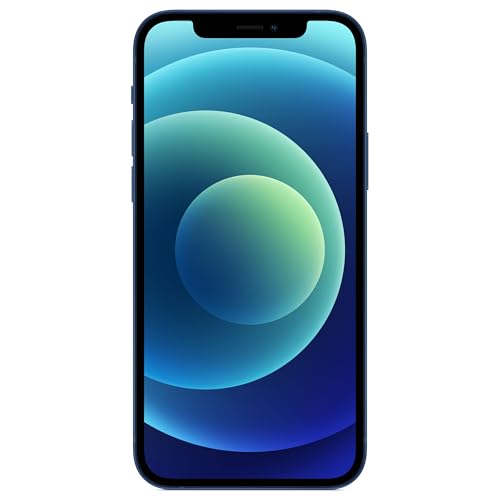
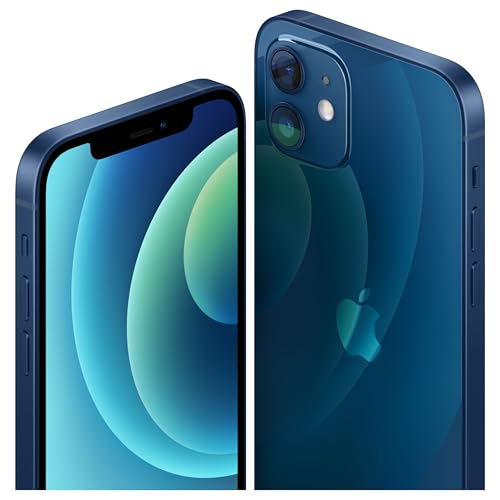
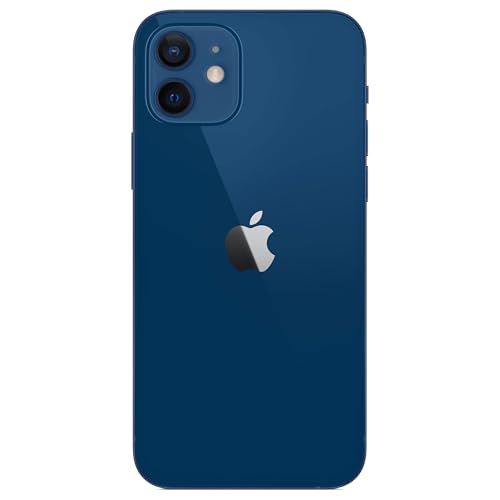
Apple iPhone 12 (128GB) review. Compare 197 technical specifications and user reviews to see how this product ranks in the Smartphones category and whether it is worth buying.
Overall score
What it is: An overall evaluation of the smartphone's quality, based on technical analyses and user reviews.
When it matters: When you need a quick reference to identify the best smartphones on the market.
Score components:
90.0%
Technical Score
10.0%
User score
Technical Score
What it is: An assessment of the smartphone's technical performance, covering eight key areas: performance & hardware, software, camera, connectivity, display, battery, audio, and design.
When it matters: When you want to compare smartphones based on technical performance and available features.
Score components:
25.0%
Performance & Hardware
18.0%
Camera
15.0%
Display
15.0%
Battery
10.0%
Software
10.0%
Connectivity
4.0%
Audio
3.0%
Design
User score
What it is: A rating that combines user reviews and the total number of reviews received by the smartphone
When it matters: When you want to know how a smartphone handles daily tasks and how reliable it remains over time according to user feedback.
Score components:
70.0%
User reviews
30.0%
Popularity
Available: ranking among products currently available (including other versions of this product).
All: ranking among all products in the database.
#26 in Best Apple Smartphones
#30 in Best Compact Smartphones
#35 in Best 6-Inch Smartphones
#217 in Best Mid-Range Smartphones
#375 in Best Smartphones Under £500
#528 in Best 5G Smartphones
#529 in Best NFC Smartphones
#557 in Best AI Smartphones
#558 in Best Smartphones
#875 in Best Value Smartphones
What it is: An assessment of the smartphone's technical performance, covering eight key areas: performance & hardware, software, camera, connectivity, display, battery, audio, and design.
When it matters: When you want to compare smartphones based on technical performance and available features.
Score components:
25.0%
Performance & Hardware
18.0%
Camera
15.0%
Display
15.0%
Battery
10.0%
Software
10.0%
Connectivity
4.0%
Audio
3.0%
Design
What it is: A rating that combines user reviews and the total number of reviews received by the smartphone
When it matters: When you want to know how a smartphone handles daily tasks and how reliable it remains over time according to user feedback.
Score components:
70.0%
User reviews
30.0%
Popularity
What it is: An indicator that combines the smartphone's overall rating with its cost.
When it matters: When you are looking for a smartphone with a good balance between quality and price.
Score components:
60.0%
Overall score
40.0%
Price
Importance: LOW
Importance: HIGH
Importance: HIGH
Good value: >12 GB
Importance: MEDIUM
Good value: >256 GB
Importance: MEDIUM
Good value: >3.2 GHz
Importance: LOW
Importance: MEDIUM
Good value: >1500
Importance: LOW
Good value: >4000
Importance: LOW
Good value: 8+
Importance: LOW
Importance: LOW
Good value: >950 MHz
Importance: LOW
Good value: >700
Importance: LOW
Good value: >1000
Importance: LOW
Good value: >2500
Importance: MEDIUM
Good value: >6000
Importance: LOW
Good value: >8000
Importance: MEDIUM
Good value: >12000
Importance: LOW
Good value: >5000
Importance: LOW
Good value: >1800
Importance: LOW
Good value: >3200 MHz
Importance: LOW
Good value: 5
Importance: LOW
Good value: > 50 GB/s
Importance: LOW
Good value: 4
Importance: LOW
Good value: >16 GB
Importance: MEDIUM
Good value: <6 nm
Importance: MEDIUM
Good value: >9 W
Importance: LOW
Importance: LOW
Good value: >8192 KB
Importance: LOW
Good value: >2048 KB
Importance: LOW
Good value: >512 KB
Importance: LOW
Good value: >100000 million
Importance: LOW
Good value: 3.3
Importance: LOW
Good value: 3.2
Importance: LOW
Good value: 2.0/3.0
Importance: LOW
Importance: LOW
Importance: LOW
Importance: MEDIUM
Importance: LOW
Importance: LOW
Importance: LOW
Importance: LOW
Importance: LOW
Importance: LOW
Importance: LOW
Importance: LOW
Importance: LOW
Importance: LOW
Importance: LOW
Importance: LOW
Importance: LOW
Importance: LOW
Importance: LOW
Importance: LOW
Importance: LOW
Importance: LOW
Importance: LOW
Importance: LOW
Importance: LOW
Importance: LOW
Importance: LOW
Importance: LOW
Importance: LOW
Importance: LOW
Importance: LOW
Importance: LOW
Importance: LOW
Importance: LOW
Importance: LOW
Importance: LOW
Importance: LOW
Importance: MEDIUM
Good value: >50 MP
Importance: MEDIUM
Importance: HIGH
Good value: >60
Importance: LOW
Good value: ≥1.2 µm
Importance: MEDIUM
Good value: >2.5x
Importance: MEDIUM
Importance: LOW
Importance: LOW
Importance: LOW
Importance: LOW
Good value: ≥2
Importance: LOW
Importance: LOW
Importance: LOW
Importance: LOW
Good value: >16 MP
Importance: LOW
Importance: LOW
Importance: LOW
Importance: LOW
Importance: MEDIUM
Importance: LOW
Importance: LOW
Importance: LOW
Importance: LOW
Importance: LOW
Importance: LOW
Importance: LOW
Importance: LOW
Importance: LOW
Importance: LOW
Importance: LOW
Importance: LOW
Importance: LOW
Importance: LOW
Importance: LOW
Importance: LOW
Importance: LOW
Importance: LOW
Importance: LOW
Importance: LOW
Importance: LOW
Good value: >130
Importance: LOW
Good value: >120
Importance: LOW
Good value: ≥2
Importance: LOW
Importance: LOW
Importance: LOW
Importance: LOW
Importance: LOW
Importance: LOW
Good value: >5.2
Importance: LOW
Importance: LOW
Importance: LOW
Importance: LOW
Good value: 3.1/3.2
Importance: LOW
Importance: LOW
Importance: LOW
Good value: ≥2
Importance: LOW
Importance: LOW
Importance: LOW
Importance: LOW
Importance: LOW
Importance: LOW
Importance: LOW
Importance: LOW
Importance: LOW
Importance: LOW
Importance: LOW
Importance: LOW
Importance: LOW
Importance: LOW
Importance: LOW
Importance: LOW
Good value: ≥6.6 inches
Importance: MEDIUM
Importance: LOW
Good value: >400 ppi
Importance: MEDIUM
Importance: MEDIUM
Good value: ≥120 Hz
Importance: LOW
Importance: LOW
Good value: >300 Hz
Importance: LOW
Good value: >800 nits
Importance: LOW
Good value: >1300 nits
Importance: LOW
Good value: >1000 nits
Importance: LOW
Importance: LOW
Importance: LOW
Importance: LOW
Importance: LOW
Importance: LOW
Importance: LOW
Importance: LOW
Importance: HIGH
Good value: >5000 mAh
Importance: MEDIUM
Good value: >60 W
Importance: LOW
Importance: LOW
Good value: <45 min
Importance: LOW
Importance: LOW
Good value: >40 W
Importance: LOW
Importance: LOW
Good value: >10 W
Importance: LOW
Importance: LOW
Importance: MEDIUM
Importance: LOW
Good value: >800
Importance: LOW
Importance: LOW
Importance: LOW
Importance: LOW
Importance: LOW
Good value: ≥3
Importance: LOW
Importance: LOW
Importance: LOW
Importance: LOW
Importance: LOW
Importance: LOW
Importance: LOW
Good value: <162 mm
Importance: LOW
Good value: <75 mm
Importance: LOW
Good value: <8 mm
Importance: LOW
Good value: <190 g
Importance: LOW
Good value: <98cm³
Importance: LOW
Importance: LOW
Importance: LOW
Importance: LOW
Importance: LOW
Importance: LOW
Good value: ≥1.5 m
Importance: LOW
Importance: LOW
Good value: >8
Importance: LOW
Importance: LOW
Importance: MEDIUM
Importance: LOW
Importance: LOW
Importance: LOW
Good value: ≥1.2 µm
Importance: LOW
Importance: MEDIUM
Good value: >1500
Importance: LOW
Importance: MEDIUM
Good value: >3.2 GHz
Importance: MEDIUM
Good value: ≥120 Hz
Importance: MEDIUM
Good value: >50 MP
Importance: HIGH
Good value: >5000 mAh
Importance: MEDIUM
Good value: >256 GB
Importance: HIGH
Good value: >12 GB
Importance: LOW
Good value: ≥6.6 inches
Importance: LOW
Importance: LOW
Good value: >16 GB
(Reviews last updated: August 2026)
(Reviews last updated: August 2026)
According to an Ars Technica review, the iPhone 12 and 12 Pro blend classic design with modern features like OLED displays and 5G connectivity, offering improved ergonomics and camera performance with Night Mode on all lenses. While the new flat edges and MagSafe are considered pros, cons include the minimal advantages of the Pro model over the standard 12, the lack of a 120Hz refresh rate display, and mediocre battery life compared to the iPhone 11 series.
Digital Trends describes the Apple iPhone 12 as the "best iPhone for most people," highlighting its 6.1-inch Super Retina XDR OLED display, A14 Bionic chip, improved low-light camera performance, and MagSafe system as key strengths. However, the review notes significant drawbacks, including the limited 64GB base storage, the lack of a charging brick or EarPods in the box, merely "good" battery life, and the absence of a telephoto lens.
According to Wired's review, the Apple iPhone 12 is a powerful device with significant upgrades like a 6.1-inch OLED display and the A14 Bionic chip, along with enhanced camera performance in low light and improved durability with Ceramic Shield. However, the review notes cons such as camera improvements not being "jaw-dropping" for iPhone 11 owners, the MagSafe system potentially increasing e-waste, and explicit advice against buying the phone solely for 5G due to network limitations and battery drain. Additional downsides include the lack of a high refresh rate display and telephoto lens on this model, and frustration over the removal of accessories and the starting 64GB storage option.
Consumer Reports gives the Apple iPhone 12 an "Excellent" rating for speed, driven by the A14 Bionic chip, and praises the 6.1-inch OLED display for its high resolution and brightness. The device features a superior camera system with top-tier still photography, a lighter design, and a durable Ceramic Shield front. However, the model failed a 100-drop tumble test, and battery life is rated as only "average".
The iPhone 12 is described as a versatile, well-balanced device featuring a 6.1-inch OLED Super Retina XDR display and a lightweight, improved aluminum design. Pros include the rapid A14 Bionic chip, 5G capabilities, and a capable dual-camera system with Dolby Vision HDR. However, the review notes cons such as inconsistent Night Mode performance, the high cost of the MagSafe ecosystem, and a limiting 64GB base storage option at its $1,129 CAD price point. The reviewer also noted that the phone can feel warm during MagSafe charging. Overall, the iPhone 12 is presented as a strong option for users seeking modern features without the premium price of the Pro model.
According to T3, the iPhone 12 offers a significant upgrade over its predecessor with a new flat-edged design, a stunning Super Retina XDR OLED display, and a fast A14 Bionic chip. Key advancements include 5G connectivity, the MagSafe system, and an improved camera with Night Mode on all lenses and Dolby Vision HDR video recording. However, drawbacks include a higher price than the iPhone 11, a dated 60Hz display, limited 64GB base storage, and battery life that isn't significantly improved and drains faster with 5G use.
Tom's Guide describes the iPhone 12 as a significant advancement with a sleek design, MagSafe, and a superior OLED display. Pros include the powerful A14 Bionic chip and an impressive camera with Dolby Vision HDR, while cons note the lack of a 120Hz display, no telephoto lens, and the base 64GB storage. Battery life is solid on 4G but drains quickly on 5G, and the review criticizes the exclusion of a charging brick.
The iPhone 12 introduced a flat-edged design, a Super Retina XDR OLED display, 5G connectivity, and the MagSafe system. Key advantages included the powerful A14 Bionic chip, the OLED screen, enhanced durability with a Ceramic Shield, and improved cameras with Dolby Vision HDR recording. However, the device also faced criticism for its increased price, slightly reduced battery life compared to its predecessor, limited 64GB base storage, and the exclusion of a charging brick and EarPods from the box.
The Guardian describes the iPhone 12 as Apple's most significant design change since the iPhone X, highlighting its flat-edge aesthetic, upgraded 6.1-inch Super Retina XDR OLED display, and powerful A14 Bionic chip. Pros include the stellar display, enhanced durability, exceptional performance with 5G, improved cameras, and long battery life, while cons are the high cost, lack of included accessories, limited base storage, the continued use of the Lightning port, absence of a telephoto lens, and a 60Hz display refresh rate.
According to a Macworld review, represents a significant upgrade from its predecessor, featuring a Super Retina XDR OLED display, a flat-edged aluminum frame, and Bionic chip. It boasts improved low-light photography across all lenses with Night Mode, 5G connectivity, and the new MagSafe charging system, G use and a smaller battery compared can impact battery life. Noted drawbacks include the Hz ProMotion display and an always-on display option, the glossy back glass's susceptibility to fingerprints and scratches despite a more durable Ceramic Shield front, and the lack of a telephoto lens which remains exclusive to the Pro model. Macworld +5
According to the PCMag review by Sascha Segan, the iPhone 12 is a significant, thinner, and more durable device featuring a flat-sided aluminum frame with a "Ceramic Shield". A major pro is the 6.1-inch Super Retina XDR OLED screen's high-contrast quality, though a notable con is its locked 60Hz refresh rate, along with limited 64GB base storage. Powered by the A14 Bionic chip, the phone offers 5G support, excellent low-light cameras, and MagSafe accessories, while downsides include the lack of a telephoto lens and missing in-box charging bricks.
CNET describes the iPhone 12 as a well-balanced device featuring a new flat-edged design, an improved 6.1-inch Super Retina XDR OLED display, and a more durable Ceramic Shield front cover. Powered by the A14 Bionic chip, it offers fast performance and a capable camera system with Night Mode expanded to ultrawide and selfie cameras, plus the addition of MagSafe for accessories. Drawbacks include limited 64GB base storage, the exclusion of a power adapter, potential 5G battery drain, and the lack of a high-refresh-rate display found in some competitors.
The iPhone 12 review from Curved.de highlights the device as a significant leap for Apple’s base models, driven by a redesigned flat-edged aluminum frame and a superior Super Retina XDR OLED display. Performance is driven by the A14 Bionic chip, which remains highly capable for daily tasks, while the inclusion of 5G and MagSafe provides future-proof connectivity and useful accessory integration. The camera system is praised for its accuracy and expanded Night Mode functionality, which now covers all lenses for better low-light photography. However, the device has notable drawbacks, including a glossy back prone to fingerprints and micro-abrasions, a standard 60Hz display refresh rate, and only average battery life, particularly under heavy 5G usage. Ultimately, the review suggests that while the iPhone 12 remains a powerful and visually appealing device, its value depends on finding it at a competitive price compared to newer models, especially considering the lack of a charger in the box and a large screen notch.
The Curved.de review highlights the iPhone 12 as a major upgrade, focusing on the Super Retina XDR OLED display, a refreshed flat-edged design, and the high-performance A14 Bionic chip. Key strengths include improved Night Mode capabilities across cameras for low-light photography, 4K Dolby Vision HDR video, and the introduction of MagSafe for enhanced accessory functionality. Despite these improvements, the review notes the absence of a charger and EarPods in the box, which adds to the overall cost. Furthermore, the battery life does not significantly exceed the previous model, particularly when using 5G, and the screen remains limited to a 60Hz refresh rate compared to competitors.
The Watson.ch review indicates that the iPhone 12 and 12 Pro share core performance strengths, including the A14 Bionic chip, 5G, MagSafe, and a vibrant OLED display. The standard iPhone 12 is presented as the superior value option for most, offering nearly the same performance, design, and camera quality as the Pro model, but in a lighter, more portable package. While the Pro model is lauded for its stainless steel frame, 128GB starting storage, 6GB of RAM, and LiDAR-enabled low-light photography, its added cost may not justify the marginal gains for average users. Key disadvantages identified include the removal of the charger and headphones from the box and average battery life that struggles under heavy use. Ultimately, the analysis suggests the standard iPhone 12 provides a better balance of price and features for most consumers.
The Macwelt review characterizes the iPhone 12 as a significant leap over its predecessor, featuring a high-resolution Super Retina XDR OLED display and the powerful A14 Bionic chip. Because the standard model now shares the same display technology and performance as the Pro, reviewers note that most users can skip the more expensive version. Pros include a lighter, thinner, flat-edged design, the introduction of MagSafe for accessories, and 5G connectivity, along with improved low-light camera performance across all lenses. However, noted cons include the exclusion of a power adapter and headphones, and a base storage capacity of 64GB, which is considered insufficient for the price point. The camera lacks a dedicated telephoto lens, and the battery life does not show significant improvements over the iPhone 11.
The Netzwelt review of the iPhone 12 highlights a significant design shift, praising the durable "Ceramic Shield" screen, IP68 water resistance, and the premium feel of the flat-edged aluminum frame. While the 6.1-inch OLED display offers excellent contrast, the sharp edges can feel blocky, and the large notch remains unchanged. Performance is touted as top-tier thanks to the A14 Bionic chip, which, along with 5G capabilities, ensures long-term usability. The dual 12-megapixel camera system receives praise for improved low-light performance via Night Mode and natural color reproduction. However, the review notes the lack of a high refresh rate (60Hz only) as a missed opportunity compared to Android competitors. Battery life is generally described as solid, though, 5G usage can cause significant drain. YouTubeKey drawbacks include the limited 64GB base storage and the exclusion of a power adapter, which adds to the overall cost. Despite these criticisms, the device is positioned as a strong, high-performance, and durable offering for Apple users.
Presse-citron describes the iPhone 12 as a significant, well-designed update, praised for bringing a stunning Super Retina XDR OLED display to the base model and featuring a fast A14 Bionic chip for lasting performance. Pros include excellent photo/video quality, durable Ceramic Shield glass, and a premium feel, making it a versatile choice for most users. Cons highlighted include the lack of a telephoto lens and LiDAR scanner, less natural bokeh, and a 60Hz screen limitation compared to rivals. Overall, it is considered a competitive, high-value choice, according to the review at Presse-citron.
According to 01net, the iPhone 12 represents a significant advancement for Apple's standard lineup, adopting a 6.1-inch OLED Super Retina XDR display, a flat-edge design, and the durable Ceramic Shield. The A14 Bionic chip provides top-tier performance for gaming and multitasking, bolstered by 5G connectivity and the magnetic MagSafe ecosystem. Despite these improvements, the device retains a 60Hz screen refresh rate, a noticeable notch, and offers only 64GB of base storage while excluding a charger in the box.
The iPhone 12 represents a major update featuring a flatter, lighter design and a vastly improved Super Retina XDR OLED display, according to Les Numériques. Performance is driven by the A14 Bionic chip, providing excellent speed alongside 5G connectivity and MagSafe capabilities. However, the device is limited by a 60Hz screen, only "correct" battery life, a 64GB starting storage, and the lack of a telephoto lens and included charger.
In its review of the iPhone 12, Numerama characterizes the device as a "Pro" level smartphone, highlighting the significant upgrade to a Super Retina XDR OLED display and a refined, flat-edged design. Powered by the A14 Bionic chip, the device offers top-tier performance and 5G connectivity. Key advantages include improved low-light photography with Night Mode on all lenses and 10-bit Dolby Vision HDR video recording, alongside the MagSafe accessory system. However, the review notes cons such as the absence of a charger and earphones in the box, a 60Hz refresh rate, and a 64GB base storage, which is deemed too low.
The Easy Cash review identifies the iPhone 12 as a durable, high-performance device featuring the A14 Bionic chip, a 6.1-inch Super Retina XDR OLED display, and 5G/MagSafe compatibility. Key advantages include the enhanced, flat-edge design, superior screen quality, and improved low-light photography, offering a significant upgrade in performance and durability via its Ceramic Shield. Despite these, the review notes drawbacks such as mediocre, often inconsistent battery life and a 60Hz screen limitation.
The iPhone 12 features a refreshed, flat-edged design with a superior Super Retina XDR OLED display, Ceramic Shield durability, and MagSafe accessories. Powered by the A14 Bionic chip, it offers top-tier performance and improved low-light photography with Night Mode on all cameras, alongside 5G connectivity. However, the device suffers from sub-par battery life on 5G, limited 64GB base storage, and lacks a 120Hz display or included charger. Tom'
The iPhone 12 features a flat-edged design, a 6.1-inch OLED display, and Ceramic Shield, according to CNET France. Performance is driven by the A14 Bionic chip and 5G connectivity, with significant camera upgrades including a wider f/1.6 aperture and Night Mode on all cameras. Pros include the durable design, high-quality display, improved low-light photography, and MagSafe accessories. Cons highlighted include the removal of the charger and earphones from the box, mediocre battery life during intense usage, and a base storage of 64GB.
In a review for Le Figaro, the iPhone 12 is described as a "spectacular evolution" featuring a design that recalls the iPhone 4 and 5 with a flat-edged aluminum profile. Key improvements include a superior Super Retina XDR OLED display, the powerful A14 Bionic chip, and 5G connectivity for better future-proofing. The device also introduces a durable Ceramic Shield front cover and the MagSafe magnetic charging system. Despite these strengths, the review notes several drawbacks, specifically mentioning the continued presence of a large, intrusive screen notch. Furthermore, the removal of the power adapter and EarPods from the box is highlighted as a frustration for consumers. Lastly, while sufficient, the battery life can struggle under heavy, 5G-enabled, or high-display-usage scenarios.
The iPhone 12, as detailed in the Hablando de Manzanas review, marks a design shift with its flat-edged aesthetic, Ceramic Shield, and MagSafe technology. A major upgrade is the Super Retina XDR OLED display, offering superior contrast over previous models. The A14 Bionic chip drives excellent, future-proof performance, while the camera system improves in low-light and video capabilities. Pros include 5G connectivity, a vibrant display, and impressive speed, making it a capable, modern flagship. However, cons include the omission of the charger and headphones, a low base 64GB storage, and only decent, rather than exceptional, battery life. Additionally, the 60Hz screen and lack of a dedicated telephoto lens are noted as limitations.
The iPhone 12 remains a viable budget option in 2025 due to its modern OLED display, 5G capabilities, and the durable A14 Bionic chip. It maintains a relevant, flat-edged design with MagSafe support, offering high-end performance for daily tasks. However, key drawbacks include mediocre battery life and a 64GB base storage option, which is considered insufficient for modern usage. Furthermore, the device lacks support for upcoming AI features and is nearing the end of its software support lifespan. The analysis concludes the iPhone 12 is only worthwhile at a very low price, suggesting the iPhone 13 as a superior alternative for better longevity. For more details, visit iPadizate.
Saggiamente's review of the iPhone 12 and 12 Pro notes both devices share an A14 Bionic chip, 5G, and OLED displays, with the Pro model's "Pro" status defined by specific refinements rather than a massive performance leap over the base model. Key features across both models include a new flat-edged design, MagSafe, and the durable Ceramic Shield, with the Pro offering higher brightness, 6GB RAM, and a more robust stainless steel build compared to the aluminum standard model. The review highlights the Pro's camera advantage via a telephoto lens, LiDAR, and ProRAW, alongside a higher 128GB base storage, concluding that the standard iPhone 12 is the better value, while the Pro appeals to niche users despite the absence of a 120Hz display on either.
The TechRadar review of the iPhone 12 highlights a significant design shift to a flatter, iPhone 4-style aesthetic and praises the 6.1-inch Super Retina XDR OLED display, despite its 60Hz limit. Key advantages include the powerful A14 Bionic chip, the introduction of MagSafe, 5G connectivity, and strong dual-camera performance with 4K Dolby Vision, though the 64GB base storage is considered stingy. While the device is a capable all-rounder, drawbacks include "average" battery life, rapid depletion on 5G, and the exclusion of a charger and headphones from the box.
Andrea Galeazzi's review highlights the iPhone 12 as a significant upgrade, driven by a modern, flat-edged design and a superior OLED Super Retina XDR display across all models. Powered by the A14 Bionic chip, the device delivers high performance, with 5G connectivity ensuring long-term relevance. The camera system is a key strength, featuring Smart HDR 3, Night Mode on all lenses, and 4K Dolby Vision video capabilities. The introduction of MagSafe introduces a versatile, magnetic accessory ecosystem, enhancing the overall user experience and wireless charging functionality. The device offers improved durability with the Ceramic Shield, though the screen is still susceptible to scratches over time. Despite these improvements, the review notes the iPhone 12 has notable drawbacks, including mediocre battery life that represents a step back from the iPhone 11. Additionally, the device starts with a low 64GB of base storage and ships without a charger or EarPods.
The iPhone 12 is characterized as an exceptionally well-rounded device, offering a high-quality OLED screen and a design reminiscent of classic, flat-edged models. It bridges the gap between standard and "Pro" models so effectively that upgrading to the Pro version is difficult to justify for most users. Specific pros include the "unstoppable" A14 Bionic chip, a top-tier camera system, and the integration of MagSafe. Conversely, the review highlights drawbacks, including a stingy 64 GB base storage, the omission of a charger in the box, and the lack of a high refresh rate display or dedicated telephoto zoom lens.
The Techzine review deems the iPhone 12 mini a successful, compact flagship, packing premium features like the A14 Bionic chip, 5G, and a 5.4-inch OLED display into a small form factor. It offers top-tier, one-handed usability and a high-quality, durable design, effectively delivering the performance of the larger iPhone 12 without compromising on speed. However, the device’s small size results in a significantly shorter battery life and slower 12W MagSafe charging, along with less robust speaker performance.
The Consumentenbond review highlights the Apple iPhone 12 as a significant upgrade, featuring a sharp OLED Super Retina XDR display, 5G connectivity, and the fast A14 Bionic chip. It boasts an improved dual 12MP camera system for realistic, low-light photos and a light, thin design with Ceramic Shield durability. Key drawbacks identified include a limited 60 Hz screen refresh rate, a prominent display notch, only 64GB of base storage, and the lack of a dedicated telephoto zoom lens. While the design is durable, tests noted potential fragility of the glass back during intense drops.
The iPhone 12 sets a new standard for Apple, featuring a high-quality OLED Super Retina XDR display, a powerful A14 Bionic chip, and the introduction of 5G and MagSafe. It brings "Pro" level, flat-edged design elements to the standard model, utilizing Ceramic Shield for enhanced durability. The dual 12-megapixel camera system is highly capable, particularly with an improved Night Mode that functions across all lenses. However, the angular design can be less comfortable to hold, and the screen still features the large, aging notch. Battery life is sufficient for daily use but lacks significant improvement over predecessors and drains faster on 5G. Additionally, the base model still starts with 64GB of storage, which may be limiting for many users. Pros: Vibrant OLED screen, fast performance, excellent low-light camera, 5G/MagSafe. Cons: Sharp, less ergonomic edges, large notch, mediocre 5G battery life, 64GB base storage.
The iCulture review highlights the iPhone 12 as a significant upgrade over the iPhone 11, featuring a superior Super Retina XDR OLED display, a modern flat-edged design with Ceramic Shield, and the powerful A14 Bionic chip. Key advantages include 5G connectivity and improved camera performance across all lenses, including Night Mode and Dolby Vision HDR video recording. Conversely, notable drawbacks include the omission of a charger and EarPods in the box, a 64GB base storage, and battery life that is only comparable to, rather than better than, the iPhone 11.
The iPhone 12 and 12 Pro share nearly identical 6.1-inch OLED displays, A14 chips, 5G connectivity, and a durable ceramic shield design. Both models are hampered by the removal of in-box accessories and a 60Hz screen limitation. The 12 Pro differentiates itself with a stainless steel frame, 800-nit screen brightness, 128GB base storage, and a triple-camera system featuring LiDAR. The 12 Pro’s drawbacks include increased weight and, occasionally, shorter battery life under heavy loads. Tweakers concludes that for most users, the standard iPhone 12 provides nearly the same, top-tier experience, rendering the higher-priced Pro model unnecessary unless specific telephoto or LiDAR features are required.

Compare