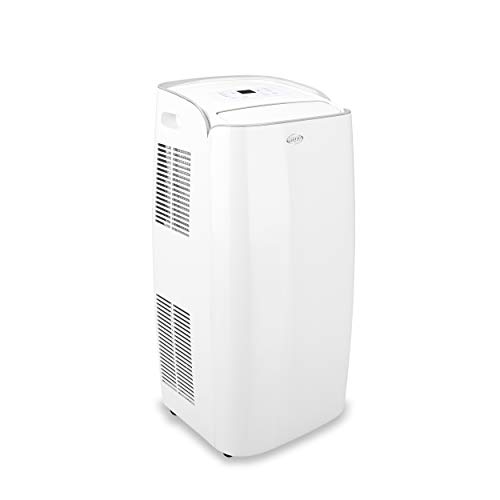
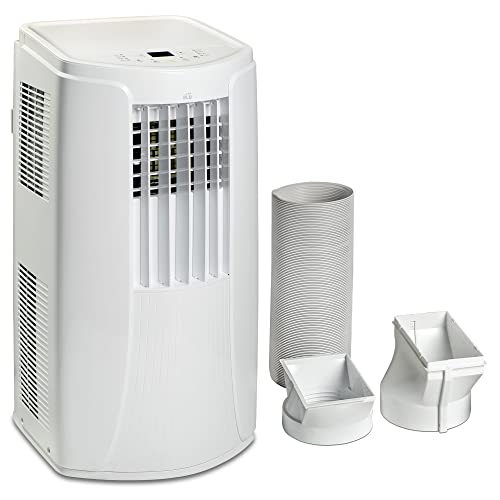
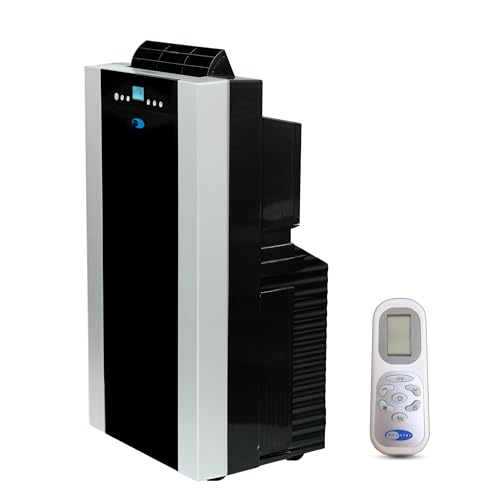
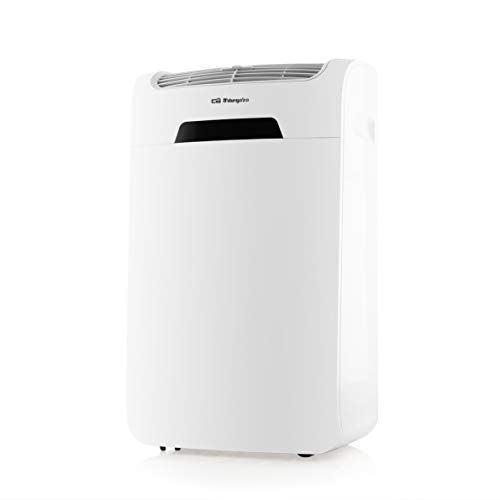
Which brands make the best portable air conditioners with heating?
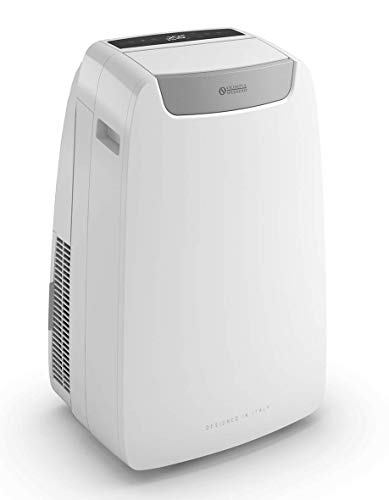
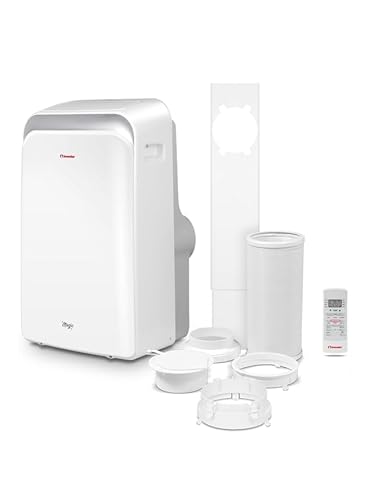
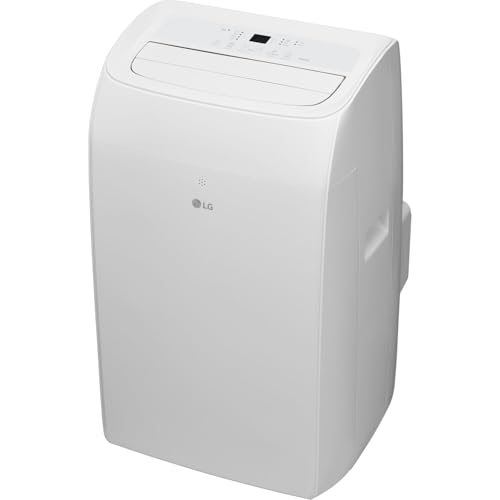
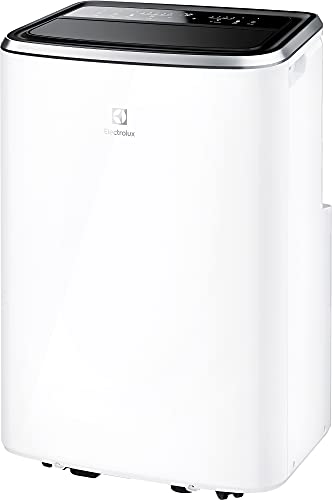
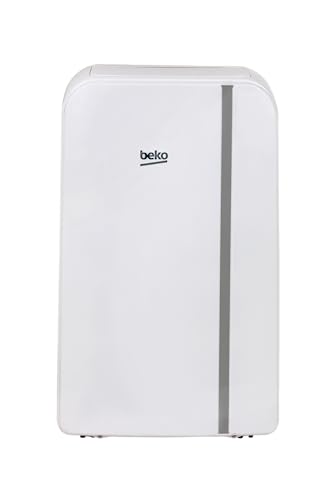
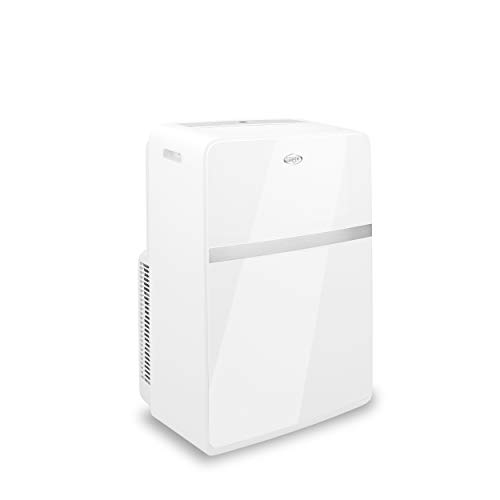
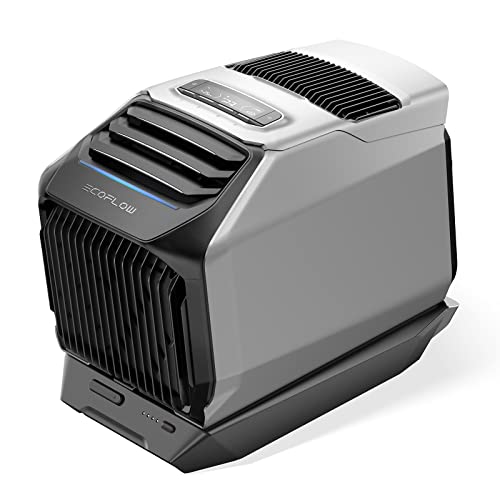
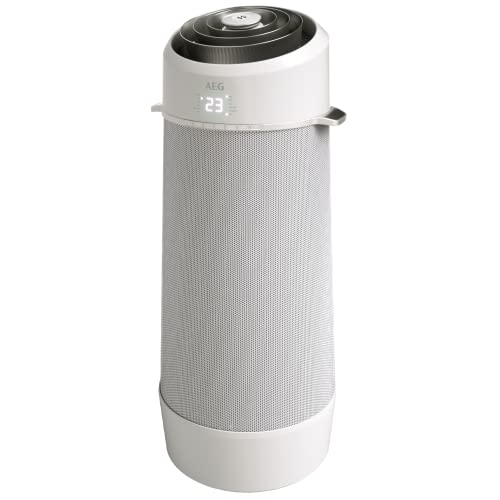
The best portable air conditioner brands with heating are ranked below:
- [shortcode-09935594221930641374131880582547374949871827493449] (Average overall score: [shortcode-06362761224961493530000282894957657525653348497224])
- [shortcode-09093704452071074011074777706169057464442009467413] (Average overall score: [shortcode-11428568539432461371056183423207043910950501432903])
- [shortcode-08274373361659248858102473776172259385874222466415] (Average overall score: [shortcode-02276521205583219758053167319370485833422397658703])
The chart below ranks portable air conditioner brands with heating by average overall score.
[horizontal-chart-16753487148270379866058984897436884901571683029459]
Do portable air conditioners with heating work well in both seasons?
Hot-and-cold portable air conditioners can work well in both seasons when the cooling capacity fits the room and the heating mode suits the local winter. In summer, the compressor removes heat and moisture through the exhaust hose; in mild winter weather, a reverse-cycle heat pump can move heat indoors efficiently.
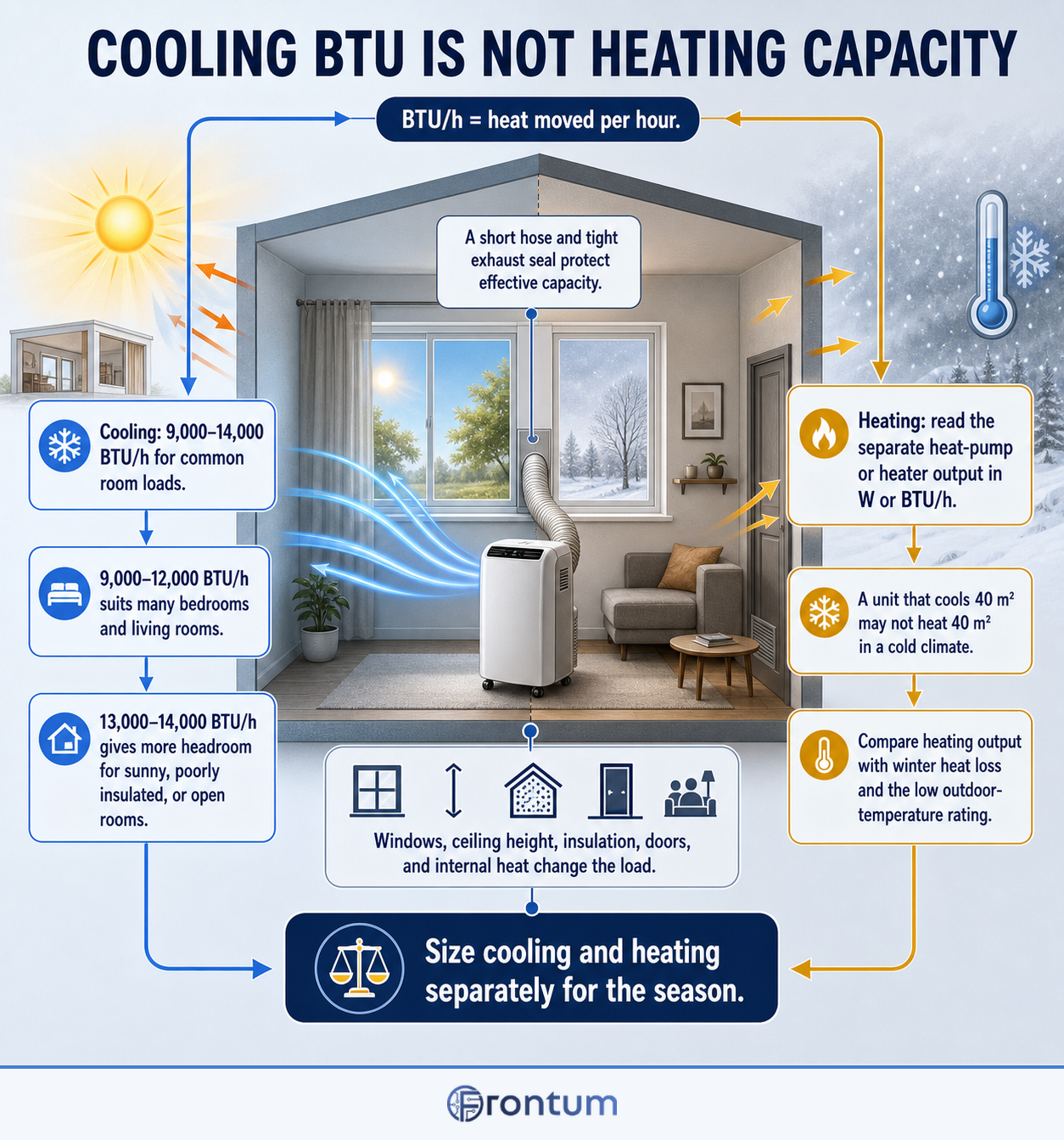
Performance is less dependable in cold weather. Heat-pump output and efficiency fall as outdoor temperature drops, and some units switch to a less efficient electric heater or stop below their stated operating limit. Check the heating capacity and minimum outdoor temperature rather than assuming that a cooling BTU figure predicts winter performance.
They are most useful where one appliance must cover shoulder seasons, guest rooms or occasional cold snaps. For sustained freezing conditions or whole-home heating, a fixed heat pump or dedicated heater is usually quieter, more efficient and safer for continuous operation.
At what outdoor temperature does heat-pump heating lose effectiveness?
Heat-pump heating in a portable air conditioner usually loses noticeable effectiveness as outdoor temperatures approach about 5–7 °C, although the exact cutoff depends on the refrigerant circuit and the manufacturer’s specification. Below that point, the unit may deliver less heat, run longer or rely on an auxiliary electric heater.
Use the published operating range as the deciding limit, not a generic temperature rule. If the unit will heat a room during near-freezing nights, check its rated heating output at low outdoor temperatures, whether defrost cycles interrupt operation, and how condensate is managed. Resistance heating can continue in colder air but normally uses substantially more electricity.
What cooling and heating capacity should a hot-and-cold portable air conditioner have?
A hot-and-cold portable air conditioner should normally provide about 9,000–14,000 BTU/h of cooling for the rooms most buyers target, with heating output specified separately rather than inferred from the cooling number. Around 9,000–12,000 BTU/h suits many bedrooms and living rooms, while 13,000–14,000 BTU/h gives more headroom for sunny, poorly insulated or open rooms.
For heating, look for a stated heat-pump or heater output in watts or BTU/h and compare it with the room’s winter heat loss. A unit that cools 40 m² may not heat that area comfortably in a cold climate, especially if it is limited by a low outdoor-temperature rating.
Do not size by floor area alone. Windows, ceiling height, insulation, adjoining doors and internal heat sources can move the requirement up or down; a tight exhaust seal and short hose are also essential because installation losses reduce the effective capacity.

How much electricity does a portable air conditioner with heating use?
Portable air conditioners with heating typically draw about 900–1,600 W while cooling or using a heat pump, with some high-output or resistance-heating modes drawing more. A 1,200 W unit running continuously uses about 1.2 kWh per hour before cycling and thermostat control are taken into account.

Actual consumption falls when the compressor cycles off, but rises with a large temperature difference, poor insulation, a long hose or an open door. Resistance heating is close to one unit of heat per unit of electricity; a heat pump can deliver more heat per kWh in mild weather, but its advantage shrinks in cold air. Use the rated input power and your tariff to estimate cost, then allow for the duty cycle; a plug-in energy meter is the most reliable way to compare the unit with a fixed heater.
Do hot-and-cold portable air conditioners need venting and drainage in heating mode?
Hot-and-cold portable air conditioners normally still need the exhaust hose connected in heating mode, because the compressor circuit must exchange heat with outdoor air. A tight window kit and a short, straight hose prevent the unit from losing capacity or pushing unwanted heat back into the room.
Drainage depends on the design and weather. Cooling removes moisture from indoor air, while heating can produce condensate at the outdoor coil during defrost or in damp conditions. Check whether the unit has a self-evaporating system, a full-tank shutoff, a continuous-drain port or a supplied hose. Electric resistance heat may not need the same refrigeration drainage, but the appliance still requires the clearances and ventilation stated in its manual; never bypass a condensate warning.
How much do portable air conditioners with heating cost?
The best portable air conditioners with heating usually cost about £400-£800, with stronger all-round choices starting around £430 and premium reversible units near the top of that range. Entry hot-and-cold models around £220-£340 can add useful shoulder-season heating, but they often have simpler controls, louder operation, smaller room claims or weaker cold-weather performance.
At roughly £430-£560, look for a clearly stated heating output, dependable thermostat control, a good window kit and enough cooling capacity for the room. Models above about £560 may add higher capacity, quieter operation, better energy performance or smart control, but those extras matter only when the room and climate justify them.
Compare the heating specification, minimum operating temperature, drainage arrangement and warranty alongside the price. A cheap unit that cannot heat at the expected winter temperature is poor value even if its cooling label looks impressive.
The chart below shows the price distribution of portable air conditioners with a heating function.
[vertical-chart-13246988755775851394108600195952436474264123756863]