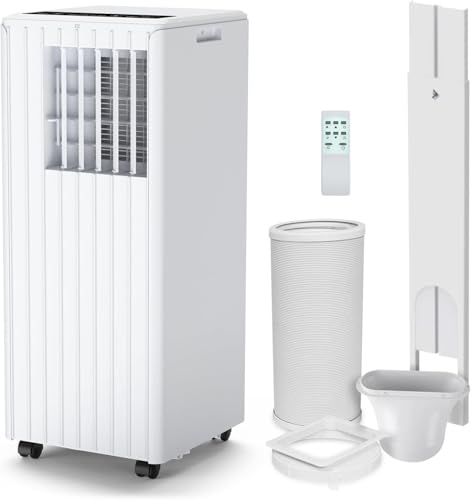

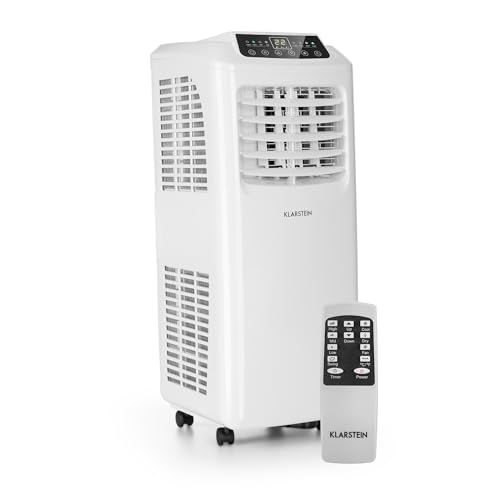
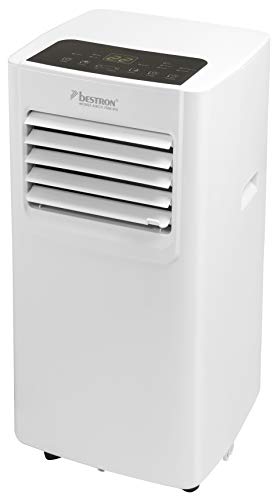
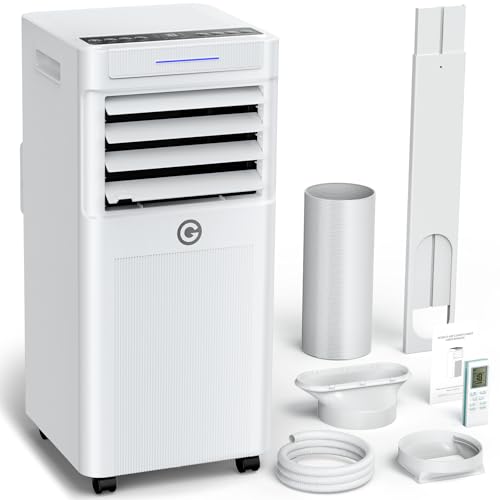
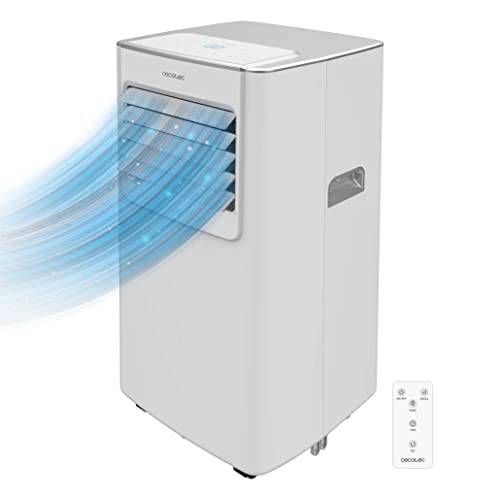
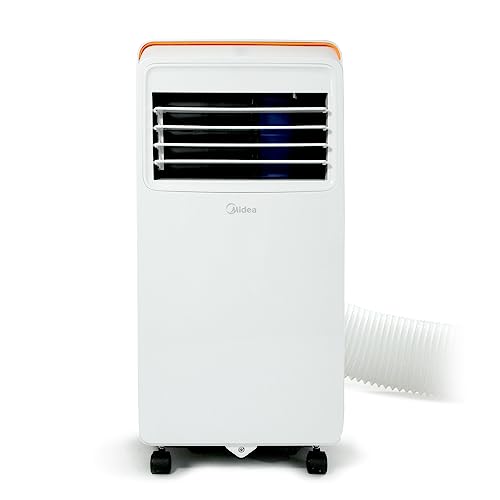
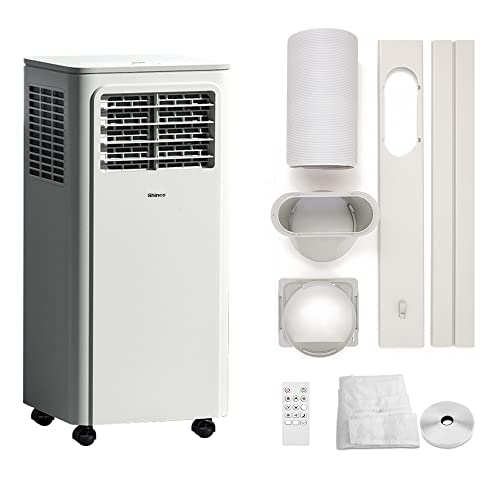
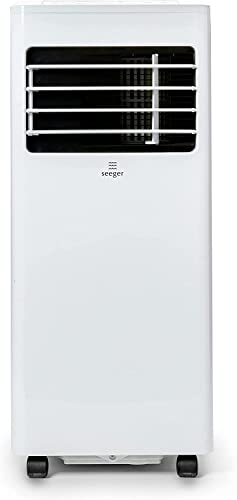
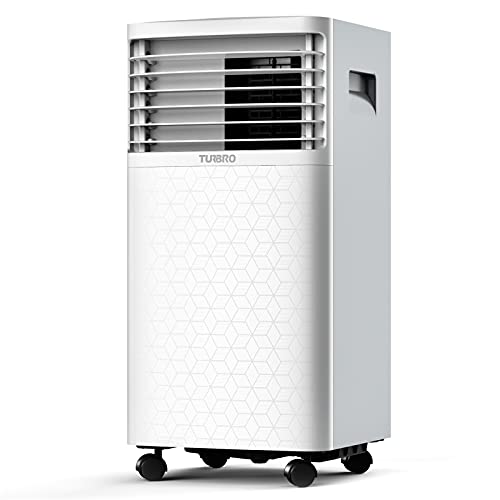
Which brands make the best 7000 BTU portable air conditioners?
The best 7000 BTU portable air conditioner brands are ranked below:
- [shortcode-14395818439189033563023979529314982502562796679553] (Average overall score: [shortcode-01764951176834085271058363946209127068782819225561])
- [shortcode-00192014258945274542150411988600612203581156541220] (Average overall score: [shortcode-12253248062794158032111188991583492334671985955229])
- [shortcode-13126969052376126296094125942185797696492884787768] (Average overall score: [shortcode-00882804401231496728026756511133267619833991984380])
The chart below ranks 7000 BTU portable air conditioner brands by average overall score.
[horizontal-chart-13549917760669595225116892973176459889202579151867]
When should you consider buying a 7000 BTU portable air conditioner?
A 7,000 BTU portable air conditioner is worth considering when the room is small, the door can stay closed, and you need seasonal cooling without a permanent installation. Most models suit roughly 15–25 m², while better room claims reach about 30–34 m² in a shaded, reasonably insulated space.
This capacity is a sensible fit for a bedroom, study, or compact living room with moderate heat. It is less suitable for an open-plan area, a sun-exposed room with poor insulation, or a space where several appliances run together; those conditions may need a larger capacity.
Check the window kit, noise mode, drainage, and storage footprint before buying. A compact 7,000 BTU unit can be easy to move, but a poorly sealed hose or noisy compressor can outweigh its low purchase price.
What should you consider when choosing a 7000 BTU portable air conditioner?
When choosing a 7,000 BTU portable air conditioner, compare the following practical specifications:
- Room capacity and heat load: Treat 15–25 m² as a safer everyday target and move toward 30 m² only when the room is shaded and well insulated. A manufacturer’s maximum-room claim does not account for open doors, high ceilings, or strong sun.
- Noise and night mode: Published maximum noise ranges from roughly 56–65 dB, so prefer the lower end for a bedroom or home office. Night mode and a low fan can reduce disturbance after pull-down, but they cannot change the compressor’s basic character.
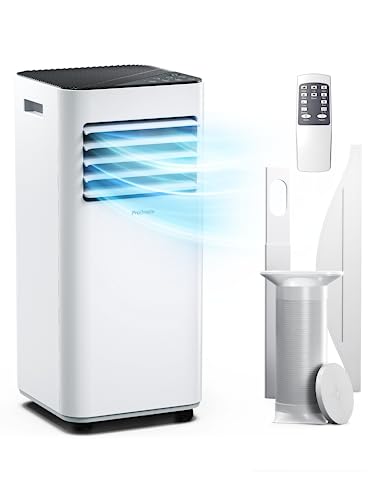
- Window kit and hose: Check that the panel fits the window and keeps the exhaust short and straight. A gap around the kit lets warm air back in and can erase the benefit of a correctly sized unit.
- Drainage and humidity: Self-evaporating operation is convenient, but a continuous-drain connection matters in persistently humid weather. Confirm where the drain outlet sits before placing the unit near furniture or a wall.
- Controls and timer: Two speeds, a remote, and a 24-hour timer make daily use easier; a 12-hour timer is less flexible for overnight schedules. Automatic restart is useful if short power cuts are common.
- Portability and storage: Most cabinets weigh about 18–25 kg and stand roughly 63–77 cm high. Check caster clearance, handles, and where the hose and window panel will be stored outside the cooling season.
How much do 7000 BTU portable air conditioners cost?
Prices for 7,000 BTU portable air conditioners usually range from about £140-£460, with the most practical entry and midrange choices around £170-£280. Models near £140-£200 are basic fixed-speed units for occasional cooling; they can work well in a small closed room but often offer fewer comfort refinements.
Around £220-£340, buyers can find quieter cabinets, better drainage, heating on selected models, or more useful controls. A model above £340 should justify the premium with a specific benefit such as lower noise, stronger build quality, or a better warranty rather than a nominal 7,000 BTU label alone.
The chart below shows the price distribution of 7,000 BTU portable air conditioners.
[vertical-chart-04963693970619117724160815632159871329150192952867]