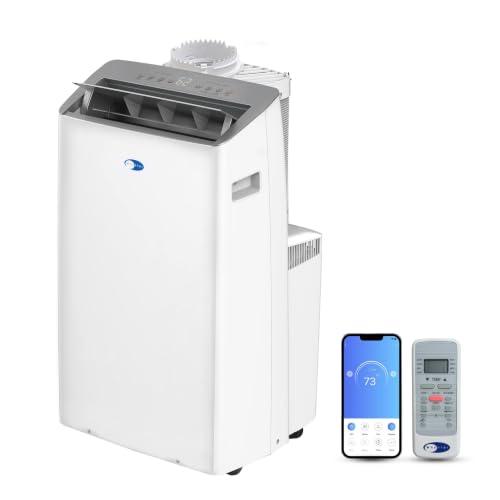
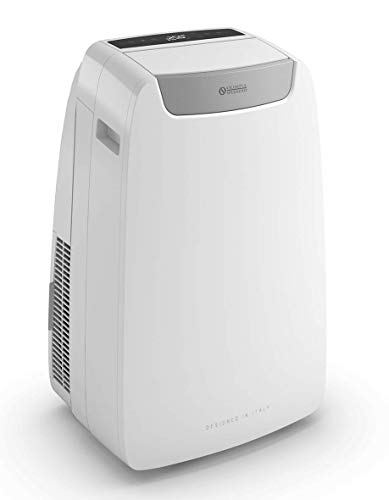
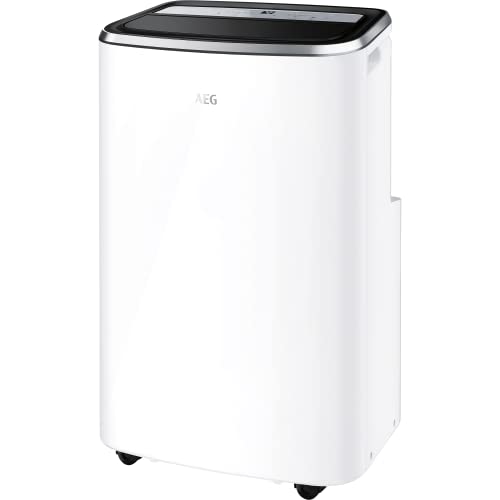
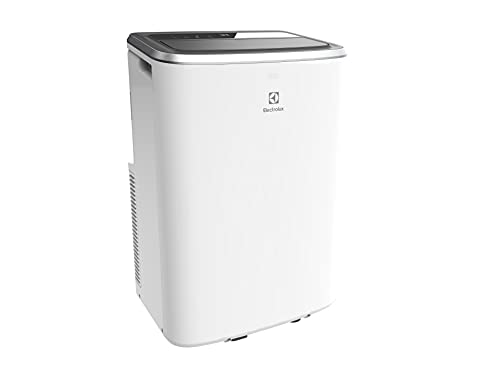
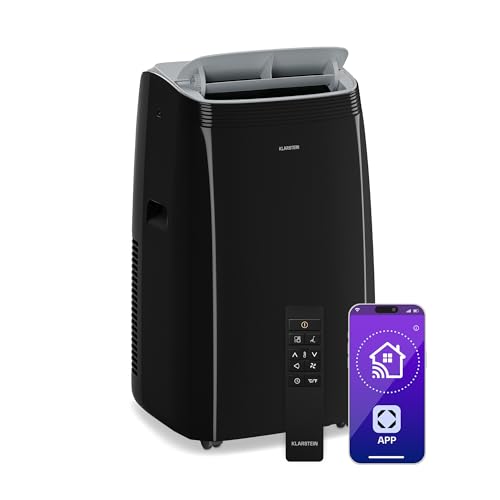
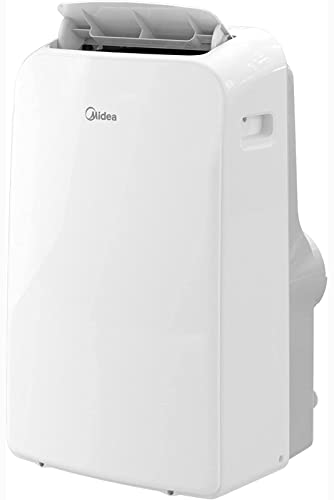
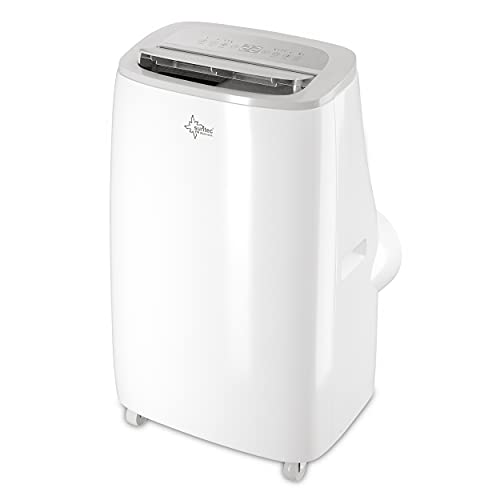
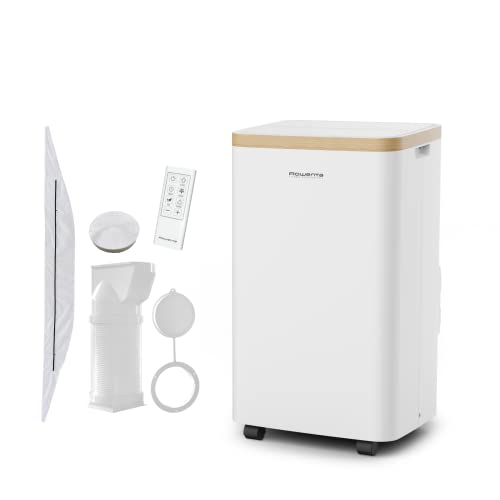
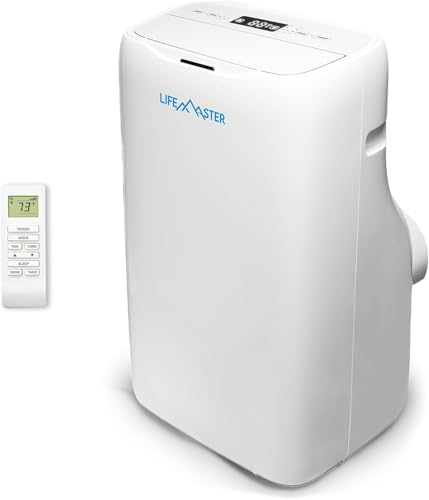
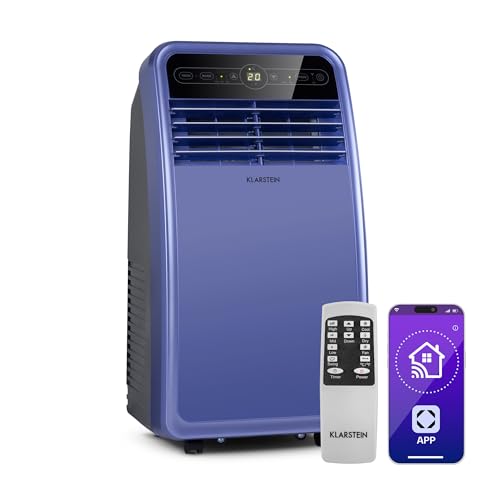
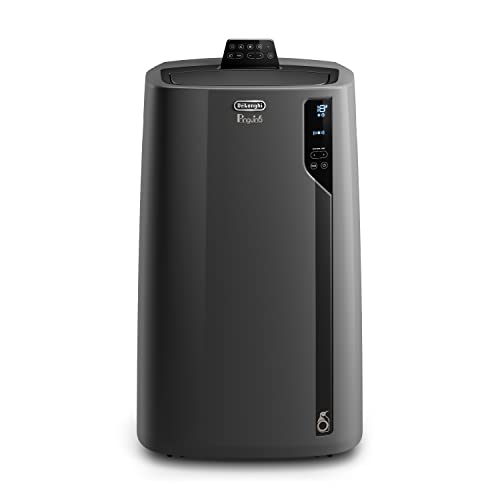
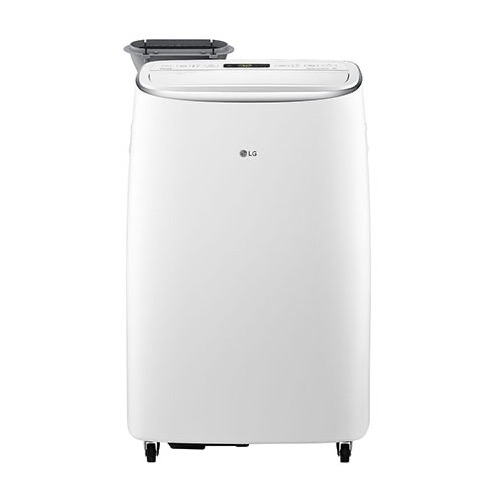
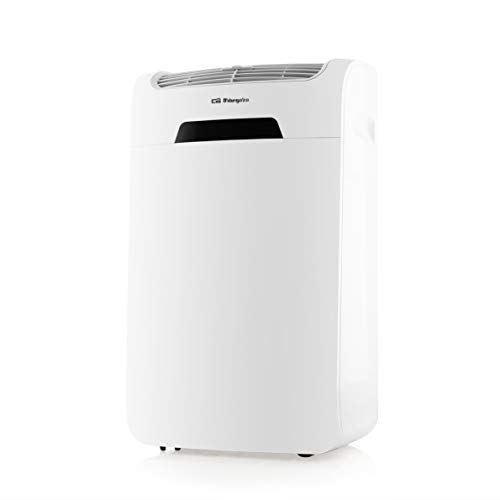
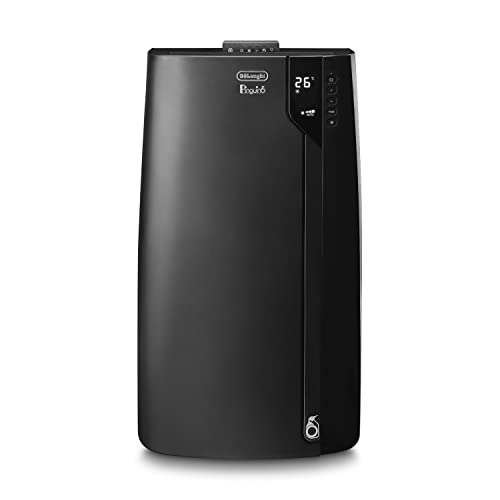
A 40 m² room usually needs about 10,000–14,000 BTU/h of nominal portable-air-conditioner capacity, with the lower end suited to a shaded, well-insulated room and the upper end safer for strong sun or higher heat loads. DOE/SACC capacity is the better comparison because it reflects delivered cooling after portable-unit losses.
For a closed room with average insulation, start around 12,000 BTU/h and move toward 14,000 BTU/h when the ceiling is high, windows are large, or appliances add heat. Do not size from floor area alone: an open doorway, adjoining kitchen, or afternoon sun can make a nominal 12,000 BTU unit feel undersized.
A model claiming 40–60 m² may still struggle if its hose is long, the window adapter leaks, or the compressor cycles inefficiently. Match the rating, installation, and room heat load together.
How do ASHRAE and DOE/SACC ratings change sizing for 40 m²?
ASHRAE BTU/h is a nominal laboratory capacity, while DOE/SACC is a seasonal rating intended to reflect heat entering through the exhaust hose and other portable-unit losses. A model advertised as 12,000 or 14,000 BTU under ASHRAE can therefore deliver less room cooling than the headline suggests.
For a 40 m² room, use DOE/SACC when comparing candidates and check whether the manufacturer quotes a single-hose or dual-hose setup. A higher ASHRAE number does not automatically beat a better-sealed model with stronger delivered capacity, and different test methods can make labels look closer than the real-world result.
How do insulation, sunlight, and ceiling height change the BTU needed for 40 m²?
Insulation, sunlight, and ceiling height can shift the right capacity for 40 m² by several thousand BTU/h. A shaded, insulated room with a normal ceiling can often work near 10,000–12,000 BTU/h, while large south-facing windows, a poorly insulated shell, or a ceiling above about 2.7 m favors the 13,000–14,000 BTU class.
Open doors and adjacent kitchens add more heat than the floor area implies, and a portable unit cannot cool an unsealed plan reliably. Close the room and shade the glass before upgrading capacity; those changes often improve comfort more than moving from one nominal BTU tier to the next.
Treat the room claim as a starting point, not a guarantee. A long hose, a leaking window panel, or strong afternoon sun can make a nominal 12,000 BTU machine behave like a smaller unit, while a well-sealed installation can make the same capacity feel more effective.