
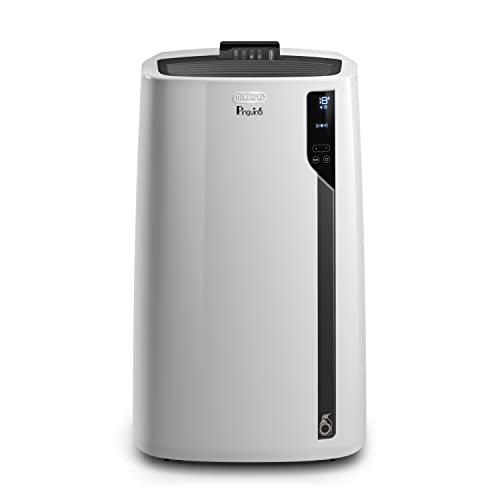
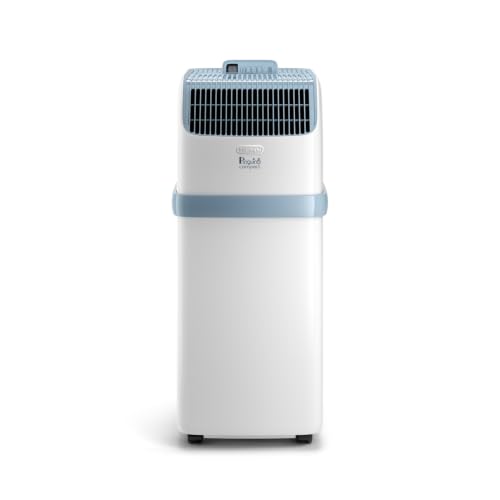


Are De'Longhi portable air conditioners good?
De’Longhi portable air conditioners have an average overall score of 6.9, ranking #6 among comparable portable air conditioner brands.
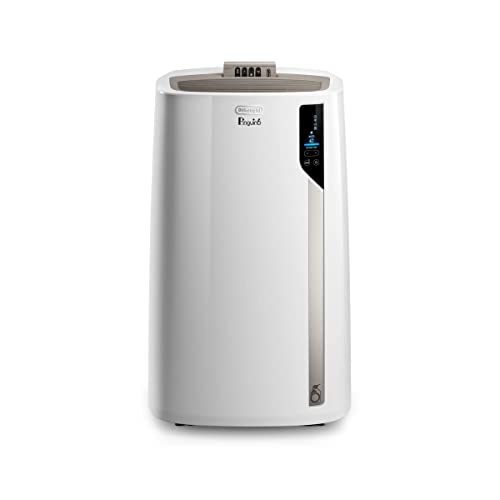
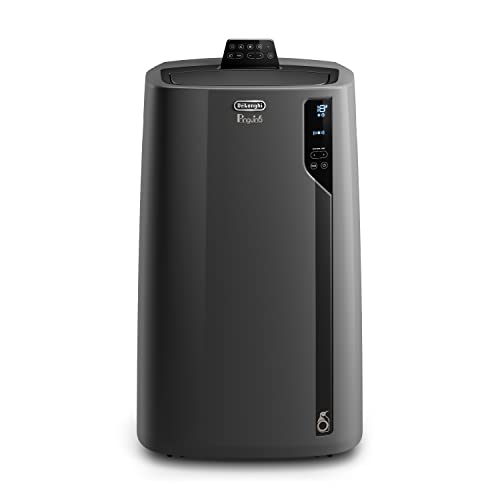
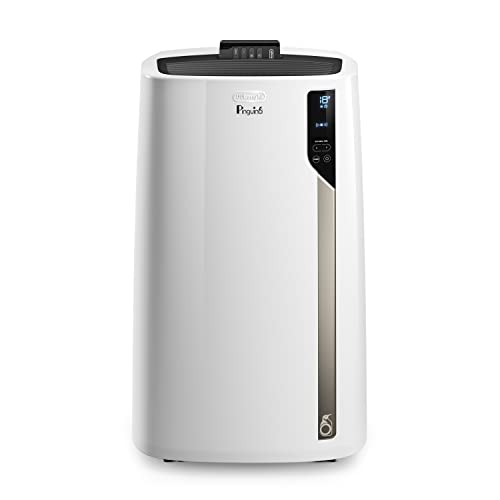
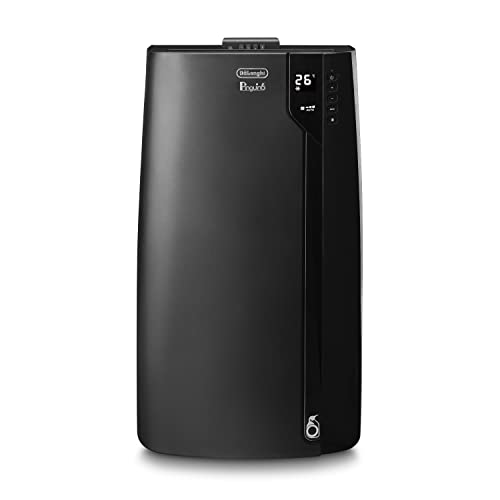
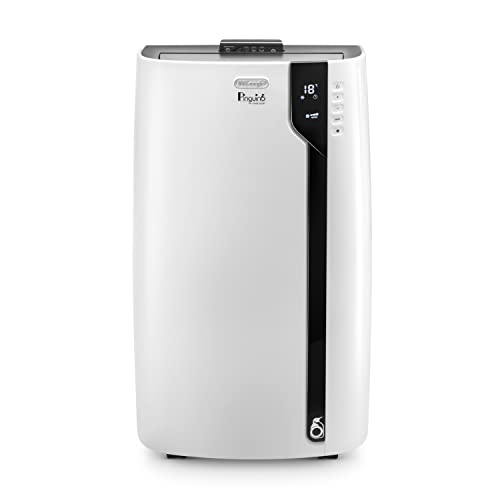
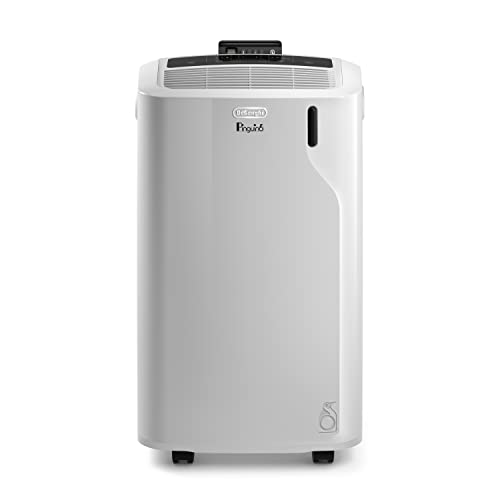
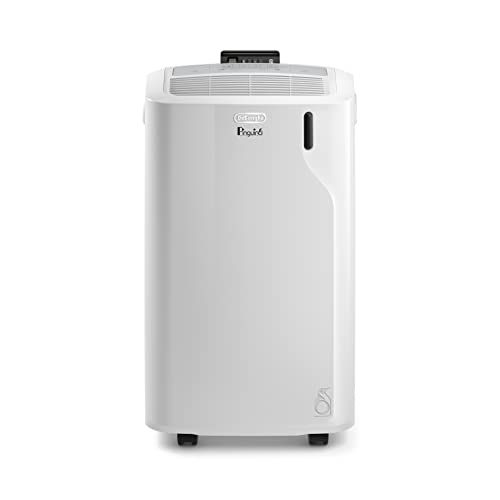
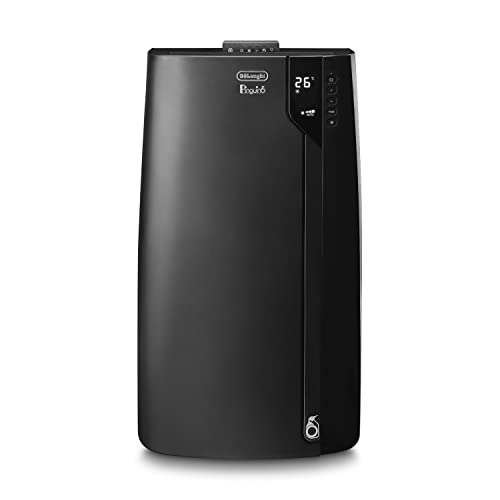
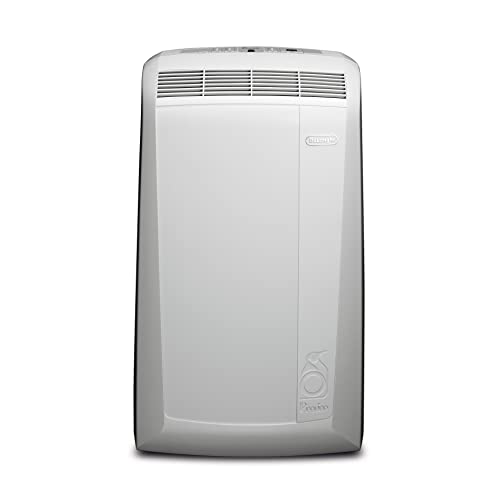
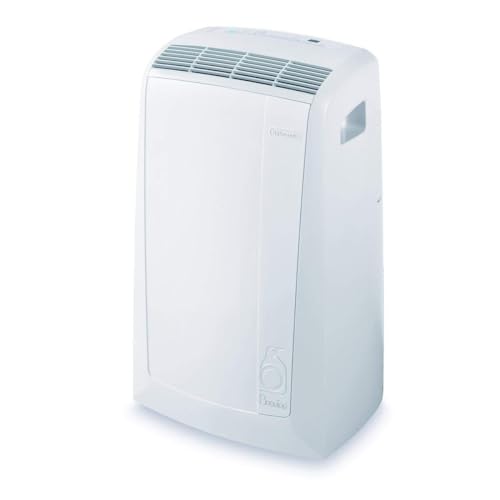
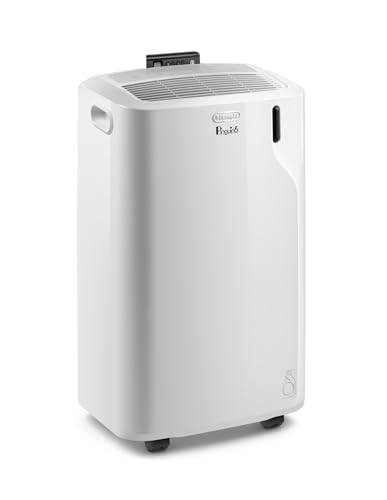
De’Longhi portable air conditioners suit buyers who want self-evaporating condensate handling, familiar controls, and a broad Pinguino range from compact 8,300 BTU models to the 13,000 BTU PAC EX130 Silent.
De’Longhi portable air conditioners are less suitable when you need inverter control, dual-hose airflow, or a genuinely quiet 50–55 dB machine; most models are fixed-speed cabinets costing roughly £340-£940.
The chart below compares portable air conditioner brands by average overall score.
[horizontal-chart-02839060684686217927017168216412032633021333716521]What are the main advantages of De'Longhi portable air conditioners?
The main advantages of De’Longhi portable air conditioners are as follows:
- Established Pinguino range: The brand covers compact, midrange, and higher-capacity units from 8,300 to 13,000 BTU, so buyers can stay within one service and control ecosystem as room needs change.
- Self-evaporating condensate handling: Most models are designed to expel moisture through the exhaust during normal cooling, reducing routine tank emptying. Humid conditions can still require drainage, so do not treat the feature as a guarantee of maintenance-free use.
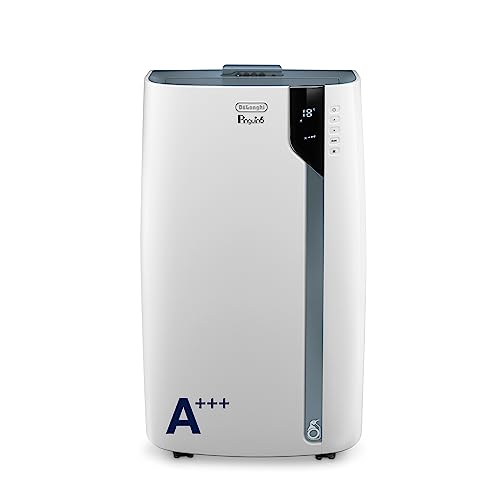
- Useful efficiency steps: The PAC EL92 Silent and EL112 CST carry A+ classes, PAC EX100 Silent reaches A++, and PAC EX105 is listed at A+++. These differences matter for long seasonal run time, although the exact rating should be checked for the local model.
- Quiet-family options: Silent versions such as PAC EL92 Silent publish about 62 dB maximum, lower than many 64–65 dB alternatives. They remain audible, but the family gives light sleepers a better starting point than the loudest cabinets.
- Room-size breadth: Published maximum-room claims span roughly 24–48 m², allowing smaller bedrooms and larger living areas to be served by different Pinguino models.
What are the main disadvantages of De'Longhi portable air conditioners?
The main disadvantages of De’Longhi portable air conditioners are as follows:
- High purchase prices: The range starts around £340, but many useful midrange and premium models cost £520-£820, with the PAC EX130 Silent near £940. Buyers pay for refinement and brand support rather than a radically different portable-air-conditioner principle.
- Audible operation: Maximum noise is generally around 62–65 dB, so even Silent models remain noticeable in a quiet bedroom. Compare the exact rating and use night mode rather than assuming the Pinguino name means silent operation.
- Fixed-speed compressors: The models reviewed use non-inverter compressors, so they cycle on and off rather than continuously modulating output. Correct sizing and a sealed hose are important for comfort and energy use.
- Model and suffix overlap: EL, EM, EX, and PACN names cover different capacities, efficiency classes, room claims, and timer limits. Read the complete regional model code before comparing two listings.
- Unclear hose-format choice: The available model specifications do not establish a dual-hose option across the range. If pressure control matters in a hot, leaky room, verify the exact regional model before buying.