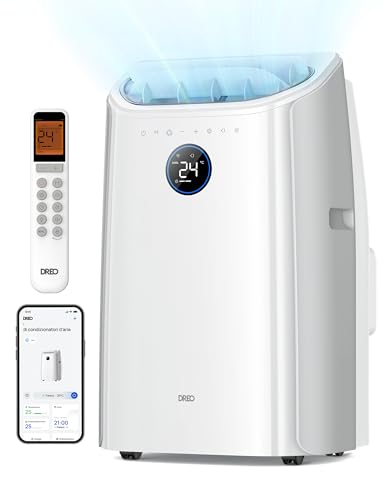
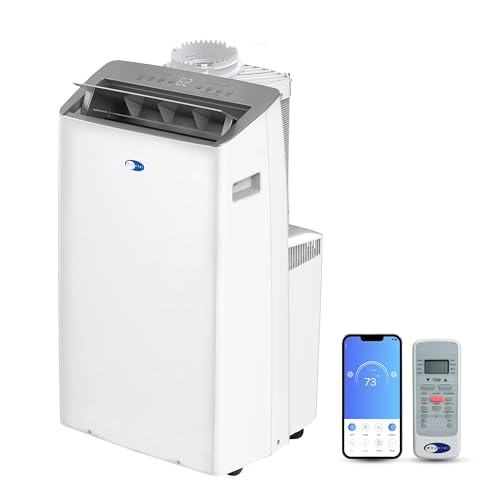
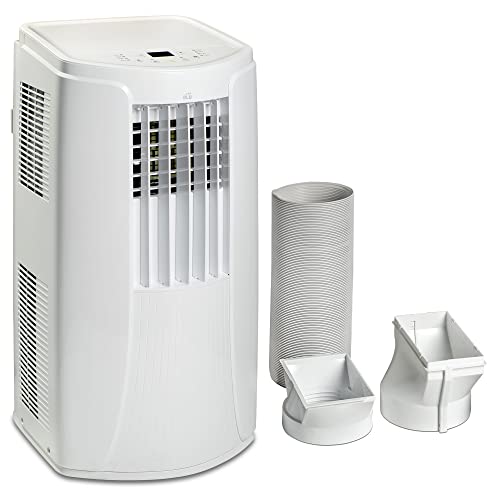
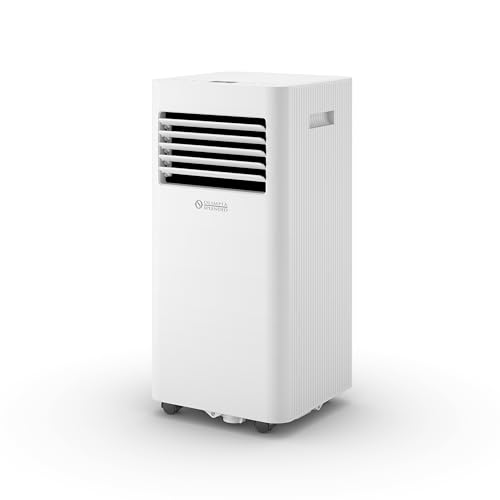
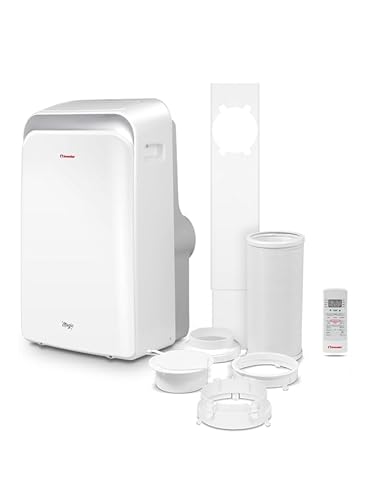
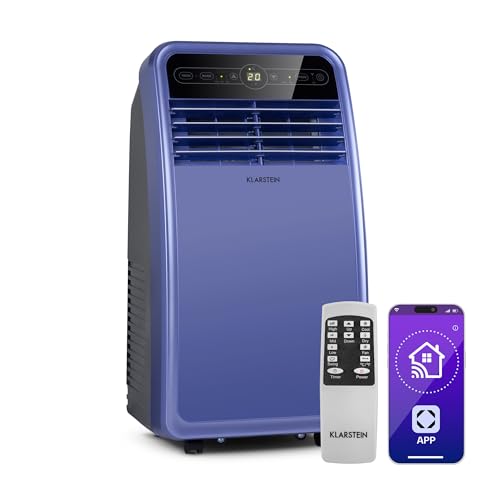
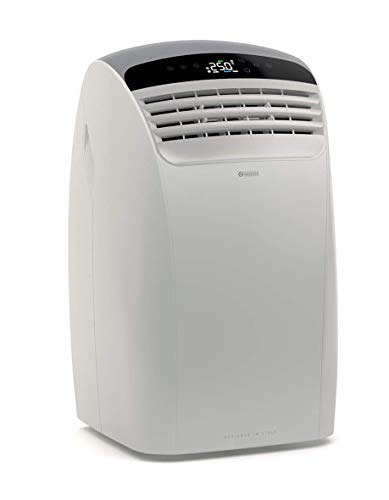
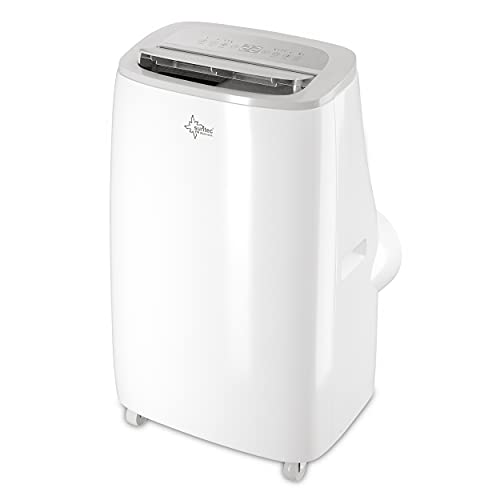
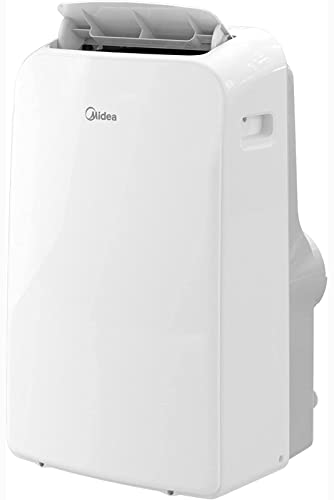
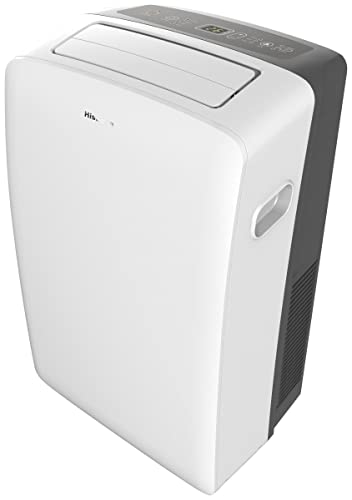
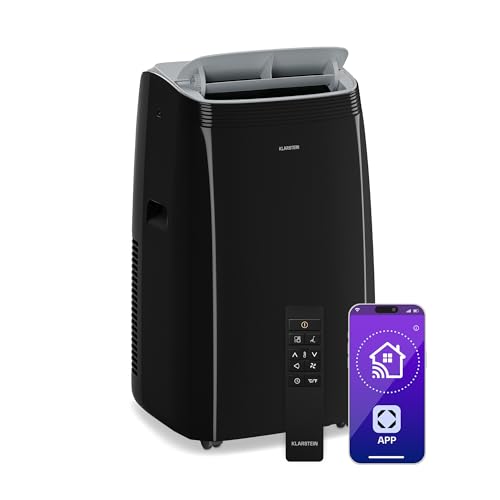
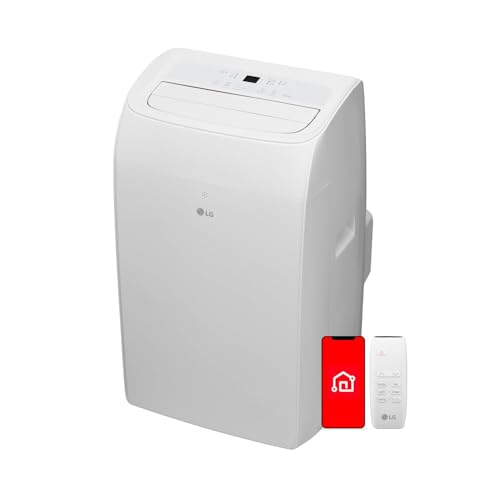
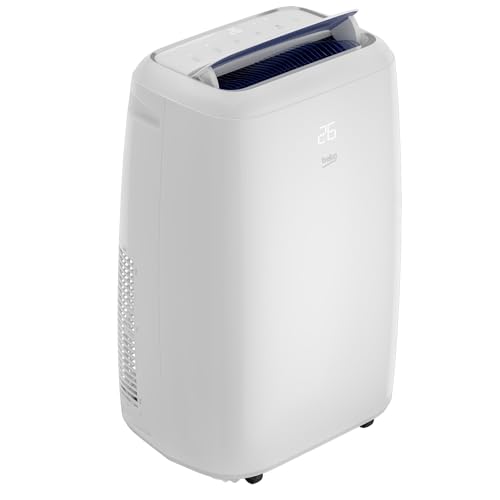
A 12,000 BTU portable air conditioner commonly cools about 25–45 m² in a reasonably insulated room, but the practical area can be smaller in strong sun or humid heat. Manufacturer claims vary widely, so treat the room-size figure as a starting point rather than a guarantee.
Use the lower end for a top-floor room, large windows, high ceilings, poor insulation or an open-plan layout. A shaded bedroom with a closed door may sit nearer the upper end, especially when the hose is short and the window seal prevents hot air from leaking back in.
Check the published DOE/SACC rating, not only the nominal BTU label, and size for the heat load rather than floor area alone. If the room is near the limit or connected to another space, a 14,000 BTU model or a fixed system may maintain temperature more reliably.
The chart below shows the maximum-room-size distribution of 12000 BTU portable air conditioners.
[vertical-chart-06838412717878611286031939278150607905104218316830]
How do ASHRAE and DOE/SACC ratings affect a 12000 BTU model?
ASHRAE BTU/h is the nominal cooling-capacity figure traditionally used in product names, while DOE/SACC is a newer seasonal rating intended to reflect real-world portable-air-conditioner losses. The SACC number is usually lower because it accounts for duct heat, cycling and other operating conditions that a simple laboratory capacity does not capture.
Compare models using the same rating system and do not treat a 12,000 BTU ASHRAE label as equivalent to 12,000 BTU of delivered SACC cooling. When two units have similar nominal capacity, the higher SACC figure, better hose design and tighter window seal usually indicate stronger practical performance.
When does a room need more than 12000 BTU of cooling?
A room usually needs more than 12,000 BTU of portable cooling when it is larger than about 40–45 m², open to adjacent spaces, heavily sunlit or poorly insulated. High ceilings, several occupants, computers and cooking appliances can also push the heat load beyond what a nominal 12,000 BTU unit can remove.
Move to a 14,000 BTU model when the extra capacity is supported by a higher DOE/SACC rating and the window kit can be sealed properly. A dual-hose design can also help in a very hot room by reducing the negative pressure that draws warm air through cracks, but it is harder to install. If the space is far beyond the rating or must stay cool continuously, a fixed system is usually the better answer.