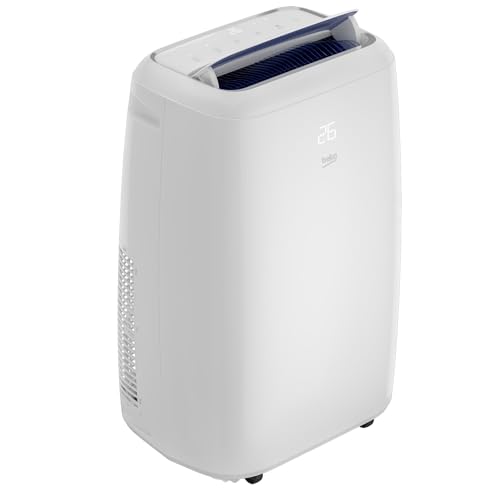

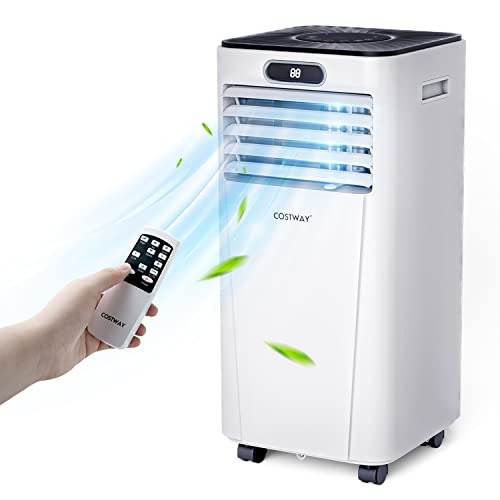
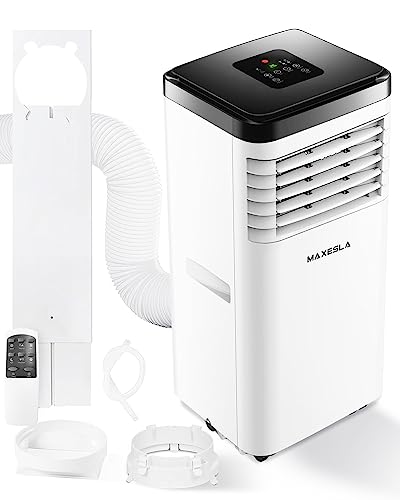
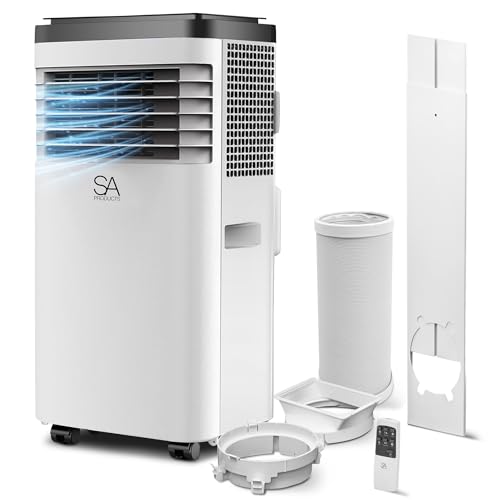
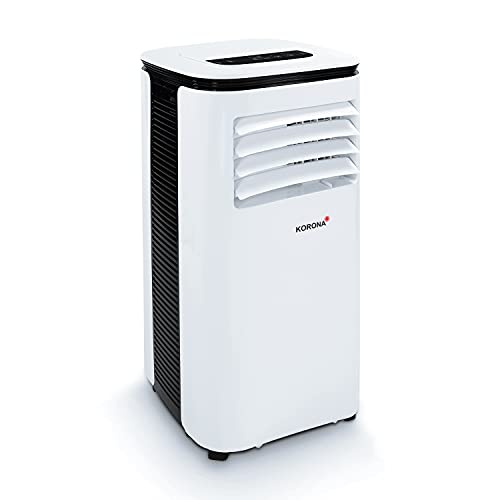
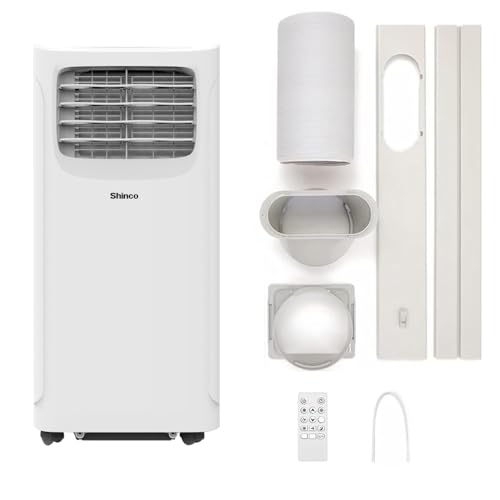
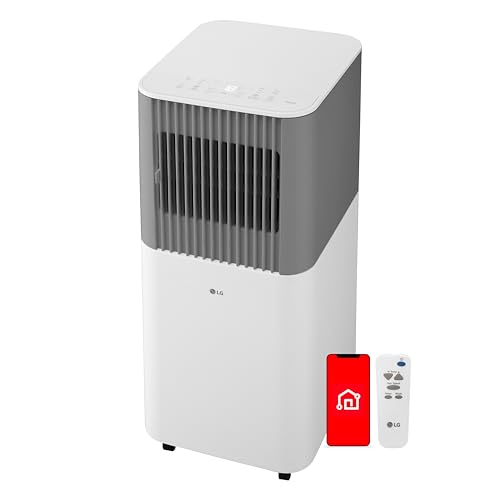
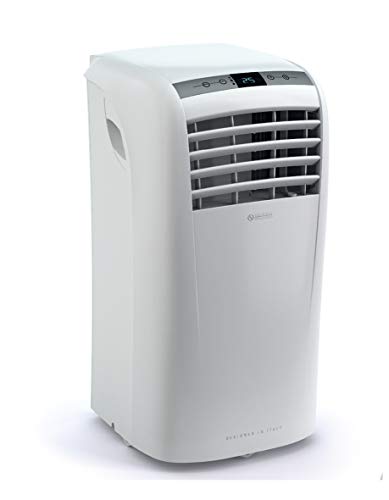
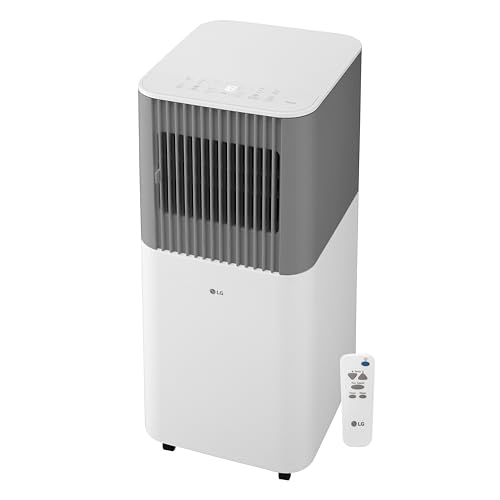
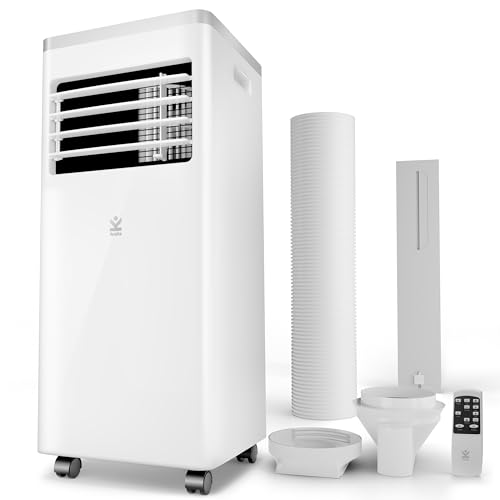
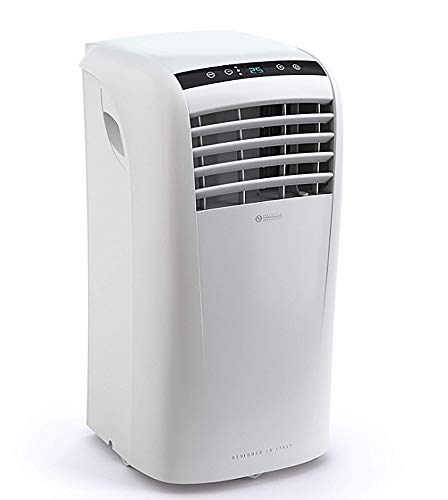
What price is considered cheap for a portable air conditioner?
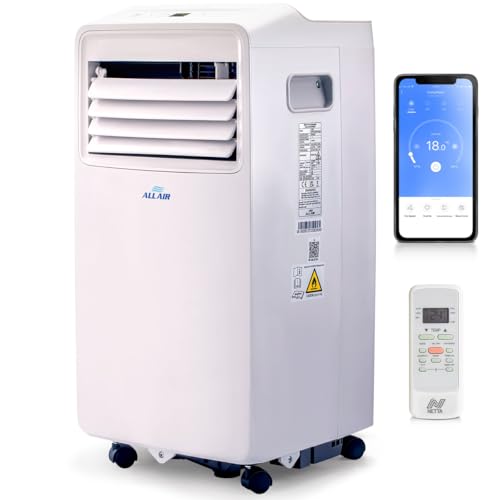
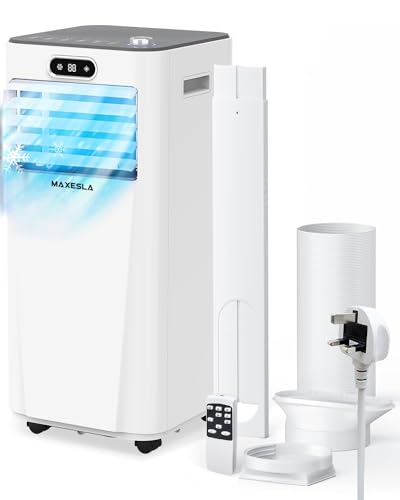
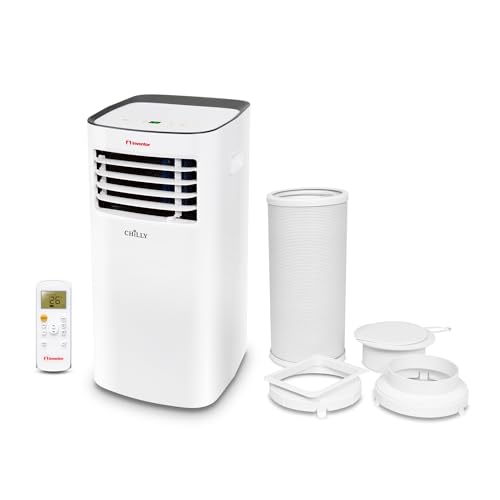
Portable air conditioners priced at about £260 or less are generally considered cheap in the current consumer market. At the bottom of that range, units around £110-£170 usually provide 5,000–9,000 BTU/h, a timer, basic dehumidification, and a simple window kit.
Models near £200-£300 can add 7,000–12,000 BTU/h output, more fan speeds, heating on some versions, or better drainage. The price difference is worthwhile when it buys the capacity and controls needed for the room rather than decorative features.
Treat the price as the starting point, not the complete cost. A loose window seal, noisy compressor, or difficult tank drain can make a cheap unit expensive to live with during a long hot spell.
The chart below shows the price distribution of cheap portable air conditioners.
[vertical-chart-15086969419320843495028563751282295205644122529610]
Are cheap portable air conditioners worth buying?
Cheap portable air conditioners are worth buying when the room is small or moderate, the unit will be used seasonally, and a permanent installation is not practical. They can provide effective cooling for a closed bedroom or office when the capacity and window seal are correct.
The main compromises are usually louder operation, simpler controls, less refined drainage, and lower confidence in long-term parts support. A basic 5,000–7,000 BTU unit can be sensible for a small room, but it is a poor bargain if it runs continuously in strong sun or an open-plan space. Spend more when quieter night operation, heating, inverter control, continuous drainage, or a stronger service network matters; otherwise, a well-installed budget model can be more useful than a premium unit whose extra features will never be used.
Which brands make the best cheap portable air conditioners?
The best cheap portable air conditioner brands are ranked below:
- [shortcode-09296835704914411058067980154409703016080108060304] (Average overall score: [shortcode-01872278844850419021074554811123991061400121074036])
- [shortcode-10630323704715641185167197920948061954313336524238] (Average overall score: [shortcode-18031458523835216799176572854934802216291863841818])
- [shortcode-11505994957170180025090146023695597638913795151059] (Average overall score: [shortcode-00979372242530174012008585642248780128460744505617])
The chart below ranks cheap portable air conditioner brands by average overall score.
[horizontal-chart-15813316431540816979115890639559913923821085955051]
What cooling capacity do cheap portable air conditioners have?
Cheap portable air conditioners usually provide about 5,000–12,000 BTU/h. Models around 5,000–7,000 BTU/h suit small bedrooms and offices, while 8,000–9,000 BTU/h is a more flexible budget range for rooms around 20–35 m². A 10,000–12,000 BTU unit gives more margin for larger or sunnier rooms but is often heavier and louder.
Use the room-size claim as a starting point, then account for windows, insulation, ceiling height, and open doors. A budget unit loses much of its advantage if a poor hose route lets hot air back into the room, so installation quality matters as much as the nominal BTU number.
The chart below shows the cooling-capacity distribution of cheap portable air conditioners.
[vertical-chart-18284329639418007343158995982660378735603169247159]
How energy-efficient are cheap portable air conditioners?
Cheap portable air conditioners commonly carry an A cooling-energy label where a class is published, but the label does not make two models equally efficient. Capacity, rated input power, compressor duty cycle, and the quality of the exhaust seal determine the electricity used in practice.
For a fair comparison, match like-for-like cooling capacity and check the input wattage rather than choosing the lowest number on the label. A small unit that runs continuously can use more over a hot day than a better-sized model that cycles down. Use eco or night mode once the room is comfortable and keep the set temperature realistic.
How noisy are cheap portable air conditioners?
Cheap portable air conditioners are often rated around 63–65 dB at maximum output, although quieter budget examples publish figures near 52–54 dB. A 60-dB limit is a useful screening point for a bedroom, but it is not a guarantee of quiet operation because measurements differ by mode and distance.
Compressor cycling, fan pitch, cabinet vibration, and a hose touching a wall can make the perceived sound worse than the headline number. Choose a stable floor, keep the hose straight, and leave intake clearance. Correct sizing also helps because an undersized unit may stay at full fan speed throughout the night.
The chart below shows the maximum-noise distribution of cheap portable air conditioners.
[vertical-chart-12929916533124987747063908364356534657150901512523]
Which features should a budget portable air conditioner include?
The most useful features in a budget portable air conditioner are as follows:
- Cooling and dehumidification: Confirm the unit can cool and remove moisture independently or together, and check the stated room-size guidance for the actual room.
- Fan speeds and night mode: Two or three speeds plus a sleep setting let the compressor settle instead of running at maximum output all night.
- Timer and restart: A 24-hour timer is useful for overnight schedules, while automatic restart matters after short power cuts.
- Window kit and hose: The panel should seal the opening and the hose should remain short and straight; a poor seal wastes more energy than a missing smart feature.
- Drainage: Self-evaporating operation is convenient, but a continuous-drain option prevents a full tank from stopping cooling during humid weather.
- Airflow and remote control: Adjustable louvers and a remote improve comfort when the cabinet cannot sit directly beside the bed or desk.
How long do cheap portable air conditioners last?
A cheap portable air conditioner can last roughly five to ten seasons when it is used seasonally, kept upright, and maintained correctly, but budget construction and parts support vary widely. Heavy daily use, poor drainage, clogged filters, and repeated movement shorten that practical life.
Clean the filters regularly, drain and dry the unit before storage, keep the exhaust and intake unobstructed, and store the hose and window parts together. Do not operate a damaged cable or force a full tank to keep running.
A cheaper model is easier to justify when replacement is straightforward and the expected workload is light. For daily cooling over many summers, a better-supported unit with stronger drainage and serviceable filters may cost less over its useful life even when the purchase price is higher.