Scored using Headphones Methodology v1.0
Headphones Methodology v1.0
Mathematical & Unbiased Scoring
Products in this category are scored under Frontum Headphones Methodology v1.0: technical specifications plus authentic consumer ratings, with 0% commercial bias.
Explore Headphones Methodology v1.0

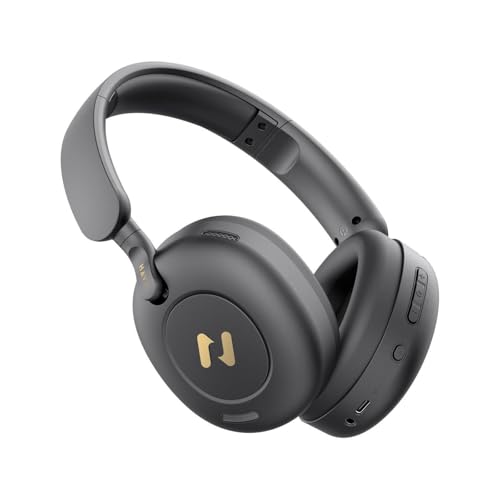
Xisem H1 Review | 93 Data compared

Avg. price:~£70Form factor:over-earConnectivity:wirelessBattery life:50 hoursActive noise cancellation (ANC):no

Xisem H1 Review: Compare 93 technical specifications and user reviews to see how this product ranks in the Headphones category and whether it is worth buying.

6.8/10

Overall score

Score
6.8/ 10
✕
What it is
An overall evaluation of the headphones' quality, based on technical analyses and user reviews.
When it matters
When you need a quick reference to identify the best headphones on the market.
Score distribution
â–¼
<55-66-77-88-99-10
Score components

80%

6.8

Technical score

20%

?

User score

â–²Better than 71% of headphones
7.8

Value for money

Value for money
7.8/ 10
✕
What it is
An indicator that combines the headphones' overall rating with their cost.
When it matters
When you are looking for headphones that offer a strong balance of performance, features, and price.
Score distribution
â–¼
<55-66-77-88-99-10
Score components

70%

6.8

Overall score

30%

10

Price

â–²Better than 73%
6.8

Technical score

Technical score
6.8/ 10
✕
What it is
An assessment of technical performance for products in the Headphones category across these key areas: Sound, Calls & Controls, Connectivity, Features, Battery, Design.
When it matters
When you want to compare headphones based on technical performance and available features.
Score distribution
â–¼
<55-66-77-88-99-10
Score components

52%

6.7

Sound

20%

5.8

Features

10%

7.6

Design

8%

7.2

Connectivity

6%

8.2

Battery

4%

8.1

Calls & Controls

â–²Better than 73%
?

User score

User score
8.0/ 10
✕
What it is
A rating that combines user reviews and the total number of reviews received by the headphones.
When it matters
When you want to understand how headphones perform in real listening and how reliable they are in terms of comfort, audio quality, battery life, and long-term use.
Score distribution
â–¼
<55-66-77-88-99-10
Score components

70%

?

User ratings

30%

?

Number of reviews

Loading...
Loading category ranking...

Technical Specifications of pair of headphones Xisem H1

Technical score
Technical score
6.8/ 10
✕
What it is
An assessment of technical performance for products in the Headphones category across these key areas: Sound, Calls & Controls, Connectivity, Features, Battery, Design.
When it matters
When you want to compare headphones based on technical performance and available features.
Score distribution
â–¼
<55-66-77-88-99-10
Score components:

52%

6.7

Sound

20%

5.8

Features

10%

7.6

Design

8%

7.2

Connectivity

6%

8.2

Battery

4%

8.1

Calls & Controls

6.8
User score
User score
8.0/ 10
✕
What it is
A rating that combines user reviews and the total number of reviews received by the headphones.
When it matters
When you want to understand how headphones perform in real listening and how reliable they are in terms of comfort, audio quality, battery life, and long-term use.
Score distribution
â–¼
<55-66-77-88-99-10
Score components

70%

?

User ratings

30%

?

Number of reviews

?
Popularity
Popularity
1.0/ 10
✕
What it is
An indicator based on the number of reviews received by the headphones.
When it matters
When you prefer headphones that have already been chosen and reviewed by many other users.
Score distribution
â–¼
<55-66-77-88-99-10
Popularity:
Xisem H1 has a popularity score of 1 point, which is lower than that of 73.4% of products in this category.
1.0
Value for money
Value for money
7.8/ 10
✕
What it is
An indicator that combines the headphones' overall rating with their cost.
When it matters
When you are looking for headphones that offer a strong balance of performance, features, and price.
Score distribution
â–¼
<55-66-77-88-99-10
Score components:

70%

6.8

Overall score

30%

10

Price

7.8
Active noise cancellation (ANC)
no
This pair of headphones does not support active noise cancellation. 27.5% of headphones support active noise cancellation.
Driver type
dynamic
Driver size
60 mm
This pair of headphones uses a driver size of 60 mm, larger driver size than 96.9% of headphones and equal to 0.2% of headphones.
Number of drivers
1
This pair of headphones uses 1 drivers, fewer drivers than 4% of headphones and equal to 96% of headphones.
Lowest frequency
20 Hz
This pair of headphones reaches a lowest frequency of 20 Hz, higher lowest frequency than 50.8% of headphones and equal to 47.3% of headphones.
Show more
Noise-canceling microphone
yes
This pair of headphones supports a noise-canceling microphone. 61.1% of headphones support noise-canceling microphones.
Can be used as a headset
yes
This pair of headphones is headset-ready, 84.8% is not. 15.2% of headphones can be used as headsets.
Number of microphones
1
This pair of headphones has 1 microphones, more microphones than 26.9% of headphones and equal to 50.9% of headphones.
Boom microphone
no
This pair of headphones does not include a boom microphone. 13.5% of headphones have a boom microphone.
Microphone SNR
?
Show more
Connectivity
wireless
This pair of headphones supports wireless connectivity, more flexible connectivity than 50.8% of headphones and equal to 49.2% of headphones.
Bluetooth version
5.3
This pair of headphones uses Bluetooth version 5.3, newer Bluetooth version than 88.7% of headphones and equal to 6.5% of headphones.
Maximum Bluetooth range
10 m
This pair of headphones offers a Bluetooth range of 10 m, higher Bluetooth range than 2.7% of headphones and equal to 80.6% of headphones.
Audio latency
60 ms
This pair of headphones has audio latency of 60 ms, lower audio latency than 65.5% of headphones and equal to 6.2% of headphones.
Multipoint support
yes
This pair of headphones supports multipoint. 69.4% of headphones support multipoint.
Show more
Ambient sound mode
no
This pair of headphones does not offer ambient sound mode. 24.9% of headphones support ambient sound mode.
EQ support
yes
This pair of headphones supports EQ customization. 76.8% of headphones support EQ.
Companion app
?
Adjustable ANC levels
N/A
Voice assistant support
?
Show more
Battery life
50 hours
This pair of headphones offers battery life of 50 hours, higher battery life than 71.7% of headphones and equal to 5.7% of headphones.
Battery life with ANC
35 hours
This pair of headphones offers battery life with ANC of 35 hours, higher battery life with ANC than 54.9% of headphones and equal to 4.6% of headphones.
Charging time
1 hour
This pair of headphones needs 1 hour to charge, lower charging time than 96.1% of headphones and equal to 3.3% of headphones.
Quick charge
?
Battery capacity
500 mAh
This pair of headphones has a battery capacity of 500 mAh, lower battery capacity than 55.3% of headphones and equal to 9.4% of headphones.
Show more
Brand name
Xisem
Form factor
over-ear
Weight
178 g
This pair of headphones weighs 178 g, lighter than 62.6% of headphones and equal to 0.2% of headphones.
Acoustic design
closed-back
Clamp force
5.3
This pair of headphones has a clamp force of 5.3, higher clamp force than 72.3% of headphones and equal to 6.5% of headphones.
Show more

Xisem H1 vs the average pair of headphones

246810TotalDesignSoundBatteryConnectivityCalls & ControlsFeatures
  • Spatial audio support
    This pair of headphones supports spatial audio, the average pair of headphones does not. 15.9% of headphones support spatial audio.
  • 20 mm larger driver size
    This pair of headphones uses a larger driver size than the average pair of headphones (60 mm vs 40 mm). The average headphones use a driver size of 40 mm.
    60 mm vs 40 mm
  • EQ customization
    This pair of headphones supports EQ customization, the average pair of headphones does not. 23.2% of headphones support EQ.
  • 14 dB/mW higher sensitivity
    This pair of headphones has a higher sensitivity than the average pair of headphones (116 dB/mW vs 102 dB/mW). The average headphones have sensitivity of 102 dB/mW.
    116 dB/mW vs 102 dB/mW
  • Multipoint support
    This pair of headphones supports multipoint, the average pair of headphones does not. 30.6% of headphones support multipoint.
  • More flexible connectivity
    This pair of headphones offers more flexible connectivity than the average pair of headphones (wireless vs wired). The average headphones support wired connectivity.
    wireless vs wired
  • Clear call microphone
    This pair of headphones offers a clear call microphone, while the average pair of headphones does not. 39% of headphones support noise-canceling microphones.
  • AptX Adaptive support
    This pair of headphones supports aptX Adaptive, the average pair of headphones does not. 6.7% of headphones support aptX Adaptive.
  • 18.3% lower weight
    This pair of headphones is lighter than the average pair of headphones (178 g vs 218 g). The average pair of headphones weighs 218 g.
    178 g vs 218 g
  • Water resistance
    This pair of headphones is water resistant, the average pair of headphones is not. 20.2% of headphones are water resistant.
  • Spatial audio support
    This pair of headphones supports spatial audio, the average pair of headphones does not. 15.9% of headphones support spatial audio.
  • 20 mm larger driver size
    This pair of headphones uses a larger driver size than the average pair of headphones (60 mm vs 40 mm). The average headphones use a driver size of 40 mm.
    60 mm vs 40 mm
  • 14 dB/mW higher sensitivity
    This pair of headphones has a higher sensitivity than the average pair of headphones (116 dB/mW vs 102 dB/mW). The average headphones have sensitivity of 102 dB/mW.
    116 dB/mW vs 102 dB/mW
  • 13 dB SPL higher sound pressure level
    This pair of headphones has a higher sound pressure level than the average pair of headphones (116 dB SPL vs 103 dB SPL). The average headphones reach a sound pressure level of 103 dB SPL.
    116 dB SPL vs 103 dB SPL
  • 1 hours shorter charging time
    This pair of headphones has a lower charging time than the average pair of headphones (1 hours vs 2 hours). The average headphones need 2 hours to charge.
    1 hours vs 2 hours
  • 20 hours longer battery life
    This pair of headphones has a higher battery life than the average pair of headphones (50 hours vs 30 hours). The average headphones offer battery life of 30 hours.
    50 hours vs 30 hours
  • USB-C charging
    This pair of headphones uses USB-C charging, the average pair of headphones does not. 29.5% of headphones use USB Type-C.
  • Wireless charging support
    This pair of headphones supports wireless charging, the average pair of headphones does not. 3.9% of headphones support wireless charging.
  • Play while charging
    This pair of headphones can play while charging, the average pair of headphones cannot. 29.1% of headphones support play while charging.
  • Rechargeable battery
    This pair of headphones has a rechargeable battery, the average pair of headphones does not. 47.9% of headphones have a rechargeable battery.
  • 5 hours longer ANC battery life
    This pair of headphones has a higher battery life with ANC than the average pair of headphones (35 hours vs 30 hours). The average headphones offer battery life with ANC of 30 hours.
    35 hours vs 30 hours
  • Multipoint support
    This pair of headphones supports multipoint, the average pair of headphones does not. 30.6% of headphones support multipoint.
  • More flexible connectivity
    This pair of headphones offers more flexible connectivity than the average pair of headphones (wireless vs wired). The average headphones support wired connectivity.
    wireless vs wired
  • AptX Adaptive support
    This pair of headphones supports aptX Adaptive, the average pair of headphones does not. 6.7% of headphones support aptX Adaptive.
  • 90 ms lower audio latency
    This pair of headphones has a lower audio latency than the average pair of headphones (60 ms vs 150 ms). The average headphones have audio latency of 150 ms.
    60 ms vs 150 ms
  • AAC codec support
    This pair of headphones supports AAC, the average pair of headphones does not. 32.2% of headphones support AAC.
  • Low-latency game mode
    This pair of headphones includes a low-latency game mode, the average pair of headphones does not. 21.2% of headphones support low-latency game mode.
  • Clear call microphone
    This pair of headphones offers a clear call microphone, while the average pair of headphones does not. 39% of headphones support noise-canceling microphones.
  • On-device controls
    This pair of headphones includes on-device controls, the average pair of headphones does not. 46.8% of headphones support on-device controls.
  • Sidetone support
    This pair of headphones supports sidetone, the average pair of headphones does not. 25.3% of headphones support sidetone.
  • EQ customization
    This pair of headphones supports EQ customization, the average pair of headphones does not. 23.2% of headphones support EQ.
  • 2 Hz weaker bass extension
    This pair of headphones has a higher lowest frequency than the average pair of headphones (20 Hz vs 18 Hz). The average headphones reach a lowest frequency of 18 Hz.
    20 Hz vs 18 Hz
  • 1 higher clamp force
    This pair of headphones has a higher clamp force than the average pair of headphones (5.3 vs 4.3). The average headphones have a clamp force of 4.3.
    5.3 vs 4.3
  • 5.87x less popular
    Xisem H1 is less popular than the average pair of headphones (1 vs 5.9).
    1 vs 5.87
  • No neodymium magnet
    This pair of headphones does not use neodymium magnets, the average pair of headphones does. 81.9% of headphones use neodymium magnets.
  • 13.8% lower battery capacity
    This pair of headphones has a lower battery capacity than the average pair of headphones (500 mAh vs 580 mAh). The average headphones have a battery capacity of 580 mAh.
    500 mAh vs 580 mAh
  • 0.5 dB looser channel balance
    This pair of headphones has a higher channel balance tolerance than the average pair of headphones (1 dB vs 0.5 dB). The average headphones have channel balance tolerance of 0.5 dB.
    1 dB vs 0.5 dB
  • 5.87x less popular
    Xisem H1 is less popular than the average pair of headphones (1 vs 5.9).
    1 vs 5.87
  • 1 higher clamp force
    This pair of headphones has a higher clamp force than the average pair of headphones (5.3 vs 4.3). The average headphones have a clamp force of 4.3.
    5.3 vs 4.3
  • 2 Hz weaker bass extension
    This pair of headphones has a higher lowest frequency than the average pair of headphones (20 Hz vs 18 Hz). The average headphones reach a lowest frequency of 18 Hz.
    20 Hz vs 18 Hz
  • No neodymium magnet
    This pair of headphones does not use neodymium magnets, the average pair of headphones does. 81.9% of headphones use neodymium magnets.
  • 0.5 dB looser channel balance
    This pair of headphones has a higher channel balance tolerance than the average pair of headphones (1 dB vs 0.5 dB). The average headphones have channel balance tolerance of 0.5 dB.
    1 dB vs 0.5 dB
  • 13.8% lower battery capacity
    This pair of headphones has a lower battery capacity than the average pair of headphones (500 mAh vs 580 mAh). The average headphones have a battery capacity of 580 mAh.
    500 mAh vs 580 mAh

Third-party reviews

What customers like about Xisem H1

  • Excellent battery life of up to 50 hours
  • Very light design at about 178g, which helps long-session comfort
  • Bluetooth 5.3 support for a stable wireless connection
  • Good awareness of your surroundings thanks to the open-ear design
  • Built-in microphone noise reduction improves call clarity
  • Fast charging through USB-C
  • Spatial audio support for a more immersive listening experience

What customers don't like about Xisem H1

  • Sound quality does not match traditional over-ear headphones
  • Bass response is weak because of the bone-conduction style design
  • Audio becomes hard to hear in loud environments
  • Some user reports mention low-grade faux leather in a few areas
  • No active noise cancellation (ANC) for listening
  • Sound can leak at higher volumes, making it audible to people nearby

Verdict

The Xisem H1 is a lightweight over-ear wireless headset weighing 178g, featuring 40mm drivers and a sound pressure level of 116 dB/mW. Key specifications include Bluetooth 5.3 for stable connectivity, an extensive 50-hour battery life with USB Type-C charging, and support for spatial audio to create an immersive 3D sound experience. Its main advantages are its dual wireless and wired connectivity options, a noise-canceling microphone for clear communication, and passive noise reduction provided by an acoustic seal. However, it lacks active noise cancellation (ANC) and an ambient sound mode, and it does not support wireless charging or folding for more compact storage.

Compare Xisem H1 with other products in the Headphones category

1Product to compare no. 1
VS
2Product to compare no. 2
VS
3Product to compare no. 3 (optional)

Graphic comparison of Xisem H1 and other products in the Headphones category

No results found