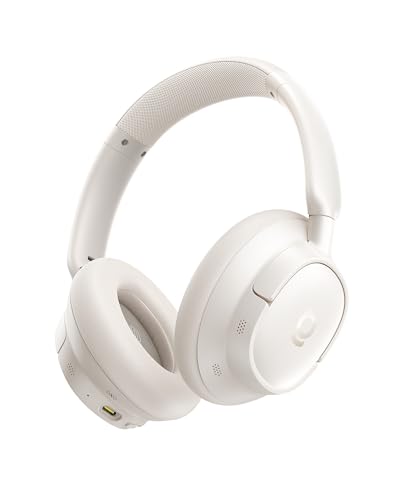
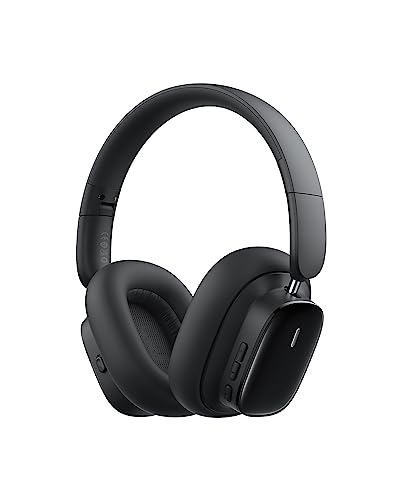
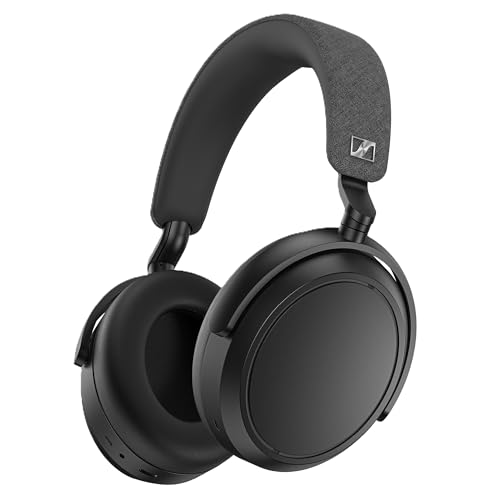
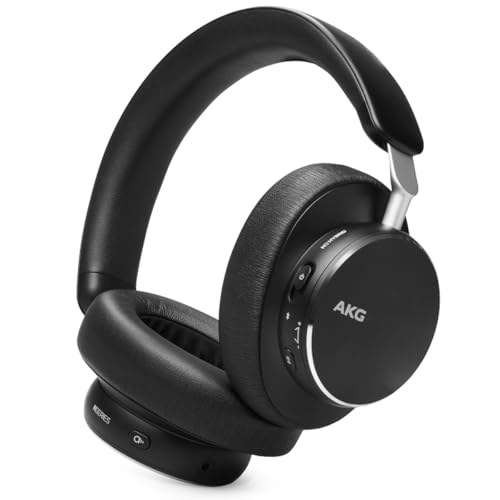
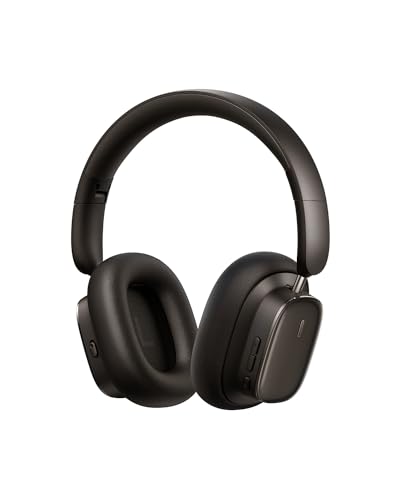
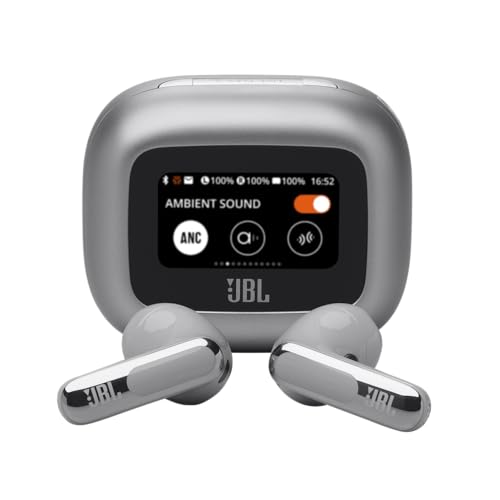
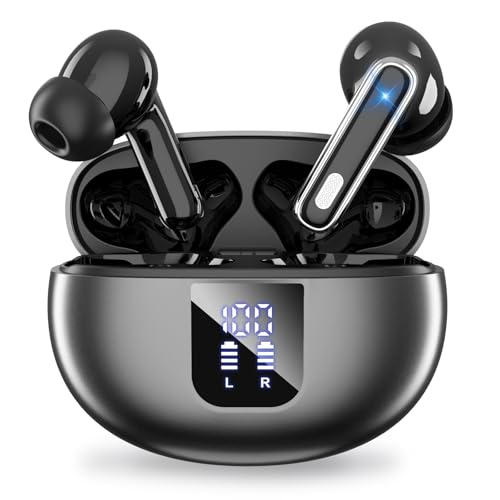
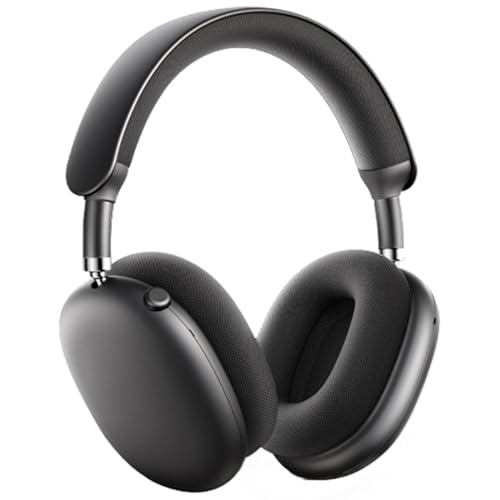
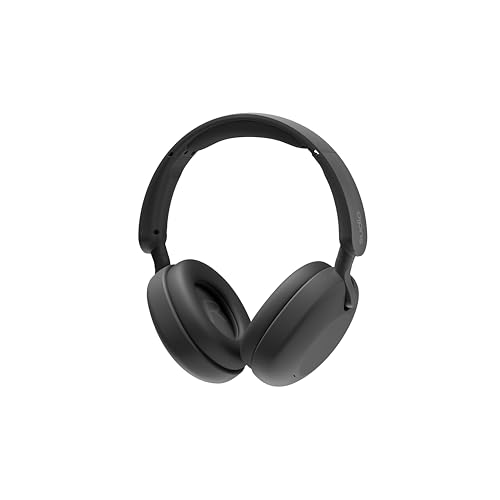
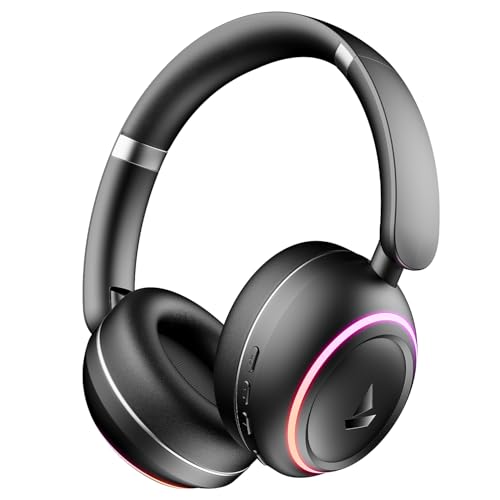
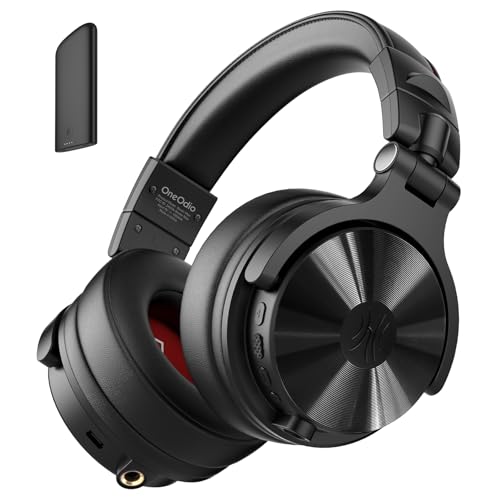
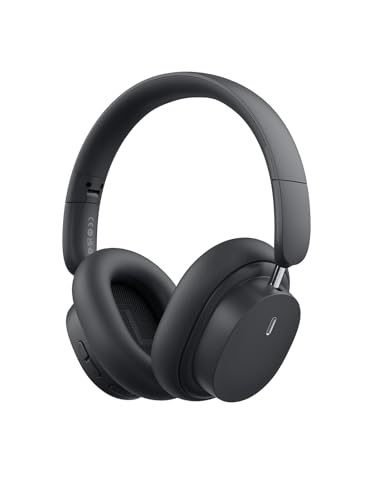
Headphones are fully compatible with PS5 when they can deliver game audio with low enough latency, support voice chat properly, and connect through a method the console handles reliably.
That usually means USB wireless audio, USB wired audio, or a 3.5 mm connection through the DualSense controller. Bluetooth on its own is not the main PS5 path, so the safer choices are headsets that either use a dedicated dongle or work cleanly through the controller without breaking microphone support.
Full PS5 compatibility is not only about getting sound. It also means party chat works as expected, volume and mute control stay practical, and the headset remains easy to switch between gaming, media, and everyday use without awkward setup steps.
How good is spatial audio on PS5 headphones?
Spatial audio on PS5 headphones can be very good, because the console's 3D audio processing works with ordinary stereo headphones as long as the imaging and channel balance are handled well.
The biggest gains come from cleaner directional cues, better distance perception, and stronger separation between voices, footsteps, and ambient effects. A headphone does not need to sound huge or bass-heavy to work well with PS5 spatial audio; it needs stable left-right placement and enough mid and treble clarity to keep cues distinct.
PS5 spatial audio is also not a magic upgrade that fixes a weak headset. If the tuning is muddy, the latency is distracting, or the ear pads become fatiguing, the spatial effect matters less in real play than basic clarity and comfort do.
How good are microphones on PS5 headphones?
Microphones on PS5 headphones are often good enough for party chat and co-op play, but the quality gap between basic and strong models is still easy to hear.
A good PS5 headset mic should keep speech intelligible, avoid sounding hollow once the boom position shifts slightly, and control background noise well enough that chat stays usable during normal room noise or controller handling. Wireless models can still work well, but codec behavior, noise filtering, and console-side processing often shape the final result more than the raw microphone hardware alone.
PS5 microphone quality matters more when callouts need to stay clear under pressure. Casual players can live with an average mic, while competitive teams or noisy living-room setups benefit more from a headset that keeps voices consistent and easy to understand.