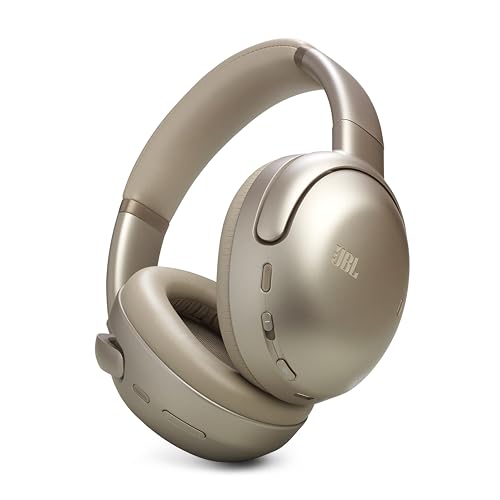
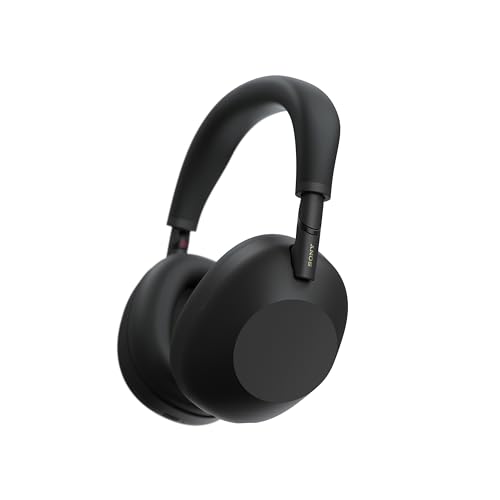
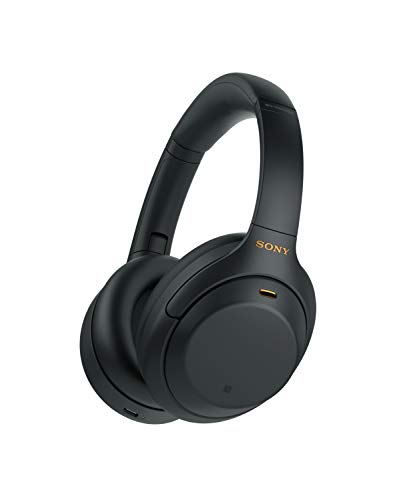
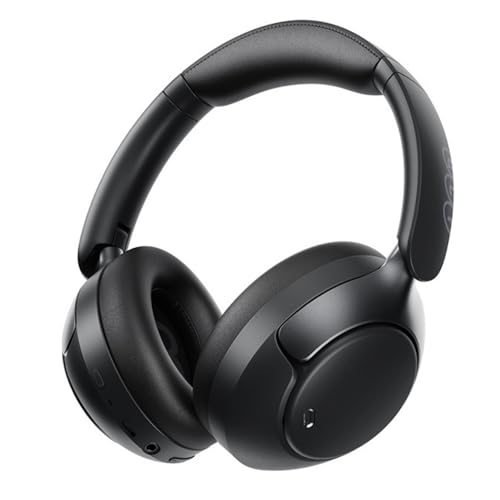
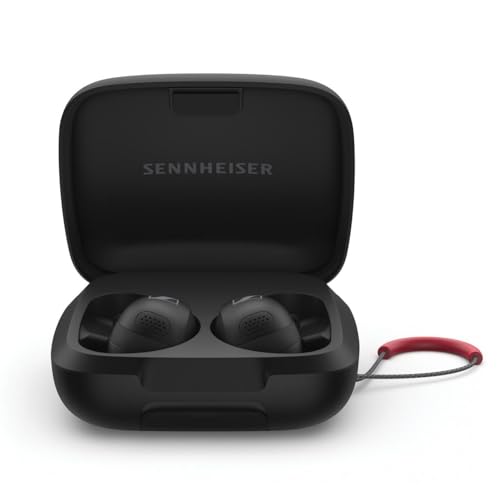
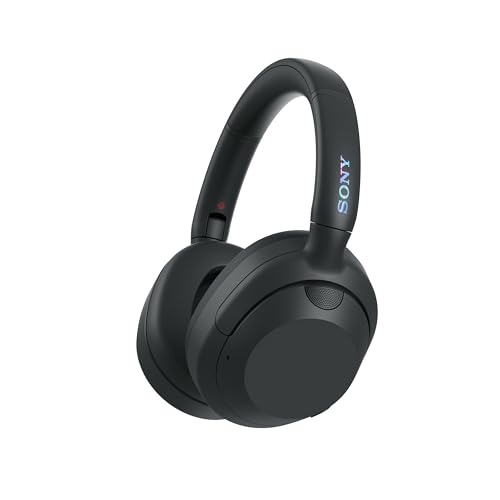
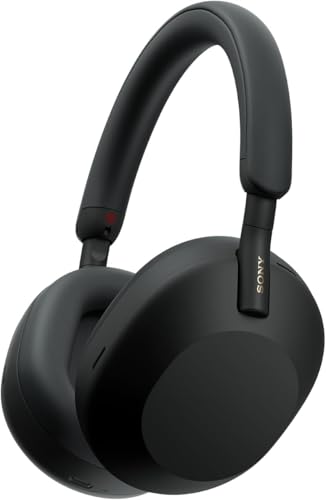
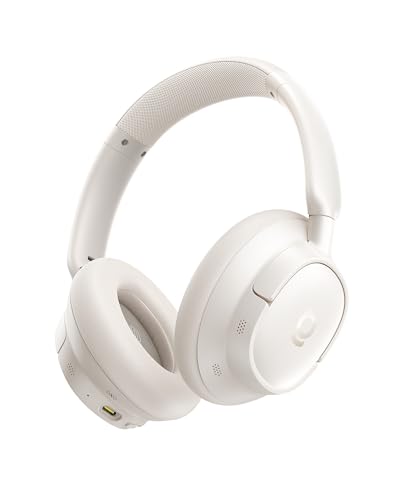
Which brands make the best headphones with mic?
The best headphones-with-mic brands are as follows:
- Sony (Average overall score: 8.3)
- JBL (Average overall score: 8.2)
- 1more (Average overall score: 8.1)
The chart below ranks headphones-with-mic brands by average overall score.
[horizontal-chart-13604096443730441976057071971400040815054006808902]
Which headphone brands with mic have the highest average user ratings?
The headphone brands with mic with the highest average user ratings are as follows.
- Bose (Average user rating: 9.3 points)
- Anker (Average user rating: 9.3 points)
- Sony (Average user rating: 9.3 points)
The chart below ranks headphone brands with mic by average user rating.
[horizontal-chart-11378505600658504171055291778102717351892824763420]
How much do the best headphones with mic cost?
The best headphones with mic usually cost about 20-£260, with a lot of the strongest buying choices sitting around 40-£160.
That range covers most of the practical market, from simple wired call-ready models up to mainstream wireless headphones that handle music, meetings, and commuting in the same product. Price rises usually reflect better comfort, stronger Bluetooth behavior, better ANC, and more dependable microphone tuning rather than just better raw sound alone.
Very cheap headphones with mic can still be useful for basic calls and light listening, but microphone consistency, fit, and materials are usually where the lowest tier gives up the most. Premium options above about £170 start to make more sense when you also care about ANC, travel features, or stronger overall refinement.
This chart visualizes headphones-with-mic prices.
[vertical-chart-17783982739934580342052556687620032108063106568462]
How good is microphone quality on headphones with mic?
Microphone quality on headphones with mic ranges from basic to very good, depending on whether the product treats calling as a core job or just as an extra convenience.
The biggest difference is microphone design. Simple wired in-ear or budget portable models often use a basic inline mic that is fine for short calls but weaker in noisy places, while better wireless and headset-style models usually use more advanced beamforming, noise reduction, or better cup-mounted mic arrays.
Call quality also depends on fit, connection stability, and noise handling. A good microphone matters, but so does whether the headphones keep Bluetooth stable, position the mic consistently, and avoid wind or room noise overpowering your voice.
Who should consider buying headphones with mic?
Headphones with mic make the most sense for buyers who want one product to handle both listening and communication.
They are especially useful for people who take calls while commuting, switch between music and meetings during the day, play casual games, study online, or want a simpler all-in-one setup for phone and laptop use. The biggest advantage is convenience: you do not need separate listening headphones and a separate call device for ordinary daily use.
Headphones with mic matter less if you never take calls, already use a dedicated external microphone, or only care about specialist listening jobs like studio monitoring or hi-fi use. In those cases, audio-only headphones can be the cleaner fit.
Are headphones with mic better wired or wireless?
Headphones with mic are not automatically better wired or wireless, because the better choice depends on how you use the microphone.
Wired headphones with mic are usually better if you want simplicity, low cost, no charging, and a straightforward plug-and-talk setup. They make a lot of sense for desk calls, older devices, basic gaming, and buyers who do not want battery management in the loop.
Wireless headphones with mic are usually the better fit for commuting, mixed phone-and-laptop use, and all-day everyday convenience. They cost more, but they often add better call controls, more flexible mobility, ANC, and easier switching between listening and speaking tasks.
What should you consider while choosing headphones with mic?
When you choose headphones with mic, you should focus on the following key aspects:
- Microphone type: Inline microphones, beamforming arrays, and full boom mics solve very different jobs. If call clarity or streaming matters, the microphone design should be chosen before anything like driver size or style.
- Connection method: Check how the headphones connect before you compare anything else. Wired headsets usually deliver simpler low-latency voice behavior, while wireless models trade that for mobility, ANC, and multi-device convenience. The right answer depends on whether the headphone lives at a desk or moves around all day.
- Noise suppression: Background-noise rejection matters much more if the headphone will be used in shared rooms, offices, or outdoor calls. A model with average music sound but a strong mic path can still be the better buy in a call-first setup.
- Comfort: If you will wear the headphones for hours, put comfort high on your list. Meeting, gaming, and call headphones often stay on for hours, so clamp, ear-pad heat, and overall weight directly affect whether the microphone setup remains usable. A good mic does not help much if the headset becomes tiring quickly.
- Device compatibility: TRRS analog, USB audio, Bluetooth multipoint, and console support all shape where the microphone will actually work correctly. Platform compatibility is often a bigger differentiator than the headphone brand itself.