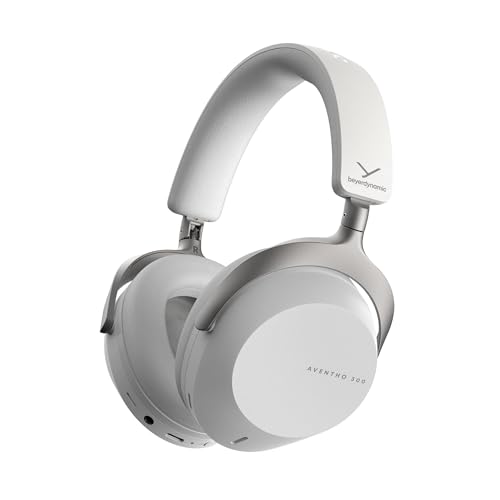
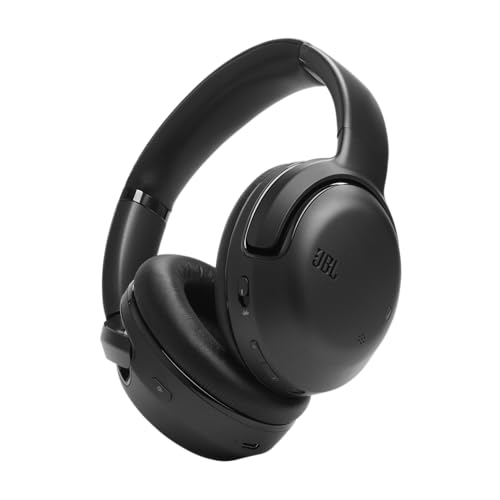
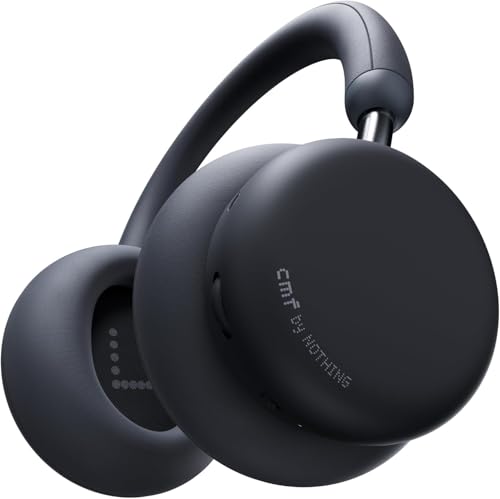
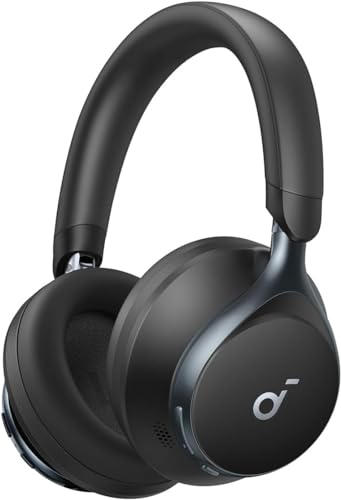
Which brands make the best over-ear headphones?
The best over-ear headphone brands are as follows.
- Sony (Average overall score: 8.3)
- Anker (Average overall score: 8.2)
- 1more (Average overall score: 8.1)
The chart below ranks over-ear headphone brands by average overall score.
[horizontal-chart-03538617138760703971112856414738161569420605538997]
Which over-ear headphone brands have the highest average user ratings?
The over-ear headphone brands with the highest average user ratings are as follows.
- Bose (Average user rating: 9.4 points)
- Beyerdynamic (Average user rating: 9.4 points)
- Anker (Average user rating: 9.3 points)
The chart below ranks over-ear headphone brands by average user rating.
[horizontal-chart-15965056619309655952125272092470999138531979243552]
How much do the best over-ear headphones cost?
The best over-ear headphones cost about 100-£340, while premium models can go much higher when driver quality, build materials, ANC, and brand positioning all move up a level.
A lot of entry-level over-ear headphones sit below £90, but the strongest balance of comfort, tuning, isolation, and long-term build quality is usually easier to find around 150-£300. Wireless ANC models often cluster in the middle of that range, while audiophile-focused wired models and luxury designs push far above it.
Cheap over-ear headphones can still work well for casual listening, but pad quality, headband comfort, consistency of tuning, and long-session durability are often where the lower price tiers give up the most.
What makes over-ear headphones worth buying?
Over-ear headphones are worth buying because they usually offer the best mix of comfort, scale of sound, and passive isolation in the broader headphone market.
Over-ear designs place the pads around the ear rather than directly on it, which usually reduces pressure points and makes long listening sessions easier. The larger cups also give designers more room for bigger drivers, deeper pads, and better acoustic control than smaller on-ear or many in-ear alternatives.
The main tradeoff is size. Over-ear headphones are bulkier to carry, warmer to wear, and often less convenient for fast everyday movement than smaller designs, so they make the most sense when comfort and listening quality matter more than compactness.
How good is passive isolation on over-ear headphones?
Passive isolation on over-ear headphones is usually good when the cups seal well and the pads fully surround the ear, but it varies a lot between closed-back and open-back designs.
Closed-back over-ear headphones usually isolate best because the cup structure blocks more outside sound and reduces leakage. Thick pads, firmer clamp, and a consistent seal around glasses or hairlines also change the result more than many buyers expect.
Open-back over-ear headphones are much weaker at passive isolation even when they are comfortable and spacious sounding. They are better for quiet rooms than for commuting, offices, or shared spaces where outside noise and leakage matter.
What sound and tuning specs matter most in over-ear headphones?
The sound and tuning specs that matter most in over-ear headphones are as follows.
- Bass control: Good over-ear tuning is not just about quantity; it is about whether the low end stays tight, layered, and controlled instead of turning broad or loose.
- Midrange clarity: Vocals, instruments, dialogue, and podcasts depend heavily on the midrange, so recession or congestion there is usually more important than small treble differences.
- Treble balance: The stronger over-ear models avoid both dull top ends and overly sharp highs, because long listening sessions expose treble mistakes quickly.
- Acoustic design: Closed-back, semi-open, and open-backed structures change staging, leakage, pressure, and how natural the presentation feels.
- Consistency at volume: Better headphones tend to hold their tonal balance more cleanly as listening volume changes, instead of becoming bloated, shouty, or harsh.
Are over-ear headphones better wired or wireless?
Over-ear headphones are not automatically better wired or wireless, because the better choice depends on where and how you listen.
Wired over-ear headphones are usually the safer choice if you care most about long-term reliability, zero charging, and predictable latency. They also make the most sense for desktop use, studio work, hi-fi listening, or any setup where you are already sitting close to the source device.
Wireless over-ear headphones are usually the better fit for commuting, office work, travel, and mixed-device use because they remove cable drag and often add ANC, microphones, and app control. The tradeoff is battery dependence, more electronics inside the cups, and greater long-term reliance on firmware and battery health.
What comfort traits matter most in over-ear headphones?
The comfort traits that matter most in over-ear headphones are as follows.
- Pad shape and opening size: Ear cups need enough room to avoid constant contact with the outer ear, especially on longer sessions.
- Pad depth: Shallow pads can cause driver contact or pressure hot spots, while deeper pads usually feel more stable and less fatiguing.
- Clamp force: Too little clamp can make the headphones feel loose, but too much clamp quickly becomes the main comfort problem on heavier full-size models.
- Headband pressure: The better designs spread weight across the head rather than concentrating it into a narrow hot spot.
- Weight balance and heat: Total weight matters, but so does how evenly it is distributed and how much warmth the pads trap after an hour or two.