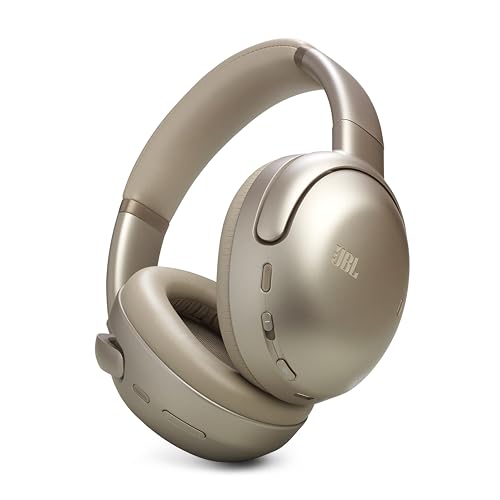
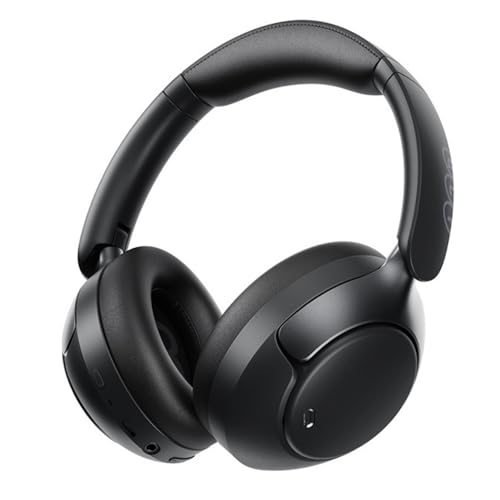
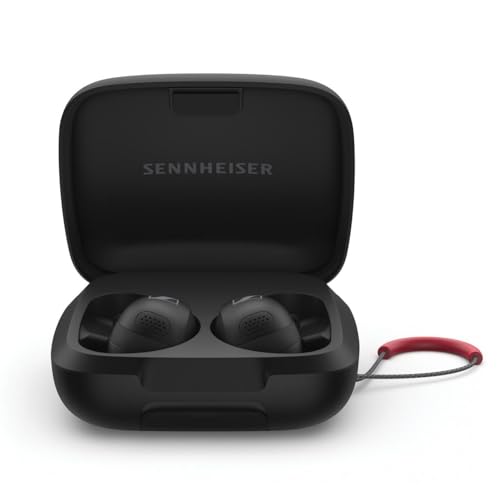
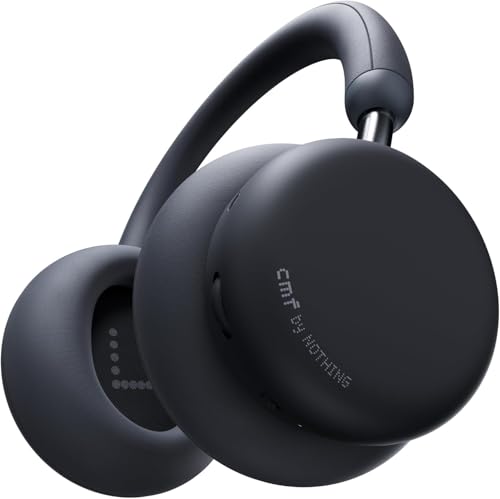
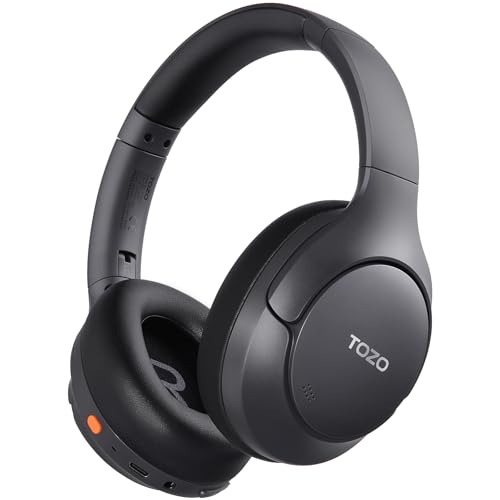
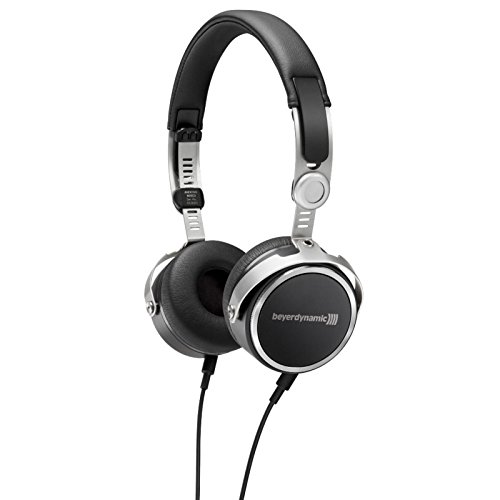
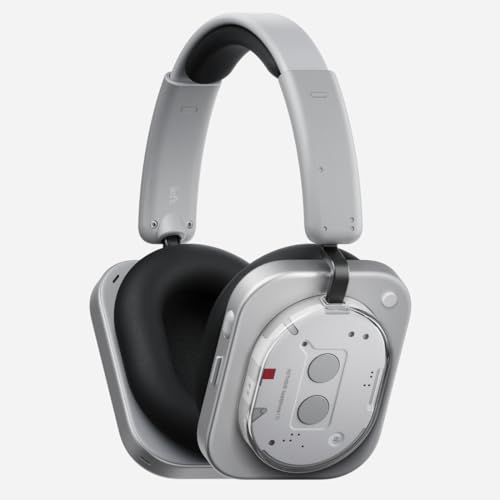
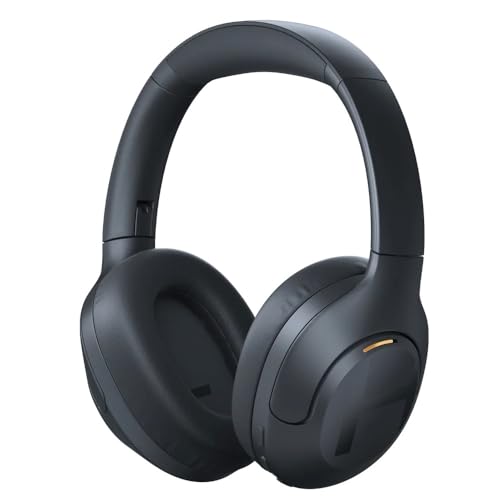
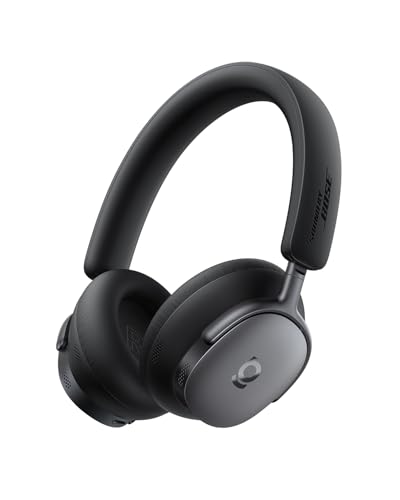
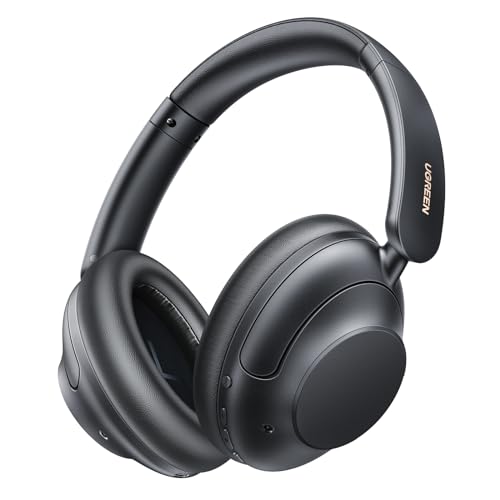
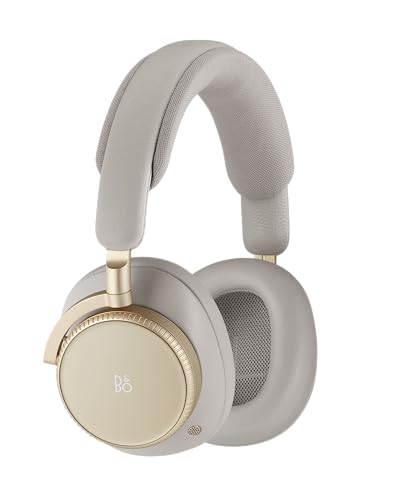
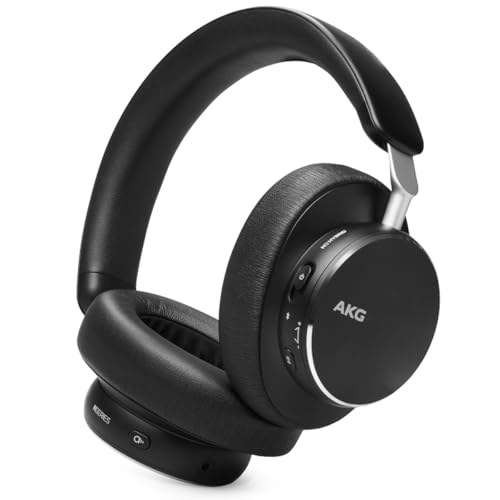
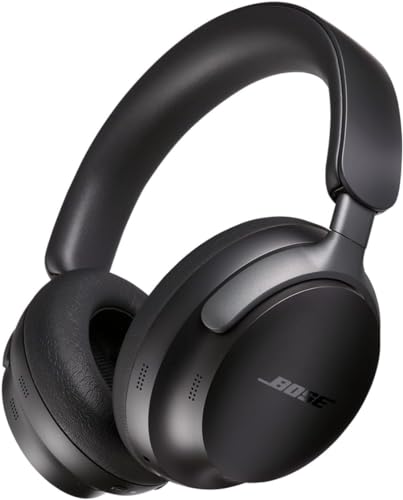
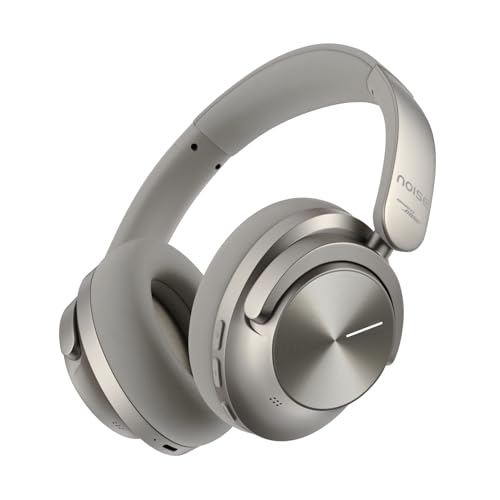
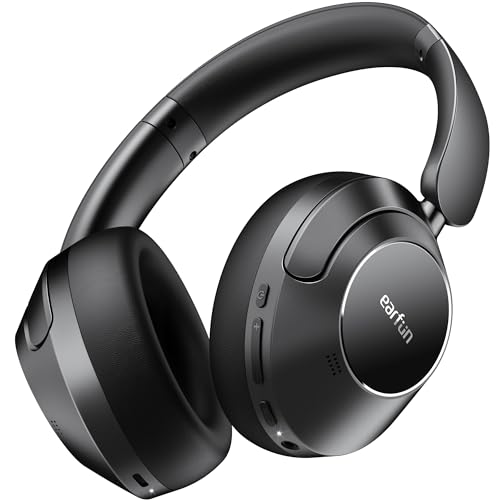
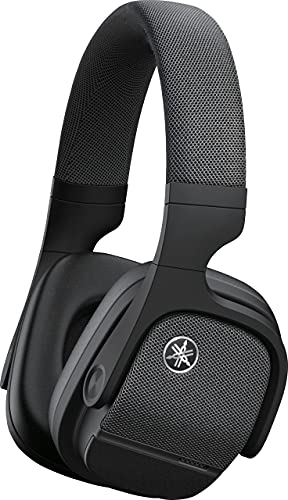
Which brands make the best gym headphones?
The best gym headphone brands are as follows.
- Baseus (Average overall score: 7.8)
- Bose (Average overall score: 7.2)
- Boult (Average overall score: 7)
The chart below ranks gym headphone brands by average overall score.
[horizontal-chart-05875208146562662299004492597629955076052634509820]
Which gym headphone brands have the highest average user ratings?
The gym headphone brands with the highest average user ratings are as follows.
- Sony (Average user rating: 9.2 points)
- Bose (Average user rating: 9.2 points)
- JBL (Average user rating: 9 points)
The chart below ranks gym headphone brands by average user rating.
[horizontal-chart-03618919179413357618025174451726696825040472753429]
How much do the best gym headphones cost?
The best gym headphones usually cost about 70-£160, while simpler workout pairs start lower and a few premium outliers go higher.
A lot of cheaper gym headphones sit around 30-£60, but the stronger mix of secure fit, sweat resistance, battery life, and control quality is usually easier to find around 70-£120. That mid-range is where more models feel dependable for repeated training sessions rather than just occasional casual use.
Very cheap gym headphones can still work, but fit security, comfort, and moisture handling are often where the lowest tiers become annoying. Above about £160, you are not always paying for better gym suitability itself; sometimes the extra cost goes toward ANC, broader travel use, or a more premium design.
What makes headphones suitable for gym workouts?
Headphones are suitable for gym workouts when they resist sweat, stay secure during movement, and remain easy to control without breaking concentration.
A gym-friendly model should not shift too easily once you start lifting, rowing, cycling, or moving between machines. That is why secure in-ear placement, low cable distraction, and surfaces that are easy to wipe down often matter more in the gym than the biggest possible soundstage or the heaviest bass tuning.
Gym suitability also depends on how the headphone behaves over repeated sessions. Pads, tips, hooks, buttons, and cable routing all have to stay practical once sweat builds up, hands are busy, and you do not want to stop mid-set just to readjust the fit.
What fit traits matter most for gym headphones?
The fit traits that matter most for gym headphones are seal stability, movement resistance, low pressure hotspots, and a shape that stays predictable once sweat starts building up.
In-ear gym headphones usually depend on tip size, nozzle angle, and any extra stabilizing wings or hooks to stop the fit from loosening mid-workout. Larger on-ear or over-ear models rely more on clamp force, pad grip, and weight balance, but they also become hotter faster and can move more during harder exercise.
A strong gym fit should feel secure without becoming distracting. If the headphone needs constant readjustment, presses too hard in one spot, or loses its seal every time you move, it is much harder to enjoy during real training than a model that simply stays where it should.
Are gym headphones better in-ear or over-ear?
In-ear gym headphones are usually better than over-ear ones, because they are lighter, more stable during movement, and easier to wear through sweat-heavy sessions.
In-ear models make more sense when your priority is secure fit, lower heat buildup, and less interference during cardio or strength work. They are also easier to keep out of the way when you are moving between machines or changing body position often.
Over-ear gym headphones can still work if you want bigger pads, stronger passive isolation, or a headset that doubles as a home listening model, but they are often hotter and less movement-friendly. For most gym use, the practical edge still goes to in-ear designs rather than larger cups around the ears.
What should you consider while choosing gym headphones?
When you choose gym headphones, you should focus on the following key aspects:
- Fit security: If movement matters, start with fit. Gym headphones need to stay planted through repeated head movement, bench work, and quick body repositioning. A stable seal or hook design is often more important than a small change in driver size or codec support.
- Water resistance: If you sweat a lot or train outdoors, check the protection rating early. Sweat exposure is constant in gym use, so IPX4 or better is usually the practical starting point, with higher ratings adding more safety for repeated heavy-moisture sessions. Low sealing quickly becomes a durability problem here.
- Isolation: Think about how much outside noise you want to block. Sealed earbuds block gym noise and usually keep bass weight better, while open-ear designs preserve more awareness but give up isolation and low-end body. The right choice depends on whether you want focus or environmental awareness.
- Charging behavior: Treat charging as a daily-use feature, not as a small extra. Gym headphones are often used in repeated one-hour blocks, so fast top-up charging and dependable case behavior matter more than extreme long-haul runtime. Practical recharge speed can matter more than the printed battery headline.
- Control layout: Physical buttons or very reliable touch controls are valuable when hands are sweaty and you want volume or track changes to work first try. Control reliability is often more important in the gym than one extra smart feature.