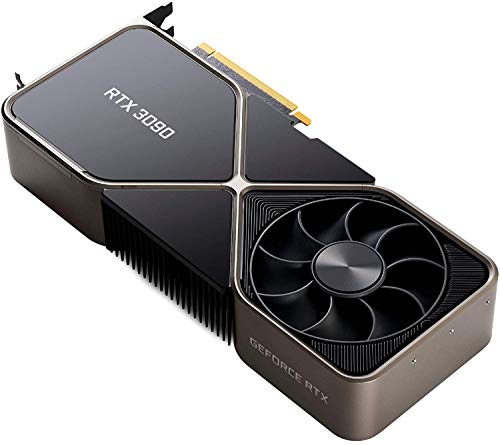
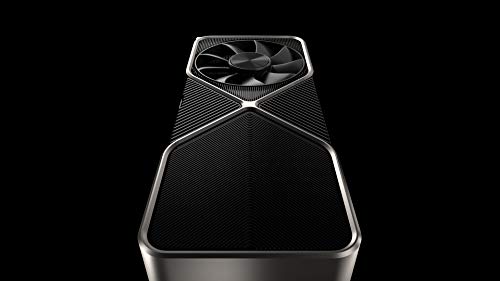
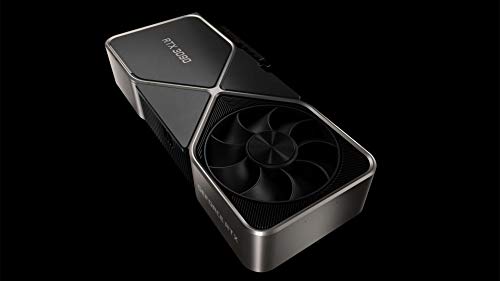
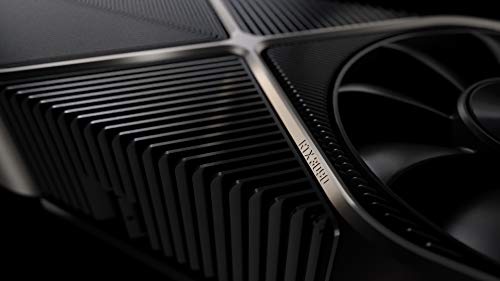
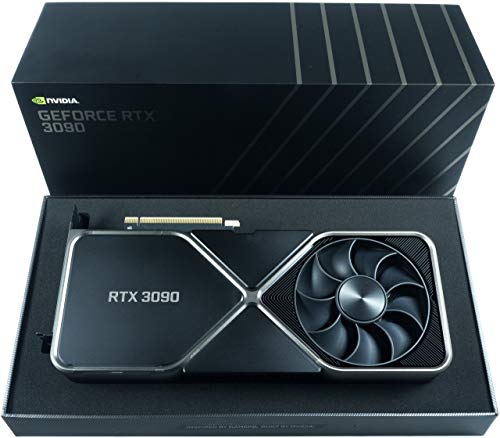
NVIDIA GeForce RTX 3090 Review | 118 Data compared

double-arrow
  • Avg. price in UK: ~£1,710
  • Avg. price in US: ~$1,490
  • VRAM: 24 GB
  • Memory bus width: 384 bit
  • Thermal Design Power (TDP): 350 W

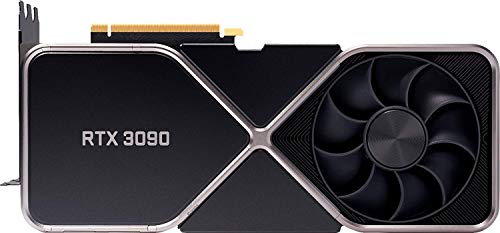
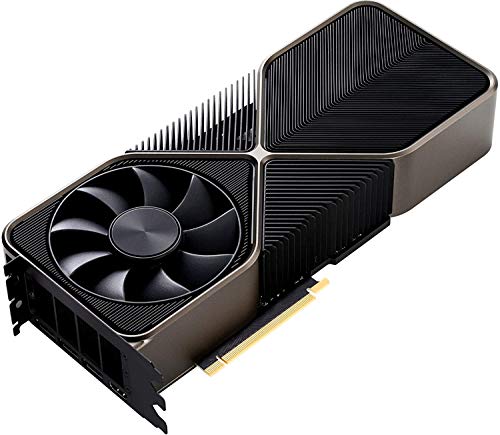
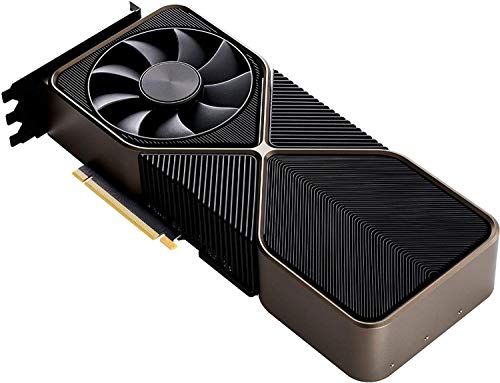
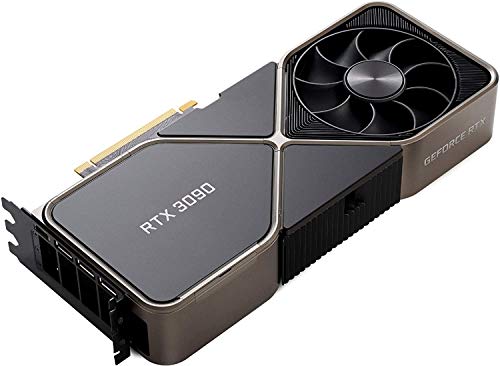
NVIDIA GeForce RTX 3090 review. Compare 118 technical specifications and user reviews to see how it ranks among graphics cards and if it is worth buying.

7.9

Overall score

What it is: An overall evaluation of the graphics card's quality, based on technical analyses and user reviews.

When it matters: When you need a quick reference to identify the best graphics cards on the market.

Score components:

90.0%

7.7

Technical Score

10.0%

9.1

User score

Very good
7.7

Technical Score

What it is: An assessment of the graphics card's technical performance, covering key areas such as gaming and rendering performance, ray tracing, memory configuration, power efficiency, cooling, connectivity, features, and build quality.

When it matters: When you want to compare graphics cards based on technical performance and available features.

Score components:

44.0%

7.6

Performance

24.0%

8.1

Memory

12.0%

6.4

Power & Cooling

11.0%

9.4

Platform & Features

5.0%

6.0

Design

4.0%

9.0

Connectivity & Media

Very good
9.1

User score

What it is: A rating that combines user reviews and the total number of reviews received by the graphics card.

When it matters: When you want to understand how a graphics card performs in real use and how reliable it is in terms of performance, temperatures, noise, stability, and long-term ownership.

Score components:

70.0%

8.8

User reviews

30.0%

10

Popularity

User score:
United Kingdom
amazon
4.5
(307)
amazon
4.2
(190)
amazon
4.3
(13)
United States
Amazon_logo.png
4.6
(247)
Amazon_logo.png
4.2
(208)
Amazon_logo.png
4.4
(14)

(Reviews last updated: June 2026)

Exceptional
  • 7.9
    Gaming

    Score components:

    45.0%

    7.0

    Floating-point performance

    25.0%

    7.6

    VRAM

    20.0%

    9.7

    Ray tracing cores / units

    10.0%

    8.8

    PCI Express (PCIe) version

  • 7.4
    Video editing

    Score components:

    35.0%

    7.0

    AV1 encode

    30.0%

    7.6

    VRAM

    20.0%

    7.0

    Floating-point performance

    15.0%

    8.8

    PCI Express (PCIe) version

  • 7.6
    1080p

    Score components:

    55.0%

    7.0

    Floating-point performance

    25.0%

    7.6

    VRAM

    10.0%

    9.7

    Ray tracing cores / units

    10.0%

    8.8

    PCI Express (PCIe) version

  • 7.7
    1440p

    Score components:

    50.0%

    7.0

    Floating-point performance

    30.0%

    7.6

    VRAM

    15.0%

    9.7

    Ray tracing cores / units

    5.0%

    8.8

    PCI Express (PCIe) version

  • 7.8
    4K

    Score components:

    40.0%

    7.0

    Floating-point performance

    35.0%

    7.6

    VRAM

    20.0%

    9.7

    Ray tracing cores / units

    5.0%

    8.8

    PCI Express (PCIe) version

  • nvidia-geforce-rtx-3090
  • nvidia-geforce-rtx-3090
  • nvidia-geforce-rtx-3090
  • nvidia-geforce-rtx-3090
  • nvidia-geforce-rtx-3090
  • nvidia-geforce-rtx-3090
  • nvidia-geforce-rtx-3090
  • nvidia-geforce-rtx-3090
  • nvidia-geforce-rtx-3090
nvidia-geforce-rtx-3090

Best prices in UK

Best rankings

?

Available: ranking among products currently available (including other versions of this product).
All: ranking among all products in the database.

Verdict

The Nvidia GeForce RTX 3090 is a powerhouse built on the Ampere architecture, featuring 10,496 CUDA cores and a massive 24GB of GDDR6X VRAM on a 384-bit bus, delivering approximately 936 GB/s of memory bandwidth. Clocked with a base speed of 1.4 GHz and a boost speed of 1.7 GHz, it provides elite performance for 8K gaming and complex workstation tasks like 3D rendering and AI development. Key advantages include its class-leading memory capacity, 2nd gen Ray Tracing cores, and 3rd gen Tensor cores, which make it a highly capable 'Titan-class' solution for professionals and enthusiasts. However, its main drawbacks are the extreme 350W power requirement necessitating at least a 750W power supply, its massive triple-slot physical size that may not fit in smaller cases, and a high launch price that offers diminishing performance returns for average gamers compared to lower-tier models.

Technical Specifications of NVIDIA GeForce RTX 3090

Technical Score

What it is: An assessment of the graphics card's technical performance, covering key areas such as gaming and rendering performance, ray tracing, memory configuration, power efficiency, cooling, connectivity, features, and build quality.

When it matters: When you want to compare graphics cards based on technical performance and available features.

Score components:

44.0%

7.6

Performance

24.0%

8.1

Memory

12.0%

6.4

Power & Cooling

11.0%

9.4

Platform & Features

5.0%

6.0

Design

4.0%

9.0

Connectivity & Media

7.7
NVIDIA GeForce RTX 3090 has a technical score of 7.73 points, which is higher than that of 73.9% of products in this category.
User score

What it is: A rating that combines user reviews and the total number of reviews received by the graphics card.

When it matters: When you want to understand how a graphics card performs in real use and how reliable it is in terms of performance, temperatures, noise, stability, and long-term ownership.

Score components:

70.0%

8.8

User reviews

30.0%

10

Popularity

User score:
United Kingdom
amazon
4.5
(307)
amazon
4.2
(190)
amazon
4.3
(13)
United States
Amazon_logo.png
4.6
(247)
Amazon_logo.png
4.2
(208)
Amazon_logo.png
4.4
(14)

(Reviews last updated: June 2026)

9.1
NVIDIA GeForce RTX 3090 has a user score of 9.13 points, which is higher than that of 79.6% of products in this category.
Popularity
What it is: An indicator based on the number of reviews received by the graphics card.
When it matters: When you prefer a graphics card that has already been chosen and reviewed by many other users.
10
NVIDIA GeForce RTX 3090 has a popularity of 10 points, which is higher than 77.9% of products in this category.
Ratio quality/price

What it is: An indicator that combines the graphics card's overall rating with its cost.

When it matters: When you are looking for a graphics card that offers a strong balance of performance, features, and price.

Score components:

60.0%

7.9

Overall score

40.0%

1.5

Price

6.0
NVIDIA GeForce RTX 3090 has a quality-to-price ratio of 6 points, which is lower than 82% of products in this category.
3DMark Time Spy benchmark score
What it is: Benchmark result from 3DMark Time Spy, a synthetic DirectX 12 test often used as a quick gaming-performance reference.
When it matters: When you need a fast rough performance sort before digging into game-specific reviews and frame-rate data.

Importance: LOW

?
3DMark Port Royal score
What it is: Benchmark result from 3DMark Port Royal, a synthetic test focused on ray tracing performance.
When it matters: When ray tracing matters in the games you actually play and you want one quick way to separate stronger and weaker RT cards.

Importance: LOW

?
PassMark (G3D) result
What it is: Overall GPU performance score in PassMark G3D benchmark
When it matters: When you need one broad score to sort cards into rough performance tiers.

Importance: LOW

?
PassMark (DirectCompute) result
What it is: PassMark score for DirectCompute performance tests
When it matters: When compute workloads matter alongside gaming performance.

Importance: LOW

?
Floating-point performance
What it is: Theoretical floating-point compute performance of the GPU.
When it matters: When rendering, AI, or heavy compute work needs strong single-precision throughput.

Importance: LOW

35.58 TFLOPS
NVIDIA GeForce RTX 3090 delivers 35.58 TFLOPS floating-point performance, which is higher than that of 64.8% of graphics cards and equal to that of 0.2% of graphics cards.
Show more
VRAM
What it is: Total video memory available on the graphics card
When it matters: When you play at high settings, use texture mods, or work with large creative projects.

Importance: HIGH

24 GB
NVIDIA GeForce RTX 3090 has 24 GB of VRAM, which is more than 91.1% of graphics cards and equal to 5.6% of graphics cards.
Memory type
What it is: Type of graphics memory used (GDDR6, HBM2e, etc.)
When it matters: When memory technology is part of the buying decision because it affects bandwidth class, power use, and product positioning.

Importance: LOW

GDDR6X
GDDR version
What it is: Generation of GDDR memory used by the graphics card.
When it matters: When you want to separate older memory generations from newer ones before comparing bandwidth, power behavior, and market tier.

Importance: LOW

GDDR6X
NVIDIA GeForce RTX 3090 uses GDDR6X memory, which is newer than on 55.8% of graphics cards and equal to 22.6% of graphics cards.
Memory bus width
What it is: Width of the memory interface bus in bits
When it matters: When you care about steadier performance at higher resolutions, heavier texture settings, or ray-traced workloads that stress memory traffic.

Importance: HIGH

384 bit
NVIDIA GeForce RTX 3090 uses a 384 bit memory bus, which is wider than that of 89.3% of graphics cards and equal to that of 7.3% of graphics cards.
Maximum memory bandwidth
What it is: Maximum data transfer rate between GPU and its memory
When it matters: When 4K gaming, ray tracing, or creator work can choke a slower memory subsystem.

Importance: HIGH

936.2 GB/s
NVIDIA GeForce RTX 3090 reaches 936.2 GB/s memory bandwidth, which is higher than that of 87.8% of graphics cards and equal to that of 0.1% of graphics cards.
Show more
PCI Express (PCIe) version
What it is: Version of PCI Express interface supported
When it matters: When you are pairing the card with an older motherboard and want to avoid leaving bandwidth or future compatibility on the table.

Importance: LOW

4.0
NVIDIA GeForce RTX 3090 supports PCIe 4.0, which is newer than on 22.5% of graphics cards and equal to 52% of graphics cards.
PCIe lanes
What it is: Number of PCI Express lanes used for communication
When it matters: When limited lane width could bottleneck the card in some systems.

Importance: LOW

x16
NVIDIA GeForce RTX 3090 uses x16 PCIe lanes, which is more than 31.5% of graphics cards and equal to 68.6% of graphics cards.
DirectX version
What it is: Highest supported DirectX API version
When it matters: When you play newer Windows games that depend on the latest graphics features.

Importance: LOW

12 Ultimate
NVIDIA GeForce RTX 3090 supports DirectX 12 Ultimate, which is more advanced than on 12.5% of graphics cards and equal to 87.5% of graphics cards.
Vulkan version
What it is: Highest supported Vulkan API version
When it matters: When modern games, emulators, or creative apps lean on Vulkan support.

Importance: LOW

1.4
NVIDIA GeForce RTX 3090 supports Vulkan 1.4, which is more advanced than on 26.6% of graphics cards and equal to 73.4% of graphics cards.
OpenGL version
What it is: Highest supported OpenGL API version
When it matters: When older games or pro apps still depend on OpenGL compatibility.

Importance: LOW

4.6
NVIDIA GeForce RTX 3090 supports OpenGL 4.6, which is more advanced than on 4.8% of graphics cards and equal to 95.2% of graphics cards.
Show more
Max displays supported
What it is: Total number of external displays supported simultaneously
When it matters: When you run a multi-monitor desk for sim racing, trading, or editing.

Importance: LOW

4
NVIDIA GeForce RTX 3090 supports up to 4 displays, which is more than 7.8% of graphics cards and equal to 89.2% of graphics cards.
Max digital resolution
What it is: Maximum supported digital display resolution
When it matters: When you plan to drive 4K or 8K panels at their native resolution.

Importance: LOW

7680x4320
NVIDIA GeForce RTX 3090 supports a maximum digital resolution of 7680x4320, which is higher than that of 44.4% of graphics cards and equal to that of 55.6% of graphics cards.
DisplayPort outputs
What it is: Number of DisplayPort video outputs
When it matters: When your setup needs several high-refresh monitors without adapters.

Importance: LOW

3
NVIDIA GeForce RTX 3090 offers 3 DisplayPort outputs, which is more than 20.9% of graphics cards and equal to 77.3% of graphics cards.
DisplayPort version
What it is: Version of DisplayPort standard supported
When it matters: When your monitor setup depends on newer DisplayPort features for higher refresh rates, higher resolution, or better cable flexibility.

Importance: LOW

1.4a
NVIDIA GeForce RTX 3090 supports DisplayPort 1.4a, which is more advanced than on 22.7% of graphics cards and equal to 44.2% of graphics cards.
DisplayPort link rates
What it is: Supported data link rates for DisplayPort connections
When it matters: When you are pushing high resolution and refresh rate over DisplayPort.

Importance: LOW

?
Show more
Thermal Design Power (TDP)
What it is: Typical power consumption under full load (TDP)
When it matters: When you need a realistic idea of power draw before choosing a PSU or case.

Importance: MEDIUM

350 W
NVIDIA GeForce RTX 3090 has a TDP of 350 W, which is higher than that of 86% of graphics cards and equal to that of 1.6% of graphics cards.
Power consumption while under peak load
What it is: Peak power draw of the graphics card under maximum load.
When it matters: When transient-heavy gaming loads could stress your power supply.

Importance: LOW

350 W
NVIDIA GeForce RTX 3090 draws 350 W under peak load, which is higher than 85.3% of graphics cards and equal to 0.9% of graphics cards.
Recommended PSU wattage
What it is: Recommended wattage of the system power supply
When it matters: When you are checking whether your current power supply is enough.

Importance: LOW

750 W
NVIDIA GeForce RTX 3090 recommends a 750 W PSU, which is higher than that of 62.5% of graphics cards and equal to that of 17.5% of graphics cards.
Board power limit
What it is: Maximum configurable power limit for the GPU board
When it matters: When you care about how far the card can be pushed through tuning or factory power settings.

Importance: LOW

350 W
NVIDIA GeForce RTX 3090 has a board power limit of 350 W, which is higher than that of 81.9% of graphics cards and equal to that of 1.1% of graphics cards.
PCIe power spec
What it is: PCIe power delivery specification followed
When it matters: When you are checking whether the slot and external cables match the card's intended power-delivery standard.

Importance: LOW

350 W
Show more
Size
What it is: Physical size of the GPU card
When it matters: When you need the card to fit a compact case without blocking nearby hardware.

Importance: LOW

?
Length
What it is: Physical length of the GPU card
When it matters: When front radiators or drive cages leave only limited GPU clearance.

Importance: LOW

313 mm
NVIDIA GeForce RTX 3090 is 313 mm long, which is longer than 69.6% of graphics cards and equal in length to 0.3% of graphics cards.
Height
What it is: Physical height of the GPU card
When it matters: When side panels, brackets, or tight case layouts reduce vertical clearance.

Importance: LOW

138 mm
NVIDIA GeForce RTX 3090 is 138 mm tall, which is taller than 74% of graphics cards and equal in height to 1.1% of graphics cards.
Slot width
What it is: Number of PCIe slots occupied by the card
When it matters: When you need room for another PCIe card or better airflow under the GPU.

Importance: LOW

3 slot/s
NVIDIA GeForce RTX 3090 occupies 3 slot/s, which is wider than 69.8% of graphics cards and equal in width to 16.6% of graphics cards.
Weight
What it is: Total weight of the graphics card
When it matters: When sag, bracket support, or shipping stress matters in your build.

Importance: LOW

?
Show more

NVIDIA GeForce RTX 3090 vs the average graphics card

  • 42 more compute units
    NVIDIA GeForce RTX 3090 has more compute units than the average graphics card (82 vs 40). The average graphics card has 40 compute units.
    What it is: Total number of shader multiprocessors or compute units
    When it matters: When you want a better sense of the GPU's overall parallel hardware resources before relying on game benchmarks alone.

    Importance: HIGH

    NVIDIA GeForce RTX 3090 has more compute units than the average graphics card (82 vs 40). The average graphics card has 40 compute units.82 vs 40
  • 12 GB more VRAM
    NVIDIA GeForce RTX 3090 has more VRAM than the average graphics card (24 GB vs 12 GB). The average graphics card has 12 GB VRAM.
    What it is: Total video memory available on the graphics card
    When it matters: When you play at high settings, use texture mods, or work with large creative projects.

    Importance: HIGH

    NVIDIA GeForce RTX 3090 has more VRAM than the average graphics card (24 GB vs 12 GB). The average graphics card has 12 GB VRAM.24 GB vs 12 GB
  • 34 more ray tracing cores
    NVIDIA GeForce RTX 3090 has more ray tracing cores than the average graphics card (82 vs 48). The average graphics card has 48 ray tracing cores.
    What it is: Number of dedicated ray tracing processing cores or units
    When it matters: When you care about ray-traced lighting, reflections, and shadows in newer games.

    Importance: HIGH

    NVIDIA GeForce RTX 3090 has more ray tracing cores than the average graphics card (82 vs 48). The average graphics card has 48 ray tracing cores.82 vs 48
  • 2.09x higher memory bandwidth
    NVIDIA GeForce RTX 3090 has a higher memory bandwidth than the average graphics card (936.2 GB/s vs 448 GB/s). The average graphics card has a memory bandwidth of 448 GB/s.
    What it is: Maximum data transfer rate between GPU and its memory
    When it matters: When 4K gaming, ray tracing, or creator work can choke a slower memory subsystem.

    Importance: HIGH

    NVIDIA GeForce RTX 3090 has a higher memory bandwidth than the average graphics card (936.2 GB/s vs 448 GB/s). The average graphics card has a memory bandwidth of 448 GB/s.936.2 GB/s vs 448 GB/s
  • 144 more TMUs
    NVIDIA GeForce RTX 3090 has more TMUs than the average graphics card (328 vs 184). The average graphics card has 184 TMUs.
    What it is: Total count of texture mapping units on the GPU
    When it matters: When texture-heavy gaming performance matters and you want extra hardware context behind texture-rate claims.

    Importance: HIGH

    NVIDIA GeForce RTX 3090 has more TMUs than the average graphics card (328 vs 184). The average graphics card has 184 TMUs.328 vs 184
  • 48 more ROPs
    NVIDIA GeForce RTX 3090 has more ROPs than the average graphics card (112 vs 64). The average graphics card has 64 ROPs.
    What it is: Total number of render output units on the GPU
    When it matters: When you want more context on pixel output capacity, especially for high-resolution play and older raster-heavy engines.

    Importance: HIGH

    NVIDIA GeForce RTX 3090 has more ROPs than the average graphics card (112 vs 64). The average graphics card has 64 ROPs.112 vs 64
  • 136 more AI cores
    NVIDIA GeForce RTX 3090 has more AI cores than the average graphics card (328 vs 192). The average graphics card has 192 AI cores.
    What it is: Number of tensor or AI processing cores
    When it matters: When AI features, frame generation, or creator tools use dedicated matrix hardware.

    Importance: MEDIUM

    NVIDIA GeForce RTX 3090 has more AI cores than the average graphics card (328 vs 192). The average graphics card has 192 AI cores.328 vs 192
  • 128 bit wider memory bus
    NVIDIA GeForce RTX 3090 has a wider memory bus than the average graphics card (384 bit vs 256 bit). The average graphics card has a memory bus width of 256 bit.
    What it is: Width of the memory interface bus in bits
    When it matters: When you care about steadier performance at higher resolutions, heavier texture settings, or ray-traced workloads that stress memory traffic.

    Importance: HIGH

    NVIDIA GeForce RTX 3090 has a wider memory bus than the average graphics card (384 bit vs 256 bit). The average graphics card has a memory bus width of 256 bit.384 bit vs 256 bit
  • 42 more compute units
    NVIDIA GeForce RTX 3090 has more compute units than the average graphics card (82 vs 40). The average graphics card has 40 compute units.
  • 34 more ray tracing cores
    NVIDIA GeForce RTX 3090 has more ray tracing cores than the average graphics card (82 vs 48). The average graphics card has 48 ray tracing cores.
  • 144 more TMUs
    NVIDIA GeForce RTX 3090 has more TMUs than the average graphics card (328 vs 184). The average graphics card has 184 TMUs.
  • 48 more ROPs
    NVIDIA GeForce RTX 3090 has more ROPs than the average graphics card (112 vs 64). The average graphics card has 64 ROPs.
  • 136 more AI cores
    NVIDIA GeForce RTX 3090 has more AI cores than the average graphics card (328 vs 192). The average graphics card has 192 AI cores.
  • 47.6% higher texture rate
    NVIDIA GeForce RTX 3090 has a higher texture rate than the average graphics card (556 GTexel/s vs 376.8 GTexel/s). The average graphics card has a texture rate of 376.8 GTexel/s.
  • 55.6% higher FP32 performance
    NVIDIA GeForce RTX 3090 has a higher FP32 performance than the average graphics card (35.6 TFLOPS vs 22.86 TFLOPS). The average graphics card has FP32 performance of 22.86 TFLOPS.
  • 6,144 more FP32 units
    NVIDIA GeForce RTX 3090 has more FP32 units than the average graphics card (10,496 vs 4,352). The average graphics card has 4,352 FP32 units.
  • 14.9% higher pixel rate
    NVIDIA GeForce RTX 3090 has a higher pixel rate than the average graphics card (189.8 GPixel/s vs 165.2 GPixel/s). The average graphics card has a pixel rate of 165.2 GPixel/s.
  • 12 GB more VRAM
    NVIDIA GeForce RTX 3090 has more VRAM than the average graphics card (24 GB vs 12 GB). The average graphics card has 12 GB VRAM.
  • 2.09x higher memory bandwidth
    NVIDIA GeForce RTX 3090 has a higher memory bandwidth than the average graphics card (936.2 GB/s vs 448 GB/s). The average graphics card has a memory bandwidth of 448 GB/s.
  • 128 bit wider memory bus
    NVIDIA GeForce RTX 3090 has a wider memory bus than the average graphics card (384 bit vs 256 bit). The average graphics card has a memory bus width of 256 bit.
  • Supports ECC memory
    NVIDIA GeForce RTX 3090 supports ECC memory, the average graphics card does not.
  • Supports multi-GPU linking
    NVIDIA GeForce RTX 3090 supports multi-GPU linking, the average graphics card does not.
  • Supports NVLink
    NVIDIA GeForce RTX 3090 supports NVLink, the average graphics card does not.
  • 32.2% lower boost clock speed
    NVIDIA GeForce RTX 3090 has a lower boost GPU clock than the average graphics card (1,695 MHz vs 2,500 MHz). The average graphics card has a boost GPU clock of 2,500 MHz.
  • 27.3% lower base clock speed
    NVIDIA GeForce RTX 3090 has a lower base GPU clock than the average graphics card (1,395 MHz vs 1,920 MHz). The average graphics card has a base GPU clock of 1,920 MHz.
  • 30.3% slower VRAM clock
    NVIDIA GeForce RTX 3090 has a lower VRAM clock than the average graphics card (1,219 MHz vs 1,750 MHz). The average graphics card runs its VRAM at 1,750 MHz.
  • 81.3% smaller L2 cache
    NVIDIA GeForce RTX 3090 has fewer L2 cache than the average graphics card (6 MB vs 32 MB). The average graphics card has 32 MB L2 cache.
  • 60% larger process node
    NVIDIA GeForce RTX 3090 has a higher process node than the average graphics card (8 nm vs 5 nm). The average graphics card uses a process node of 5 nm.
  • 3 older
    NVIDIA GeForce RTX 3090 was released earlier than the average graphics card (2,020 vs 2,023).
  • 2.06x larger GPU die
    NVIDIA GeForce RTX 3090 has a higher GPU die size than the average graphics card (628 mm² vs 304.25 mm²). The average graphics card has a GPU die size of 304.25 mm².
  • Older encoder generation
    NVIDIA GeForce RTX 3090 uses an older encoder generation than the average graphics card (7 vs 8). The average graphics card uses encoder generation 8.
  • No AV1 encoding
    NVIDIA GeForce RTX 3090 does not support AV1 encoding, the average graphics card does.
  • 75% lower HDMI bandwidth
    NVIDIA GeForce RTX 3090 has a lower HDMI bandwidth than the average graphics card (12 Gbps vs 48 Gbps). The average graphics card has HDMI bandwidth of 48 Gbps.
  • 1 fewer fans
    NVIDIA GeForce RTX 3090 has fewer fans than the average graphics card (2 vs 3).
  • 62.8% higher TDP
    NVIDIA GeForce RTX 3090 has a higher TDP than the average graphics card (350 W vs 215 W). The average graphics card has a TDP of 215 W.
  • 15.4% higher PSU requirement
    NVIDIA GeForce RTX 3090 has a higher PSU requirement than the average graphics card (750 W vs 650 W). The average graphics card has a PSU requirement of 650 W.
  • 59.1% higher board power limit
    NVIDIA GeForce RTX 3090 has a higher board power limit than the average graphics card (350 W vs 220 W). The average graphics card has a board power limit of 220 W.
  • 59.1% higher peak power draw
    NVIDIA GeForce RTX 3090 has a higher peak power draw than the average graphics card (350 W vs 220 W). The average graphics card has a peak power draw of 220 W.
  • 1 slot/s wider design
    NVIDIA GeForce RTX 3090 occupies more slots than the average graphics card (3 slot/s vs 2 slot/s). The average graphics card occupies 2 slot/s.
  • 11 mm higher card profile
    NVIDIA GeForce RTX 3090 is taller than the average graphics card (138 mm vs 127 mm). The average graphics card has a height of 127 mm.
  • 27.63 mm longer card length
    NVIDIA GeForce RTX 3090 is longer than the average graphics card (313 mm vs 285.37 mm). The average graphics card has a length of 285.37 mm.
  • 32.2% lower boost clock speed
    NVIDIA GeForce RTX 3090 has a lower boost GPU clock than the average graphics card (1,695 MHz vs 2,500 MHz). The average graphics card has a boost GPU clock of 2,500 MHz.
    What it is: Maximum boost frequency the GPU can reach under load
    When it matters: When you want a rough idea of peak advertised frequency, while knowing real sustained clocks still depend on cooling and power limits.

    Importance: HIGH

    NVIDIA GeForce RTX 3090 has a lower boost GPU clock than the average graphics card (1,695 MHz vs 2,500 MHz). The average graphics card has a boost GPU clock of 2,500 MHz.1695 MHz vs 2500 MHz
  • 1 fewer fans
    NVIDIA GeForce RTX 3090 has fewer fans than the average graphics card (2 vs 3).
    What it is: Total number of cooling fans
    When it matters: When you compare cooler designs and want one more clue about thermal potential.

    Importance: MEDIUM

    NVIDIA GeForce RTX 3090 has fewer fans than the average graphics card (2 vs 3).2 vs 3
  • 27.3% lower base clock speed
    NVIDIA GeForce RTX 3090 has a lower base GPU clock than the average graphics card (1,395 MHz vs 1,920 MHz). The average graphics card has a base GPU clock of 1,920 MHz.
    What it is: Base operating frequency of the GPU core under standard conditions
    When it matters: When you want to understand the card's guaranteed starting frequency instead of looking only at optimistic boost figures.

    Importance: HIGH

    NVIDIA GeForce RTX 3090 has a lower base GPU clock than the average graphics card (1,395 MHz vs 1,920 MHz). The average graphics card has a base GPU clock of 1,920 MHz.1395 MHz vs 1920 MHz
  • 60% larger process node
    NVIDIA GeForce RTX 3090 has a higher process node than the average graphics card (8 nm vs 5 nm). The average graphics card uses a process node of 5 nm.
    What it is: Size of the manufacturing process in nanometers
    When it matters: When process node differences may affect power, heat, and overall efficiency.

    Importance: MEDIUM

    NVIDIA GeForce RTX 3090 has a higher process node than the average graphics card (8 nm vs 5 nm). The average graphics card uses a process node of 5 nm.8 nm vs 5 nm
  • 62.8% higher TDP
    NVIDIA GeForce RTX 3090 has a higher TDP than the average graphics card (350 W vs 215 W). The average graphics card has a TDP of 215 W.
    What it is: Typical power consumption under full load (TDP)
    When it matters: When you need a realistic idea of power draw before choosing a PSU or case.

    Importance: MEDIUM

    NVIDIA GeForce RTX 3090 has a higher TDP than the average graphics card (350 W vs 215 W). The average graphics card has a TDP of 215 W.350 W vs 215 W
  • 1 slot/s wider design
    NVIDIA GeForce RTX 3090 occupies more slots than the average graphics card (3 slot/s vs 2 slot/s). The average graphics card occupies 2 slot/s.
    What it is: Number of PCIe slots occupied by the card
    When it matters: When you need room for another PCIe card or better airflow under the GPU.

    Importance: LOW

    NVIDIA GeForce RTX 3090 occupies more slots than the average graphics card (3 slot/s vs 2 slot/s). The average graphics card occupies 2 slot/s.3 slot/s vs 2 slot/s
  • No AV1 encoding
    NVIDIA GeForce RTX 3090 does not support AV1 encoding, the average graphics card does.
    What it is: Supports hardware encoding of AV1 video codec
    When it matters: When you stream or export video and want efficient AV1 encoding on the GPU.

    Importance: LOW

    NVIDIA GeForce RTX 3090 does not support AV1 encoding, the average graphics card does.
  • 30.3% slower VRAM clock
    NVIDIA GeForce RTX 3090 has a lower VRAM clock than the average graphics card (1,219 MHz vs 1,750 MHz). The average graphics card runs its VRAM at 1,750 MHz.
    What it is: Speed at which the GPU memory operates
    When it matters: When you want more context on how quickly the card's VRAM can move data.

    Importance: LOW

    NVIDIA GeForce RTX 3090 has a lower VRAM clock than the average graphics card (1,219 MHz vs 1,750 MHz). The average graphics card runs its VRAM at 1,750 MHz.1219 MHz vs 1750 MHz

Graphic comparison of NVIDIA GeForce RTX 3090 and

Attribute category
Attribute
No results found

Third-party reviews

(Reviews last updated: June 2026)

What customers like about NVIDIA GeForce RTX 3090?

  • Massive 24GB GDDR6X VRAM is ideal for heavy creative workloads like 8K video editing, 3D rendering, and AI model training.
  • Exceptional raw performance, delivering high frame rates in 4K and making 8K gaming technically possible in some titles.
  • Effective thermal design in the Founders Edition, which users report remains surprisingly cool and quiet under heavy load.
  • Considered more future-proof than cards with lower memory, especially for VR and high-resolution textures.
  • Includes NVLink support for multi-GPU setups, a feature often restricted in lower-tier 30-series cards.

What customers dislike about NVIDIA GeForce RTX 3090?

  • Poor value proposition for pure gamers, offering only a marginal 10–15% performance increase over the much cheaper RTX 3080.
  • Extremely high power consumption (350W+ TGP), often requiring a high-wattage PSU and generating significant heat.
  • Physical size is massive (triple-slot design), making it difficult to fit in smaller PC cases and potentially causing PCIe slot sag.
  • High VRAM temperatures have been noted by some users, occasionally requiring manual replacement of thermal pads to prevent throttling in non-gaming tasks.
  • Occasional reports of coil whine under high load.

Expert reviews

P
pcworld.com
24/09/2020

The PCWorld review positions the Nvidia GeForce RTX 3090 as a successor to the Titan luxury lineup rather than a standard gaming card, highlighting its massive 24GB of GDDR6X VRAM as a major advantage for 8K editing and 3D rendering. Key architectural benefits include upgraded ray tracing cores, enhanced AI tensor cores, and exclusive NVLink support for multi-GPU setups, offering...Read more

T
tomshardware.com
09/10/2020

The Gigabyte GeForce RTX 3090 Eagle is an entry-level implementation of Nvidia's flagship GA102 GPU architecture that performs nearly identically to the Founders Edition (FE) variant. Featuring a triple Windforce fan design, the card includes a minor 30 MHz factory overclock on paper, pushing its official boost clock to 1725 MHz. However, in real-world testing, it typically averages...Read more

S
servethehome.com
15/12/2020

The ServeTheHome review identifies the NVIDIA GeForce RTX 3090 as a compute powerhouse, utilizing 24GB of GDDR6X memory and the Ampere architecture to serve as a high-performance alternative to workstation cards, delivering 1.5x faster AI training and managing larger data batches. Pros include exceptional deep learning performance in benchmarks like OpenSeq2Seq and a quiet,...Read more

I
itpro.com
09/09/2021

The Gigabyte GeForce RTX 3090 Gaming OC 24G stands out as a highly capable consumer GPU, offering immense processing power with 10,496 CUDA cores and a massive 24GB of GDDR6X memory. Among its primary benefits, it ranks as the fastest consumer GPU tested, delivering exceptional rendering benchmarks—such as an Octanebench score of 673—which makes it highly efficient for media...Read more

U
uk.pcmag.com
09/08/2022

The Nvidia GeForce RTX 3090 Founders Edition is a high-performance graphics card designed as a cost-no-object flagship GPU based on the Ampere GA102 architecture. Built with a massive 24GB of GDDR6X memory, 10,496 CUDA cores, and 82 Ray Tracing cores, it dominates synthetic benchmarks and heavily outperforms rivals like AMD in ray-traced games such as F1 22 and Guardians of the...Read more

P
pcworld.com
24/09/2020

The PCWorld review of the Nvidia GeForce RTX 3090 Founders Edition defines the card as a premier, "cost-no-object" solution for professional content creation and 8K gaming, featuring 24GB of GDDR6X memory, exceptional thermal performance from its large cooler, and robust NVLink support. While it offers unmatched raw compute power and value for workstations, it is noted for a...Read more

T
techradar.com
31/07/2022

The Nvidia GeForce RTX 3090 is a powerhouse graphics card built on the Ampere architecture, featuring 10,496 CUDA cores and a massive 24GB of ultra-fast GDDR6X video memory. Primarily targeted at creative professionals and prosumers, it delivers exceptional performance in 3D rendering applications like Blender and Autodesk Maya, and it stands out as the first GPU capable of...Read more

D
digitalfoundry.net
24/09/2020

The Digital Foundry review positions the Nvidia GeForce RTX 3090 as a "Titan in all but name," framing it as a "prosumer" graphics card engineered for scientists, content creators, and extreme hardware enthusiasts. Built on Samsung's 8nm Ampere architecture, the card features 10,496 CUDA cores and a massive 24GB of GDDR6X memory, making it an affordable alternative to Nvidia's...Read more

H
hothardware.com
24/09/2020

The NVIDIA GeForce RTX 3090, dubbed the "BFGPU," is a massive triple-slot graphics card built on the Ampere architecture that effectively replaces the previous-generation Titan RTX. Powered by the GA102 GPU with 28 billion transistors manufactured on a custom Samsung 8nm process, it represents a significant leap forward in raw technical specifications. It is outfitted with 24GB of...Read more

P
pcworld.com
25/09/2020

The PCWorld review of the Nvidia GeForce RTX 3090 highlights the card as a powerhouse capable of extreme, high-fidelity gaming at 3440×1440 ultrawide resolution. It provides significant 24GB VRAM capacity for content creators and delivers a 22% performance increase in titles like Gears Tactics, making it a compelling option for professionals. Conversely, the review identifies a poor...Read more

S
servethehome.com
15/12/2020

The ServeTheHome review frames the NVIDIA GeForce RTX 3090 as a generational compute powerhouse, highlighting its 24GB of GDDR6X VRAM and superior AI/rendering performance over the Titan RTX and multiple Tesla T4 cards. The Founders Edition cooler operates efficiently at 68°C under load, offering a strong option for deep learning and workstation tasks. YouTube · Conversely, the...Read more

T
techpowerup.com
24/09/2020

The ASUS GeForce RTX 3090 STRIX OC is a premium custom-design card featuring a massive 1890 MHz factory overclock, 18 phase VRM, and a 480W power limit for high-end 4K/8K gaming performance. The card boasts excellent temperatures via a triple-fan DirectCU III cooler, dual BIOS, and a 3-slot design, though it is prohibitively expensive and, by default, runs quite loud to maintain low...Read more

T
techpowerup.com
24/09/2020

The ZOTAC GeForce RTX 3090 TrinityGo to product viewer dialog for this item. is an enthusiast-grade card launched at the $1,499 MSRP, featuring 24GB of GDDR6X memory and a triple-slot, triple-fan IceStorm cooler. Pros include effective cooling with fan-stop capability, solid build quality, and extreme performance for 4K gaming and professional content creation. However, the review...Read more

T
techpowerup.com
04/11/2020

The TechPowerUp review of the EVGA GeForce RTX 3090 FTW3 Ultra highlights a premium card featuring a highly efficient iCX3 triple-slot cooler, delivering near-silent operation while maintaining a robust factory overclock, 24 GB of GDDR6X memory, and a 19-phase VRM. Pros include exceptional cooling performance, an idle fan-stop feature, and superior 8K gaming and workstation...Read more

T
techpowerup.com
24/09/2020

The TechPowerUp review of the MSI GeForce RTX 3090 Gaming X Trio highlights it as a massive, high-end premium graphics card featuring 24 GB of GDDR6X memory and a robust factory overclock to 1785 MHz. A major pro praised is the Tri Frozr 2 cooling system, which makes this card the quietest custom RTX 3090 tested at release, hitting just 33 dBA under gaming loads while maintaining...Read more

P
pcmag.com
24/09/2020

The PCMag review of the Nvidia GeForce RTX 3090 Founders Edition highlights the card as an unrivaled, cost-no-object performance beast designed to crush synthetic benchmarks and intensive graphics tasks. Key pros include exceptional processing speed, a massive 24GB of GDDR6X memory for GPGPU/3D rendering, and an effective "Flow-through" cooling system. However, the $1,499 price...Read more

T
tweaktown.com
24/09/2020

NVIDIA GeForce RTX 3090 Founders Edition Review Summary The NVIDIA GeForce RTX 3090 Founders Edition is a massive, triple-slot graphics card built on the Ampere architecture that offers completely unrivaled performance, effectively serving as the successor to the titan-class GPUs. Featuring 28 billion transistors, 10,496 CUDA cores, and a massive 24GB of ultra-fast GDDR6X memory, it...Read more

T
techspot.com
24/09/2020

The TechSpot review defines the Nvidia GeForce RTX 3090 as a Titan-class GPU offering extreme performance for specialized, high-resolution content creation, utilizing a massive 24 GB GDDR6X VRAM buffer and 10,496 CUDA cores. While delivering top-tier performance for workstation tasks and 4K gaming, the card brings, at best, an 11% average frame rate increase over the RTX 3080,...Read more

T
tomshardware.com
24/09/2020

The Nvidia GeForce RTX 3090 Founders Edition takes the crown as the fastest graphics card on the market, serving as a massive, Titan-class successor built for 4K and 8K DLSS gaming potentials. Equipped with a nearly full GA102 Ampere GPU architecture, it packs 24GB of ultra-fast GDDR6X memory and major architectural upgrades that yield excellent results for content creation and...Read more

G
guru3d.com
24/09/2020

The Guru3D review highlights the MSI GeForce RTX 3090 Gaming X TRIO as a premium, niche flagship designed primarily for Ultra HD (4K) gaming and high-resolution workloads. Built on NVIDIA's 8nm Ampere architecture, the card features the GA102-300 GPU with 10,469 activated Shader cores and an unprecedented 24 GB of ultra-fast GDDR6X memory running at 19.5 Gbps. It is heavily...Read more

G
guru3d.com
09/10/2020

The ASUS GeForce RTX 3090 STRIX OC, analyzed by Guru3D, is a high-end card featuring 10,496 shader cores and 24 GB of GDDR6X memory, offering roughly 6% better performance than the Founders Edition. Notable pros include exceptional cooling, low noise levels under 70°C, and premium features like a dual-BIOS switch, though it requires a massive 525W power draw via three 8-pin...Read more

G
guru3d.com
24/09/2020

The Guru3D GeForce RTX 3090 Founders Edition review highlights this graphics card as a premium, niche flagship designed as the spiritual successor to the Titan series. Built on an 8nm Samsung process, the GA102-300 GPU features an unprecedented 10,496 CUDA cores and a massive 24GB of blazingly fast GDDR6X memory on a 384-bit bus. The main pros centers on its monstrous performance...Read more

I
ign.com
10/11/2022

The Nvidia GeForce RTX 3090 Founders Edition is an exceptionally powerful graphics card that functions more like a Titan-class GPU for creative professionals than a traditional consumer card. Built on Nvidia’s Ampere architecture with 10,496 CUDA cores and a massive 24GB of GDDR6X memory, it dominates synthetic benchmarks and provides an average 52% speed boost over the previous...Read more

P
pcgameshardware.de
24/09/2020

The PC Games Hardware review evaluates the Nvidia GeForce RTX 3090 as a professional-grade "prosumer" accelerator rather than just a gaming graphics card, demonstrating its massive capabilities in production and creative software. A major pro highlighted in the testing is the massive 24 GiB of VRAM, which completely outclasses standard 8 GiB or 10 GiB gaming cards by successfully...Read more

P
pcgameshardware.de
24/09/2020

The Nvidia GeForce RTX 3090 Founders Edition delivers top-tier performance as an enthusiast-grade graphics card, acting as a "titanic all-rounder" that easily claims the top spot in gaming benchmarks. To prevent CPU bottlenecks during evaluation, the card was tested on a heavily tuned AMD Ryzen 9 3900X system with PCIe 4.0 infrastructure, deliberately skipping 1080p testing to focus...Read more

R
repaire.net
03/08/2021

The review published on Le Repaire evaluates the Nvidia RTX 3090 within a budget-conscious, multi-tasking workstation running DaVinci Resolve 17 Studio. Built around an Intel Xeon W-2123 processor and an Asus WS-C422-SAGE-10G motherboard, the testing targeted heavy color grading workflows with high-resolution footage. The primary pros highlighted in the review focus on the GPU's...Read more

H
hardwarecooking.fr
29/01/2021

This review by HardwareCooking evaluates the ASUS ROG Strix RTX 3090 O24G GAMING graphics card, highlighting it as an ultra-premium, top-tier model based on NVIDIA's Ampere architecture optimized for 4K gaming. Built on a Samsung 8nm process, it features a massive jump to 10,496 CUDA cores, 24 GB of GDDR6X memory, and a factory-overclocked boost frequency of 1860 MHz (a 10% increase...Read more

G
global.techradar.com
06/10/2020

Nvidia GeForce RTX 3090 Review Summary The Nvidia GeForce RTX 3090 stands out as an exceptionally powerful graphics card built on the Ampere architecture, utilizing a full GA102 processor equipped with 10,496 CUDA cores and a massive 24GB of high-speed GDDR6X VRAM. It serves as a formidable "prosumer" replacement for the Titan RTX, making it highly valuable for creative...Read more

Video reviews

Compare NVIDIA GeForce RTX 3090 with

VS
VS

Compare