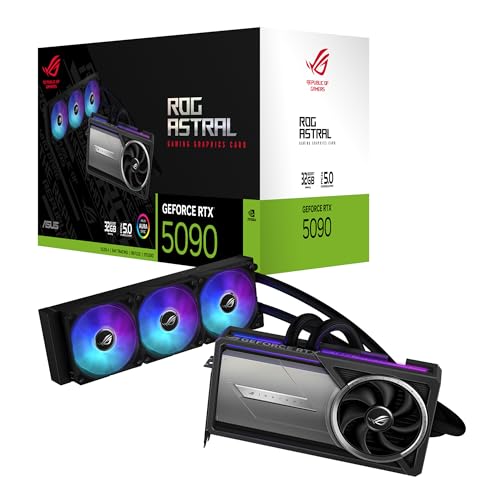
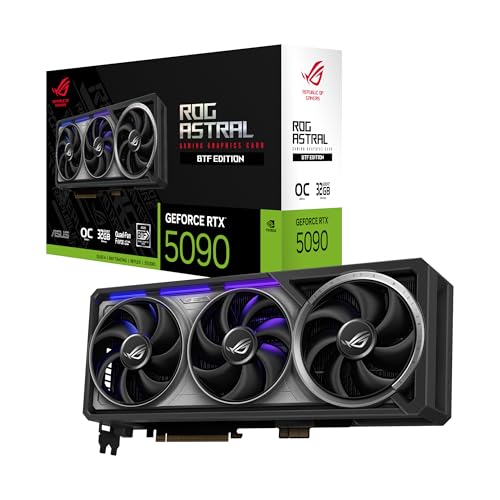
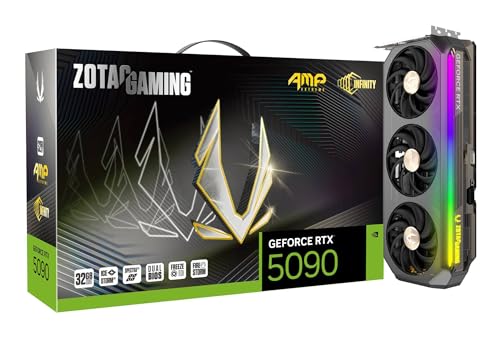
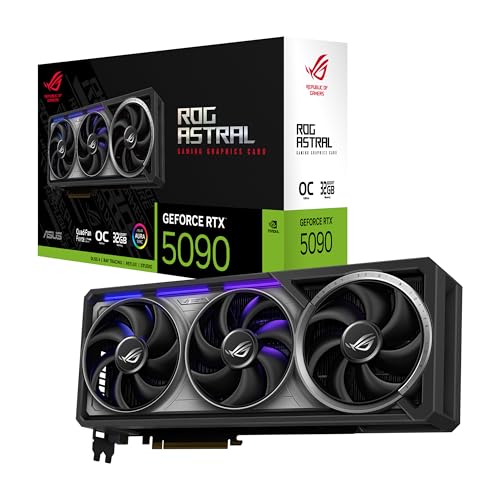
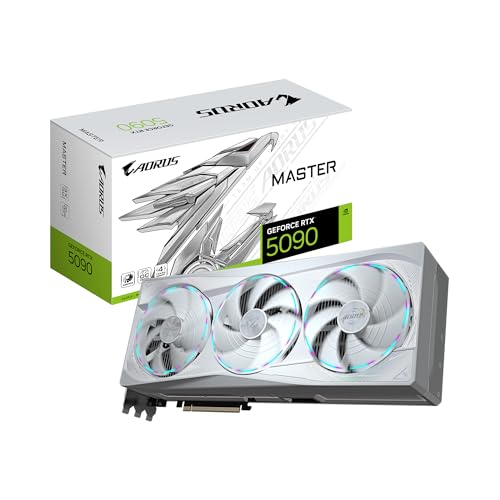
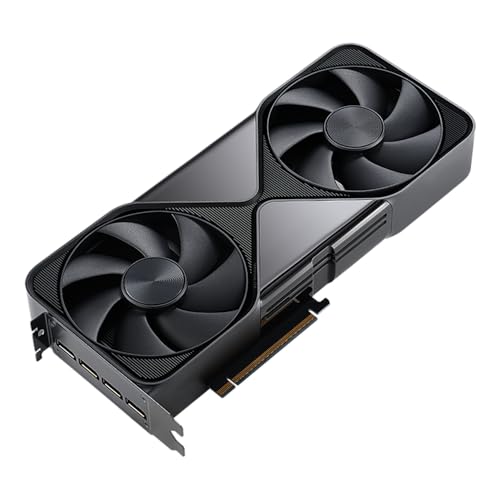
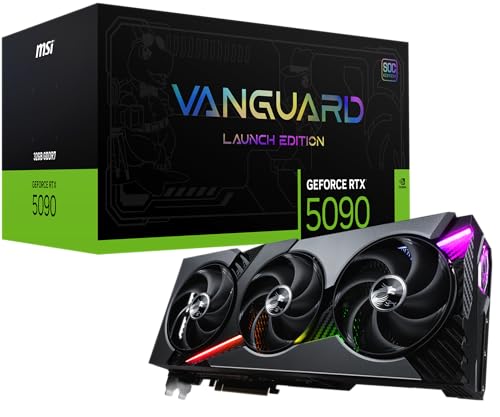
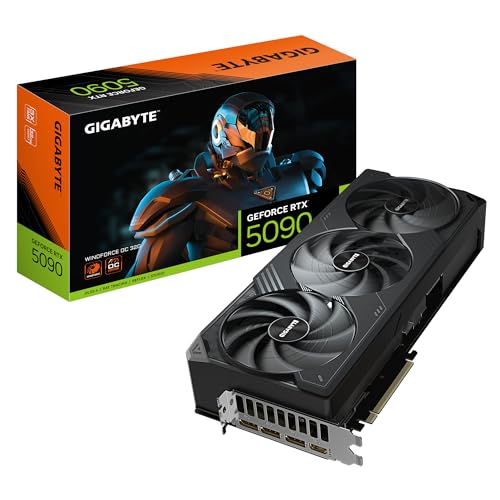
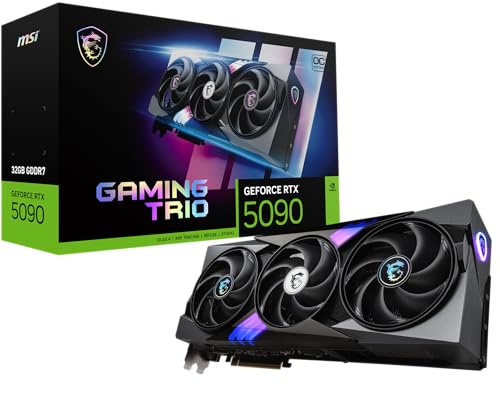
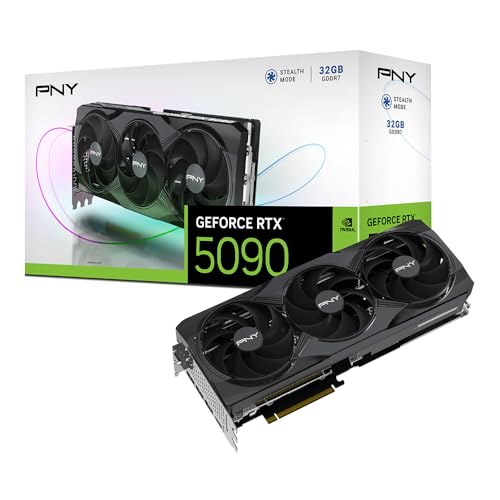
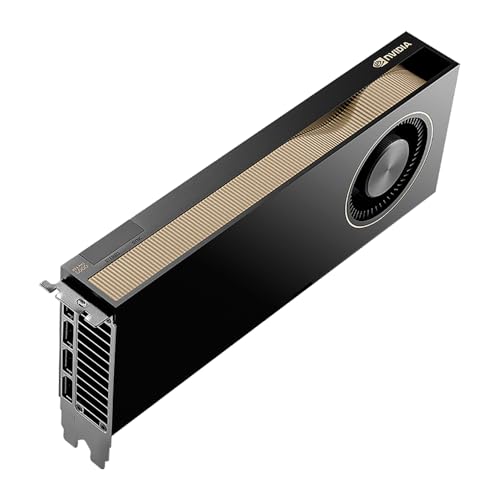
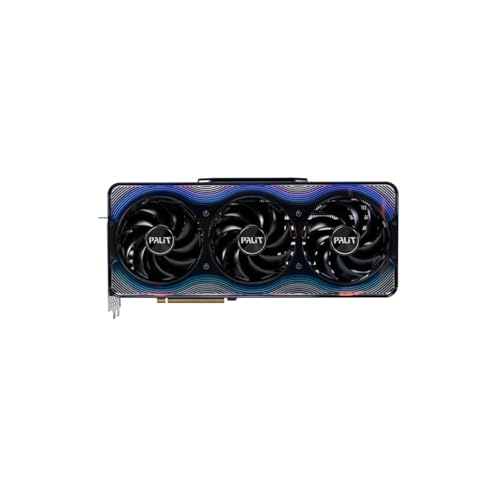
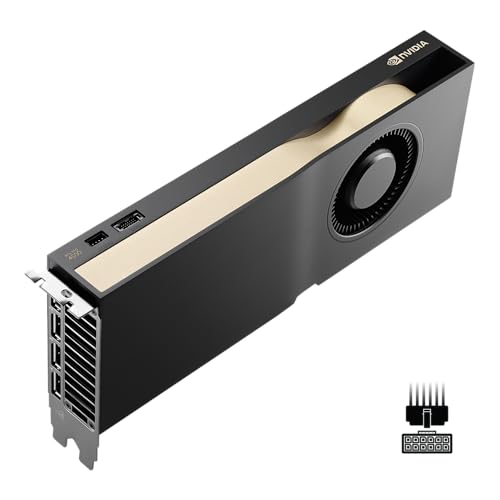
Which brands make the best graphics cards for 4K?
The 4K graphics-card brands with the best average overall scores are as follows.
- INNO3D (Average overall score: 8.5)
- ASUS (Average overall score: 8.3)
- GIGABYTE (Average overall score: 8.2)
The chart below ranks 4K graphics-card brands by average overall score.
[horizontal-chart-06449386334786514720144095254577462269401587064617]
What makes a graphics card good for 4K gaming?
The factors that make a graphics card good for 4K gaming are as follows:
- GPU performance headroom: 4K needs a much stronger GPU foundation than 1080p or 1440p, especially once newer AAA games, heavier effects, or higher refresh targets enter the picture.
- VRAM and memory bandwidth: 12 GB is only the lower edge of serious 4K gaming, while 16 GB and 24 GB cards are usually more comfortable for heavier textures and longer-term use.
- Ray-tracing strength: 4K buyers are more likely to care about heavy visual effects, so ray-tracing performance matters more here than it does in lighter gaming tiers.
- Cooling and power handling: Many real 4K cards live in roughly the 320-600 W range, so the cooler and power setup have to support sustained heavy load cleanly.
- Upscaling support: DLSS, FSR, XeSS, and frame generation are especially valuable at 4K because they can turn a borderline result into a genuinely smooth one.
- Value at the flagship end: A card is only truly good for 4K when the extra spending produces a meaningful improvement in the 4K experience you actually want.
What graphics settings are realistic for 4K gaming?
The graphics settings that are realistic for 4K gaming are the following.
- High settings as the practical baseline: Many good 4K cards can target high settings, but maximum-everything presets are not always the smartest choice.
- Ultra presets with selective cuts: Modern 4K gaming often works best when the heaviest settings are trimmed rather than left untouched.
- Ray tracing used carefully: Ray tracing is realistic at 4K mainly on stronger cards and usually benefits from upscaling or frame generation.
- Texture quality matched to VRAM: Higher texture settings are more realistic on 16 GB, 24 GB, and larger cards than on the minimum 12 GB edge.
- Upscaling as a normal tool: DLSS, FSR, and XeSS are especially relevant at 4K because they can turn an unstable result into a convincingly smooth one.
- Refresh-rate realism: Running 4K at 60 fps is demanding enough, while 4K at 120 fps or more is a much more elite target.
How much do the best 4K graphics cards cost?
The best 4K graphics cards usually cost about £700-£1,700. This is a premium part of the graphics-card market, because modern 4K gaming needs much more GPU headroom than 1080p or lighter 1440p play. Very cheap cards do exist, but they are not where a serious 4K buying decision starts.
Below roughly £690, 4K usually means heavier compromise, older hardware, or limited long-term headroom. Around £700-£1,300, you start to see much stronger cards that can handle 4K more comfortably in modern games. Around £1,300-£1,700, the focus shifts to faster high-end models with more headroom for ray tracing and tougher settings. Above that, you are mostly paying for flagship territory rather than for a normal 4K upgrade.
This chart visualizes 4K graphics-card prices.
[vertical-chart-13117277991492587353080780375583174012584128582947]
What frame rates can 4K graphics cards deliver?
4K graphics cards can deliver anything from roughly 45-60 fps in newer AAA games on lower-end 4K-capable hardware to about 70-120 fps on much stronger cards, with lighter titles and esports games running higher.
At the lower end, many cards are best for selective 4K play around 45-60 fps with some settings cuts or upscaling. The stronger middle and upper part of the market is more comfortable above 60 fps, while true flagship cards are where 4K high-refresh gaming and heavier ray tracing become more believable.
Game choice still changes everything. A card that can sit near 100 fps in a lighter or well-optimized title may fall much closer to 50-70 fps in a newer AAA release at ultra settings, and ray tracing can reduce those numbers sharply unless support features are available.
How demanding is modern 4K gaming?
Modern 4K gaming is the most demanding common gaming target because it pushes raw pixel load, VRAM pressure, and heavy effects harder than lower resolutions do. A practical 4K card usually starts around 12 GB of VRAM and quickly moves into premium GPU territory once ray tracing or higher refresh targets matter.
The resolution asks far more of the card than 1440p or 1080p, and the workload rises quickly in newer AAA games, heavier texture packs, and high-refresh setups. Even cards that can technically run 4K can lose smoothness, image quality, or effect comfort much sooner than buyers expect.
That makes 4K demanding in both a technical and financial sense. It rewards the right high-end GPU more clearly than any lower-resolution target, but it also punishes weak value decisions much faster.
What should you consider while choosing a 4K graphics card?
You should focus on the following factors when choosing a 4K graphics card:
- Real 4K target: 4K 60 fps, 4K 90 fps, and 4K 120 fps are very different goals. Decide early whether you want cinematic high-settings play, balanced 4K with upscaling, or true high-refresh 4K, because each one pulls you into a different GPU class.
- VRAM and bandwidth: 4K is where memory capacity and memory bus width become especially important. 16 GB is a much safer baseline than 8 GB or 12 GB for serious 4K buying, and 24 GB or higher can make sense if you also run heavier creator workloads or want longer-term flagship headroom.
- Ray tracing versus raster focus: 4K ray tracing demands a much stronger card than 4K raster gaming. If ray tracing matters, choose a GPU with enough tier headroom and strong upscaling support, because even expensive cards can struggle if you expect maximum settings without help.
- Upscaling and frame generation: At this resolution, technologies such as DLSS, FSR, and frame generation are not small extras. They can be the difference between a card that feels comfortable at 4K and one that looks strong on paper but feels stressed in newer games.
- Power, size, and cooling: Many real 4K cards live in the 320-600 W range and use very large coolers. That means PSU quality, connector support, case length, slot thickness, and airflow planning all become real purchase filters rather than afterthoughts.
- Price discipline: 4K cards are expensive, but there is still a difference between a balanced premium card and a halo-class flagship. Decide whether you want sensible 4K value or the absolute highest tier, because the gap in price is often much larger than the gap in practical experience for many games.