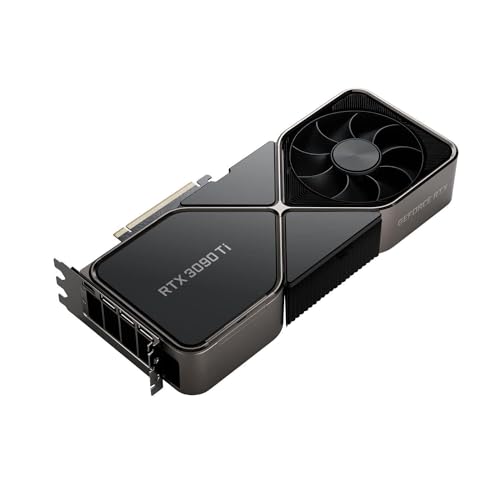
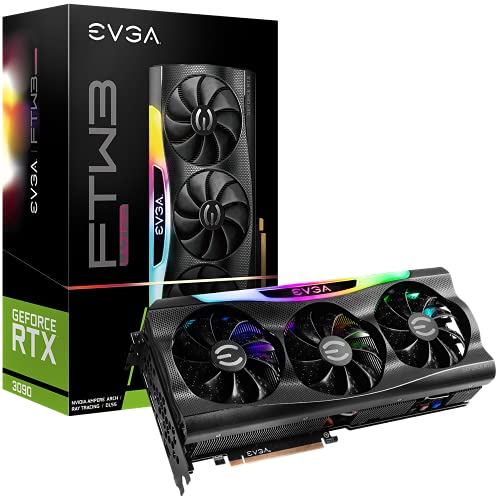
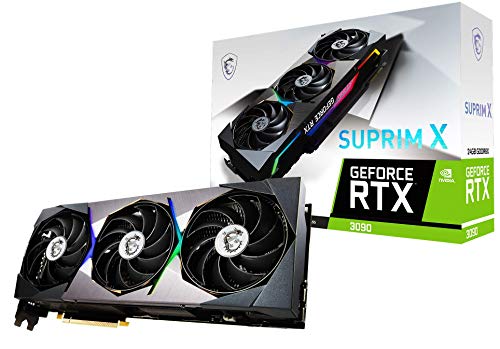
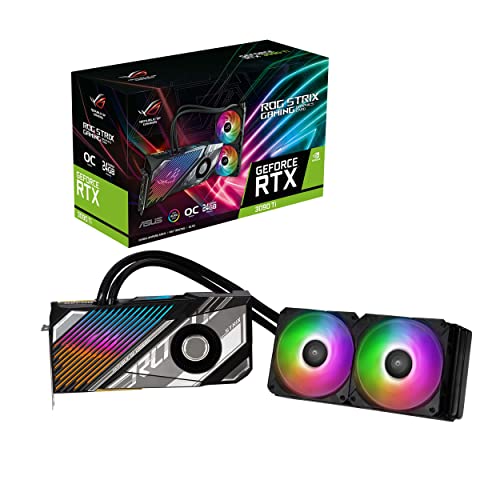
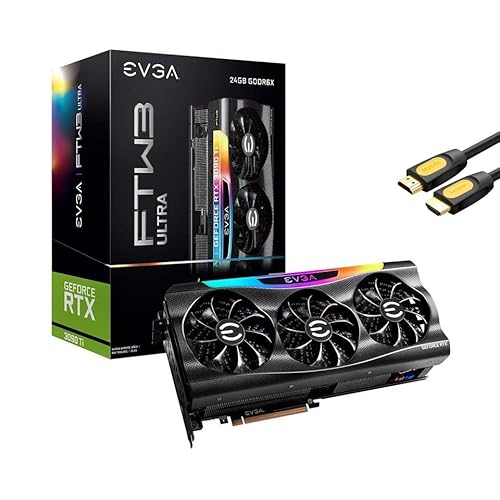
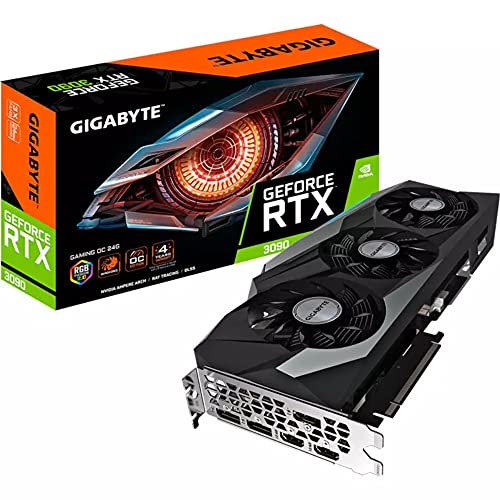
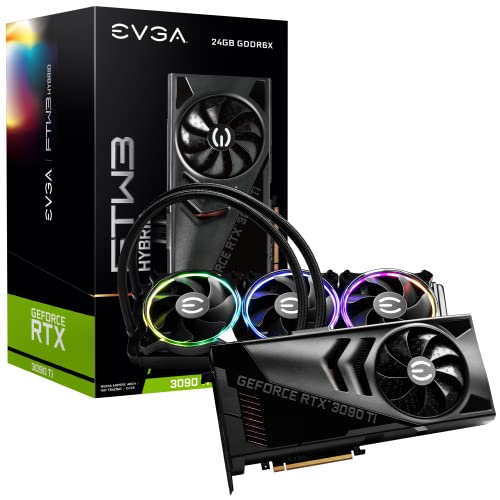
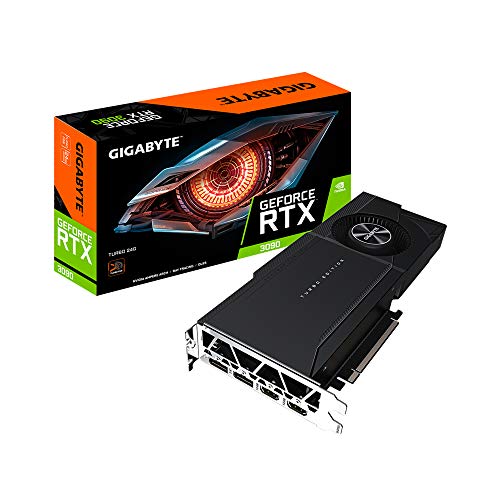
What is the RTX 3090?
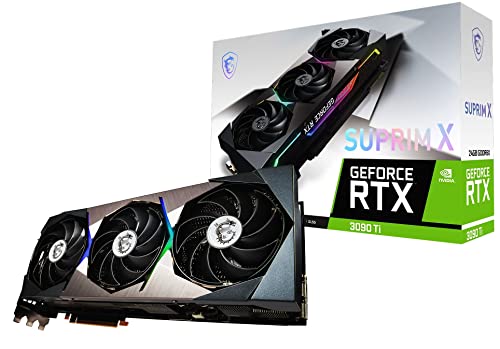
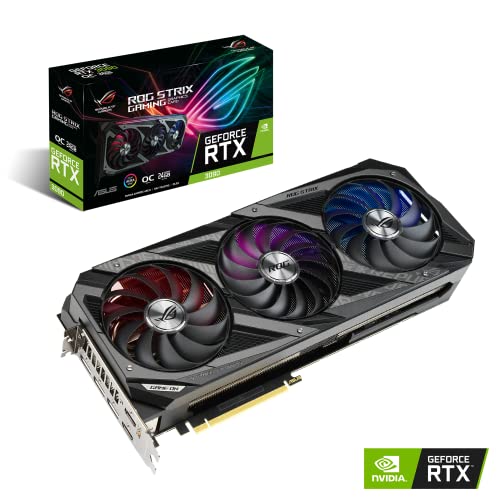
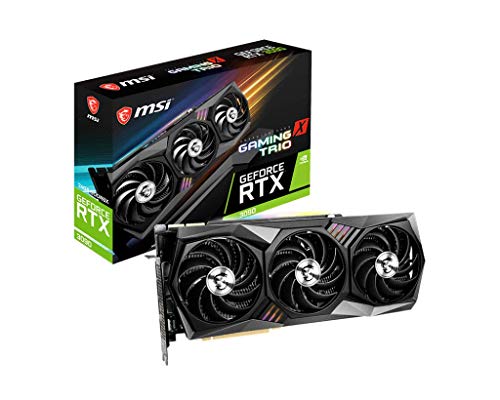
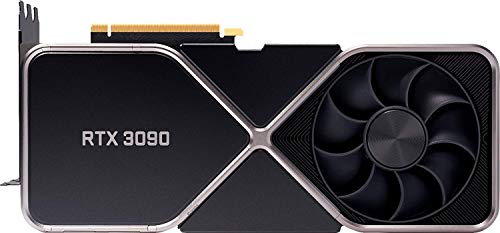
The RTX 3090 is a flagship-class Nvidia GeForce graphics card built on the Ampere architecture for very high-end gaming, creator workloads, and heavy VRAM use. In practical terms, it sits above the ordinary upper-midrange gaming tier and is best understood as a high-power enthusiast card with features such as DLSS, ray tracing, a 384-bit memory bus, and a 24 GB-class memory setup.
That design explains why the RTX 3090 has always appealed to a mixed audience of enthusiasts, 4K gamers, renderers, and compute-heavy users rather than to the average mainstream buyer. It is less about being a sensible all-round budget pick and more about combining old-flagship speed with much more memory headroom than most gaming cards offer.
Who should buy the RTX 3090?
The RTX 3090 is best for buyers who need a GeForce card with very large VRAM, very strong 4K capability, and enough raw hardware for rendering, AI experiments, heavy modding, or other memory-hungry workloads. It is a strong fit when the 24 GB memory pool is the real reason for buying rather than just a nice extra.
It is a weaker fit for buyers who mainly want straightforward gaming performance, lower power draw, or a cleaner price-to-performance story, because the RTX 3090 is still a large old-flagship card with heavy PSU and cooling demands. If your workload will not actually use the big VRAM pool, a different tier is usually easier to justify.
Is the RTX 3090 a good graphics card?
RTX 3090 graphics cards are still good for buyers who specifically need old-flagship Ampere performance and a very large 24 GB VRAM pool, especially for creator, rendering, and local AI workloads.
The main reason to buy an RTX 3090 is the unusually large 24 GB VRAM pool combined with old-flagship Ampere hardware. That combination still matters for rendering, AI-heavy local work, large creative projects, and some 4K gaming setups.
The main caution is that the RTX 3090 is not a clean value card by default. It is large, power-hungry, and old enough that buyer value depends heavily on price, condition, cooler quality, and whether 24 GB of VRAM is actually needed.
The chart below compares RTX 3090 brands by average overall score.
[horizontal-chart-06015381242737743387044653121547315426771634035926]
What are the main advantages of the RTX 3090?
The main advantages of the RTX 3090 are as follows:
- 24 GB of VRAM: The RTX 3090 still stands out because of its 24 GB memory pool. That matters far more for rendering, AI, large scenes, and heavy texture work than for ordinary gaming cards in the same age bracket.
- Very wide memory subsystem: A 384-bit bus and GDDR6X memory give the RTX 3090 the kind of bandwidth that still helps at 4K and in memory-heavy productivity workloads. It behaves more like a small workstation card than a normal gaming step.
- High-end creator and compute value: CUDA acceleration, strong render performance, and wide software support make the RTX 3090 attractive for Blender, video work, local AI use, and other GPU-heavy creative jobs.
- Still strong for 4K raster gaming: Even though it is no longer current generation, the RTX 3090 still delivers serious gaming performance at high resolutions when the rest of the system is equally strong.
- Often more rational for work than for play: For buyers who genuinely need 24 GB, the RTX 3090 can make more sense than gaming-first cards with much smaller memory pools. Its niche is clearer than that of many premium GPUs.
What are the main disadvantages of the RTX 3090?
The RTX 3090 has the following disadvantages:
- Very high power draw: A 3090 build usually belongs in the 350 W to 450 W zone, so heat, power supply quality, and case airflow all become much more serious considerations.
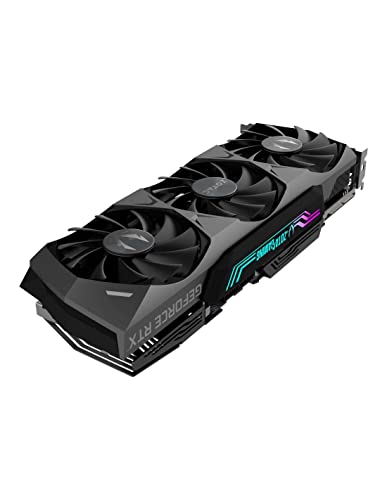
- Huge and heavy designs: Most RTX 3090 partner cards use long triple-fan or oversized cooler layouts. Clearance, GPU support brackets, and case fit can all become part of the buying decision.
- Weaker value for gaming-only buyers: If you do not need 24 GB of memory or heavy creator throughput, the RTX 3090 can be a very expensive way to buy gaming performance that cheaper cards already cover well enough.
- Older feature stack than newer Nvidia tiers: The RTX 3090 does not offer newer Ada and Blackwell-era advantages such as frame generation progression and more modern media behavior. Age matters more here than raw speed alone suggests.
- Used-market wear can be significant: A large share of RTX 3090 cards now lives in the second-hand market, where prior mining use, heat stress, and cooler wear can matter almost as much as the headline model name.
How much does the RTX 3090 cost?
RTX 3090 graphics cards usually cost about £990 to £2,190, with many standard desktop cards sitting closer to roughly £1,100-£1,590.
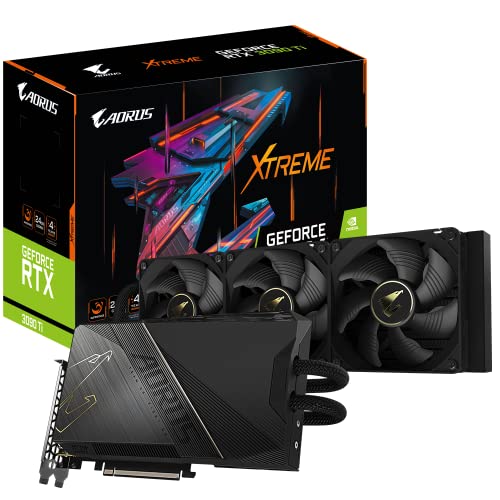
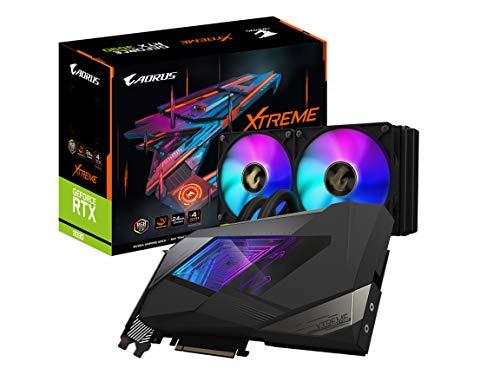
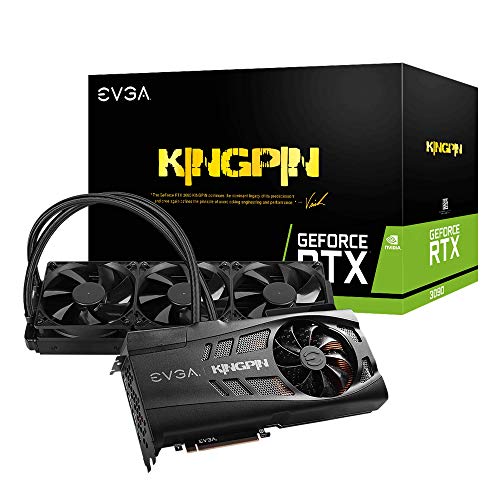
Most of that spread comes from partner cooler size, prestige positioning, and whether the card is a simpler air-cooled model or a more exotic liquid-cooled version. That means the smarter buys are usually the well-cooled cards that keep the 3090's 24 GB value proposition intact without charging so much extra that the old-flagship logic starts to break down.
This chart visualizes RTX 3090 graphics card prices.
[vertical-chart-08020069151095362548014499827609248340651110095673]
How does the RTX 3090 compare with the RTX 3080?
The RTX 3090 sits above the RTX 3080 as the more memory-heavy and more specialized old-flagship option rather than as a simple gaming step up. The biggest technical difference is that RTX 3090 cards usually give you 24 GB of GDDR6X memory on a 384-bit bus, while RTX 3080 cards are normally a 10 GB or 12 GB class.
That difference matters most when the workload can actually use the extra memory and bandwidth. For gaming alone, the gap is often less dramatic than the jump in price, size, and power draw, while creator, rendering, AI, and other VRAM-heavy work can justify the 3090 much more clearly.
The RTX 3090 is the better fit when you need the much larger VRAM ceiling and a more workstation-like GeForce profile. The RTX 3080 is usually the smarter choice when the goal is still high-end gaming but with a cleaner value story and lower overall system burden.
What should you consider while choosing the RTX 3090?
You should consider the following factors when choosing the RTX 3090:
- Workload realism: The RTX 3090 makes the most sense when you actually need the 24 GB VRAM pool for rendering, AI, large scenes, or other memory-heavy tasks. If your use case is mostly ordinary gaming, the premium can become hard to defend.
- VRAM and memory subsystem: A typical RTX 3090 gives you 24 GB of GDDR6X on a 384-bit bus. That is the main reason to choose this tier, so decide first whether your workload truly benefits from that much memory and bandwidth.
- PSU, cooling, and heat planning: Many RTX 3090 cards sit around the 350-450 W class, so PSU quality, airflow, case thermals, and overall heat tolerance matter immediately. This is not a lightweight upgrade tier.
- Card size and physical fit: RTX 3090 partner models are often very long, thick, and heavy. Check case clearance, slot thickness, support brackets, and radiator space on liquid-cooled models before buying.
- Partner cooler quality: A simpler air-cooled 3090, a premium triple-fan card, and a liquid-cooled flagship can all use the same GPU but behave very differently in noise and thermals. Cooler quality matters more here than small factory-clock differences.
- Price discipline against newer options: The RTX 3090 is an old flagship, so price only makes sense when the 24 GB value proposition is still clear. If a specific 3090 drifts too high, compare carefully against newer cards instead of paying mainly for past halo status.