Scored using Graphics cards Methodology v1.0
Graphics cards Methodology v1.0
Mathematical & Unbiased Scoring
Products in this category are scored under Frontum Graphics cards Methodology v1.0: technical specifications plus authentic consumer ratings, with 0% commercial bias.
Explore Graphics cards Methodology v1.0

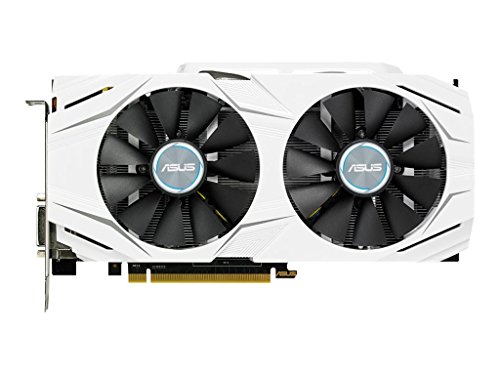
ASUS GeForce Dual RTX 2070 Review | 118 Data compared

Avg. price:~£150VRAM:8 GBMemory bus width:256 bitThermal Design Power (TDP):175 W

ASUS GeForce Dual RTX 2070 Review: Compare 118 technical specifications and user reviews to see how this product ranks in the Graphics cards category and whether it is worth buying.
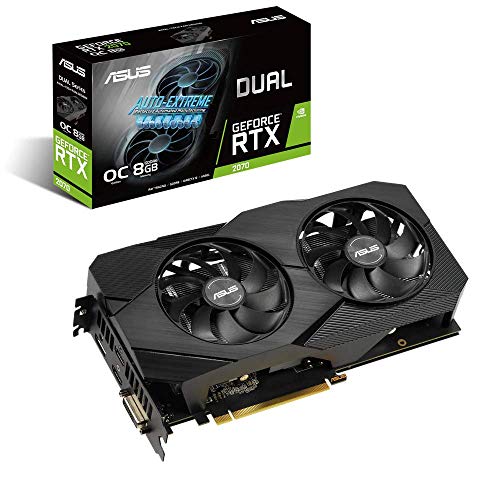
ASUS GeForce Dual RTX 2070
6.5/10

Overall score

Score
6.5/ 10
✕
What it is
An overall evaluation of the graphics card's quality, based on technical analyses and user reviews.
When it matters
When you need a quick reference to identify the best graphics cards on the market.
Score distribution
▼
<55-66-77-88-99-10
Score components

90%

6.2

Technical score

10%

9.5

User score

▼Worse than 64% of graphics cards
7.5

Value for money

Value for money
7.5/ 10
✕
What it is
An indicator that combines the graphics card's overall rating with its cost.
When it matters
When you are looking for a graphics card that offers a strong balance of performance, features, and price.
Score distribution
▼
<55-66-77-88-99-10
Score components

70%

6.5

Overall score

30%

9.7

Price

▲Better than 64%
6.2

Technical score

Technical score
6.2/ 10
✕
What it is
An assessment of technical performance for products in the Graphics cards category across these key areas: Performance, Memory, Platform & Features, Connectivity & Media, Power & Cooling, Design.
When it matters
When you want to compare graphics cards based on technical performance and available features.
Score distribution
▼
<55-66-77-88-99-10
Score components

44%

4.6

Performance

24%

5.6

Memory

12%

8.6

Power & Cooling

11%

8.8

Platform & Features

5%

8.8

Design

4%

8.7

Connectivity & Media

▼Worse than 69%
9.5

User score

User score
9.5/ 10
✕
What it is
A rating that combines user reviews and the total number of reviews received by the graphics card.
When it matters
When you want to understand how a graphics card performs in real use and how reliable it is in terms of performance, temperatures, noise, stability, and long-term ownership.
Score distribution
▼
<55-66-77-88-99-10
Score components

70%

9.2

User ratings

30%

10

Number of reviews

Based on ratings from across the web.
★Better than 97%
  • asus-geforce-dual-rtx-2070
  • asus-geforce-dual-rtx-2070
asus-geforce-dual-rtx-2070
Best prices
*As an Amazon Associate, we earn from qualifying purchases.
Best rankings
Available: ranking among products currently available (including other versions of this product).All: ranking among all products in the database.
Loading...
Loading category ranking...

Technical Specifications of graphics card ASUS GeForce Dual RTX 2070

Technical score
Technical score
6.2/ 10
✕
What it is
An assessment of technical performance for products in the Graphics cards category across these key areas: Performance, Memory, Platform & Features, Connectivity & Media, Power & Cooling, Design.
When it matters
When you want to compare graphics cards based on technical performance and available features.
Score distribution
▼
<55-66-77-88-99-10
Score components:

44%

4.6

Performance

24%

5.6

Memory

12%

8.6

Power & Cooling

11%

8.8

Platform & Features

5%

8.8

Design

4%

8.7

Connectivity & Media

6.2
User score
User score
9.5/ 10
✕
What it is
A rating that combines user reviews and the total number of reviews received by the graphics card.
When it matters
When you want to understand how a graphics card performs in real use and how reliable it is in terms of performance, temperatures, noise, stability, and long-term ownership.
Score distribution
▼
<55-66-77-88-99-10
Score components

70%

9.2

User ratings

30%

10

Number of reviews

Based on ratings from across the web.
9.5
Popularity
Popularity
10/ 10
✕
What it is
An indicator based on the number of reviews received by the graphics card.
When it matters
When you prefer a graphics card that has already been chosen and reviewed by many other users.
Score distribution
▼
<55-66-77-88-99-10
Popularity:
ASUS GeForce Dual RTX 2070 has a popularity score of 10 points, which is higher than that of 91.9% of products in this category.
10
Value for money
Value for money
7.5/ 10
✕
What it is
An indicator that combines the graphics card's overall rating with its cost.
When it matters
When you are looking for a graphics card that offers a strong balance of performance, features, and price.
Score distribution
▼
<55-66-77-88-99-10
Score components:

70%

6.5

Overall score

30%

9.7

Price

7.5
3DMark Time Spy benchmark score
9,500 points
This graphics card scores 9,500 points in 3DMark Time Spy, which is lower than 72.9% of graphics cards and equal to 0.5% of graphics cards.
3DMark Port Royal score
5,330 points
This graphics card scores 5,330 points in 3DMark Port Royal, which is lower than 71.2% of graphics cards.
PassMark (G3D) result
16,065 points
This graphics card scores 16,065 points in PassMark G3D, which is lower than 73.3% of graphics cards.
PassMark (DirectCompute) result
6,391 points
This graphics card scores 6,391 points in PassMark DirectCompute, which is lower than 77.8% of graphics cards.
Floating-point performance
7.46 TFLOPS
This graphics card delivers 7.46 TFLOPS floating-point performance, which is lower than that of 79.6% of graphics cards.
Show more
VRAM
8 GB
This graphics card has 8 GB of VRAM, which is less than 57.5% of graphics cards and equal to 25.1% of graphics cards.
Memory type
GDDR6
GDDR version
GDDR6
This graphics card uses GDDR6 memory, which is newer than on 15.9% of graphics cards and equal to 40.3% of graphics cards.
Memory bus width
256 bit
This graphics card uses a 256 bit memory bus, which is wider than that of 49.7% of graphics cards and equal to that of 35.9% of graphics cards.
Maximum memory bandwidth
448 GB/s
This graphics card reaches 448 GB/s memory bandwidth, which is higher than that of 41.1% of graphics cards and equal to that of 11% of graphics cards.
Show more
PCI Express (PCIe) version
3
This graphics card supports PCIe 3, which is older than on 77.7% of graphics cards and equal to 20.3% of graphics cards.
PCIe lanes
x16
This graphics card uses x16 PCIe lanes, which is more than 23.4% of graphics cards and equal to 76.6% of graphics cards.
DirectX version
12 Ultimate
This graphics card supports DirectX 12 Ultimate, which is more advanced than on 22.6% of graphics cards and equal to 77.4% of graphics cards.
Vulkan version
1.4
This graphics card supports Vulkan 1.4, which is more advanced than on 20.7% of graphics cards and equal to 79.3% of graphics cards.
OpenGL version
4.6
This graphics card supports OpenGL 4.6, which is more advanced than on 1.9% of graphics cards and equal to 98.1% of graphics cards.
Show more
Max displays supported
4
This graphics card supports up to 4 displays, which is more than 8.3% of graphics cards and equal to 88.9% of graphics cards.
Max digital resolution
7680x4320
This graphics card supports a maximum digital resolution of 7680x4320, which is higher than that of 9% of graphics cards and equal to that of 91% of graphics cards.
DisplayPort outputs
3
This graphics card offers 3 DisplayPort outputs, which is more than 21% of graphics cards and equal to 76.8% of graphics cards.
DisplayPort version
1.4
This graphics card supports DisplayPort 1.4, which is older than on 80.6% of graphics cards and equal to 13.3% of graphics cards.
DisplayPort link rates
16.2 Gbps
This graphics card supports DisplayPort link rates up to 16.2 Gbps, which is slower than on 58.4% of graphics cards and equal to 2% of graphics cards.
Show more
Thermal Design Power (TDP)
175 W
This graphics card has a TDP of 175 W, which is lower than that of 62.6% of graphics cards and equal to that of 0.7% of graphics cards.
Power consumption while under peak load
188 W
This graphics card draws 188 W under peak load, which is lower than 59.2% of graphics cards and equal to 0.1% of graphics cards.
Recommended PSU wattage
550 W
This graphics card recommends a 550 W PSU, which is lower than that of 62.2% of graphics cards and equal to that of 13.3% of graphics cards.
Board power limit
269 W
This graphics card has a board power limit of 269 W, which is higher than that of 61.4% of graphics cards.
PCIe power spec
175 W
Show more
Size
267x 118x 58 mm
Length
267 mm
This graphics card is 267 mm long, which is shorter than 59.7% of graphics cards and equal in length to 3.5% of graphics cards.
Height
113.54 mm
This graphics card is 113.54 mm tall, which is shorter than 75.4% of graphics cards.
Slot width
2 slot/s
This graphics card occupies 2 slot/s, which is slimmer than 53.4% of graphics cards and equal in width to 42.5% of graphics cards.
Weight
1,350 g
This graphics card weighs 1,350 g, which is heavier than 66.7% of graphics cards and equal in weight to 0.2% of graphics cards.
Show more

ASUS GeForce Dual RTX 2070 vs the average graphics card

246810TotalPerformanceMemoryPlatform & FeaturesConnectivity & MediaPower & CoolingDesign
  • 144 more AI cores
    This graphics card has more AI cores than the average graphics card (288 vs 144). The average graphics card has 144 AI cores.
    288 vs 144
  • 0.5 slot/s slimmer design
    This graphics card occupies fewer slots than the average graphics card (2 slot/s vs 2.5 slot/s). The average graphics card occupies 2.5 slot/s.
    2 slot/s vs 2.5 slot/s
  • 18.4% higher user score
    User score
    9.5/ 10
    ✕
    What it is
    A rating that combines user reviews and the total number of reviews received by the graphics card.
    When it matters
    When you want to understand how a graphics card performs in real use and how reliable it is in terms of performance, temperatures, noise, stability, and long-term ownership.
    Score distribution
    ▼
    ▼
    <55-66-77-88-99-10
    ASUS GeForce Dual RTX 2070
    the average graphics card
    ASUS GeForce Dual RTX 2070 has a higher user score than the average graphics card (9.47 vs 8.000).
    9.47 vs 8
  • 15.4% lower PSU requirement
    This graphics card has a lower PSU requirement than the average graphics card (550 W vs 650 W). The average graphics card has a PSU requirement of 650 W.
    550 W vs 650 W
  • 11.46 mm lower card height
    This graphics card is shorter than the average graphics card (113.5 mm vs 125 mm). The average graphics card has a height of 125 mm.
    113.54 mm vs 125 mm
  • 1 more DVI outputs
    This graphics card has more DVI outputs than the average graphics card (1 vs 0). The average graphics card has 0 DVI outputs.
    1 vs 0
  • 7 °C higher thermal ceiling
    This graphics card has a higher thermal ceiling than the average graphics card (88 °C vs 95 °C). The average graphics card has a thermal ceiling of 95 °C.
    88 °C vs 95 °C
  • 18.6% lower TDP
    This graphics card has a lower TDP than the average graphics card (175 W vs 215 W). The average graphics card has a TDP of 215 W.
    175 W vs 215 W
  • 18.4% higher user score
    User score
    9.5/ 10
    ✕
    What it is
    A rating that combines user reviews and the total number of reviews received by the graphics card.
    When it matters
    When you want to understand how a graphics card performs in real use and how reliable it is in terms of performance, temperatures, noise, stability, and long-term ownership.
    Score distribution
    ▼
    ▼
    <55-66-77-88-99-10
    ASUS GeForce Dual RTX 2070
    the average graphics card
    ASUS GeForce Dual RTX 2070 has a higher user score than the average graphics card (9.47 vs 8.000).
    9.47 vs 8
  • 3.53x cheaper
    ASUS GeForce Dual RTX 2070 is cheaper than the average graphics card (£150 vs £530).
    £150 vs £530
  • 2.37x more popular
    ASUS GeForce Dual RTX 2070 is more popular than the average graphics card (10 vs 4.2).
    10 vs 4.22
  • 144 more AI cores
    This graphics card has more AI cores than the average graphics card (288 vs 144). The average graphics card has 144 AI cores.
    288 vs 144
  • 1 more DVI outputs
    This graphics card has more DVI outputs than the average graphics card (1 vs 0). The average graphics card has 0 DVI outputs.
    1 vs 0
  • 15.4% lower PSU requirement
    This graphics card has a lower PSU requirement than the average graphics card (550 W vs 650 W). The average graphics card has a PSU requirement of 650 W.
    550 W vs 650 W
  • 18.6% lower TDP
    This graphics card has a lower TDP than the average graphics card (175 W vs 215 W). The average graphics card has a TDP of 215 W.
    175 W vs 215 W
  • 7 °C higher thermal ceiling
    This graphics card has a higher thermal ceiling than the average graphics card (88 °C vs 95 °C). The average graphics card has a thermal ceiling of 95 °C.
    88 °C vs 95 °C
  • 7 °C lower idle temperature
    This graphics card has a lower idle temperature than the average graphics card (30 °C vs 37 °C). The average graphics card has an idle temperature of 37 °C.
    30 °C vs 37 °C
  • 0.5 slot/s slimmer design
    This graphics card occupies fewer slots than the average graphics card (2 slot/s vs 2.5 slot/s). The average graphics card occupies 2.5 slot/s.
    2 slot/s vs 2.5 slot/s
  • 11.46 mm lower card height
    This graphics card is shorter than the average graphics card (113.5 mm vs 125 mm). The average graphics card has a height of 125 mm.
    113.54 mm vs 125 mm
  • 35.3% lower boost clock speed
    This graphics card has a lower boost GPU clock than the average graphics card (1620 MHz vs 2505 MHz). The average graphics card has a boost GPU clock of 2505 MHz.
    1,620 MHz vs 2,505 MHz
  • 4 GB less VRAM
    This graphics card has fewer VRAM than the average graphics card (8 GB vs 12 GB). The average graphics card has 12 GB VRAM.
    8 GB vs 12 GB
  • 2.4x larger process node
    This graphics card has a higher process node than the average graphics card (12 nm vs 5 nm). The average graphics card uses a process node of 5 nm.
    12 nm vs 5 nm
  • 1 fewer fans
    This graphics card has fewer fans than the average graphics card (2 vs 3).
    2 vs 3
  • 26.6% lower base clock speed
    This graphics card has a lower base GPU clock than the average graphics card (1410 MHz vs 1920 MHz). The average graphics card has a base GPU clock of 1920 MHz.
    1,410 MHz vs 1,920 MHz
  • 47.6% lower texture rate
    This graphics card has a lower texture rate than the average graphics card (199.7 GTexel/s vs 381.2 GTexel/s). The average graphics card has a texture rate of 381.2 GTexel/s.
    199.7 GTexel/s vs 381.2 GTexel/s
  • 26.3% slower memory speed
    This graphics card has a lower effective memory speed than the average graphics card (14000 MHz vs 19000 MHz). The average graphics card reaches an effective memory speed of 19000 MHz.
    14,000 MHz vs 19,000 MHz
  • 36.5% lower pixel rate
    This graphics card has a lower pixel rate than the average graphics card (103.7 GPixel/s vs 163.2 GPixel/s). The average graphics card has a pixel rate of 163.2 GPixel/s.
    103.7 GPixel/s vs 163.2 GPixel/s
  • 35.3% lower boost clock speed
    This graphics card has a lower boost GPU clock than the average graphics card (1620 MHz vs 2505 MHz). The average graphics card has a boost GPU clock of 2505 MHz.
    1,620 MHz vs 2,505 MHz
  • 26.6% lower base clock speed
    This graphics card has a lower base GPU clock than the average graphics card (1410 MHz vs 1920 MHz). The average graphics card has a base GPU clock of 1920 MHz.
    1,410 MHz vs 1,920 MHz
  • 47.6% lower texture rate
    This graphics card has a lower texture rate than the average graphics card (199.7 GTexel/s vs 381.2 GTexel/s). The average graphics card has a texture rate of 381.2 GTexel/s.
    199.7 GTexel/s vs 381.2 GTexel/s
  • 36.5% lower pixel rate
    This graphics card has a lower pixel rate than the average graphics card (103.7 GPixel/s vs 163.2 GPixel/s). The average graphics card has a pixel rate of 163.2 GPixel/s.
    103.7 GPixel/s vs 163.2 GPixel/s
  • 66.9% lower FP32 performance
    This graphics card has a lower FP32 performance than the average graphics card (7.5 TFLOPS vs 22.57 TFLOPS). The average graphics card has FP32 performance of 22.57 TFLOPS.
    7.46 TFLOPS vs 22.57 TFLOPS
  • 40 fewer TMUs
    This graphics card has fewer TMUs than the average graphics card (144 vs 184). The average graphics card has 184 TMUs.
    144 vs 184
  • 29.1% lower PassMark score
    This graphics card has a lower PassMark score than the average graphics card (16065 points vs 22653 points). The average graphics card has a PassMark score of 22653 points.
    16,065 points vs 22,653 points
  • 4 fewer compute units
    This graphics card has fewer compute units than the average graphics card (36 vs 40). The average graphics card has 40 compute units.
    36 vs 40
  • 35.3% lower gaming score
    This graphics card has a lower gaming score than the average graphics card (9500 points vs 14678.5 points). The average graphics card has a gaming score of 14678.5 points.
    9,500 points vs 14,678.5 points
  • 41.9% lower ray tracing score
    This graphics card has a lower ray tracing score than the average graphics card (5330 points vs 9166 points). The average graphics card has a ray tracing score of 9166 points.
    5,330 points vs 9,166 points
  • 4 fewer ray tracing cores
    This graphics card has fewer ray tracing cores than the average graphics card (36 vs 40). The average graphics card has 40 ray tracing cores.
    36 vs 40
  • 67.5% lower compute throughput
    This graphics card has a lower compute throughput than the average graphics card (7.5 TFLOPS vs 22.98 TFLOPS). The average graphics card has compute throughput of 22.98 TFLOPS.
    7.46 TFLOPS vs 22.98 TFLOPS
  • 47.1% lower compute score
    This graphics card has a lower compute score than the average graphics card (6391 points vs 12074 points). The average graphics card has a compute score of 12074 points.
    6,391 points vs 12,074 points
  • 52.1% lower FP64 performance
    This graphics card has a lower FP64 performance than the average graphics card (0.2 TFLOPS vs 0.48 TFLOPS). The average graphics card has FP64 performance of 0.48 TFLOPS.
    0.23 TFLOPS vs 0.48 TFLOPS
  • 4 GB less VRAM
    This graphics card has fewer VRAM than the average graphics card (8 GB vs 12 GB). The average graphics card has 12 GB VRAM.
    8 GB vs 12 GB
  • 26.3% slower memory speed
    This graphics card has a lower effective memory speed than the average graphics card (14000 MHz vs 19000 MHz). The average graphics card reaches an effective memory speed of 19000 MHz.
    14,000 MHz vs 19,000 MHz
  • 83.3% smaller L2 cache
    This graphics card has fewer L2 cache than the average graphics card (4 MB vs 24 MB). The average graphics card has 24 MB L2 cache.
    4 MB vs 24 MB
  • 50% smaller L1 cache
    This graphics card has fewer L1 cache than the average graphics card (64 vs 128). The average graphics card has 128 L1 cache.
    64 vs 128
  • 2.4x larger process node
    This graphics card has a higher process node than the average graphics card (12 nm vs 5 nm). The average graphics card uses a process node of 5 nm.
    12 nm vs 5 nm
  • Older PCIe version
    This graphics card supports an older PCIe version than the average graphics card (3 vs 4).
    3.0 vs 4.0
  • 5 older
    This graphics card was released earlier than the average graphics card (2018 vs 2023).
    October 2018
    2,018 vs 2,023
  • Worse SAM support
    This graphics card offers worse SAM support than the average graphics card (no vs yes).
  • Lower VRS tier
    This graphics card supports a lower VRS tier than the average graphics card (Tier 1 vs Tier 2).
    Tier 1 vs Tier 2
  • Older encoder generation
    This graphics card uses an older encoder generation than the average graphics card (6 vs 8). The average graphics card uses encoder generation 8.
    6 vs 8
  • 50.8% larger GPU die
    This graphics card has a higher GPU die size than the average graphics card (445 mm² vs 295 mm²). The average graphics card has a GPU die size of 295 mm².
    445 mm² vs 295 mm²
  • 52.8% fewer transistors
    This graphics card has fewer transistors than the average graphics card (10800 million vs 22900 million). The average graphics card has 22900 million transistors.
    10,800 million vs 22,900 million
  • No AV1 encoding
    This graphics card does not support AV1 encoding, the average graphics card does.
    No vs yes
  • No AV1 decoding
    This graphics card does not support AV1 decoding, the average graphics card does.
    No vs yes
  • Narrower encode codec support
    This graphics card supports narrower hardware encode codec support than the average graphics card (H.264/H.265 vs H.264/H.265/AV1/VP9).
    H.264/H.265 vs H.264/H.265/AV1/VP9
  • Older DisplayPort version
    This graphics card supports an older DisplayPort version than the average graphics card (1.4 vs 1.4a).
    1.4 vs 1.4a
  • Older HDMI version
    This graphics card supports an older HDMI version than the average graphics card (2.0b vs 2.1).
    2.0b vs 2.1
  • Older HDCP version
    This graphics card supports an older HDCP version than the average graphics card (2.2 vs 2.3).
    2.2 vs 2.3
  • 1 fewer fans
    This graphics card has fewer fans than the average graphics card (2 vs 3).
    2 vs 3
  • 6.9 dB noisier under load
    This graphics card has a higher load noise level than the average graphics card (42.3 dB vs 35.4 dB). The average graphics card has a load noise level of 35.4 dB.
    42.3 dB vs 35.4 dB
  • 19.6% higher board power limit
    This graphics card has a higher board power limit than the average graphics card (269 W vs 225 W). The average graphics card has a board power limit of 225 W.
    269 W vs 225 W
  • No RGB lighting
    This graphics card does not include RGB lighting, the average graphics card does.

Video reviews

Hands-on testing, unboxing, and real-world video evaluations

Expert reviews

In-depth analysis and verdict from leading tech publications

T
thefpsreview.com
27/04/2020
Summary of the review
G
gamestar.de
13/12/2018
Summary of the review

Third-party reviews

Based on ratings from across the web.
Reviews last updated: June 2026 · How we calculate this

What we like about ASUS GeForce Dual RTX 2070

  • Excellent 1080p and 1440p gaming performance, often exceeding the previous generation GTX 1080
  • Compact and neutral aesthetic with a sturdy metal backplate suitable for various builds
  • Relatively quiet operation under medium loads
  • Stays cool under load, with temperatures often reported in the 55-70°C range
  • Supports modern technologies like Ray Tracing and DLSS for future-proofing
  • Great value-for-money compared to higher-tier RTX 2080 cards

What we don't like about ASUS GeForce Dual RTX 2070

  • Fan 'clicking' noise reported by some users when the 0dB mode repeatedly toggles on and off at idle
  • Packaging can be underwhelming, sometimes lacking anti-static bags or sufficient padding
  • Limited overclocking headroom due to factory limits on the Turing architecture
  • Heatsink on some 'V2' models is shorter and can lead to higher noise levels under extreme loads
  • Ray tracing performance is a 'gimmick' for some, as it significantly impacts frame rates at higher resolutions
  • Connectivity is basic, often offering fewer DisplayPort options than premium models

Verdict

The Asus GeForce Dual RTX 2070 is a high-performance graphics card built on the NVIDIA Turing architecture, featuring 2304 CUDA cores, 8GB of GDDR6 memory on a 256-bit bus, and a boost clock speed reaching up to 1740 MHz in OC mode. Its main characteristics include an efficient dual-fan Axial-tech cooling system with IP5X dust resistance and a 2.7-slot design that maximizes heatsink surface area for superior thermal management. Key pros include robust 1440p and 4K gaming performance, real-time ray tracing support, and exceptionally quiet operation thanks to 0dB technology that stops fans during light loads. However, notable cons include its relatively large physical footprint that may not fit in smaller cases and the lack of NVLink support for multi-GPU configurations.

Compare ASUS GeForce Dual RTX 2070 with other products in the Graphics cards category

1Product to compare no. 1
VS
2Product to compare no. 2
VS
3Product to compare no. 3 (optional)

Graphic comparison of ASUS GeForce Dual RTX 2070 and other products in the Graphics cards category

No results found