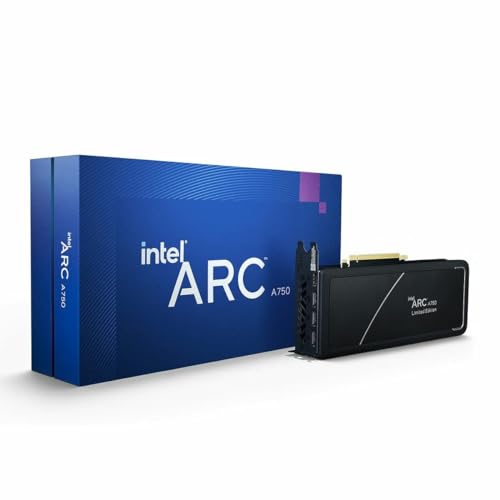
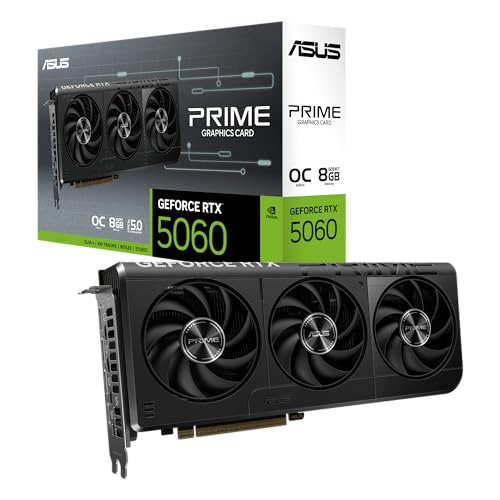
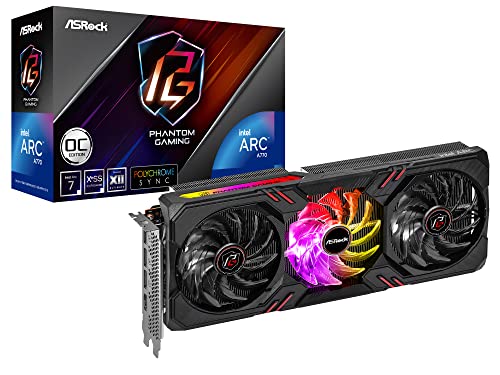
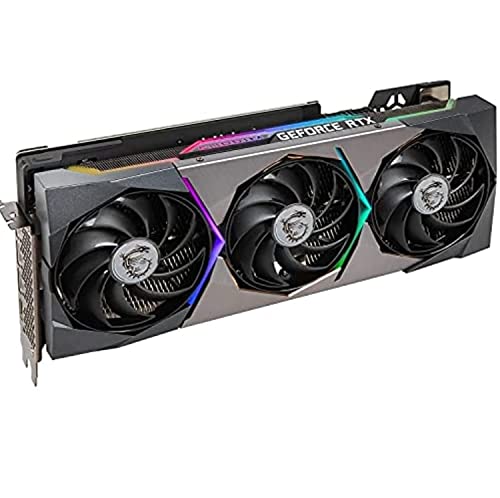
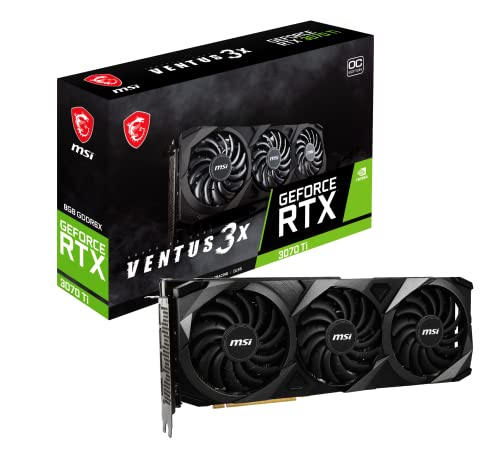
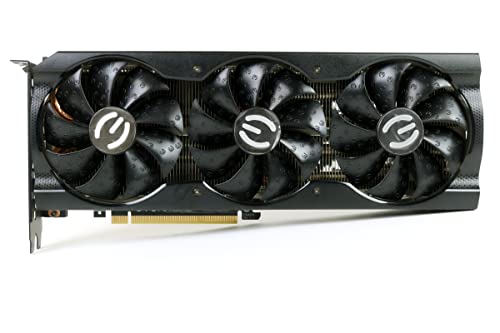
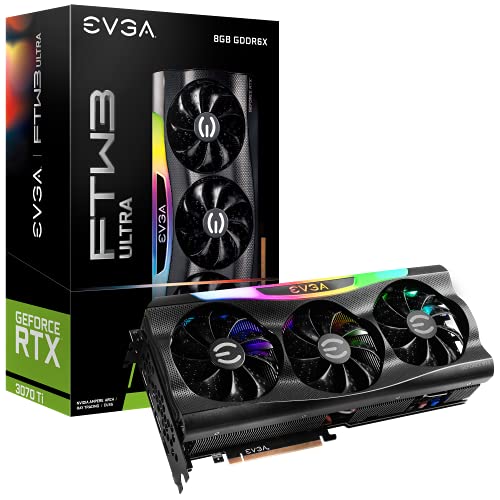
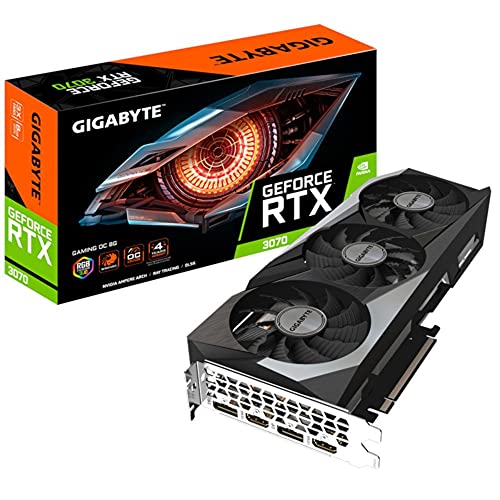
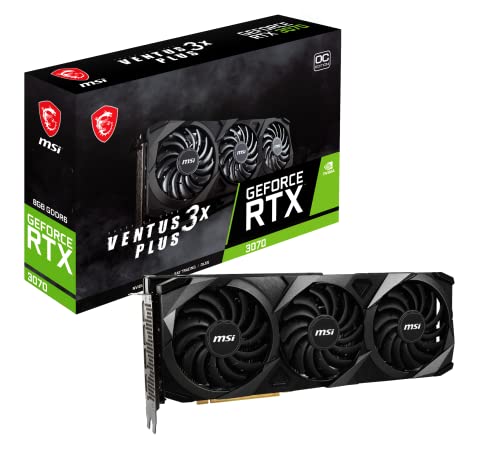
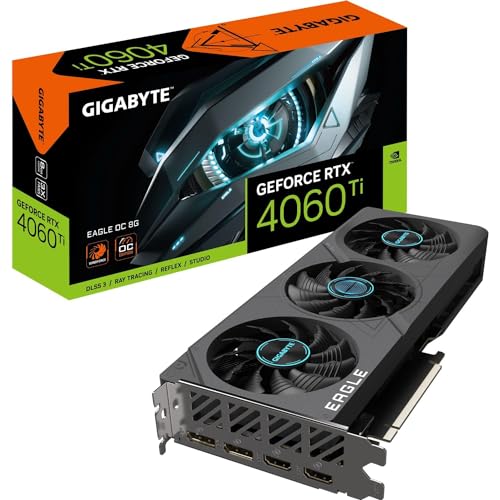
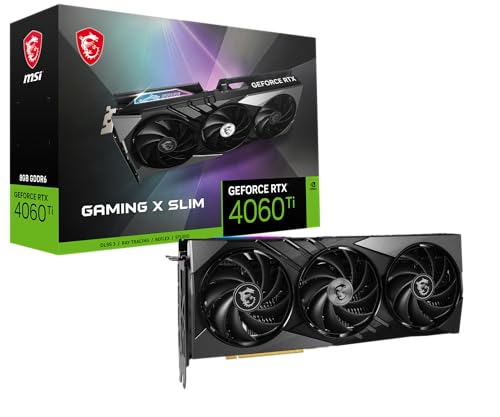
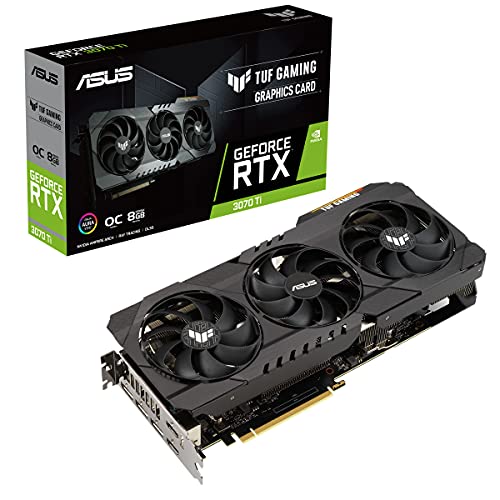
Which brands make the best 8 GB graphics cards?
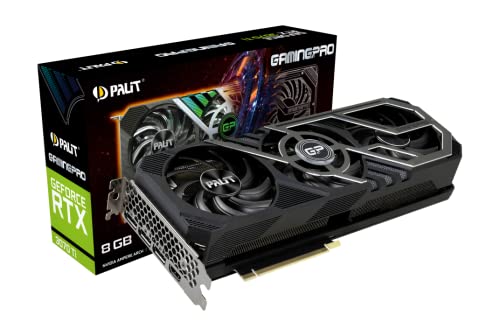
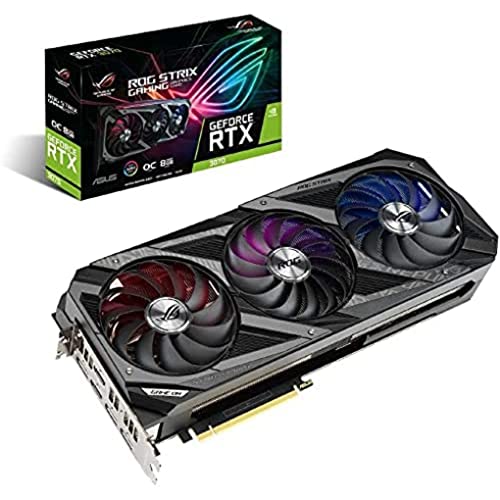
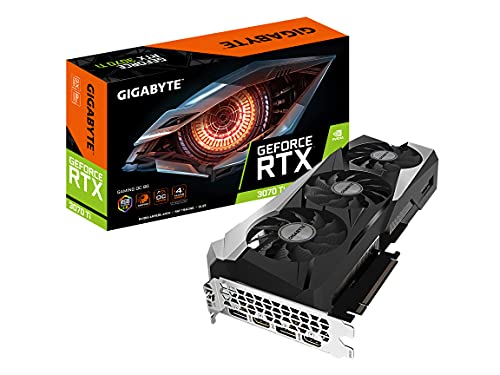
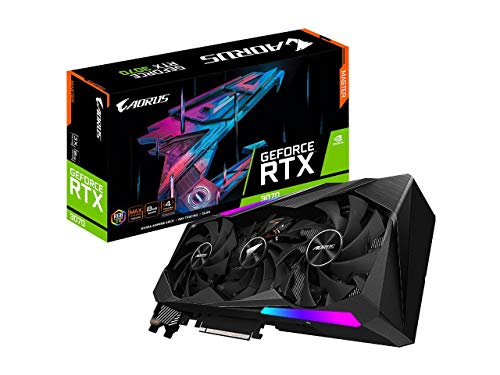
The 8 GB graphics-card brands with the best average overall scores are as follows.
- GIGABYTE (Average overall score: 6.5)
- MSI (Average overall score: 6.4)
- ASUS (Average overall score: 6.4)
The chart below compares how the main 8 GB graphics card brands perform on average by overall score.
[horizontal-chart-03071983265398762504091191095657254982542735649527]
What does 8 GB mean on a graphics card?
8 GB on a graphics card means the card has 8 gigabytes of dedicated video memory, also called VRAM, to store textures, frame buffers, and other graphics data while games or creative apps are running. That amount is usually enough for mainstream gaming today, especially at 1080p and many 1440p workloads, but it does not tell you everything about real performance because the GPU chip itself still matters more.
8 GB VRAM mainly affects how comfortably a card handles higher-resolution textures, heavier visual settings, and newer games that stream more data into memory. If the GPU is too weak, 8 GB alone will not turn it into a fast card, while a stronger GPU with the same 8 GB can feel much more capable in practice.
What games and settings suit 8 GB graphics cards?
8 GB graphics cards suit 1080p high settings very well in many games, and the stronger models can also handle 1440p at sensible quality targets. This memory tier spans both older value cards and genuinely strong mainstream GPUs, so the results depend heavily on the class of GPU behind the 8 GB label.
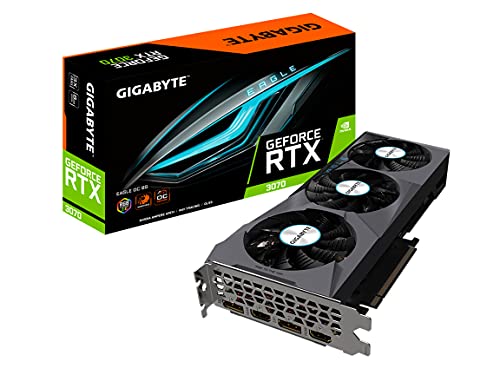
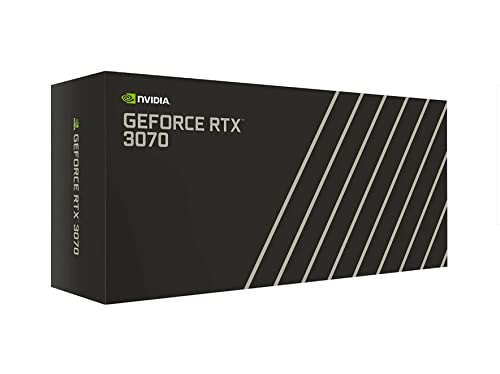
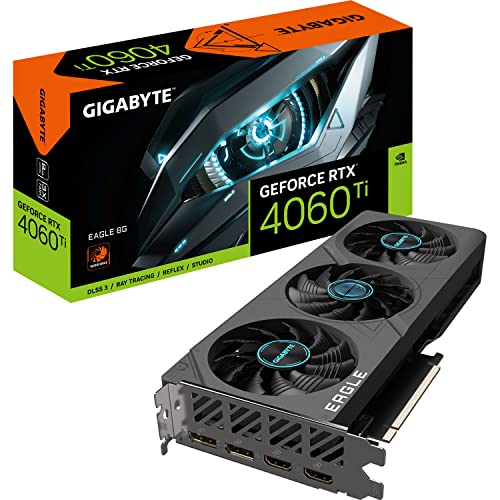
Slower 8 GB cards may need medium settings, selective texture cuts, or upscaling in demanding newer titles. Faster 8 GB cards such as RTX 3060 Ti, RTX 3070, RTX 4060 Ti 8 GB, and similar-level options are much more comfortable at high settings and can even support lighter ray tracing when the architecture is strong enough.
How much do the best 8 GB graphics cards cost?
The best 8 GB graphics cards usually cost about £220-£600, although the broader 8 GB market runs from roughly £100 to £1,700. That is because 8 GB covers both older value cards and much stronger newer models, so the memory number alone does not tell you how expensive or capable the card really is.
Around £100-£220, you are usually looking at older or simpler 8 GB cards. Around £220-£390, many of the more sensible mainstream 8 GB options start to appear for 1080p and lighter 1440p use. Around £400-£600, you are more often paying for a stronger GPU, better cooling, and a more comfortable performance tier rather than just paying for the 8 GB label itself.
This chart visualizes 8 GB graphics card prices.
[vertical-chart-10218375517516396361099355728923099591671551028685]
What resolutions are 8 GB graphics cards best for?
8 GB graphics cards are best for 1080p and are often still comfortable at 1440p if the GPU itself is strong enough. That memory capacity is usually enough to avoid immediate texture-pressure problems at those resolutions, but 4K gaming is much less consistent because 8 GB can become restrictive faster once texture quality, ray tracing, and heavier modern games start pushing memory use upward.
Resolution choice depends on the whole card, not just the VRAM label. An older RX 580 8 GB and a much stronger RTX 3070 8 GB both meet the same memory target, yet they belong to very different real-world performance classes, so the right resolution should be based on the GPU tier first and the VRAM size second.
How long will 8 GB VRAM stay relevant?
8 GB VRAM will stay relevant for a while in mainstream gaming, especially for 1080p and balanced 1440p use, but it is no longer generous enough to ignore future game demands. It remains a workable target for many current cards, yet newer AAA titles are increasingly able to expose the difference between 8 GB and larger memory buffers when texture settings, mods, ray tracing, or high-resolution assets are pushed hard.
Long-term relevance depends on how demanding your games are and how much visual compromise you accept. If you mostly play esports titles, older games, or modern games with sensible settings, 8 GB can still last well. If you want maximum textures, more demanding ray tracing, or stronger 1440p-to-4K headroom, 8 GB will age faster than 12 GB or 16 GB alternatives.
What should you consider while choosing an 8 GB graphics card?
You should focus on the following factors when choosing an 8 GB graphics card:
- GPU class: 8 GB appears on very different cards, from older RX 580-class hardware to much stronger RTX 3070- or RTX 4060 Ti 8 GB-level models. The memory number alone does not tell you whether the card has enough raster speed, ray-tracing ability, or shader performance for your games.
- Resolution: 8 GB is still a sensible fit for strong 1080p gaming. At 1440p it becomes much more dependent on the GPU tier, and at 4K it is usually a compromise unless the games are lighter or upscaling does part of the work.
- Memory bus: An 8 GB card on a 128-bit bus can behave very differently from an 8 GB card on a 256-bit bus. Bus width, bandwidth, cache design, and memory speed all affect whether textures and higher settings feel comfortable or restricted.
- Features: Some 8 GB cards support AV1, stronger upscaling, newer encoders, and better media engines, while older 8 GB cards may offer acceptable raw speed but much weaker platform support. Check the architecture generation, not just the VRAM size.
- Power and cooling: Many 8 GB cards are easy to power, but stronger versions can still run hot enough that cooler quality, hotspot temperature, and fan noise matter. A smaller 8 GB card is not automatically a quiet or low-power one.
- Workload: 8 GB can still work well for balanced 1080p gaming, but heavier texture packs, larger open-world games, ray tracing, and modded titles can push it much harder. Match the card to the actual game load, not just to the memory number.