Are Asus graphics cards good?
Asus graphics cards have an average overall score of 8.7, ranking #3 among comparable graphics card brands, and a user rating of 9.3, placing them at #4 in user reviews.
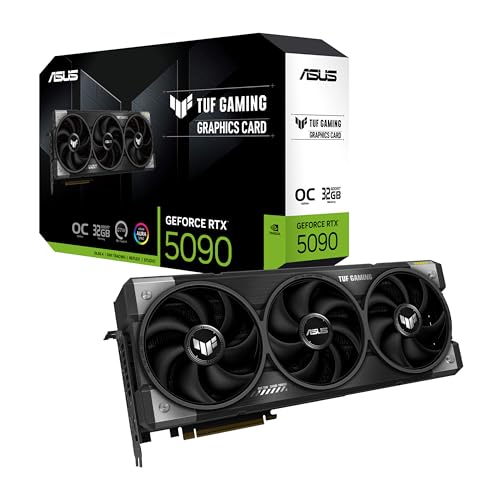
Asus is especially attractive when the buyer wants wide series choice, strong cooler reputation, and coverage that runs from simpler Dual cards up through TUF Gaming, ProArt, and premium ROG Strix models.
The main caution is that Asus pricing can climb quickly, especially in the brand's better-known premium series. That is why the best Asus card depends not only on the GPU itself, but also on whether the Asus version is actually priced sensibly against competing partner cards.
What are the main advantages of Asus graphics cards?
The main advantages of Asus graphics cards are as follows:
- Excellent lineup depth: Asus covers cheap older upgrades, mainstream gaming cards, premium enthusiast products, and creator-oriented branches such as ProArt. That gives buyers much more room to shop inside one board-partner ecosystem than they get with smaller brands.
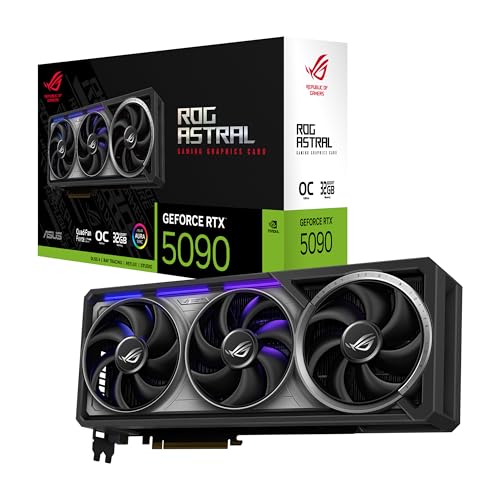
- Strong cooler reputation on upper tiers: TUF Gaming and ROG Strix are among the most recognized premium cooler families in the market. For buyers who care about lower noise, stronger heatsinks, cleaner thermals, and more ambitious flagship design, Asus often has credible high-end options.
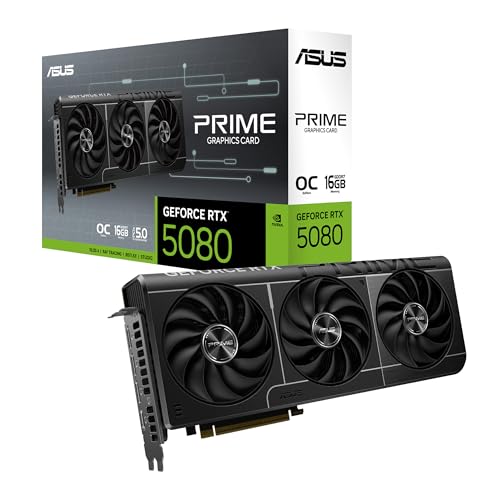
- Clear family structure: Dual, TUF, Strix, Prime, and ProArt usually communicate the intended role of the card quite well. Buyers can often tell quickly whether the product is a simple mainstream model, a premium gaming card, or a cleaner creator-style variant.
- Broad current-generation presence: Asus is heavily visible on modern GeForce and Radeon tiers, including cards with 8 GB, 12 GB, 16 GB, 24 GB, and higher memory classes. That keeps the brand relevant from mainstream gaming through halo-class hardware.
- Strong availability in both new and used markets: Asus has been active across many GPU generations, so buyers can find both current retail options and a large second-hand tail. That flexibility matters if you want one familiar board partner whether you spend £130 or £2,200.
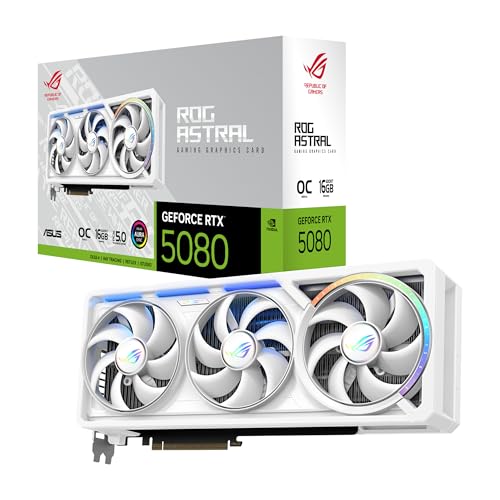
- Aesthetic and creator-focused variety: Asus is not only about flashy gaming cards. ProArt and some cleaner Prime or white-themed variants give the brand useful range for workstations, minimal builds, and themed systems where appearance matters alongside cooling.
What are the main disadvantages of Asus graphics cards?
The main disadvantages of Asus graphics cards are as follows:
- Premium markups can be very steep: Asus frequently charges more for Strix, TUF, Matrix, and other high-visibility models than many rivals do for the same GPU tier. The cooler and finish can be excellent, but the extra cost is not always matched by a big real-world performance gain.
- Very large cards on premium lines: Many of the most attractive Asus models are also physically long, thick, and heavy. That can create case-clearance, anti-sag, and airflow issues, especially in smaller gaming PCs.
- Huge spread under one logo: A cheap old GT or GTX card and a modern flagship Strix card share the Asus name but almost nothing else. Buyers who rely too much on the brand alone can easily confuse old-value leftovers with the upper-tier Asus reputation.
- Family overlap can complicate shopping: Dual, TUF, Strix, Prime, ProArt, Phoenix, and older specialist branches all sit under the same brand umbrella. Without checking carefully, buyers can mistake a simple value card for a much more premium design.
- Flagship branding can overshadow value: Some of the most expensive Asus cards are as much about prestige, styling, and maximum cooler ambition as they are about sensible buying logic. Once prices move deep into halo territory, the practical return usually shrinks.
- Old-market tail can distort impressions: Asus has so many older products in circulation that the used-market side of the brand can feel much weaker than the modern retail side. Buyers need to judge age and exact generation first, not assume the Asus badge keeps everything equally relevant.
Who makes Asus graphics cards?
Asus graphics cards are made by Asus, usually as board-partner versions built around GPUs from Nvidia or AMD. In practical terms, Asus does not define the underlying GPU architecture itself, but it does control the cooler design, factory tuning, physical build, branding tier, and final retail presentation.
That distinction matters because an Asus graphics card is often best understood as Asus's version of a broader GPU class rather than as a completely separate chip platform. The main buying question is therefore how Asus's Dual, TUF, ROG Strix, Prime, ProArt, or other design compares with rival board-partner versions of the same core GPU.
What are the main Asus graphics card series?
The main Asus graphics card series are as follows:
- Dual: Dual is one of Asus's most common mainstream graphics-card branches and usually represents simpler, more budget-conscious cooling and styling than the premium families above it.
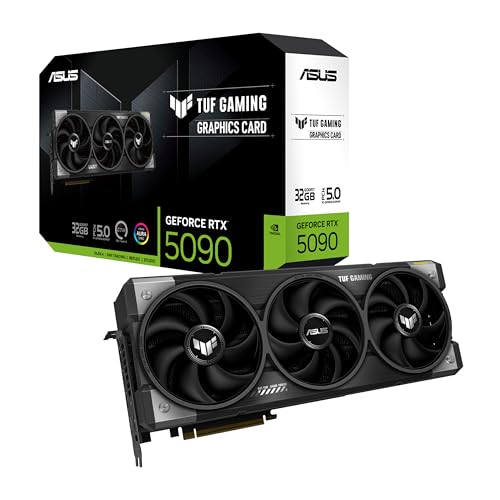
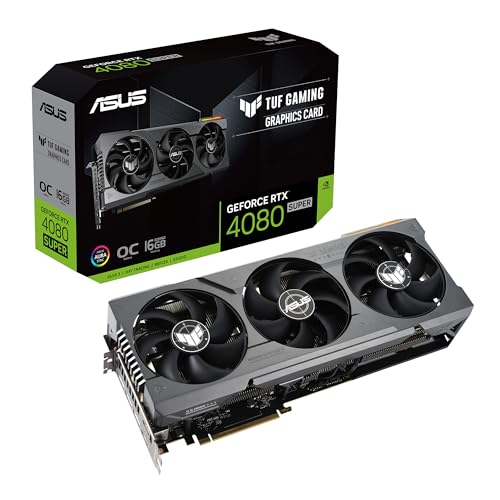
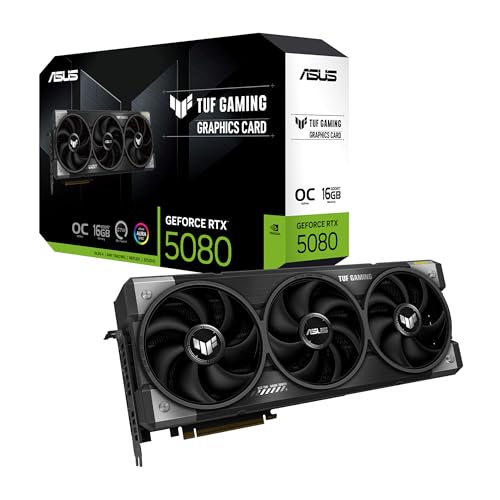
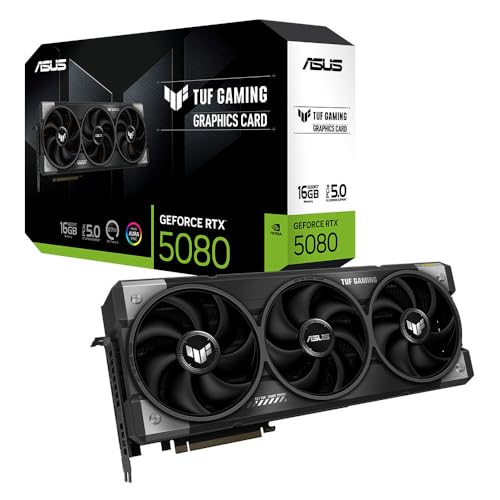
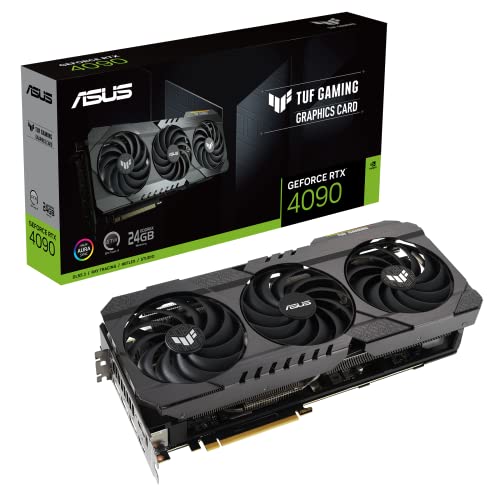
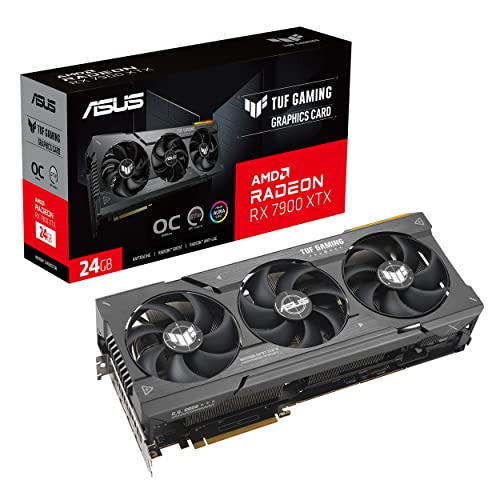
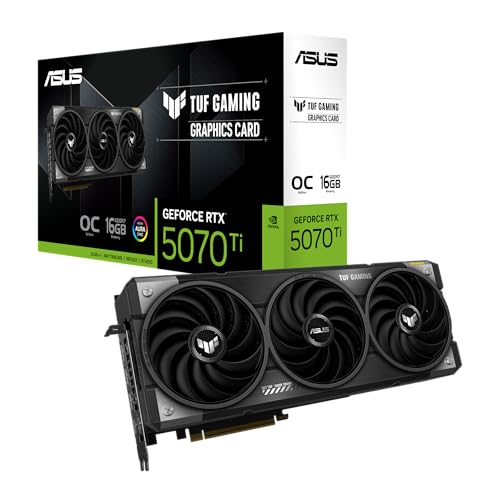
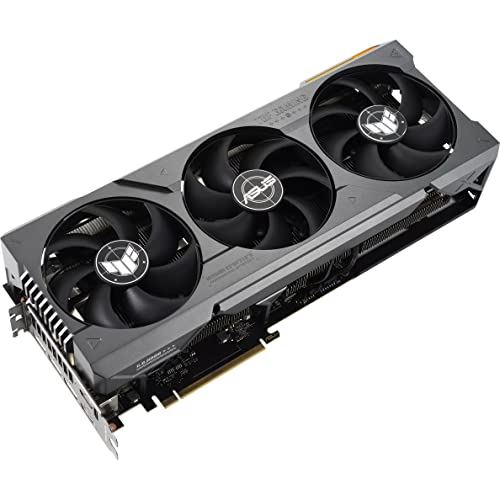
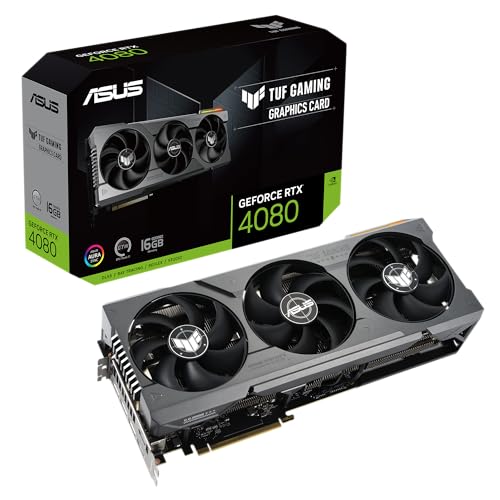
- TUF Gaming: TUF Gaming is one of Asus's biggest gaming-focused ranges and usually aims at the middle ground between mainstream pricing and more serious cooling or build quality.
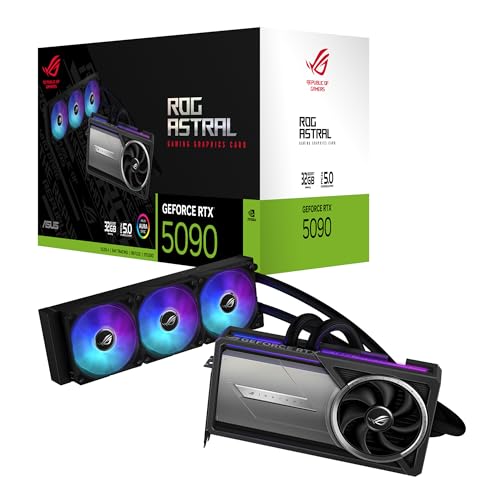
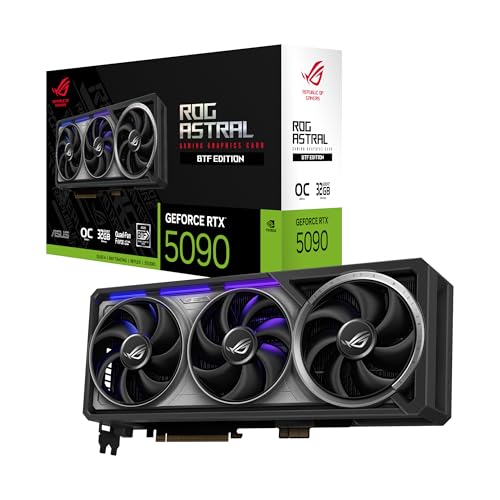
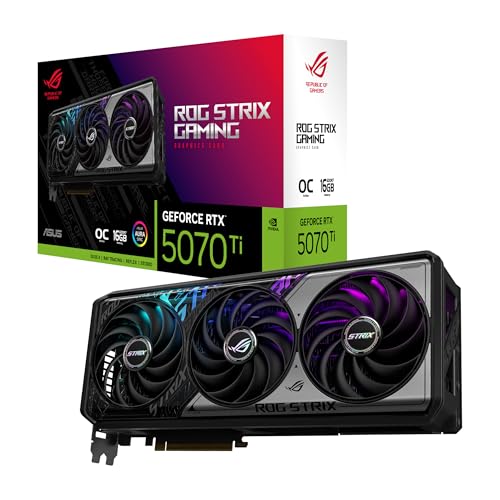
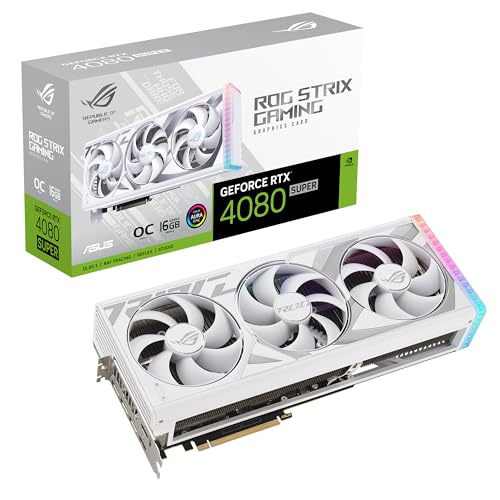
- ROG Strix: ROG Strix is Asus's best-known premium gaming branch, usually covering the brand's larger coolers, stronger factory tuning, and more expensive enthusiast-facing models.
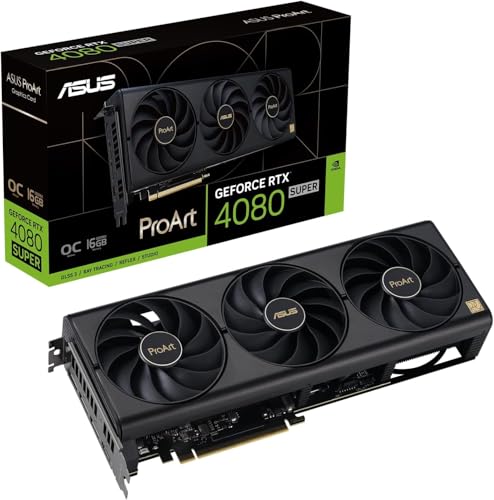
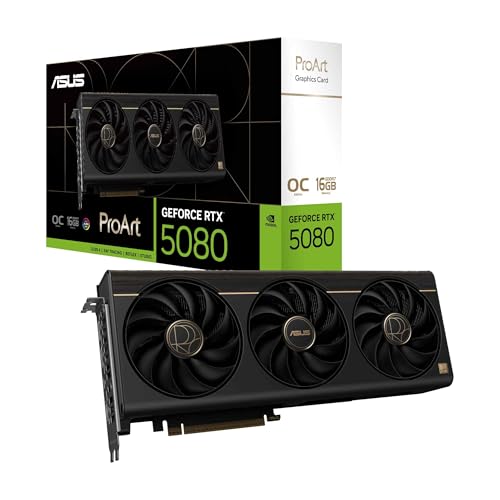
- ProArt: ProArt is Asus's creator-oriented branch, aimed more at cleaner professional styling and workstation-leaning positioning than at overt gaming branding.
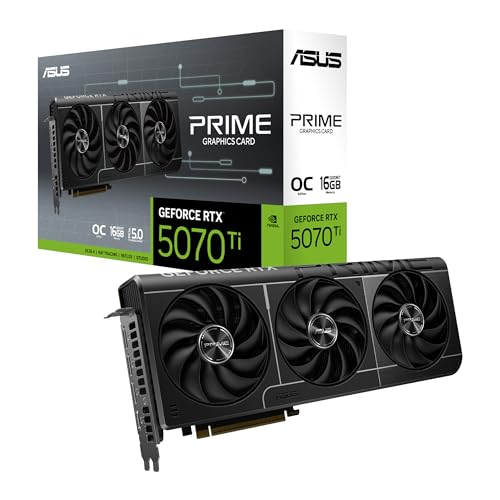
- Prime and specialist branches: Prime and smaller specialist Asus sub-lines sit around the edges of the lineup and usually matter for specific cooling, styling, or price-positioning choices rather than as the main brand identity.
How much do Asus graphics cards cost?
Asus graphics cards usually cost about £130 to £860, with many practical mainstream and upper-midrange options sitting closer to roughly £220-£650.
The lower part of the range includes older value cards and simpler Dual-style models, while the middle of the range is where a lot of the brand's most sensible buying happens, especially with balanced TUF Gaming and mainstream Asus variants.
At the top end, the buyer is often paying not just for the GPU tier itself, but also for Asus's bigger coolers, premium series positioning, or more aggressive factory tuning. The key is to check whether the Asus version is actually worth its markup versus rival partner cards using the same GPU.
This chart visualizes Asus graphics card prices.
[vertical-chart-16830687475359366333116330117544620438803307166589]
How do Asus graphics cards compare with MSI models?
Asus graphics cards usually compare with MSI models as direct board-partner rivals with broad lineup coverage, recognizable sub-brands, and strong visibility in both mainstream and premium gaming tiers. Both brands sell many versions of the same underlying GPUs, so the real comparison is usually cooler design, pricing, acoustics, and series positioning rather than raw chip capability.
In practical terms, Asus is often associated with strong premium branches such as ROG Strix and a broad TUF-to-Dual range, while MSI competes through families such as Ventus, Gaming, and Suprim. The better choice depends much more on the exact card than on the badge alone.
That means Asus is not automatically better just because the brand is premium-facing. If the MSI version is cooler, quieter, or priced better for the same GPU tier, it can easily be the smarter buy.
What should you consider while choosing the best Asus graphics card?
You should consider the following factors when choosing the best Asus graphics card:
- Series family: Asus cards range from simpler Dual models up through TUF Gaming, ROG Strix, ProArt, Prime, and smaller specialist branches. Choose the series first, because that usually tells you whether you are looking at a practical mainstream cooler, a premium gaming design, or a creator-leaning model.
- GPU tier underneath the brand: Asus makes cards across many Nvidia and AMD GPU classes. Start with the actual chip and performance target first, because the Asus badge does not change what class of GPU you are buying.
- Cooler quality and acoustics: Asus often earns its reputation through cooler execution, but the differences between series still matter. Fan tuning, heatsink size, and overall thermal behavior often matter more than a small factory overclock.
- Physical size and case fit: Premium Asus cards can be large, thick, and heavy. Check case length, slot clearance, radiator conflicts, and airflow before assuming a specific TUF or Strix model will fit comfortably.
- Markup versus competing partner cards: Asus frequently charges more than some rivals for the same GPU tier. Sometimes the cooler and polish justify it, but sometimes the premium is mostly branding. Compare carefully against MSI, Gigabyte, Sapphire, XFX, or other partner alternatives.
- Use-case alignment: A ProArt card, a Dual card, and a ROG Strix card are not aimed at the same buyer. Match the Asus branch to the actual build instead of defaulting to the most expensive series.