Scored using Fitness trackers Methodology v3.0
Fitness trackers Methodology v3.0
Mathematical & Unbiased Scoring
Products in this category are scored under Frontum Fitness trackers Methodology v3.0: the technical score from the specifications is the base, and independent expert and video reviews (up to ±0.5 points), owner opinions (up to ±0.3) and best-of lists (up to +0.3) move it up or down.
Explore Fitness trackers Methodology v3.0

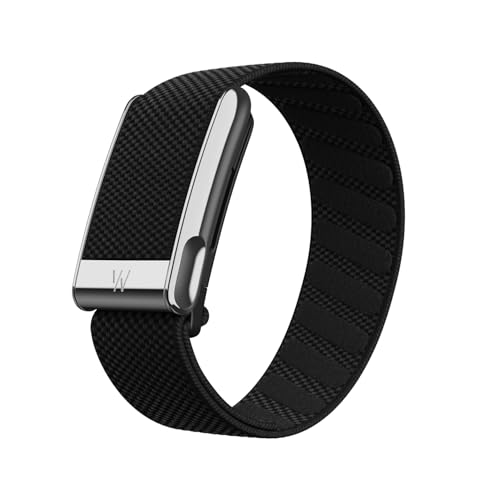
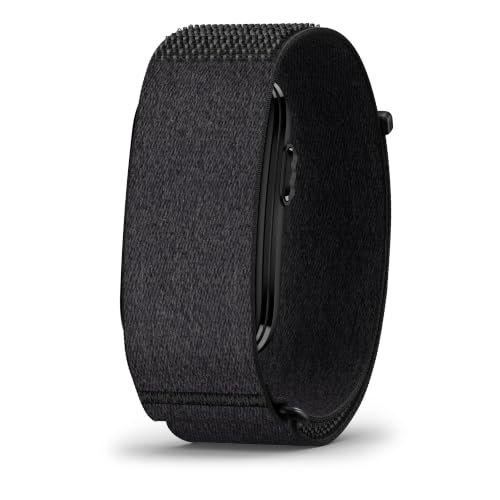
WHOOP MG review: 163 specs compared

Avg. price:~£320Battery life:14 daysScreen size:N/A inchHeart rate monitor:yesGPS:noWaterproof depth rating:10 m

WHOOP MG Review: Compare 168 technical specifications, 2 expert and video reviews and 3 best-of lists to see how this product ranks in the Fitness trackers category and whether it is worth buying.
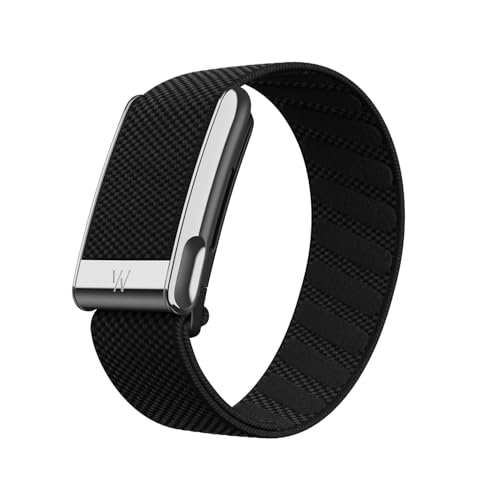
WHOOP MG
7.6/10

Overall score

Score
7.6/ 10
✕
What it is
Our main score for this model, 1–10. It combines specs, best-of lists, expert reviews and owners.
How we count it
Parts: Technical score 35%, List score 30%, Reviews score 25%, Sentiment score 10%
Marks: Each part gets a mark out of 10. For reviews, lists and owners, a typical model in this category gets about 8 and the best one gets 10.
No data yet: A part with no data shows "?". It counts as the mark of a weaker model in this category (4 in 5 models with data score higher). This way, models with reviews, lists and owners usually come out ahead.
Score distribution
▼
<55-66-77-88-99-10
Score components

35%

7.3

Technical score

30%

8.2

List score

25%

7.0

Reviews score

10%

8.0

Sentiment score

▲Better than 73% of fitness trackers
7.9

Value for money

Value for money
7.9/ 10
✕
What it is
An indicator that combines the fitness tracker's overall rating with its cost.
When it matters
When you are looking for a fitness tracker with a good balance between quality and price.
Score distribution
▼
<55-66-77-88-99-10
Score components

70%

7.6

Overall score

30%

8.8

Price

▼Worse than 74%
7.3

Technical score

Technical score
7.3/ 10
✕
What it is
How good the specs are compared with the other models in this category, 1–10.
How we count it
Areas: We rate the specs in each area against the other models in this category.
Weighting: The areas that matter most to buyers count more. The shares are shown under Score components.
Share: The technical score is 35% of the overall score.
Score distribution
▼
<55-66-77-88-99-10
Score components

20%

8.6

Sports

20%

5.7

Battery

18%

10

Health

18%

4.0

Display

8%

6.7

Smart functions

8%

9.4

Wellness

4%

7.7

Connectivity

4%

7.2

Design

▲Better than 62%
7.0

Reviews score

Reviews score
7.0/ 10
✕
What it is
Average grade from independent test sites, magazines and video reviewers, 1–10.
How we count it
Grades: Each review's own score is converted to 1–10; without one, we grade the review ourselves. Big test sites count more, short reviews half as much as full tests. A video review counts half.
Score: The average grade is 80% of the review mark; the number of reviews is the other 20% (1 review = 5, the typical number in this category = 8, the most-reviewed model = 10).
Enough data: With few reviews, the average grade is pulled toward the typical grade of this category. No reviews yet: 7.2 for now.
Share: Reviews count 25% of the overall score.
Score distribution
▼
<55-66-77-88-99-10

80%

7.4

Average grade

20%

5.7

Popularity

Grades by review (2)
2 video reviews, each counting half as much as a written test. Reviews count 25% of the overall score.
User ratings collected online are not part of this score.
▼Worse than 64%
8.2

List score

List score
8.2/ 10
✕
What it is
How often independent test sites, magazines and video reviewers put this model in their best-of lists for this category.
How we count it
Points: The model in the most lists of this category gets 10; the others get 8 to 10 in proportion. In no list yet: 7.5. Lists count 30% of the overall score.
Enough data: Every list counts, even a single one. With fewer than 5 best-of lists in the category, this part is left out.
Lists with this model (3)
List score: in 3 of 61 lists (5%)
▲Better than 86%
  • whoop-mg
whoop-mg
Best prices
    N/A~ £320
Best rankings
Available: ranking among products currently available (including other versions of this product).All: ranking among all products in the database.

What owners say about the WHOOP MG

Based on 184 owners sharing their experience in online comments

32%positive18%mixed50%negative

Owners value useful insights and discreet all-day wear, but many question the subscription cost and trustworthiness of the readings.

What owners dislike

  • Owners say the yearly subscription is too expensive for what they get, and many cancel or return the device, preferring devices they own outright.32
  • Wrist readings often lag or miss peaks in lifting, HIIT and cycling. Wiping the sensor or switching to a bicep or triceps placement can help.31
  • Owners say WHOOP promised free hardware upgrades for long-term members, but now they must pay an upgrade fee or add a year.19
  • ECG sometimes fails with lost contact messages or is not offered in some countries, and blood pressure is an estimate some owners find unreliable.14
  • Many owners say the MG feels much like the 4.0, with similar heart rate readings and mostly longer battery life.8
  • Recovery and strain scores often clash with how owners feel, strain swings for similar workouts, and yoga can score higher than a leg day.7
  • Owners say support took weeks to reply and dismissed battery complaints, sometimes suggesting the customer had misread the agreement.5
  • Owners report naps not being logged, sleep stages off by hours after an update, and bicep wear detecting sleep too easily.4
  • Owners report the battery running out around day 9 or 10, well short of the advertised two weeks.4
  • Owners say WHOOP does not allow external heart rate monitors or data, and raw heart data exports are slow or hard to get.4

Points mentioned by at least 3 owners, most mentioned first.

Loading...
Loading category ranking...

Fitness trackers model ranking

Ranked #148 of 238 models in Fitness trackers (Overall score)

Technical Specifications of fitness tracker WHOOP MG

Technical score
Technical score
7.3/ 10
✕
What it is
How good the specs are compared with the other models in this category, 1–10.
How we count it
Areas: We rate the specs in each area against the other models in this category.
Weighting: The areas that matter most to buyers count more. The shares are shown under Score components.
Share: The technical score is 35% of the overall score.
Score distribution
▼
<55-66-77-88-99-10
Score components:

20%

8.6

Sports

20%

5.7

Battery

18%

10

Health

18%

4.0

Display

8%

6.7

Smart functions

8%

9.4

Wellness

4%

7.7

Connectivity

4%

7.2

Design

7.3
Reviews score
7.0
List score
8.2
Value for money
Value for money
7.9/ 10
✕
What it is
An indicator that combines the fitness tracker's overall rating with its cost.
When it matters
When you are looking for a fitness tracker with a good balance between quality and price.
Score distribution
▼
<55-66-77-88-99-10
Score components:

70%

7.6

Overall score

30%

8.8

Price

7.9
Heart rate monitor
yes
This fitness tracker supports heart rate monitoring. 36.2% of fitness trackers support heart rate monitoring.
Resting heart rate
yes
This fitness tracker supports Resting heart rate. 47.5% of fitness trackers support Resting heart rate.
Fast/slow heart rate alerts
yes
This fitness tracker supports high and low heart rate alerts. 63.9% of fitness trackers support high and low heart rate alerts.
Irregular heart rate alerts
yes
This fitness tracker supports irregular heart rate alerts. 86.8% of fitness trackers support irregular heart rate alerts.
Blood oxygen sensor
yes
This fitness tracker has a blood oxygen sensor. 68.2% of fitness trackers have a blood oxygen sensor.
Show more
GPS
no
This fitness tracker does not have GPS. 12.7% of fitness trackers have GPS.
Satellite systems supported
N/A
GNSS bands supported
N/A
Galileo support
N/A
Acquires GPS faster
N/A
Show more
Notifications
no
This fitness tracker does not support notifications. 72.7% of fitness trackers support notifications.
Vibrating alerts
yes
This fitness tracker supports vibration alerts. 14.3% of fitness trackers support vibration alerts.
Call control
no
This fitness tracker does not support call controls. 40.8% of fitness trackers support call controls.
Call answering
no
This fitness tracker does not support call answering. 0.9% of fitness trackers support call answering.
Calendar sync
no
This fitness tracker does not support calendar sync. 20.5% of fitness trackers support calendar sync.
Show more
Activity reports
yes
This fitness tracker supports activity reports. 5% of fitness trackers support activity reports.
Goal setting
yes
This fitness tracker supports goal setting. 2.5% of fitness trackers support goal setting.
Achievements
?
Inactivity alerts
yes
This fitness tracker supports inactivity alerts. 21.4% of fitness trackers support inactivity alerts.
Coaching
yes
This fitness tracker supports coaching. 64% of fitness trackers support coaching.
Show more
Bluetooth version
5
This fitness tracker supports Bluetooth 5 which is newer than in 68% of fitness trackers and equal to that in 17.8% of fitness trackers.
Maximum Bluetooth range
?
NFC
no
This fitness tracker does not have NFC. 11.8% of fitness trackers have NFC.
Wi-Fi connectivity
no
This fitness tracker does not support Wi-Fi. 2.5% of fitness trackers support Wi-Fi.
Wi-Fi version
no
This fitness tracker does not support modern Wi-Fi. 0.9% of fitness trackers support modern Wi-Fi.
Show more
Battery life
14 days
This fitness tracker offers a battery life of 14 days which is longer than that of 59.7% of fitness trackers and equal to that of 14.5% of fitness trackers.
Battery life with GPS on
N/A
Battery life in training mode
?
Power-saving battery life
?
Battery capacity
?
Show more
Display
no
This fitness tracker does not have a display. 74.2% of fitness trackers have a display.
Screen size
N/A
Display type
N/A
Screen resolution
N/A
Pixel density
N/A
Show more
Form factor
wristband
Hybrid design
no
This fitness tracker does not support Hybrid design. 2.1% of fitness trackers support Hybrid design.
Designed for kids
no
This fitness tracker is not designed for kids. 3.3% of fitness trackers are designed for kids.
Replaceable watch band
yes
This fitness tracker has a replaceable watch band. 23.4% of fitness trackers have a replaceable watch band.
Band width
?
Show more

WHOOP MG vs the average fitness tracker

246810TotalHealthSportsBatteryDisplayConnectivitySmart functionsDesignWellness
  • Logs single exercises
    This fitness tracker records the single exercises inside a workout, while the average fitness tracker does not. 9.1% of fitness trackers do this.
  • Blood oxygen monitoring
    This fitness tracker has a blood oxygen sensor, while the average fitness tracker does not. 32.1% of fitness trackers have a blood oxygen sensor.
  • Measures VO2 max
    This fitness tracker supports VO2 max tracking, while the average fitness tracker does not. 23.6% of fitness trackers support VO2 max tracking.
  • Tracks HRV
    This fitness tracker supports HRV tracking, while the average fitness tracker does not. 15.1% of fitness trackers support HRV tracking.
  • 8x larger internal storage
    This fitness tracker has a higher internal storage than the average fitness tracker (0.5 GB vs 0.1 GB). The average fitness tracker has 0.064 GB of internal storage.
    0.512 GB vs 0.064 GB
  • Smart alarm
    This fitness tracker supports a smart alarm, while the average fitness tracker does not. 30.8% of fitness trackers support a smart alarm.
  • Coaching features
    This fitness tracker supports coaching, while the average fitness tracker does not. 36.3% of fitness trackers support coaching.
  • Heart rate alerts
    This fitness tracker supports high and low heart rate alerts, while the average fitness tracker does not. 36.4% of fitness trackers support high and low heart rate alerts.
  • Blood oxygen monitoring
    This fitness tracker has a blood oxygen sensor, while the average fitness tracker does not. 32.1% of fitness trackers have a blood oxygen sensor.
  • Tracks HRV
    This fitness tracker supports HRV tracking, while the average fitness tracker does not. 15.1% of fitness trackers support HRV tracking.
  • Measures VO2 max
    This fitness tracker supports VO2 max tracking, while the average fitness tracker does not. 23.6% of fitness trackers support VO2 max tracking.
  • Heart rate alerts
    This fitness tracker supports high and low heart rate alerts, while the average fitness tracker does not. 36.4% of fitness trackers support high and low heart rate alerts.
  • Tracks respiration rate
    This fitness tracker supports respiratory rate tracking, while the average fitness tracker does not. 16% of fitness trackers support respiratory rate tracking.
  • Continuous SpO₂ monitoring
    This fitness tracker supports continuous SpO₂ monitoring, while the average fitness tracker does not. 16.3% of fitness trackers support continuous SpO₂ monitoring.
  • Built-in temperature sensor
    This fitness tracker has a temperature sensor, while the average fitness tracker does not. 13.4% of fitness trackers have a temperature sensor.
  • Irregular heart rate alerts
    This fitness tracker supports irregular heart rate alerts, while the average fitness tracker does not. 13.6% of fitness trackers support irregular heart rate alerts.
  • Tracks skin temperature
    This fitness tracker supports skin temperature tracking, while the average fitness tracker does not. 15.3% of fitness trackers support skin temperature tracking.
  • Tracks menstrual cycle
    This fitness tracker supports menstrual cycle tracking, while the average fitness tracker does not. 45.2% of fitness trackers support menstrual cycle tracking.
  • Period notifications
    This fitness tracker has period notifications, while the average fitness tracker does not. 34.6% of fitness trackers have period notifications.
  • ECG support
    This fitness tracker supports ECG, while the average fitness tracker does not. 5.4% of fitness trackers support ECG.
  • Readiness score support
    This fitness tracker shows a readiness score, while the average fitness tracker does not. 7.9% of fitness trackers show a readiness score.
  • Fertile window notifications
    This fitness tracker displays fertile window notifications, while the average fitness tracker does not. 25.1% of fitness trackers display fertile window notifications.
  • Ovulation prediction
    This fitness tracker predicts ovulation, while the average fitness tracker does not. 44.1% of fitness trackers predict ovulation.
  • Cycle start prediction
    This fitness tracker predicts the start date, while the average fitness tracker does not. 45.8% of fitness trackers predict the start date.
  • Blood pressure monitoring
    This fitness tracker supports blood pressure monitoring, while the average fitness tracker does not. 5% of fitness trackers support blood pressure monitoring.
  • ECG lead type
    This fitness tracker supports advanced ECG leads, while the average fitness tracker does not. 5.5% of fitness trackers support advanced ECG leads.
  • Logs single exercises
    This fitness tracker records the single exercises inside a workout, while the average fitness tracker does not. 9.1% of fitness trackers do this.
  • Tracks training load
    This fitness tracker supports training load tracking, while the average fitness tracker does not. 19.9% of fitness trackers support training load tracking.
  • Built-in gyroscope
    This fitness tracker has a gyroscope, while the average fitness tracker does not. 28.7% of fitness trackers have a gyroscope.
  • Route support
    This fitness tracker supports route guidance, while the average fitness tracker does not. 3.4% of fitness trackers support route guidance.
  • Built-in barometer
    This fitness tracker has a barometer, while the average fitness tracker does not. 10.4% of fitness trackers have a barometer.
  • 4 days longer battery life
    This fitness tracker has a higher battery life than the average fitness tracker (14 days vs 10 days). The average fitness tracker has 10 days of battery life.
    14 days vs 10 days
  • Supports wireless charging
    This fitness tracker supports wireless charging, while the average fitness tracker does not. 3.8% of fitness trackers support wireless charging.
  • Modern Bluetooth version
    This fitness tracker supports a newer Bluetooth version than the average fitness tracker (5 vs 4.1). The average fitness tracker supports Bluetooth 4.1.
    5.0 vs 4.1
  • 8x larger internal storage
    This fitness tracker has a higher internal storage than the average fitness tracker (0.5 GB vs 0.1 GB). The average fitness tracker has 0.064 GB of internal storage.
    0.512 GB vs 0.064 GB
  • Smart alarm
    This fitness tracker supports a smart alarm, while the average fitness tracker does not. 30.8% of fitness trackers support a smart alarm.
  • Fall detection
    This fitness tracker supports fall detection, while the average fitness tracker does not. 1.3% of fitness trackers support fall detection.
  • Coaching features
    This fitness tracker supports coaching, while the average fitness tracker does not. 36.3% of fitness trackers support coaching.
  • Water intake tracking
    This fitness tracker supports water intake tracking, while the average fitness tracker does not. 40.9% of fitness trackers support water intake tracking.
  • Points-based system
    This fitness tracker supports a points-based system, while the average fitness tracker does not. 37.2% of fitness trackers support a points-based system.
  • 1 hours longer charging time
    This fitness tracker has a higher charging time than the average fitness tracker (2.5 hours vs 1.5 hours). The average fitness tracker needs 1.5 hours to charge.
    2.5 hours vs 1.5 hours
  • No notifications
    This fitness tracker does not support notifications, while the average fitness tracker does. 72.3% of fitness trackers support notifications.
  • No phone finder
    This fitness tracker does not support phone finding, while the average fitness tracker does. 50.9% of fitness trackers support phone finding.
  • 4 ATM lower water resistance rating
    This fitness tracker has a lower ATM rating than the average fitness tracker (1 ATM vs 5 ATM). The average fitness tracker has an ATM rating of 5 ATM.
    1 ATM vs 5 ATM
  • 40 m lower waterproof depth rating
    This fitness tracker has a lower waterproof depth rating than the average fitness tracker (10 m vs 50 m). The average fitness tracker has a waterproof depth rating of 50 m.
    10 m vs 50 m
  • 4.57x more expensive
    WHOOP MG is more expensive than the average fitness tracker (£320 vs £70).
    £320 vs £70
  • 12.5% heavier
    This fitness tracker is heavier than the average fitness tracker (27 g vs 24 g). The average fitness tracker weighs 24 g.
    27 g vs 24 g
  • No display
    This fitness tracker does not have a display, while the average fitness tracker does. 73.9% of fitness trackers have a display.
  • 4.57x more expensive
    WHOOP MG is more expensive than the average fitness tracker (£320 vs £70).
    £320 vs £70
  • 4.1% lower review score
    Reviews score
    7.0/ 10
    ✕
    What it is
    Average grade from independent test sites, magazines and video reviewers, 1–10.
    How we count it
    Grades: Each review's own score is converted to 1–10; without one, we grade the review ourselves. Big test sites count more, short reviews half as much as full tests. A video review counts half.
    Score: The average grade is 80% of the review mark; the number of reviews is the other 20% (1 review = 5, the typical number in this category = 8, the most-reviewed model = 10).
    Enough data: With few reviews, the average grade is pulled toward the typical grade of this category. No reviews yet: 7.2 for now.
    Share: Reviews count 25% of the overall score.
    Score distribution
    ▼
    <55-66-77-88-99-10

    80%

    7.4

    Average grade

    20%

    5.7

    Popularity

    Grades by review (2)
    2 video reviews, each counting half as much as a written test. Reviews count 25% of the overall score.
    User ratings collected online are not part of this score.
    7.0 vs 7.3
  • 1.7% worse value for money
    WHOOP MG has a lower value-for-money score than the average fitness tracker (7.94 vs 8.1).
    7.94 vs 8.07
  • 1 hours longer charging time
    This fitness tracker has a higher charging time than the average fitness tracker (2.5 hours vs 1.5 hours). The average fitness tracker needs 1.5 hours to charge.
    2.5 hours vs 1.5 hours
  • No display
    This fitness tracker does not have a display, while the average fitness tracker does. 73.9% of fitness trackers have a display.
  • No notifications
    This fitness tracker does not support notifications, while the average fitness tracker does. 72.3% of fitness trackers support notifications.
  • No phone finder
    This fitness tracker does not support phone finding, while the average fitness tracker does. 50.9% of fitness trackers support phone finding.
  • 4 ATM lower water resistance rating
    This fitness tracker has a lower ATM rating than the average fitness tracker (1 ATM vs 5 ATM). The average fitness tracker has an ATM rating of 5 ATM.
    1 ATM vs 5 ATM
  • 40 m lower waterproof depth rating
    This fitness tracker has a lower waterproof depth rating than the average fitness tracker (10 m vs 50 m). The average fitness tracker has a waterproof depth rating of 50 m.
    10 m vs 50 m
  • 12.5% heavier
    This fitness tracker is heavier than the average fitness tracker (27 g vs 24 g). The average fitness tracker weighs 24 g.
    27 g vs 24 g

Video reviews

Hands-on testing, unboxing, and real-world video evaluations
4.0
Running On Points
≈ estimated
25/03/2026
Unboxing and review · a month of wear
Verdict
WHOOP MG isn't worth it: its subscription, flaky clasp and poor wrist comfort outweigh decent tracking accuracy.
9.0
OASTHAR
≈ estimated
25/05/2025
Hands-on review · accuracy, app, ECG and battery tests
Verdict
WHOOP MG is a top-tier tracker with medical-grade ECG and long battery life, best for data-focused health users.

Third-party reviews

What we like about WHOOP MG

  • ECG and blood pressure readings are built into the band.
  • Irregular heart rate alerts warn you without needing a screen.
  • Continuous SpO₂ monitoring runs all day.
  • The battery lasts 14 days between charges.
  • Vibrating alerts tell you when your heart rate goes too high or too low.
  • Wireless charging means no cable to plug in each day.

What we don't like about WHOOP MG

  • There is no screen, so you cannot see the time on the band.
  • There are no notifications on the band.
  • A full charge takes 2.5 hours.
  • At 1 ATM it is not made for swimming.
  • The membership is an extra cost on top of the band.

Verdict

Adding ECG and blood pressure to a screenless band is the main idea behind the WHOOP MG. It can flag an irregular heart rate and send vibrating alerts when your heart rate runs too fast or too slow. Continuous SpO₂ readings are taken all day, and the battery lasts 14 days. At 27 g it is a few grams heavier than the WHOOP 5.0 but still light. Its 0.512 GB of internal storage holds a long run of readings. The trade-offs are the missing screen and notifications, a charge that takes 2.5 hours, and only 1 ATM. It suits someone who wants vibrating heart rate alerts and sensor data, and does not need to check messages on the wrist. Anyone who wants a quick glance at the time should look at a watch instead.

Compare WHOOP MG with other products in the Fitness trackers category

1Product to compare no. 1
VS
2Product to compare no. 2
VS
3Product to compare no. 3 (optional)

Graphic comparison of WHOOP MG and other products in the Fitness trackers category

No results found