Scored using Fitness trackers Methodology v3.0
Fitness trackers Methodology v3.0
Mathematical & Unbiased Scoring
Products in this category are scored under Frontum Fitness trackers Methodology v3.0: the technical score from the specifications is the base, and independent expert and video reviews (up to ±0.5 points), owner opinions (up to ±0.3) and best-of lists (up to +0.3) move it up or down.
Explore Fitness trackers Methodology v3.0

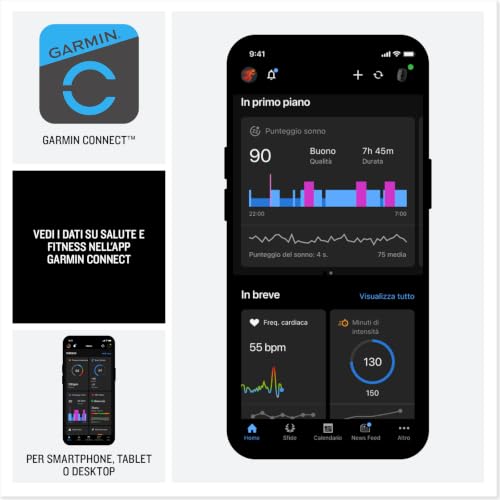
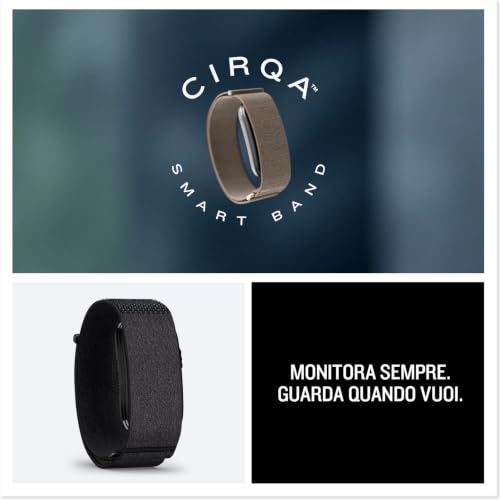
Garmin CIRQA review: 163 specs compared

Avg. price:~£180Battery life:10 daysScreen size:N/A inchHeart rate monitor:yesGPS:noWaterproof depth rating:50 m

Garmin CIRQA Review: Compare 168 technical specifications and 9 best-of lists to see how this product ranks in the Fitness trackers category and whether it is worth buying.
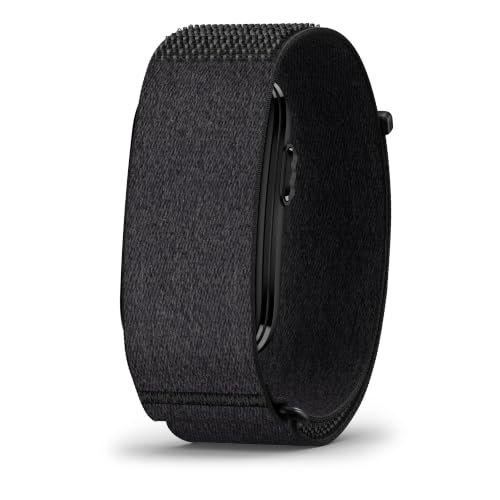
Garmin CIRQA
7.9/10

Overall score

Score
7.9/ 10
✕
What it is
Our main score for this model, 1–10. It combines specs, best-of lists, expert reviews and owners.
How we count it
Parts: Technical score 35%, List score 30%, Reviews score 25%, Sentiment score 10%
Marks: Each part gets a mark out of 10. For reviews, lists and owners, a typical model in this category gets about 8 and the best one gets 10.
No data yet: A part with no data shows "?". It counts as the mark of a weaker model in this category (4 in 5 models with data score higher). This way, models with reviews, lists and owners usually come out ahead.
Score distribution
▼
<55-66-77-88-99-10
Score components

35%

7.4

Technical score

30%

8.7

List score

25%

?

Reviews scoreNot enough data yet, so we use 7.2, the mark of a weaker model in this category

10%

9.3

Sentiment score

▲Better than 86% of fitness trackers
8.4

Value for money

Value for money
8.4/ 10
✕
What it is
An indicator that combines the fitness tracker's overall rating with its cost.
When it matters
When you are looking for a fitness tracker with a good balance between quality and price.
Score distribution
▼
<55-66-77-88-99-10
Score components

70%

7.9

Overall score

30%

9.6

Price

▲Better than 79%
7.4

Technical score

Technical score
7.4/ 10
✕
What it is
How good the specs are compared with the other models in this category, 1–10.
How we count it
Areas: We rate the specs in each area against the other models in this category.
Weighting: The areas that matter most to buyers count more. The shares are shown under Score components.
Share: The technical score is 35% of the overall score.
Score distribution
▼
<55-66-77-88-99-10
Score components

20%

8.7

Sports

20%

5.7

Battery

18%

9.8

Health

18%

4.0

Display

8%

6.5

Smart functions

8%

9.7

Wellness

4%

8.6

Connectivity

4%

9.3

Design

▲Better than 68%
?

Reviews score

Reviews score
✕
What it is
Average grade from independent test sites, magazines and video reviewers, 1–10.
How we count it
Grades: Each review's own score is converted to 1–10; without one, we grade the review ourselves. Big test sites count more, short reviews half as much as full tests. A video review counts half.
Score: The average grade is 80% of the review mark; the number of reviews is the other 20% (1 review = 5, the typical number in this category = 8, the most-reviewed model = 10).
Enough data: With few reviews, the average grade is pulled toward the typical grade of this category. No reviews yet: 7.2 for now.
Share: Reviews count 25% of the overall score.
Score distribution
▼
<55-66-77-88-99-10
Grades by review (0)
We have not found an independent test of this model yet. Until we do, its review part counts as 7.2.
User ratings collected online are not part of this score.
No expert tests yet
8.7

List score

List score
8.7/ 10
✕
What it is
How often independent test sites, magazines and video reviewers put this model in their best-of lists for this category.
How we count it
Points: The model in the most lists of this category gets 10; the others get 8 to 10 in proportion. In no list yet: 7.5. Lists count 30% of the overall score.
Enough data: Every list counts, even a single one. With fewer than 5 best-of lists in the category, this part is left out.
Lists with this model (9)
List score: in 9 of 43 lists (21%)
★Better than 93%
  • garmin-cirqa
  • garmin-cirqa
  • garmin-cirqa
  • garmin-cirqa
  • garmin-cirqa
  • garmin-cirqa
  • garmin-cirqa
  • garmin-cirqa
  • garmin-cirqa
  • garmin-cirqa
  • garmin-cirqa
garmin-cirqa
garmin-cirqa
garmin-cirqa
garmin-cirqa
garmin-cirqa
garmin-cirqa
garmin-cirqa
garmin-cirqa
garmin-cirqa
garmin-cirqa
garmin-cirqa
Best prices
*As an Amazon Associate, we earn from qualifying purchases.
Best rankings
Available: ranking among products currently available (including other versions of this product).All: ranking among all products in the database.

What owners say about the Garmin CIRQA

Based on 223 owners sharing their experience in online comments

46%positive19%mixed35%negative

Owners value wearing favorite watches while keeping Garmin health data, but criticize missed workouts, bulky design, and inconsistent tracking.

What owners dislike

  • App bugs and device syncing are frustrating16
  • Owners say auto-detection often misses workouts or records only part of them, such as a cut-short run or an unrecorded bike ride, and start and end times cannot be adjusted.13
  • Owners find the band too big and bulky on the wrist, looking like an upside-down watch, and the sensor pokes into the skin.13
  • Owners say sleep tracking is inaccurate, often counting time in bed after waking as sleep and missing naps, which skews readiness scores.13
  • Owners say GPS-assisted distance and elevation readings are off, overshooting walks and runs by hundreds of meters or more.12
  • Owners say the battery drains much faster than advertised, especially when overnight blood oxygen tracking is turned on.11
  • Owners say recovery and training scores such as readiness, HRV and body battery look wrong, with values that differ from their other Garmin devices.11
  • Owners say heart rate readings on the wrist are inconsistent, with sudden drops, impossible spikes, or gaps when the band is removed during activities.10
  • Owners say the band and sensor cause skin irritation, rashes or discomfort, especially in heat, when worn on the wrist or with a tight strap.10
  • Owners miss a flashlight for night use, a clock on the screen, and smartwatch features such as notifications and contactless payment.8

Points mentioned by at least 3 owners, most mentioned first.

Loading...
Loading category ranking...

Fitness trackers model ranking

Ranked #34 of 238 models in Fitness trackers (Overall score)

Technical Specifications of fitness tracker Garmin CIRQA

Technical score
Technical score
7.4/ 10
✕
What it is
How good the specs are compared with the other models in this category, 1–10.
How we count it
Areas: We rate the specs in each area against the other models in this category.
Weighting: The areas that matter most to buyers count more. The shares are shown under Score components.
Share: The technical score is 35% of the overall score.
Score distribution
▼
<55-66-77-88-99-10
Score components:

20%

8.7

Sports

20%

5.7

Battery

18%

9.8

Health

18%

4.0

Display

8%

6.5

Smart functions

8%

9.7

Wellness

4%

8.6

Connectivity

4%

9.3

Design

7.4
Reviews score
7.2
List score
8.7
Value for money
Value for money
8.4/ 10
✕
What it is
An indicator that combines the fitness tracker's overall rating with its cost.
When it matters
When you are looking for a fitness tracker with a good balance between quality and price.
Score distribution
▼
<55-66-77-88-99-10
Score components:

70%

7.9

Overall score

30%

9.6

Price

8.4
Heart rate monitor
yes
This fitness tracker supports heart rate monitoring. 36.2% of fitness trackers support heart rate monitoring.
Resting heart rate
yes
This fitness tracker supports Resting heart rate. 47.5% of fitness trackers support Resting heart rate.
Fast/slow heart rate alerts
yes
This fitness tracker supports high and low heart rate alerts. 63.9% of fitness trackers support high and low heart rate alerts.
Irregular heart rate alerts
no
This fitness tracker does not support irregular heart rate alerts. 13.7% of fitness trackers support irregular heart rate alerts.
Blood oxygen sensor
yes
This fitness tracker has a blood oxygen sensor. 68.2% of fitness trackers have a blood oxygen sensor.
Show more
GPS
no
This fitness tracker does not have GPS. 12.7% of fitness trackers have GPS.
Satellite systems supported
N/A
GNSS bands supported
N/A
Galileo support
N/A
Acquires GPS faster
N/A
Show more
Notifications
no
This fitness tracker does not support notifications. 72.7% of fitness trackers support notifications.
Vibrating alerts
yes
This fitness tracker supports vibration alerts. 14.3% of fitness trackers support vibration alerts.
Call control
no
This fitness tracker does not support call controls. 40.8% of fitness trackers support call controls.
Call answering
no
This fitness tracker does not support call answering. 0.9% of fitness trackers support call answering.
Calendar sync
no
This fitness tracker does not support calendar sync. 20.5% of fitness trackers support calendar sync.
Show more
Activity reports
yes
This fitness tracker supports activity reports. 5% of fitness trackers support activity reports.
Goal setting
yes
This fitness tracker supports goal setting. 2.5% of fitness trackers support goal setting.
Achievements
yes
This fitness tracker supports achievements. 23.8% of fitness trackers support achievements.
Inactivity alerts
yes
This fitness tracker supports inactivity alerts. 21.4% of fitness trackers support inactivity alerts.
Coaching
yes
This fitness tracker supports coaching. 64% of fitness trackers support coaching.
Show more
Bluetooth version
4
This fitness tracker supports Bluetooth 4 which is newer than in 4.6% of fitness trackers and equal to that in 47% of fitness trackers.
Maximum Bluetooth range
10 m
This fitness tracker offers a Bluetooth range of 10 m which is higher than that of 14.9% of fitness trackers and equal to that of 64.5% of fitness trackers.
NFC
no
This fitness tracker does not have NFC. 11.8% of fitness trackers have NFC.
Wi-Fi connectivity
no
This fitness tracker does not support Wi-Fi. 2.5% of fitness trackers support Wi-Fi.
Wi-Fi version
no
This fitness tracker does not support modern Wi-Fi. 0.9% of fitness trackers support modern Wi-Fi.
Show more
Battery life
10 days
This fitness tracker offers a battery life of 10 days which is longer than that of 47.8% of fitness trackers and equal to that of 6.6% of fitness trackers.
Battery life with GPS on
N/A
Battery life in training mode
?
Power-saving battery life
N/A
Battery capacity
?
Show more
Display
no
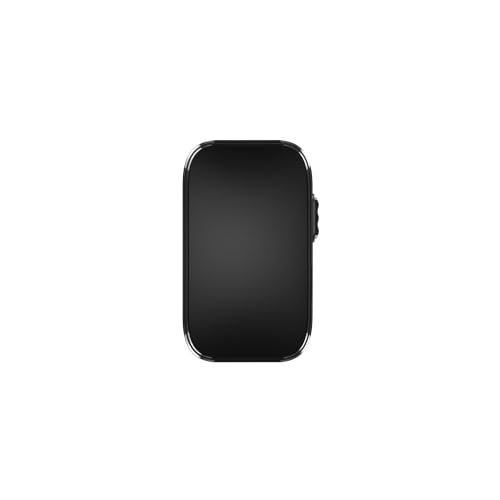
This fitness tracker does not have a display. 74.2% of fitness trackers have a display.
Screen size
N/A
Display type
N/A
Screen resolution
N/A
Pixel density
N/A
Show more
Form factor
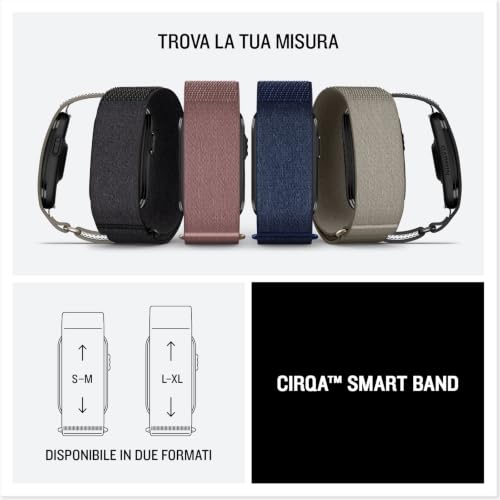
wristband
Hybrid design
no
This fitness tracker does not support Hybrid design. 2.1% of fitness trackers support Hybrid design.
Designed for kids
no
This fitness tracker is not designed for kids. 3.3% of fitness trackers are designed for kids.
Replaceable watch band
yes
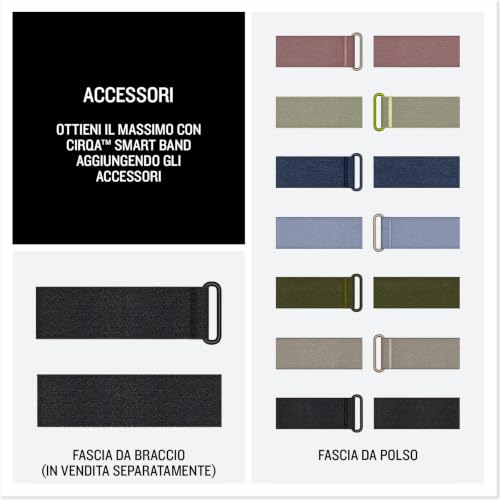
This fitness tracker has a replaceable watch band. 23.4% of fitness trackers have a replaceable watch band.
Band width
24 mm
Show more

Garmin CIRQA vs the average fitness tracker

246810TotalHealthSportsBatteryDisplayConnectivitySmart functionsDesignWellness
  • Logs single exercises
    This fitness tracker records the single exercises inside a workout, while the average fitness tracker does not. 9.1% of fitness trackers do this.
  • Blood oxygen monitoring
    This fitness tracker has a blood oxygen sensor, while the average fitness tracker does not. 32.1% of fitness trackers have a blood oxygen sensor.
  • Measures VO2 max
    This fitness tracker supports VO2 max tracking, while the average fitness tracker does not. 23.6% of fitness trackers support VO2 max tracking.
  • Tracks HRV
    This fitness tracker supports HRV tracking, while the average fitness tracker does not. 15.1% of fitness trackers support HRV tracking.
  • Smart alarm
    This fitness tracker supports a smart alarm, while the average fitness tracker does not. 30.8% of fitness trackers support a smart alarm.
  • Multi-sport mode
    This fitness tracker supports multi-sport mode, while the average fitness tracker does not. 14.5% of fitness trackers support multi-sport mode.
  • Coaching features
    This fitness tracker supports coaching, while the average fitness tracker does not. 36.3% of fitness trackers support coaching.
  • Heart rate alerts
    This fitness tracker supports high and low heart rate alerts, while the average fitness tracker does not. 36.4% of fitness trackers support high and low heart rate alerts.
  • 8.7% higher list score
    List score
    8.7/ 10
    ✕
    What it is
    How often independent test sites, magazines and video reviewers put this model in their best-of lists for this category.
    How we count it
    Points: The model in the most lists of this category gets 10; the others get 8 to 10 in proportion. In no list yet: 7.5. Lists count 30% of the overall score.
    Enough data: Every list counts, even a single one. With fewer than 5 best-of lists in the category, this part is left out.
    Lists with this model (9)
    List score: in 9 of 43 lists (21%)
    8.7 vs 8.0
  • 17.7% higher sentiment score
    9.3 vs 7.9
  • Blood oxygen monitoring
    This fitness tracker has a blood oxygen sensor, while the average fitness tracker does not. 32.1% of fitness trackers have a blood oxygen sensor.
  • Tracks HRV
    This fitness tracker supports HRV tracking, while the average fitness tracker does not. 15.1% of fitness trackers support HRV tracking.
  • Measures VO2 max
    This fitness tracker supports VO2 max tracking, while the average fitness tracker does not. 23.6% of fitness trackers support VO2 max tracking.
  • Heart rate alerts
    This fitness tracker supports high and low heart rate alerts, while the average fitness tracker does not. 36.4% of fitness trackers support high and low heart rate alerts.
  • Tracks respiration rate
    This fitness tracker supports respiratory rate tracking, while the average fitness tracker does not. 16% of fitness trackers support respiratory rate tracking.
  • Continuous SpO₂ monitoring
    This fitness tracker supports continuous SpO₂ monitoring, while the average fitness tracker does not. 16.3% of fitness trackers support continuous SpO₂ monitoring.
  • Built-in temperature sensor
    This fitness tracker has a temperature sensor, while the average fitness tracker does not. 13.4% of fitness trackers have a temperature sensor.
  • Tracks skin temperature
    This fitness tracker supports skin temperature tracking, while the average fitness tracker does not. 15.3% of fitness trackers support skin temperature tracking.
  • Tracks menstrual cycle
    This fitness tracker supports menstrual cycle tracking, while the average fitness tracker does not. 45.2% of fitness trackers support menstrual cycle tracking.
  • Period notifications
    This fitness tracker has period notifications, while the average fitness tracker does not. 34.6% of fitness trackers have period notifications.
  • Readiness score support
    This fitness tracker shows a readiness score, while the average fitness tracker does not. 7.9% of fitness trackers show a readiness score.
  • Ovulation prediction
    This fitness tracker predicts ovulation, while the average fitness tracker does not. 44.1% of fitness trackers predict ovulation.
  • Cycle start prediction
    This fitness tracker predicts the start date, while the average fitness tracker does not. 45.8% of fitness trackers predict the start date.
  • 9 years newer release date
    This fitness tracker was released more recently than the average fitness tracker (2026 vs 2017). The average fitness tracker was released in 2017.
    2026 vs 2017
  • Logs single exercises
    This fitness tracker records the single exercises inside a workout, while the average fitness tracker does not. 9.1% of fitness trackers do this.
  • Multi-sport mode
    This fitness tracker supports multi-sport mode, while the average fitness tracker does not. 14.5% of fitness trackers support multi-sport mode.
  • Tracks training load
    This fitness tracker supports training load tracking, while the average fitness tracker does not. 19.9% of fitness trackers support training load tracking.
  • Route support
    This fitness tracker supports route guidance, while the average fitness tracker does not. 3.4% of fitness trackers support route guidance.
  • Live tracking
    This fitness tracker supports live tracking, while the average fitness tracker does not. 6.2% of fitness trackers support live tracking.
  • Low power mode
    This fitness tracker supports low power mode, while the average fitness tracker does not. 23.2% of fitness trackers support low power mode.
  • Windows compatible
    This fitness tracker is compatible with Windows, while the average fitness tracker is not. 20.9% of fitness trackers are compatible with Windows.
  • Mac OS X compatible
    This fitness tracker is compatible with Mac OS X, while the average fitness tracker is not. 26.3% of fitness trackers are compatible with Mac OS X.
  • ANT+ support
    This fitness tracker supports ANT+, while the average fitness tracker does not. 7.3% of fitness trackers support ANT+.
  • Smart alarm
    This fitness tracker supports a smart alarm, while the average fitness tracker does not. 30.8% of fitness trackers support a smart alarm.
  • 2x larger internal storage
    This fitness tracker has a higher internal storage than the average fitness tracker (0.1 GB vs 0.1 GB). The average fitness tracker has 0.064 GB of internal storage.
    0.128 GB vs 0.064 GB
  • 1 more physical buttons
    This fitness tracker has a higher physical buttons than the average fitness tracker (1 vs 0). The average fitness tracker has 0 of physical buttons.
    1 vs 0
  • 38.3% lighter
    This fitness tracker is lighter than the average fitness tracker (14.8 g vs 24 g). The average fitness tracker weighs 24 g.
    14.8 g vs 24 g
  • 2 mm thinner design
    This fitness tracker is thinner than the average fitness tracker (9 mm vs 11 mm). The average fitness tracker has a thickness of 11 mm.
    9 mm vs 11 mm
  • Coaching features
    This fitness tracker supports coaching, while the average fitness tracker does not. 36.3% of fitness trackers support coaching.
  • Available on PC
    This fitness tracker is available on PC, while the average fitness tracker is not. 17.2% of fitness trackers are available on PC.
  • Points-based system
    This fitness tracker supports a points-based system, while the average fitness tracker does not. 37.2% of fitness trackers support a points-based system.
  • No notifications
    This fitness tracker does not support notifications, while the average fitness tracker does. 72.3% of fitness trackers support notifications.
  • 2.57x more expensive
    Garmin CIRQA is more expensive than the average fitness tracker (£180 vs £70).
    £180 vs £70
  • Old Bluetooth version
    This fitness tracker supports an older Bluetooth version than the average fitness tracker (4 vs 4.1). The average fitness tracker supports Bluetooth 4.1.
    4.0 vs 4.1
  • No display
    This fitness tracker does not have a display, while the average fitness tracker does. 73.9% of fitness trackers have a display.
  • 5.68 mm greater height
    This fitness tracker is taller than the average fitness tracker (47 mm vs 41.3 mm). The average fitness tracker has a height of 41.325 mm.
    47 mm vs 41.325 mm
  • 2.57x more expensive
    Garmin CIRQA is more expensive than the average fitness tracker (£180 vs £70).
    £180 vs £70
  • No display
    This fitness tracker does not have a display, while the average fitness tracker does. 73.9% of fitness trackers have a display.
  • Old Bluetooth version
    This fitness tracker supports an older Bluetooth version than the average fitness tracker (4 vs 4.1). The average fitness tracker supports Bluetooth 4.1.
    4.0 vs 4.1
  • No notifications
    This fitness tracker does not support notifications, while the average fitness tracker does. 72.3% of fitness trackers support notifications.
  • 5.68 mm greater height
    This fitness tracker is taller than the average fitness tracker (47 mm vs 41.3 mm). The average fitness tracker has a height of 41.325 mm.
    47 mm vs 41.325 mm

Video reviews

Hands-on testing, unboxing, and real-world video evaluations

Overview video
Overview video
Overview video

Third-party reviews

What we like about Garmin CIRQA

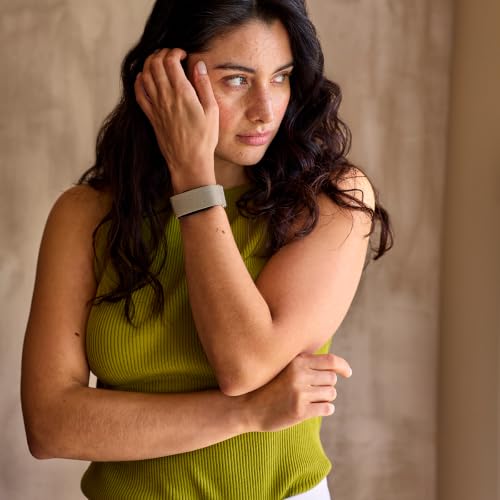
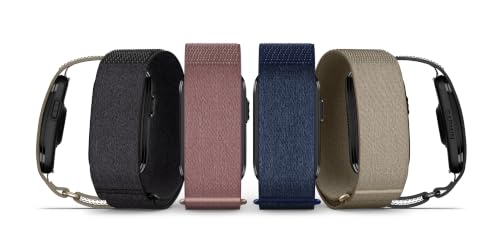
  • At 14.8 g it is light enough to forget on the wrist.
  • At 9 mm thick, it stays slim under a sleeve.
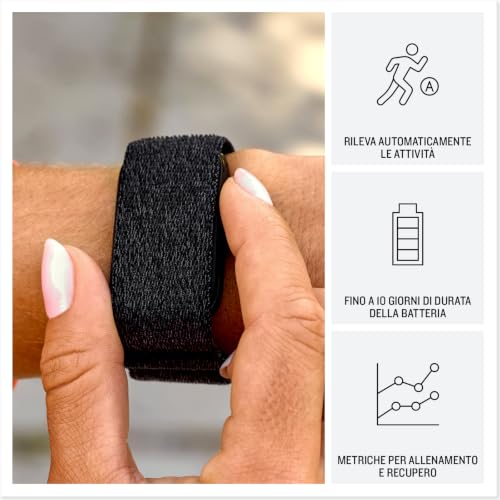
  • Battery life of 10 days covers a long trip.
  • HRV and a readiness score show how well you have recovered.
  • VO2 max and training load help plan hard training weeks.
  • The smart alarm wakes you at a chosen time.

What we don't like about Garmin CIRQA

  • There is no display, so the device shows nothing on its own.
  • It passes on no notifications.
  • There is no GPS for tracking routes.
  • At 47 mm tall, it sits high on the wrist.
  • Charging takes 1.5 hours from empty.

Verdict

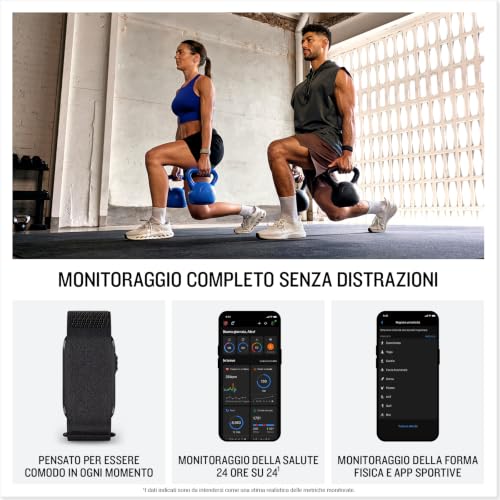
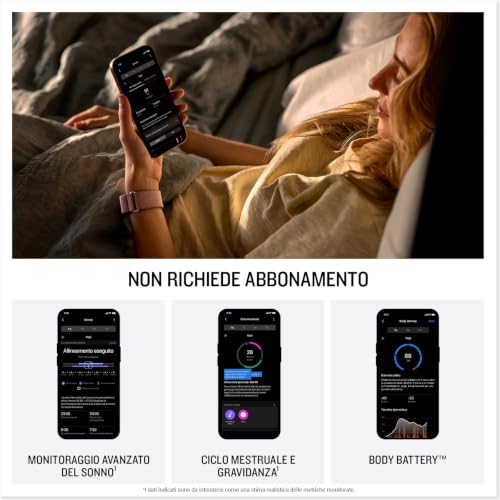
The Garmin CIRQA weighs only 14.8 g and is 9 mm thick, so it is easy to forget you are wearing it at night. It suits a buyer who trains hard, cares about sleep and wants recovery data without a screen. Sleep tracking, sleep reports and resting heart rate come with it, and HRV and a readiness score show how well you have recovered. VO2 max and training load help plan running and cycling weeks. Blood oxygen, respiration rate and skin temperature are tracked too, and the smart alarm wakes you at a chosen time. Battery life is rated at 10 days, and a full charge takes 1.5 hours. The trade-off is that it has no display and passes on no notifications, so you cannot read messages on the wrist.

Compare Garmin CIRQA with other products in the Fitness trackers category

1Product to compare no. 1
VS
2Product to compare no. 2
VS
3Product to compare no. 3 (optional)

Graphic comparison of Garmin CIRQA and other products in the Fitness trackers category

No results found