
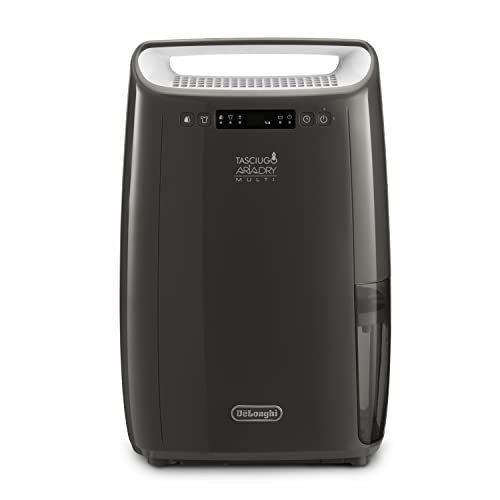


Are De'Longhi dehumidifiers good?
De'Longhi dehumidifiers have an average overall score of 6.5, ranking #5 among dehumidifier brands with at least five products, and an average user rating of 8.6, placing De'Longhi at #10 for user ratings.
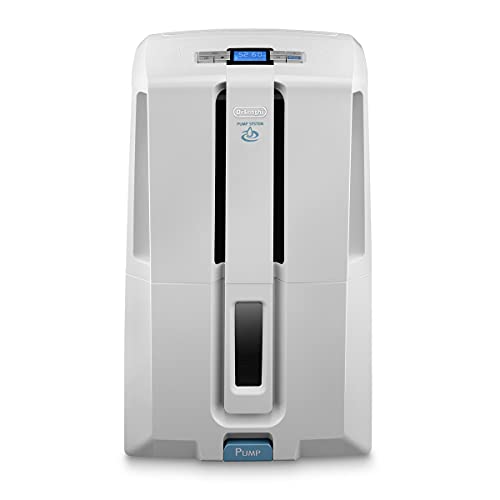
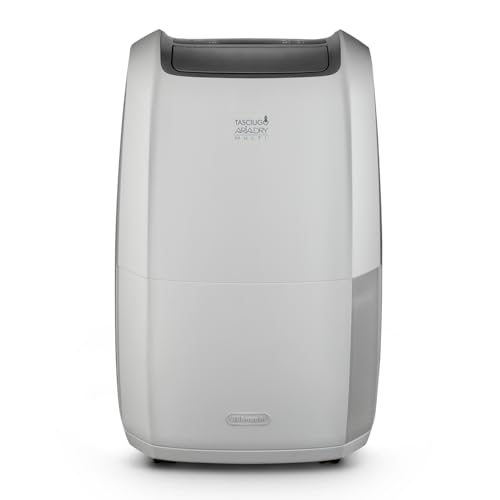
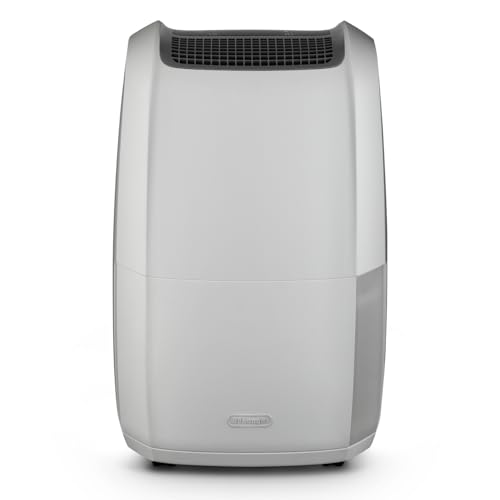
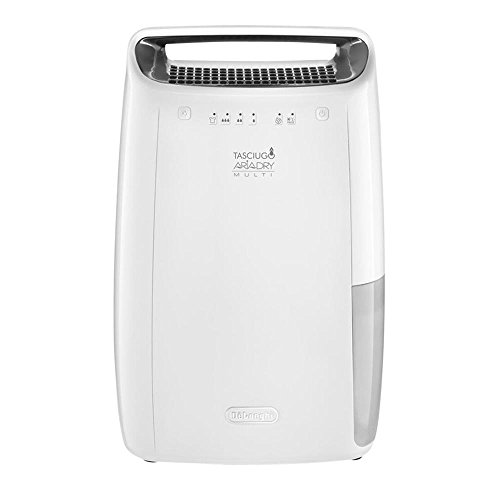
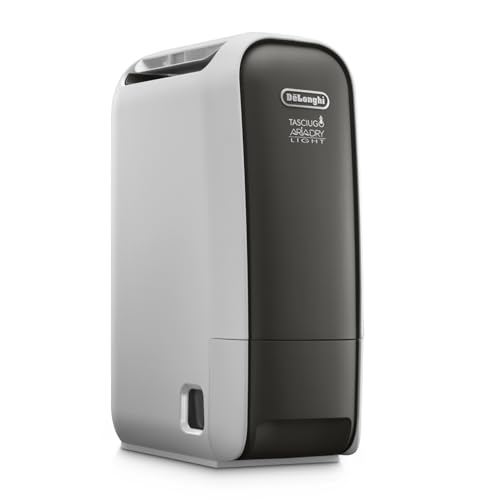
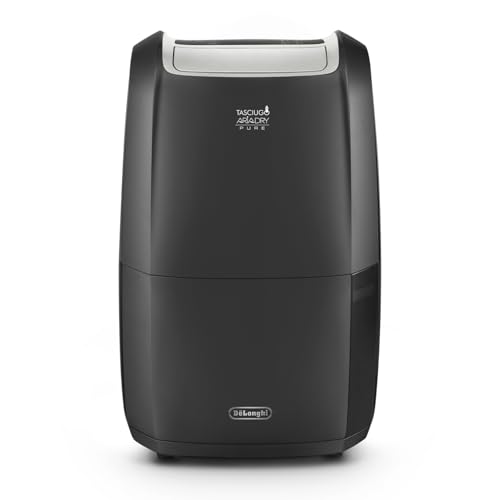
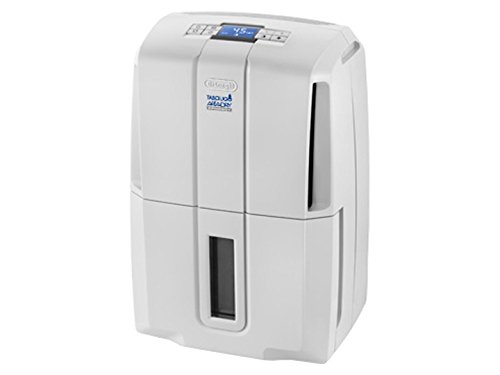
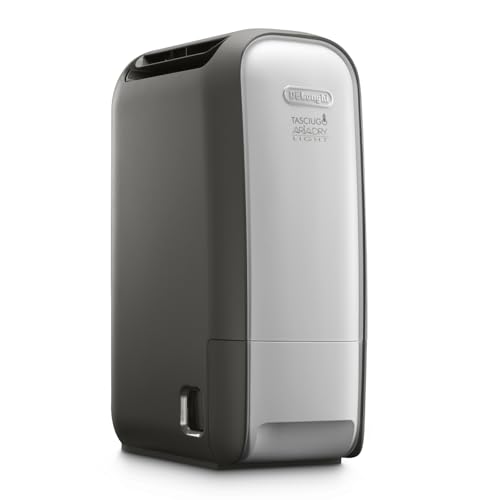
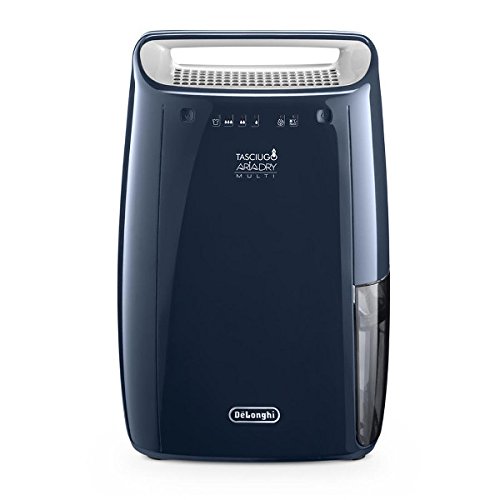
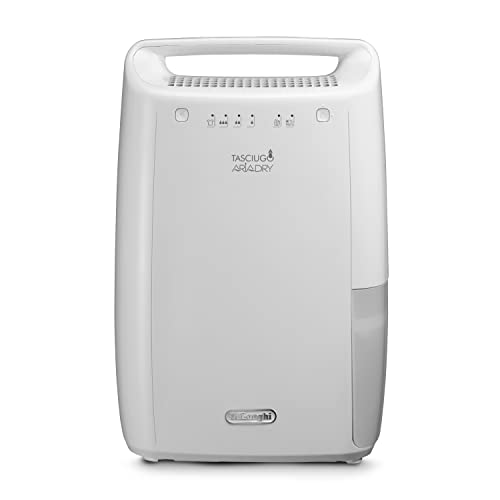
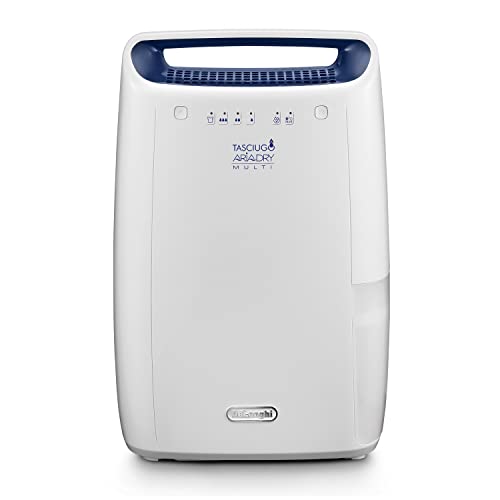
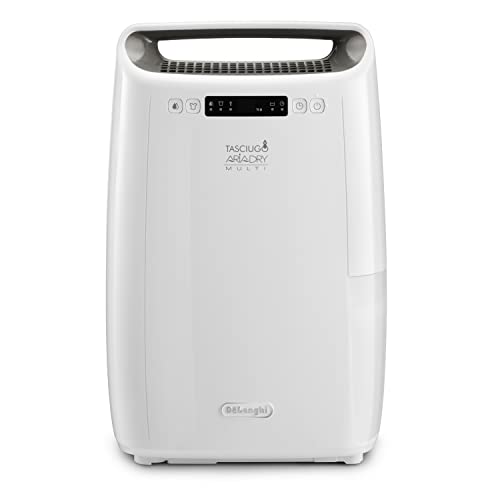
De'Longhi sells the Tasciugo AriaDry line across compressor, desiccant, compact, larger-capacity, pump, Multi, Pure, and Light variants. The DEX family covers compact compressor models, DNS Light covers desiccant operation, DDSX models move into larger cabinets, and DD230P adds a pump-capable 30 L/day option.
The principal limitation is range complexity and price spread. A quiet DNS65 or DEX210 serves a different room from a 30 L/day DD230P, and the highest price is not useful if the room only needs compact extraction.
The chart below compares dehumidifier brands by average overall score, considering brands with at least five products.
[horizontal-chart-06721595269236553795095882766739878991281023478224]What are the main advantages of De'Longhi dehumidifiers?
The main advantages of De'Longhi dehumidifiers are as follows:
- Broad technology choice: The Tasciugo AriaDry line includes compressor DEX and DDSX models plus desiccant DNS Light models. This lets buyers choose stronger cold-room performance or conventional household extraction according to the installation.
- Quiet compact options: The DNS65 and DNS80 are documented at about 34 dB, while DEX210 is about 37 dB and DEX14/DEX16 are around 39 dB. These models are worth considering near bedrooms or living areas, subject to the chosen mode and placement.
- Large capacity and pump option: DDSX models reach about 20–25 L/day and DD230P reaches 30 L/day with a 6 L tank and pump-capable drainage. These products provide reserve for heavy moisture and larger rooms when the drain route is difficult.
- Air purification variants: Several DEX and DDSX models include an air-purification claim, with the DDSX220WFA Pure name making that feature explicit. Treat it as a secondary benefit; humidity control and the moisture source remain the main considerations.
- Consistent humidity controls: The documented models include hygrostat control, drying mode, automatic full-tank protection, and continuous drainage. Those features support daily laundry and sustained condensation when the exact cabinet is correctly sized.
What are the main disadvantages of De'Longhi dehumidifiers?
De'Longhi dehumidifiers have the following main disadvantages:
- High price spread: The range runs from about £140 to £390, and the premium models cost much more than compact DEX or DNS units. Pay for the capacity, pump, desiccant operation, or air-purification feature that the room actually needs.
- Different energy profiles: Desiccant DNS Light models use about 520–695 W, while the smaller DEX compressor models are listed around 210–300 W. Desiccant operation can be valuable in cold rooms, but the extra electricity and heat output should be expected.
- Model complexity: Tasciugo AriaDry, Multi, Light, Pure, DDSX, DEX, and DD230P names describe different configurations. Buyers can easily compare the wrong models unless they check capacity, technology, tank, noise, and drainage for the full product name.
- Small tanks on some high-capacity units: The 12–16 L Multi models have tanks around 2.1 L, so continuous drainage matters when moisture is heavy. A larger extraction rating does not remove the need for a safe drain or regular emptying.